
- Causes and characteristic signs of leaf wilting
- Lack of nutrients in the soil
- Moisture deficiency
- Weather conditions
- Diseases that cause leaf wilting and rotting of cabbage
- Peronosporosis
- Kila
- Alternaria
- Parasitism of pests
- Aphids and whiteflies
- Cruciferous flea beetle
- Other insects
- What to do if cabbage leaves are wilting
- We regulate watering
- We apply fertilizers
- Protecting from diseases
- We treat insects
- Prevention and proper care are the key to a good harvest.
Why do cabbage leaves turn yellow and wilt? This question is often asked by gardeners who decide to grow this vitamin-rich vegetable. It turns out there are several factors that can cause yellowing and wilting of leaves. With proper care and preventative treatments, cabbage will grow healthy and form a large, firm head.
Causes and characteristic signs of leaf wilting
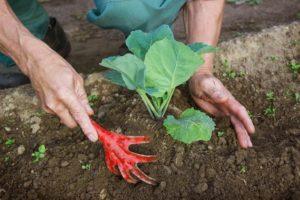
Cabbage leaves may droop immediately after transplanting seedlings into the garden. At this point, young plants are very vulnerable. Direct sunlight can cause them to lose a lot of moisture. The roots are still too weak to replenish their water reserves. At this point, the seedlings need shelter and ample watering.
Cabbage leaves can wilt before the heads mature for a number of reasons. The plant may become infected with a virus or fungus, or suffer from insect attacks. Cabbage leaves wilt due to a lack of nutrients in the soil, unfavorable weather conditions, or improper farming practices.
Lack of nutrients in the soil
Cabbage should be grown in well-fertilized, neutral or slightly acidic soil. A lack of mineral microelements in the soil disrupts the plant's metabolism and affects its growth and appearance.
However, cabbage leaves sometimes wilt due to insect or fungal infestations, natural aging, drought, or excess chlorine, aluminum, or manganese in the soil. It's important to correctly determine the cause of the plant's wilting before taking any action.
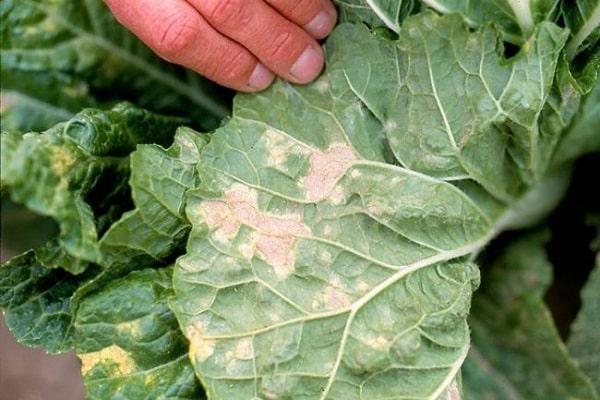
A nitrogen deficiency causes the plant to take on an abnormal light green color, with the leaves turning completely yellow. A phosphorus deficiency causes the cabbage to turn dark green. The leaves remain the same color, but small yellow spots sometimes appear.
A deficiency of potassium, magnesium, or zinc is indicated by yellowing of individual sections of the leaf, rather than the entire leaf. For example, leaf edges dry out due to potassium deficiency.
Symptoms of wilting due to a lack of nitrogen, phosphorus, zinc, potassium, and magnesium can initially be seen only on older cabbage leaves. When these micronutrients are deficient in the soil, they migrate from older parts of the plant to younger ones, which show no signs of mineral deficiency.
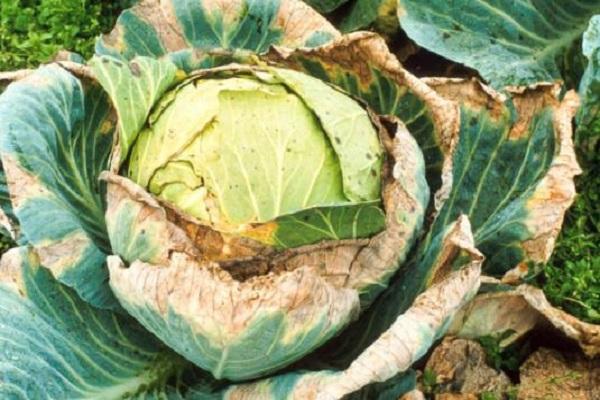
However, if cabbage is planted in soil deficient in calcium, boron, manganese, copper, sulfur, and iron, signs of wilting are visible even on young leaves. They lose their green color completely or partially. If the necessary fertilizer is applied, the signs of deficiency of the dominant mineral microelement disappear.
Moisture deficiency
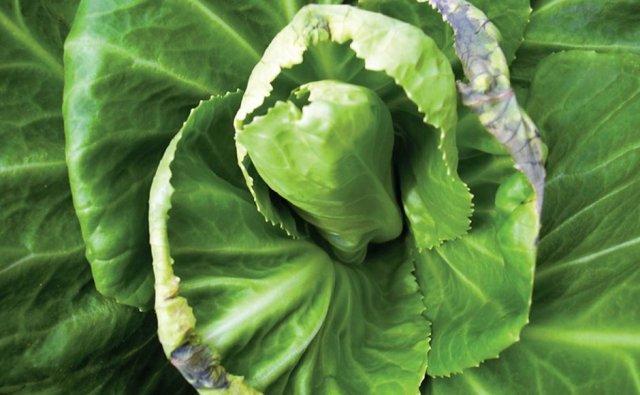
Cabbage is considered a moisture-loving plant. Its high water requirements are explained by its morphological characteristics (shallow roots, large leaf evaporative surface area). Cabbage requires moisture most during seed germination, seedling establishment, and head formation. If moisture is insufficient, leaf edges turn pink, curl, and develop a bluish bloom. Subsequently, cabbage dries out and dies in the garden if it is not regularly watered.
However, excess moisture can also cause cabbage leaves to wilt. Overwatering can cause the soil to become acidic, disrupting the roots' oxygen supply. By not overwatering and regularly applying the correct amount of water, you can prevent wilted cabbage leaves.
Weather conditions
Cabbage is a cold-hardy crop. Seedlings develop well at temperatures of -12-15°C (53-59°F). It's best to plant young seedlings in the garden in mid-May, when the soil warms up to 10°C (50°F). Once planted in the ground, cabbage thrives in cool summer conditions. Heads form well at temperatures of 18-20°C (64-68°F).
In dry and excessively hot summers, the lower leaves turn yellow and fall off, and the heads of cabbage split. Mature plants don't like heat, but they tolerate short-term autumn frosts well. In cool and rainy weather, cabbage is often affected by fungal infections.
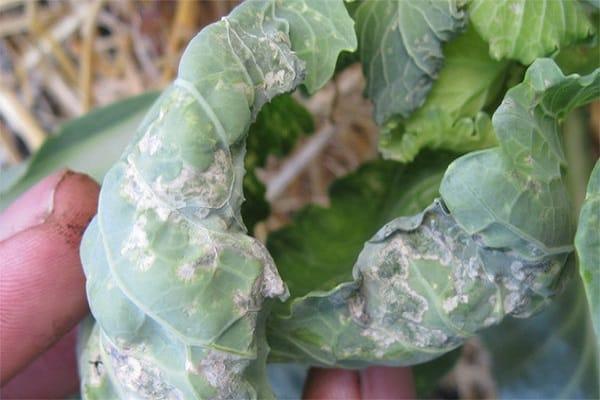
Diseases that cause leaf wilting and rotting of cabbage
If agricultural practices are not followed, care is neglected, or adverse weather conditions occur, cabbage may become diseased. This can be caused by a fungal or viral infection.
Peronosporosis
This disease is also known as downy mildew. This fungal infection affects young and mature seedlings, but is most dangerous for transplants. Yellow or brown spots appear on the upper surface of leaves near the veins. The pathogen enters the leaves through the stomata. In damp weather, a grayish coating of fungal spores develops on the underside of cabbage leaves.
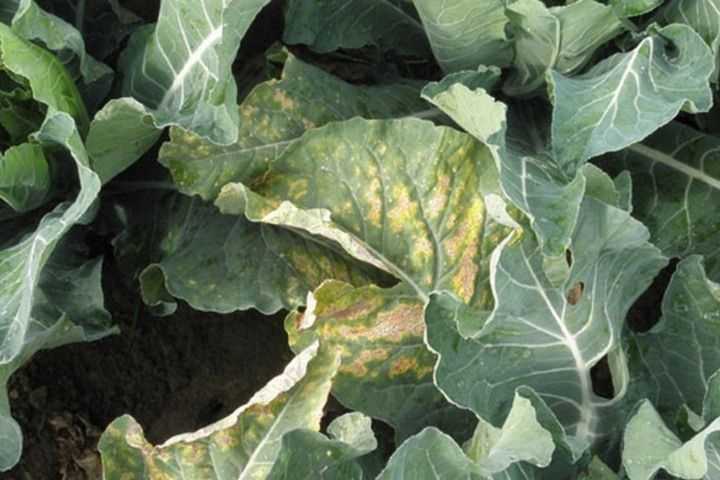
Rainy days promote rapid spread of the infection. Affected leaves turn yellow and then wilt. Downy mildew develops at temperatures above 15 degrees Celsius, in high humidity, in acidic soils, and in stuffy, unventilated areas.
Kila
A fungal disease that attacks the roots of young and mature plants. It's said that seedlings infected with clubroot have completely died. This is true. The fungus forms growths and swellings on the roots that are difficult to notice. No matter how much you water your cabbage, it still wilts. Clubroot prevents mature plants from developing normally. Their leaves wilt and turn yellow, and heads of cabbage become small, fall over, dry out, and sometimes fail to form at all. Clubroot is most often active in warm, humid weather in slightly acidic soil.
Alternaria
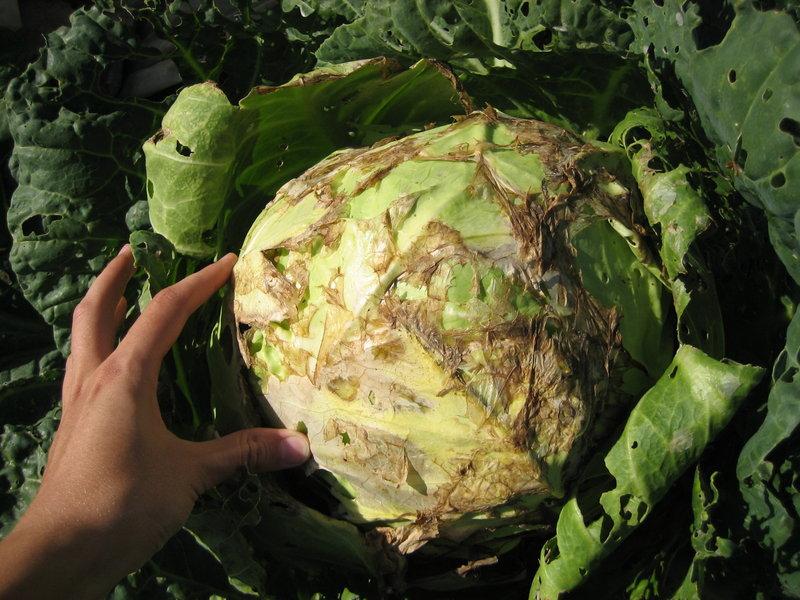
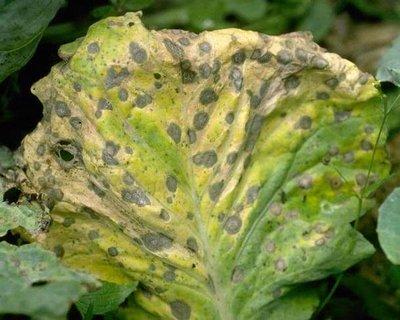
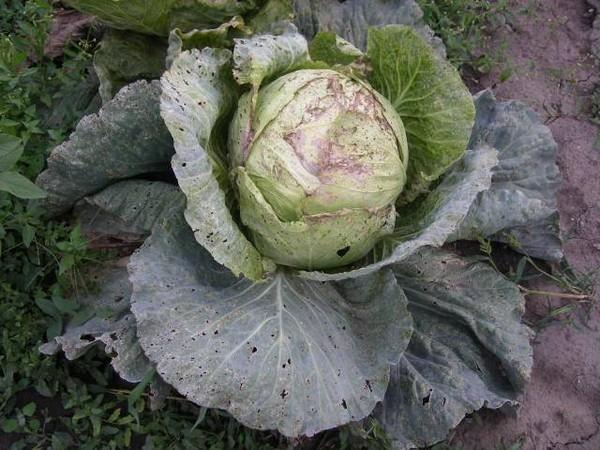
This fungal disease is called black spot. The pathogen attacks young and mature crops, as well as seeds. Black spots appear on cabbage leaves, which subsequently fall out and form holes. The affected plant forms a loose head of cabbage. Cabbage leaves turn yellow and wilt. Seeds lose their viability if the fungus penetrates their embryos.
Alternaria leaf spot occurs in dense plantings during periods of heavy rainfall or watering at temperatures above 25°C. The source of infection is infected seeds or plant debris containing mycelium or conidia.
Parasitism of pests
Throughout its growing season, cabbage is subject to pest attacks. Insects and their larvae attack the plant's leaves, stems, and roots, causing the crop to wilt, stunt growth, and even die.
Aphids and whiteflies
Cabbage aphids are tiny, soft-bodied, yellow insects that feed on cabbage sap. Colonies of these pests settle on the leaves of the plant. The plant weakens, its leaves wilt and dry out, and the heads become loose and often rot. You can save the harvest by starting to control the aphids before the heads begin to form.
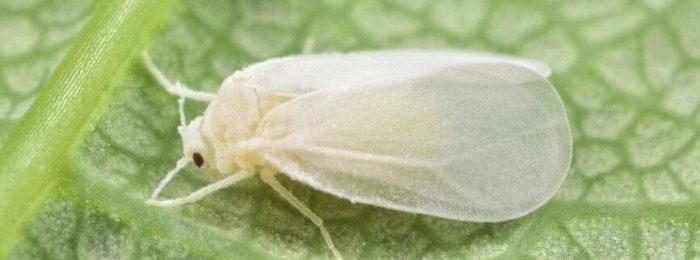
The whitefly is a small butterfly with white wings and two dark spots, resembling a moth. The insect lays eggs on the underside of cabbage leaves. The larvae then feed on the cabbage sap. Sooty mold develops on the whitefly's secretions. Leaves affected by the insects and fungal infection lose their healthy appearance, turn yellow, and wilt.
Cruciferous flea beetle
These black, blue, or striped jumping insects are actually small leaf beetles. These pests damage cabbage leaves by chewing holes through them. Females lay their eggs in the soil, and the hatched larvae feed on plant roots.
The beetles are dangerous for young seedlings, and if they spread en masse, they can destroy mature crops.
Other insects
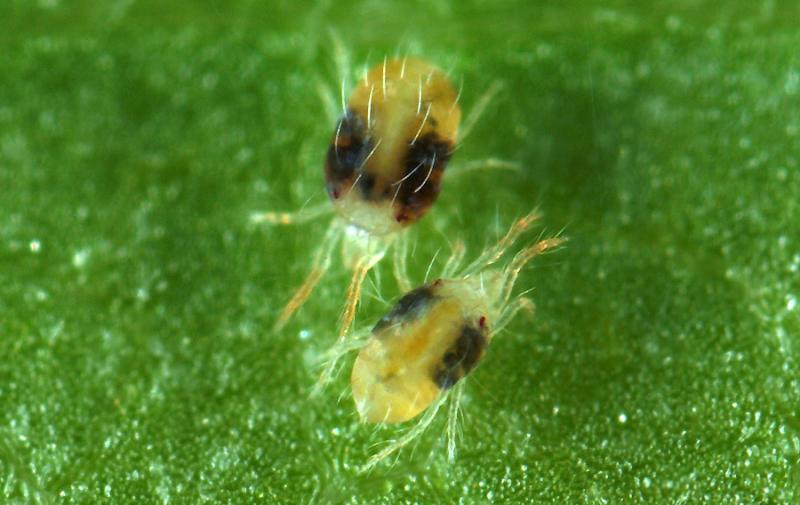
Spider mites and cabbage flies are harmful to cabbage. Webbing on the underside of leaves indicates spider mite activity. These greenish or orange insects feed on cabbage sap and cause the leaves to dry out.
The cabbage fly is very similar to the common housefly. However, its gray back has three black longitudinal stripes. The fly lays eggs on the root collar of plants. The hatched larvae feed on the cabbage roots, causing the plant to wilt and the leaves to turn bluish-gray.
What to do if cabbage leaves are wilting
For normal plant development, favorable conditions and proper care are essential. What to do if the weather is cool and rainy or, conversely, hot and dry? Even in these climates, a good cabbage harvest can be harvested. Plants should be treated with fungicides and insecticides, provided with minerals, weeded, watered regularly (if necessary), and the soil loosened.
We regulate watering
Cabbage will not wilt if properly watered. Use settled, warm water, preferably rainwater. Water the cabbage daily after planting the seedlings and as the heads form. Overwatering can lead to waterlogging, which can cause the cabbage roots to rot. Avoid watering during rainy weather. During dry periods, pour 10 liters of water under the roots. Water the cabbage once a week for a month before harvest to prevent the heads from splitting.
We apply fertilizers
Cabbage needs to be fed with organic and mineral fertilizers. Organic fertilizers enrich the soil with all the necessary micronutrients. Mineral fertilizers not only enrich the soil with nutrients but also reduce the risk of fungal infections.
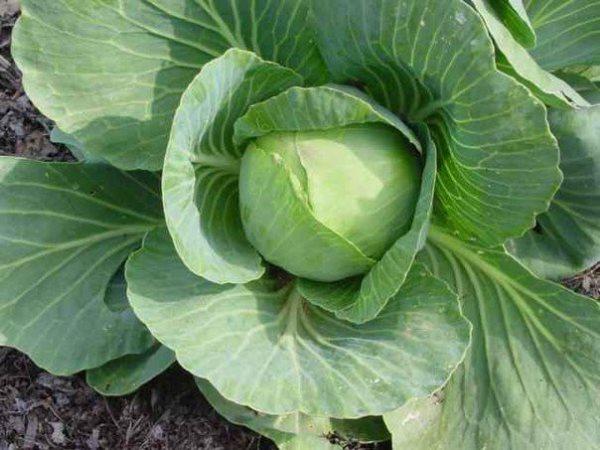
The soil is prepared for planting. In the fall, the soil is dug over and 6 kilograms of rotted manure or 300 grams of poultry manure are added per square meter. In the fall, the soil is enriched with nitrogen, potassium, and phosphorus. 40 grams of urea, potassium sulfate, and double superphosphate are added per square meter. To normalize the acidity, 300 grams of wood ash or lime are added.
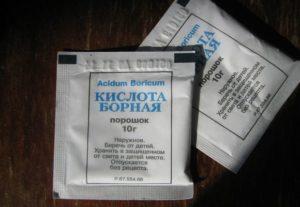
Two weeks after transplanting the seedlings into the garden, fertilize the soil with urea or saltpeter (35 grams per 10 liters of water). After 14 days, add a mullein solution (0.5 kilograms of manure per 10 liters of water). To prevent cabbage heads from cracking, spray them with a boric acid solution. Use 5 grams of the solution per 10 liters of water.
Take a look Also

 During head formation, potassium and phosphorus supplements are added to the soil (40 grams each of potassium sulfate, superphosphate, and 2 cups of ash per 10 liters of water). No more than 1 liter of the nutrient mixture is poured under each plant.
Protecting from diseases
Infections can spread to cabbage from the soil, be carried by insects, or be transmitted by weeds and nearby crops. If you notice signs of wilting or damage on the leaves, treatment should be started immediately. It's best to remove dead seedlings or mature plants from the area immediately, and sprinkle the soil with lime.
A plant infected with clubroot can no longer be saved. Cabbage can be hilled high to stimulate the development of adventitious roots. To prevent the disease, lime the soil before planting. A colloidal sulfur solution can be poured into each hole before planting the seedlings. It is advisable to treat the seedlings with fungicides (Fitosporin or Alerin).
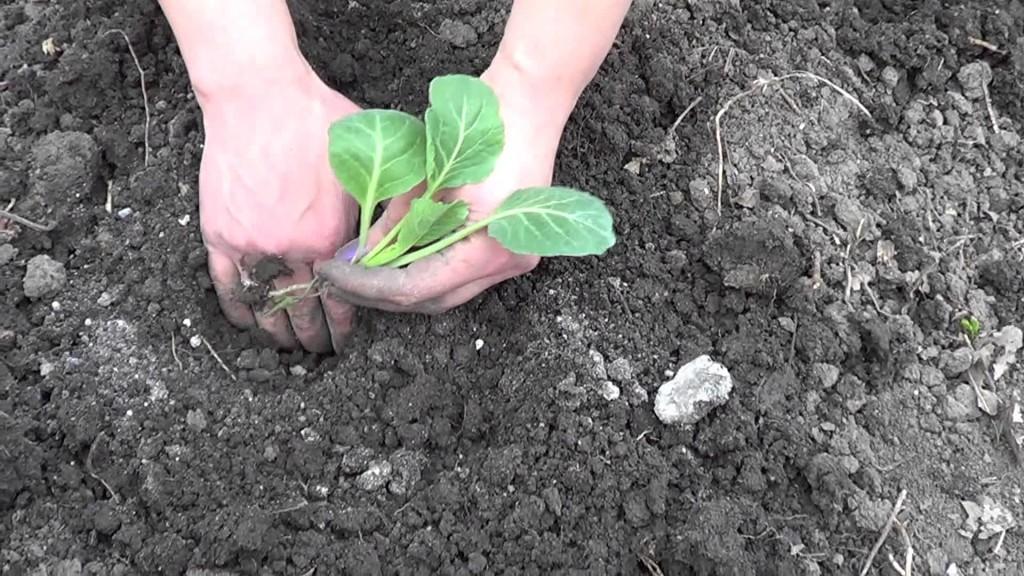
You can add a little dolomite flour to the hole before planting. If the soil is infested with clubroot, you should plant tomatoes, onions, garlic, and eggplant in it for the next few years. These vegetables kill the fungus.
If black spot symptoms appear, cabbage heads are sprayed with a fungicide solution (Antracol, Skor, or Cuproxat). If downy mildew appears, spray with Bordeaux mixture or Planriz solution. If rhizoctonia (rusty spots on leaves) appears, cabbage heads are treated with a copper solution.
Spraying with a solution of potassium permanganate or Fundazol helps against black leg (darkening and thinning of the stem of seedlings).
We treat insects
The most effective way to control insects is considered to be the use of insecticides (Aktara, Match, Enzhio). Instead of chemicals, you can use folk remedies (soap, ash, vinegar, salt solutions, onion or garlic infusions, or a decoction of tomato or potato tops). Traps and decoys can be set in the garden bed. Insects will be repelled by the pungent smell of plants planted near cabbage, such as dill, anise, mint, onions, and garlic.
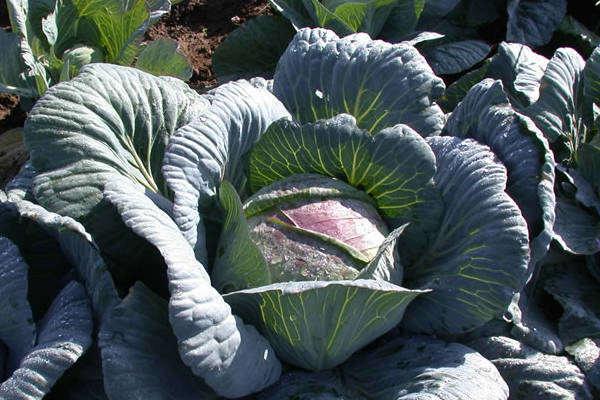
Prevention and proper care are the key to a good harvest.
Cabbage will thrive and remain disease-free if a number of preventative measures are taken. It's best to plant cabbage after tomatoes, potatoes, onions, and garlic. Before planting, fertilize, lime, and treat the soil with a potassium permanganate solution. Seeds should be hardened and disinfected beforehand.
To prevent diseases, plants are sprayed with a solution of potassium permanganate, copper sulfate, and Bordeaux mixture. A saline solution is used as a preventative measure against pests. The soil around the cabbage is sprinkled with ash, sawdust, and sand. To ensure a good harvest, cabbage requires regular watering and fertilization.
Related posts:
 Description of the best cabbage varieties for 2025 for different regions
 Planting, growing, and caring for Chinese cabbage in open ground
 Why do cabbage leaves turn purple and what can be done to treat them?
 Growing and caring for Chinese cabbage in open ground and greenhouses
 Description and characteristics of the best varieties of late cabbage, planting and care technology
 Why does cabbage grow tall in the garden and what can be done about it?
 Description of the best early cabbage varieties, cultivation and care in open ground
 Top 40 Best Cabbage Varieties with Descriptions and Characteristics