
- Advantages and disadvantages of late-ripening cabbage varieties
- The best varieties: description and characteristics
- Aggressor
- Mara
- Moscow late 9
- Amager 611
- Snow White
- Megaton F1
- Kolobok
- Wintering 1474
- Langedijker
- Turkic
- Kharkiv winter
- F1 mother
- Valentina F1
- Sugarloaf
- Orion F1
- Lennox F1
- Atria
- Crumont
- Stone head
- Ls 251 F1
- Extra
- Planting and caring for late crops in open ground
- Timing and technology of planting in open ground
- Seeds
- Seedlings
- Care Features
- Soil moistening
- Light mode
- Loosening and weeding
- Top dressing
- Harvesting and storage of crops
This plant from the cruciferous family is rich in micronutrients, contains a host of vitamins, cleanses the intestines, and stimulates the liver and stomach. Some late cabbage varieties take almost six months to ripen, but the heads are stored for a long time, retain their beneficial properties, withstand transportation well, and do not accumulate harmful substances. It matures in just three months. early cabbage, but its heads spoil quickly and are not suitable for pickling.
Advantages and disadvantages of late-ripening cabbage varieties
Gardeners grow vegetables for fresh consumption, storage, and canning. Early varieties are not suitable for winter storage and are consumed immediately. Late cabbage, although it takes a long time to ripen, offers many advantages over quick-ripening varieties. Its advantages include:
- high productivity;
- long shelf life;
- excellent transportability.
Late cabbage heads retain their flavor when fermented, pickled, or preserved with vinegar. Nitrates do not accumulate in the heads or leaves during storage.
The best varieties: description and characteristics
Late cabbage usually doesn't spoil until spring, but breeders have already created hybrids whose heads last until the next harvest without losing flavor or firmness, retaining their varietal characteristics, and the plant is disease-resistant and insect-resistant.
Aggressor
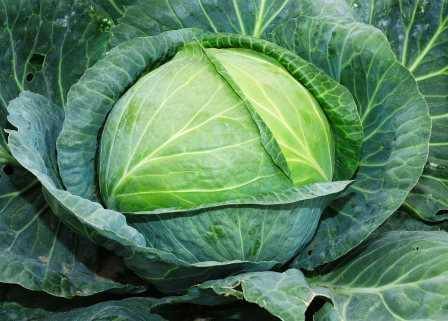
This hybrid cabbage of Dutch origin thrives in a variety of climates and is easy to care for. The heads ripen slowly and do not crack even in excess moisture. The Agressor variety is resistant to late blight, blackleg, and flea beetles. The firm heads last a long time and retain a good flavor when pickled.
Mara
White cabbage, bred in Belarus, is harvested after five and a half months when grown from seedlings. The leaves are dark green and coated with a purine coating. A ripe head weighs no more than 4 kg, stays fresh until May if stored cool, and does not deform during transportation.
The variety is not affected by rot and takes root in damp climates with frequent, prolonged rains.
Moscow late 9
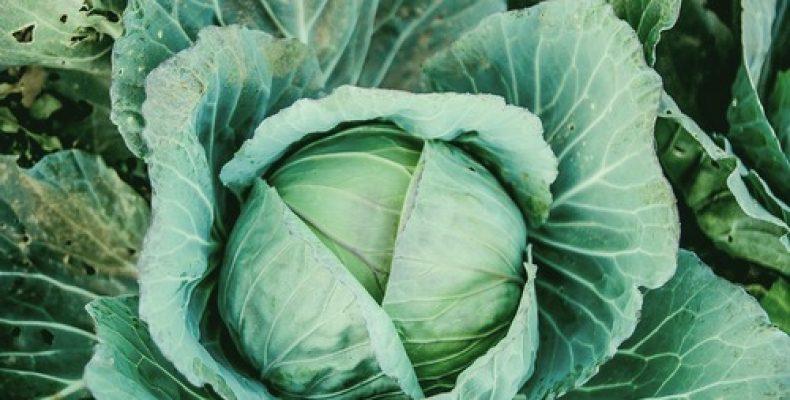
This hybrid variety of Russian origin is surprisingly large in size. It produces high yields. The flat, dense heads last until June, and some specimens weigh 9–10 kg when ripe. The variety is immune to fungal infections, which cause plants to stop growing, dry out, and die. There are no negative reviews about Moscow Late Cabbage. Gardeners claim that the heads recover after a frost of -7°C (-4°F).
Amager 611
This wartime variety tolerates low temperatures well and matures in 160 days. The heads, which rarely weigh more than 5 kg, are stored for six months without cracking and are very easy to process. The dense heads with glaucous-green leaves are suitable for pickling and fermenting. The plant is resistant to fungi, the roots do not rot in high humidity, and Amager responds poorly to heat and drought.
Snow White
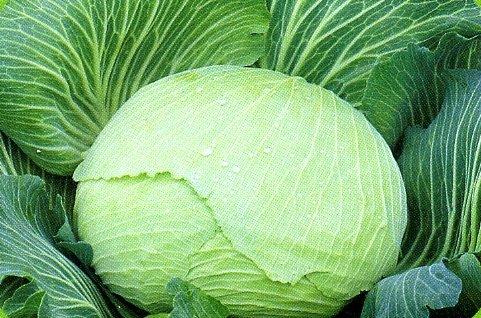
The hybrid's growing season lasts no more than 160 days. It produces a bountiful harvest of round, deliciously flavored cabbage heads, averaging 3.5 kg in weight. Larger, denser, and very light-colored heads also grow. Snow White doesn't crack, making it ideal for pickling.
Megaton F1
This late-ripening cabbage hybrid, little known among gardeners, ripens in 100 days. It tolerates dense plantings, has large, well-developed leaves, and is resistant to fusarium. Megaton's dense, flattened heads weigh between 4 and 9 kg.
Kolobok
Gardeners plant this highly productive variety for long-term storage. This cabbage, which matures in 150–155 days, is valued for:
- not afraid of bacterial infection;
- does not suffer from fusarium;
- not affected by rot.
The green, dense heads of Kolobok cabbage turn almost white when cut. The heads are slightly bitter, but by January the unpleasant taste disappears.
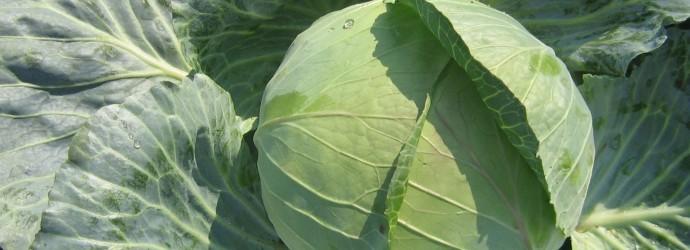
Wintering 1474
This domestically bred variety has a very long shelf life; the cabbage remains fresh until June and doesn't crack during prolonged rainy weather. The leaves, forming a dense head, are covered with a bloom. Zimovka is grown in the Far East, Kazakhstan, and central Russia.
Langedijker
A white cabbage variety developed in Germany, it ripens late. It's planted for storage, although the heads are also eaten fresh and suitable for pickling. They don't split easily and have a firm texture, but the upper leaves tend to yellow by spring.
Turkic
This late-ripening cabbage variety is harvested 120 days after the seedlings have established themselves. The heads are well-shaped, weigh no more than 3 kg, and last for 7–8 months. Turkiz is drought-resistant and thrives in the south.
Kharkiv winter
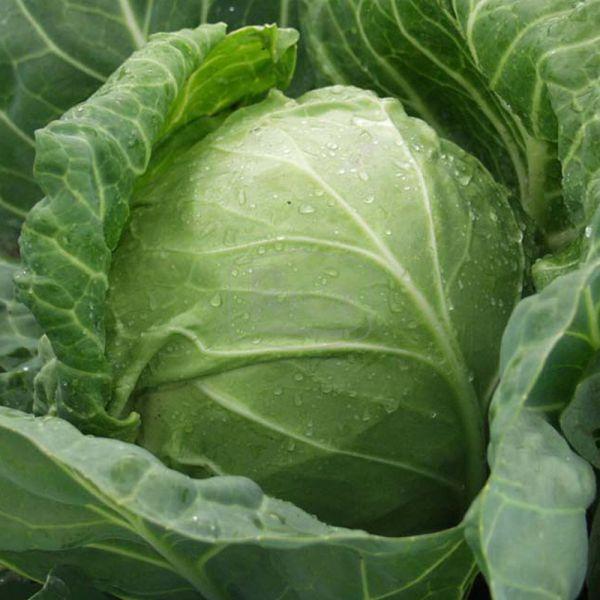
A hybrid obtained by crossing Amager with the Dauerweiss cabbage variety, it is cultivated in both Europe and Asia because the plant tolerates high temperatures, and the seedlings survive temperatures as low as -2°C (33°F) and can withstand heat of up to 40°C (100°F). Even with a lack of moisture, juicy heads weighing 2 to 3.6 kg (4.5 to 8.8 pounds) ripen. Gardeners adore it. Kharkiv winter cabbage:
- for high productivity;
- good taste;
- excellent transportability.
When stored, the heads are resistant to disease and insect infestation. The leaves are used to make cabbage rolls, and the heads are fermented and pickled.
F1 mother
This hybrid variety is grown in the Volga region, Moldova, and Ukraine. It is distinguished by a slightly raised rosette of glaucous-green leaves. The flattened heads weigh 2.5 kg when ripe and can be stored without spoiling for up to six months.

Valentina F1
A popular hybrid among gardeners, its growing season approaches 180 days. Small leaves form a robust rosette. The 3.5 kg heads are egg-shaped. The cabbage has a sweetish flavor and crunches in pickles and marinades. It does not rot or dry out for over 7 months.
Sugarloaf
This variety, developed in Russia and adapted to the Siberian climate, is resistant to fusarium, clubroot, and bacterial infections. Sugarloaf produces spherical heads prized for their sweet flavor, and although not very dense, they keep until June.
Orion F1
This hybrid, which matures in 170 days, delivers a consistent and bountiful harvest even under unfavorable conditions. A compact rosette of round leaves forms on a tall stem. The small, elongated heads last until April, beginning to deteriorate slightly in May.
Lennox F1
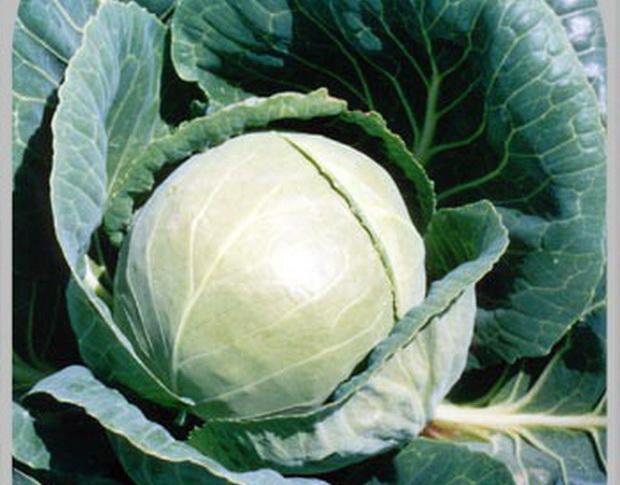
This hybrid, with its powerful root system, is suitable for growing in both dry and damp climates, producing up to 9 kg of cabbage per square meter. The heads, weighing no more than 2 kg, are rich in sugars and ascorbic acid. The large leaves are ideal for cabbage rolls, and the densely textured heads have a shelf life of approximately 250 days.

Atria
A variety developed in the Netherlands a quarter century ago, it has become established in Siberia and the Urals. In Moldova and Ukraine, farmers harvest up to 100 tons of Atria cabbage per hectare. The heads have a small stalk, do not crack during storage, and are good for pickling, fermenting, and eating fresh.
Crumont
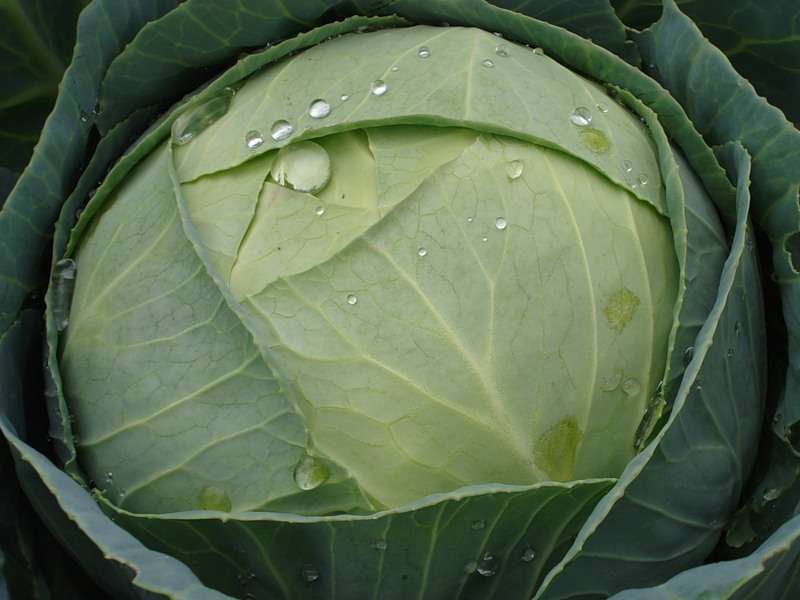
In the 1990s, Timiryazev Academy breeders created a white cabbage hybrid with a compact rosette of 25–30 gray-green leaves, densely covered with a bloom. The rounded heads, weighing up to 2 kg, are harvested in October and stored. The plant is immune to bacterial diseases and does not suffer from necrosis.
Stone head
White cabbage, developed by Polish breeders, is cultivated commercially and planted by gardeners in many European countries. The leaves of Stone Head are somewhat tough, but the heads do not split, are easily transported, and are rich in sugar. The variety's advantages include:
- high productivity;
- resistance to adverse conditions;
- versatility of use.
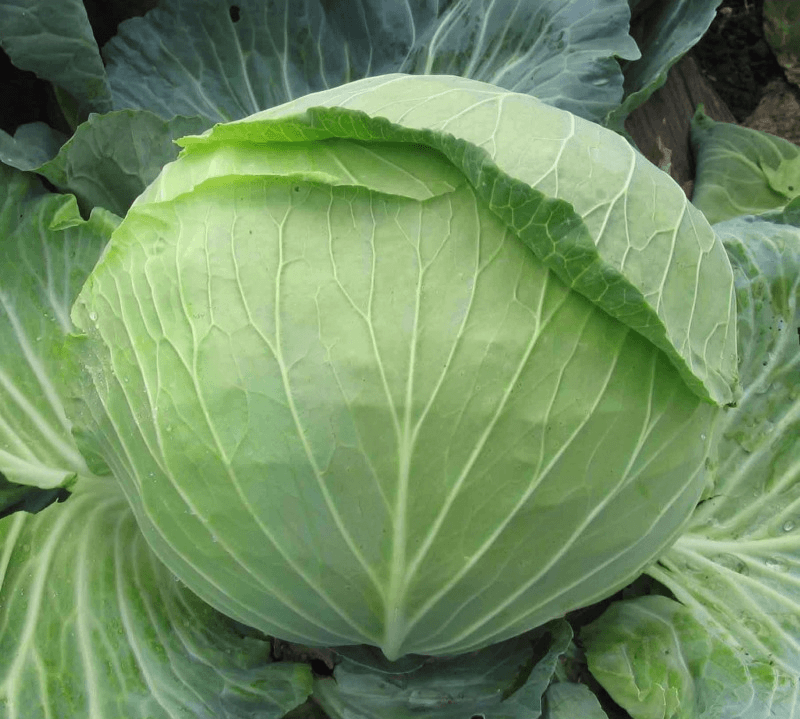
The plant tolerates heat and drought and does not die in low temperatures. The dense, tasty heads are harvested in October and can be stored until summer without spoiling.
Ls 251 F1
This hybrid cabbage with large rosette leaves forms flat heads, white inside. They weigh 2 to 3.5 kg, last up to 5 months, and are eaten fresh, fermented, and pickled.
Extra
First-generation hybrid heads, which ripen in late autumn, are used for various culinary preparations. The green heads do not split, have a firm texture, and are delicious fresh, but are more often processed.
Planting and caring for late crops in open ground
In southern regions, farmers often sow cabbage seeds directly into open ground, harvesting them 5 or 6 months later. In temperate climates, growing late-season vegetable crops this way is impossible, as the weather is already cold in October, when they ripen.
Timing and technology of planting in open ground
Gardeners determine the time for sowing based on their local climate. This is especially important when growing vegetables outdoors.
Seeds
To ensure good cabbage growth and head formation, the plot must be prepared and fertilized. Sowing begins in late April to early May. The seeds are disinfected in a hot potassium permanganate solution, soaked in a growth stimulant, and planted in open soil at a depth of 30 mm, spaced every 50 cm.
Seedlings
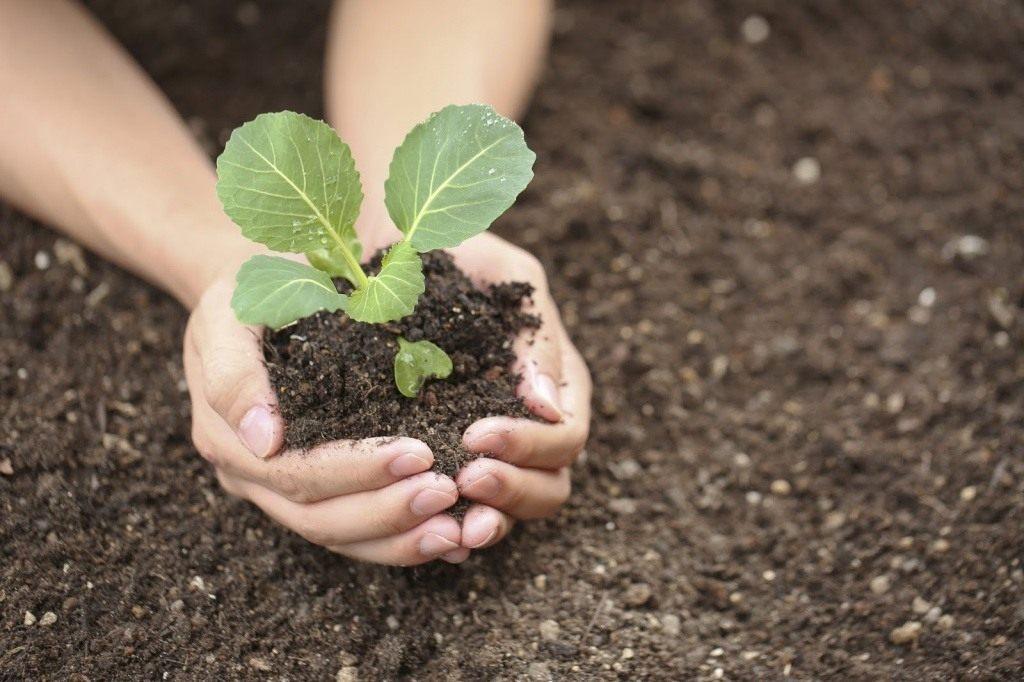
Since direct seeding into fields or garden beds is only possible in southern regions, vegetable growers growing cabbage in temperate climates need to determine the right time to sow the seeds. Seedlings are planted outdoors at 45 days old. The substrate is prepared by combining sod, compost, sand, and humus. The soil is steamed or watered with a potassium permanganate solution. Sowing begins in March, with the hardened seedlings ready to be transplanted into the garden bed in mid-May.
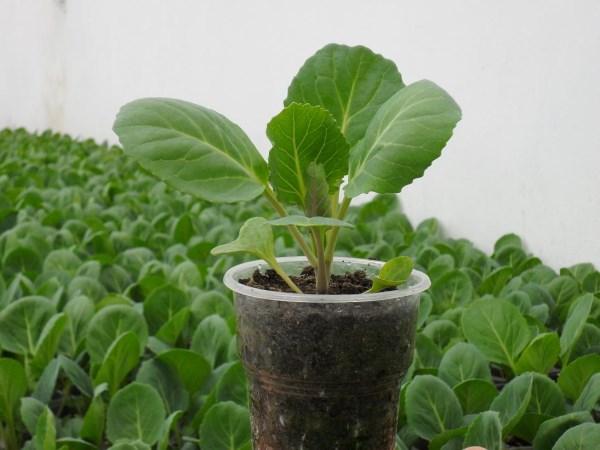
The seeds are placed in a box filled with substrate in a 3 x 5 pattern, and the container is covered with polyethylene or glass for 4–5 days until sprouts appear.
Care Features
The seedlings are moved to a well-lit location where the temperature does not exceed 15°C. Care must be taken to ensure they do not become too tall or overgrown.
Soil moistening
Seedlings should be watered with warm water, preferably using a spray bottle. It's important to monitor the condition of the substrate to ensure the top layer doesn't dry out, but always remains moist.
Light mode
In March, when cabbage seeds are sown, the days are still short, requiring a fluorescent lamp to be turned on for 6-8 hours a day. The seedlings require plenty of light. In May, they are hardened off and moved to the garden bed.
Loosening and weeding
Cabbage grows well in a sunny spot; heads do not form in the shade. The large rosettes require plenty of moisture; the plant should be watered every two days, or once a week in cool weather. After watering, it is recommended to thoroughly loosen the soil to improve air flow to the roots. Weed the bed regularly to prevent weeds from spreading and hindering the cabbage's development.

Late-season vegetable varieties need to be hilled at least twice per season. The soil is raked up so that it doesn't cover the lower leaves. The first time, the seedlings take root and begin to grow, and then the soil is hilled as the heads are forming, which helps stabilize the shoots.
Top dressing
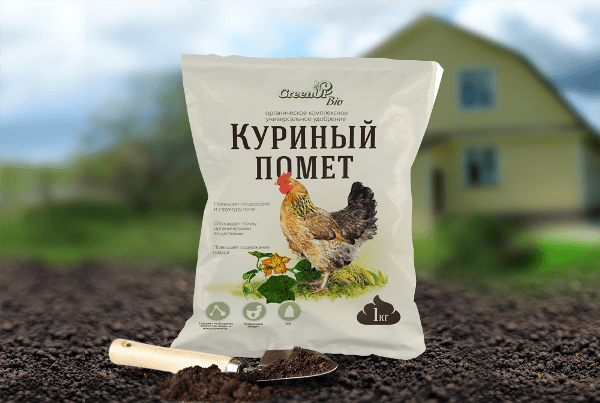
Late cabbage requires more nutrients than early varieties. Two weeks after transplanting, the plants are watered with bird droppings or cow manure, diluted in water at a ratio of 1 to 10. Gardeners don't have any particular questions about what to feed cabbage the second time; many use urea or ammonium nitrate for this purpose.
When heads of cabbage begin to form, which occurs in July, it is recommended to fertilize the cabbage with "Ovary" and "Teraflex" preparations, since the plants need microelements in the form of:
- potassium;
- phosphorus;
- selenium;
- magnesium.
When the heads are set, nitrogen is not added, their formation slows down, and the cabbage begins to rot, losing immunity to bacterial infection.In mid-September, each vegetable bush is fed with potassium salt.

Harvesting and storage of crops
The timing of cabbage harvesting is influenced by both weather and climate. In temperate climates, the heads are harvested in early October; in the south, where autumn is dry and warm, harvesting is postponed until the end of the month or early November. Heads of cabbage exposed to temperatures below 6°C (41°F) deteriorate quickly.
It's recommended to harvest the cabbage heads during the day, when they've dried from the morning dew. When cutting cabbage for long-term storage, leave the stalk and 3-4 leaves. Before storing in the basement or cellar, the heads are dried; any cracked, misshapen, or rotten heads are cleaned, then salted and fermented.
Cabbage is placed in boxes filled with dry sand. If the heads don't touch each other, they will last at least until spring. Cabbage will stay fresh for a long time if hung by the stalks in a cool, dark place. The temperature in the cellar where the heads are stored should not exceed 5°C. Heads that begin to spoil are treated with salt or vinegar.
Related posts:
 Description of the best cabbage varieties for 2025 for different regions
 Top 40 Best Cabbage Varieties with Descriptions and Characteristics
 Description of the best early cabbage varieties, cultivation and care in open ground
 50 Best Varieties and Types of Cauliflower with Names and Descriptions
 20 Best Varieties of Chinese Cabbage with Descriptions and Characteristics
 Planting, growing, and caring for cauliflower in open ground and greenhouses
 Why cabbage leaves wilt in the garden and what to do
 Planting and caring for red cabbage in open ground, description of varieties