
What would a garden be without our beloved cabbage? Gardeners and summer residents enjoy growing various varieties. Delicious and healthy broccoli is no exception. Not long ago, it was a rare foreign novelty, but now it's a ubiquitous staple in gardens. But not all gardeners know why broccoli often bolts (flowers).
Reasons for the absence of ovaries on broccoli cabbage
Often, gardeners seem to be following all the correct agricultural practices, planting seedlings on time, but the cabbage still hasn't set. Broccoli just won't set and is simply dying off en masse. The causes can be either isolated or complex. The key is to know how to quickly fix this issue this season and how to protect your cabbage for next year. Beautiful, tasty heads of cabbage won't be long in coming.
Reasons for the absence of ovary:
- Insufficient or infrequent watering of plantings.
- Inappropriate temperature conditions (air temperature too high or too low).
- Deficiency of nutrients in the soil and untimely fertilizing.
- Too much nitrogen applied to the soil and foliar application.
- Mistake in selecting cabbage varieties for cultivation.
Also, problems with growing broccoli arise due to:
- Too dark an area, not enough direct sunlight.
- Soil acidity also plays a role. In acidic soils, you shouldn't expect beautiful and tasty heads of cabbage.
- Heavy soils, which hinder oxygen access to the roots, are also not suitable.

Lack of moisture in the soil
Broccoli is a moisture-loving crop. It requires especially high levels of moisture during the formation of the leaf rosette and, of course, when the heads are setting. During the formation and ripening of the heads, it is recommended to maintain air humidity at 80-85%. Otherwise, the foliage will become smaller and the florets themselves will become loose. During the hot season, watering should be at least every other day.
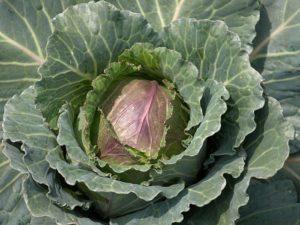
The root ball should be moist to a depth of 40 centimeters. Loamy soil is optimal for growing, but it can also be grown in sandy loam. Also, remember to alternate root watering with sprinkler irrigation, especially if the humidity is low. However, if humidity is high, watch for caterpillars, snails, and slugs on the leaves. Cabbage is a favorite delicacy for them.

Inappropriate temperature
Weather conditions greatly influence broccoli's ability to set heads. If the summer is cold and humid, or if there's intense heat and widespread drought, a good harvest is unlikely. To successfully grow cabbage and reap a bountiful harvest, it's important to consider the impact of temperature.
- Broccoli does not like sudden temperature changes.
- Dry air and intense heat also promote cabbage bloom.
- In extreme heat, plants must be grown in substantial shade. Young plants must also be shaded from the scorching sun.
- The optimal temperature for growing is +16C, +18C degrees, and humidity of at least 60%.
- At air temperatures above +25 C degrees, cabbage is likely to begin to bloom.

Nutritional deficiencies
Fertile soil with a neutral or slightly alkaline pH is suitable for growing broccoli. A deficiency or, conversely, an excess of nutrients in the soil is dangerous. Excess nitrogen stimulates rapid vegetative growth. As a result, the cabbage heads fail to form, the plant becomes overweight, the trunk grows longer, and large leaves develop rapidly.
And, on the contrary, on poor soils and in the absence of additional fertilizers, heads will not form.
This plant requires a lot of nitrogen and potassium from the soil. If the soil isn't overfertilized, prepare the beds for spring planting in the fall. Add up to 10 kilograms of organic matter (rotted manure) and 50 grams of granulated phosphorus-potassium fertilizer.

Crop rotation should be followed, and cabbage should not be grown after related plants from the cruciferous family. When choosing green manure, keep in mind that mustard is not suitable. It belongs to the same family as cabbage, so it can be susceptible to similar diseases. The best predecessors are legumes, potatoes, or carrots.

Mistakes when choosing a variety
The correct variety selection directly impacts the season's harvest. Broccoli typically takes a month to a month and a half (30-55 days) from planting to harvest. It's important not to delay planting. Gardeners choose the timing based on the region and the onset of hot weather. For example, in southern regions, it's best to grow early-ripening varieties. This will reduce the risk of harvesting during the peak summer heat.
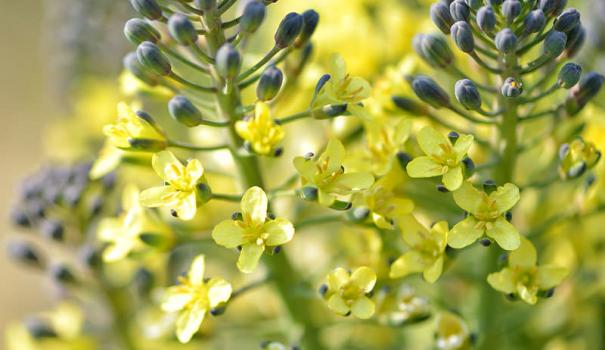
Particular attention should also be paid to the quality of the planting material. Weak, low-quality seedlings or poor-quality, small seeds can result in a poor yield. Never collect seeds from diseased plants. Before sowing, seeds collected from home-grown plants must be sifted (calibrated), and the largest ones must be planted.
The first signs of cabbage blooming
Broccoli has dark green, dense heads composed of small, closed buds. It's easy to tell when the broccoli has begun to bloom. During the formation period, it's important to monitor the overall condition of the head itself. Just before flowering, its shoots turn yellowish. Initially, the head becomes covered in uneven, yellow-brown spots. Later, the head itself takes on this color.
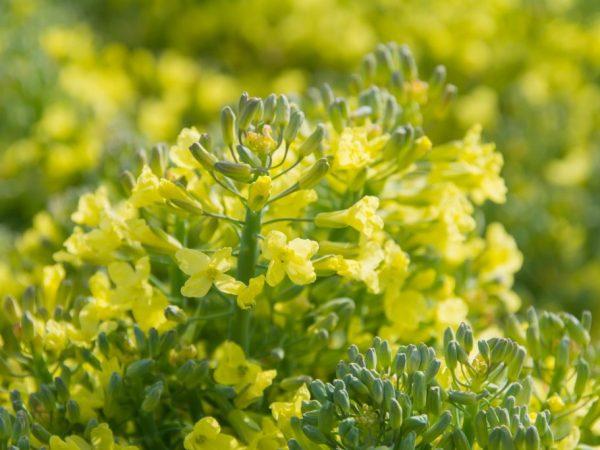
Once the broccoli has blossomed, its taste is minimal. Cutting it off makes no sense. The heads are simply unfit for consumption. However, blossoming broccoli poses no harm to humans or animals. It can only be used as livestock feed.
How to Prevent Broccoli Flowering: Fertilizing Guidelines
First of all, don't let the cabbage sit in the garden too long. Broccoli needs to be harvested on time. Otherwise, it quickly becomes completely covered in "beautiful" yellow flowers after ripening. But what should you do with cabbage that's already ready to bloom?
First of all, don't rush to uproot the plants. The key is to remove the central head. Most varieties actively develop additional heads from the lateral axils after this operation. The resulting harvest will be quite substantial. If possible, harvest the crop at the first sign of flowering and store it in a cool place. This will help stop further flowering.
Take a look Also


To prevent the heads from blooming, abundant and regular watering is necessary, as well as comprehensive, comprehensive plant nutrition. At least two applications are necessary. Ideally, gardeners feed broccoli four times per season.
However, it's important to alternate mineral and organic fertilizers. If the cabbage becomes overgrown or is at risk of flowering, growth regulators should be used to slow down this process. Athlete is a good option.
Stimulating the formation of ovaries
An effective agricultural technique for preventing premature cabbage flowering is stimulating ovary formation. There is a range of products that can be of great help to gardeners. These include the domestic stimulants Zavyaz, Boric Acid, Zeovit Zavyaz Plus, Epin Extra, and the Valagra (Italian) stimulant MS Set. It is also available on the market under the name MS Zavyaz.
It's crucial to remember that cabbage leaves and heads are covered in a waxy coating. When spraying the leaves, it's important to add an inexpensive but effective adhesive to the foliar spray. However, laundry soap can easily be used as this adhesive. It's always on hand at the dacha.
Related posts:
 Growing and caring for broccoli in open ground and greenhouses
 Delicious recipes for preparing broccoli at home for the winter and storage
 How to properly freeze broccoli at home for the winter in the freezer
 50 Best Broccoli Varieties with Names and Descriptions
 Why does cabbage grow tall in the garden and what can be done about it?
 Why cabbage leaves wilt in the garden and what to do
 Planting, growing, and caring for cauliflower in open ground and greenhouses
 Using calcium nitrate for cabbage, how to feed it and the application rate
Galina, the hot May weather is likely to blame for the cabbage blooming. Try picking off the flowers; perhaps some side heads will grow. But they're very small, not like cauliflower. Just in case this cabbage is no longer suitable for growing, try planting some broccoli seeds again. You'll have time to harvest before fall, and the weather in late summer is more favorable for cabbage. I wish you success and a bountiful harvest! :))