
- Can you freeze broccoli for the winter?
- Freezing broccoli
- Selecting and preparing vegetables
- Preparing the refrigerator before starting the process
- Kitchen utensils
- How and why to pre-blanch
- In a saucepan
- In a steamer
- Methods for freezing broccoli at home
- Freezing with blanching
- No blanching
- How to store and for how long
- How to defrost properly
Every housewife prepares supplies for the winter to delight her family with delicious, vitamin-rich dishes. Berries, vegetables, and fruits can be canned, made into jams, compotes, and pickled. But freezing is considered the simplest and most affordable way to preserve a product's vitamin content. Although broccoli isn't one of the most popular vegetables, it's still worth learning how to freeze it for the winter at home. It's easy, and even an inexperienced young housewife just starting out in the culinary arts can handle the process.
Can you freeze broccoli for the winter?
Not only is it possible, but it's also necessary. This vitamin-rich vegetable is used as a side dish addition, in vegetable soup with broccoli, and in many other healthy and delicious dishes. Broccoli is rarely found in Russian gardens and hasn't yet achieved the status of a staple on the table like, for example, white cabbage or Chinese cabbage, but that doesn't make it any less healthy or tasty than other varieties.
Before you begin preparing broccoli for the winterIt's worth noting that experienced home cooks recommend freezing only fresh produce, grown locally or purchased at a reputable farmer's market. The peculiarity of this type of cabbage is that it quickly loses all its nutritional properties when stored for a long time in improper conditions.
Therefore, you shouldn't buy a product from a supermarket, because you don't know where it came from or how long it's been sitting on the store shelf.
Moreover, large-scale broccoli growers often resort to chemical treatments to speed up ripening and extend shelf life.
Freezing broccoli
There are several ways to freeze broccoli. Some recommend blanching the vegetable first and then freezing it. Others preserve the florets without cooking them first. Each method has its advantages and disadvantages, and the choice depends on your preferences and available time.
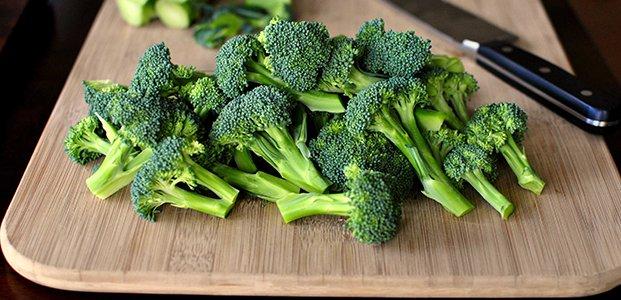
If you prefer the first option, remember that after blanching, the broccoli should be frozen as quickly as possible to prevent it from drying out. In the second method, the broccoli is separated into florets and flash-frozen (if your refrigerator has this feature) before being placed in prepared containers.
Selecting and preparing vegetables
The best choice is freshly picked broccoli. It should be young, firm, and free of spoilage or rot. If freezing is not possible immediately, place the broccoli in a plastic bag and refrigerate it. It can be stored there for up to 24 hours without losing its flavor. If you neglect this recommendation, the broccoli will begin to turn yellow, making it unlikely to be nutritious.

The cabbage diameter should be between 8 and 25 cm, paying attention to the florets—they should not yet have opened. Before freezing, rinse the vegetable under cold running water and separate the florets.It is not recommended to freeze whole heads of broccoli, as this is inconvenient for further cooking.
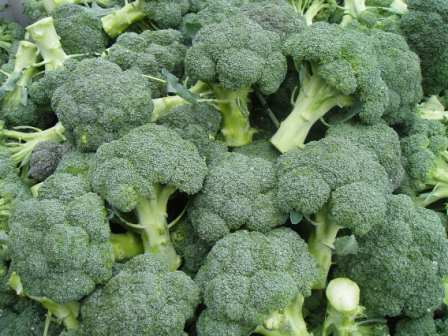
If the broccoli has leaves, discard them, and do the same with the stalk. If the florets have overly long petioles, trim them as well, and throw the excess in the trash. To avoid accidentally catching small insects and caterpillars, which often hide among the broccoli florets, place all the prepared broccoli in a bowl of lightly salted water for about 20 minutes. Then rinse again with cold water and proceed to freezing using your chosen method.
Preparing the refrigerator before starting the process
It's important to prepare not only the chosen vegetable but also the equipment that will preserve it for the winter. Unplug the refrigerator and remove all food. Carefully review last year's supplies and discard any that are past their expiration dates. Rinse all equipment with warm water and baking soda, wipe dry with a cotton towel, and let it sit for about 5 hours with the doors open.
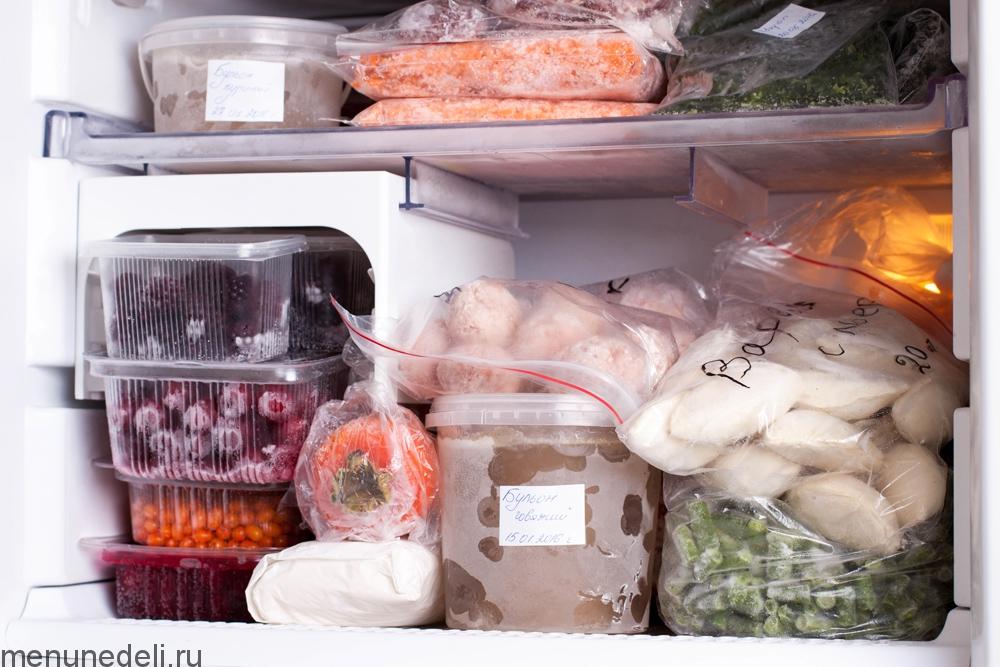 Caution! Avoid using strong-smelling products to clean your refrigerator, even if they're intended for dishwashing. The food will absorb the odor and lose its original aroma.
After the specified time has elapsed, the appliance is reconnected to the power supply and allowed to reach the desired temperature before freezing the broccoli.
Kitchen utensils
To reduce preparation time, make sure all your kitchen utensils are on hand. For the freezing process, you'll need:
- a sharply sharpened knife;
- cutting board;
- paper or cotton towels;
- several enamel bowls of different sizes and a large saucepan for blanching;
- bags for placing broccoli florets or plastic containers with a tight-fitting lid;
- cling film;
- colander.

Once all the tools are prepared, we proceed directly to the freezing process.
How and why to pre-blanch
Blanching is a matter of personal preference. It's not a necessary step in vegetable preparation, but it does have some advantages:
- Broccoli that has been pre-cooked retains its flavor and aroma better.
- The vitamins in the vegetable are also not destroyed if blanching is carried out correctly.
- After defrosting, the cabbage is crispy and does not change its structure.
- Blanching removes microorganisms that shorten the shelf life of the product. Blanching also reduces the amount of harmful chemicals used in growing the vegetable.
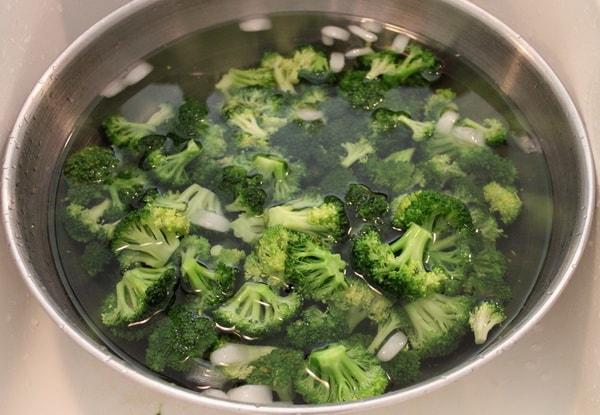
The process of heat treatment of broccoli can be carried out in a regular saucepan or a steamer, if such equipment is available in the kitchen.
In a saucepan
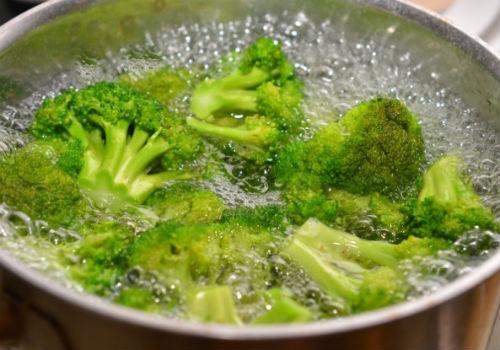
For blanching, use a large enamel saucepan (at least 5 liters). Fill the pan with cold water and place it on the stove. Experienced cooks who have blanched broccoli many times recommend adding a little citric acid to the water (2 teaspoons per 2 liters of liquid). This will help preserve the broccoli's vibrant green color, which will remain even after defrosting.
Once the water in the pan comes to a boil, place the broccoli florets in a colander. Don't boil the broccoli for more than 1 minute, as this will cause it to lose its structure and destroy most of its vitamins and minerals. Immediately place the colander with the florets under ice-cold running water for about 15 seconds and allow the florets to drain. Then, spread them out in a thin layer on a towel and let them dry.
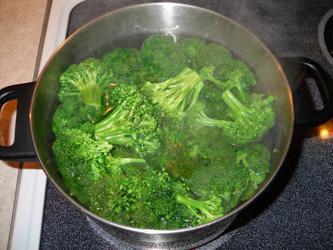
Another method involves blanching with steam rather than boiling water. Place the broccoli florets in a colander and set it over a pan of simmering water. Be sure to cover with a lid. Let it blanch for about 2 minutes, then run the broccoli under cold water and onto a towel to dry.
In a steamer
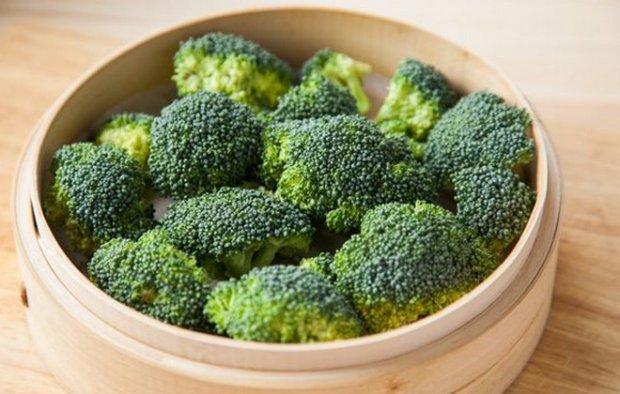
Having such a kitchen appliance can significantly reduce the time and effort required to prepare vegetables for freezing. Place the prepared cauliflower florets in the steamer basket and steam for 3 minutes. Afterward, rinse with ice water and dry with a towel.
Methods for freezing broccoli at home
Once you've chosen the right method, begin preparing your winter preserves. Regardless of the method, the process won't take long, but it will allow you to prepare a vitamin-rich and healthy meal for the whole family this winter.
Freezing with blanching
Broccoli frozen after blanching will keep in the freezer for about six months without losing its flavor. After processing the broccoli using one of the methods described above, it's ready to be packaged.
Once the florets have drained completely, place them on a cutting board covered with plastic wrap. Be careful not to let the florets touch each other. You can also use a regular baking sheet lined with plastic wrap or parchment paper.
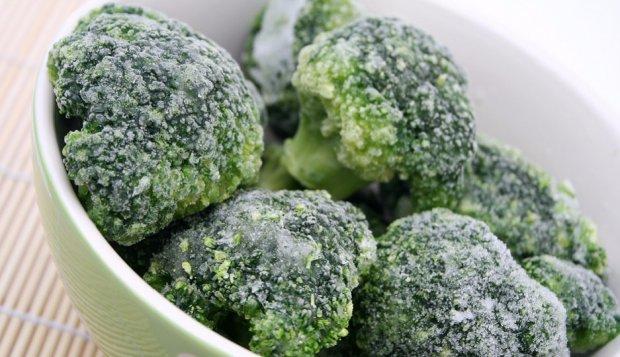
Turn on the refrigerator's fast-freeze setting and add the vegetables. After the freezing period is complete, remove the cabbage and transfer it to food containers or plastic bags. It's best to portion it out into small portions, suitable for preparing a single dish. Refreezing is not recommended.
Containers with cabbage are placed in the freezer separately from fish and meat products; when you need to make soup or salad, take out one portion and defrost it.
No blanching
You can prepare this vitamin-rich product for the winter without pre-heating. Rinse fresh broccoli under running water, cut into florets, and soak in lightly salted water for 15 minutes. Then, spread them in a single layer on a towel and let them dry completely.
To speed up this process, you can pat the tops of the florets dry with paper towels. Then, spread them evenly on a cutting board and flash-freeze.
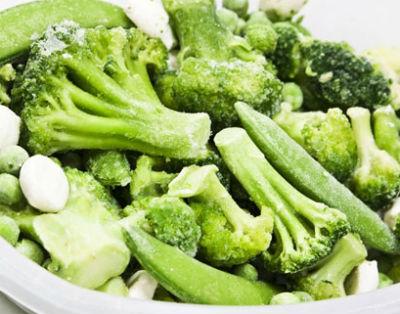
After this, the cauliflower is portioned into prepared containers and placed in the freezer for long-term storage. Uncooked cauliflower is used in soups and also in purees for infant feeding. The color and texture of the florets change slightly after defrosting, so this product is not suitable for fresh salads or deep-frying.
How to store and for how long
It's important to remember that cabbage should not be re-frozen. If the portion was too large and not used immediately, it's best to discard it. If frozen correctly, it will keep for at least six months, possibly longer (up to 10 months) if the freezer maintains a constant temperature of -18°C (-18°F).
If for technical reasons you have to urgently defrost the refrigerator, it is better to boil the cabbage and roll it into jars according to any of the recipes.
How to defrost properly
It's not always necessary to defrost broccoli. If it's packaged individually, simply add it to the soup before finishing cooking and cook for no more than 3 minutes to preserve the maximum amount of vitamins. If the florets are being fried in batter, simply dip them in the batter and immediately fry them in a hot pan to preserve their texture.
If you plan to use the florets for making baby food, take the container with broccoli out of the freezer and place it on the bottom shelf of the refrigerator for 5 hours, then boil it in salted water and blend until smooth.
Related posts:
 Growing and caring for broccoli in open ground and greenhouses
 Delicious recipes for preparing broccoli at home for the winter and storage
 50 Best Broccoli Varieties with Names and Descriptions
 Reasons why broccoli doesn't form heads and starts to bloom, and what can be done about it
 Recipes for how to properly freeze cauliflower at home for the winter in the freezer
 The best recipes for freezing vegetables at home for the winter
 How to propagate and grow peas, cultivation technology, and care in open ground
 What's the best way to freeze bell peppers for the winter at home? Storage times