
- Can you freeze cabbage for the winter?
- Features of freezing cauliflower
- How to choose and prepare correctly
- Preparing the refrigerator
- The best ways to freeze cauliflower
- Quick freezing without blanching
- In bags or barrels
- Boiling in salted water
- How and how long can frozen products be stored?
- Defrosting rules
Freezing vegetables in winter speeds up the cooking process. Nutritionists consider cauliflower to be one of the healthiest vegetables, and every homeowner should know how to freeze it for the winter at home. Summer harvests or heads of cabbage purchased at the market in the fall can be stored in the freezer for a long time.
Can you freeze cabbage for the winter?
Freezing cauliflower is possible and even recommended. Frozen cauliflower offers significantly more health benefits than canned (pickled) cauliflower. When it comes to the nutrients contained in the florets, most of them are preserved when frozen properly and stored at the optimal temperature.
Dishes made from frozen cauliflower are rich in vitamin C, vegetable protein, iron, calcium, and magnesium. The list goes on. In families with small children or the elderly, inflorescence puree can become a staple in their diet. It's hypoallergenic, nutritious, and delicious.
Features of freezing cauliflower
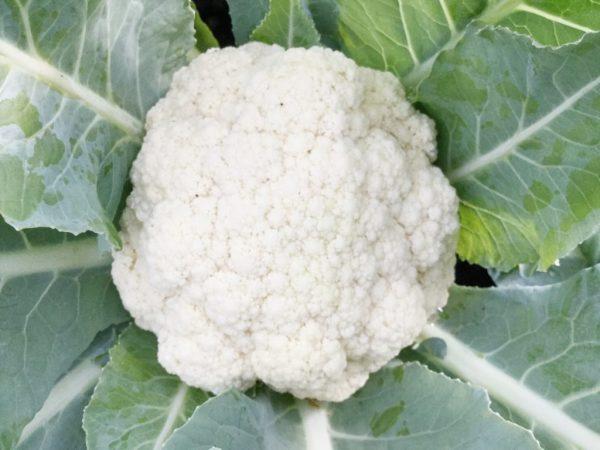
Freezing is best done immediately after harvesting. The sooner the florets are frozen, the more nutrients they will retain. When exposed to light, the snow-white heads quickly lose their firmness and turn yellow.
Just like white cabbage, cauliflower is also often plagued by caterpillars. Only the florets that are not eaten by the pests are suitable for preservation. You can freeze the vegetable:
- solid heads;
- individual inflorescences;
- in crushed form.
The entire harvested cabbage is sorted before freezing. Small florets are collected and chopped with a knife (or food processor) or frozen whole. They are later used as a soup topping. All medium-sized florets are selected for garnish. If the intended use is unclear at the time of preparation, the entire head can be frozen whole.
How to choose and prepare correctly
Only high-quality raw materials are suitable for freezing. Wilted or yellowed inflorescences have partially lost their nutritional value and should not be used for winter preservation. Signs of high-quality raw materials:
- dense, elastic head of cabbage;
- uniform, white color of inflorescences, pale green at the stalks;
- the stalks of the inflorescences are whole, without visible damage;
- The head smells fresh, not rotten.
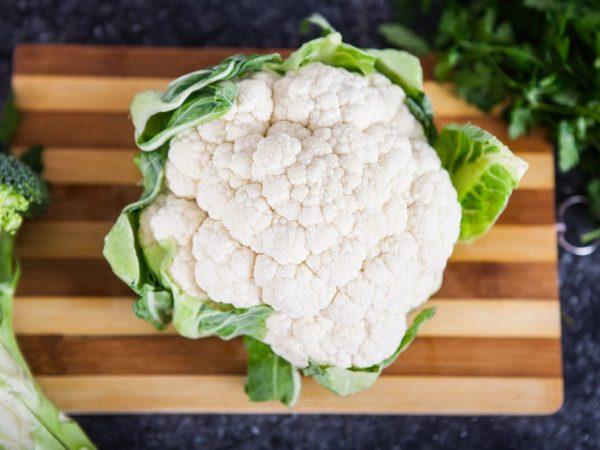
Before cutting the cabbage heads, soak them in cold water. Don't leave them there for long. This will release any insects and remove dust. During preparation, remove all the leaves.
To keep the inflorescences from losing their whiteness, place a bowl of salt water in front of you. Drop the leaf-free inflorescences into it.
Trim off any tough stems. Scrape off any brown spots from the surface. During the second soaking, soak the cabbage in water for at least 15 minutes, up to 30 minutes. Afterward, place it in a colander, rinse with cold running water, and set aside to drain completely.
Preparing the refrigerator
Free up space in the freezer to store large quantities of vegetables. Fish and meat should not be stored in the vegetable compartment. Suitable appliances are those that maintain a temperature of -18°C. Ideally, the refrigerator should have a blast freezing function, as this offers the following advantages:
- all the beneficial substances are preserved in the vegetable;
- the appearance does not change;
- the shelf life is extended.
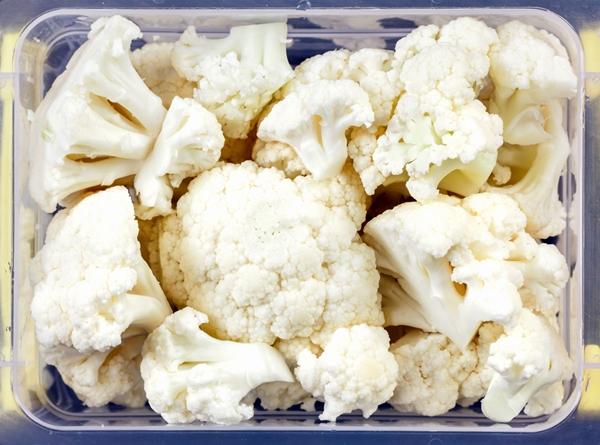
In this mode, vegetable raw materials, laid out in a 3-4 cm layer, freeze to the desired condition within an hour.
The best ways to freeze cauliflower
Preparing vegetables using any known freezing method takes little time. Some people prefer to freeze raw cabbage, others frozen. Both options are good, but blanched florets have a more appetizing appearance.
Quick freezing without blanching
When time is tight and the harvest needs to be processed quickly, vegetables are frozen fresh without heat treatment. If there are only a few heads (0-1 kg), processing time is short. But if there are several and all of them are large, care must be taken to prevent the florets from darkening during preparation.
Salted water prevents the cabbage from browning. You can fill a basin or large pot with water straight from the tap. Add 1 teaspoon of salt for every liter of water. While cutting the cabbage, drop the florets into the water. Once all the cabbages are cut, drain the salted water, place the cabbage in a colander, and rinse with tap water.
Take a look Also
Before freezing the cabbage, it needs to be dried. To do this, lay a terry towel on the table. Lay out all the florets in a single layer on it. Only place them in bags once they're dry. Place no more than 300 g in each bag.
In bags or barrels
The first step is to find storage containers to prepare the required amount of cabbage. Small plastic bags with or without zip-locks and plastic barrels with lids are suitable for this purpose.
The head of cabbage is frozen in the following sequence:
- fill the pan with water, dissolve a little salt in it, and get a slightly salty solution;
- remove leaves;
- take a knife, cut off the inflorescences, leaving a small stalk, and throw them immediately into salt water;
- After the entire head of cabbage has been disassembled, the water is drained and the inflorescences are thrown into a colander;
- wait until the water has completely drained, then transfer the disassembled cabbage to a towel to dry.
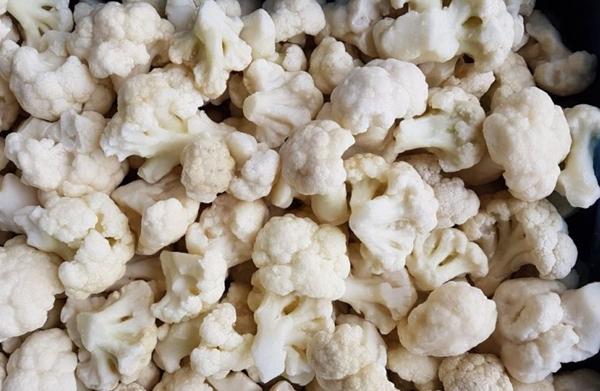
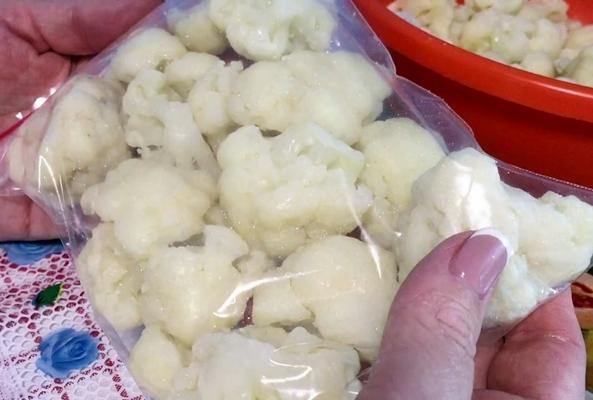
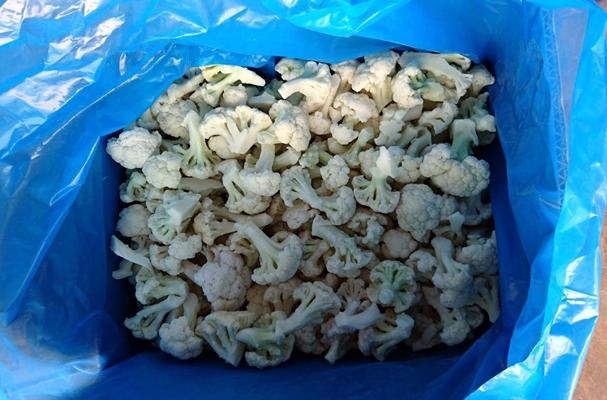 Dry inflorescences are laid out in a single layer in a bag or on a plastic tray (cutting board). Place the frozen vegetables in the freezer for three hours, then remove them and transfer them to a plastic container. Place a date sticker inside and store them in the designated compartment.
If you decide to use a bag, use a straw to squeeze out the air and then tie it tightly. The bag containing the cabbage should be flat and level. You can immediately place it in the vegetable compartment. After a few hours, you can shake the bag to prevent the florets from sticking together.
Boiling in salted water
Storing cooked cabbage is no more difficult than storing freshly frozen cabbage. If you have a large saucepan, you can blanch the entire cabbage in one go. Otherwise, use a smaller container and blanch the cabbage in small batches.
First, sort and prepare all the cauliflower heads for freezing. Place the cleanly washed florets in a bowl. Salt the water in one pan and bring it to a boil. Fill the second pan (or bowl) with cold water.
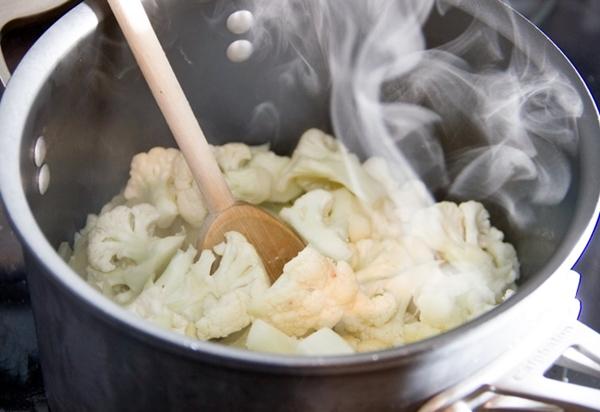
Once the water boils, add the florets. Cover the pot with a lid. After 3 minutes of boiling, use a slotted spoon to transfer the florets to a bowl of cold water. This process gives the heads a beautiful color without sacrificing flavor.
Don't soak the cauliflower in cold water for long. Drain it in a colander and let it dry. Place the dried florets directly into freezer bags, or place them on a tray first, freeze them, and then, once frozen, place them in the prepared containers.
How and how long can frozen products be stored?
The shelf life of frozen vegetables depends on the freezer temperature. The lower the temperature, the longer the product retains its nutritional value. Frequent power outages negatively affect the quality of frozen cauliflower, as they increase the temperature in the freezer.
| Temperature in the chamber | Storage period |
| — 6 °C | 14 days |
| — 12 °C | 45 days |
| — 18 °C | 12 months |
Defrosting rules
There's no need to defrost cauliflower heads for soup dressings, purées, or whole florets. They can be dropped into boiling water (broth) immediately after refrigeration. Frozen cauliflower can be boiled if it's part of a warm vegetable or meat salad.
Thaw them if you want to get beautifully fried cauliflower florets. Defrost by simply immersing the semi-finished vegetable product in boiling water for 2 minutes. Before placing the cabbage in the frying pan, dry it.
Most of the time is spent preparing cabbage for freezing. It's not worth skimping on this. Cooking is a pleasure with properly prepared cabbage. It should be clean and undamaged. The quality of frozen cabbage is affected by the tightness of the container. If the bags are poorly sealed, the florets will dry out, darken, and develop an unpleasant taste.
Related posts:
 Planting, growing, and caring for cauliflower in open ground and greenhouses
 Growing and caring for Chinese cabbage in open ground and greenhouses
 How to properly plant cauliflower in open ground: diagrams and timing of the procedure
 How to properly freeze broccoli at home for the winter in the freezer
 How to properly plant cabbage seedlings in open ground: spacing, timing, and temperature
 Description of the best cabbage varieties for 2025 for different regions
 Why cabbage leaves wilt in the garden and what to do
 Why does cabbage grow tall in the garden and what can be done about it?