
- Features and advantages of planting methods
- Seedless method
- Seedling
- Optimal timing for planting cabbage
- Air temperature and degree of soil warming
- Lunar calendar recommendations
- The nuances of landing times in different latitudes
- How to plant seeds in open ground
- Preparation of seed material
- Soil composition required
- Optimal timing for sowing cabbage seeds
- Maintaining depth and distance
- Recommended sowing patterns
- What to put in the seed hole: feeding and fertilizing the seedling
- Rules for planting seedlings in open ground
- Optimal age of seedlings of different types of cabbage
- Deciding on a place to plant cabbage
- Preparing the beds
- Preparing seedlings for planting in open soil
- Carrying out planting operations
- Features of caring for crops in open ground
- Parasite prevention
- Watering
- Hilling cabbage
- Top dressing
Cabbage is one of the most common vegetable crops in the CIS countries. It's easy to grow, even for inexperienced gardeners, and doesn't require much maintenance. Cabbage can be stored for a long time, and many use it for homemade preserves. It's rich in vitamins and beneficial minerals. To learn how to plant cabbage properly, read the information below.
Features and advantages of planting methods
Cabbage is grown using either seedlings or direct-seeded methods. The choice depends on the regional climate, as in temperate and northern latitudes, the vegetable is typically grown from seedlings. In the south, the crop is planted by sowing seeds in open ground.
Seedless method
Before planning planting, it's best to assume the seedlings will be ready for planting within 8 weeks. In temperate regions of Russia, sowing occurs from February to early March. Seed equipment is prepared as follows:
- soak the seeds in an ash solution for 12 hours;
- They wrap them in a piece of calico cloth and put them in a bag.
Store the seeds for 12 hours; this is the time it takes for them to germinate. Prepare a container with nutrients for planting. You can buy the soil at the store; a seedling growing mix will do. You can also make your own by mixing turf, humus, and medium-grain sand in a 1:2:1 ratio. Tamp the soil down in the container, plant the seeds, and cover with a 1.5 cm layer of soil. Then, moisten the soil with a spray bottle.
To create greenhouse conditions, cover the container with a plastic bag or glass. Then place it in a dark place with an air temperature of at least 15 degrees Celsius. The first shoots will appear on the 10th day, after which the container should be moved to a bright windowsill or balcony. The air there should be above 10-12 degrees Celsius.
Seedling
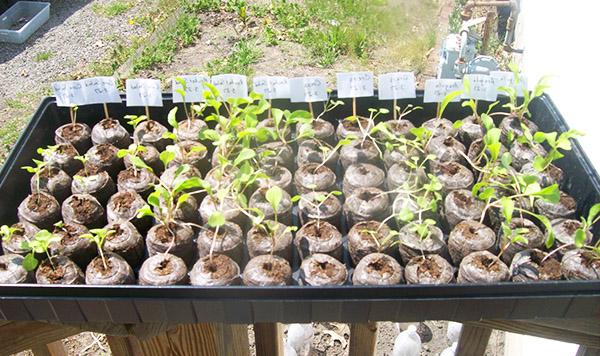
To grow cabbage from seedlings, place them on a windowsill and water them regularly to prevent the soil from drying out. The ideal temperature is 18°C (65°F). As a preventative measure against blackleg, water the future cabbage plants once a week with a light pink solution of potassium permanganate.
Optimal timing for planting cabbage
The time frame for growing cabbage depends on the early maturity of the varieties and the climate zone where the garden plot is located. According to folk wisdom, cabbage seedlings should be transplanted into the soil after the bird cherry trees have finished blooming. Until then, there's a risk of a sharp cold snap.
Air temperature and degree of soil warming
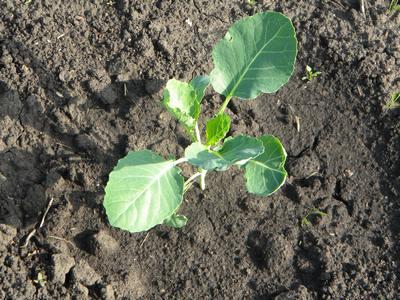
Sow from mid-April, after temperatures have risen steadily above 15°C. Planting is best done on a sunny day, moistening the soil beforehand. It's important to time the sowing so that daytime temperatures don't exceed 20°C. Cabbage doesn't tolerate heat well. The soil should be warm to a depth of 15 cm.
Lunar calendar recommendations
Most gardeners follow the lunar calendar, but this method isn't entirely convenient, as there may only be two or three favorable days in the entire month. It's difficult to reconcile your personal schedule and the condition of your cabbage plants with the advice of astrologers.
General rules of the lunar calendar:
- plant seedlings and sow seeds when the moon is in its waxing phase;
- Planting is not carried out during the new moon or full moon;
- cabbage doesn't like to be "touched" on Thursdays;
- You shouldn't plant crops on Wednesday or Friday.
 Plant any plants only with positive thoughts and a good mood. A cloudy day is best for planting cabbage, even better if there's a light drizzle. When the weather is hot and cloudless, plant after sunset.
The nuances of landing times in different latitudes
In temperate climates, early-ripening vegetables are planted after May 15th. Mid-season and late-ripening varieties are planted at the end of the month.
Gardeners living in the North or the Urals should adjust the above dates by 1-2 weeks. In the South, you can start planting in your garden 10 days earlier.
How to plant seeds in open ground
How to properly plant seeds in open ground.
- It is better to carry out planting work on a sunny day, having moistened the soil beforehand.
- If you sow dill next to your main plantings, this will serve as a preventative measure against many harmful insects.
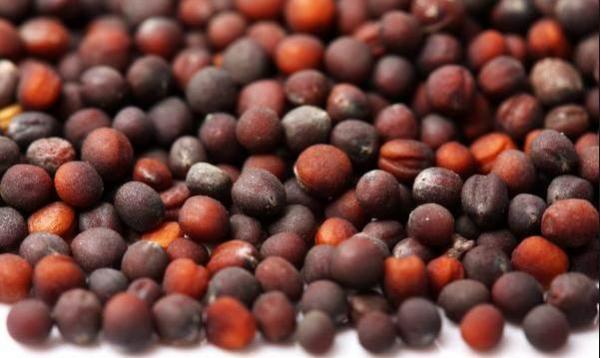
Fill the hole, lightly compacting the soil.
Preparation of seed material
It is necessary to prepare seedlings according to the following rules:
- Place the planting material in warm water, no hotter than 50 degrees Celsius. This is necessary for disinfection, as the seedlings may contain viruses or bacteria.
- To stimulate cabbage seeds and enhance seedling growth, soak the material for 2 hours in a solution such as Epin.
After the seeds have soaked, dip them in warm water for 5 minutes to harden them.
Soil composition required
Cabbage prefers loose, nutrient-rich soil. Neutral pH is preferred, but if the soil is acidic, add lime or chalk. It's best to prepare the substrate in the fall, as it's not always possible to gather the necessary nutrients in early spring. The soil may be wet, and sometimes there's still snow on the ground.
Seedlings in open soil will take root better if sown in a substrate containing soil from the same plot. This is prepared from a mixture of humus and turf. To soften and disinfect the layer, add a little wood ash.

Optimal timing for sowing cabbage seeds
There are several methods for planting cabbage crops. They depend on climate conditions, the approximate time of germination, and the rate at which the seeds grow. In the south, cabbage can be planted outdoors as early as April 1st, sometimes as late as March. In northern regions, it's necessary to wait until there's no longer any risk of frost.
Approximate timeframes to use as a guide:
- March 20-28 – for early ripe cabbage;
- March 25–April 20 – for mid-season cabbage;
- April 1-30 – for late-ripening varieties.
Take a look Also

If you plant vegetables at the wrong time, the harvest will be small, they won't be disease-resistant, or they won't ripen at all. It's also important not to delay planting, as the first frost will destroy the newly emerged fruit.
Maintaining depth and distance
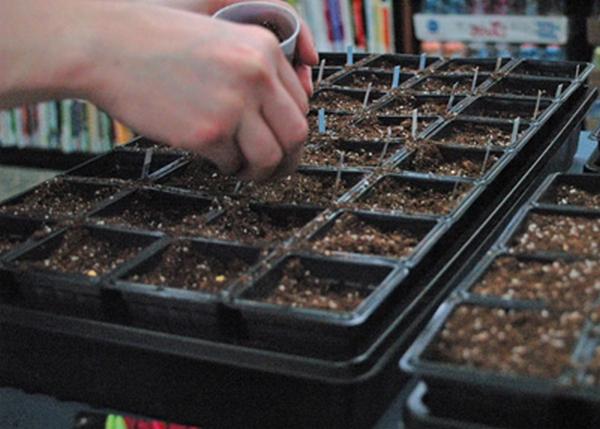
Dig holes at least 40 cm apart. Add a fertilizer mixture to each hole and plant 1-2 seeds. If you don't space the holes properly, the cabbage will grow slowly or die.
Recommended sowing patterns
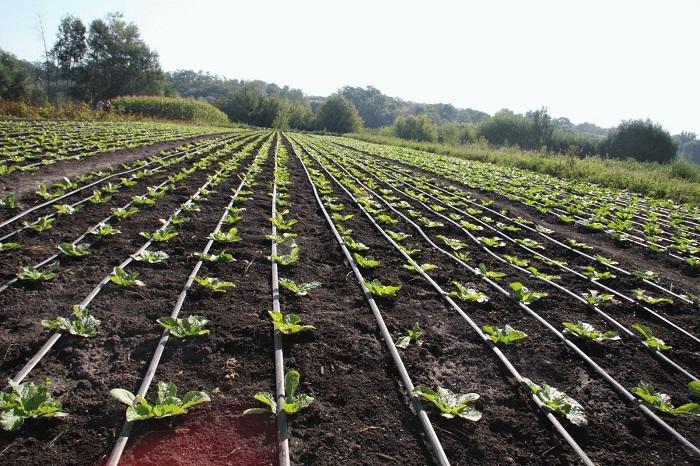
Cabbage crops are planted using the row method. The feeding area depends on the variety. The following patterns are used:
- for early varieties the pattern is 60*35-40 cm, 70*30-35, or 50*50 cm;
- for medium subspecies – 70*50 or 60*40-60 cm;
- for late 60*45-50 or 70/45-70 cm.
If plantings are too dense, heads of cabbage are slow to mature, or they fail to form due to heavy compaction. Cabbage varieties with large rosettes of leaves are planted with a larger feeding area.
What to put in the seed hole: feeding and fertilizing the seedling
To ensure a good harvest, add a handful of sand, peat, humus, wood ash, and nitroammophoska to the planting holes when planting. These substances stimulate seed germination and abundant fruiting.
Rules for planting seedlings in open ground
The technique for planting seedlings in open soil doesn't have any special nuances. The main thing is to follow the sequence and all the instructions.
Optimal age of seedlings of different types of cabbage
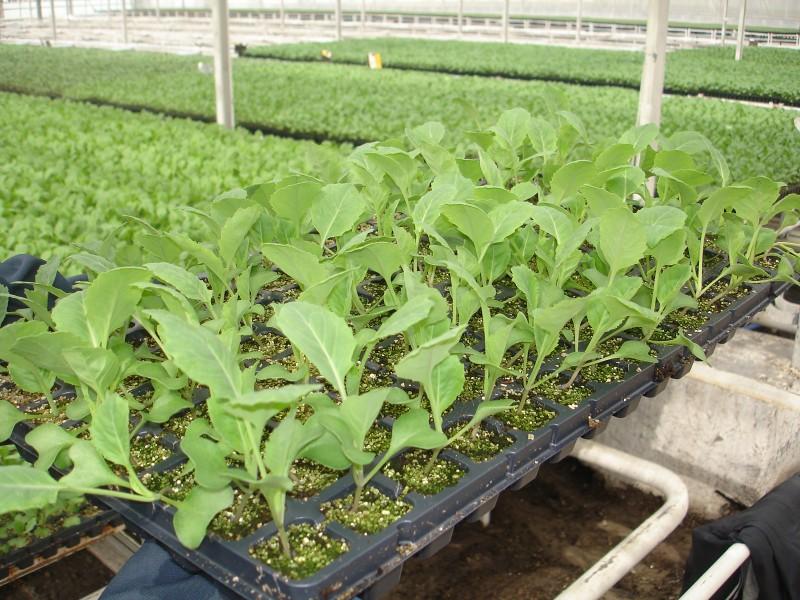
It's best to plant cabbage when it's 45-60 days old. The exact number of days depends on the variety.
Deciding on a place to plant cabbage
Planting cabbage in open ground requires choosing the right location. Choose a low-lying area for the beds, away from trees and buildings. The plot should be well-lit, and the same beds should be used for no more than three consecutive years. Preferred predecessors for cabbage include carrots, garlic, cucumbers, and onions. The vegetable grows poorly if planted after radishes.
Preparing the beds
Cabbage prefers loamy soil with humus. The beds are prepared in advance in the fall. In the spring, they are dug, leveled, and mineral fertilizers are added.
Preparing seedlings for planting in open soil
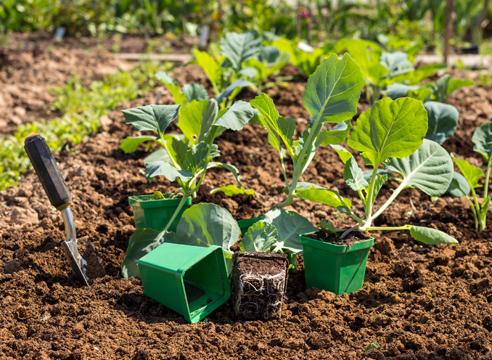
After transplanting seedlings to the garden, they risk facing harsh conditions. To prevent damage, harden them off. This process should be carried out 10 days before planting. During the first few days, open the window in the room where the seedlings are growing for 3-4 hours. Then, move them to the glassed-in balcony. If the weather is sunny, place them in the shade. Four days before, reduce watering and bring the seedlings outside to the balcony, not returning them.
Carrying out planting operations
How to properly plant cabbage in the ground is given below.
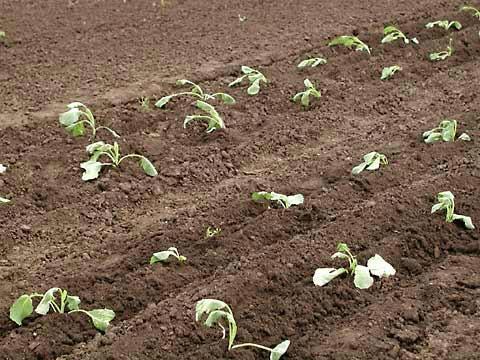
- The distance between seedlings should be the same as between seeds.
- They form not holes, but grooves.
- Place the seedlings into the holes after the nutrients have become moist; this will protect the rhizome from burns.
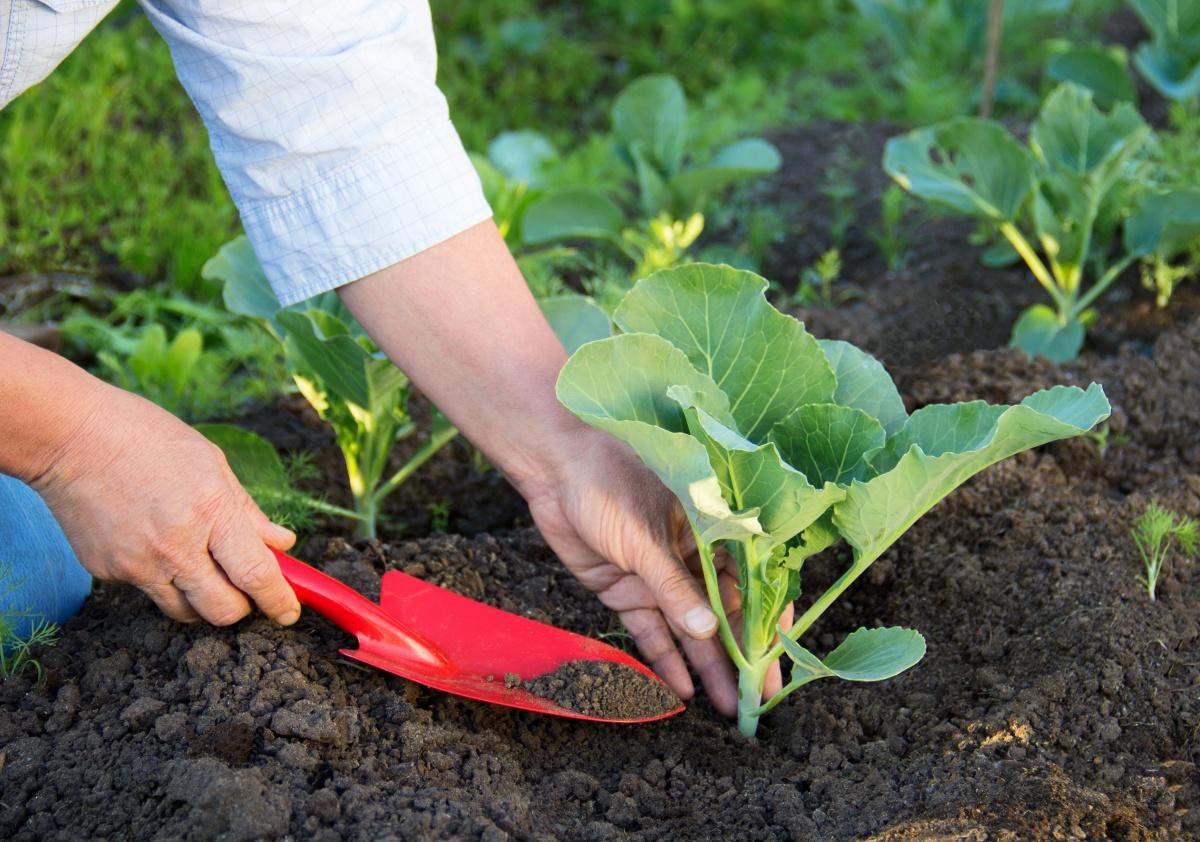
- First, sprinkle the seedlings with soil, and after compacting, cover the area around the trunk with a small layer of dry soil.
- Add water to the hole first, at a rate of ½ liter per hole. Wait until it's completely absorbed, then plant the seedling in the hole, ensuring the first leaves just barely touch the soil.
- For the first couple of days, keep the seedlings in the shade.
After a week, carefully inspect the plantings and find dead and unrooted seedlings.

Features of caring for crops in open ground
Caring for cabbage involves the following manipulations:
- timely watering and fertilizing;
- pest control and prevention;
- hilling up the crop.
If you take good care of your cabbage, the harvest will be abundant and presentable.
Parasite prevention
Sometimes cabbage heads split, but this can be resolved by trimming the roots. Once cut, they don't have a long shelf life and are best stored immediately for consumption. Even with proper care, cabbage can fall prey to harmful insects. These include caterpillars, aphids, and slugs. While these can be controlled with chemicals, it's best to prevent them from appearing. As a preventative measure, cabbage can be sprayed with an infusion of garlic, tobacco, wormwood, or hot pepper.
Watering
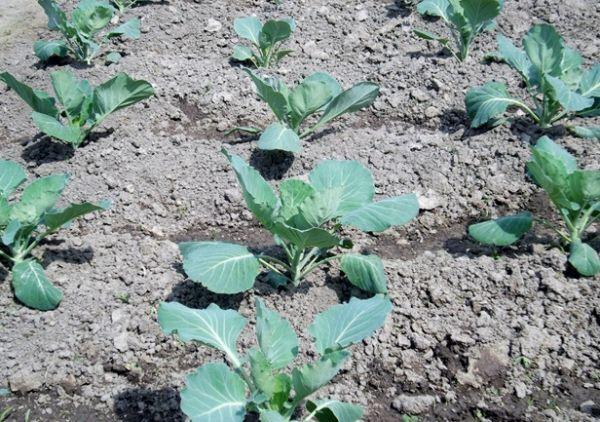
Cabbage plants need to be watered regularly, about once a week. It's important to consider weather conditions. If there are frequent downpours, reduce the frequency to twice a month. In hot weather, water twice every three days.
Hilling cabbage
Cabbage must be hilled according to a number of recommendations, otherwise the procedure will be ineffective. The plant will lag in development, rot, and the heads will not gain weight. Hilling should be done only on damp soil, after heavy overnight dew, watering, and rain. Covering the stems with soil does not replace irrigation; on the contrary, it stimulates moisture evaporation. Soil should be removed only from the surface layer, otherwise the rhizome may be damaged. Use a hoe, a hiller, or a hand hoe.
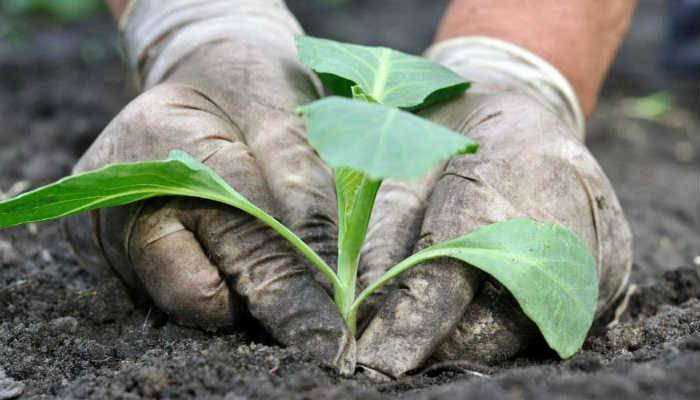
In fact, the manipulation is carried out as follows:
- mentally draw a circle around the stem with a diameter of 40 cm;
- moving towards the stem, rake the soil so that the groove is no more than 5-7 cm deep;
- when re-hilling, pick off the lower leaves so that they do not rot and do not act as a source of infection for the second plant;
- sprinkle the stem up to the level of the first true leaves, the growth point should remain above the surface;
- Add water and liquid fertilizers to the formed grooves.
When hilling to eliminate cabbage root fly, the soil where eggs have been found should first be raked into the row spacing, and the stems should be covered with clean soil from the bottom layer. Sprinkle the beds with mustard powder or ash. Hilling strengthens cabbage seedlings early in the growing season, and the heads grow into a presentable shape.
Top dressing
Regularly adding nutrients to the soil helps grow large, juicy cabbage. Two weeks after planting, prepare a solution: dilute 30 grams of ammonium nitrate or slurry in 10 liters of water. Fertilizing is best done after rain or watering the cabbage. Repeat this process about 10 times per season; you can also use an infusion of bird droppings or vermicompost.
Related posts:
 Planting, growing, and caring for cauliflower in open ground and greenhouses
 Growing and caring for Chinese cabbage in open ground and greenhouses
 Why cabbage leaves wilt in the garden and what to do
 Growing and caring for broccoli in open ground and greenhouses
 Why does cabbage grow tall in the garden and what can be done about it?
 Description of the best cabbage varieties for 2025 for different regions
 What is the best way to treat cabbage from pests? Folk, chemical and biological remedies.
 How to properly plant cauliflower in open ground: diagrams and timing of the procedure