
- Cabbage pests: characteristics and signs of parasitism
- Sap-sucking parasites of cabbage
- Cruciferous bugs
- Aphid
- Thrips
- A group of gnawing insects
- Cabbage fly
- Cabbage moth
- White butterfly
- Noctuid moth
- Fleas
- Slugs and snails
- Babanuha
- Cabbage moth
- Cabbage root weevil
- Common mole cricket
- Dark Clicker
- Methods of controlling cabbage pests
- Agrotechnical techniques
- Chemical plant protection measures
- Biopreparations
- Folk recipes
- Vinegar solution
- Tomato-garlic infusion
- Infusion of tobacco leaves
- Celery stalk decoction
- Potato broth
- Infusion of yarrow
- Dandelion infusion
- Ammonia solution
- Infusion of chamomile
- Naphthalene with sand or ash
- Milk solution with iodine
- Hot pepper infusion
- Valerian
- Ash
- How to protect crops from hares and other rodents
- Preventive measures
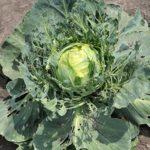
Every summer, gardeners wonder how to treat cabbage leaves against pests. Cabbage has many. Some attack young seedlings in early summer. Others damage the heads of cabbage, making holes in them and contaminating them with their waste products.
Cabbage pests: characteristics and signs of parasitism
Different types of cabbage are grown in the garden. All are attacked by the same insects. Therefore, the same insect protection methods are used for white cabbage, red cabbage, cauliflower, broccoli, and kohlrabi.
Sap-sucking parasites of cabbage
All sap-sucking insects settle on the underside of leaves. There, they feed, lay eggs, and complete their entire life cycle (egg, larva, adult). These parasites cause double damage to cabbage.
By damaging leaves and sucking out sap, they weaken the plant and disrupt photosynthesis. During their life cycle, they secrete a sweet, sticky honeydew. Pathogenic microorganisms multiply in this honeydew. By penetrating the cabbage tissue, they cause the following diseases:
- rot (gray, white);
- downy mildew;
- bacteriosis;
- mosaic.
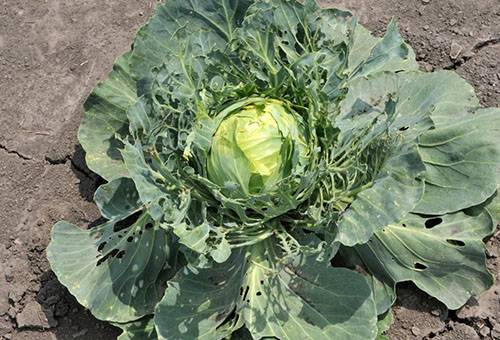
Cruciferous bugs
The bugs are bright red with a black pattern and have a flat body 8-10 mm long. They feed on sap by piercing leaves with their proboscis. In early June, female bugs lay eggs on cabbage leaves.
The larvae emerge after two weeks. They also feed on sap and resemble adults, but are flightless. The bugs are repelled from cabbage by the smell of kerosene. Rags are soaked in it and spread between the rows. Plastic bottles are used to protect the seedlings.
Aphid
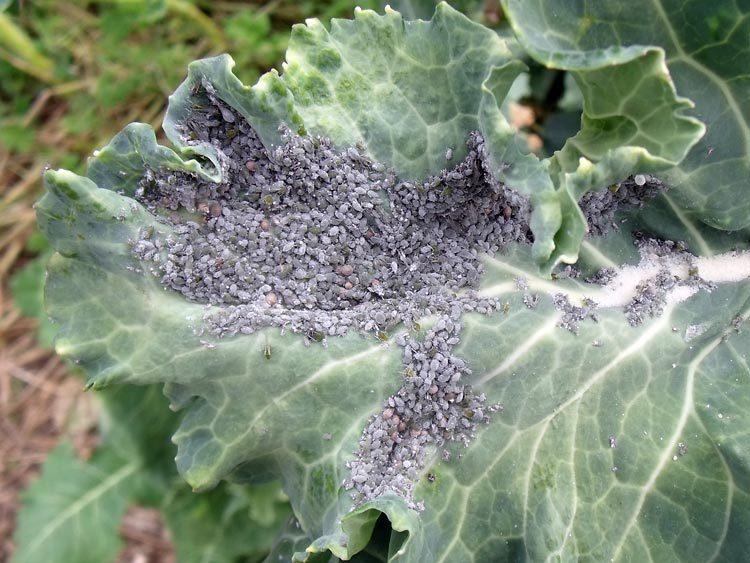
Cabbage aphids cause significant damage. They reproduce rapidly. The leaves of infested cabbage heads are sticky with honeydew secreted by the aphids and covered with a mass of small gray insects. Adults and larvae feed on the sap. They disrupt photosynthesis and spread the infection. Seedlings lag in development and die. The cabbage heads are unfit for consumption, with twisted, darkened leaves.
They fight aphids using folk methods:
- sprinkle the bed with ash or tobacco dust;
- spray with an infusion of wormwood or vinegar (10 liters of water, 100 ml of 70% vinegar);
- wash the leaves with soapy water.
Treatment is carried out every week.
Thrips
Thrips are difficult to spot, as they are very small. Their activity increases in hot weather. Damaged leaves first turn lighter, then turn brown and dry out. Cabbage eaten by thrips is covered in insect waste.
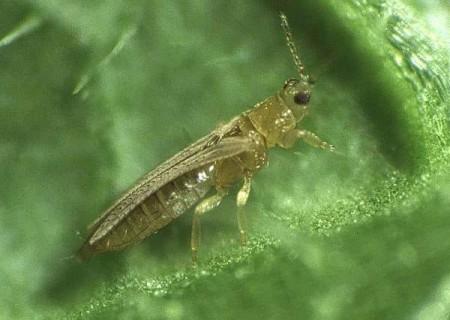 Thrips are repelled by infusions of marigolds, celandine, and tomato tops. Cabbage is watered using a sprinkler system. The pest dislikes water. In severe infestations, use chemical pesticides such as Iskra-M and Fufanon-Nova.
A group of gnawing insects
Several species of chewing insects infest cabbage. Early in the growing season, they attack young plants. During the head formation phase, they spoil the appearance and reduce the quality of the harvest.
Cabbage fly
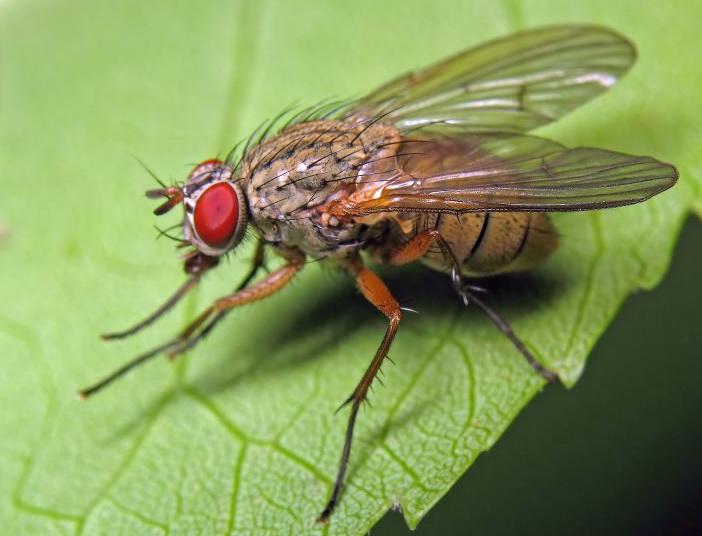
It's not the fly itself that's scary, but its larvae. In late May and early June, they emerge from eggs laid by the female in the soil near the root collar. Tiny white worms consume the cabbage roots. The lower leaves take on a leaden hue. The plant appears wilted, and the roots rot.
Cabbage moth
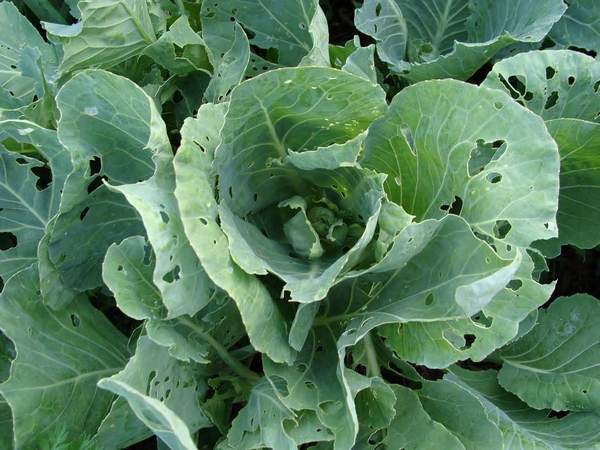
Numerous holes in cabbage leaves and the waste products of spindly yellow-green caterpillars—that's the damage caused by the cabbage moth. This small, gray-brown butterfly lives for only a month. It manages to lay 300 eggs. These hatch into leaf-eating caterpillars that feed on cabbage leaves around the clock. A single individual can produce five generations of pests.
White butterfly
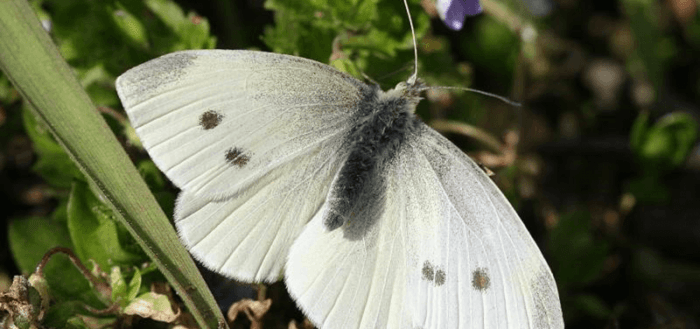
White butterflies flutter around the garden on sunny days. Females lay yellow eggs on the undersides of cabbage leaves. About two weeks later, caterpillars emerge, yellow-green with a black pattern.
The first butterfly flight begins in May-June, the second in the second half of summer. The caterpillars eat the leaves and contaminate the cabbage heads with their excrement. The caterpillars are collected by hand. During the cabbage white butterfly's mass flight, the cabbage is sprayed with a coniferous concentrate:
- hot water - 2 l;
- pine cones (spruce) - 200 g.
Noctuid moth
These inconspicuous butterflies, gray-brown and beige-brown in color, fly all summer long. They are active at night, feeding on nectar. The moth lays white eggs on the underside of cabbage leaves, from which caterpillars hatch.
They go through several stages of development. Their color changes from green at first to dark brown. The heads, eaten by worms, rot and smell foul. All the leaves are covered in holes.
Fleas
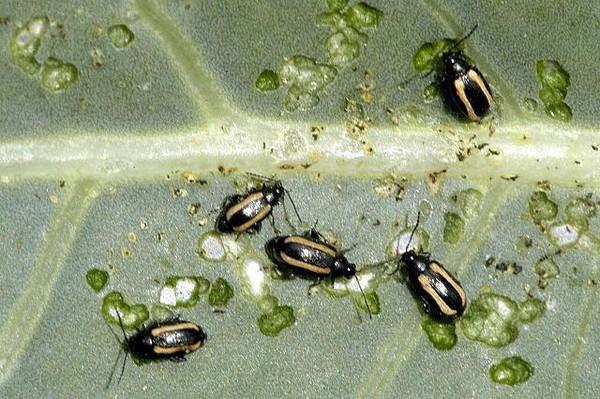
Small black bugs are easily visible in a bed of young cabbage. They move by jumping. Cabbage flea beetles have a good appetite. In just a few days, they can destroy entire seedlings. Flea beetles actively reproduce in hot, dry weather. Activity peaks in June.
Slugs and snails
The surface of a cabbage leaf eaten by slugs resembles a net. It's covered in holes. Silvery streaks of mucus are visible on it, secreted by the mollusks as they move. Slugs are nocturnal and their activity decreases in hot weather. The damage caused by slugs and snails isn't limited to the holes in the leaves. The mollusks also carry infections and infect the cabbage.
Babanuha
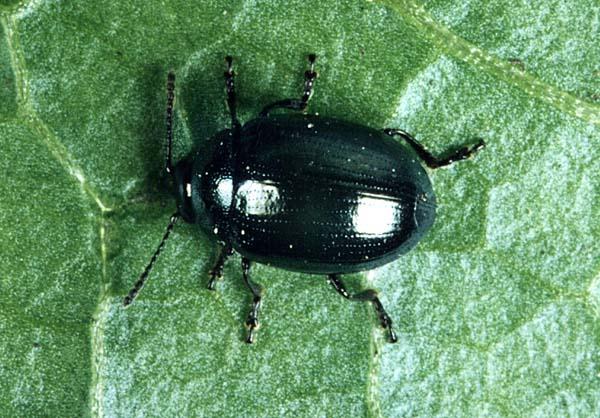
This beetle is black. Its shell has a green tint. It emerges from its winter shelters in June and eats the leaves. It poses a real threat to cabbage seedlings. The eggs laid by the female hatch into larvae, which also feed on the succulent leaves of the cabbage. To combat the cabbage leaf beetle, treat plantings with chlorophos (10 g per 3 liters of water). Adults are destroyed by hand.
Cabbage moth
Cabbage moth caterpillars live for 14-35 days. They are small (19 mm) and yellow-green. Light stripes are visible on their sides and back. The caterpillars live inside the cabbage head, eating out tunnels inside the head. Cabbage moths fly at night and lay eggs in June and July.
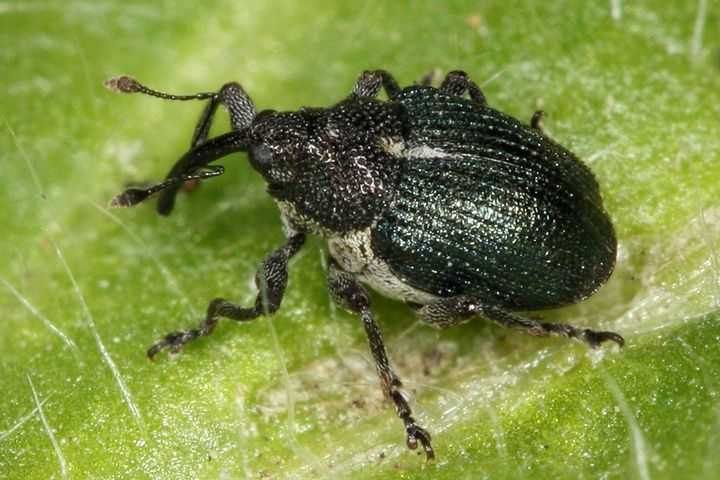
Cabbage root weevil
After a beetle infestation, you may see seedlings eaten to the roots in your garden. Adult beetles feed on the leaves. The pest larvae devour and eat away at the roots, causing growths (galls) to appear on them.
Cabbage does not receive the necessary nutrition, lags in development, and forms small heads of cabbage.
The weevil belongs to the weevil family. It is a small (2-3 mm) black beetle. The larvae are fleshy, legless, white-yellow, and 3-4 mm long.
Common mole cricket
Large (60 mm), dirty-brown beetles burrow underground, nibbling roots and consuming shoots and seeds. The larvae are small (0.15 cm) and resemble the adults.
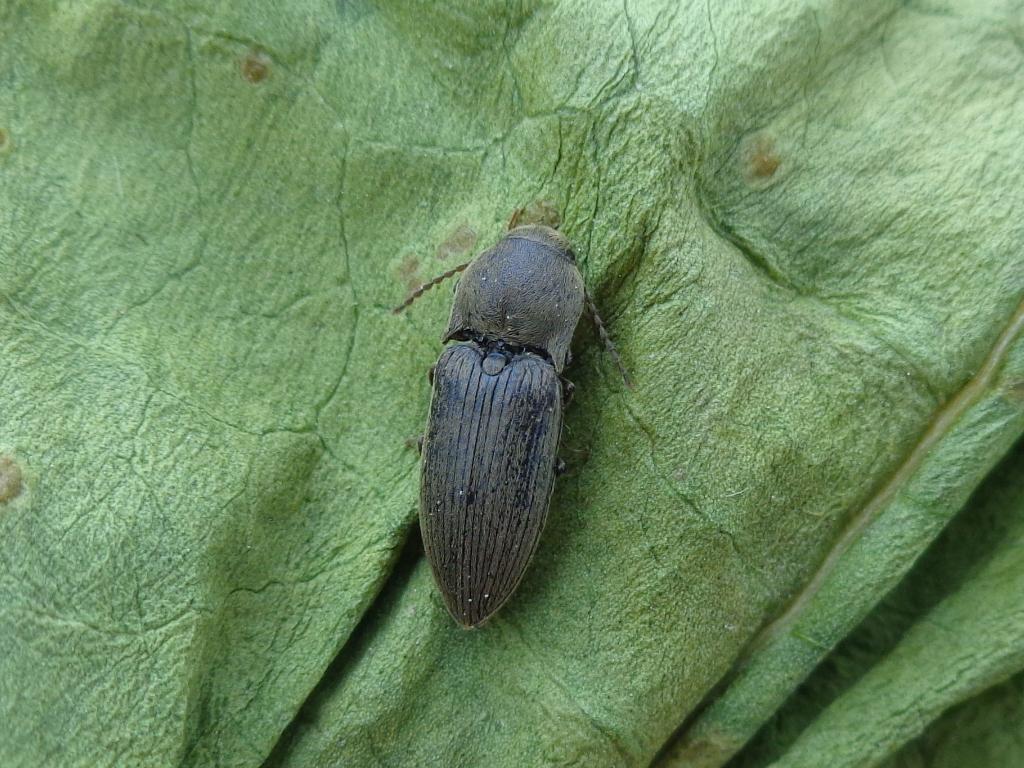
Dark Clicker
Click beetle larvae eat cabbage roots, reducing nutrition. These brown-orange or yellow-brown worms emerge from eggs laid by a brown-black beetle with reddish-brown elytra. The larval stage lasts several years. Plants in wireworm-infested soil develop poorly and become diseased.
Methods of controlling cabbage pests
Pest control must be systematic. Cabbage can't be saved from pests with just one or two treatments over the summer. Seeing damaged leaves shouldn't leave a gardener wondering what to do. Starting in June, they should know exactly what and how to treat cabbage.
Agrotechnical techniques
These methods prevent the emergence and proliferation of pests and help minimize damage.
| Target | Time | Event |
| Destruction of wintering pests | Autumn | Waste disposal |
| Removing the roots of perennials | ||
| Digging the soil | ||
| Eliminating egg-laying sites | Spring | Mowing the grass around the dacha |
| Attraction of insects (Nitobia, Trichogramma, Diadromus, Apanteles) that destroy cabbage pests | Spring | Sowing (planting) insecticidal plants (celery, basil, dill, horseradish, garlic, nasturtium, marigolds) |
| Destruction of larvae | Spring, summer | They buy and release insects that feed on the larvae of cabbage pests (phytoseid mites, Orius bugs) onto the cabbage bed. |
Chemical plant protection measures
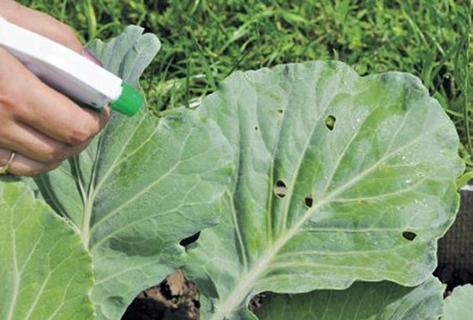
In dry, hot weather, pests are difficult to get rid of. They breed and feed at an accelerated rate. To kill the insects, gardeners are forced to resort to chemicals.
| Name | Pest | Preparation | Application |
| "Spark Double Effect" | Moth | Water - 10 l,
ampoule - 1 pc. |
The solution is used to wash the leaves and water the soil. 10 liters is enough to treat 2 m². |
| Whitefly | |||
| White butterfly | |||
| Cabbage fly | |||
| Aktara | Aphid | Water - 10 l | Water the soil and spray the leaves. |
| Cabbage flea beetle | Powder - 3 g | ||
| Iskra-M | Mole cricket | Water - 3 l,
product - 2 ml |
Spraying, consumption 5 liters per 50 m² |
| Aphid | |||
| Whitefly |
Chemicals are used at the beginning of the growing season. Using chemicals while the cabbage is curling is undesirable. It's difficult for gardeners to accurately estimate the decomposition time of toxic substances. Eating cabbage treated with chemicals can be harmful to health.

Biopreparations
These products can be sprayed on cabbage at any stage of development. They contain no synthetic substances. They combat pests with live microorganisms—nematodes, beneficial fungi, and bacteria.
Biopreparations have a neurotoxic effect on harmful insects. They come in two types:
- systemic;
- contact.
Gnawing insects begin to feel the effects after 4 hours, while sap-sucking pests take 8-12 hours. Gardeners prefer to treat cabbage with tried-and-true products:
- "Bicol" (aphids, bugs);
- "Bitoxibacillin" (aphids, bugs);
- "Nemabakt" (wireworm, thrips, cabbage fly, mole cricket);
- "Antonem F" (wireworm, thrips, cabbage fly, mole cricket);
- "Aktofit" for all types of sucking and gnawing pests.
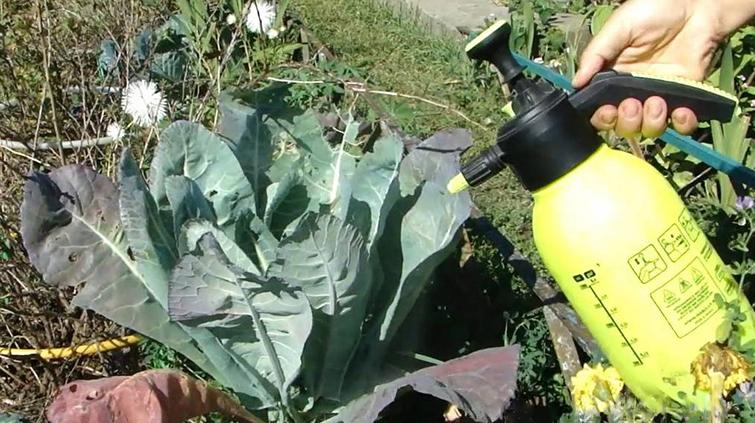 "Aktofit" and its analogues ("Avertin N", "Aversectin-C") are used throughout the season. The solution is sprayed on seedlings and cabbage during the formation of heads. They are ready to eat within two days after treatment.
The use of biopreparations has its own characteristics:
- do not work if the temperature is below 18 °C;
- can be used in tank mixes, solutions are prepared separately and mixed before use;
- the duration of action is short, you need to spray frequently;
- lose their effectiveness after cabbage is treated with chemicals.
Folk recipes
Folk remedies are used throughout the summer. They do not harm beneficial microorganisms in the soil or reduce the quality of the harvest. They need to be applied frequently. Their action time is short.
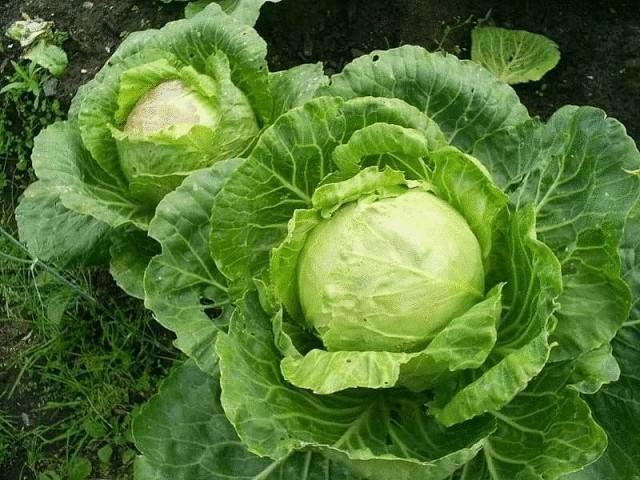
It's important to understand that the improper use of folk remedies can lead to poisoning. Not all plants can be used for pest control. Avoid spraying vegetables with hemlock, aconite, or other poisonous herbs.
Simple, old-fashioned methods are effective against chewing parasites (snails, slugs). A brief description of several methods will help protect cabbage:
- In the evening, water the bed and the spaces between the rows. Soak a rag in kvass and spread it on the moist soil. In the morning, collect and destroy the cabbage parasites.
- Soak newspapers in lemonade and place them between the seedlings. In the morning, destroy any slugs that have crawled under them.
- Sprinkle spruce needles, crushed shells, or hot pepper powder around the perimeter of the bed.
Vinegar solution
Protects seedlings from cruciferous flea beetles. Add 1 tablespoon of 70% vinegar to 10 liters of water. In June, spray the cabbage morning or evening several times a week.
Tomato-garlic infusion
Repels butterflies and flea beetles. When removing side shoots from tomatoes and partially removing leaves, do not discard the tops. Prepare an infusion:
- water - 10 l;
- stepsons (chopped) - 1 tbsp.;
- garlic (chopped) - 1 tbsp.;
- liquid soap - 1 tbsp.
Infusion of tobacco leaves
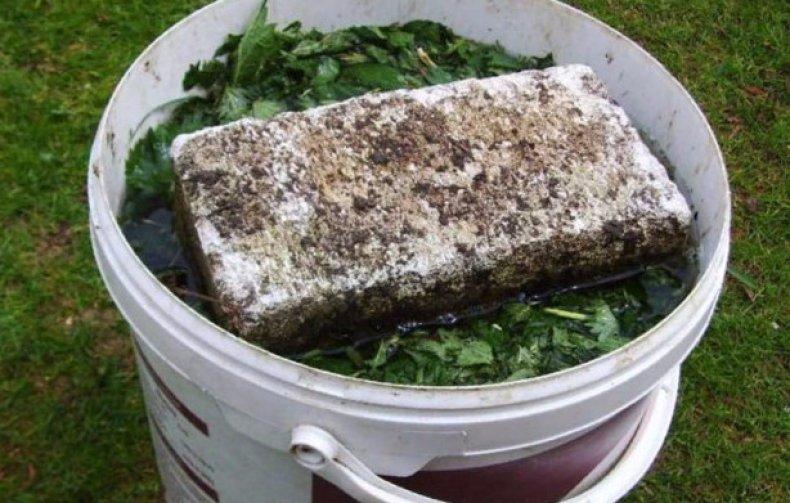
Helps kill adult flea beetles. Preparation takes 2-3 hours:
- heat 10 liters of water;
- add 200 g of shag;
- strain, pour in 1 tbsp. of liquid soap.
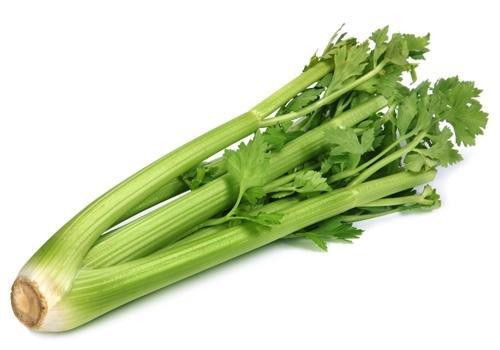
Celery stalk decoction
This decoction repels female cabbage flies. Take 4 kg of fresh celery stalks, chop them, and place them in a 10-liter container. Add water and bring to a boil. Remove from heat after 30 minutes. After 2 hours, strain the celery decoction and add 50 ml of liquid soap.
Potato broth
The tops help repel cruciferous flea beetles. To make 10 liters of decoction, take 4 kg of the tops, boil for 15-20 minutes, and cool. Before spraying, dilute with water in a 1:1 ratio.
Infusion of yarrow
Chop 80 g of flowering yarrow. Bring 10 liters of water to a boil. Pour the mixture over the herbs. Let it steep for 4 days. On the day of treatment, strain the mixture and add 40 g of 72% laundry soap. Spray the cabbage against caterpillars and aphids.
Dandelion infusion
To prepare the infusion properly, use the roots and leaves. Grind them in a meat grinder, add water, and let it steep. Strain and add liquid soap before use. Ingredients:
- water - 10 l;
- dandelions - 0.5 kg;
- soap - 1 tbsp.
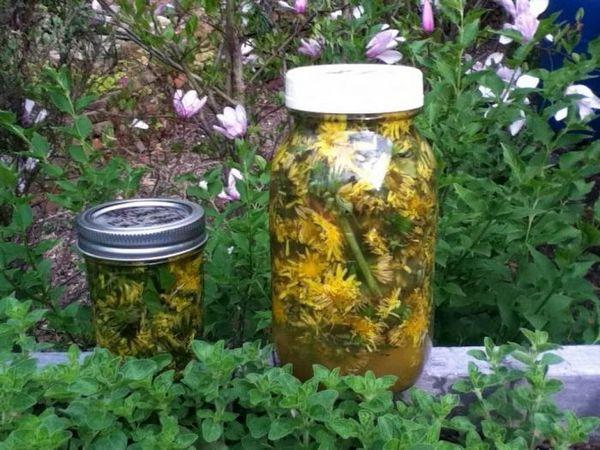
The infusion is used to repel parasites that suck cabbage juice.
Ammonia solution
The smell of ammonia repels slugs, mole crickets, and aphids. 10 ml of the solution per bucket of water is sufficient. To repel mole crickets, water the plants. Spray them to repel chewing and sap-sucking pests. To ensure the solution adheres well, add 1-2 tablespoons of soap.
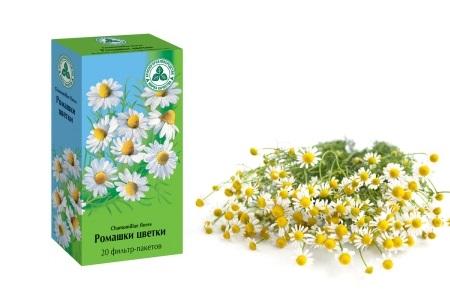
Infusion of chamomile
Spray the leaves to control caterpillars, larvae, and adult aphids. Take 1 kg of stems with flowers and leaves. Chop them and add 10 liters of water. Strain after 12 hours. For application, dilute the solution 1:3 with water and add a soap solution (1 teaspoon per 1 liter of working solution).
Naphthalene with sand or ash
This remedy can protect seedlings from cabbage rootworm. Crush the tablets and mix them with ash or sand (1:5). Sprinkle the aromatic powder onto the soil around the stems. Strips 5 cm wide are sufficient.
Milk solution with iodine
Iodine repels aphids and boosts cabbage's immunity. Use 10 drops per bucket of water. You can also add 0.5 liters of low-fat milk to the solution.
Hot pepper infusion
Helps repel slugs from garden beds. Take 100 g of pods, crush them, and add 1 liter of water. After 2 days, the infusion is ready. To treat cabbage leaves, add ½ cup of hot pepper infusion and 1 tablespoon of soap to 10 liters of water.
Valerian
The cruciferous flea beetle does not like the aroma of valerian. Pour 1 bottle of the product into 3 liters of water and treat the leaves.
Ash
The garden bed should be sprinkled with dry ash after each watering. It helps repel slugs, cabbage flies, and flea beetles.
How to protect crops from hares and other rodents
Keeping cabbage free of hares is difficult. The various rattles that gardeners hang in their gardens don't frighten them. They gnaw on all types of cabbage. To prevent pests from reaching vegetable beds, they are surrounded by a high, solid fence with no gaps.
Gardeners say that dried dog feces can be used to repel hares. Place it on the hare's path. Ultrasonic rodent repellents are used in gardens to repel rodents:
- "Grad";
- Sititek;
- Weitech.
Preventive measures
Experts recommend treating cabbage with tank mixtures made from several products. This increases the effectiveness of the treatment, as multiple pests can be killed in a single application.
Every gardener should keep a seasonal calendar. For each month, record the time when caterpillars and larvae appear. List possible treatment plans, using all options: folk remedies, biological products, insecticides, and agricultural practices.
The diary should include a plan of all the activities that protect the garden from pests:
- the soil infested with wireworms is sown with peas, beans, and kidney beans;
- In the fall, to protect against mole crickets, make traps (50 cm) in the garden, fill them with fresh manure, take it out in the winter, and the pest dies from frost;
- starting in May, loosen the space between rows to a depth of 10 cm;
- At the beginning of the growing season, feed the seedlings with mullein to increase their endurance;
- During the summer of cabbage fly, the beds are not watered or covered with covering material.
To encourage cabbage growth, nectar-producing plants such as phacelia and mustard are planted in the garden. During flowering, they attract beneficial insects that destroy cabbage pests.
Related posts:
 Planting, growing, and caring for cauliflower in open ground and greenhouses
 What is the best way to treat cabbage from caterpillars and butterflies, folk remedies
 Why cabbage leaves wilt in the garden and what to do
 Description of the best cabbage varieties for 2025 for different regions
 Growing and caring for Chinese cabbage in open ground and greenhouses
 The best way to treat cabbage for flea beetles at home: medications and folk remedies
 Growing and caring for broccoli in open ground and greenhouses
 Can cabbage be sprayed with valerian to control pests and what are the treatment guidelines?