
- Choosing a white cabbage variety for planting in 2025
- Popular early and ultra-early crops
- Tobia
- Rinda
- June
- Mid-season varieties
- Megaton
- Sugar Queen
- The best late-ripening cabbage
- Aggressor F1
- Moscow late
- Mara
- Amager 611
- Langedijker
- Sugarloaf
- Kolobok
- Which variety is best for pickling and salting?
- Glory 1305
- Belarusian
- Present
- Valentina F1
- Recommended varieties for long-term storage over winter
- Glory
- Kharkiv winter
- Geneva F1
- The most popular varieties of Dutch cabbage
- High-yielding hybrids
- New varieties of red cabbage
- Example
- Calibos
- We decide on the variety depending on the region
- Recommended for growing in Siberia and the Urals
- Junior F1
- Polar Region F1
- Florin
- Siberian 60
- Orion F1
- Early maturing
- Polar K-206
- What kind of cabbage is best to plant in central Russia?
- Number One Gribovsky 147
- F1 Transfer
- Cossack
- Golden hectare 1432
- What to choose for the southern regions
- Zavadovskaya
- Derbent local improved
- Judge 146
- Mozharskaya local
- What varieties are best to plant outdoors in the Moscow region?
Cabbage rightfully ranks second in terms of vegetable production. Interest in this vegetable continues to grow thanks to the development of new varieties. Among the wide range of cabbage varieties available for 2025 are those suitable for greenhouse cultivation and for high-risk farming areas.
Choosing a white cabbage variety for planting in 2025
Breeders offer a wide range of new cabbage varieties to both amateur and professional gardeners. Everyone can choose from early-ripening, mid-season, and late-ripening vegetables. They've taken into account the climate of different regions, so there are varieties for the north, south, and central climates.
There are also varieties of red cabbage for those who want to move away from the usual white heads. The wide variety of varieties allows for a well-designed cabbage bed. By choosing several varieties, you can ensure you have cabbage for the entire year.
Popular early and ultra-early crops
High yield is a characteristic not found in early-ripening varieties. Cabbage in this group is grown for fresh consumption. The leaves are firm but not tough. The taste is very fresh with sweet notes.
The heads of early varieties are medium-sized. They split when they reach a large size. It takes 3 to 4 months from germination for the harvest to be ready. They are not suitable for long-term storage, as the leaves soften and lose their freshness.
Tobia
This variety is versatile due to its ability to grow in a variety of climates. When cut, a 4-6 kg head reveals a yellow tint. Inside is a small stalk. The leaves are juicy, thin, and have no bitter taste.
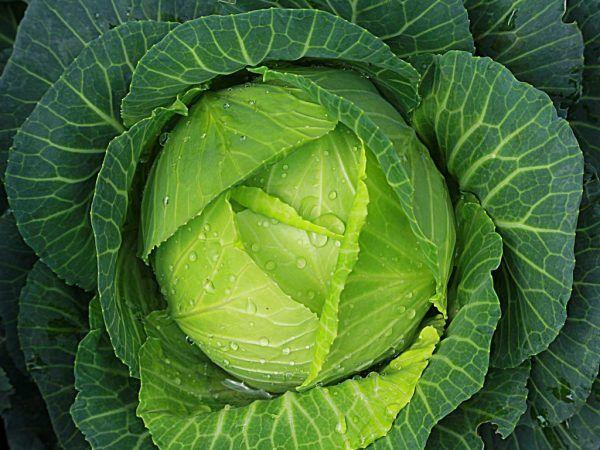
Rinda
This variety is a Dutch selection. The hybrid is resistant to cracking. The dense head is compact, weighing no more than 5 kg. The inner stalk is short, resulting in minimal waste.
June
This hybrid has long been available on the agricultural market. When fully grown, the rosette reaches 0.5 m in diameter. The uniform heads are very juicy, tender, and light in weight. The crop rarely suffers from diseases and can tolerate light night frosts.
Mid-season varieties
Vegetables in this group are intermediate between early and late varieties. The head is much denser than that of early varieties. Consequently, this affects the flavor, making it less delicate.
These vegetables are ready for consumption 115-135 days after planting. They offer numerous advantages, making them competitive with late-ripening varieties. The only disadvantage they have over mid-season varieties is their short shelf life. These vegetables are suitable for fresh eating and pickling.
Megaton
This Dutch-bred hybrid is grown throughout Russia. The vegetable heads are small, and the leaves are juicy, dense, and crisp. The plant has an upright rosette.
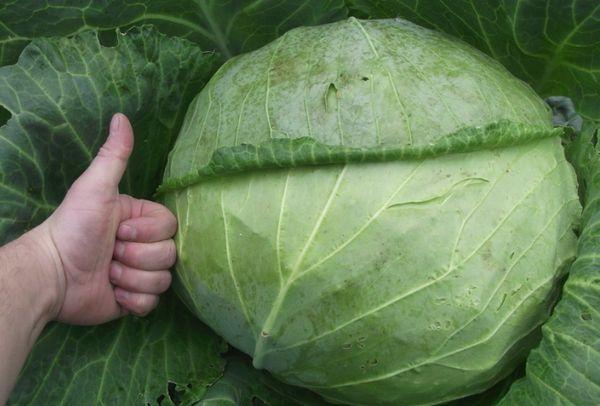
The outer leaves are slightly wrinkled, with a bluish-silver sheen visible on the surface. The stalk reaches a maximum length of 15 cm. This sweet-tasting cabbage is suitable for salads and pickling.
Sugar Queen
This cabbage variety ripens in the last month of summer. Ripe cabbage leaves add juiciness and sweetness to fresh dishes. This vegetable is perfect for pickling and making cabbage rolls.
The best late-ripening cabbage
This late-ripening vegetable is considered the most productive. This type of cabbage accumulates the least nitrates in its tissues, and is therefore considered the safest for health. Late-ripening varieties are an excellent base for stewed vegetables, cabbage rolls, and pickling.
Cabbage heads are firm but not overly sweet. They take almost 160 days to ripen. Properly stored, they can be stored until spring. Late-ripening varieties can remain in the garden until severe frosts arrive.
Aggressor F1
Late ripening cabbage Aggressor F1 Occurs with the onset of cold weather. This late-ripening hybrid has a powerful root system. The stalk is almost 20 cm long.
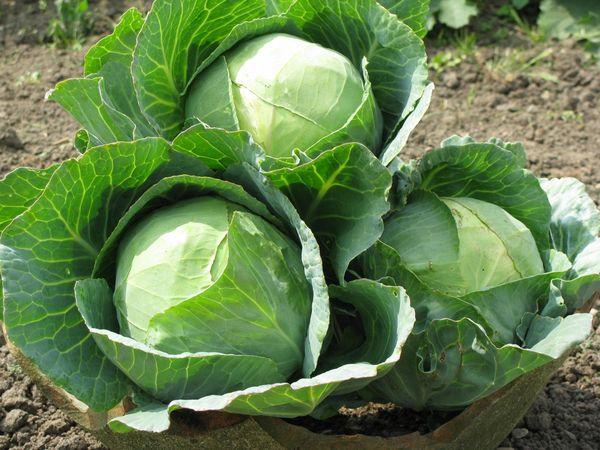
Cabbage has a characteristic flavor characteristic of this vegetable. The leaves are juicy and crisp. It's great in salads, hot dishes, and pickled.
Moscow late
Cabbage is a true treasure for every gardener. It can be grown by experienced professionals and even by beginners. Moscow Late cabbage combines beautiful appearance with excellent taste.
This vegetable is undemanding to specific soil and climate conditions. Mature heads reach enormous sizes. Fruit weight can always be increased by creating favorable conditions and providing proper care.
Mara
Variety cabbage is a creation of Belarusians Breeders. Signs of rot are rarely seen on the vegetable. Mara is resistant to common cabbage diseases.
One head weighs an average of 4.5 kg. Housewives plant mara to make sauerkraut salads. The vegetable can be stored until the following spring.
Amager 611
Due to its strong immune system, it is frost-resistant and can be grown in any region. The raised rosette diameter is approximately 85 cm. Cabbage leaves are smooth, with only the upper leaves slightly wrinkled.
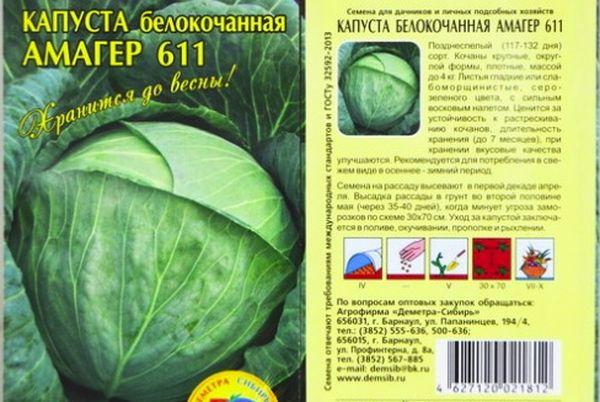
Ripe heads are firm, with densely packed leaves. Amager 611 is specifically grown for long-term storage during the winter months. The cabbage's flavor improves with each day spent in the cellar or basement. The bitter taste disappears, and the leaves soften and become juicy.
Langedijker
Another vegetable creation by German breeders. The head's color changes with each leaf. The top is green with a grayish tint, while the inside is completely white.
Despite its long-term storage properties, the crop is often susceptible to tobacco mosaic and clubroot. A single head, weighing 3.5 to 5.5 kg, yields a whole batch of sauerkraut. When ripe, the vegetable has a sweet taste.
Sugarloaf
Valued for the following virtues:
- minimal attention from the summer resident;
- excellent taste;
- regular fruiting;
- poor susceptibility to diseases.
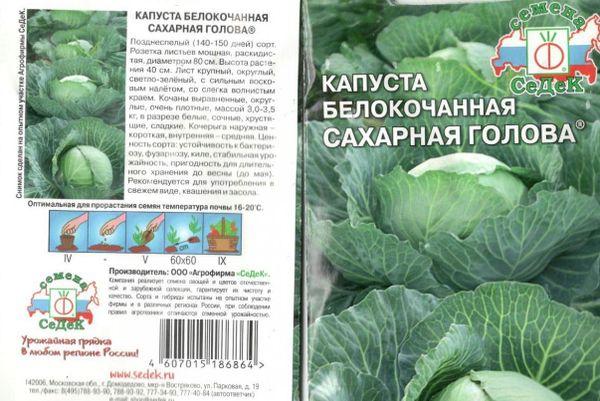
Although sugarloaf has a strong immune system, it is susceptible to diseases such as fusarium, bacterial wilt, and clubroot. With proper storage, the heads will last until early summer. Gardeners especially praise the vegetable's flavor.
Kolobok
The head is rounded and weighs up to 4.5 kg. The stem portion of the head is small. The hybrid has veins on the leaves, but they are not too thick.
The edges of the leaves are wavy, the leaves themselves are rounded and smooth to the touch. The upper surface is dark green, the inner surface is whitish. Each leaflet is covered with a waxy coating.
Which variety is best for pickling and salting?
Late-ripening varieties are the best for pickling. Mid-season cabbage varieties are also suitable for fermentation. The average maturation period for fermentation is 115 to 155 days. A head of cabbage that is uncracked and slightly sweet will produce an excellent product.
Glory 1305
This variety is suitable for growing in any region and is considered ideal for sourdough. Its shelf life is limited, so any remaining bulbs are eaten before January.
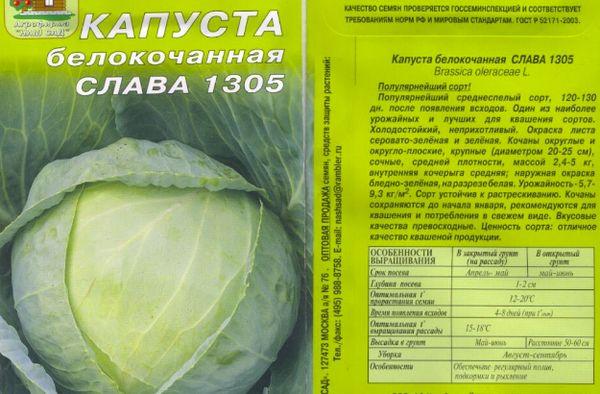
When young, cabbage is susceptible to blackleg, and as the heads mature, they split. Harvesting occurs after the first frost. Mature heads have a distinctive feature: the leaves located closer to the center are white, while the outer leaves are green.
It's important to harvest cabbage after the first frost. This will sweeten the cabbage and remove any bitter flavor.
Belarusian
This crop was developed almost 85 years ago, but remains at the peak of its popularity. Grown primarily in northern regions, it is frost-resistant and pest-resistant. Mature heads are dense and a distinct pale green.
Belarusian cabbage tolerates heat poorly, but does not split during growth. It can be stored raw for 12 weeks. The heads are harvested with the onset of winter frosts. Specimens weighing up to 4 kg are used for pickling. The later the cabbage is harvested, the tastier it is.
Present
The vegetable ripens in late August to early September. The rosette of leaves is medium in size. Mature heads are ball-shaped and very dense. When cut, the border between white and green leaves is clearly visible.
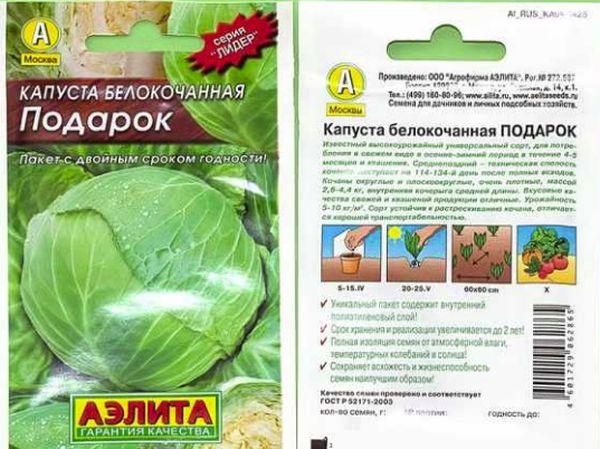
Storing them in a cool place ensures a good shelf life until March. Cabbage leaves are suitable not only for canning but also for fresh and stewed dishes.
Valentina F1
One of the latest ripening varieties, Valentina is edible after 7 months of storage. During this time, the bulbs acquire their juiciness and sweetness.
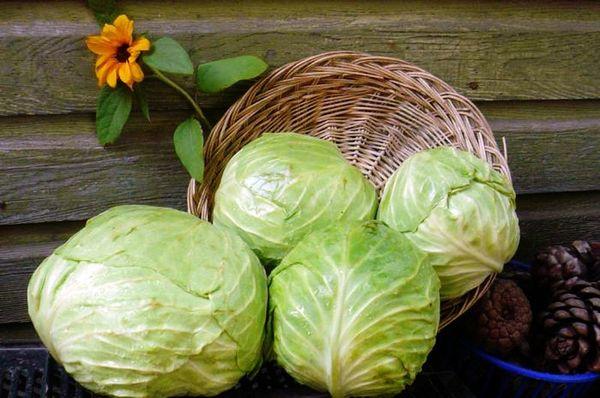
Cabbage can be stored safely until midsummer without spoiling, without losing its flavor. It's widely used in cooking. The heads are versatile, as they are suitable for cooking.
Recommended varieties for long-term storage over winter
Some cabbage seeds take 180 days to harvest after sowing. These are so-called winter varieties, adapted to long-term storage. The leaves are tough and have the slightest hint of sweetness, while some specimens are bitter. Late-ripening cabbage varieties are grown specifically for long-term storage.
Take a look Also
Glory
It is primarily grown in arid regions, as it easily tolerates low moisture. The variety is edible when the head weighs 500 g. Harvesting takes at least two weeks. The stalk is often left in the soil, and by autumn, small heads of cabbage, also suitable for consumption, grow from it.
To ensure successful storage, the harvested heads are carefully prepared. They are left in a dry place for a while to allow excess moisture to evaporate from the surface of the heads. This, along with damaged outer leaves, creates a breeding ground for rot. Therefore, it is important to address these issues.
Kharkiv winter
This variety gets its name from its ability to easily withstand winter cold. This late-ripening vegetable has a firm texture. The green outer leaves gradually fade to snow-white inner leaves.
Cabbage heads are rarely affected by rot and survive the winter during storage, remaining suitable for consumption until spring.
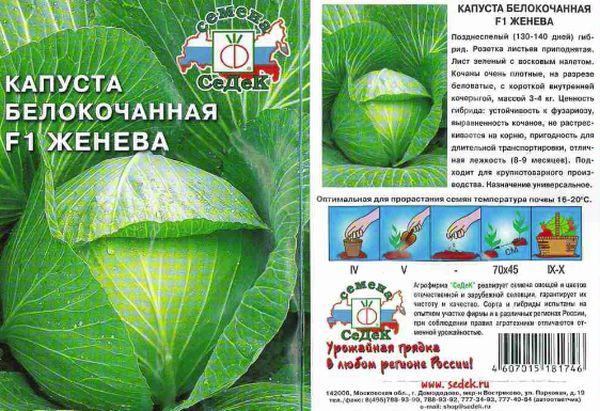
Geneva F1
Its characteristics are similar to those of the Kharkiv Winter variety. Its maximum shelf life is six months. This late-ripening variety is frost-resistant. Mature heads weigh approximately 3 kg.
The most popular varieties of Dutch cabbage
Amateurs cabbages should be familiar with the Dutch varieties:
- Cabton;
- Bronco;
- Mendi.
Breeders have imbued each variety with a characteristic all gardeners look for in vegetables: productivity. White cabbage is resistant to pests and, as a result, almost never gets sick. Favorable growing conditions include a moderate continental climate. Bronco, Mendy, Cabbton, and other varieties remain unchanged after the first frost.
High-yielding hybrids
List of the most popular:
- Brigadin;
- Centurion;
- Gintama.
They are considered the most popular among agricultural companies growing vegetable crops. They rarely suffer from diseases and rot, resulting in high yields. These varieties adapt to any climate and retain their flavor during storage.
New varieties of red cabbage
The Brassicaceae family includes many members. Among the many vegetables available, people often forget about the healthy and delicious red cabbage. Due to its similar appearance, it is a close relative of white cabbage.
Breeders haven't overlooked red cabbage, developing many new hybrids. As a result, they boast rapid maturation and excellent flavor. Within 80-95 days, the cabbage heads develop and are neither bitter nor sour. They make an excellent base for fresh salads and pickling.
Example
An early-ripening hybrid of Dutch selection. Each mature head weighs 2-2.5 kg. The head is round, dense, juicy, and free of bitterness. Primero is an ideal choice for commercial cultivation. It retains its original appearance and appeal even when transported over long distances.

Calibos
The Kalibosa cabbage head is oblong rather than round. It's easy to cut, weighing no more than 3 kg. The variety isn't particularly dense, and the leaves themselves are juicy and tender.
Kalibos has a late fruiting season. Full maturity occurs 150 days after planting. This delicious red cabbage doesn't have a long shelf life. It is eaten as soon as possible so that it does not have time to spoil.
We decide on the variety depending on the region
Not every cabbage variety is suitable for growing. Before choosing a variety, consider its intended region. Following this rule guarantees the desired results.
Recommended for growing in Siberia and the Urals
Cabbage is grown successfully even in northern latitudes. Varieties bred for these climates tolerate winter well. They rarely suffer from diseases, grow quickly, and produce heads that ripen uniformly.
Junior F1
The hybrid's main characteristic is good frost resistance. The cabbage rosette points upward. The interior of the mature head is white and firm.

Junior F1 ripens mid-early. Mature heads weigh no more than 2.5 kg. They are often used in salads.
Polar Region F1
An ultra-early hybrid that ripens the fastest in the garden. It's ready to eat in 43 days after planting. Zapolyarye F1 is resistant to early frosts, and its heads are sweet and weigh around 2 kg.
Florin
This mid-season cabbage is ideal for fresh cooking. The head is dense, rounded, and slightly flattened at the top. When cut, it reveals white cabbage leaves.

This variety is prized for its rare disease susceptibility and ability to retain its original appearance. The heads do not crack and, once picked, can be stored for up to 8 months. The average weight of a mature head is 3-4 kg.
Siberian 60
A variety specially bred for cold climates. It tolerates low temperatures. The bulbs do not crack or spoil when exposed to cold, and they can be stored for a long time. Ripening occurs 140 days after sprouting.
The cabbage's density and interior color are determined by cutting it. The heads weigh up to 4 kg. The cabbage is fermented for the winter and also used to make fresh salads. Sibiryachka 60 has a good shelf life of 4-5 months.
Orion F1
The hybrid variety prefers loamy or sandy loam soil. Cabbage heads ripen 160 days after planting. Orion F1 ripens late.
Take a look Also
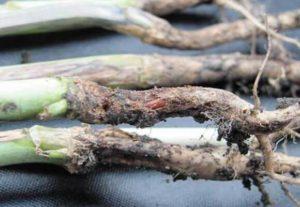

The plant has a compact rosette that grows vertically. A single head weighs up to 2.5 kg and is round and dense. The cabbage does not crack and is rarely susceptible to common cabbage diseases such as fusarium wilt and bacterial wilt.
Early maturing
Gardeners enjoy mature heads of cabbage 50 days after transplanting the sprouts to their permanent location. The heads are surrounded by small, slightly upturned leaves. This early-ripening cabbage variety often cracks, which is its only drawback. Small heads weighing 1.5 kg are suitable for fresh cooking.
Polar K-206
This variety has a good flavor, typical of many vegetables in this group. It's suitable for fresh salads and pickling. Heads are susceptible to cracking, clubroot, and bacterial rot.
What kind of cabbage is best to plant in central Russia?
Cities and towns in central Russia have a changeable climate. Gardeners face droughts during the summer, and the first frosts occur in the spring and fall. To enable people to grow cabbage at home, varieties specifically for central Russia have been developed. Planting is done using both direct and seedling methods.
Number One Gribovsky 147
The cabbage leaves are loosely packed together in the head. Number One Gribovsky 147 has a compact, slightly raised cabbage rosette. One head weighs approximately 2 kg on average.

This variety is grown for fresh vegetable dishes. It does not store well for long periods of time. The heads are resistant to low temperatures and dry days.
F1 Transfer
An early-ripening hybrid. The fruit is round, weighing no more than 1.5 kg. It is not suitable for cooking or pickling. Transfer F1 is resistant to bacterial wilt and blackleg.
Cossack
This hybrid ripens early in the garden, allowing gardeners to prepare salads while others wait for other cabbage varieties to ripen. Like other vegetables in this group, it has a round head. It grows well in loamy soils. It is not recommended for planting in areas with acidic soils.
Golden hectare 1432
The white center of the vegetable is covered with gray-green cabbage leaves. They are soft to the touch. The leaves are tightly packed together, forming a perfectly even head.

Golden Hectare 1432 is resistant to night frosts. Each head weighs up to 3 kg. The crop is characterized by a medium ripening time.
What to choose for the southern regions
Southern latitudes are characterized by frequent droughts. Therefore, it is recommended to plant crops that do not require regular, large amounts of water. In southern regions, cabbage is grown by direct seeding.
Zavadovskaya
Mature heads are harvested late. By the end of the season, you'll get cabbage heads that don't split. The heads are green on the outside, but the inside turns white with a slight yellow tint. This variety is suitable for pickling and eating fresh.
Derbent local improved
Cabbage beds don't take up much space in the garden, as each plant produces a small rosette. The outer leaves are covered with a light waxy coating, giving the heads a gray-green appearance. Cabbage is eaten fresh immediately after harvesting, as it won't keep for long.

Judge 146
A versatile cabbage variety suitable for a variety of dishes. It tolerates temperature fluctuations and is virtually immune to bacterial rot.
Mozharskaya local
The variety produces medium-sized heads. Mozharskaya Local is heat-tolerant but requires regular watering. Cracks appear on the heads as they ripen. It's a versatile variety.
What varieties are best to plant outdoors in the Moscow region?
People living in the Moscow region know all the delights of the region's weather. Spring frosts end in mid-May, summer offers little warmth, and winter makes its presence felt in mid-autumn. Varieties such as Slava, Valentina, Podarok, and Agressor withstand all the vagaries of nature, yielding a harvest in full force as early as early October.
Related posts:
 Description and characteristics of the best varieties of late cabbage, planting and care technology
 50 Best Varieties and Types of Cauliflower with Names and Descriptions
 Description of the best early cabbage varieties, cultivation and care in open ground
 Top 40 Best Cabbage Varieties with Descriptions and Characteristics
 80 Best Eggplant Varieties for Different Regions with Descriptions and Characteristics
 Planting, growing, and caring for cauliflower in open ground and greenhouses
 Growing and caring for broccoli in open ground and greenhouses
 Descriptions and characteristics of the best varieties of cabbage, all types with names