
- Advantages and disadvantages
- Which vinegar is better to choose?
- Can vinegar essence be used?
- Recipes for preparing a working solution
- Methods for controlling insects on cabbage
- Destruction of aphids
- Fighting fleas
- Getting rid of caterpillars
- Acetic acid for slugs and snails
- Safety precautions when working with acid
- Can the product be used as a preventative measure?
- Reviews of the product from experienced gardeners
Gardeners often encounter diseases and insect attacks on vegetable crops. To eliminate them, unconventional, conservative methods are used. Acetic acid is widely used as a cost-effective and effective way to get rid of bugs and diseases permanently. Use with caution to avoid harming yourself and your plants. cabbage pest control and if you want to successfully treat diseases with vinegar, it is important to familiarize yourself with a number of rules.
Advantages and disadvantages
Vinegar is effective in combating various pests that infest cabbage in the garden, but it also has a number of downsides. The information below will help you make your choice.
| Natural composition | Pungent aroma |
| Affordable price | The need to use the solution immediately after preparation |
| Absence of toxic substances | Risk of burns if dosage is incorrectly calculated |
| Quick results | |
| Effective protection against diseases/pests | |
| Budget price |
There are few negative aspects, and they can be mitigated by fully following the instructions.
Which vinegar is better to choose?
It's best to buy 9% vinegar. Avoid 30% vinegar, as it can cause immediate burns if it comes into contact with your skin.

Can vinegar essence be used?
You can use vinegar essence to kill cabbage pests and diseases, but only if you dilute it with water. Do not use pure concentrate, as it can corrode the cabbage leaves.
Recipes for preparing a working solution
To prepare a vinegar solution, you need to follow these instructions:
- pour 200 ml of vinegar into a bucket of water and stir;
- If you only have 70% vinegar essence at home, dilute it in a proportion of 2 tablespoons per bucket of water.
The solution should be prepared immediately before use, since its substances can dissolve and the product will not be effective.
Take a look Also

Methods for controlling insects on cabbage
Vinegar effectively kills caterpillars, fleas, and aphids. To increase its effectiveness, use it in combination with laundry soap, mustard, and ammonia.
- When watering, generously soak the cabbage heads with vinegar. Use a spray bottle or watering can for this.
- It's best to spray the vegetable in the morning, after the dew has cleared but before the sun sets. You can also spray the crop in the evening.
In total, 3 procedures are carried out.
Destruction of aphids
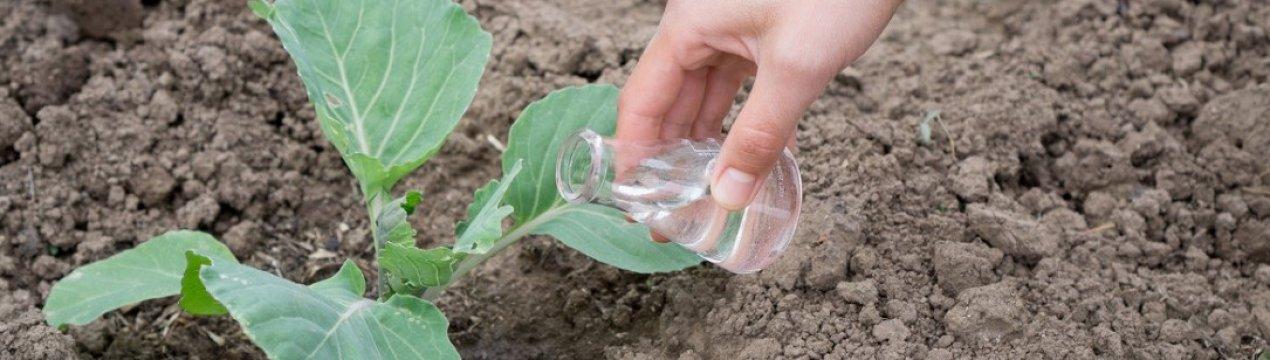
Experienced gardeners believe that using vinegar to control aphids is beneficial. Once the cabbage heads have grown, it's no longer advisable to use chemicals, but you can resort to folk remedies. To prepare a solution, take 15 ml of vinegar and dilute it in 1 liter of warm water. If you're using vinegar essence, use 15 ml per 10 liters of water.
Treat the cabbage 2-3 times a week until all the aphids are killed. The optimal time for spraying is early morning, after all the dew has dried. Water the plant generously, preferably with a watering can. Apply the prepared mixture immediately. If there is a small amount left over, the solution is no longer usable the next day.
Fighting fleas
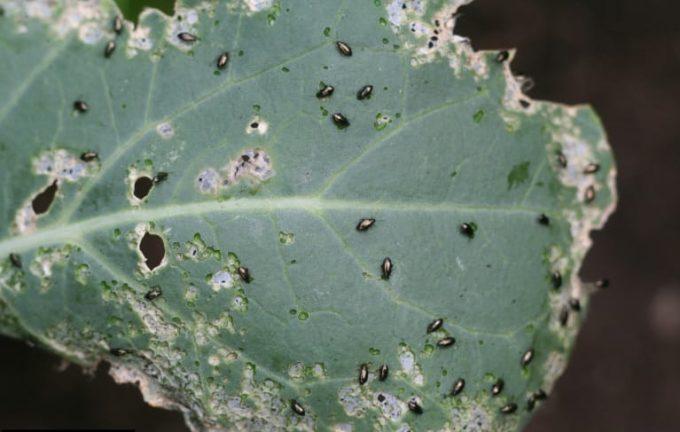
Cabbage flea beetles often attack cabbage, especially the succulent leaves and roots. Colonies of insects can completely destroy the vegetable within 2-3 days. These are the most dangerous pests.
Fleas become more active in the spring when the air warms up to more than 17 degrees Celsius.
Spray the plant with vinegar immediately, as the beetles lay eggs quickly. Treat all cruciferous crop beds at the same time to prevent colonies from "moving." Remove flea beetles with the following solution:
- take 200 ml of vinegar, 9%, pour into a bucket of warm water, mix the mixture thoroughly;
- When using essence, take 2 tablespoons of 70% concentrate per bucket of water.
It's best to spray cabbage in the morning after the dew has cleared. Larvae may remain in the soil, so it's advisable to generously water the soil around the plant's roots with vinegar.
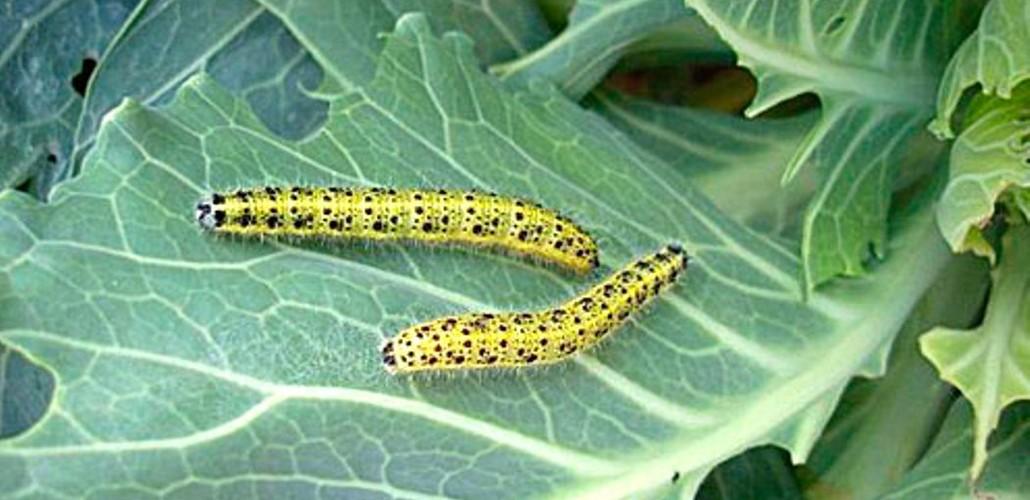
Getting rid of caterpillars
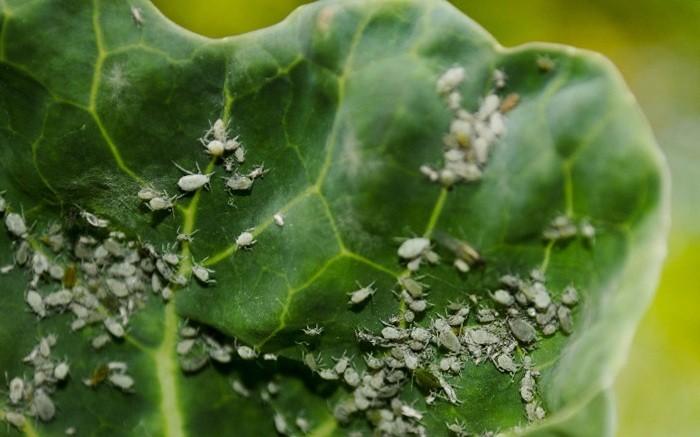
Almost every other gardener has to contend with cabbage caterpillars. The insects make holes of varying sizes in cabbage leaves, leaving toxic residue. They are voracious and can destroy an entire head of cabbage. Flea beetles are difficult to control because they develop in colonies on vegetables. They are small and difficult to see.
Cabbage caterpillar attacks typically occur in July. Apple cider vinegar is best for spraying.
How to properly combat caterpillars:
- Heat water, dilute 2 tablespoons of apple cider vinegar in 1.5 liters, stir, pour into a watering can;
- process heads of cabbage and leaves in the evening after sunset;
- If it rains after the procedure, repeat the procedure the next day.
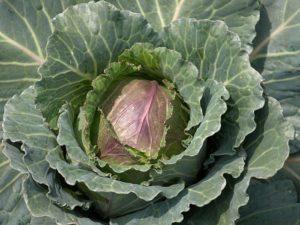
Apple cider vinegar can be used no more than three times a week until the caterpillars are completely eliminated. The weather should be calm and windless.
Acetic acid for slugs and snails
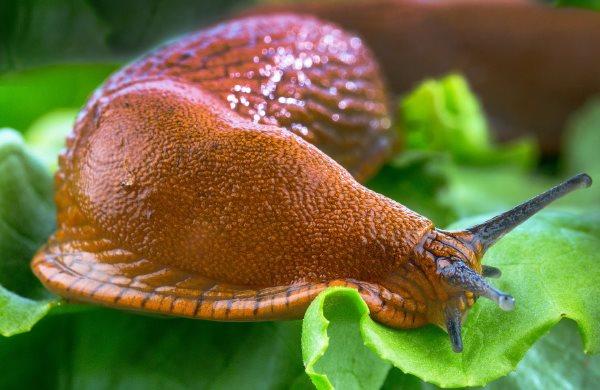
Slugs are common on cabbage heads. These insects resemble snails, but instead of a hard shell, they have a slimy covering. They appear on the vegetable in the evening, when the sun fades. Vinegar or valerian infusion are effective in killing them.
Cabbage heads are processed using this method:
- take 15 ml of 9% vinegar, valerian roots and 2 liters of water;
- Chop the root, pour 200 ml of water, let it simmer, bring to a boil and turn off.
Let the decoction steep for 12 hours. Then, dissolve 15 ml of vinegar and valerian decoction in 2 liters of water and stir. Water the cabbage heads with a spray bottle, preferably in the evening. Repeat this process every 3 days until the slugs are completely gone.
Safety precautions when working with acid
It's important to take precautions when working with vinegar. After using the acid, sharp pain occurs in the mouth, throat, and digestive tract, depending on the extent of the burn. The stomach is burned, and vomiting of blood occurs. When the essence enters the throat, in addition to pain, the voice becomes hoarse. Severe swelling can cause difficulty breathing, possibly leading to suffocation. Skin lesions and ulcers may develop.
How to avoid negative consequences from using vinegar.
- Wear gloves and long sleeves. Protect your skin from contact with the substance.
- After handling vegetables, you must wash your hands thoroughly.
- Avoid contact of vinegar with mucous membranes as much as possible.

It is prohibited to use undiluted essence.
Can the product be used as a preventative measure?
Vinegar or diluted essence is excellent for preventing cabbage diseases and attacks by harmful beetles. It's a powerful crop protector, and most importantly, it's cost-effective. Since vinegar contains only natural ingredients, it won't harm the cabbage, unlike chemicals.
Take a look Also

Reviews of the product from experienced gardeners
Below are reviews from people who have tried vinegar to combat cabbage diseases and pests. These reviews will help you confirm the effectiveness of the remedy and identify potential pitfalls.
- Anna Bogdanova, 59, Dnipro. Hello! My cabbage was attacked by aphids. As soon as I noticed them, the vegetable was covered in them. I come to my dacha on weekends, so I decided to quickly get rid of them with vinegar. I applied the aphids twice, in the evening. I used a 9% solution diluted with a bucket of water. I managed to completely kill the aphids. I washed the cabbage, and it wasn't badly damaged.
- Kirill Potapov, 67, Lviv. Greetings! This summer, I noticed a lot of slugs on my cabbage—a disgusting sight. A friend recommended using vinegar essence. I diluted it with water and watered the cabbage three times a day. When I returned to the dacha a week later, the slugs were gone. I recommend this remedy to everyone. It's inexpensive, and most importantly, effective.
Related posts:
 Quick recipes for pickled cabbage and beets for the winter, with and without vinegar
 11 step-by-step recipes for pickled ginger at home, with and without vinegar
 TOP 17 recipes for pickled sweet tomatoes for the winter
 How to fight the Colorado potato beetle with folk remedies like mustard and vinegar
 27 of the most delicious eggplant appetizer recipes for the winter
 33 of the best recipes for delicious cucumbers for the winter
 How to quickly prepare pickled eggplant in jars for the winter, the most delicious recipes and storage conditions for the preparations
 Delicious recipes for canned tomatoes in halves for the winter, with and without vinegar
This solution can be used in the early stages of pest infestation. It has a fairly strong aroma, so it works well for small numbers of pests. I've been using it for several years.