
- Operating principle of the components
- Using dry mustard
- How to make mustard and vinegar to kill the Colorado potato beetle
- Precautions when preparing the solution
- Mechanism and duration of action of the solution
- How to use the product correctly?
- Pros and cons
- In what cases should you avoid using the solution?
- Reviews from gardeners
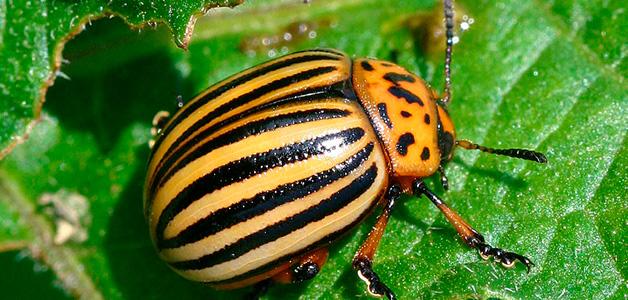
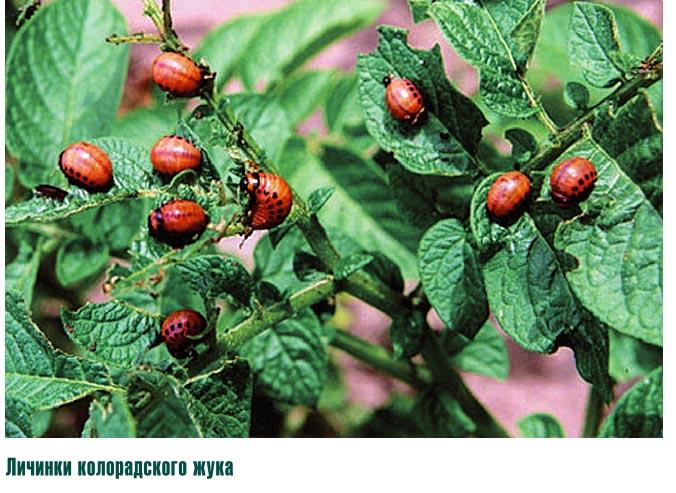
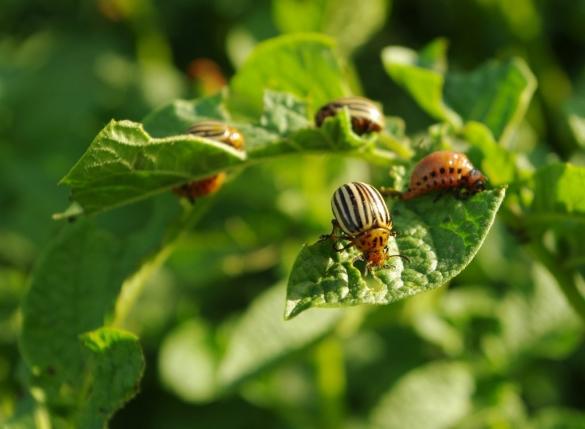
There are several folk remedies for controlling the Colorado potato beetle and other pests, but the most effective is a mixture of mustard and vinegar. This repellent repellent effectively repels both adult insects and their larvae. This method is inexpensive and equally effective as insecticides.
Operating principle of the components
Vinegar and mustard powder have virtually the same effect on the Colorado potato beetle. The strong aroma of these substances repels insects and their larvae. When mustard comes into contact with potato leaves, it becomes less attractive to insects. This treatment will not only prevent attacks by the Colorado potato beetle but also by other harmful insects.
Vinegar has a characteristic toxic odor. When it gets on leaves, it repels beetles not only by its smell. If the solution comes into contact with an insect, it kills them by damaging their internal organs. This helps eliminate the pests.
Using dry mustard
Mustard can be used dry, but the amount required is large. The powder is spread over the entire area where the potatoes are growing. Finally, the leaves are treated. The effect of this treatment lasts only four days, so it's more efficient to use a solution. It saves not only material but also processing time.
How to make mustard and vinegar to kill the Colorado potato beetle
There are several ways to prepare a solution to repel Colorado potato beetles. The most common folk remedies include:
- Dilute 1 packet of powder with 2 liters of cold water. Let it steep for 24 hours. Dilute in a spray bottle to the 10-liter mark.
- Pour 100 grams of mustard into 1 liter of boiling water. Let it steep until the solution cools. Dilute to 10 liters with water.
- Pour warm water over 1 package of mustard. Mix thoroughly. Add 100 ml of vinegar and bring the mixture to 10 liters.
- Wormwood infusion, turpentine, onion peel infusion, and several cloves of garlic are added to the vinegar and mustard mixture. The mixture is left to steep for several hours. The potatoes are then strained and processed.
- Pour 400 ml of water into a saucepan, add a packet of mustard, and simmer until a thick mixture forms. Transfer the mixture to a container, add 100-200 ml of vinegar, and bring the mixture to 10 liters.
- Boil 1 liter of water, add 50 grams of crushed laundry soap, and cook until completely dissolved. Add 100 grams of mustard to the soap solution and stir until a suspension is formed. Pour the solution into a spray bottle. Mix with water to the 10-liter mark. Finally, add 100-200 ml of acetic acid.

Prepared solutions must be used within 3 hours, as they gradually lose their effectiveness. Concentrated vinegar mixtures, starting at 70%, are best for preparing the mixture. Table vinegar contains too little of this component.
Important! It is important to maintain the correct proportions of ingredients when preparing the product. Insufficient powder or acid will reduce the desired effect.
Precautions when preparing the solution
When using concentrated vinegar solution, caution is necessary, as the acid evaporates quickly. Its vapors can be inhaled and cause burns. Ingesting large amounts of vinegar can also cause poisoning.
To work with acid, use the following:
- Rubber gloves to avoid direct contact with the acid.
- Cover all scratches and skin lesions with a bandage. Vinegar getting into the wound will worsen the condition.
- A gauze bandage is placed on the face to prevent the solution from entering the respiratory tract.
- If you have long hair, it is recommended to tie it up or cover it with a scarf.
- To pour out the required amount of solution, use a measuring glass container.
- After preparing the solution, wash your hands thoroughly with soap.
Poisoning causes dizziness, nausea, vomiting, and difficulty breathing. Inducing vomiting and performing gastric lavage are recommended. During the day, prolonged rest and relaxation are recommended, as well as drinking plenty of fluids.

There is no need to take precautions during the treatment, as the concentration of acetic acid is significantly reduced and does not pose a health hazard.
Mechanism and duration of action of the solution
The vinegar and mustard mixture lingers on the potato leaves, forming dried yellow stains. This indicates that the treatment was successful and the solution wasn't washed away by rain. The mixture emits an odor that repels Colorado potato beetles and their larvae.
If insects try to eat a potato leaf, they will die, as the concentration of the mixture's components has a detrimental effect on their internal organs.
Sprinkling dry mustard on the beds helps eliminate the problem for 4 days. A powder solution provides an effect for about 20 days. Repeat treatments are carried out as needed. If a new infestation of Colorado potato beetles is noticed, treatment is carried out within a few days.

 Important! Planting mustard near potatoes produces good results.
How to use the product correctly?
In order for the product to have the desired effect, it is necessary to follow several rules:
- Spraying should only be done in the evening, after sunset. Sunlight significantly reduces the effectiveness of the ingredients and promotes evaporation of the solution.
- Beetle treatment should be done in dry, windless conditions. Rain and strong winds will cause the product to spill onto neighboring beds, and some will wash into the soil.
- If it rains after treatment, it must be repeated.
- Any mustard solution should be used within 3 hours. After this time, its effectiveness is lost.
- Potatoes are processed regularly.
- The last spraying is done 21 days before digging up the potatoes.
- The solution is used not only for spraying, but also for watering shrubs.
- Watering is carried out at the base of the bush.
- Combined watering and spraying provide improved results.
Pros and cons
This folk remedy has its pros and cons. The positive aspects include:
- organic composition;
- use of non-toxic substances that do not harm beneficial crops and insects;
- repellent odor against insect pests;
- does not accumulate in tubers;
The disadvantages of this method include:
- short duration of action;
- risk of burns when working with vinegar.

In what cases should you avoid using the solution?
In some cases, it's recommended to avoid using this folk remedy. It won't produce the desired effect if the application instructions aren't followed. It's not used in the following cases:
- More than three hours have passed since the mixture was prepared. If any solution remains after spraying, it's best to spread it over the beds and water the bushes with it. Further use will have no repellent effect.
- Potatoes should be treated in dry, windless weather. If there are signs of inclement weather, it is recommended to postpone spraying until a more suitable time.
- Spraying immediately after rain prevents the plant leaves from absorbing the components of the product.
- In windy conditions, spraying will hit unwanted plants, which will significantly reduce the effectiveness.
- Avoid spraying during the morning and afternoon hours. Direct sunlight will break down the chemical composition of mustard and acetic acid, preventing the effect.
- If a gardener has an allergic reaction to one of these components, they should refrain from working with them, as this may provoke an inadequate reaction of the body to the allergen.

Reviews from gardeners
Igor, 59 years old, Volgograd
I've long used folk remedies to combat Colorado potato beetles. However, many of them are ineffective, and I have to resort to chemicals. This year, I tried a mixture of mustard and vinegar. Since I live at my dacha during the season, I applied the mixture weekly. I haven't noticed any insect infestations. I'll use it next year.
Anastasia, 28 years old, Krasnoyarsk
I've been growing potatoes for many years. We have a large family, and consequently, we grow large quantities of potatoes. I've been fighting Colorado potato beetles manually and using many folk remedies. However, this takes a lot of time and effort. I recently discovered recipes using mustard. I made a mixture of mustard, vinegar, wormwood, onion peels, garlic, and turpentine. I only applied the treatment three times during the season. The results were excellent; the Colorado potato beetles were afraid to approach the bushes.
Elena, 47 years old, Arkhangelsk
I'd been using chemicals to control Colorado potato beetles for years. Their effects were short-lived, lasting only 10-14 days. A neighbor suggested trying mustard and vinegar. I sprayed the solution on the bushes and watered the rest. All the insects immediately left the garden and didn't return until the next treatment. I was very pleased. This method is inexpensive and works just as well as specialized pesticides.
Related posts:
 How to quickly and deliciously prepare pickled tomatoes with mustard seeds for the winter, and storage instructions
 When to sow and when to bury mustard as green manure, its advantages and disadvantages
 Delicious recipes for pickled cucumbers with turmeric and mustard seeds for the winter
 How to treat cabbage with vinegar against pests; dilute for spraying
 26 Best Recipes for Delicious Eggplant for the Winter
 11 step-by-step recipes for pickled ginger at home, with and without vinegar
 24 of the best recipes for delicious winter snacks at home
 40 of the best recipes for delicious homemade winter preserves