
- Description
- Characteristics
- Advantages and disadvantages of potatoes
- The nuances of growing Nevsky potatoes
- Preparation of planting material
- Selecting a site
- The landing process
- Tips for caring for the variety
- Watering regime
- Fertilization
- Rules for hilling
- Protecting potatoes from diseases and pests
- Collection and storage of Nevsky
- Gardeners' reviews of the variety
The Nevsky potato variety is renowned for its abundant yield and disease resistance. This variety gained popularity in 1982. It was developed by breeders at the Northwestern Research Institute of Agriculture. The parents were the Kandidat and Veselovskaya varieties. To successfully grow this vegetable, it's important to understand all its characteristics.
Description
The Nevsky potato, also known as Sineglazka, is widely grown commercially and for personal consumption. Even a novice gardener can handle its care. This table potato variety is a mid-season variety. The harvest is 75-90 days after germination. The crop develops quickly, with tubers forming uniformly. The bushes are renowned for their medium height, reaching no more than 60 cm. The stems are erect and dark green. The foliage is small and abundant. The surface is glossy, with slightly wavy edges.
The large foliage reflects ultraviolet rays, slowing the evaporation of moisture from the soil. During dry periods, the leaves curl up like a tube. This protects the plant from evaporation and sunburn. This characteristic makes the variety drought-resistant. The potato has high resistance to beetles and diseases. Flowering is short-lived but abundant. Buds form lush, with whitish corollas. Berries are few.
Characteristics
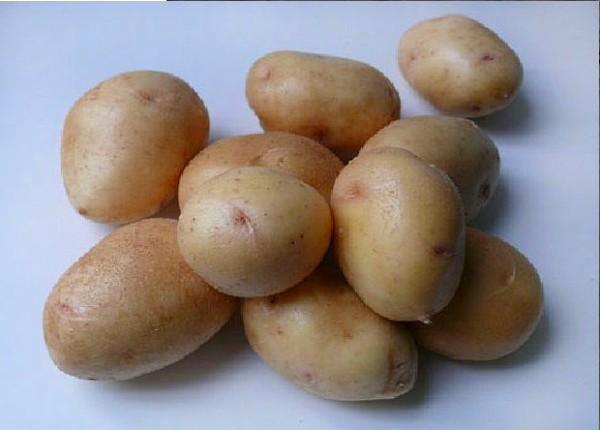
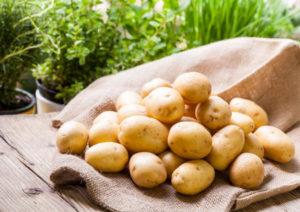
The Nevsky potato is a mid-early variety with elongated tubers weighing up to 200 grams. The potato has a smooth, yellowish skin with pinkish eyes. It contains 15% starch, and the flesh is white with a creamy tint; the cut remains dark for a long time. The bushes are densely foliated, low-growing, and quickly regenerate any damage. A single potato produces up to 15 tubers. This potato is drought-resistant and tolerates short-term waterlogging. It is rarely susceptible to late blight, blackleg, scab, and other fungi.

Advantages and disadvantages of potatoes
The Nevsky potato variety has a number of positive and negative traits. The negative aspects are significantly fewer. The tubers are used for mashed potatoes, casseroles, boiling, and frying.
| Pros | Cons |
| Easy to care for | Average immunity to late blight |
| High, stable yields | If you don't take care of the bushes, they will bloom too early. |
| Undemanding to the soil | |
| Early maturity | |
| Universal use of tubers | |
| Resistance to diseases and bugs | |
| Commercial appearance of fruits |
The nuances of growing Nevsky potatoes
The Nevsky potato variety doesn't require any special growing or care requirements. The planting technique is standard, and even a novice gardener can handle it.
Preparation of planting material
Before planting, it is necessary to perform a number of actions.
- Prepare seed tubers by selecting suitable specimens weighing no more than 80 grams.
- Before sprouting, seed potatoes are soaked in a potassium permanganate solution for 3 minutes. This stimulates root formation and increases resistance to harmful bugs and diseases.
- After disinfection, place the potatoes on the floor in a dark place and store at a temperature of up to 18°C for at least two weeks. The sprouts should be at least 12 mm long.

Plant the tubers carefully to avoid damaging the shoots. Place each one carefully into the hole, rather than throwing it around.
Selecting a site
The Nevsky potato is a heat-loving crop. It prefers to grow in sunny areas. Planting should begin when the air temperature reaches 14°C (55°F) and there are no overnight frosts. The soil should be warm to a depth of 25 cm.
In the South, potatoes are planted in late April. In northern and temperate latitudes, planting occurs in late May or early June. If potatoes are planted in cold soil, they are susceptible to late blight.
The vegetable prefers loose, moist, and well-breathing soil. The soil should be rich in nutrients. If it's poor, add compost or humus. Avoid adding fresh manure to the vegetable, as it will encourage weed growth and increase the risk of pests and diseases. Avoid planting potatoes in low-lying areas where water often stagnates after rain. Potatoes do not tolerate excess moisture. They thrive in all types of soil, but prefer sandy loam or light loamy soil.
The landing process
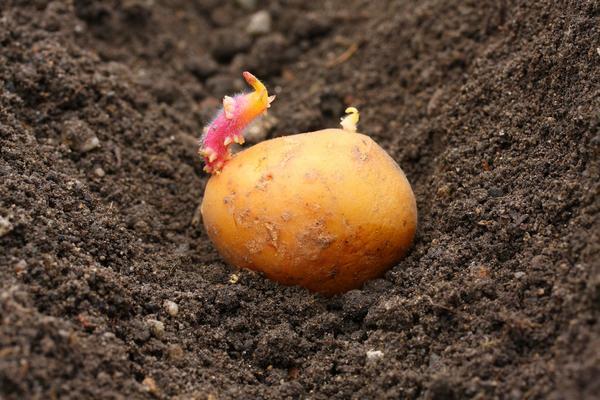
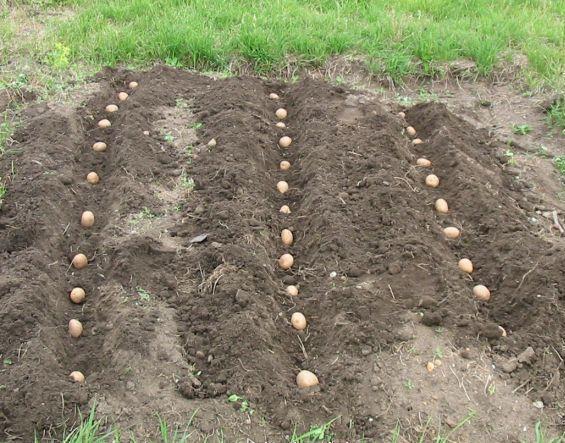
The tubers are planted in rows spaced 0.5 meters apart. The seedlings are placed with the sprouts facing upward, spaced 40 cm apart, at a depth of 20 cm, depending on the soil composition. A layer of soil at least 5 cm thick is poured on top.
The following methods are used for planting potatoes:
- for agronomic fiber;
- under the straw;
- in the ridges;
- square-nest method.
You can add wood ash, bone meal, or 2-3 peas to the holes. The first contains 12% potassium, 6% phosphorus, and 40% calcium. Among mineral supplements, components such as potassium sulfate, potassium magnesium sulfate, and superphosphate are preferred, according to the instructions.
Tips for caring for the variety
The first shoots appear in 7-10 days. Further care involves timely watering, loosening the soil, hilling, fertilizing, and protecting against diseases and harmful bugs. Weeds are removed as they appear, and the plant is hilled up high. Additional stolons should appear, and ovaries will develop on them.
Watering regime
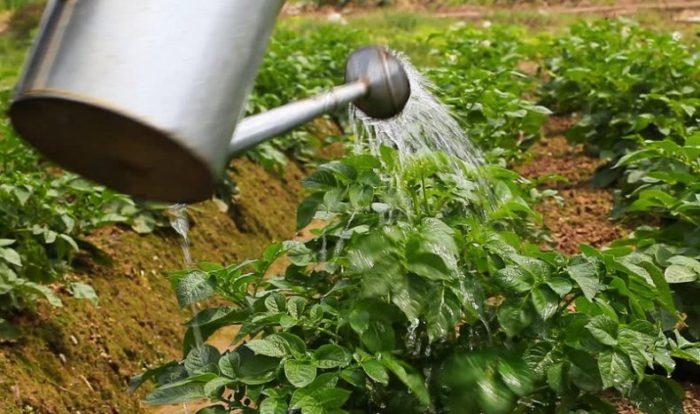
Potatoes don't tolerate dry periods well. If the season is characterized by heavy rainfall, additional irrigation may be unnecessary. If there's no rain for 10-12 days, watering is necessary. Use a sprayer, as large drops and jets of water can damage the foliage. After each heavy watering or heavy rain, inspect the plantings. The tubers are located close to the surface, and water can wash away the soil. Potatoes exposed to sunlight will turn green and become unfit for consumption. To avoid this problem, mulch the plant.
Fertilization
Nevsky potatoes are renowned for their abundant and consistent harvest. This requires a high level of nutrition. Fertilizer added to the planting hole is sufficient for the first growing season. Throughout the summer, a combination of 1 cup of sifted wood ash, 1 teaspoon of superphosphate, and 1 tablespoon of potassium sulfate is distributed over the bed 2-3 times. This amount is distributed over an area of 1.5-2 square meters.
The first fertilization is done 5-7 days after hilling. Nutrients are added during bud and flower formation.
Rules for hilling
One week after planting, loosen the soil and remove weeds. Subsequently, dig the soil as the dry crust appears. One month after planting, when the seedlings reach 15 cm in length, perform the first hilling. This involves sprinkling the loosened soil around the plant and forming mounds.
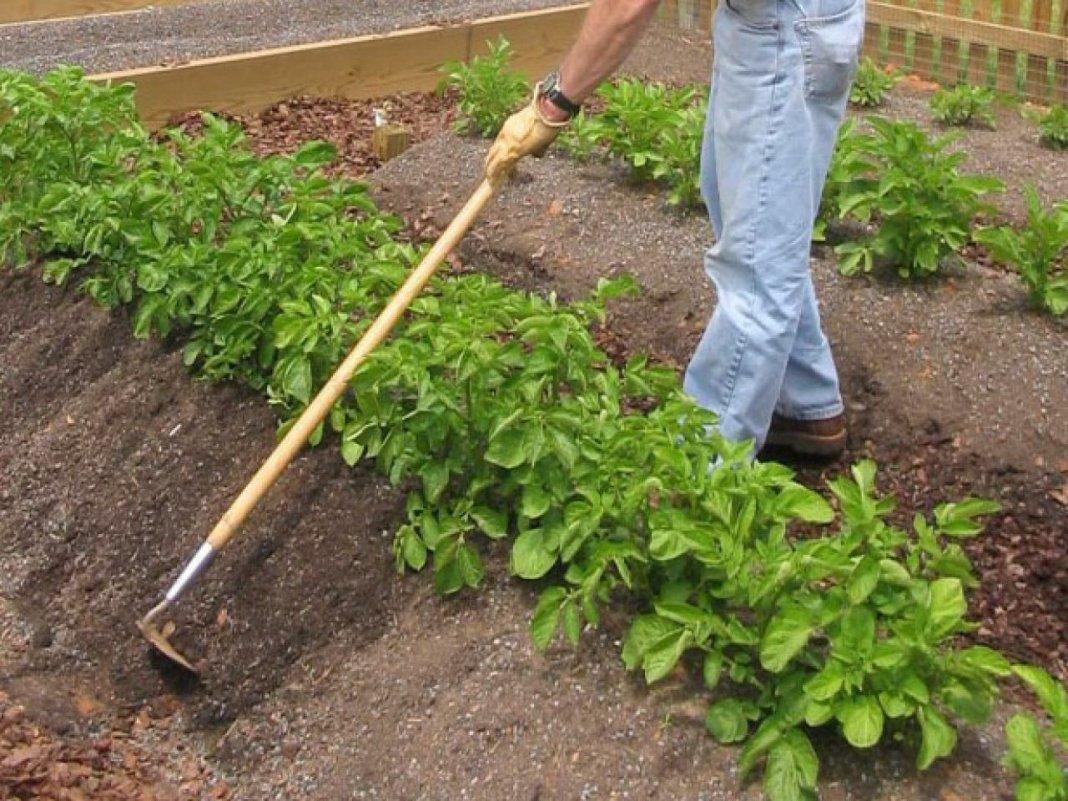
Hilling potatoes can increase yield. This work is carried out in the morning and evening. During the day, hilling is only done in cloudy weather. When the seedlings reach 30 cm in height, the process is repeated. In the south, two hillings may be sufficient. In northern and temperate latitudes, three to four hillings are performed during the growing season, every three weeks. First, weed the plot and remove any weeds. A hoe or a special hiller can be used.
Protecting potatoes from diseases and pests
Potatoes boast good resistance to many diseases, but they are sometimes attacked by nematodes. If the disease is not detected promptly, the plant will die within a short time. Nematodes attack the rhizomes with a swarm of worms. To prevent the disease, you must:
- plant only healthy, whole tubers;
- rotate crops and return potatoes to their original planting site after at least 3 years;
- Remove weeds regularly and dig up the soil in the fall.
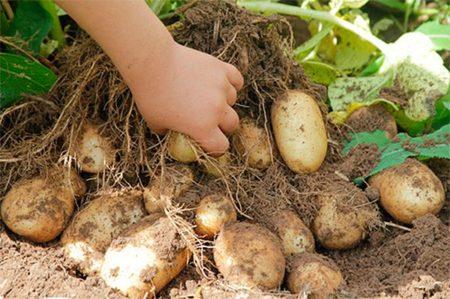
If potato bushes affected by nematodes are found, they are separated from healthy plants and burned.
Collection and storage of Nevsky
To store potatoes over winter, select whole, healthy specimens and dry them thoroughly. The room temperature should be no higher than 4-6 degrees Celsius.
Vegetables can be stored safely until mid-February, after which they sprout quickly. To extend shelf life, remove sprouts promptly.
Gardeners' reviews of the variety
Maryana Petrovna, 49 years old, Klin
In my opinion, the Nevsky potato variety is worthy of cultivation and doesn't require meticulous care, though it does require regular feeding. Diseases and pests rarely affect this potato variety with proper care.
Stepan Nikolaevich 51 years old, Samara
I spent a long time carefully choosing a potato variety, having had some negative experiences growing it before. I decided on the Nevsky variety because it's early maturing, easy to care for, and the tubers are tasty and have excellent marketability. I wasn't disappointed with my choice; I highly recommend this wonderful variety.
Related posts:
 Description of the best potato varieties of domestic and foreign selection
 Description and characteristics of the Rodrigo potato variety, cultivation and care
 Description and characteristics of the Gulliver potato variety, planting and care
 Description and characteristics of the Zhukovsky potato variety, planting and care
 Description and characteristics of the Krasavchik potato variety, planting and care
 Description of the best potato varieties for 2025, selection for regions
 Description of the Sorkodnevka potato variety, planting and care, when to dig
 Why potatoes aren't growing well in the garden, and what to do to ensure a bountiful harvest