
- What potato varieties should be planted in 2025?
- Early root crops
- Sandrine
- Madison
- Christelle
- Capri
- Gulliver
- Mid-season varieties
- Granada
- Grandmother
- Arctic
- Elena
- Zlatka
- Varangian
- Epic of Siberia
- Alouette
- Mid-late and late ripening
- Cerata KVS
- Maasai
- Cossack
- The most productive potato varieties
- The most delicious varieties
- Elite tubers
- We select varieties for different regions of Russia
- For the middle zone
- Urals and Siberia
- For the Moscow region
- For the Altai Territory
Potatoes, a vegetable crop, are considered a second bread. They can be eaten as a standalone dish or as one of its ingredients. To ensure a bountiful and high-quality potato harvest in 2025, it's important to consider the local climate when choosing a variety.
What potato varieties should be planted in 2025?
Whenever a beginner starts growing potatoes, they always face one challenge: which variety to choose. It's important to consider more than just taste. Different varieties have distinct flesh and skin colors.
The optimal option is to grow early, mid-early, and late-ripening potatoes. This approach allows people to enjoy potatoes as early as early summer. Mid-season and late-ripening varieties are grown to produce tubers that will last until the next harvest.
Early root crops
Potatoes that ripen in early summer are especially valuable. The tubers of early potatoes quickly become unfit for consumption, so they cannot be stored for long periods. Gardeners always plant early varieties. They ripen quickly, allowing households to enjoy tender potatoes.
Sandrine
Tubers ripening in the ground are oval-shaped and have shallow eyes. They are smooth to the touch and slightly elongated. The potato flesh is yellow. Sandrin is a high-yielding variety that produces a large number of tubers.
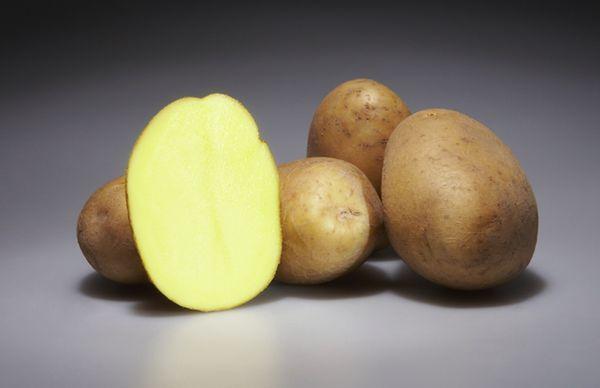
Sandrin is suitable for long-term storage, provided the vegetable's surface is free of mechanical damage. It is virtually immune to black spot. It cooks slightly, and slight darkening is noticeable during cooking.
Madison
This variety is prized for its early maturity and is suitable for growing in temperate regions. Developed by German breeders, Madison is a table potato. It cooks well.
Christelle
A potato variety with a number of advantages:
- excellent taste;
- suitable for long-term storage;
- has a strong immune system.
Each root vegetable contains 18% starch. To maintain stable fruiting, regular nitrogen-based fertilizer application is recommended. This way, each plant will produce approximately 2 kg of root vegetables.
Capri
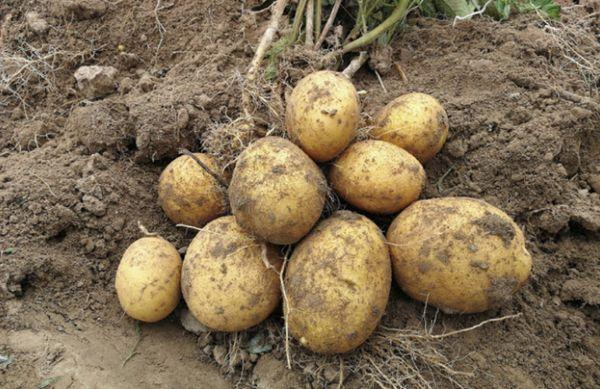
Full maturity occurs 50-60 days after planting. 43 days after emergence, new potatoes can be harvested. The flesh is firm and does not change color during cooking, making it suitable for liquid dishes, frying, and boiling.
This German-bred variety produces oval tubers with yellow flesh and skin. It is grown for commercial early potatoes.
Gulliver
During growth, the crop forms oval tubers weighing approximately 125 g. The ends are slightly rounded, and the shape is smooth, without indentations or protrusions. Starch content is minimal. The tender, creamy flesh is covered with a thin skin.
Mid-season varieties
This category includes potato varieties that are harvested 60-75 days after planting. Each root contains a large amount of starch. Mid-season varieties are resistant to sudden temperature changes and are suitable for long-distance transportation and long-term winter storage.
Granada
Potatoes have a well-developed root system. The maximum number of fruits produced is 15, each weighing between 90 and 180 g.
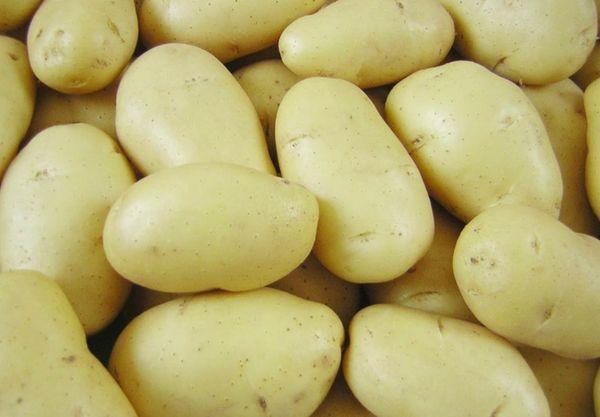
If Granada produces a small number of tubers, they weigh up to 250 g. The roots are smooth and even, elongated. The light yellow flesh is covered with a thin yellow skin. After cutting, it does not darken for a long time.
Granada's eyes are almost invisible and do not interfere with peeling.
Grandmother
The potato variety is resistant to the following diseases:
- ring rot;
- Cancer;
- late blight;
- Rhizoctonia.
Adapts to any climate. Tolerates drought and heat, maintaining productivity over the years. Tubers form early, and the young potatoes are edible.
Arctic
A mid-season potato with beige tubers. The shape of the potato is a rounded oval. Each potato has no more than 10 eyes. With a weight of 90 g, the starch content is only 12%.
Elena
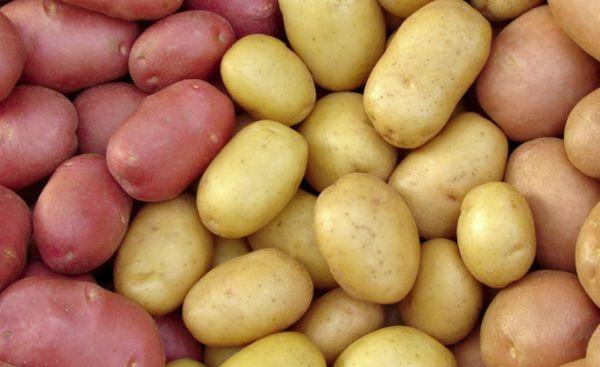
The potatoes ripen in 75 days. Each plant produces 8-12 potatoes per season. The creamy flesh is covered with a red skin.
The domestic variety contains 19% starch. Each vegetable weighs up to 125 g. The yield per hectare per season is 200-220 centners.
Zlatka
Large root vegetables with yellow flesh. When cooked, they soften and become tender. They fully ripen within two months.
The Colorado potato beetle rarely attacks Zlatka bushes, preferring other varieties. The potato is resistant to late blight. Long-term storage is acceptable.
Varangian
When cut, the potato reveals white flesh covered by a skin several shades darker. A mature plant produces 5 to 9 fruits. The tubers weigh between 110 and 145 g.
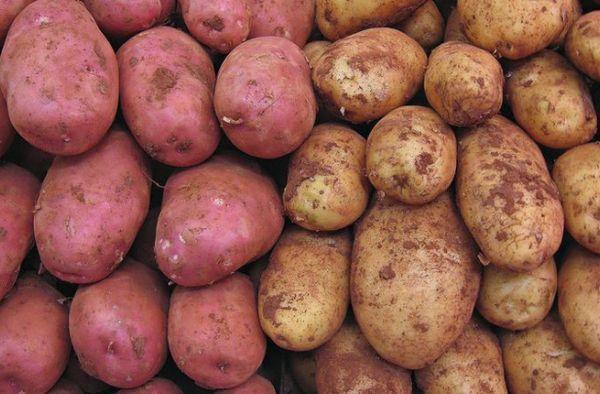
The potato is oval-shaped and elongated. Varangian produces fruit well and a large harvest per season. The eyes are small and located on the surface of the potato.
Epic of Siberia
The Bylina Sibiri variety is a vibrant "potato" variety, belonging to the group of mid-season root vegetables. Sustained drought does not affect yield. The skin and flesh are a rich yellow color. The tubers are suitable for first courses, main courses, and various light appetizers.
Alouette
Mid-season potatoes are ready for consumption 75-80 days after planting. They have red skin. The starch content per tuber is 21%.
Yields are reduced by breaking off sprouts more than once. Potatoes are kept in a cool place before planting. They have a characteristic potato flavor, which is enhanced by the high starch content.
Mid-late and late ripening
Despite their long shelf life, the tubers retain many nutrients. They ripen within 95-130 days after planting, which occurs in the last month of spring. Late-ripening varieties have a high starch content.
Cerata KVS
The variety can be identified by its white flesh hidden under a thin red skin. The eyes are not very deep. The tubers weigh 90-140 g.
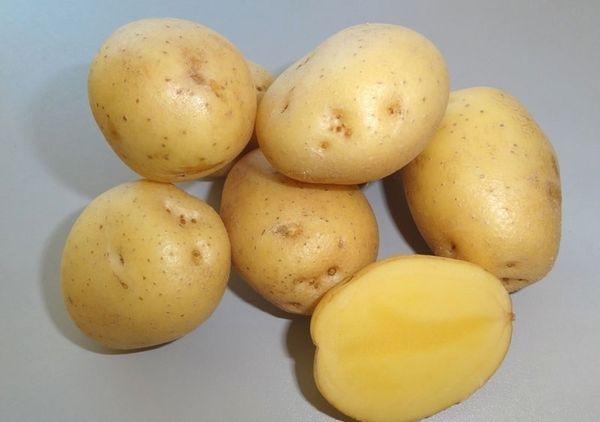
Cerata KVS is valued for its good shelf life, which doesn't affect the appearance of the tubers. The mature bush is tall yet compact. A good yield allows for winter preparation.
Maasai
A Dutch-bred vegetable with creamy, yellow flesh. A single plant yields up to 1 kg of vegetables. The oval-shaped potatoes have small eyes.
The taste is top-notch and has excellent shelf life. Tubers are rarely affected by nematodes and potato cancer.
Cossack
At the end of the season, gardeners harvest the round tubers. A single plant typically produces 5 to 12 tubers. The vegetables accumulate starch well, which gives them a more delicate and sweet flavor.
The bush has tall stems that spread out in different directions. It produces a stable harvest, the quantity of which is no more than average. The potato flesh and skin have yellow hues.
The most productive potato varieties
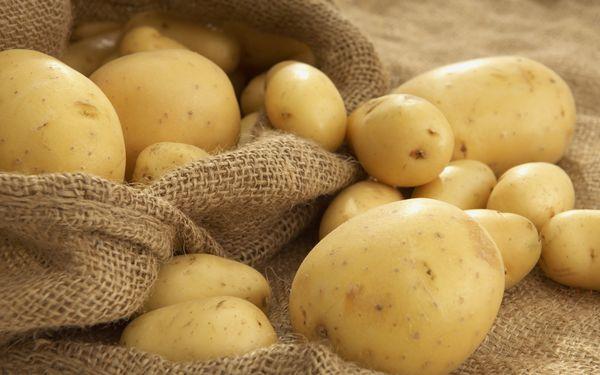
Over the years, vegetable growers have identified a list of the highest-yielding varieties. Among them, Bellarosa, Gala, Udacha, Idaho, and others stand out. They boast consistently high yields.
The most delicious varieties
A list every gardener should be familiar with:
- Pie. Characterized by a high yield. However, the yield does not alter the flavor of the tubers.
- Dauphiné. A potato developed by Dutch breeders. Often grown for export.
- Tuleyevsky. The flesh is covered with a thin skin. The fruits cook quickly.
- Picasso. This potato variety is a favorite among professional gardeners. Because of its thin skin, it's not peeled, but simply washed before cooking.
If you've never grown these varieties, you should definitely give them a try. All you need to do is pick one from the list. The potato you choose will impress you with its flavor.
Elite tubers
Why people love this potato:
- disease resistance;
- good fruiting in hot climates;
- stable harvest;
- the taste is at the highest level.
Evolution is the top-ranked potato variety in the elite group. Its roots grow rapidly, reaching large sizes. Up to 14 tubers can be harvested from a single plant. The tubers are easy to peel thanks to their oval shape.
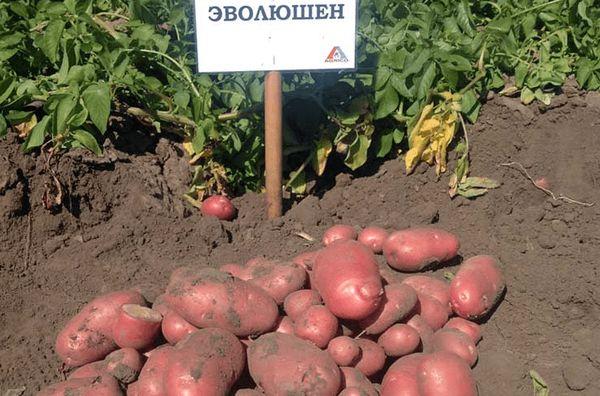
Flamenco is ready to harvest three months after planting. The oval potatoes have pink skin. This variety boasts drought and temperature tolerance and high yields.
Colombo is harvested two months after planting. The root system produces numerous tubers—up to 15. Colombo's flavor will impress any vegetable grower.
Arizona ripens in no more than 80 days. The variety thrives in cooler temperatures. Arizona is guaranteed to produce a harvest, even if the spring is cold.
We select varieties for different regions of Russia
Novice gardeners often encounter crop failure after planting a certain potato variety. To avoid this problem, consider the region where the potatoes will be planted when selecting potatoes. Therefore, varieties grown in the Altai Krai are unsuitable for growing in the Far East.
For the middle zone
List of popular varieties:
- Axon;
- Isle of Jura;
- Almera.
People living in this region should pay attention to these types of vegetables.
Urals and Siberia
The best options for residents of Siberia:
- Vulcan. This variety's immune system is resistant to potato cancer and other plant diseases. Its flavor will please even gourmets.
- Borus 2. Mature tubers are medium-weight and are characterized by high yields.
- Aramis. Each potato resembles an elongated oval with rounded edges. Small eyes are visible on the yellow skin.
Specially selected varieties for residents of the Urals:
- Burnovsky;
- Volare;
- Bashkir.
The first variety stands out due to the high starch content of its potato pulp. Volare is characterized by the highest yield. Bashkirsky is rarely affected by common potato diseases.
For the Moscow region
Lugovskoy tops the list of recommended varieties. There's probably not a single gardener who hasn't heard of this variety. Each vegetable produces a small number of eyes.

The favorite has a light skin, and the weight of one tuber fluctuates around 120 g. This potato variety does not like high humidity. To prevent the root system from rotting, watering is reduced to a minimum.
The roots of the Detskoselsky variety are prized for their incredible flavor. The skin has a light pink hue. The medium-sized potatoes fit in the palm of your hand.
For the Altai Territory
A person who owns a plot of land and wants to grow potatoes should choose from the following varieties:
- Bravo. It has all the advantages every gardener wants in a crop.
- Baron. Mature root vegetables are large in size. The starch level is medium.
- Irbitsky. The dug-up potato is round, covered with a reddish skin. Inside is starchy yellow flesh. It is resistant to viruses that alter the plant's appearance and spoil the harvest.
In 2025, gardeners have a wide selection of potatoes to choose from. Breeders aren't stopping there, constantly trying to surprise vegetable growers with new varieties. Before planting, they consider issues related to variety selection, local climate, and taste preferences.
Related posts:
 Description of the best potato varieties of domestic and foreign selection
 Why potatoes aren't growing well in the garden, and what to do to ensure a bountiful harvest
 Description and treatment of potato diseases, methods of control using folk and chemical means
 Description and characteristics of the Rodrigo potato variety, cultivation and care
 Description and characteristics of the Gulliver potato variety, planting and care
 Description and characteristics of the Arosa potato variety, planting and care
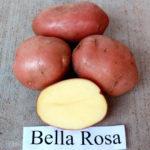 Description and characteristics of the Bellarosa potato variety, planting and care
 Description and treatment of potato pests, control measures