
- What are the characteristics of the Gulliver variety?
- History of origin
- Description
- Bush
- Root vegetable
- Taste qualities and scope of use of the harvest
- Resistance to diseases and parasites
- What is needed to grow the crop?
- Suitable climate
- Soil composition
- Lighting, temperature, humidity
- Favorable and unfavorable neighbors and predecessors
- Planting a crop on a plot
- Deadlines
- Preparing the planting site and seedlings
- Potato planting technology and depth
- Proper care for a good harvest
- Irrigation
- Top dressing
- Loosening and mulching the beds
- Hilling potato bushes
- Preventive treatments
- The nuances of harvesting and storing crops
- Reviews of the variety from leading vegetable growers
The Gulliver potato lives up to its name. This vegetable variety is distinguished not only by its abundant yields but also by its large roots. Gulliver is an early-ripening potato, so you can enjoy the taste of the first young vegetables just 1.5-2 months after planting.
What are the characteristics of the Gulliver variety?
The Gulliver potato variety has its own distinctive characteristics that make this vegetable crop attractive for cultivation by farmers, gardeners, and vegetable growers.
Advantages of the variety:
- Since the variety is hybrid, it has strong immunity to viral and fungal diseases.
- Easy to care for.
- The tubers ripen even in hot and dry conditions.
- The commercial appearance and taste of potatoes do not change during long periods of storage or transportation over long distances.
- The variety is universal in use.
Gulliver's disadvantages include susceptibility to scab and rapid spoilage of root crops if storage conditions are not met.
Important! The Gulliver potato prefers fertile, black soil. This is where the largest vegetable harvests occur.
History of origin
The Russian A.G. Lorkh Research Institute has given the world numerous unique potato varieties. The Gulliver variety was developed by the institute's staff relatively recently, in 2015. The Adora variety and the Concord potato were used to create the new variety. Three years of testing were conducted on the crop, and it was only in 2025 that the Gulliver potato was added to state registers and approved for cultivation in temperate and warm climates.
Description
Gulliver is an early potato variety; from planting in open ground until harvest, 2-2.5 months pass, but the first tubers are harvested as early as 40-45 days of growth.
Root vegetables contain a large amount of vitamins, micro and macro elements, and a starch content of 11 to 16%.
The vegetable crop does not tolerate frost well, so it is recommended to grow potatoes in regions with a mild climate.
Bush
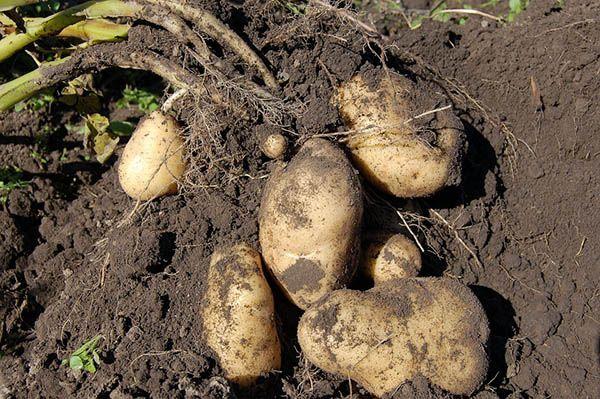
The bush is tall, reaching 85-90 cm, with straight, branched shoots and large green foliage. During the growing season, large inflorescences emerge, blooming with purple flowers.
Important! Tall plant bushes require careful hilling throughout the growing and ripening season.
Root vegetable
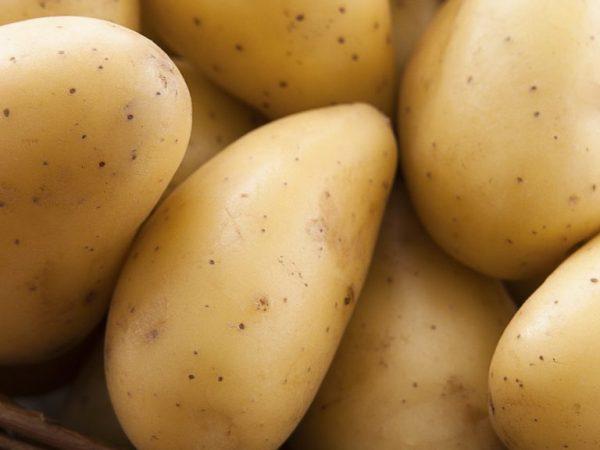
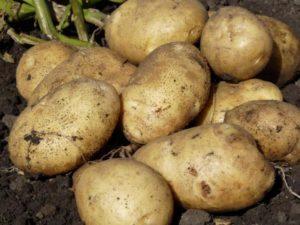
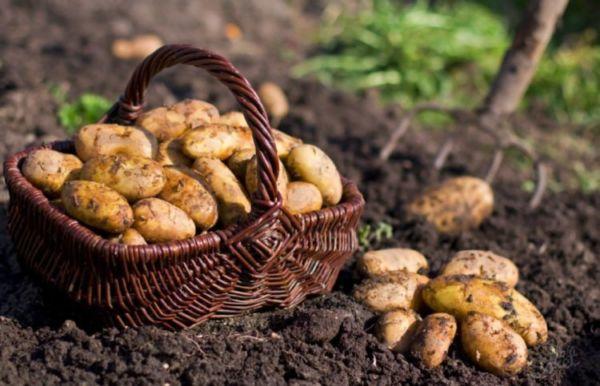
Ripe tubers are distinguished by their large size and weight, ranging from 105 to 150 g. The roots are oval-shaped, with thin, yellow skin and creamy flesh. There are few eyes on the surface of the tubers, and those that are present are practically invisible.
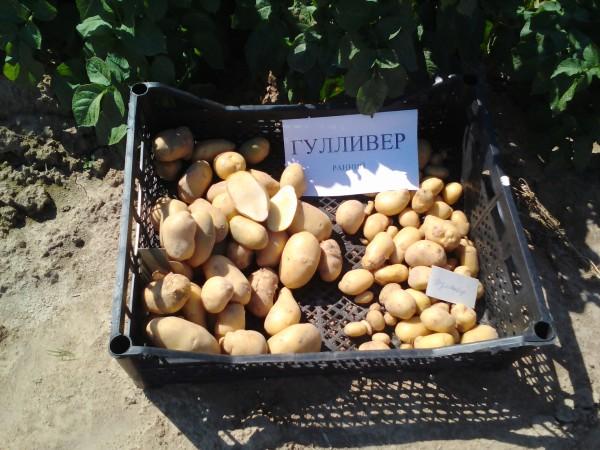
Each bush produces 2 to 2.5 kg of large root vegetables. In commercial production, the Gulliver potato yields up to 70 tons per hectare.
Taste qualities and scope of use of the harvest
Experts have rated the variety's taste as very high. Hobby gardeners also give the same verdict. The variety is a versatile table potato. Therefore, it is used in the food industry for making convenience foods, chips, frozen foods, and dry mixes. In cooking, the variety is boiled, stewed, fried, baked, and added to salads, stews, and various soups.
Resistance to diseases and parasites
The Gulliver vegetable variety is immune to nematodes and potato cancer. It is rarely affected by mosaic and scab. The breeders who developed this variety claim that Gulliver is resistant to late blight, but farmers and gardeners say preventative measures are necessary to avoid the disease.
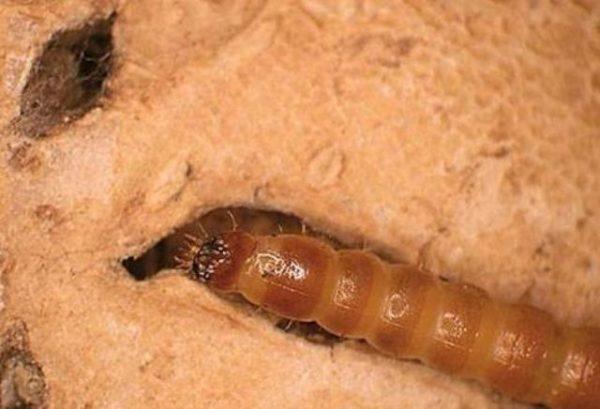
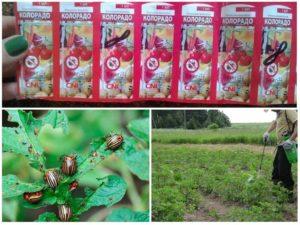
Potatoes are also rarely affected by the Colorado potato beetle and wireworm. Proper and timely care is sufficient to prevent pests. However, if the vegetable crop is infested, treatment with special pesticides is necessary.
What is needed to grow the crop?
To obtain a good harvest, it's essential to create favorable conditions for the vegetable crop's growth and development. Gulliver potatoes don't require special attention, but delays in planting and errors when planting tubers in open ground will impact the yield.
Suitable climate
After severe spring frosts, Gulliver potatoes experience poor growth and development. Therefore, it's important to maintain temperature control during planting. However, hot climates and droughts don't negatively impact the yield. The Gulliver variety is recommended for commercial cultivation in temperate central regions. Gardeners and vegetable growers enjoy experimenting, and there are reviews of this variety grown in northern regions.
Soil composition
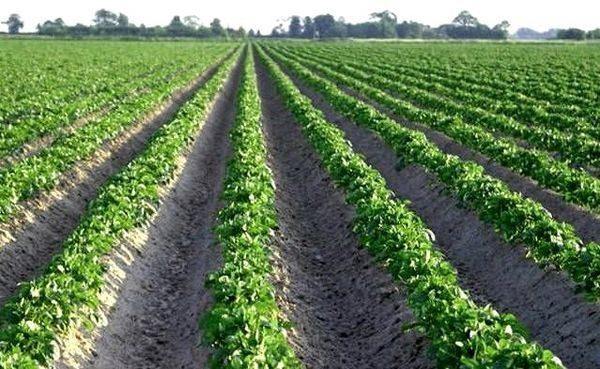
Gulliver prefers loose, fertile soil enriched with minerals and nutrients. If the soil in your garden doesn't meet these requirements, add fertilizer and fertilizer in the fall. Highly acidic soil is mixed with lime.
Lighting, temperature, humidity
Vegetable crops are planted in well-lit, level, sunny areas. Potato planting begins when the soil warms to 10-12 degrees Celsius and the threat of night frost has passed.
If groundwater is close to the soil surface, the beds are raised by 15-20 cm. Otherwise, the vegetable root system will rot.
Favorable and unfavorable neighbors and predecessors
Although the Gulliver variety is naturally immune to fungal diseases, it is not recommended to plant it after nightshade and sunflower plants. Good predecessors for potatoes include cucumbers, beets, various greens, onions, and peppers.
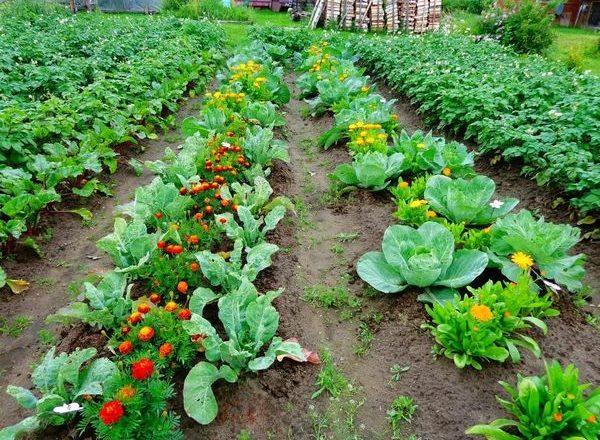
Potatoes are planted in the same place for no more than 3-4 years.
Important! By practicing crop rotation, you protect your plants from the spread of fungal and viral diseases.
Planting a crop on a plot
The basis for a good potato harvest is carefully selected and prepared planting material, and timely planting of tubers in open ground.
Deadlines
The timing of planting depends on the regional temperature. In any case, vegetables are planted in well-warmed soil.
In the south, vegetables are planted in open ground in mid-spring, in the central regions in May.
Preparing the planting site and seedlings
Potato beds are prepared in the fall or early spring. The soil is dug to a depth of 30-40 cm, mixed with humus and organic fertilizer, and thoroughly loosened. The planting material is prepared 20-30 days before planting. The tubers are cleared of soil and inspected for serious damage, diseases, or pests.
The root vegetables selected for planting are placed in a warm, bright room to germinate. After 3-4 weeks, the potatoes sprout and are ready for planting outdoors. Before planting, the planting material is disinfected with special solutions or a weak solution of potassium permanganate.
Important! If unsprouted tubers are planted, the growing season will be 2-3 weeks later.
Potato planting technology and depth
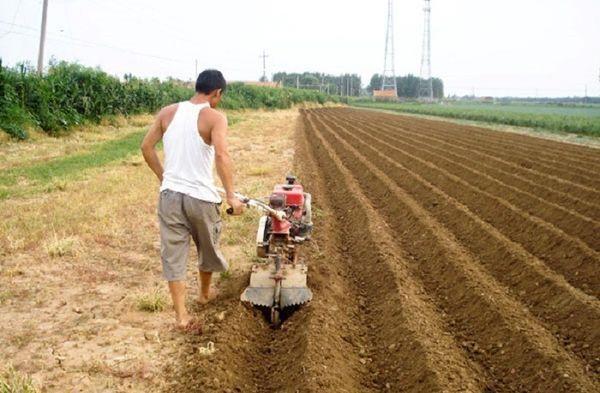
Holes are dug or harrowed in the prepared beds. Bear in mind that the plants are tall, so the distance between tubers should be at least 35-40 cm, and between beds 70-90 cm. Sprouted tubers are placed in each hole, buried 5-8 cm deep, and covered with soil. If planting into a harrow, the spacing should also be maintained, otherwise the plants will become crowded. If the root vegetables are cut for planting, each part of the tuber should have vegetative shoots.
Proper care for a good harvest
Without proper and timely care, vegetable crops take longer to develop and become less fruitful.
Irrigation
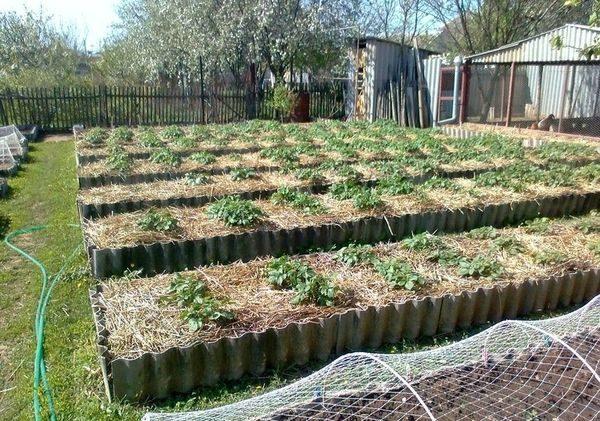
Watering potatoes begins after the first shoots of young plants emerge. During the period of root growth and maturation, 3-4 thorough waterings are required. Irrigation is especially important during bud formation and after flowering, as this is when the most active stage of future root crop development occurs.
Top dressing
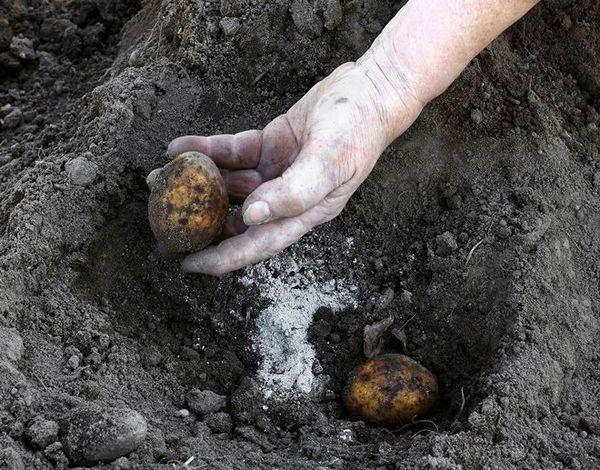
Gulliver potatoes grow and ripen best in fertile soils and require fertilizing. The first application is made when the vegetables are planted outdoors. The next application occurs before flowering. The last application is after flowering. Depending on the soil composition, the vegetable crop is fertilized with mineral or organic fertilizers.
Loosening and mulching the beds
The process of loosening the beds helps get rid of unwanted weeds, retain soil moisture, and saturate the potato roots with oxygen.
Mulching of soil is carried out to protect plants from diseases and pests, as well as to retain the necessary amount of moisture for the development of root crops.
Important! Loosening and hilling the beds is done in conjunction with watering the potatoes.
Hilling potato bushes
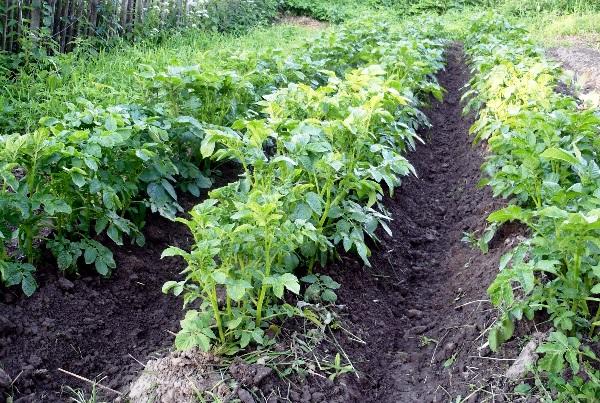
Hilling potato beds is the key to ensuring a bountiful vegetable harvest. Gulliver potato plants grow tall, so hilling provides support, especially during the active flowering phase. Hilling is performed several times throughout the plant's growth period. The first hilling occurs when young shoots reach 15-20 cm. The next stage of hilling occurs during bud formation. The final hilling is performed after flowering.
Take a look Also
Preventive treatments
If the tubers are properly treated before planting, the risk of fungal and viral diseases is minimized. The main recommendation for disease and pest prevention is proper and timely care of the vegetable crop. Loosening the soil, watering, and hilling are essential procedures to protect Gulliver potatoes from harm.
The nuances of harvesting and storing crops
The early-ripening Gulliver variety is harvested 2.5 months after planting in open ground. The first sign of root ripening is yellowing of the plant tops. The tops are trimmed a few days before harvesting.
To avoid damaging the roots, dig them out of the soil with a pitchfork. The tubers are located in a shallow depression, so removing them from the soil doesn't require much effort.
Next, the vegetables are sun-dried for 3-4 hours and then placed under a canopy or in a well-ventilated area to dry deeply. The dried vegetables are placed in boxes or bags for long-term storage. Potatoes will last longer if the storage area is well-ventilated and cool.
Reviews of the variety from leading vegetable growers
Ekaterina Petrovna, Kazan
We bought the Gulliver potato variety by chance, and we haven't regretted it. By July, the whole family is enjoying the taste of new potatoes. Caring for this variety is quite easy, and we haven't encountered any diseases or pests yet. The harvest is bountiful and has a long shelf life.
Egor Pavlovich, Volgograd region
I live in an area where summers are extremely hot and precipitation is a big deal. Last year, I decided to try planting Gulliver potatoes. It's a new variety, and the sellers couldn't tell me anything about it. It was hot all summer, and I wasn't able to water the potatoes often because I had other things to do. But to my surprise, I harvested a great crop of large, tasty potatoes at the end of July. From now on, I'll only plant Gullivers.
Anastasia Sergeevna, Moscow region
Our whole family loves potatoes, so we plant a lot of them. We bought the Gulliver variety last year; they said it was new and very productive. Gulliver requires basic care and doesn't require any special requirements. They didn't disappoint with the yield, and the flavor has become our favorite. The only thing we didn't like was the Colorado potato beetle infestation. But I have a lot of experience, so we dealt with it quickly.
Related posts:
 Description and characteristics of the Gulliver currant variety, planting and care
 Description of the best potato varieties of domestic and foreign selection
 Description and characteristics of the Rodrigo potato variety, cultivation and care
 Description of the best potato varieties for 2025, selection for regions
 Description and characteristics of the Krasavchik potato variety, planting and care
 Description and characteristics of the Zhukovsky potato variety, planting and care
 Description and characteristics of the Arosa potato variety, planting and care
 Why potatoes aren't growing well in the garden, and what to do to ensure a bountiful harvest