
- Reasons
- Varieties
- There is no suitable variety
- Poor quality seeds for planting
- Planting several varieties at the same time
- Landing
- Lack of crop rotation
- Depleted soil
- Deep planting
- Inappropriate planting method
- Height
- How long does it take for potatoes to sprout?
- Climate and planting time
- Why have potatoes stopped growing?
- What to do if potatoes don't sprout
- Harvest
- Small fruits
- Rotten fruits
- Few ovaries and fruits
- Diseases and pests
- Fungal diseases of potatoes
- Viral diseases of potatoes
- Potato late blight
- Dry rot of potatoes
- Black leg of potato
- Potato ring rot
- Mole cricket
- Colorado beetle
The value of second bread in human nutrition is enormous. It's hard to imagine a daily menu without these crumbly tubers. Every gardener should know when potatoes aren't growing well and what to do about it. There can be several reasons for a poor vegetable harvest. Each of them manifests itself under specific conditions. And proper agricultural practices don't always promote crop growth. Potato development is also affected by weather and climate change.
Reasons
The reason for the low potato yield lies in:
- depletion of the soil when planting vegetables every year in the same place;
- incorrectly selected plant variety for a specific region;
- defects in planting tubers;
- unsuitable air temperature;
- diseases and pests of vegetable crops.
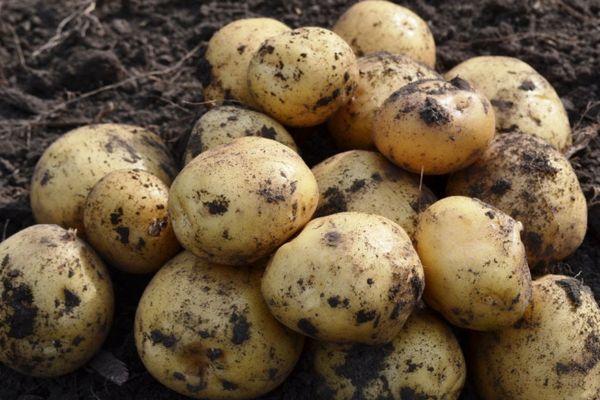
To get enough high-quality tubers in the fall, you need to create the necessary conditions for potato growth. If there are insufficient caring for potato bushes It's unlikely you'll get many root vegetables. However, overwatering the potato field and excess nitrogen will also produce poor-quality, small, rotten, and nitrate-saturated fruits.
Varieties
Breeders delight us with new potato varieties every year, but elite vegetable varieties require appropriate cultivation technology. Gardeners are best advised to select varieties best suited to the climate of the growing region and that are easy to care for.
To ensure the bushes grow on time and the tubers reach technical maturity, early varieties should be planted in northern regions. Varieties such as 'Spring Pink' and 'Spring White' will produce a large harvest of fruit 45 days after germination, as each bush will produce up to 10-15 tubers.
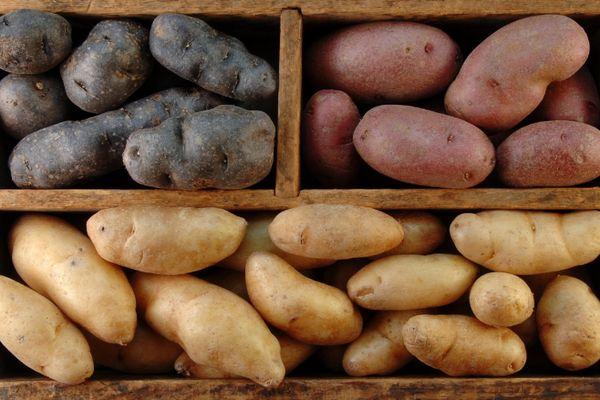
Efficient and high-yielding Nevsky potato variety and Madam. They yield crops 80 days after planting. Mid-season varieties are used in regions with a temperate climate and unpredictable summer weather.
These potato varieties are popular because they rarely get sick and grow well in poor soils during hot, dry seasons.
Late-ripening varieties are best grown in warmer areas. This will allow the potatoes to ripen and produce large tubers suitable for consumption.
There is no suitable variety
The number of potato varieties is so vast that it can be difficult to choose the right one for your garden. In addition to weather conditions, when purchasing seed for planting, you need to consider:
- purposes of cultivation: for summer menu or winter storage;
- vegetable crop yield;
- plant resistance to viral infections, late blight;
- percentage of starch in tubers;
- the taste of tubers, their structure after cooking.
It's best to plant potato varieties developed by local breeders. Hybrids from Holland, Germany, and other foreign countries don't always thrive. Their yield depends on good agricultural practices and appropriate, fertile soil.
Poor quality seeds for planting
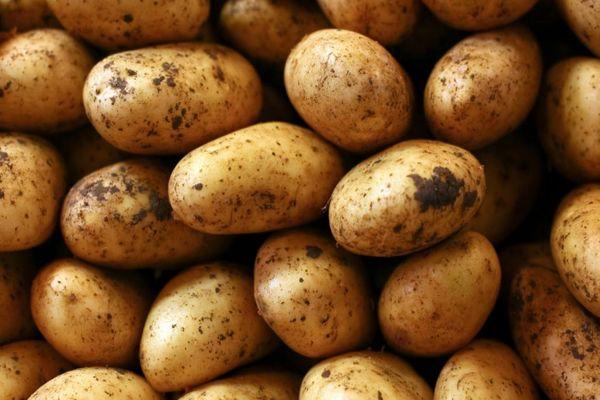
Incorrectly selected planting material is a common cause of poor potato growth. It's important to pay attention to:
- the potato variety was suitable for growing in the given area;
- use vegetables with different ripening periods for planting;
- the soil type was suitable for seed tubers;
- the seeds were uniform in size, without damage or rot;
- There were more eyes on the tubers.
When purchasing an elite vegetable crop, pay attention to the variety's resistance to diseases and extreme weather conditions. Tubers for planting should weigh up to 100 grams, have firm flesh, and not be wilted or wrinkled. Seeds should not be used annually; they are best replaced every 4-5 years.
Planting several varieties at the same time
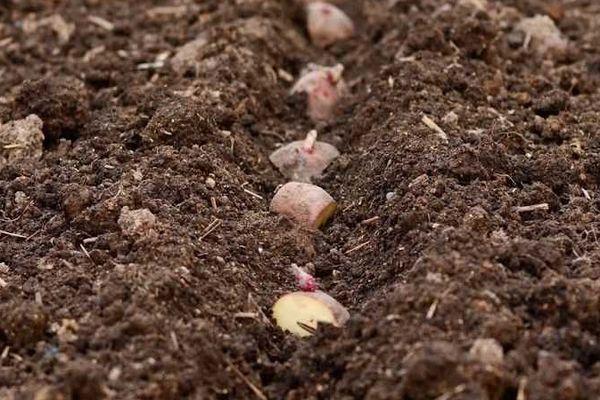
Vegetable growers recommend planting both early and late potato varieties in the same garden. However, since potato seeds have different growing seasons, they should be planted at different times.
For early maturing species, it doesn’t matter whether the soil warms up well or not. They germinate well at lower soil temperatures. However, mid- and late-ripening varieties will not root in cold soil. The tubers of these species thrive at temperatures of 10 degrees Celsius. Frost will only prolong seed germination, and not all tubers will sprout; some will die. This is the reason for the appearance of bald patches in potato fields.
Landing
Don't be surprised why potatoes don't grow in your garden if they were planted incorrectly and without taking the timing into account.
It's important to follow the tuber planting method specific to the area. What works in loamy soils won't be effective in sandy soils.
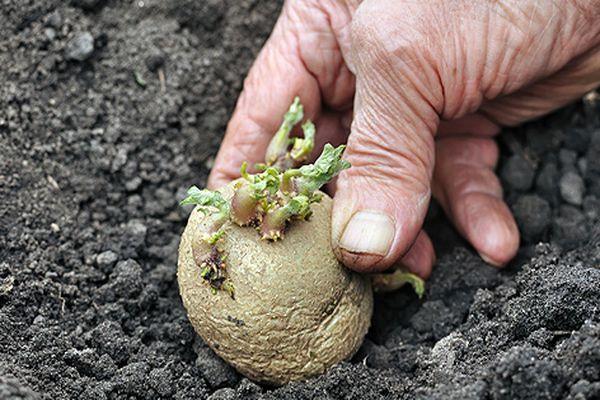
The depth and frequency of planting, as well as the nutritional value of the soil in the potato field, play a role in increasing yields. Without preparatory work such as grading, sprouting, and warming the tubers, planting potatoes can't do without it.
Lack of crop rotation
Many gardeners consider planting potatoes in the same spot for years to be a mistake. It's well known that planting the same crops depletes the soil, allowing harmful microorganisms to colonize. The loss of available potassium and phosphorus from the soil leads to smaller potato tubers and low yields.
With proper crop rotation, this won't happen. The best predecessors for potatoes are cucumbers, cabbage, and legumes.
Depleted soil
The soil requirements for potato planting are simple. Potato tubers thrive in well-fertilized areas with light to medium-textured soil.
Preparation for vegetable planting begins in the fall. Adding organic matter will improve the soil composition. Apply up to 6 kilograms of humus or compost per square meter. Of the mineral fertilizers, it's best to use phosphorus-potassium complexes. Nitrogen fertilizers and some phosphorus-potassium fertilizers are added to the soil before planting, in the spring. However, moderation is essential. Too much fertilizer will result in bare, cracked, and whitish patches of soil.
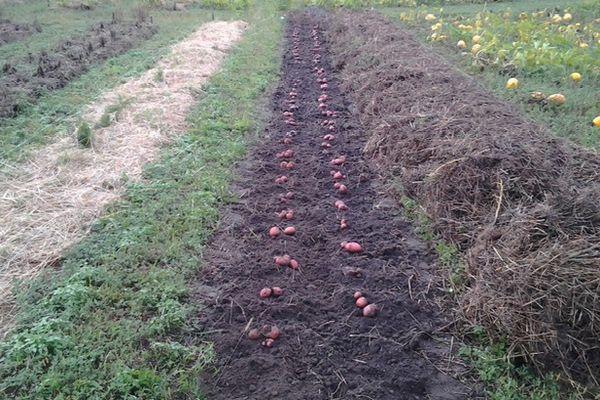
To enrich a potato field, it is recommended to grow green manure on it, which enriches the soil with useful microelements.
Deep planting
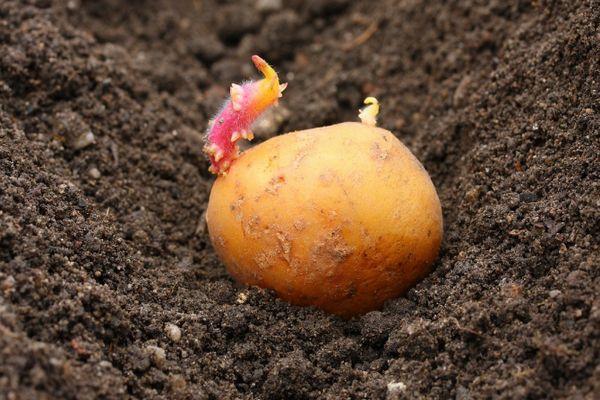
Warmed soil is essential for the best and fastest development of potato tubers and root systems. Planting potatoes too deeply, 14-15 centimeters deep, deprives the seeds of oxygen. Seedlings rarely emerge, dying from disease. Even fertilizing the soil won't save the sprouts, resulting in a loss of half the potato harvest.
Potatoes need to be planted 7-8 centimeters deep, then the tubers will develop properly.
Inappropriate planting method
Planting method is important for increasing vegetable yield. Flat planting is not universally acceptable. Depending on climate conditions and soil structure, other methods should be used.
For low-lying areas, the ridge method is best, as it allows for better soil warming and provides the tubers with sufficient heat and airflow. For dry and sandy soils, trench planting is recommended.
Height
Vegetable crops develop and thrive when properly cared for. Prepared tubers with sprouts, planted in warm soil, will sprout quickly and evenly. However, if placed in cold soil without proper calibration, they may rot, leaving the gardener without a harvest.
How long does it take for potatoes to sprout?
Temperatures in a region during the potato growing season are important for the germination time of the crop. The first sprouts typically appear 10-12 days after planting. However, this is considered optimal for southern regions. In colder regions, seedlings will emerge later, after 15, and sometimes even 20 days.
The germination time also depends on the vegetable variety chosen. Early-ripening varieties sprout faster than late-ripening varieties. Potatoes bred for southern regions will not germinate in the north, as they will not have enough daylight. Therefore, it is important to plant local potato varieties to ensure high germination rates.
Climate and planting time
Potato growth is improper due to sudden temperature fluctuations between day and night. Delayed or absent germination of potato seedlings occurs due to cold air, which is detrimental to the plants. Potato bushes develop poorly, but tubers in soil warmed during the day produce new roots, "puppies." This condition will lead to stunted stem growth.
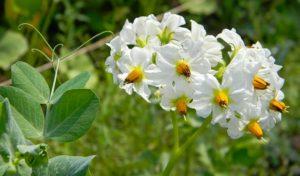
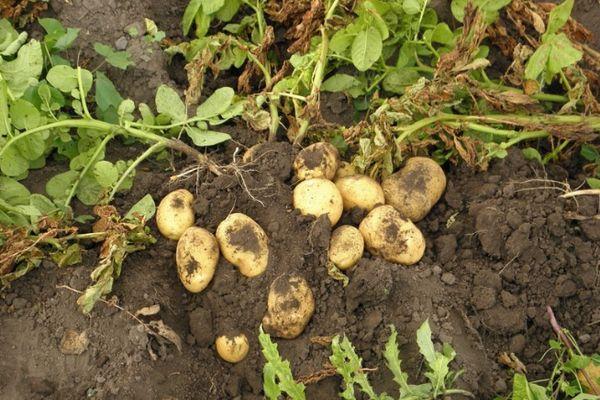
Uneven germination occurs because planting time was incorrect. Some tubers perished in the cold soil. And even if they were planted deeply, there's a high probability they won't sprout at all.
Weather affects potato growth. During dry summer periods, plants die because fertilizers won't reach the roots without sufficient moisture. Heavy rains also ruin potato crops, causing tuber rot. The greatest moisture accumulation occurs in low-lying areas, so this should be taken into account when choosing a site for vegetable crops.
Why have potatoes stopped growing?
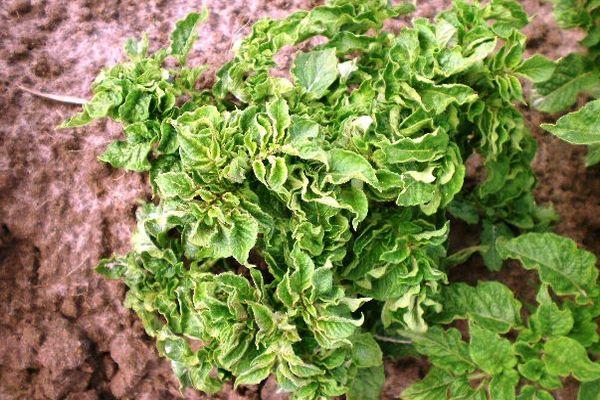
The vegetable goes into hibernation and stops growing if:
- insufficient nutrition, lack of supplementary feeding;
- there was an attack of pests, for example, mole crickets;
- the air temperature dropped;
- the tubers began to rot.
If the reason for the cessation of plant vegetation is identified in time, it can be eliminated.
What to do if potatoes don't sprout
When potato seedlings do not appear within the specified timeframe, the situation can be corrected by:
- water the beds during severe drought;
- cover the plantings with a tent made of a special material at night or when the temperature drops;
- loosen the soil, allowing air and moisture to reach the tubers;
- dig up the area and remove rotten tubers from the soil;
- fertilize the potato field.
Sprouts will appear faster if you pay close attention to vegetable planting, disease prevention, and pest control.
Harvest
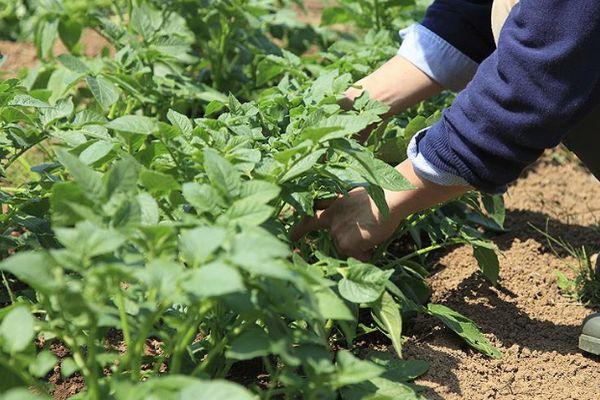
Growing potatoes Planting will be successful, yielding large, healthy tubers in the fall, if you follow proper vegetable cultivation practices. Just don't just throw the seeds into the holes and forget about them until fall. Then you won't be surprised by small, rotten tubers when you dig.
Small fruits
To get a good potato harvest, you need to decide on a planting location. Choose open, sunny spots, as the vegetable is a sun-loving crop.
Humidity is essential for tuber growth. A lot of moisture evaporates during the summer, so to produce 1 kilogram of potatoes, the plant needs up to 100 liters of water per season. During tuber formation, field humidity should be between 70-85%.
Potatoes become smaller due to improper seed selection. Careful selection of tubers before planting is essential. Seeds weighing 50-80 grams produce high yields.
Germination of planting material stimulates the development of the vegetable root system, better absorption of nutrients from the soil, and tuber growth.
Rotten fruits
The tuber harvest can be ruined if:
- plant in low, swampy areas;
- select low-quality seed material with diseased and damaged tubers;
- do not provide nutrition to potatoes during growth;
- a lot of nitrogen in the soil.
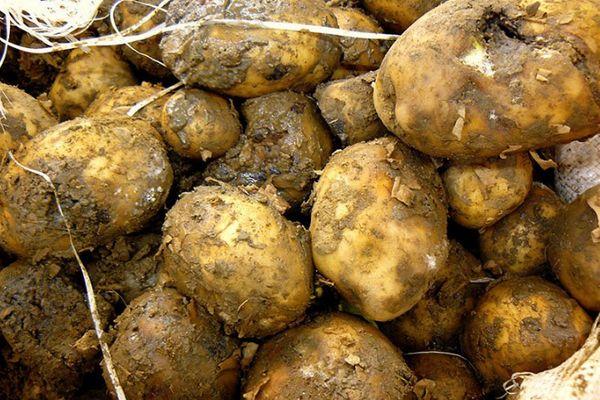
Rot occurs when potatoes are planted in cold soil during wet summers.
Few ovaries and fruits
Potato plants in the shade won't produce tubers at all. The stems will stretch, the tops will turn yellow, and instead of tubers, only stolons will form, thickened at the ends. This can be avoided by arranging the potato rows from north to south. This will ensure the plants receive uniform light throughout the day.
To ensure the germination of vegetable seeds, sprout the buds by placing the seedlings in a room with a temperature of 5°C (41°F). For tubers to form, the garden requires a daytime temperature of at least 18°C (64°F) and a nighttime temperature of 12°C (54°F). Light frosts of even -1°C (0.3°F) will kill the tubers.
Few fruits are obtained when the soil lacks elements such as boron, copper, potassium, and calcium. Blooming of bushes is reduced by a lack of phosphorus in the soil. Excess nitrogen also leads to this condition.
Diseases and pests
Protecting potato crops from diseases and pests requires special attention, otherwise you risk losing a harvest. To avoid poor growth, it's important to recognize the signs of common diseases.
Fungal diseases of potatoes
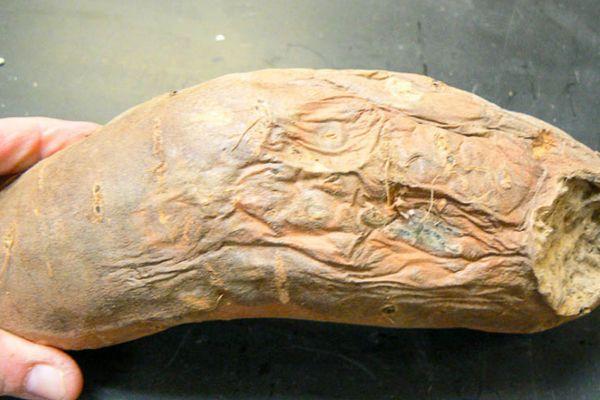
Fungal infections are the most common among garden plant diseases. Pathogenic fungal spores can remain viable for a long time in soil and seeds, only to begin active reproduction under certain conditions.
The main symptoms of fungal infections in potatoes include spots on the tops. The tubers become infected gradually as they grow. The rot develops within the flesh or is visible on the skin.
Fungus thrives during fluctuating air temperatures and high soil moisture. If symptoms are detected quickly, pathogens can be easily controlled.
Viral diseases of potatoes
Viral infections are dangerous for vegetable crop growth. When the virus spreads, all the plants in the field become infected, and the harvest is lost. Removing the infection is difficult; the plants must be completely destroyed, followed by soil disinfection.
The pathogens attack potato tissue and plant blood vessels. In addition to stunted growth, the plant fails to flower or produce tubers.
Most often, viruses are transmitted by sucking insects.
Potato late blight
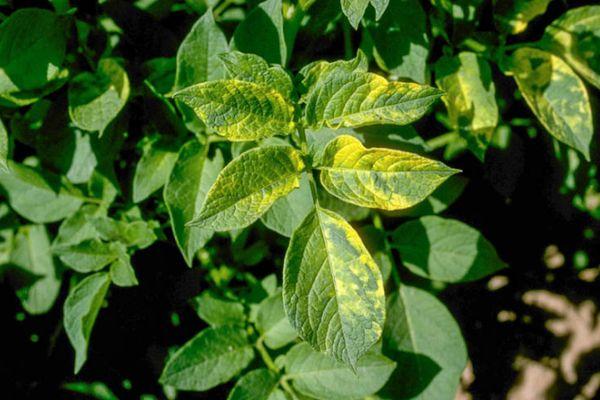
When brown spots appear on plant leaves and certain sections of stems, this is a sign of late blight. Over time, the green foliage begins to dry out or rot. Dug-up tubers reveal clearly delineated spots of varying sizes. The affected areas appear slightly sunken into the flesh of the tubers.
When the tubers are cut open, they reveal a rusty-colored pulp that extends into the interior in the form of tongues.
Plowing the potato plot in the fall and maintaining crop rotation are measures to prevent fungal infections.
Dry rot of potatoes
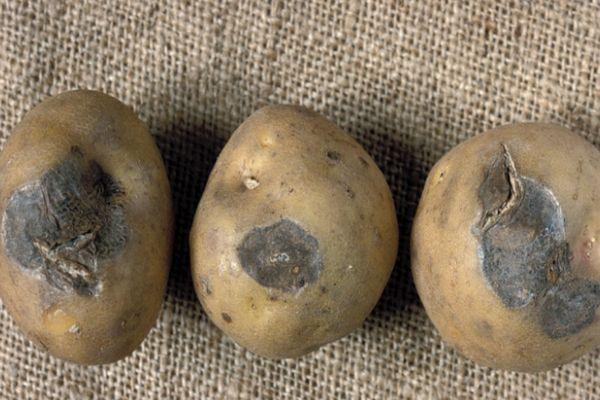
At digging potatoes Tubers with visible, slightly sunken, light-brown spots should be separated. When infected, the flesh becomes rotten and dry. When stored, these fruits develop grayish-white growths on the tubers.
Treating tubers in the fall before planting will make them less susceptible to pathogens. Fungicides such as Maxim are best used for this purpose.
Black leg of potato
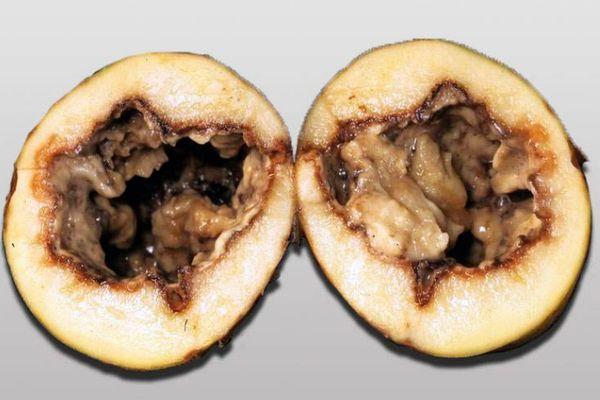
Bacteria attack the stems, leaves, and tubers of vegetable crops. When infected, the leaves turn pale and curl, and the stems become brittle and soft. The tubers rot rather than develop. The potato flesh darkens, becomes slimy, and develops an unpleasant odor.
Pre-exposure of tubers to light before planting will kill pathogens.
Potato ring rot
The infection is dangerous because it clogs the plant's blood vessels, causing rapid wilting and yellowing of the leaves. The tuber becomes soft, and when pressed, a viscous yellowish mass oozes out. The onset of the disease is determined by spots of rotting flesh, around which the tissue becomes more transparent and hard.
The disease can be prevented by careful selection of seed material.
Mole cricket
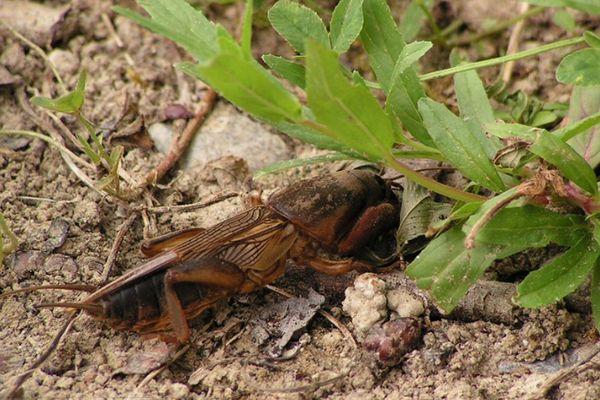
Potatoes often fall victim to attacks by the mole cricket, an insect of the order Orthoptera. Living underground, it emerges at night and damages root crops. The pest can be controlled by destroying its nests. It is recommended to douse the insect's burrows with a soap solution or kerosene diluted with water. Medvetoks is an effective pesticide.
Colorado beetle
The beetle is extremely harmful, producing up to 2-3 generations per season. These small insects have pale yellow elytra with black stripes. The beetle's larvae are the ones that damage potatoes. The pest overwinters in the ground at a depth of 10 to 60 centimeters, emerging in the spring when the soil warms to 15 degrees Celsius. By feeding on potato leaves, the pests cause leaf deformation, and even minor leaf loss is dangerous during budding.
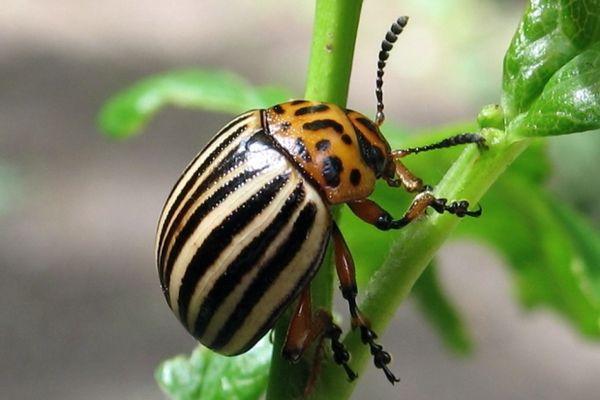
There are many insect control products available. Potato varieties resistant to Colorado potato beetle damage have been developed. Potato fields are treated several times per season. Many gardeners pre-treat the seeds and soil before planting with products such as Aktara, Kaiser, and Prestige.
Related posts:
 Description and treatment of potato diseases, methods of control using folk and chemical means
 Description of the best potato varieties of domestic and foreign selection
 How to properly prepare planting material and when to plant potatoes to get a rich harvest
 Description of the best potato varieties for 2025, selection for regions
 Description and characteristics of the Jelly potato variety, planting rules and care
 Description and characteristics of the Rodrigo potato variety, cultivation and care
 Description and characteristics of the Krasavchik potato variety, planting and care
 Description and characteristics of the Zorachka potato variety, planting and care