
- Characteristics of the Zorachka potato
- Pros and cons of culture
- Description of the variety: bush and root crop
- Potato yield and application
- Necessary conditions for growth and fruiting
- Growing regions
- Location and lighting
- Humidity and temperature conditions
- Favorable and unfavorable neighbors and predecessors
- Rules for planting crops
- Timing for planting work
- Preparing the soil and the site
- Preparation of planting material
- Scheme and depth of planting seedlings
- Caring for potato bushes
- Watering
- Fertilization
- Weeding and loosening the soil
- Hilling
- Therapeutic and preventive treatment
- Harvesting and storage
- Reviews of Zoraczka from experienced vegetable growers
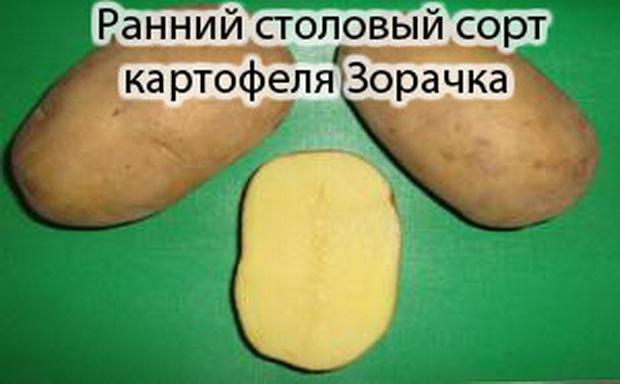
The Zorachka potato variety was developed by scientists from the National Academy of Sciences of Belarus. It was added to the State Register of Breeding Achievements of the Russian Federation in 2013 as an early table variety. Gardeners and vegetable growers have come to love this crop for its pleasant flavor and short growing season.
Characteristics of the Zorachka potato
The Zorachka potato reaches technical maturity 80 days after planting. The first digging to obtain new potatoes occurs after 1.5 months. This vegetable is recommended for cultivation in central regions, as it does not tolerate drought well. Sufficient average annual rainfall is essential for the crop.
Pros and cons of culture
The advantages of the Belarusian potato Zorachka include:
- rapid gain in marketable tuber weight in the first half of the growing season;
- high productivity;
- unpretentiousness in care, to soil, climate;
- rich, not watery taste;
- resistance to diseases and mechanical damage;
- keeping quality;
- marketable appearance of uniform tubers;
- preservation of original properties during long-term transportation.
Among the disadvantages, gardeners note instability to drought and frequent loosening of the soil.
Description of the variety: bush and root crop
The Zorachka potato plant grows to a height of 60 cm, is vigorous and semi-erect, and features dense, medium-sized leaves. By flowering time, densely clustered, soft-blue inflorescences are formed.
The fruits are oval, uniform in shape, with smooth yellow skin and matching flesh. The eyes are small, shallow, and widely spaced. They weigh 100–120 g. A single plant produces 8–12 potatoes.
Potato yield and application
The Belarusian potato variety Zorachka proved to be a high-yielding variety during trials in Russia. After the tubers reached market maturity, they yielded an average of 300 centners per hectare.
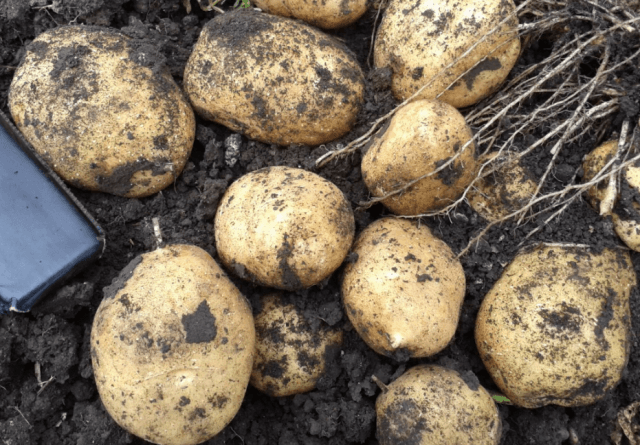 The starch content in vegetables is 12-14%, the crop belongs to the culinary type AB. Potatoes retain their shape when fried, boiled, used in salads and soups.
Necessary conditions for growth and fruiting
Given the potato's undemanding growing conditions, the originator and patent holder of the Zorachka variety recommends planting tubers in loamy and sandy loam soils with a neutral pH and adequate irrigation. To increase marketable weight by at least a quarter, the plant requires balanced nutrient levels in the soil, which is achieved through the timely application of organic and mineral fertilizers.
Growing regions
In the State Register of Breeding Crops Approved for Cultivation in the Russian Federation, this crop is recommended for cultivation in the following territories:
| Regions of the North-West region | Regions of the Central Region |
| Kostroma | Tula |
| Vologda | Ivanovskaya |
| Pskov | Bryansk |
| Kaliningrad | Vladimirskaya |
| Tverskaya | Kaluga |
| Yaroslavskaya | Moscow |
| Leningradskaya | Smolensk |
| Novgorod | Ryazan |
Take a look Also

The choice of these areas is due to the absence of hot, dry summers.
Location and lighting
When shaded by trees and outbuildings, the tops of the Zorachka potato plant stretch, become thin, and partially die. Flowering and tuber formation are delayed, yields decrease, and the flavor of the tubers deteriorates. Good lighting is essential for the growth of this vegetable.
To ensure uniform sunlight exposure to the crop, the rows are arranged from north to south.
A bed for potatoes is chosen that is open and protected from northern winds.
Humidity and temperature conditions
Favorable weather conditions for normal growth and marketable tuber growth for the Zorachka potato include moderate temperatures ranging from 14–21°C and soil moisture levels of 70–80%. Drought and flooding are detrimental to the crop.
Favorable and unfavorable neighbors and predecessors
The Belarusian Zorachka should not be planted next to or next to nightshade crops due to the same diseases. If tomatoes, peppers, and eggplants are planted next to varietal potatoes, they will be attacked by the Colorado potato beetle or infected by fungal spores. Cucumbers are susceptible to late blight., pumpkins. Their presence in neighboring beds is undesirable.
Useful neighbors and predecessors on the plot are mustard, beans, onions, and garlic.
The former disinfect the substrate, while the roots of the latter enrich the soil with nitrogen. Garlic and onions repel insect pests. The plants are planted along the edges of the potato bed and between the rows. Compatible with potatoes are adjacent plantings of all types of cabbage, radishes, horseradish, carrots, dill, spinach, and lettuce.
Rules for planting crops
Planting guidelines for Zorachka potatoes take crop rotation into account. These include digging and fertilizing the soil, preparing the tubers, and planting them in the soil according to the appropriate schedule for agricultural work.
Timing for planting work
When planting potatoes, soil temperature information is important. Zorachka tubers begin to sprout roots at 7°C and above, so planting should be done when the average daily temperature remains stable at at least 8°C.
If you plant the tubers in the soil too early, the risk of rotting will increase.
In central Russia, the vegetable is planted in sunny, warm weather in early May. Pay attention to soil moisture. If there was heavy rain the day before, wait until the soil dries out.
Preparing the soil and the site
Preparing the soil and plot for spring planting begins immediately after the previous year's harvest. First, the remaining tops and weeds are dried and burned. Drainage ditches are dug around the plot's perimeter. The soil's acidity is checked. If sorrel and horsetail are present in the beds, slaked lime, sulfur, or sand are added to the soil.
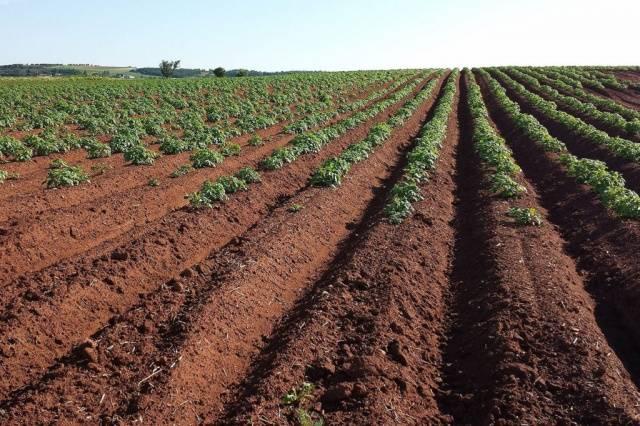
The soil is dug to the depth of a shovel blade, adding manure at a rate of 8 kg per 1 square meter. In the spring, the soil is loosened to a depth of 10-15 cm. Mineral fertilizers are applied per 100 square meters of land:
- 2 kg of potassium sulfate;
- 1 kg of ammonium nitrate;
- 4 kg nitrophoska;
- 1 kg double superphosphate.
When the planting area is small, manual digging of the soil is more effective than mechanical digging.
Preparation of planting material
Three to four weeks before planting, remove the seeds from storage. A simple and affordable way to germinate them is by exposing them to light.
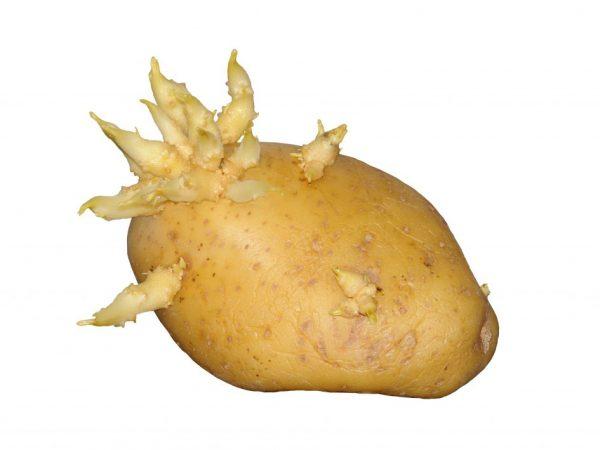
The technology consists of the following procedures:
- The tubers are sorted, removing diseased, rotten or deformed specimens.
- healthy potatoes are laid out on the floor or in boxes in 1-2 layers, after being sprayed with a solution of manganese (1 mg per 1 liter of water);
- for the first 10 days, the planting material is kept indoors at a temperature of 18–20 °C;
- To prevent the sprouts from stretching, the potatoes are transferred to another place with a temperature of 10–13°C.
Immediately before planting, sprouted tubers are treated with the growth stimulant Kornevin and the complex insecticidal and fungicidal preparation Prestige.
Scheme and depth of planting seedlings
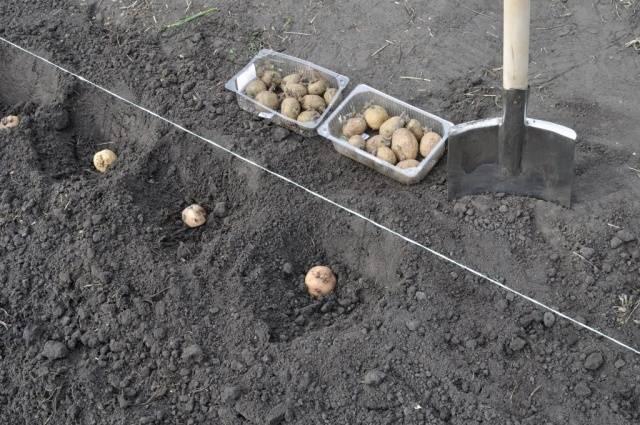
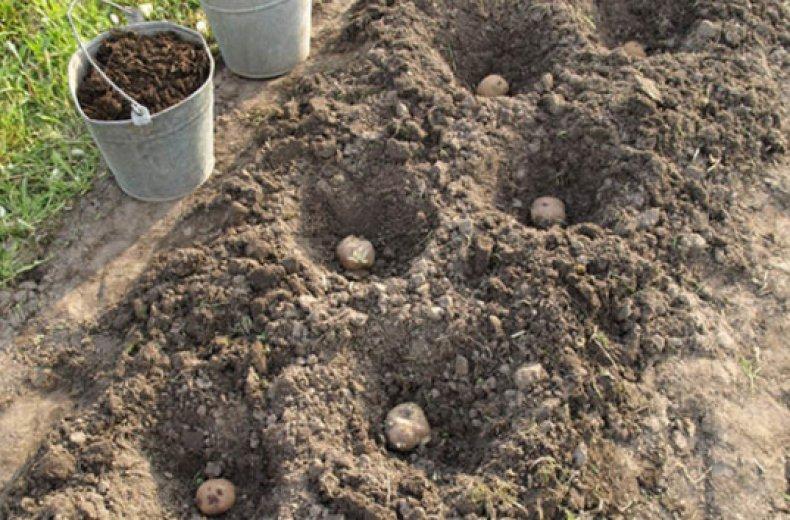
Zorachka potatoes are planted in holes 8–10 cm deep, spaced 40 cm apart. The row spacing is 60 cm.
Caring for potato bushes
Proper care, including moderate watering, soil loosening, hilling, and preventative treatments, preserves the varietal qualities of the Zorachka potato. Adherence to the fertilization schedule increases the marketable weight of tubers by 25–50%.
Watering
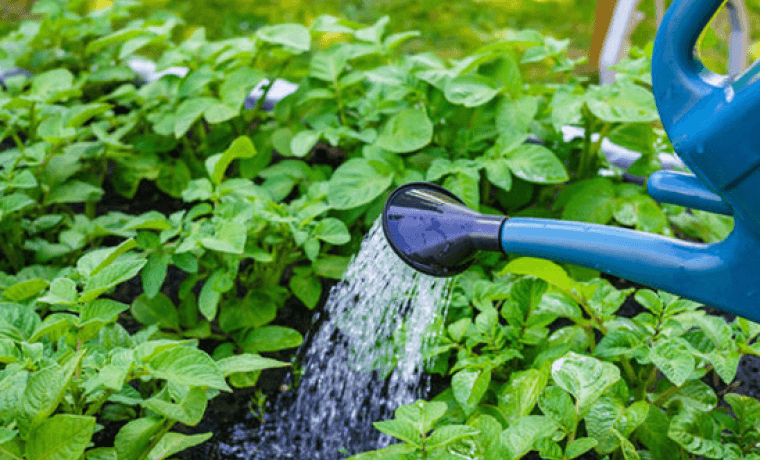
While the planting material is taking root, avoid irrigation. The first watering is done after germination. The Zorachka potato variety experiences its greatest moisture needs during budding and tuber formation. Watering directly under the bush or using drip irrigation is recommended. The optimal amount of water per plant is 3 liters.
Moistening the soil after flowering is not advisable, as it increases the risk of the crop being affected by late blight.
Fertilization
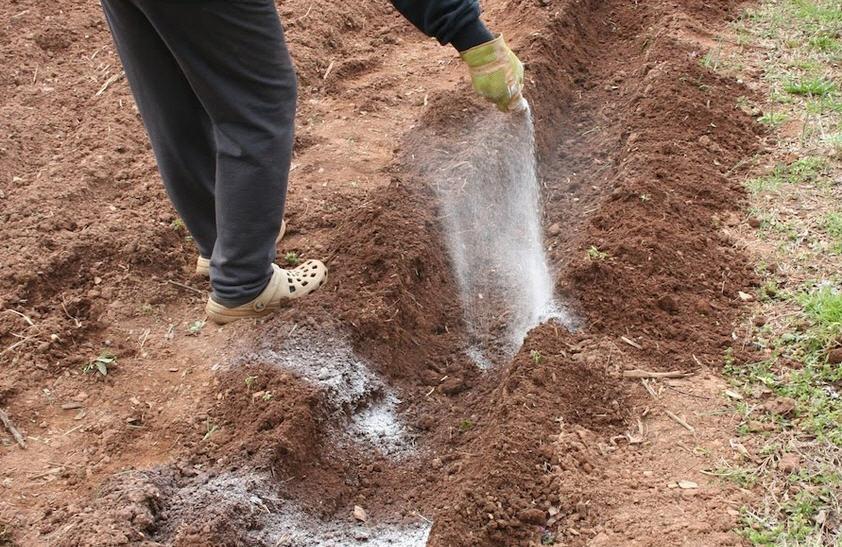
If a complex of minerals and organic fertilizers are added to the soil in the required quantity when planting a crop, the plants are fed three times during the growing season:
- Before the first hilling, add 2 handfuls of humus or 10 g of nitrophoska under each bush;
- at the beginning of flowering, plants require 200 g of ash or 30 g of potassium sulfate dissolved in a bucket of water per 1 sq. m;
- To promote tuber formation during flowering, each bush is fed with 0.5 liters of an infusion consisting of 200 g of mullein, 50 g of superphosphate and 10 liters of water.
At the beginning of the growing season, a natural organic fertilizer—nettle infusion—is effective. To prepare the fertilizer, fill a bucket 70% full with nettles, add water, and let it steep for two weeks. Before watering, dilute 1 part of the concentrated solution with 20 parts water.
Weeding and loosening the soil
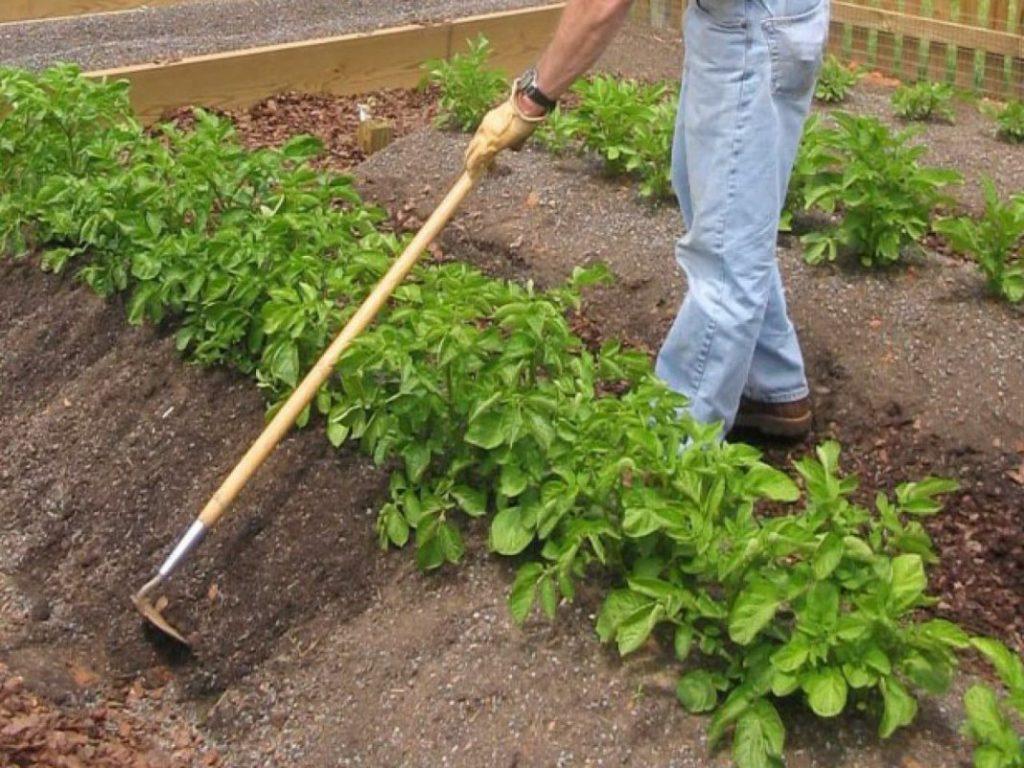
The first weeding is done after the seedlings emerge, and the second is done during hilling. Later, weeds are removed from the row spacing as they grow. The soil is loosened the day after watering or rain, as a crust forming on the surface prevents normal aeration and moisture from reaching the roots and tubers.
Hilling
When the tops reach 15–20 cm, the Zorachka potatoes are hilled for the first time, raking up the soil from between the rows. This process is repeated after two weeks. Hilling prevents insect attacks and the spread of diseases. It also promotes uniform light distribution throughout the plant and helps retain heat for tuber growth.
Therapeutic and preventive treatment
Protecting Zorachka potatoes from diseases and pests begins with pre-planting treatment of the tubers:
- The drug Matador will protect against the invasion of the Colorado potato beetle, wireworms, and aphids;
- To prevent the appearance of rot, black leg, and scab on crops, the Maxim product is suitable;
- To prevent potatoes from being affected by late blight, 2 days before planting, the tubers are sprayed with a solution of copper sulfate;
- A universal remedy for protecting potatoes from pests and diseases is 1% Bordeaux mixture.
Among the inexpensive, commonly used folk remedies, gardeners favor potassium permanganate. To prepare a solution, mix 1 g of the dry substance with 1 liter of water.
Effective methods of preventing pest larvae and fungal spores include autumn digging of the soil, regular weeding, hilling, and fertilization.
If preventative measures do not help, use the medicinal treatment of Zorachka potatoes:
- To protect against the Colorado potato beetle, use the drugs Calypso and Karate;
- reduce the number of wireworms by using traps, bait with pieces of fresh carrots or Aktara, Prestige;
- Biologically pure preparations Enterobacterin and Lepidocide protect plants from potato moth.
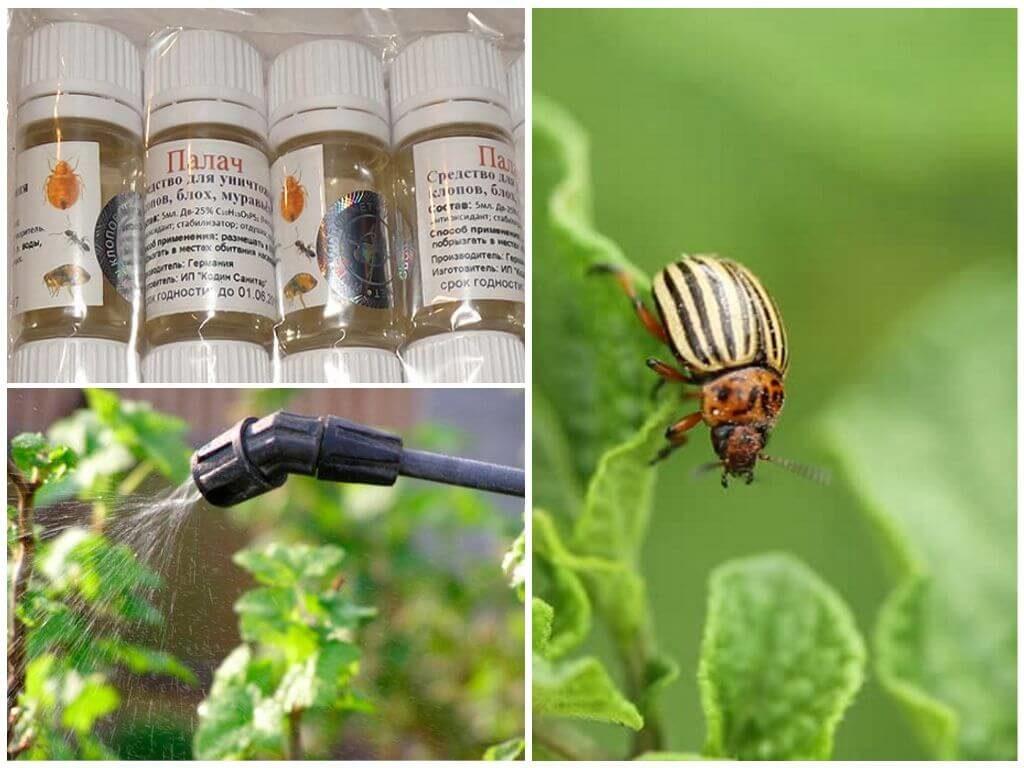 To protect plants from fungal diseases, farmers and experienced gardeners use the systemic fungicide Acrobat MC.
Harvesting and storage
To harvest new potatoes, begin harvesting after 45 days. For commercially ripe tubers, begin harvesting after 80 days. Choose a dry, sunny day. Clear the bed of tops and weeds.
After removal, the tubers are placed in a dark, ventilated area to dry. Next, the vegetables are sorted, with damaged ones and seeds placed in separate containers.
The harvest is stored in dark, ventilated areas, separate from other vegetables (except beets). The optimal temperature is 2–3°C, humidity 80–85%.
Reviews of Zoraczka from experienced vegetable growers
Nikolai Zakharovich, 60 years old
I live with my family in a city apartment, so we have no place to store potatoes. We grow the early Zorachka variety in the garden, and we eat the vegetables before winter. We then buy potatoes from the grocery store as needed. My wife makes a variety of potato dishes, but fried potatoes are especially delicious.
Marina, 35 years old
I love experimenting. I plant a new potato variety at my dacha every year. Of the early varieties, I liked the Belarusian Zorachka the best. The potatoes are delicious peeled and unpeeled, with or without salt. I did notice one drawback: the tubers are a bit small.
Tamara Ivanovna, 48 years old
I like the Zorachka potato variety for its ease of soil and care. I plant it in small quantities and harvest it by the end of July, so there are no problems with diseases or insects."
Related posts:
 Why potatoes aren't growing well in the garden, and what to do to ensure a bountiful harvest
 Description and characteristics of the Krasavchik potato variety, planting and care
 Description and characteristics of the Rodrigo potato variety, cultivation and care
 Description of the best potato varieties of domestic and foreign selection
 Description and treatment of potato diseases, methods of control using folk and chemical means
 Description and characteristics of the Bellarosa potato variety, planting and care
 Description and characteristics of the Gulliver potato variety, planting and care
 Description and characteristics of the Zhukovsky potato variety, planting and care