
- Description and characteristics of the Bellarosa variety
- Productivity
- Characteristics of tubers
- Sustainability
- Pros and cons of potatoes
- Specifics of growing potatoes
- How to prepare a plot and seed potatoes
- The landing process
- Tips for caring for the crop
- Necessary fertilizers
- Watering rules
- Loosening the soil
- Hilling up bushes
- Protection from diseases and pests
- Harvesting and storing potatoes
- Potential problems when growing
- Bellarosa Potato Reviews
The German potato variety Bellarosa, a popular choice in Russian gardens and farms, is renowned for its early ripening, rich flavor, and long shelf life. When grown in southern regions, it can yield two harvests per season.
Description and characteristics of the Bellarosa variety
The Bellarosa potato, also known as the White Rose, was developed in Germany for cultivation in Eastern Europe. Thanks to its exemplary properties and qualities, the variety quickly spread beyond its recommended growing area. This plant, a leading early potato variety, has been grown in Russia since 2006, after being included in the State Register of Breeding Achievements of the Russian Federation.
The plant's stems are medium-sized (75 cm) and semi-erect. The leaves are large and dark green. The inflorescences consist of 3–5 purple flowers.
Productivity
A bush yields 5-10 tubers, 35-40 tons per hectare, and up to 30 kg per square meter. Residents of southern regions, after harvesting the first crop in July, have time to grow potatoes again. The early variety takes two months to mature. Digging begins 45 days after planting.
Characteristics of tubers
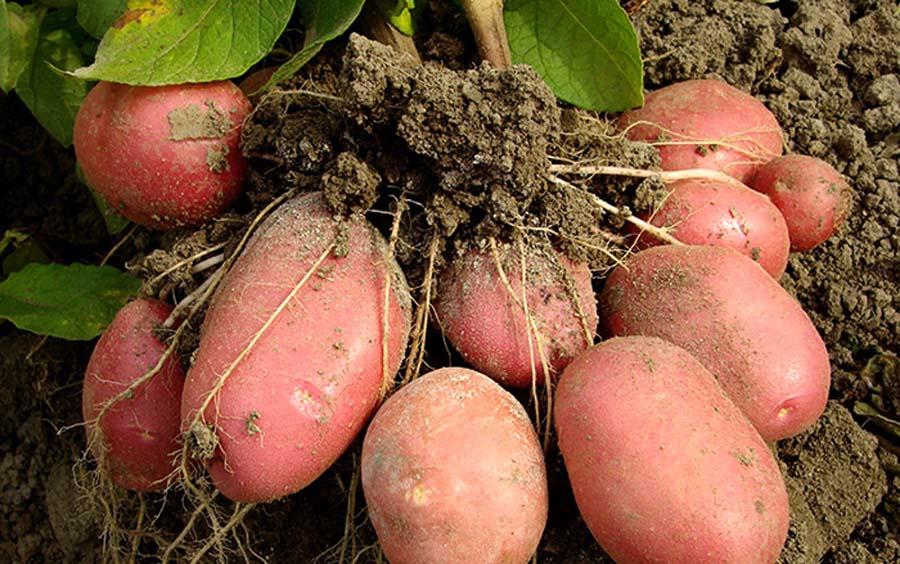
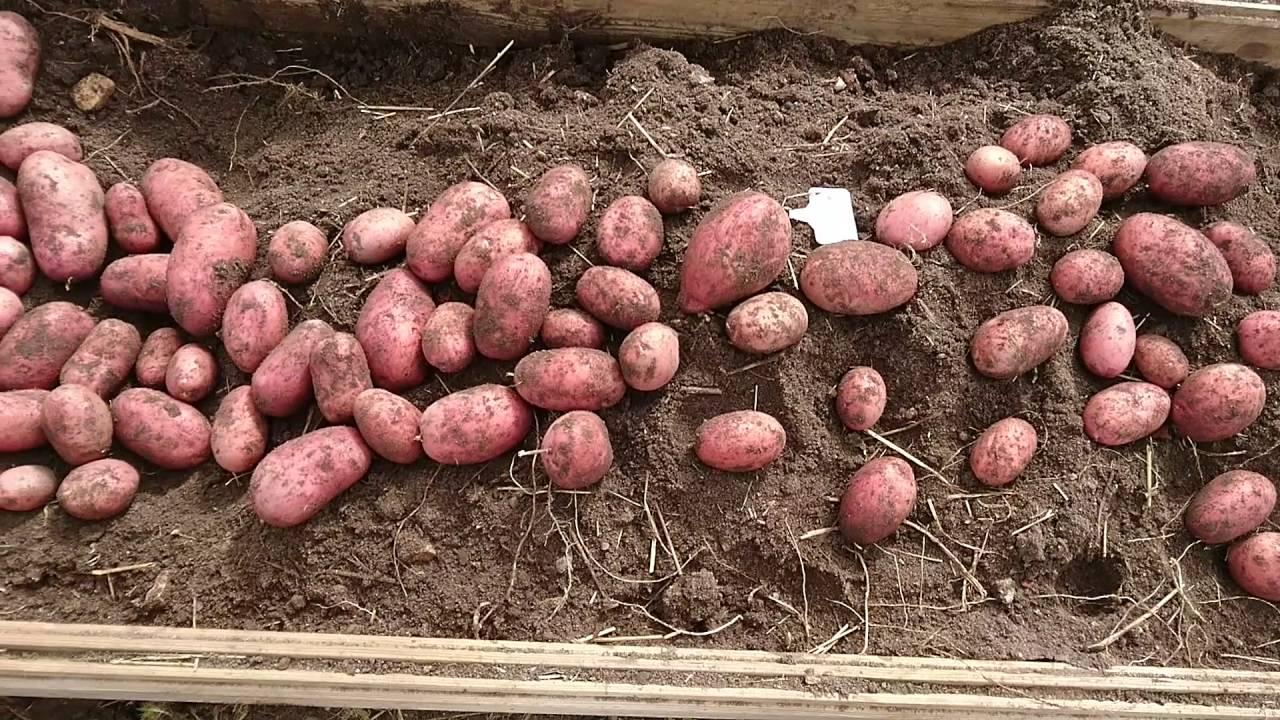
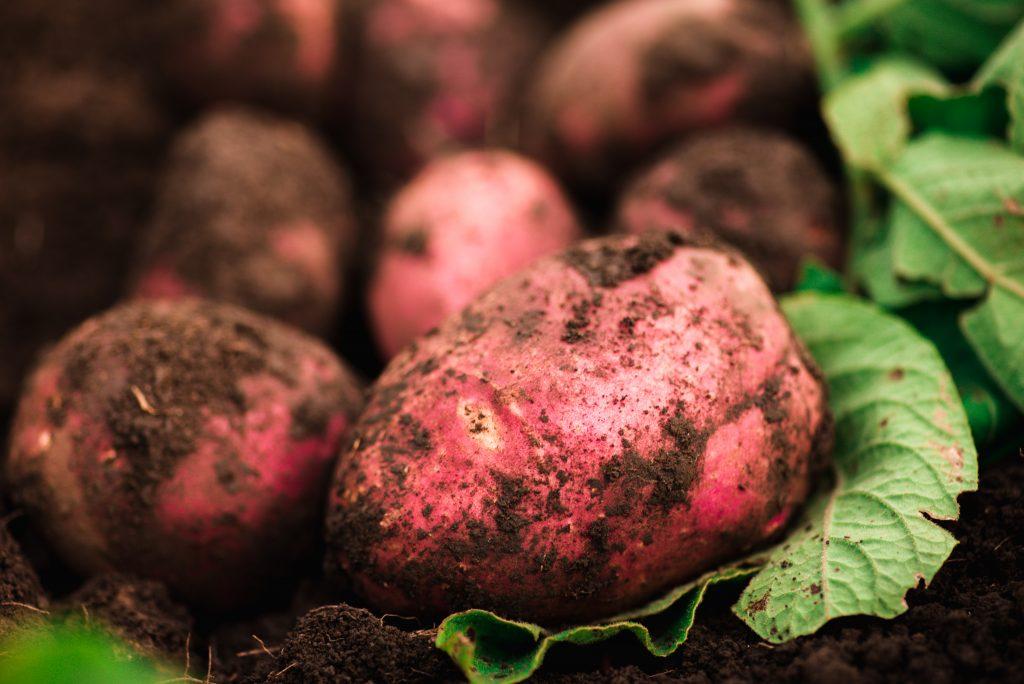
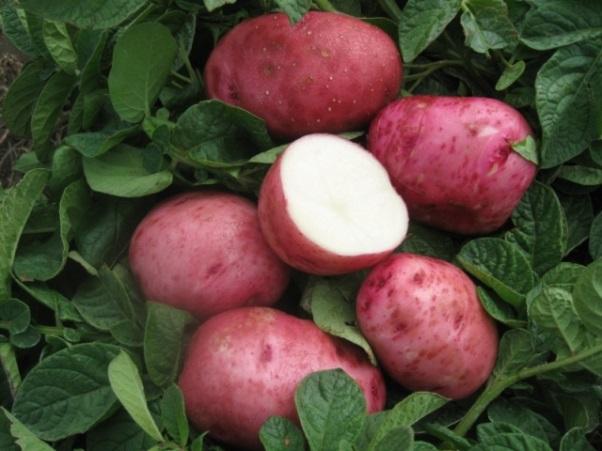
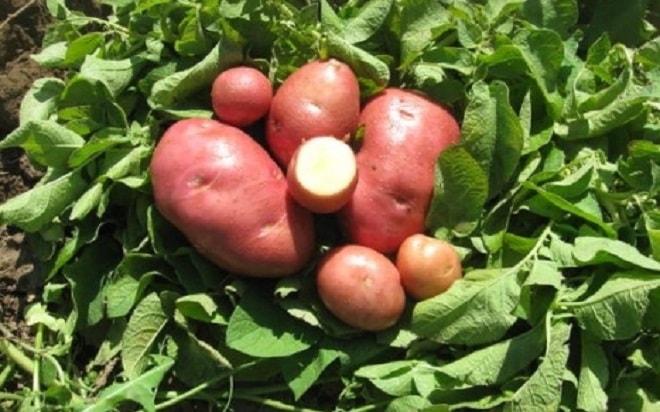
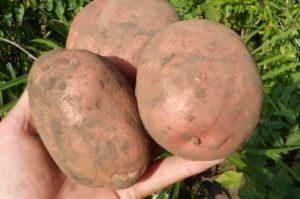
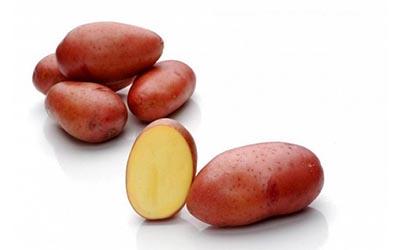
The Bellarosa variety's tubers are pink and oval. They average 150 g, with individual specimens weighing up to 0.8 kg. The flesh is yellow, slightly sweet, and firm.
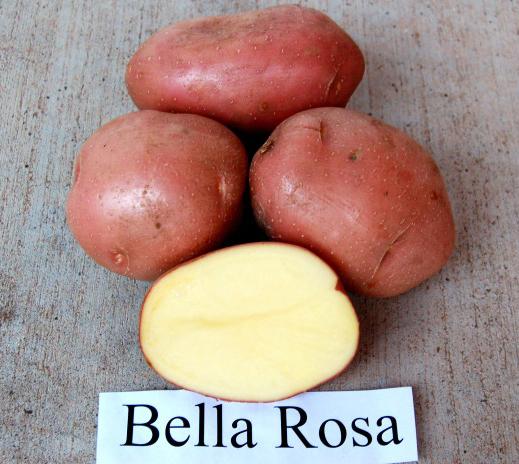 The thick, rough skin with rare, slightly deepened eyes ensures that the potatoes retain their marketable appearance for a long time.
The average starch content is 14%. Potatoes are recommended for making first courses, side dishes, chips, and salads.
Sustainability
Hybrid varieties, including Bellarosa, are bred with built-in immunity. This explains their resistance to common potato diseases:
- cancer;
- bacterial rot;
- leaf curling;
- glandular spotting.
The crop is resistant to the golden nematode, but is susceptible to the Colorado potato beetle, ground beetles, ladybugs, and wireworms. Due to the early maturity of potatoes, insects and diseases do not have time to cause significant damage to the crop.
Another significant quality of Bellarosa is its drought tolerance. The plant thrives on natural precipitation.
Pros and cons of potatoes
This early potato variety, beloved by Russian gardeners, has undeniable advantages:
- rapid maturation of large tubers;
- high yield;
- obtaining two harvests per season under suitable climatic conditions;
- high taste and nutritional qualities;
- the ability to develop normally and bear fruit without additional irrigation;
- the culture is unpretentious to the soil composition, with the exception of clay soil;
- strong immunity, resistant to diseases and pests;
- resistance to degeneration;
- medium starch content, thick tuber skin, facilitating transportation and long-term storage.
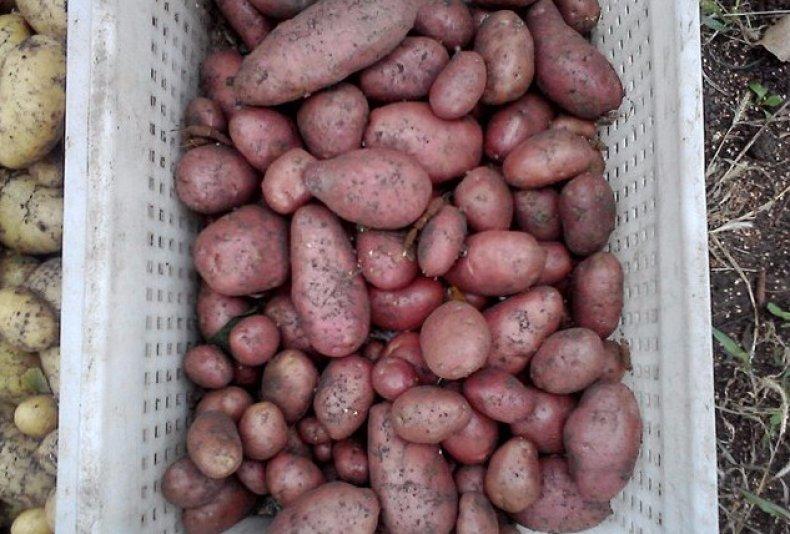
Gardeners cite the inconvenience of harvesting as a disadvantage, as tubers within a single plant can be significantly spaced apart. When replanting the Belaya Rosa variety, the plant is susceptible to late blight, Colorado potato beetles, and wireworms.
Judging by the reviews, farmers are only dissatisfied with one thing about varietal potatoes: the difficulty of acquiring tubers for planting.
Specifics of growing potatoes
Growing the delicious Belarossa potato variety begins with selecting a suitable site, preparing seed tubers, and following planting tips and recommendations.
How to prepare a plot and seed potatoes
The crop yields well in any soil except clay, but it's preferable to prepare well-drained, loose soil for planting. Choose an open, sunny, elevated site after growing any crops except nightshades. Potatoes, tomatoes, eggplants, and peppers produce consistently large harvests for no more than two years in the same location.
Soil preparation begins with autumn digging with a spade depth and the simultaneous addition of compost, humus, or manure in quantities of up to 8 kg per 1 sq. m.
In the spring, the soil is dug again. Mineral fertilizers with a focus on nitrogen or ash are added at a rate of 200 g per square meter. A month before planting, the tubers are transferred from storage to a warm, sunny room and sorted, discarding any that did not survive the winter. Next, the potatoes are treated with a manganese solution and dried, spreading them in a single layer. The ideal temperature for sprouting is 15–18°C.
 It is not recommended to sprout tubers in boxes. Insufficient light and air circulation in the lower layers of the tubers lead to spoilage of the planting material and the development of thin, fragile sprouts.
Immediately before planting, weak, wrinkled tubers are soaked in a Zircon solution for at least 6 hours. The solution stimulates growth and normal development of the crop.
The landing process
Bellarosa potatoes are grown using whole tubers or parts with eyes. Cultivation begins when the soil temperature remains stable at at least 8°C.
To ensure even exposure to sunlight and warmth throughout the day, it's recommended to plant rows north to south. The distance between holes should be 30–40 cm, between rows 70–90 cm, and the planting depth should be 8–10 cm. To ensure even, neat rows, use markings: two stakes with string attached to them should be driven in along the edges of the bed.
Tips for caring for the crop
Bella Rossa is an easy-to-care-for variety, but it still requires a number of agricultural practices, including irrigation, fertilization, and hilling. If the potato is diseased or attacked by insects, the plant requires treatment with special preparations.
Necessary fertilizers
Fertilizing Bellarosa potatoes is standard. When planting, add a cup of ash or a handful of dry, rotted manure to the holes. If organic matter was added during fall digging, mineral fertilizers are preferred. One plant requires 20 g of nitrophoska and 100 g of bone meal.
After the seedlings emerge, water the plants with an infusion of mullein or chicken manure. The ratio of organic matter to water is 1:10. Before the first hilling, fertilize each plant with an aqueous solution of urea (1 tablespoon per bucket of water). Before budding, add 1 teaspoon of potassium sulfate per square meter to the soil.
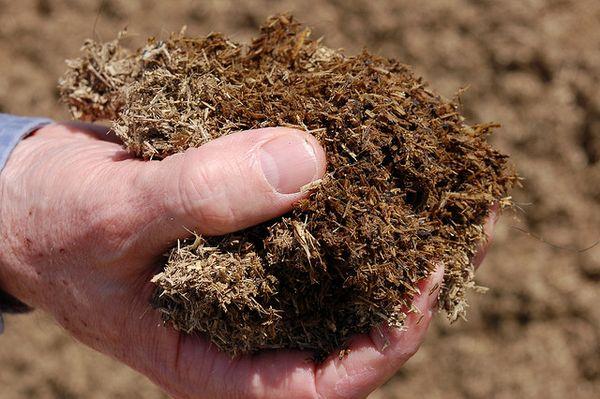
To promote tuber formation, fertilize Bellarosa potatoes one last time during flowering. Apply superphosphate at a rate of 50 g per square meter.
Watering rules
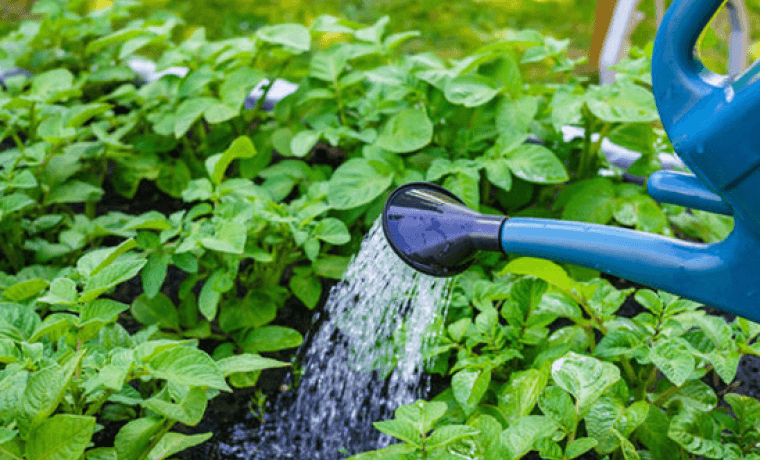
Experienced gardeners recommend irrigating Bellarosa potatoes when the first shoots appear, and at the beginning and end of flowering. Watering later is not necessary, as the risk of late blight increases. Moisten the soil with warm water at a rate of 35 liters per square meter of soil.
The climate of central Russia, unless there is extreme heat in summer, is favorable for crop growth without artificial irrigation. Plants rely on natural rainfall for sufficient watering.
Loosening the soil
To improve aeration and moisture permeability, loosen the soil while weeding. Break up any crust that has formed the day after rain or artificial irrigation.
Hilling up bushes
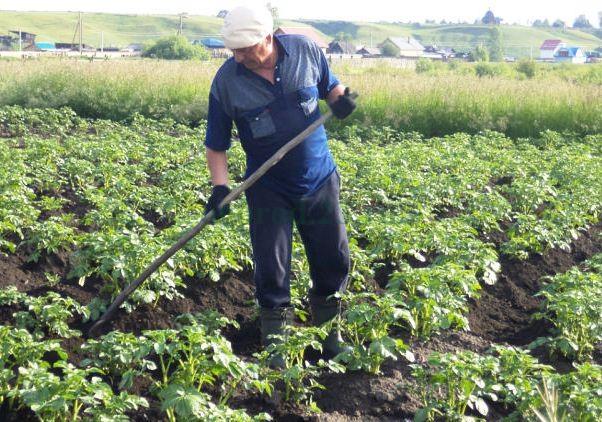
The first time the crop is hilled is when the tops reach 20 cm, raking soil from the inter-row spaces to the base of the bushes. This cultivation technique is repeated before the flowers bloom. Hilling increases the yield by a quarter. The benefits of this technique include moisture retention, uniform light distribution, and preventing the spread of diseases and insects.
Protection from diseases and pests
Bellarosa potato variety is damaged by:
- Colorado potato beetle. Control measures include pre-plant treatment with Prestige, Cruiser, and Maxim, combined with mechanical removal of the insects. After the larvae appear on the leaves, the tops are sprayed twice with Agraverting and Fitoverm, which are safe for humans.
- Wireworm. Control of click beetle larvae begins with autumn soil digging. This process removes pupae, larvae, beetles, and the wireworm's favorite food—couch grass roots. Another method of protection is liming acidic soil.
- Late blight. This disease most often affects second-wave crops. To protect Bellarosa potatoes from this fungal disease, treat the tubers with a 3% copper sulfate solution before planting. In the spring, before tilling, disinfect the soil with Bordeaux mixture, Ridomil, and Thanos. The tops are also sprayed with these same products.
Prevention of late blight and pest attacks includes autumn digging of the soil, hilling, and regular weeding between rows.
Harvesting and storing potatoes
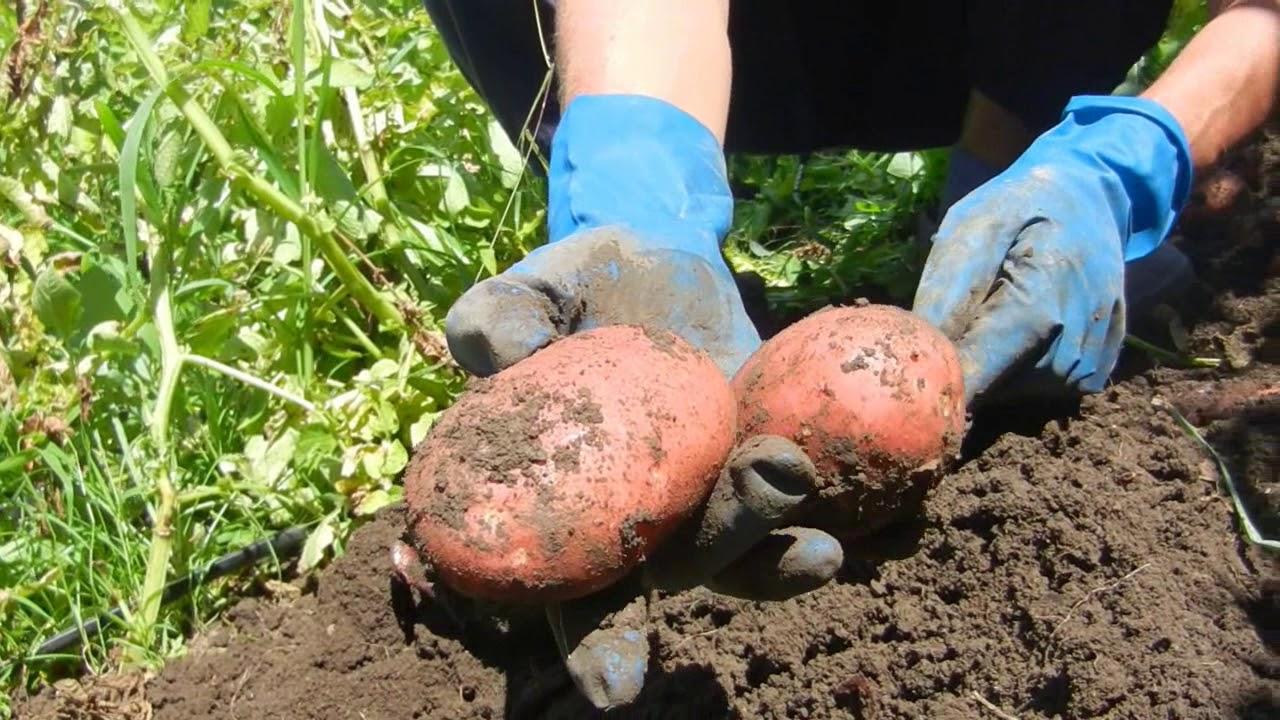
The potato harvest begins in August and September, after the grass has been mown. By this time, the tops have dried out and fallen to the ground. The skin becomes thick and rough. Due to the tubers' wide growth, it is recommended to harvest the potatoes by hand rather than by machine. The harvested potato is then stored in a dark room to dry.
Next, they sort through them, setting aside egg-sized tubers for planting, whole large potatoes for storage, and those with mechanical damage for cooking in the near future.
Store the harvest in dark, ventilated cellars or insulated wooden containers with holes on the balcony. The ideal storage temperature is 0–4°C. Avoid exposing the tubers to light, as this will render the vegetable unfit for consumption due to the formation of toxic salonin.
Potential problems when growing
Gardeners often encounter a lack of flowering on the Bellarosa variety. Possible causes and solutions:
- Attacks by ladybugs and ground beetles. Dusting the bushes with wood ash, garlic, or wormwood infusion will help. Spray the stems with a Fitoverm solution.
- Growing vegetables in poor soils. The problem can be solved by applying organic and mineral fertilizers.
- Diseases. The health of the Bellarosa potato depends on proper care and timely chemical treatments.
- Excess nitrogen fertilizers in the soil. Potatoes grow tall, growing tops, leaving little energy for flowering and normal tuber formation. Applying 200 grams of wood ash under each plant and trimming the tops by 50% helps.
- Weakened seed tubers. These potatoes are particularly demanding when it comes to fertilizing. When planting, add a handful of compost to each hole.
Another factor that cannot be influenced is temperatures above 22°C. Only very early and mid-early varieties are genetically predisposed to not produce flower stalks. Bellarosa potatoes are supposed to bloom. However, according to experienced gardeners, uneven flowering or the absence of flowers on all plants does not affect the yield or tuber size.
Another potential problem when growing the Bellarosa potato variety is yellowing of the tops. This can be observed during severe drought in July. Slowing metabolic processes leads to nutrient deficiencies, yellowing of the leaves, and poses a threat to future harvests. This can be corrected by watering the plant during flowering.
Leaves turn yellow when there is a deficiency of nitrogen, potassium, and phosphorus in the soil, or when the bushes are damaged by pests and diseases.
Bellarosa Potato Reviews
Reviews from farmers and gardeners provide information on the specifics of caring for the crop, as well as the nutritional and taste qualities of this varietal vegetable.
Nadezhda Petrovna, 50 years old
Bellarosa is a benchmark early potato variety. It's easy on watering and soil conditions. With minimal effort, we harvest an average of 60 buckets of large tubers from two hundred square meters. The potatoes retain their shape when boiled and fried. A favorite dish is the airy, sweet, not watery mashed potatoes.
Stepan Zakharovich, 46 years old
I've been farming for over 10 years. I've planted several potato varieties. Among the early varieties, I prefer Bellarosa. This variety impresses with its high, consistent yield and large tubers, reaching 0.7 kg. Because the crop matures early (60–70 days), late blight and Colorado potato beetles don't have time to cause significant damage. The only drawback is the difficulty in finding high-quality planting material.
Vera Vasilievna, 42 years old:
I live in the Krasnodar region. Bellarosa is my family's favorite potato variety. We manage to grow two crops per season. It's easy to grow and disease-resistant. The marketable, aromatic, and delicious tubers store well. Even potatoes damaged during harvesting don't turn brown.
Related posts:
 Description of the best potato varieties of domestic and foreign selection
 Description and characteristics of the Rodrigo potato variety, cultivation and care
 Why potatoes aren't growing well in the garden, and what to do to ensure a bountiful harvest
 Description and characteristics of the Krasavchik potato variety, planting and care
 Description and characteristics of the Gulliver potato variety, planting and care
 Description and treatment of potato diseases, methods of control using folk and chemical means
 Description and characteristics of the Zhukovsky potato variety, planting and care
 Description of the best potato varieties for 2025, selection for regions