
- General information about the Sorokodnevka potato: advantages and disadvantages
- History of selection
- Appearance of the Sorokodnevka potato bush
- Potato yield and taste
- Where are root vegetables used?
- Necessary conditions for growing Sorokodnevka potatoes
- Soil composition
- Illumination
- Humidity and temperature conditions
- Recommended and undesirable neighbors
- Technology of planting crops
- We determine and prepare the site
- Preparing planting material for the Sorokodnevka potato
- Deadlines and step-by-step work plan
- How to care for plantings
- Watering and fertilizing
- Loosening and mulching the beds
- Hilling
- Diseases and pests: control and prevention
- Harvesting and storage
- Reviews of vegetable growers about the variety
The Sorokodnevka potato variety is an early-ripening variety; some gardeners call it ultra-early. The harvest is in late June. This vegetable is resistant to diseases, beetles, and bad weather, and is undemanding of soil. It's important to familiarize yourself with all the nuances of growing it beforehand.
General information about the Sorokodnevka potato: advantages and disadvantages
The Sorokodnevka potato is one of the earliest varieties grown commercially or for personal consumption. This variety is known for its short shelf life, making storage difficult. The plant can withstand sudden frosts down to -7°C. In the south, potatoes can be planted up to three times per season. Seedlings are collected from the last harvest. The fruits contain a significant amount of carotene, protein, amino acids, and 11-15% starch.
The Sorokodnevka potato has a number of positive and negative qualities that every gardener should know.
| Pros | Cons |
| Early ripening | Due to the thin skin, only manual harvesting is used. |
| High yield | The fruits are stored for a short time. |
| Resistance to weather fluctuations | |
| Excellent taste | |
| Immunity to many diseases | |
| High content of nutrients | |
| Universal purpose of tubers |
History of selection
This potato was developed by plant breeders from the Leningrad Research Institute of Agriculture. It has been listed in the state register since 1994. It is widely grown in Moldova, Ukraine, and Belarus. It is zoned for cultivation in the Ural, Far East, Volga-Vyatka, and Siberian regions.
Appearance of the Sorokodnevka potato bush
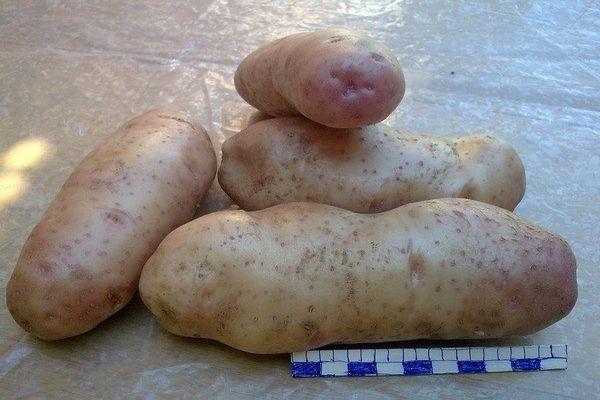
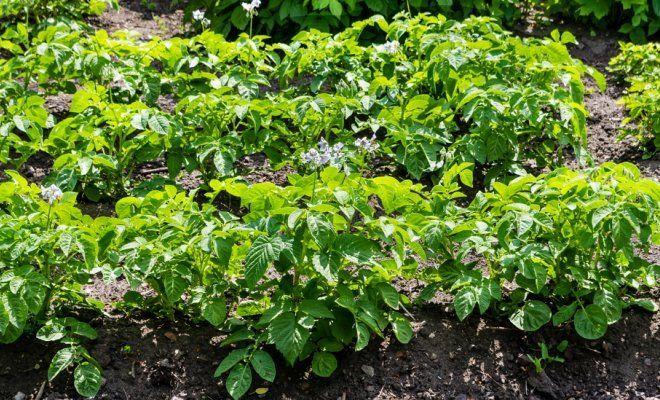
The Sorokodnevka potato plant produces medium-sized, spreading plants. It produces abundant green foliage, and the leaves are medium-sized, emerald green, with wavy edges. The inflorescences are white, and the petals fall quickly. Berries rarely set.
Potato yield and taste
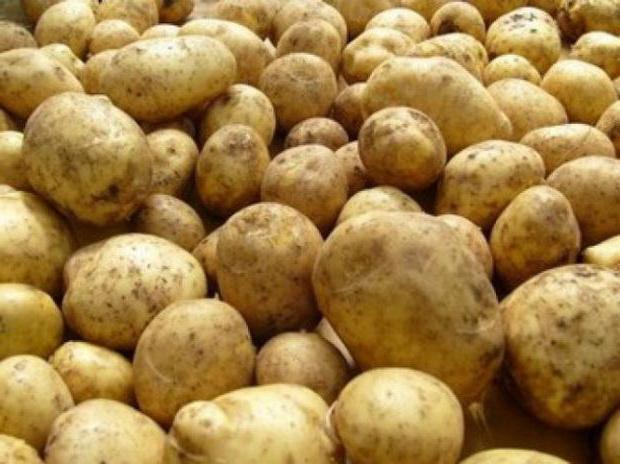
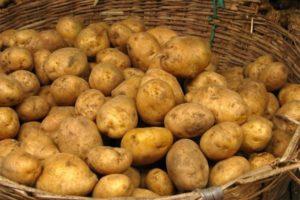
The early-ripening Sorokodnevka potato is a high-yielding variety. Up to 50 tons of fruit can be harvested from 100 square meters, as each plant produces 9-15 tubers. The tops grow rapidly, and the potatoes are ready to eat 45 days after the first sprouts appear. The tubers weigh 80-110 grams and vary in size, with small and large specimens on the plant. The potatoes do not darken when cut, and their cooking time is average. The flavor is creamy and satisfying.
Where are root vegetables used?
The Sorokodnevka potato is a table variety, suitable for any dish. It can be fried, boiled, or baked. To preserve all the nutrients, you can cook it in its skin.
Necessary conditions for growing Sorokodnevka potatoes
There are no special agronomic requirements for growing the Sorokodnevka potato. The variety is grown in the standard manner, choosing fertile soil and a sunny location.
Soil composition
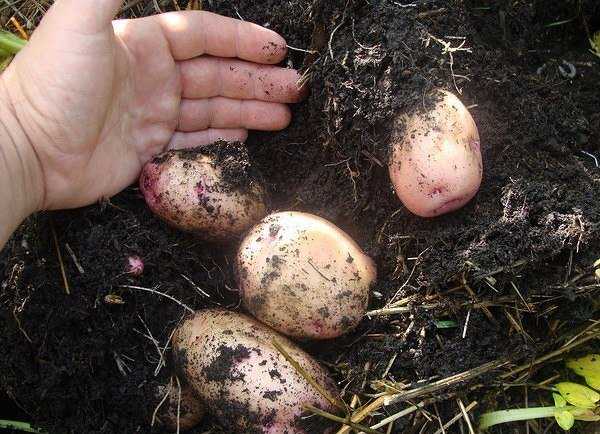
It's best to plant Sorokodnevka potatoes in light loamy, peaty, or sandy loam soils with moderate acidity. The plants also grow well in black soil.
Illumination
Sorokodnevka potato plants need good UV exposure, but thrive in partial shade. Avoid placing plants where they will be shaded by tall trees.
Humidity and temperature conditions
Root crops thrive at temperatures between 18 and 22 degrees Celsius. Weather fluctuations won't harm the plants, but yield may decrease.
Recommended and undesirable neighbors
It's best to plant Sorokodnevka potatoes after winter crops, flax, annual or perennial grasses, lupine, and legumes. If crop rotation is followed, the plants will be healthy and bear fruit abundantly. Avoid placing the vegetables near any trees or flowers. Peas, which provide excellent fertilizer, can be planted nearby.
Technology of planting crops
Sorokodnevka potatoes are planted in open ground in spacious areas. No other Sorokodnevka plants should be growing in the same location. It is recommended to plant pure-variety seedlings weighing 70-100 grams.
We determine and prepare the site
The area is prepared in the fall. The soil is generously enriched with humus, plowing the plot simultaneously. Fresh manure can be added in the fall; it will rot over the winter.
This fertilizer is not applied in the spring, as it does not have time to rot and stimulates the development of diseases, attacks by beetles, and the growth of weeds.
The beds are marked out into rows, spaced 70-80 cm apart. Shallow holes (up to 8 cm) are dug between the rows. The bottom of the holes should be filled with compost.
Preparing planting material for the Sorokodnevka potato
After purchase, the seedlings are placed in a cardboard box and placed in diffused light. They are laid in a single layer to allow the seedlings to turn green. Vernalization of potato seedlings takes 30-45 days. For 7-14 days, maintain a room temperature of 10-18 degrees Celsius.
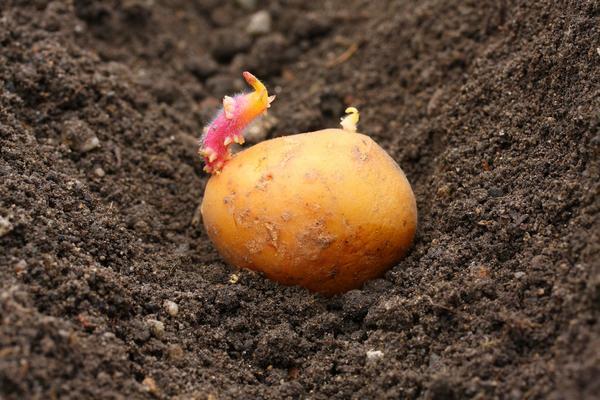 If you're buying ready-made seedlings, make sure they're whole, free of any signs of bug or disease. Place the seedlings in a container with a growth-stimulating solution called Epin for half an hour.
Deadlines and step-by-step work plan
Sorokodnevka potatoes are typically planted in late April. If temperatures have stabilized and the risk of frost has passed, you can plant the plants mid-April. Aim for temperatures above 10°C (50°F).
Before planting, take with you a garden marker, a hoe, and a bucket with seedlings.
Place the seedlings with their rhizomes straightened out in the marked area, into the prepared holes. You can harden them off before planting by keeping them outdoors for 2-3 days. After planting, water the holes with settled water.
How to care for plantings
Sorokodnevka potatoes are easy to care for. They require regular watering, hilling, fertilizing, and loosening. Periodically, the plants should be treated with insecticides to prevent diseases and beetles.
Watering and fertilizing
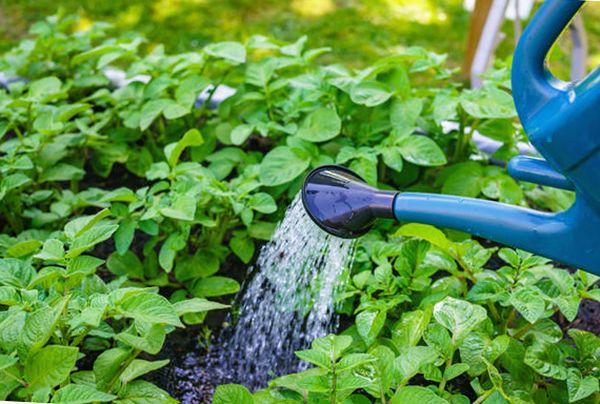
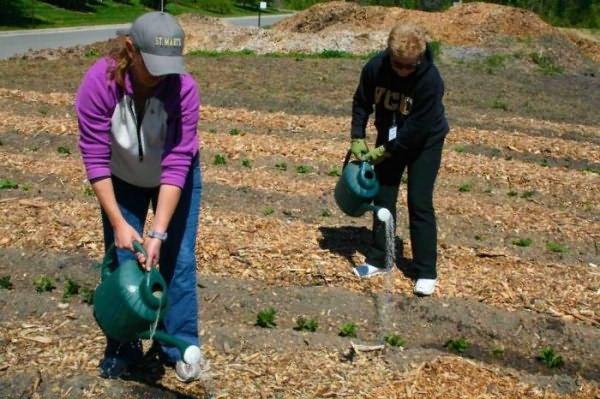
The Sorokodnevka potato doesn't require frequent watering, especially during the rainy season. If drought persists, water the plants twice a month. After planting, it's best to cover the plants with plastic wrap at night. This will protect them from sudden frosts.
Fertilize Sorokodnevka potatoes twice during the growing season. The first feeding is 1-2 weeks after planting, using cow manure or bird droppings.
Dissolve 0.5 kg of mullein in 10 liters of warm water, adding 15-20 g of crystalline urea. To prepare a nutrient mixture from bird droppings, take 1 tablespoon of dry organic matter and dissolve it in 10 liters of water. A second feeding is carried out during flowering, applying a solution of 15 g of potassium sulfate with the same amount of superphosphate, dissolved in 10 liters of water, under the bushes.
Take a look Also
Loosening and mulching the beds
Weed the bushes twice a week, carefully plowing the soil to a depth of half a spade. It's important to remove weeds, which interfere with the normal development of the Sorokodnevka potato. Mulch the beds with peat, hay, and sawdust to retain moisture and heat, and prevent beetle and disease attacks.
Hilling
Potatoes are hilled when 5-6 leaves appear on the seedlings. The second procedure is done two weeks after the first. If you ignore this procedure, the tops will become tangled due to insufficient space. This makes maintenance and harvesting challenging.
Diseases and pests: control and prevention
The Sorokodnevka potato is renowned for its high resistance to cancer, nematodes, scab, and viral diseases. Adequate prevention of these diseases is ensured during planting, with healthy tubers selected and fertilized. Beetles sometimes attack the vegetable, especially if not properly cared for.
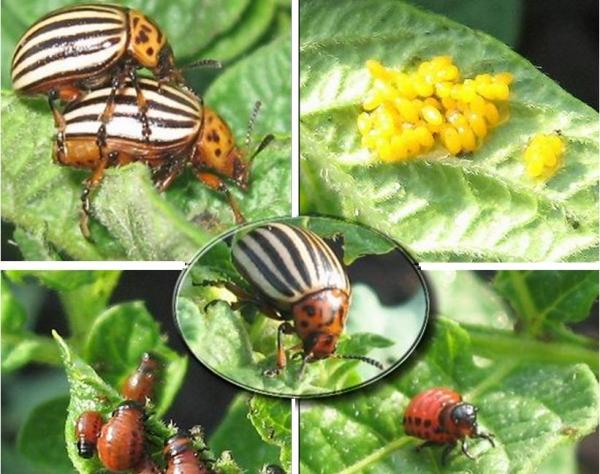
Young potato bushes of the Sorokodnevka variety are subject to the following insects.
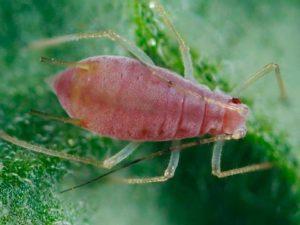
- Aphids. These tiny bugs settle in colonies on the undersides of leaves. They secrete toxins, causing the plant to change shape. Foliage curls, buds dry up, flowers curl, and fail to produce fruit. Leaves develop a net-like texture or yellowish spots, become dirty, and don't receive enough sunlight. Aphids cause sooty mold in potato plants. The sprouts weaken and freeze. Sometimes, aphids form tumors and ulcers on the bushes. This pest carries numerous viruses. They are controlled with a soap solution—100 g per 10 liters of water. Insecticides such as Confidor, Aktara, and Actellic are often used to control aphids.
- Wireworm. This insect feeds on plant rhizomes, gnawing long tunnels in the tubers. The beetle appears on potatoes immediately after planting, burrowing deep into the roots and gnawing through the skin. The fruit is left with holes, and rots from the inside. A wireworm attack can result in the loss of the entire potato crop. To eliminate the pest, sprinkle crushed eggshells on the soil where the plants grow. You can also water the roots of the plants with a solution of potassium permanganate – 2-4 g per 10 liters of water. Barguzin and Pochin are among the insecticides recommended. As a preventative measure, place birdhouses near potato plants. Birds eat wireworms.
- Colorado potato beetle. These pests can be found on the plants in late May, usually after warmer weather. Remove the insects by hand and spray the plants with Anti-Colorado, Tabu, Apache, Lightning, or Calypso. Do not treat the plants with chemicals for two weeks before harvest.
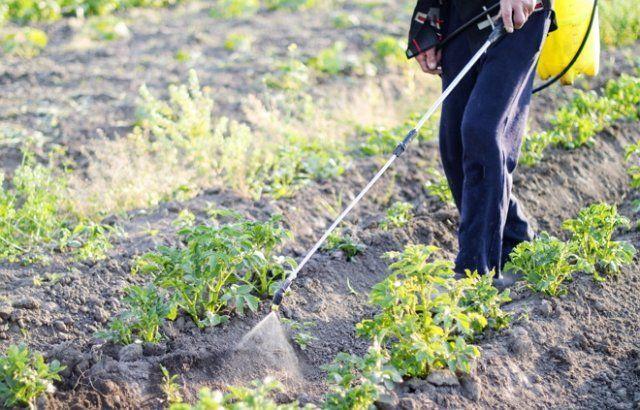 Timely weeding and application of ammonium nitrate and nitrogen prevent potato pests. Severely infested plants are burned to kill all larvae.
Harvesting and storage
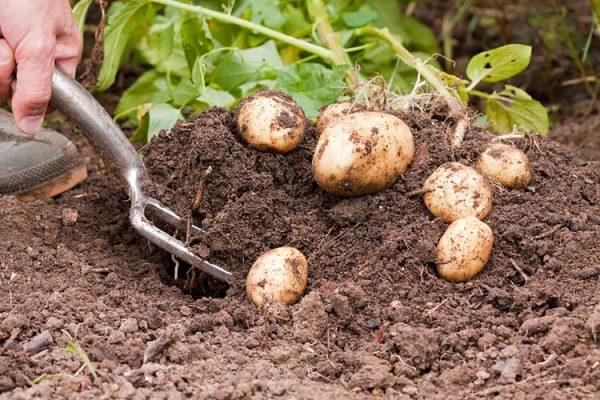
Sorokodnevka potatoes should be dug up after the tops have wilted. This occurs by mid-June. The seedlings intended for harvesting for future planting are not removed. Harvesting can be done in two ways:
- traditional - the bush is pulled out, and tubers are collected from it and the ground;
- protracted - without pulling out the plants, large root crops are pulled out, small ones are left to ripen and gain weight, within 2 weeks the fruits will grow, the harvest will double.
It's best to harvest Sorokodnevka potatoes on time so the tubers are ripe. Green potatoes will spoil faster.
After harvesting, immediately sort the vegetables, preserving only whole fruits. Spoiled or damaged fruits should be consumed immediately or fed to animals.
Potatoes should be stored in a basement or cellar where the air temperature reaches 2-4°C. Humidity should be 90%. Stack the potatoes in a 0.5-meter layer to allow oxygen to reach them. Place oilcloth or fabric under the bottom of wooden crates. Ventilate the room twice a week, inspect the vegetables, and remove any that have spoiled.
Reviews of vegetable growers about the variety
Vegetable growers have received positive feedback about the Sorokodnevka potato. Many people love it, and it has virtually no downsides.
Olga Romanova, 65 years old, Kyiv
Hello! The Sorokodnevka potato is a wonderful variety with abundant yields and high disease resistance. I grow it for personal consumption, making casseroles, mashed potatoes, fried potatoes, boiled potatoes, and French fries. I've been growing potatoes in my garden since 2011, and I've spotted Colorado potato beetles on them a couple of times. I used Anti-Colorado insecticide to control the insects and picked them by hand. I haven't had any further problems.
Anastasia Vinokurova, 46 years old, Voronezh
Greetings! I grow Sorokodnevka potatoes commercially on a large plot. Sales are always high, and customers praise the potatoes. I harvest 500 tons of large potatoes from 10 hectares. The plants are sometimes attacked by Colorado potato beetles, but I control them with insecticides. I plant in mid-April and harvest by the end of June. I highly recommend this variety.
Roman Ignatov, 59 years old, Kaliningrad
Hello! The Sorokodnevka potato is the best variety I've been growing at my dacha for about six years. The harvest is always abundant, and the potatoes are incredibly tasty. I recommend this crop to everyone. I learned about it from a friend at my dacha. I plant seedlings from my garden.
Related posts:
 Description and characteristics of the Rodrigo potato variety, cultivation and care
 Description of the best potato varieties of domestic and foreign selection
 Description and characteristics of the Latona potato variety, planting and care instructions
 Description and treatment of potato pests, control measures
 Description and characteristics of the Krasavchik potato variety, planting and care
 Description and treatment of potato diseases, methods of control using folk and chemical means
 Description and characteristics of the Zhukovsky potato variety, planting and care
 Description of the potato variety "Urkanye Ranee" (Morning Early), planting and care features