
- Characteristics of the Krepysh potato
- Botanical description of the bush and root crop
- Yield of the variety and scope of application of fruits
- Main advantages and disadvantages
- What do potatoes need for good growth and fruiting?
- Growing regions
- Optimal location and lighting
- Temperature and humidity
- Good and bad predecessors
- The nuances of planting crops on a plot
- Optimal timing for planting
- Preparing the ground
- Preparation of planting material
- Scheme and depth of planting seedlings
- How to care for Krepysh
- Regularity of watering bushes
- Fertilizing
- Weeding and loosening the soil
- Hilling up the beds
- Preventive and curative treatment
- Rules for harvesting and storing crops
- Potato Reviews
According to reviews and descriptions, the Krepysh potato variety boasts average yields, excellent flavor, good transportability, and shelf life. Considered a table variety, it is popular with gardeners in temperate regions.
Characteristics of the Krepysh potato
The characteristics of the Krepysh variety include a botanical description of the bush and root crop, yield and area of application, advantages and disadvantages.
Botanical description of the bush and root crop
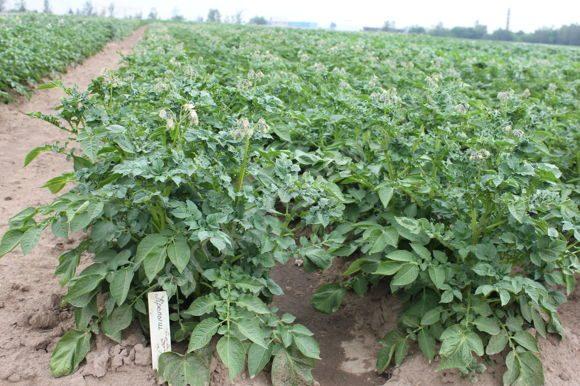
The bushes are low-growing and produce bright green leaves up to 6 cm long with distinctively wavy edges. They bloom profusely with red flowers tinged with purple. Krepysh is a mid-season variety, with a growing season lasting 80-90 days from planting.
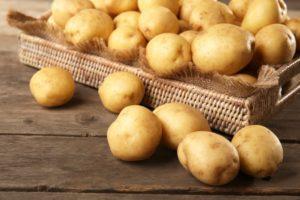
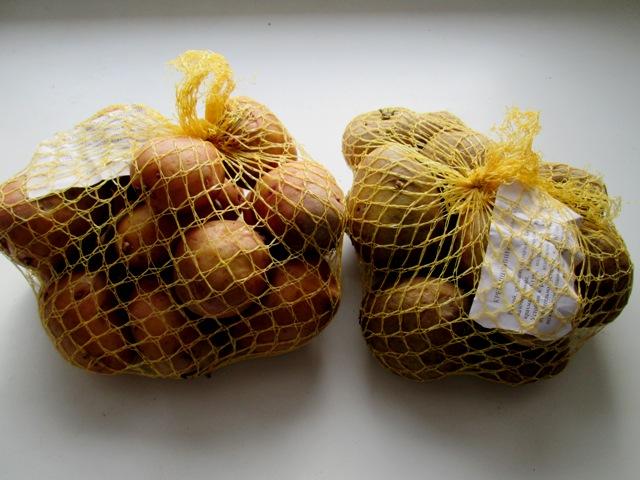
The root vegetables have light-brown skin. They have numerous eyes, each 2–3 mm deep. The flesh is light yellow and contains 11% starch. The potatoes retain their shape when cooked. All tubers are round, elongated, and uniform in size. The fruit weighs between 80 and 110 g.
Yield of the variety and scope of application of fruits
The Krepysh variety has a medium yield, with 10-12 tubers harvested from a single plant. 300-350 centners of potatoes are harvested per hectare. Under favorable growing conditions, the maximum yield is 380 centners per hectare.
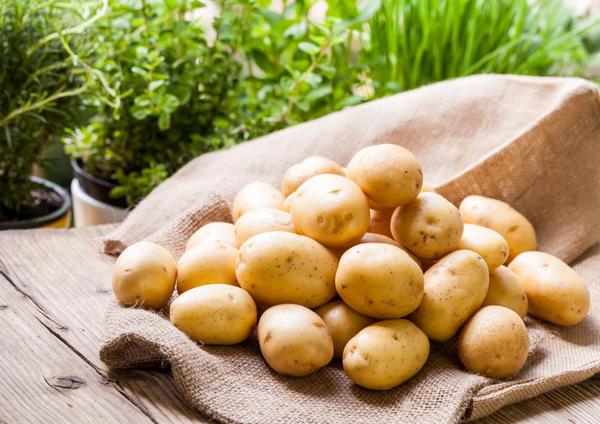 Potatoes are used for personal consumption, soups, French fries, frying, and baking. They are also grown commercially and for sale.
Main advantages and disadvantages
The Krepysh potato has its advantages and disadvantages. The advantages include:
- early ripening of fruits;
- presentation;
- transportability;
- high taste qualities;
- low starch content;
- maintaining shape during cooking;
- resistance to potato cancer;
- ease of care;
- drought resistance.
Disadvantages include susceptibility to infection by late blight and attack by the Colorado potato beetle.
What do potatoes need for good growth and fruiting?
For good development and a rich harvest, it is necessary to take into account the recommended growing regions, choose the right location, and observe crop rotation.

Growing regions
This variety was developed by Russian breeders and is intended for cultivation in central Russia. Krepysh is common in Moldova and Ukraine and is suitable for cultivation in the southern regions.
Optimal location and lighting
Potatoes prefer well-lit, draft-free areas, with at least 8 hours of daylight per day. Potatoes are not picky about soil, but light, loose, slightly moist soils are considered favorable. In heavy, wet soils, it is recommended to provide drainage and plant the seeds in a raised bed.
Temperature and humidity
This moisture-loving crop tolerates drought well. Adequate moisture improves root formation and quality. The optimal growing temperature is 24–27°C.
Important! In low temperatures and frequent rainfall, harvest 1–2 weeks early.
Good and bad predecessors
To successfully grow the crop, it's essential to practice crop rotation. Avoid growing potatoes in the same spot over and over again. Good predecessors include:
- cucumber;
- pumpkin;
- zucchini;
- corn;
- oats.
You shouldn't grow potatoes after:
- tomatoes;
- potatoes;
- beets;
- carrots.
The nuances of planting crops on a plot
Planting of seeds is carried out at the optimal time, preparing the soil and planting material in advance.
Optimal timing for planting
Krepysh is planted in the ground in mid-May, when the soil warms up to 10°C at a depth of 10 cm. In southern regions, planting occurs in early May.
Preparing the ground
The soil is prepared in the fall. The selected area is dug over, weeds, roots, and stones are removed, and organic fertilizers are added:
- manure;
- chicken manure;
- herbal infusions;
- wood ash;
- compost.
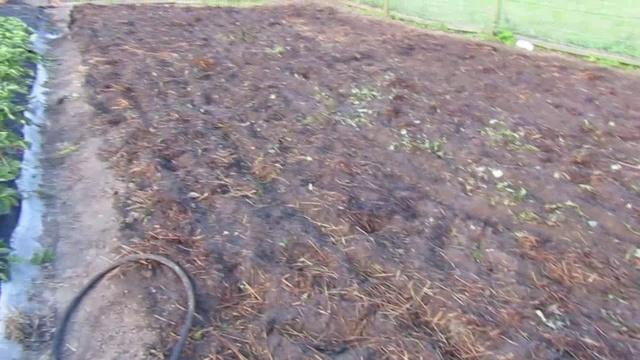
In spring, digging is repeated and mineral fertilizers containing nitrogen, potassium, phosphorus, calcium and manganese are added.
Preparation of planting material
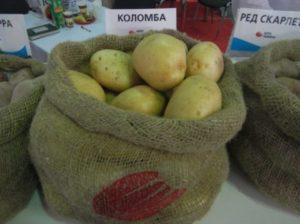
Seeds are purchased from a trusted nursery, ordered in stores, or online. Roots harvested last year are also used. Two weeks before planting, the seeds are transferred to a well-lit and ventilated room with a temperature of 18°C. Every two days, the tubers are turned over and sprayed with water. When the sprouts reach 2-3 cm in length, the seeds are ready for planting.
Scheme and depth of planting seedlings
In the prepared area, form beds spaced 50 cm apart. Dig holes 25–30 cm apart. Moisten each hole with water, and plant the seeds. In loose, airy soils, plant the tubers to a depth of 15 cm; in light, slightly moist soils, 10 cm; and in heavy, wet soils, 5 cm. After planting, level the beds.
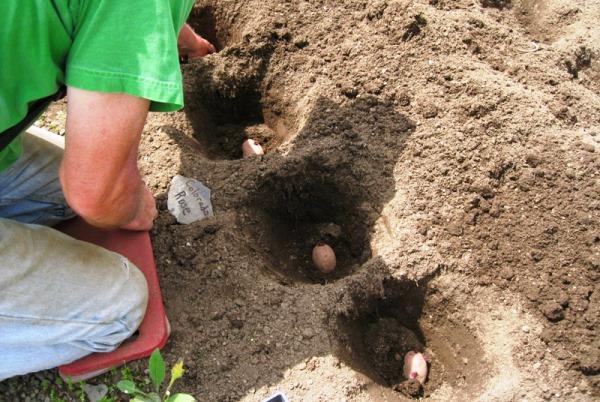
When planting with a raised bed, I form single-row raised beds. Seeds are planted along the edges, which ensures additional drainage of excess moisture.
How to care for Krepysh
To obtain a high yield, it is necessary to regularly water, apply fertilizers, loosen the soil, weed, hill up, and carry out preventive treatments.
Regularity of watering bushes
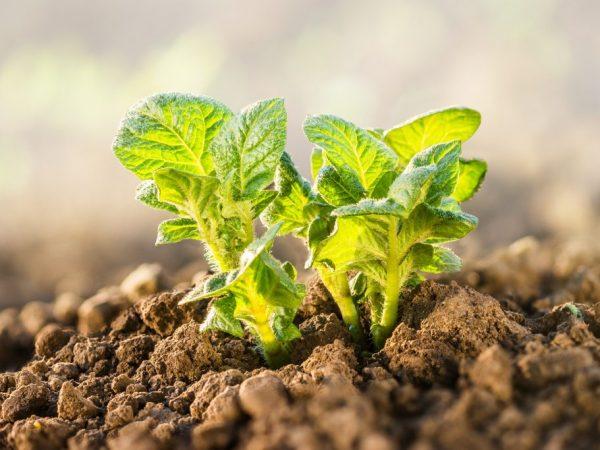
Potatoes are watered three times per season. The first time is when the sprouts reach 20 cm in height, the second time during flowering, and the third time after flowering has finished. Three liters of settled or rainwater are used per plant.
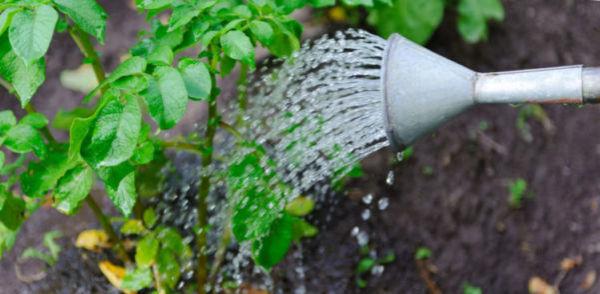 Important! Tap water is not suitable for irrigation, as it contains chlorine, which is detrimental to crop development.
Fertilizing
Fertilizing is combined with watering. Mineral complexes containing nitrogen, fluorine, potassium, manganese, and calcium are used. Fertilizers are applied in dry or dissolved form. Dry fertilizers are sprinkled on the root zone of the bush. Liquid solutions are either watered or sprayed on the surface of the leaves.
Weeding and loosening the soil
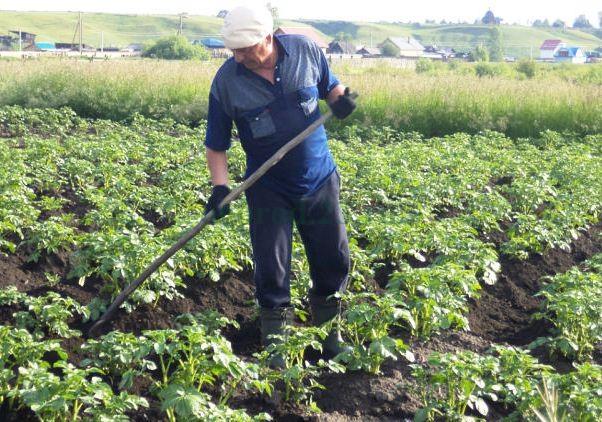
Loosen the soil after each watering and rain. Use a hoe to cultivate the top layer of soil, digging the tool down a few centimeters. Along with loosening, remove weeds, which deplete the soil and impair potato growth. Weeding is done as weeds emerge.
Hilling up the beds
Hilling promotes additional tuber formation. This procedure is performed three times per season: the first time when the plant reaches 20 cm in height, the second time two weeks later, and the third time three weeks later. The plant is covered with soil so that two to three pairs of leaves remain above the surface.
Preventive and curative treatment
Krepysh is resistant to potato cancer, but is susceptible to late blight and other fungal diseases. These include:
- fusarium;
- Rhizoctaniasis;
- Alternaria;
- blackleg;
- nematode.
To combat infections, fungicidal antifungal agents are used. They are diluted according to the instructions and sprayed on the plants, after removing the affected areas.
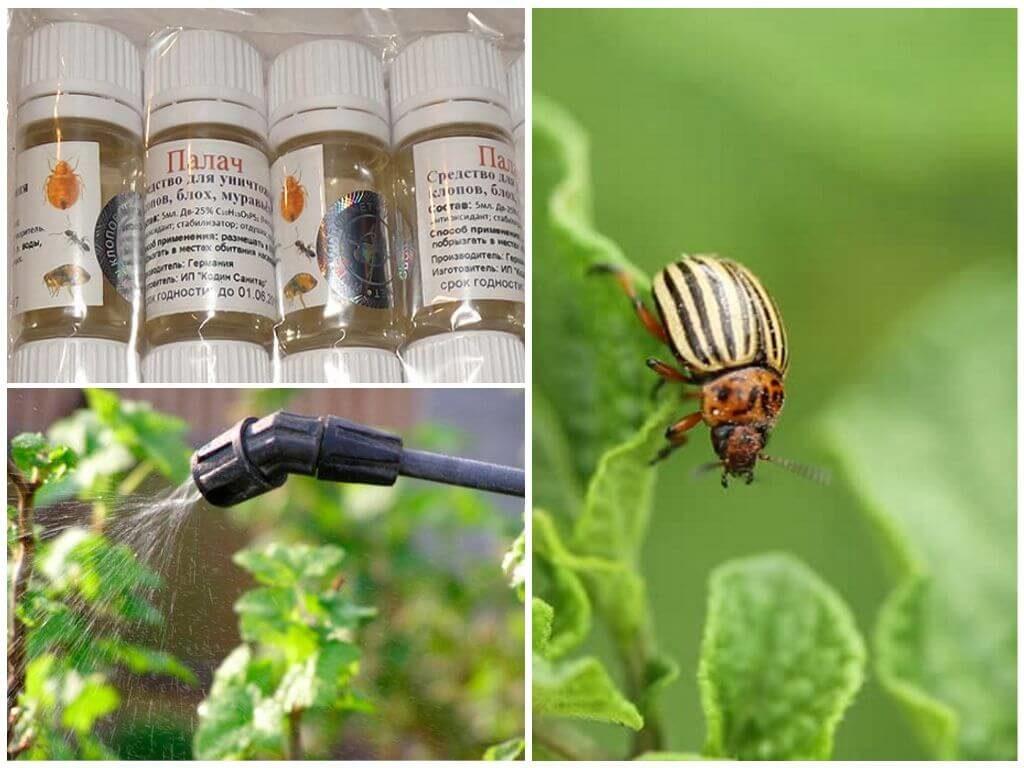
The plant is also susceptible to attacks from insect pests. These include:
- Colorado beetle;
- black aphids;
- wireworm;
- mole cricket.
To combat it, bushes are sprayed with insecticides 2-3 times per season. Broad-spectrum products are recommended.
Important! To prevent infections and insect attacks, spray at the beginning of the growing season, before flowering. All treatments should be stopped 20 days before harvest.
Rules for harvesting and storing crops
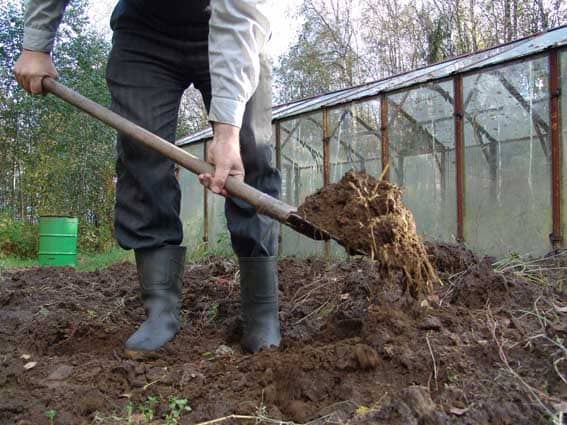
The harvest begins when the tops turn black and dry out. This occurs 80 to 90 days after planting the seeds. The tubers are dug up with a shovel. They are then placed in a dark, cool, ventilated place for 1 to 2 weeks to dry.
Next, the finished potatoes are packaged into fabric bags and breathable boxes. They are stored in a cool, dark place until the beginning of the next growing season. The room temperature should be 4–6°C. Large, healthy roots are set aside for seed.
Krepysh is stored well and retains its appearance, and can be transported with ease.
Potato Reviews
Anton 35 years old, Moscow
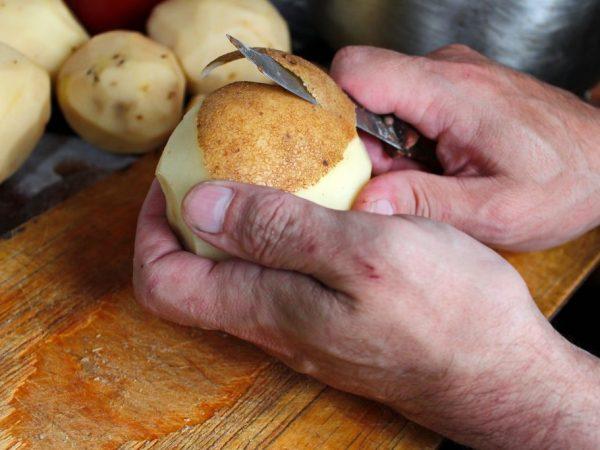
The Krepysh potato is one of my favorite varieties. It doesn't require much care and grows well in any soil. I've been growing it for three years now and haven't had any problems. I use fungicide and insecticide treatments to prevent the disease. I really like the taste, the appearance, and the storage quality.
Andrey, 43 years old, St. Petersburg
I grow potatoes for sale. I planted the Krepysh variety once. The fruits are uniform, have a marketable appearance, and sell quickly. However, I wasn't very happy with the late blight infestation. Part of the crop was lost because of it. The potatoes taste good, don't turn black when peeled, and they retain their appearance after cooking without falling apart. I haven't planted them since.
Elena, 56 years old, Tver
This year I was buying potatoes for seed, and they suggested the Krepysh variety. I planted them according to all the rules; the plot has heavy, moist soil, so I installed drainage. The crop doesn't require much care. I treated them for late blight and Colorado potato beetles several times during the season, and the plants remained healthy. I dug up 10-12 tubers from each plant. They have a sweet taste and retain their shape when cooked.
Related posts:
 Description and characteristics of the Rodrigo potato variety, cultivation and care
 Description of the best potato varieties of domestic and foreign selection
 Characteristics and description of the Queen Anna potato variety, planting and care
 Description and characteristics of the Rocco potato variety, cultivation and care
 Description and characteristics of the Colombo potato variety, planting rules and care
 Description and characteristics of the Krasavchik potato variety, planting and care
 Description and characteristics of the Zhukovsky potato variety, planting and care
 Description and characteristics of the Udacha potato variety, cultivation and care