
- History of the Krasavchik potato breeding
- Characteristics of the variety
- Bush
- Productivity and taste
- Resistance to negative external factors
- Resistance to diseases and pests
- Pros and cons of the crop: is it worth planting in the garden?
- In a private subsidiary farm
- For farmers
- Planting technology
- Preparation of planting material
- Site preparation
- Timing of planting operations
- Planting diagram and algorithm
- How to care for Handsome
- Watering
- Loosening, weeding and mulching the soil
- Hilling and fertilizing
- Diseases and pests
- Prevention
- Treatment measures
- Harvesting and storage duration
- Reviews of the Krasavchik potato
A potato grower's goal is to grow a high-quality and plentiful harvest through careful management. This begins with choosing a variety. Based on the variety's description, photos, and gardener reviews, the Krasavchik potato is a worthy choice. The key is to consider all its characteristics. A more detailed examination of this potato variety and the opinions of gardeners will help us make the right choice.
History of the Krasavchik potato breeding
The Krasavchik variety was developed by specialists at the A.G. Lorkh All-Russian Research Institute of Potato Crops, Russia's largest potato breeding center. It all began in 1919 in Korenevo, near Moscow. In 1922, the first highly productive Lorkh variety in the Soviet Union was created. The research center now owns the largest potato gene pool.
The Krasavchik potato inherited its remarkable properties from its parents, Gannibal and Peresvet. Following varietal testing in 2009, and being included in the State Register, it was approved for cultivation in the Central Black Earth region.
Characteristics of the variety
Bush
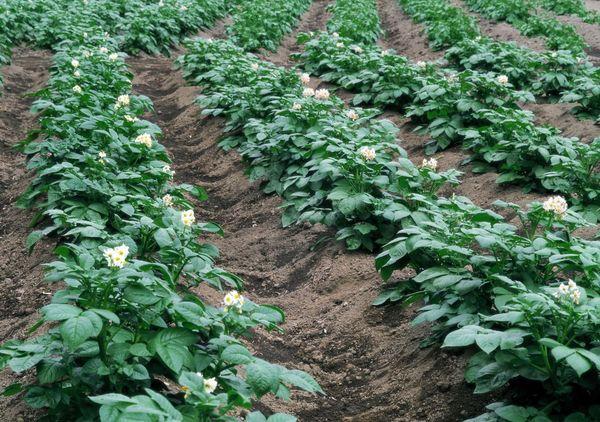
Main external features:
- low-spreading;
- low;
- ordinary leaf, intermediate type;
- the flower corolla is white-pink, with a barely noticeable bluish tint;
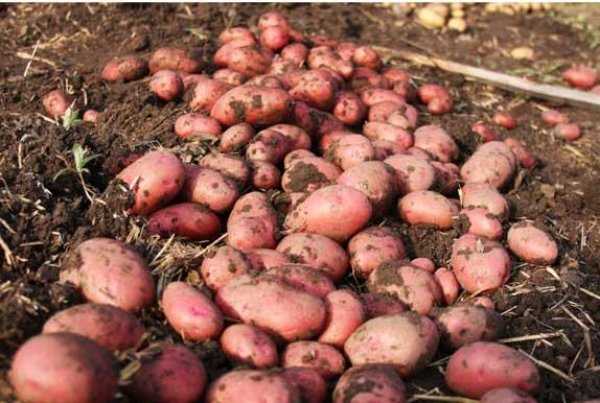
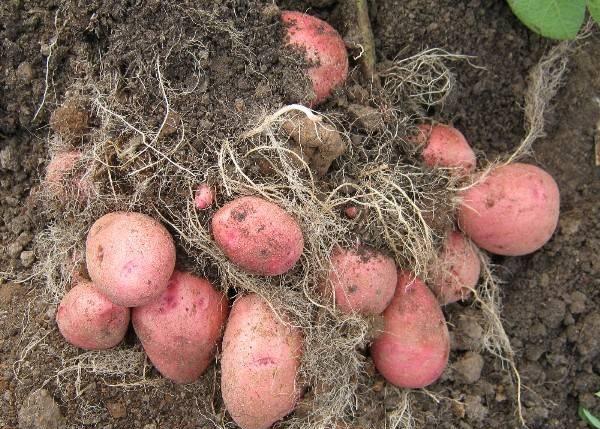
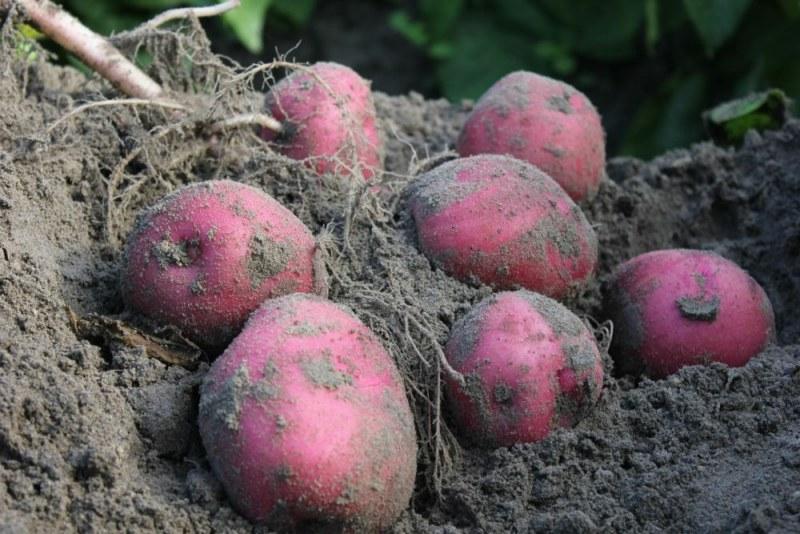
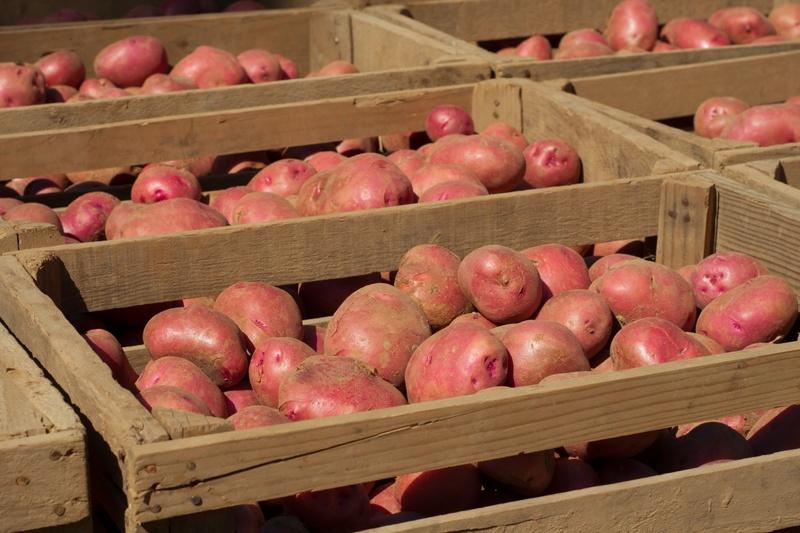
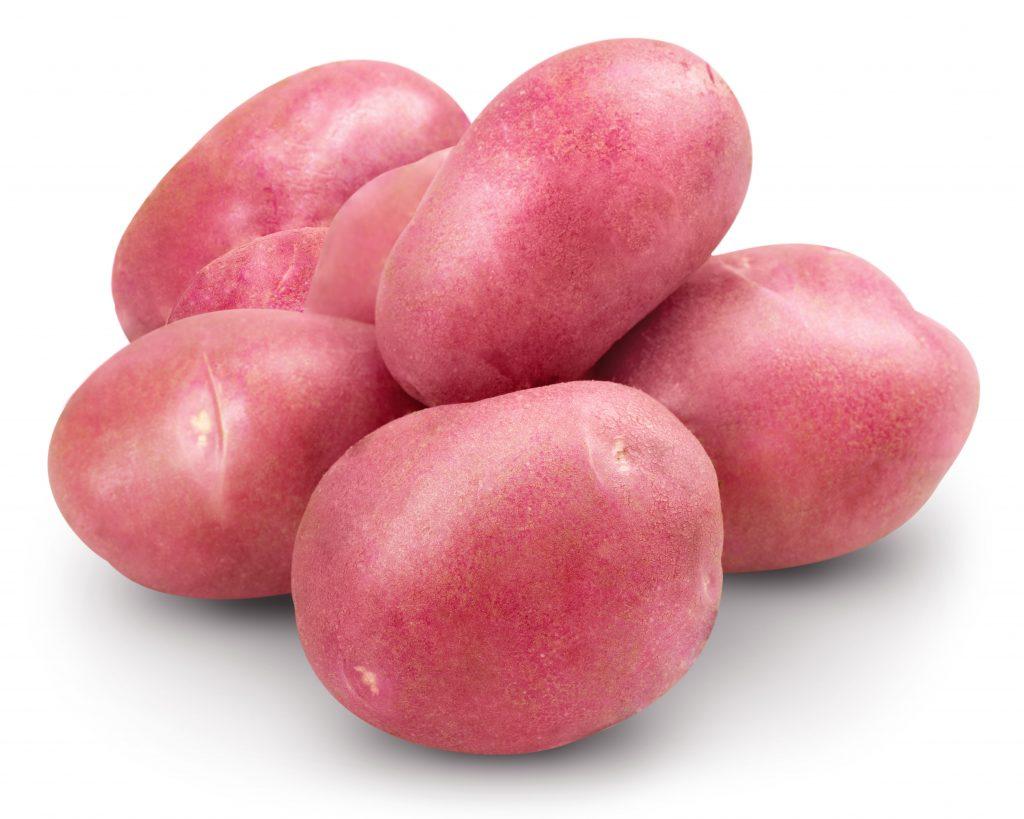
- the shape of the tubers is oval;
- eyes are multiple but small;
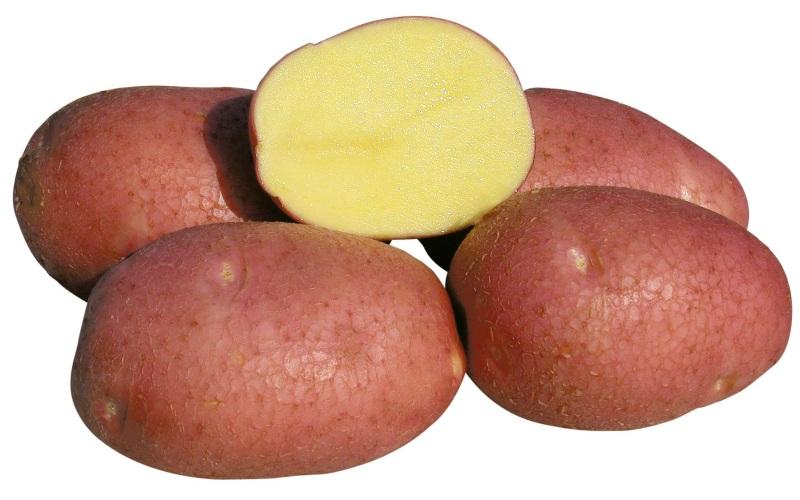
- the skin is dense, smooth, dark pink;
- the flesh is creamy;
- tuber weight – from 90 to 166 g.
- starch about 17.8%.
Productivity and taste
Here's what Handsome can deservedly boast about:
- mid-early variety;
- the growing season lasts from 80 to 90 days;
- commercial yield reaches 201 c/ha, maximum – 284 c/ha;
- with proper agricultural practices and favorable weather conditions, you can get up to 5 kg of tubers from a bush;
- marketability reaches 98%;
- shelf life of at least 97%;
- the taste is good and excellent;
- does not boil over.
Potatoes will be “ready” 60-80 days after germination, and in small farms it is possible to dig up large root crops as early as one and a half months.
Resistance to negative external factors
The Krasavchik potato variety survives short-term droughts without problems. Therefore, it compares favorably when evaluating yields in dry years.
Thanks to the hardness of the tuber, the strength of the skin and the flesh, this potato successfully resists mechanical damage.
Therefore, Krasavchik is not damaged during loading, unloading, and transportation, maintaining its marketable appearance. During storage, whole tubers are not affected by rot.
Resistance to diseases and pests
The Krasavchik potato is confidently resistant to the threat:
- late blight;
- potato cancer;
- wrinkled and banded mosaic.
Resistant to other pests, but powerless against golden cyst nematode.
Pros and cons of the crop: is it worth planting in the garden?
Advantages of the Krasavchik variety:
- resistance to many diseases typical for the crop in general;
- relative tolerance to soil composition;
- high starch content;
- excellent taste of tubers;
- long-term storage under typical conditions;
- wonderful presentation (He's a handsome guy!);
- some heat and drought resistance;
- predictably high yields with optimal care and a favorable climate;
- resistance to mechanical load testing;
- Widely used in private and industrial spheres.
Take a look Also

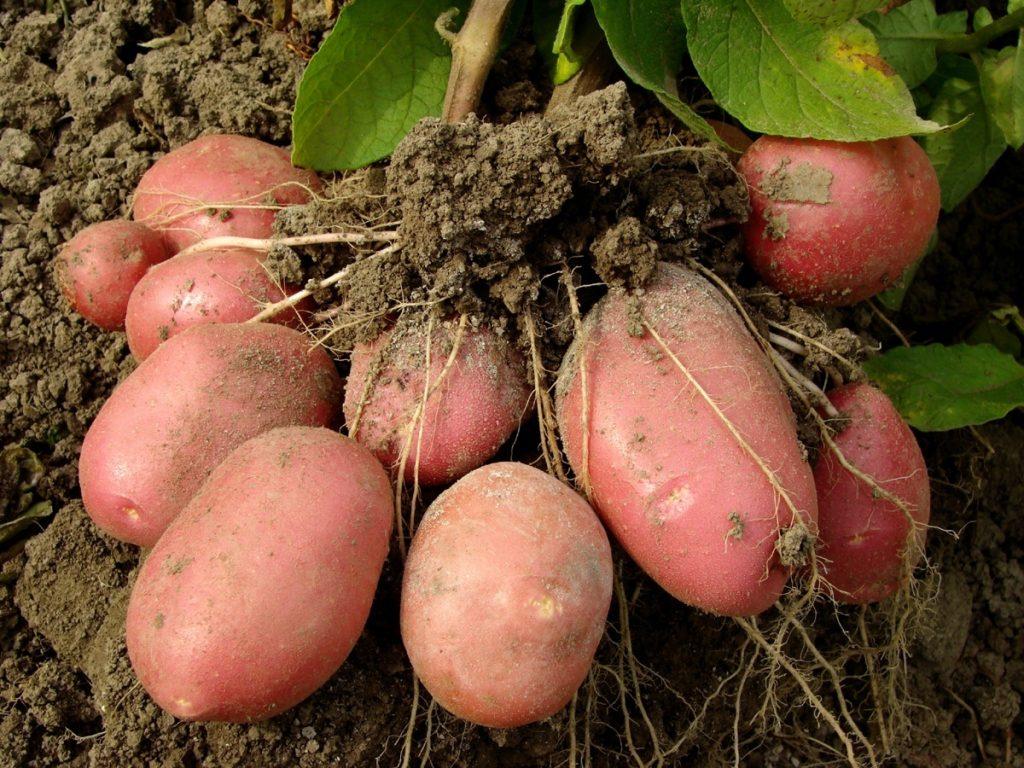 According to reviews from experienced potato growers, with proper preparation for winter and storage, almost not a single Krasavchik tuber rots.
There is one drawback: susceptibility to golden nematode.
In a private subsidiary farm
The goal here is to provide the family with a tasty, nutritious, and healthy food product. The financial aspect can also play a significant role in successfully selling such a good product—Krasavchik—at the market. Given the relatively limited planting area, potato and a competent approach to combating nematodes may prove quite successful.
For farmers
The Krasavchik potato would be perfect for them in terms of:
- tempting marketable appearance of tubers;
- drought tolerance of the variety;
- long shelf life;
- request from the food industry and
- the possibility of mechanized field processing and transportation of potatoes without damaging the tubers.
Planting technology
Preparation of planting material
Buy Krasavchik potato tubers only from reputable sellers. Sort them in the fall and let them turn green in the sun. Preparation should begin a month before planting, or at least two weeks before:
- unload potatoes from storage;
- sort and calibrate;
- carry out air-thermal heating for two weeks in a potato storage facility or by means of regular heating in the air;
- sprout to 1 cm;
- treat the tubers with growth stimulants and against the Colorado potato beetle.
 Remove any potato sprouts that appear during storage.
Site preparation
Land preparation for planting Krasavchik potatoes begins well in advance. For at least a year, the soil is planted with green manure, which is then plowed into the ground at the roots. This includes legumes, perennial grasses, and flax.
If the soil was under good predecessors, rye or mustard should be sown in the fall and plowed again in the spring.
However, a number of conditions must still be met:
- The soil should not be heavy loamy, dense and very moist.
- The best predecessors to potatoes are legumes, beets, cabbage, greens, cucumbers, zucchini and pumpkins.
- The dominance of couch grass and wireworm is unacceptable.
- Soil acidity should be no more than 5.5 pH. If horsetail or woodlice are growing, the area should be limed by adding 600 g of limestone or 250 g of dolomite flour per 1 m² during digging.
- The beds (personal subsidiary plots) or ridges (farm plots) are oriented in the north-south direction.
- In the fall, dig the soil to a depth of a shovel, adding aged manure with wood ash added. Alternatively, use compost or superphosphate.
In autumn, fresh manure is not mixed with ash, and in spring it is not added to the holes to avoid fungal diseases.
On farmland, stubble cultivation is carried out using disc harrows. Fields plagued by rhizome weeds and root suckers are treated with non-soiling herbicides instead of stubble cultivation.
Timing of planting operations
In central regions, potatoes are typically planted in early May. Birch buds appearing indicate that the soil has warmed to approximately 10˚C at a depth of 10 cm.
Planting diagram and algorithm
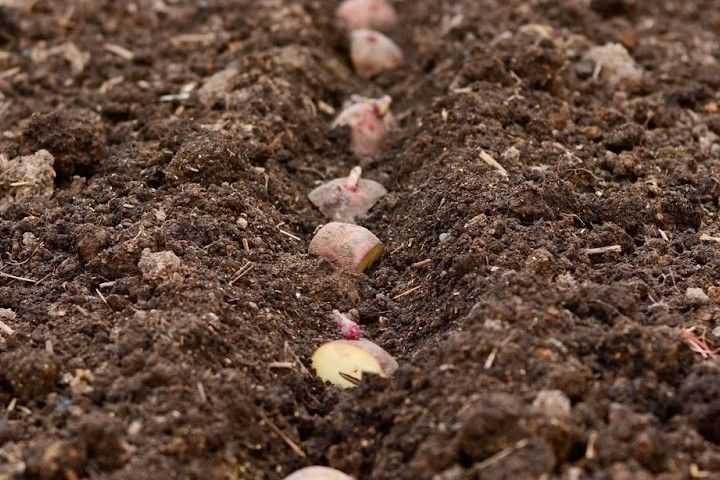
Hobby gardeners plant potatoes using the standard pattern: 30 x 70 cm in holes 8-10 cm deep. This allows for adequate ventilation for the overgrown bushes and manual hilling.
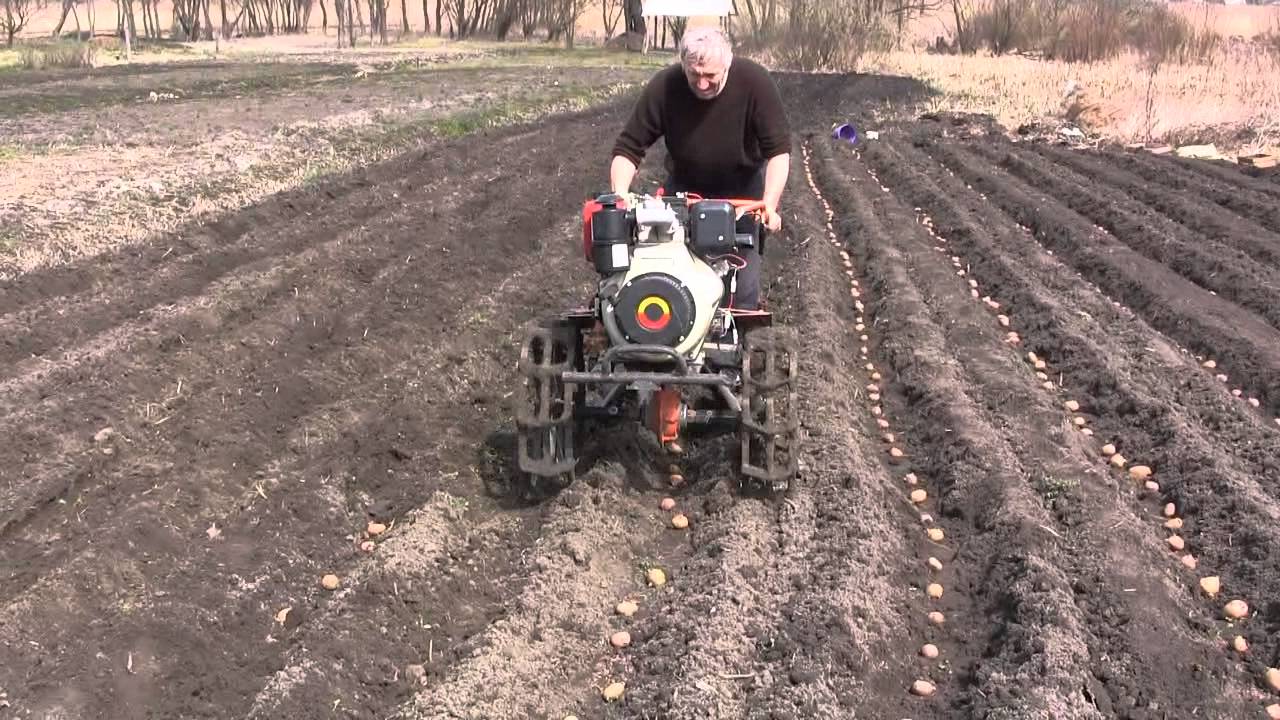
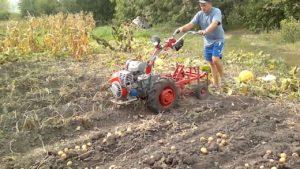
On farms, a cultivator is used to cut ridges at a distance of 90 cm from each other to facilitate mechanized processing of plantings.
How to care for Handsome
Caring for this variety of potato is not particularly difficult:
- compliance with the watering and fertilizing regime;
- hilling;
- weed control;
- control of diseases and pests.
Watering
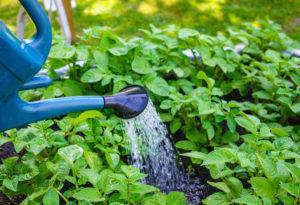
Until seedlings emerge, the plant receives sufficient moisture from the tuber. Subsequently, watering needs increase during flowering (one watering) and tuber formation (the second). At this point, the soil should be kept moderately moist at all times. This is when watering should be done to a depth of 30 cm. It's recommended to use 3 to 6 buckets of water per bush.
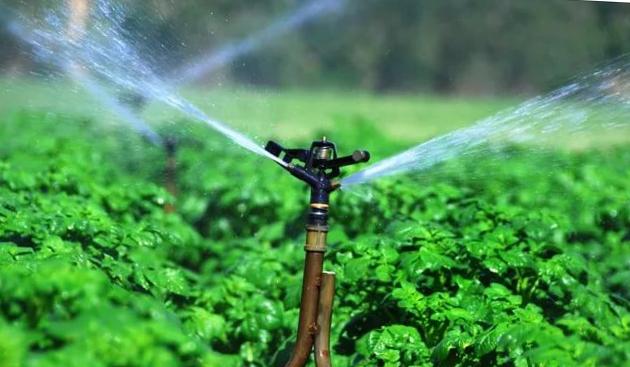
During the rest of the year, unless there's a prolonged drought, Krasavchik can survive without watering. However, given that a lack of moisture affects the size of the potato tuber, changing weather conditions require careful monitoring.
Loosening, weeding and mulching the soil
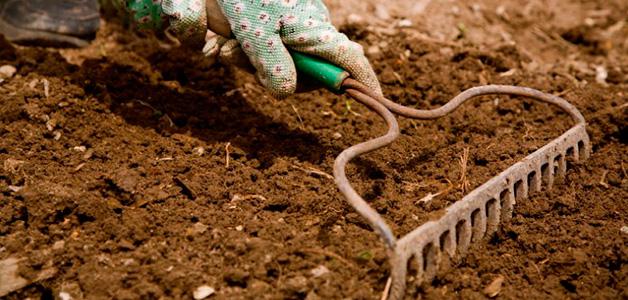
Loosening improves the soil microclimate, enriching it with oxygen, and destroys weed seedlings. However, excessive mechanical intervention in the soil structure leads to soil drainage and damage to the roots of our "Krasavchik." Therefore, additional herbicides are required.
Organic mulching is crucial for the future potato harvest. Mulch prevents the soil from drying out. A layer of organic matter prevents a surface crust from forming. As it decomposes, the bottom layer of mulch gradually becomes a high-quality fertilizer.
Hilling and fertilizing
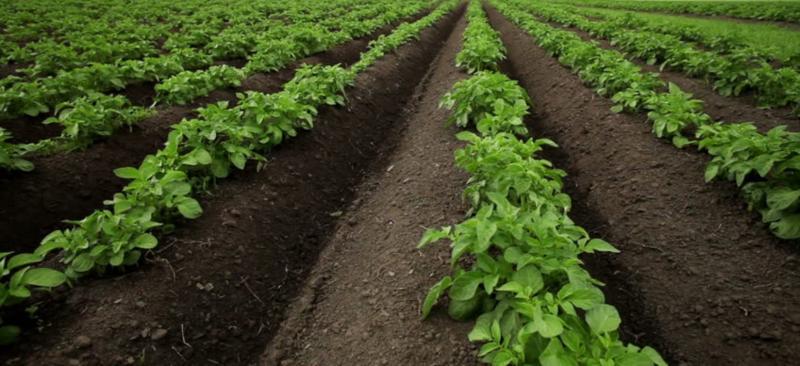
Krasavchik is hilled at least twice before seedlings emerge. In case of frost, the seedlings are completely covered with soil. Then, they are raked loose. Farmers harrow the rows a week or two after planting. During the growing season, the rows are cultivated twice: once with weeding, and once with a hiller.Experienced potato growers note that without hilling you can lose 30% of your potential harvest.
Without proper tuber nutrition, there's no good harvest. When planting, add a nutrient solution to the holes:
- 700 g dry humus;
- 6 spoons of wood ash.
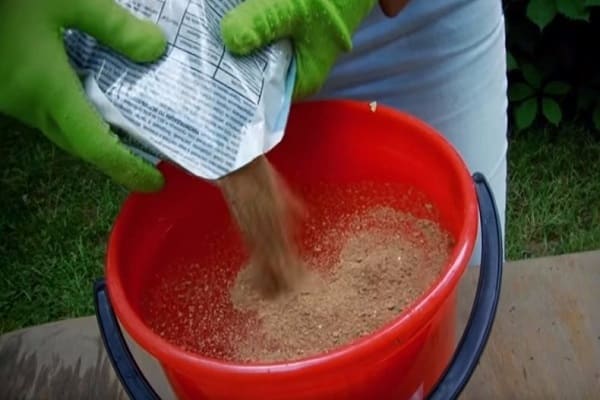
The first feeding of Krasavchik supports the growth of the tops if they are weak and not green enough. For each meter of row, apply 1 teaspoon of urea and 1.5 cups of compost. The second feeding stimulates budding. This is 3 tablespoons of ash and 1 teaspoon of potassium sulfate. The third feeding accelerates tuber formation. Apply 2 tablespoons of superphosphate per meter of potato row.
Another type of potato nutrition is foliar feeding. Water-soluble macro- and micronutrients ensure full tuber establishment, reduce the ripening time, and reduce the risk of tuber infection in the soil. Amino acids and peptides fully unlock the genetic potential of the variety and enhance the effectiveness of primary fertilizers.
Diseases and pests
Potatoes are among the crops most susceptible to disease. In Russia, with a potential productivity of over 50 tons per hectare, the average yield is around 17 tons per hectare. Diseases, pests, and weeds are among the reasons.
The Krasavchik potato variety is resistant to major potato diseases. Krasavchik's Achilles' heel is the golden potato cyst nematode.
Prevention
- To protect Krasavchik from nematodes, it is recommended:
- Mandatory crop rotation with return no earlier than after 4 years.
- Deep digging in autumn with removal and destruction of all roots.
- Thorough disinfection of tools, agricultural equipment and storage facilities.
- Purchasing only high-quality tubers for planting.
- Exclusion of sick and suspicious persons.
- Treating tubers before planting with growth stimulants (Epin, Gumi).
- If the origin of the planting material is questionable, wash it in water at 40˚C.
- Feeding plants with ash and superphosphate.
- Increasing the resistance of tubers to nematodes with a balanced complex of microelements: copper, zinc, potassium, boron and other essential ones.
Folklore recommends planting tansy, asters, and white mustard in the field. When digging in the fall, plow in the remains of sweet clover, marigolds, and calendula. It turns out that insects emerge from their cysts before the tubers set and die, unable to find food. Incidentally, for the same reason, the plot is irrigated with an infusion of potato sprouts.
To combat the Colorado potato beetle, spray potatoes with Prestige when planting: 2 liters per 1 ton.
To prevent wireworms, sprinkle slaked lime over potatoes before planting and then work it into the soil. If the click beetle larvae feed solely on potatoes, and there are no grass weeds or especially couch grass, they die before completing their life cycle.
Treatment measures
- For obvious nematode infestations, use Nemabact, Nematicid, and BI-58. However, be sure to carefully read the instructions to ensure proper application timing.
- The highly toxic "Tiazon" is often recommended.
Biological measures are also effective: nematodes are destroyed by annelids and the predatory entomopathogenic nematode (Nemabact). Successful nematode control is only possible through a combination of pesticides, biological methods, and agronomic practices. This must be systematic. And most importantly, according to experts, is the absence of food plants for the nematodes.
Harvesting and storage duration
The farm begins the mass potato harvest around August 20th. They bring out a KIR, a rotary mower-chopper, into the field. It mows the tops and grass together. They dig about 10 days later, in dry weather. They dig with a two-row digger, preferably the UKV-2. It operates in a gentle mode, without damaging the tubers.
The tubers are harvested by hand. First, they are dried in piles in the sun. They are then transported to a designated storage facility. The potatoes are kept at 15˚C for two weeks to dry the tubers. The remainder of the time, the room temperature is maintained at 3-5˚C. Given the excellent shelf life of the Krasavchik variety (97%), storing the harvest is a simple process for the farmer.
Reviews of the Krasavchik potato
Anna is 42 years old. Kazan.
I grew this variety during the drought of 2014. Compared to other potato varieties, Krasavchik yielded the highest yield. I was also pleased that there wasn't a single rotten tuber.
Oksana Pavlovna 57 years old. Penza.
The Krasavchik potato stores well, retains its appearance over the winter, and doesn't wilt until April. It sprouts well, despite its small eyes. We've started eating it. new potatoes earlier than all his summer cottage neighbors.
Oleg Petrovich 62 years old. Derbent.
I grow potatoes for sale. The "Krasavchik" variety is a popular vegetable that attracts attention and attracts regular customers. It has good flavor and is very starchy. I like its light yellow flesh.
Related posts:
 Why potatoes aren't growing well in the garden, and what to do to ensure a bountiful harvest
 Description and characteristics of the Rodrigo potato variety, cultivation and care
 Description and characteristics of the Bellarosa potato variety, planting and care
 Description of the Krasavchik tomato: advantages and disadvantages of the variety
 Description and treatment of potato diseases, methods of control using folk and chemical means
 Description of the best potato varieties of domestic and foreign selection
 Description and characteristics of the Zhukovsky potato variety, planting and care
 Description and characteristics of the Zorachka potato variety, planting and care