
- General information about potatoes
- What is a potato tuber?
- Potato development phases
- What kind of soil does potato like?
- Early and very early varieties
- Ariel
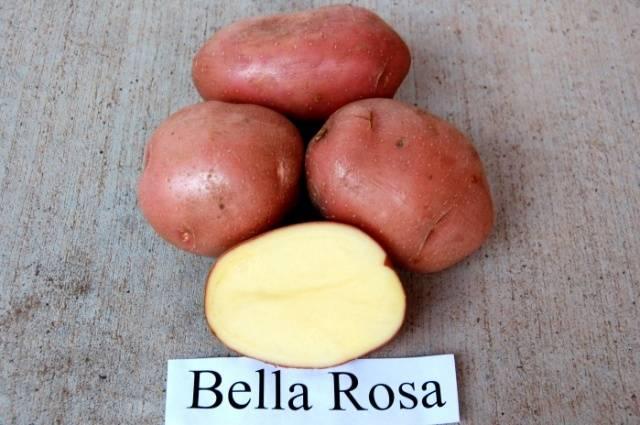
- Bellarosa
- Dnepryanka
- Domodedovo
- Impala
- Coleta
- Minerva
- Povin
- Red Scarlett
- Riviera
- Sedov
- Arrow
- Mid-early and mid-season varieties
- Aurora
- Agatha
- Breeze
- Fun
- Lily
- Manifesto
- Blue-eyed
- Late varieties
- Asterix
- Desiree
- Crane
- Zdabitok
- Kuroda
- Lasunok
- The best potato varieties for different regions
- For the Central Belt (Moscow Region)
- For the North-West (Leningrad region)
- For the Urals
- For Siberia (Western and Eastern)
- The best potato varieties of domestic and foreign selection
- Russian
- Ukrainian
- Belarusians
- Dutch
- German
- Varieties by other criteria
- The best tasting
- Unusual varieties
- The most aesthetic varieties
- Elite varieties
- The highest-yielding varieties
- Forage varieties
- Technical grades
- Universal varieties
- New varieties
- The most unpretentious varieties
- Varieties that store better in winter
- Potato varieties that are not eaten by the Colorado potato beetle
- High in starch
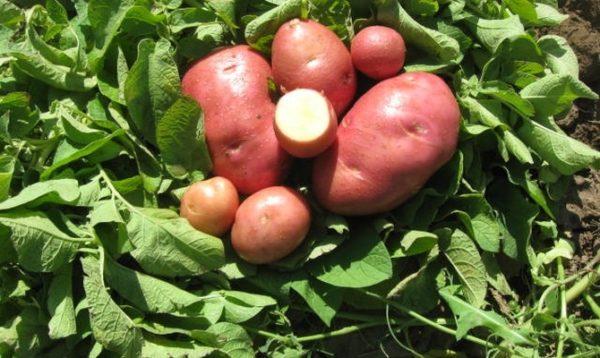
- Red varieties
- Potato ripening times by variety
- Potential problems when growing
The Solanaceae family contains potato varieties that differ not only in ripening time but also in taste. Each gardener chooses the right variety based on their soil characteristics.
General information about potatoes
Potatoes are a commonly grown vegetable. Solanum tuberosum is a perennial plant that reproduces by tubers. During the growing season, small tubers form, which increase in size as they mature. The potato bush consists of several stems, which branch out depending on the variety. The root system is fibrous. The tuber varies in flavor and shelf life.
What is a potato tuber?
The potato tuber acts as an energy store for the plant. With the nutrients contained in the tuber, the plant can support and nourish its stems. Tuber formation occurs when a section of the root thickens. This section accumulates nutrients, resulting in the formation of a tuber.
Potato development phases
Stages of potato development.
| Stage | Description |
| Stage 1 | This stage appears 2 weeks after planting in open ground. |
| Stage 2 | Buds are forming on the bushes |
| Stage 3 | Flowering period. Tubers begin to form. |
| Stage 4 | A period of intensive growth and saturation of tubers with nutritional components |
| Stage 5 | Dying of the plant part of the crop |
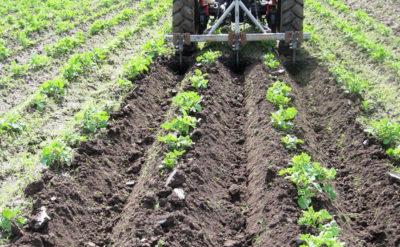
After the last stage of development occurs, tubers are formed.
What kind of soil does potato like?
The tuber draws its nutrients from the soil, so when planting potatoes, be careful when choosing a site. The plant prefers loose, slightly acidic soil. The soil must be well-oxygenated, otherwise the tuber will not develop. The soil should have moderate moisture levels; the crop thrives in peat soils and with sufficient black soil.
Early and very early varieties
Gardeners living in southern regions prefer to use ultra-early and super-early potato varieties. The advantage of these varieties is that they ripen before the onset of hot weather.
Ariel
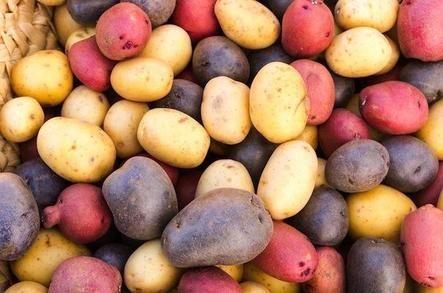
The crop matures in 60 days. Using this variety, gardeners get two harvests per season. The tuber is yellow.
Bellarosa
The crop matures in 40-45 days. The bushes are slightly spreading, and the tuber is pink.
Dnepryanka
This early-ripening variety matures in 45 days and is undemanding regarding soil type. The tubers are yellow.
Domodedovo
The tubers are white. When cut, white flesh is visible. They mature in 55-60 days.
Impala
An extremely early potato variety. Harvesting begins in 45 days. The tuber is yellow and round.
Coleta
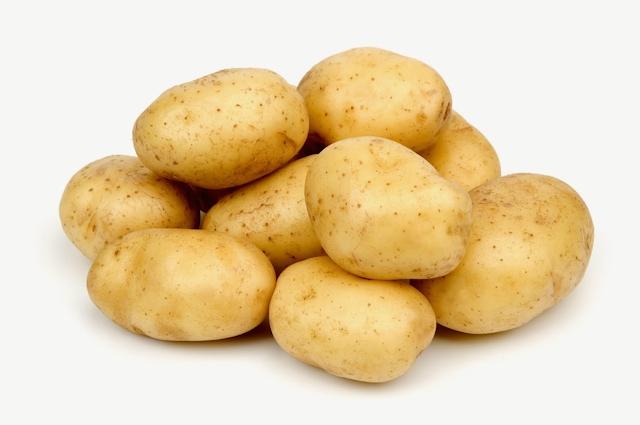
The peel is yellow. The ripening period is 55 days.
Important: Potatoes have a high immunity and can be stored for a long time.
Minerva
Allows harvesting in 50 days. The skin is golden, the flesh is yellow.

Povin
It boasts a high yield and large, round tubers. The skin is pink and disease-resistant.
Red Scarlett
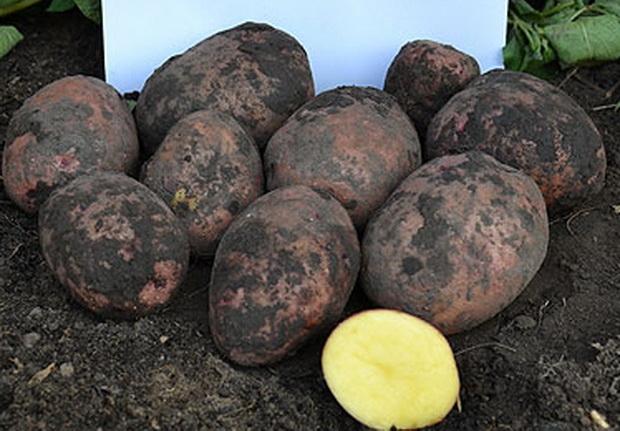
It is distinguished by its high productivity. The ripening period is 55 days. The tubers have pink skin.
Riviera
This variety ripens quickly, allowing gardeners to harvest it in just 35 days. The potatoes are round and yellow.
Sedov
The potato ripens early, in 50 days. The tuber is large and has white skin.
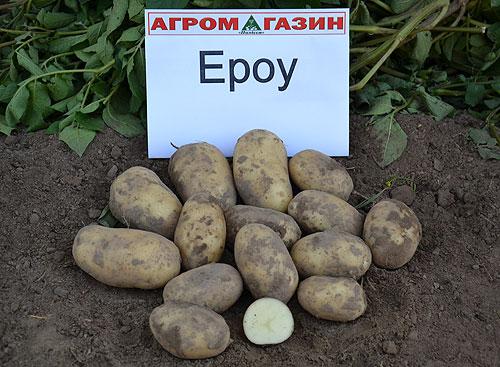
Arrow
The potato has light yellow skin and is disease resistant.
Mid-early and mid-season varieties
The vegetables mature within 80-90 days. Popular potato varieties can be arranged alphabetically.
Aurora
The bushes are tall. The flesh is cream-colored, the skin is brown.
Agatha
The potatoes are oblong, yellow, and have yellow flesh. The tubers reach 120 grams.
Breeze
Can tolerate hot weather conditions. Tubers are large and yellow.
Fun
The ripening period is up to 70 days. It is often used by gardeners, requires little maintenance, and allows for large harvests.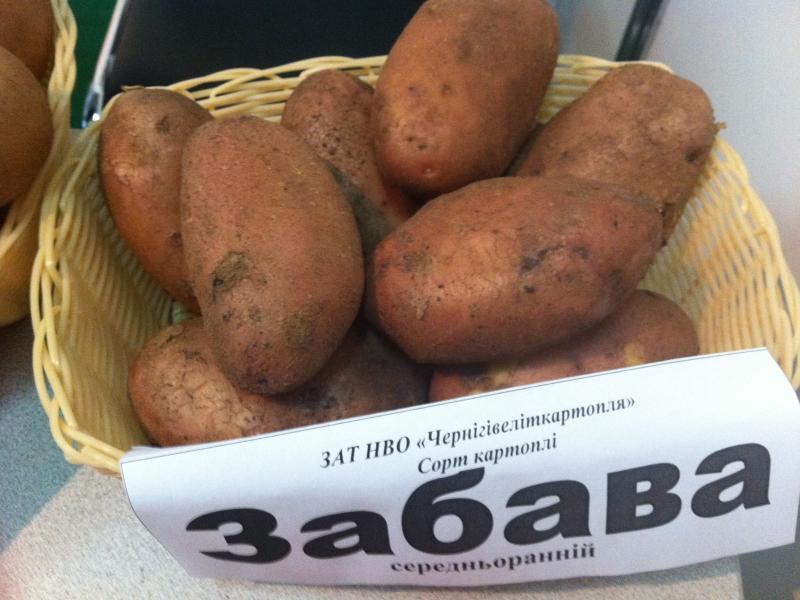
Lily
The tubers have straw-colored skin. The average ripening period is 80 days.
Manifesto
The bushes are medium-tall. The tubers have pink skin and amber flesh. This vegetable is used in cooking.
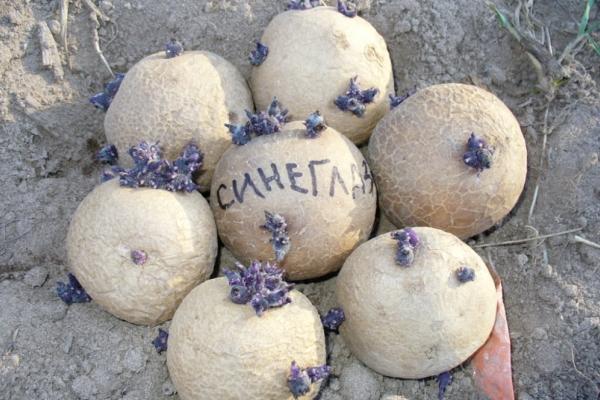
Blue-eyed
The potato is easy to care for and tolerates hot weather. The skin is white, with purple around the eyes. The flesh is white. The crop matures in 75 days.
Late varieties
The maturation period averages 95-100 days. These potatoes retain all their nutritional components.
Asterix
The plant reaches a height of 80 cm. The potatoes are oblong and red. The flesh is firm when cut. They are disease resistant.
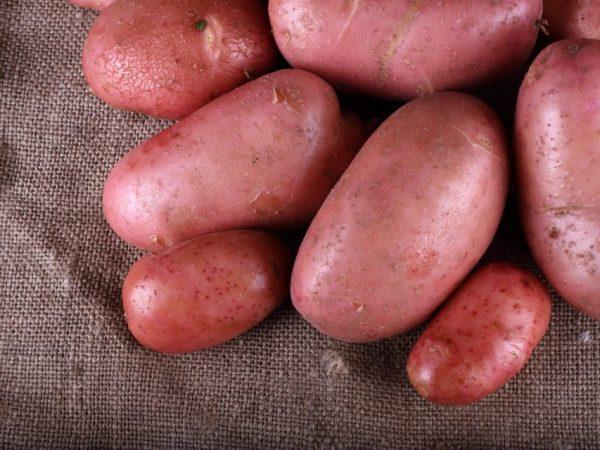
Desiree
The crop can tolerate short-term drought; the potatoes are elongated and red in color. They are suitable for storage and long-distance transport.
Crane
This variety originated in Belarus, but is grown in all regions. It ripens in 100-110 days. The bushes are slightly spreading. The potatoes are round and red.
Zdabitok
First appeared in Belarus, the tubers are round and red. On average, one potato weighs up to 130 grams.
Kuroda
A delicately flavored potato with a pink color. The maturity period is 100 days.
Lasunok
A high-yielding potato variety. The tuber is yellow, elongated, and suitable for storage.
The best potato varieties for different regions
Potato varieties must be selected for each region. This is essential to ensure a good harvest and reduce potential disease risks.
For the Central Belt (Moscow Region)
| Variety | Description |
| Isle of Jura | Ripens in midsummer. The potatoes are elongated and yellow in color. |
| Axon | The bushes are low, the tubers are pink and elongated. |
| Biogold | Ripens one month after germination. Large tubers reach 149 grams and are oval in shape. The skin is yellow. |
For the North-West (Leningrad region)
| Variety | Description |
| Ivory Russet | This is an early variety, with a ripening period of 55 days. The skin is yellow, and the vegetables can be stored for a long time. |
| Bafana | The potato has a medium ripening period. The bushes are small. The skin is yellow, and the plant is disease-resistant. |
| Alova | The crop matures in just 50 days. The tubers are elongated and yellow-skinned. |
For the Urals
| Variety | Characteristic |
| Bashkir | The plant matures early, 50 days after planting. The tubers are small and have red skin. |
| Volare | A mid-late crop with a high yield. The potato is yellow, with white flesh visible when cut. |
| Kuzovok | Medium-ripening potatoes. Yellow, long-lasting storage. |
| Miner | Belongs to the mid-early, small-sized, yellow potato variety |
 For Siberia (Western and Eastern)
| Variety | Characteristic |
| Baron | The variety ripens in 45-50 days. The potatoes are yellow with pink eyes. |
| Irbitsky | A small plant, producing round potatoes with red skin |
| Aramis | The bushes are small and spreading. The potatoes are yellow and have a high starch content. |
| Kemerovo resident | The bushes are tall and slightly spreading. The fruits are small and yellow. |

The best potato varieties of domestic and foreign selection
Potatoes can be divided into varieties based on their country of origin. These varieties are widely used for cultivation and have repeatedly proven their quality.
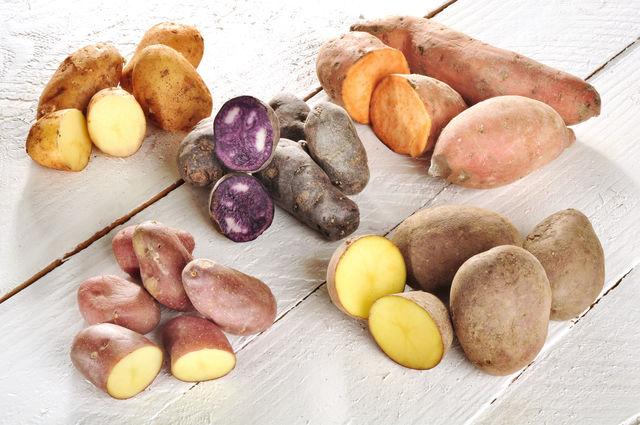
Russian
Among the popular types of potatoes, the following should be highlighted:
- Aurora;
- Kamensky;
- Kolobok;
- Lyubava;
- Nevsky.
Potato varieties have repeatedly proven their ability to produce large harvests.
Ukrainian
Among the list of potato varieties in Ukraine, the following are considered popular:
- Lugovskoy;
- Svitanok of Kyiv;
- Dnieper;
- Chervona Ruta.
The crop can adapt to different weather conditions without reducing yield.
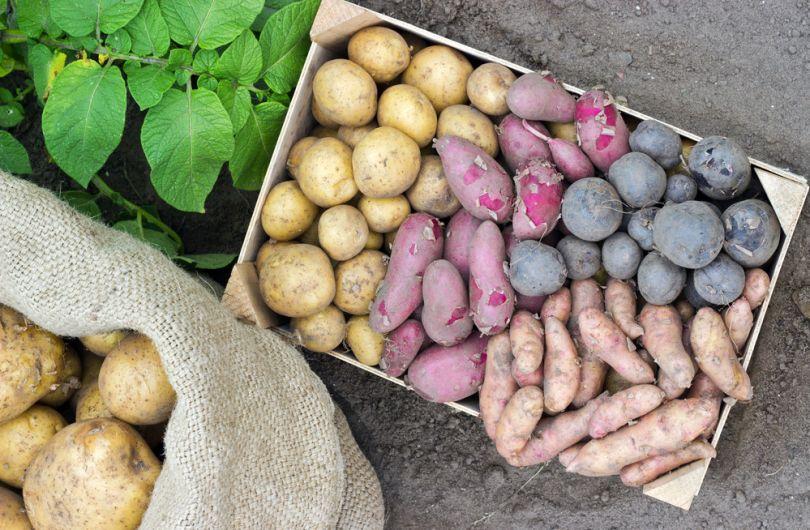
Belarusians
There are a large number of varieties in Belarus, among the most commonly used are the following:
- Breeze;
- Crane;
- Treasure;
- Manifesto;
- Yanka;
- Zdabitok.
These types of potatoes are widely used in other countries for regular cultivation.
Dutch
This type of crop is grown in all regions and is very popular.
- Colombo;
- Impala;
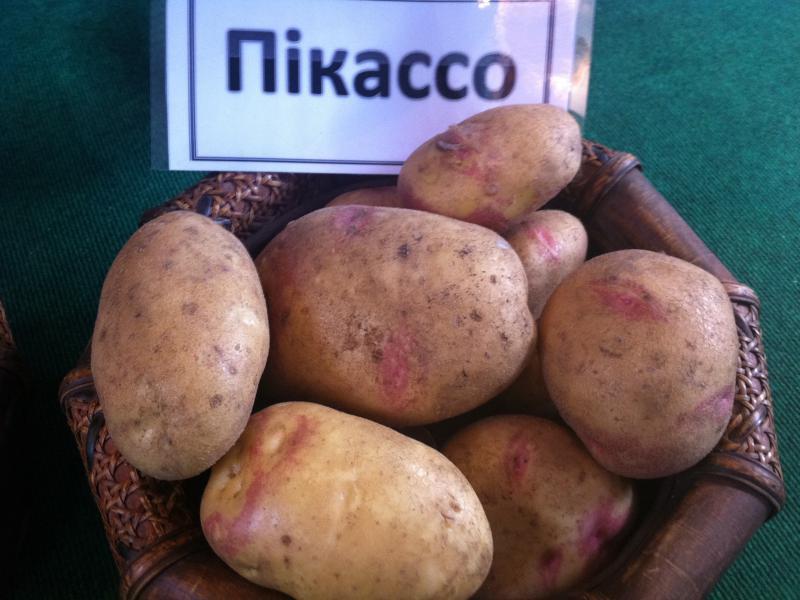
- Picasso;
- Riviera.
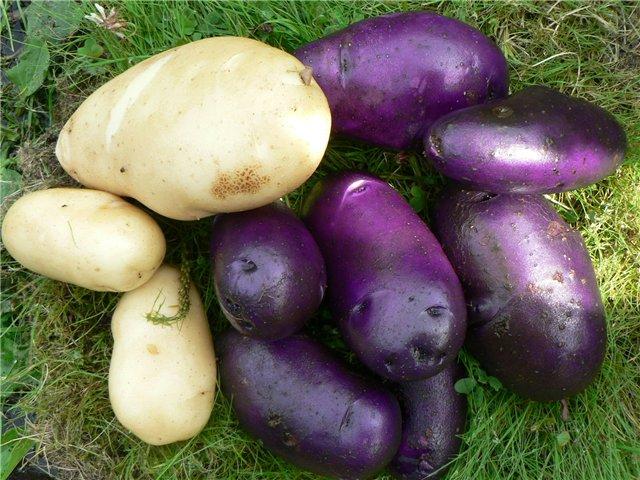
The market is regularly replenished with new varieties that are distinguished by their good taste.
Important. Dutch varieties potatoes are resistant to diseases and are subject to long-term storage.
German
This type of crop is characterized by high yields regardless of weather conditions. Among the best are:
- Agatha;
- Berlin;
- Wendy;
- Queen Anne.
These types of nightshades have a high level of starch and are suitable for transportation.
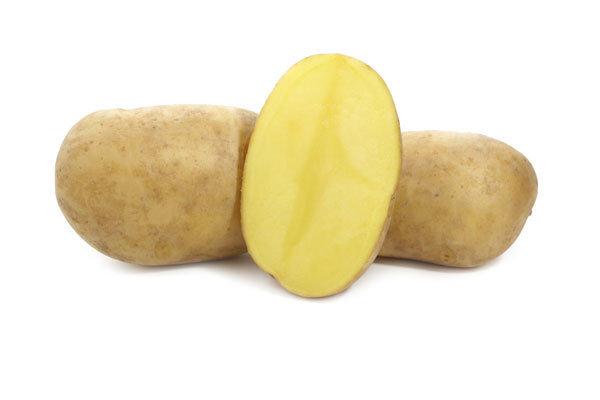
Varieties by other criteria
In addition to the country in which the crop was bred, potatoes can also differ in taste and appearance.
The best tasting
The taste of potatoes is of great importance. There are varieties that not only store well but also have distinct flavor characteristics:
- Picasso;
- Idaho;
- Rosara;
- Impala;
- Share;
- Rose.
Potato varieties boil well, retain their flavor even after storage, and have versatile culinary uses.
Unusual varieties
Among the common types of potatoes, there are varieties that differ in their characteristics:
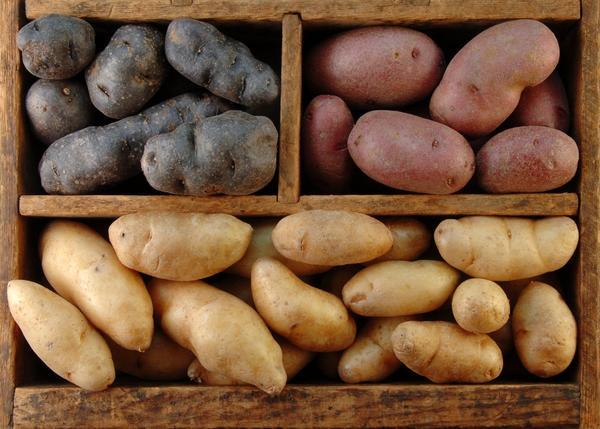
- Northern Lights - potatoes have purple skin and blue flesh;
- All Blue - potatoes have blue skin and stems and inflorescences of the same shade;
- Cranberry Red - has a distinctive flavor that contains a hint of nuts;
- Boro - potatoes are eaten raw, with purple flesh inside;
- Kiwi - the potato resembles a fruit in appearance, which is where it got its name.
Breeders are developing varieties that do not contain antioxidants and are distinguished by high yields.
The most aesthetic varieties
This criterion is important for people who sell potatoes, so it is necessary to choose a type with an attractive presentation:
- Arosa;
- Reserve;
- Laura;
- Rocco;
- Serpanok.
These types of vegetables are of similar size and suitable for long-distance transportation; gardeners prefer this type of potato due to its high yield.
Elite varieties
A distinctive feature of this type of potato is that the tubers have a pleasant taste and allow you to get a harvest regardless of weather conditions:
- Nevsky;
- Lugovskoy;
- Zhukovsky.
Elite potato varieties can be grown in any region, regardless of soil type.
The highest-yielding varieties
High-yielding potato varieties require specific agronomic practices. If proper care is taken, gardeners can obtain a harvest using the following potato varieties:
- Idaho;
- Gala;
- Bellarosa.
Potatoes are often used for a variety of culinary purposes and store well over the winter with minimal loss.
Forage varieties
This type of potato is grown primarily for feeding livestock. Feeding potatoes to animals provides essential minerals and promotes rapid weight gain:
- Voltman;
- Lorkh.
The vegetable is not used as food because it has poor taste qualities.
Important: Forage potato varieties should not be planted near table potatoes to avoid confusion during harvest.
Technical grades
The crop is most often used for starch production. These potatoes are not eaten:
- Outflow;
- Climber.
The culture is characterized by low taste qualities.
Take a look Also
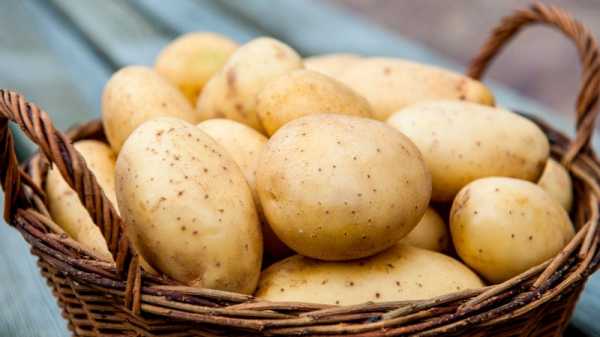
Universal varieties
This type of culture can be used not only for technical purposes, but also for food consumption:
- Arosa;
- Lasunok.
Universal types of potatoes are grown in all regions.
New varieties
Breeders regularly develop new varieties that have better taste and can tolerate diseases:
- Arizona – tolerates temperature fluctuations. It has an elongated shape and golden skin;
- Ruby - potatoes ripen quickly, have a red fruit color and can be grown in any conditions;
- Rowan is an elongated potato with red skin that is not immune to diseases.
New products appear daily, but not all of them can compare with the outdated, tried and tested types.
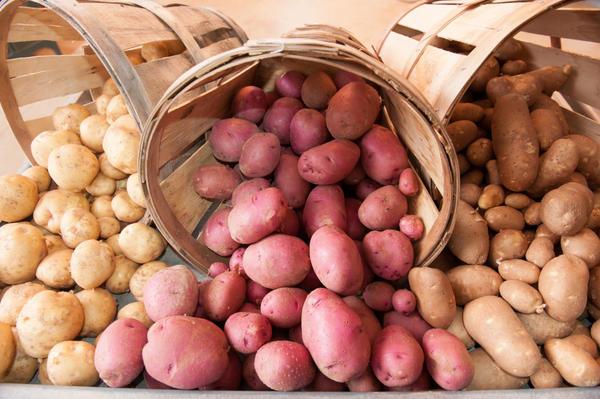
The most unpretentious varieties
Gardeners choose these types of crops for planting in poor soil types without the necessary amount of nutrients:
- Adretta;
- Slav;
- Aspia;
- Sprint;
- Picasso.
The crops are resistant to dry weather conditions.
Varieties that store better in winter
Storing vegetables in winter is a complex process, so special varieties are often selected. The following types are used for storage:
- Picasso;
- Crane;
- Asterix;
- Atlas;
- Vesnyanka.
To ensure that potatoes last, you need to properly prepare the storage area and select undamaged fruits.
Potato varieties that are not eaten by the Colorado potato beetle
Gardeners often choose Colorado potato beetle-resistant varieties for their gardens. The following varieties are worth mentioning:
- Bryansk is reliable;
- Glow;
- Kamensky;
- Lasunok;
- Nikulsky;
- Pace.
The type of crop cannot prevent the attack of the Colorado potato beetle, but it reduces the severity of the pest infestation.
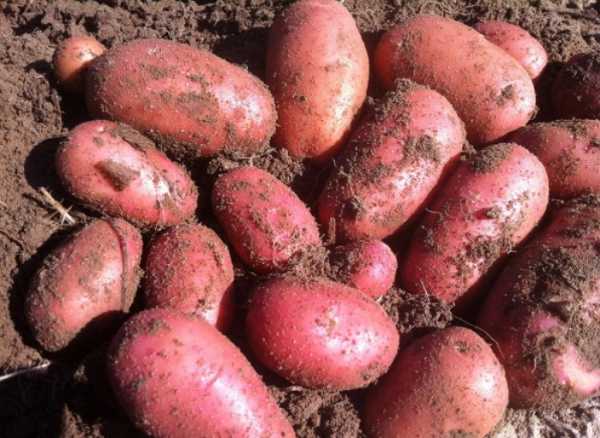
High in starch
The starch in the vegetable causes the potato to soften and is considered a suitable product for everyday cooking:
- Radonezh;
- Luck;
- Red Scarlett;
- Aurora;
- Nevsky;
- Fairy tale;
- Treasure;
- Rowanberry.
Gardeners purchase various types of potatoes for planting on their plots of land.
Red varieties
Pink potatoes are considered a nutritious crop, as the tuber contains all the minerals necessary for the human body. It's important to highlight:
- Borodyansky;
- Simply Red;
- Rosalind;
- Romano.
Red potatoes contain antioxidants that remove harmful components from the body.
Potato ripening times by variety
| Variety | Ripening period |
| Ultra-early | 55 days |
| Early maturing | Early maturing varieties ripen in 60 days |
| Mid-early
|
Tubers appear after 75 days. |
| Mid-season | 85-90 days from planting |
| Mid-late | 90-100 days |
| Late-ripening | More than 110 days |
The table may contain average data.
Potential problems when growing
Gardeners may encounter the following problems:
- Why aren't potatoes blooming? The lack of bloom may be due to insufficient phosphorus in the soil or excessive soil moisture.
- Insufficient tuber maturation. This is caused by failure to plant the crop in the ground at the right time.
- Tuber rot. This problem is caused by excessive amounts of fertilizer or contaminated seed.
To avoid such problems, it is necessary to follow proper care.
Potatoes are a popular vegetable grown in gardens. To ensure a productive harvest, it's important to follow all recommendations and care guidelines.
Related posts:
 Why potatoes aren't growing well in the garden, and what to do to ensure a bountiful harvest
 Description of the best potato varieties for 2025, selection for regions
 Description and treatment of potato diseases, methods of control using folk and chemical means
 Description and characteristics of the Lorkh potato variety, planting and care
 Description and characteristics of the Rodrigo potato variety, cultivation and care
 The period of potato ripening from planting to harvesting, what is vegetation?
 Description and treatment of potato pests, control measures
 The benefits and harms of young potatoes, whether they can be planted a second time, and growing guidelines