
- What is potato vegetation?
- Ripening times of potato varieties
- Early ripening
- Mid-early
- Mid-season
- Mid-late
- Late-ripening
- What does the rate of tuber ripening depend on?
- Variety
- Growing region
- Landing time
- Fertilization
- Amount of moisture and air temperature
- Methods to speed up ripening
- Weather conditions during potato harvesting
Planting potatoes, especially in Russia, is a popular and profitable pastime among gardeners and summer residents. There's plenty of information about the versatility and practicality of this vegetable crop, but only experienced agronomists and professionals know how to maximize yield and the ripening period. Before starting to grow potatoes, every self-respecting gardener should understand the key factors that will influence the ripening time, as well as the quality and quantity of the potato harvest.
What is potato vegetation?
The growing season is the period of time during which a plant undergoes its active growth phase. During this period, underground shoots form and tubers develop at their ends. The edible potato is the vegetative organ that accumulates all the necessary nutrients during development.
The potato growing season varies from 70 to 140 days. The duration of this stage also depends on the variety and growing conditions. Sometimes, several varieties with different ripening times are grown in the same plot.
Ripening times of potato varieties
Potato vegetation can be divided into stages:
- The period from sowing and the emergence of the first shoots to the formation of buds.
- From the beginning of flowering to the final stage of green mass development.
- From the beginning of the slowdown in growth and development of the tops until their final death, during which tubers are formed.
For each variety, and depending on the growing region, regularity and correctness of plant care, these stages are individual in time and progression.
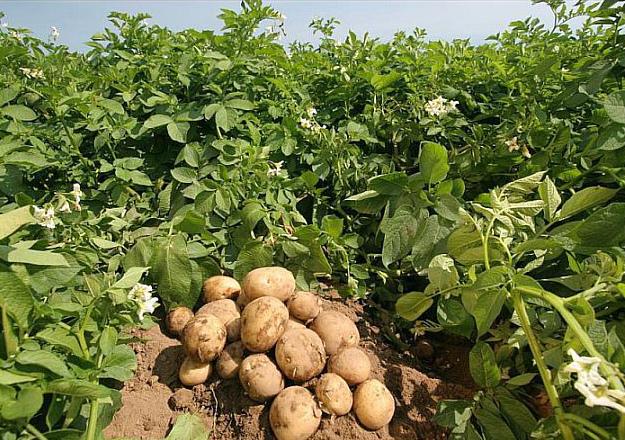
Based on the duration of ripening and vegetation, vegetable crops can be divided into 5 categories:
| Potato variety | Early | Mid-early | Mid-season | Mid-late | Late |
| Ripening period (days) | 50-65 | 65-80 | 80-95 | 95-110 | From 110 |
Early ripening
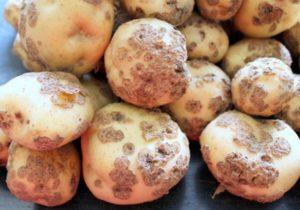
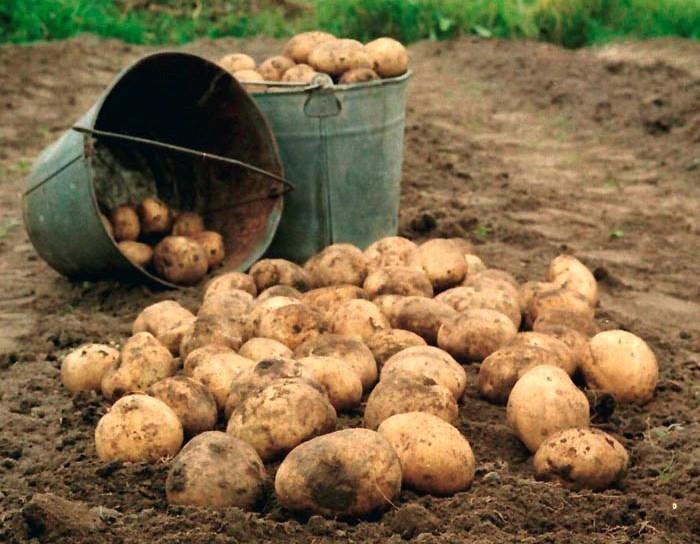
The growing season for early potatoes lasts 50-65 days. When grown as early as July, these root crops can be harvested, making them considered early maturing. Potatoes planted during warmer weather emerge as early as early May.
The advantage of these varieties is that they are less susceptible to late blight, as the tops need to be harvested as early as August. Potatoes grow quickly, but yields are often low, and the roots contain little starch and dry matter overall. Popular early-ripening potato varieties include Alena, Ariel, and Zhukovsky Ranniy.
Mid-early
These varieties mature within 65-80 days, slightly longer than early-ripening varieties. The tubers develop quickly in fertile soil and require significant moisture before harvest. The following varieties are considered the most popular among agronomists: Ryabinushka, Scarlett, and Ilyinsky. Almost half of the root's dry matter is starch.
Mid-season
These varieties are characterized by high yields and produce quality root vegetables as early as the first days of August. Planting is recommended at the beginning of the last month of spring. When growing, it is important to note that plants growing during this period are at risk of fungal and viral diseases. These are particularly prevalent in summer with heavy rainfall and sudden temperature fluctuations.
Popular varieties among gardeners include Dubrava and Sineglazka. They contain a lot of starch fiber and therefore have excellent flavor.
Mid-late
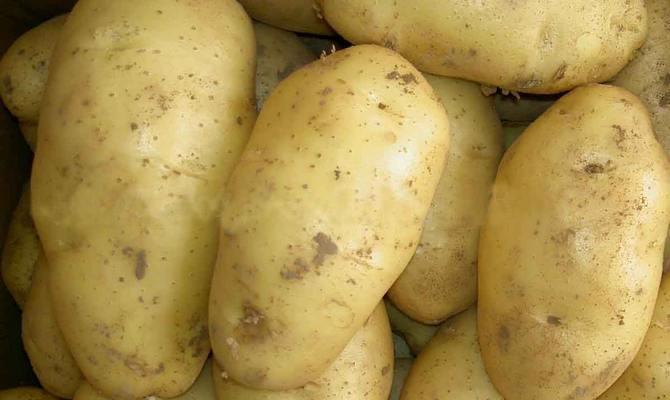
Mid-late potatoes ripen immediately after flowering, and the growing season lasts for four months; digging up the tubers early is not recommended. During this period, the roots will accumulate sufficient dry matter. Gardeners choose these varieties for their excellent flavor and impressive shelf life. The most popular varieties among agronomists include Zdabutak, Zhuravlinka, and Asteriks.
Late-ripening
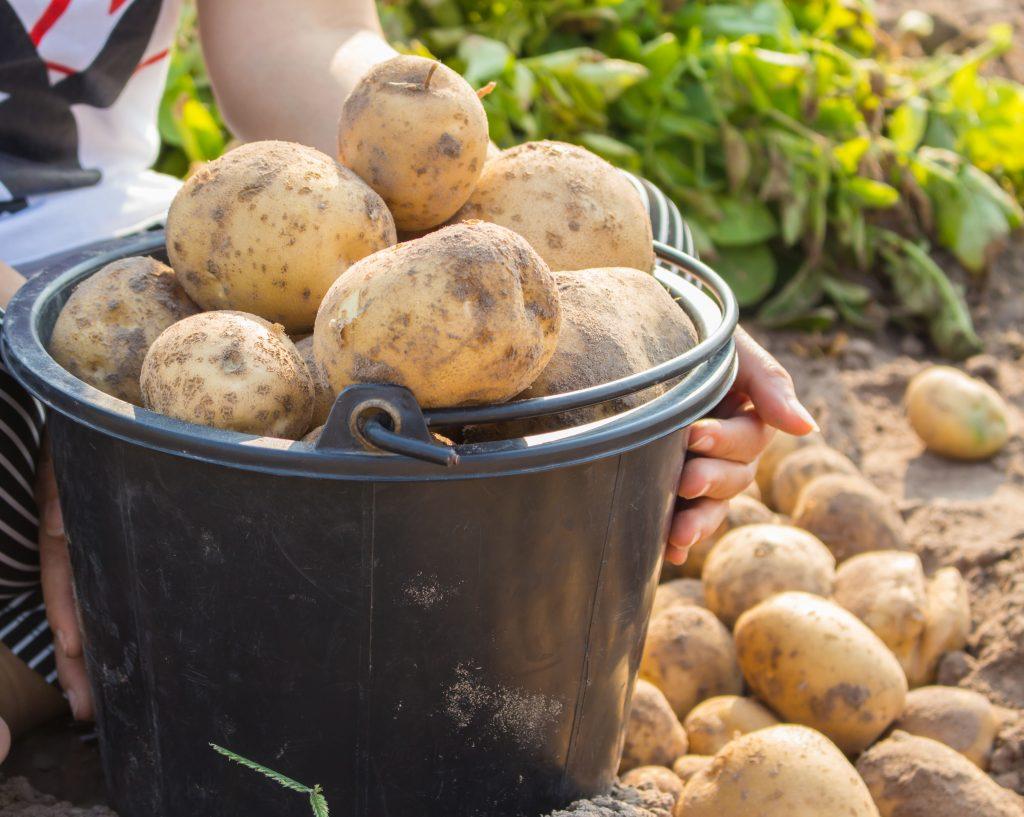
A distinctive feature of this potato variety is its long shelf life, without losing its beneficial properties or nutritional value. Planting should begin in mid- to late May. Harvesting is recommended starting in September. It's important to allow sufficient time to pass since planting: at least 120 days. The crop cannot perish as a result of severe frosts, since in May there is no longer a chance of them occurring. The species is recommended for growing in northern regions and boasts the following varieties: Lorkh, Atlant, Saturn.
What does the rate of tuber ripening depend on?
Even experienced agronomists often encounter the problem of tubers of the same crop forming at different times, meaning they have different ripening times. This depends on a number of factors.
Variety
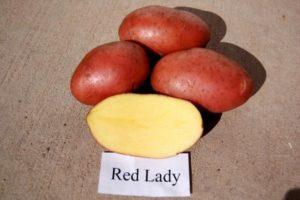
Each potato variety has its own unique ripening time and speed. When purchasing potatoes for planting, carefully study their botanical characteristics, including ripening times, planting instructions, and care.
Growing region
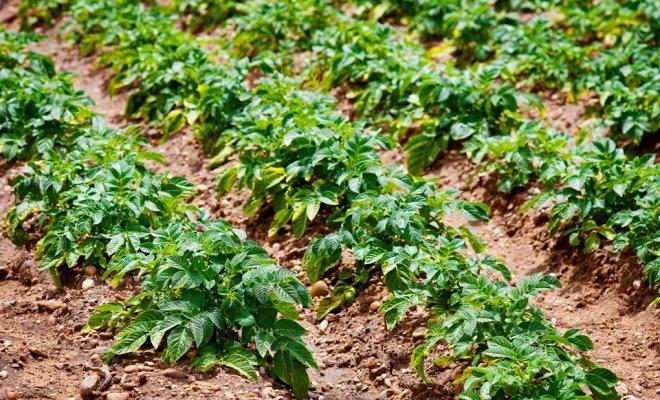
When growing potatoes, it's important to consider not only the individual characteristics of the variety but also the climate of the region where the crop is grown. In areas prone to spring frosts, it's best to postpone growing potatoes.
Landing time
If the plant was planted too early, given the variety's characteristics, there's a risk of frost damage, which can occur unexpectedly in the spring months. It's important to familiarize yourself with the variety's characteristics and learn the optimal sowing period.
Fertilization
Excessive application of fertilizers in order to speed up the potato growing season may not always be effective, but even the opposite. Excessive amounts of organic matter in the soil can negatively impact potato quality by increasing nitrate levels. Without minerals in the soil, tuber growth and development occurs fairly quickly, but their quality may suffer. If all possible inorganic compounds are present, root development may be delayed.
Amount of moisture and air temperature
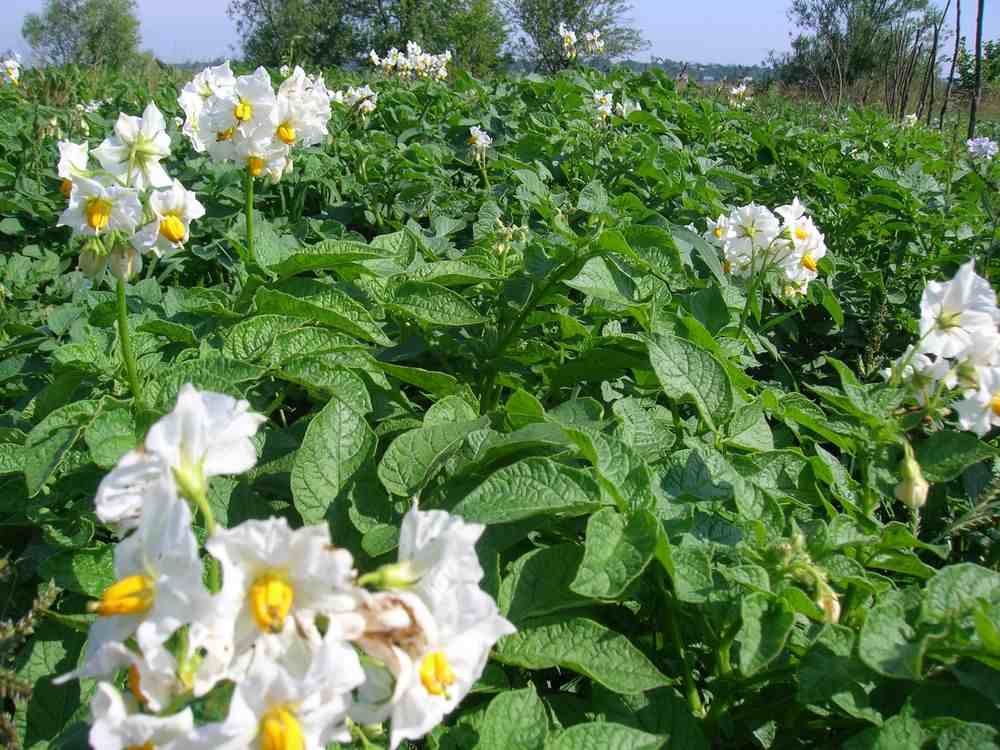
Excessive moisture slows down vegetation, as the tubers become saturated with water and accelerate their development. However, without regular watering, the soil dries out and the tops stop growing. When the tops dry out, the roots begin to develop rapidly, and the potato harvest period is shortened.
A sudden drop in temperature can negatively affect the quality of potatoes, resulting in a large number of small tubers.
Methods to speed up ripening
The desire to grow potatoes faster can sometimes backfire. When growing potatoes, it's best to remember this rule: "Faster doesn't mean better." Rushed potato production can compromise both the quality and quantity of the root vegetables.
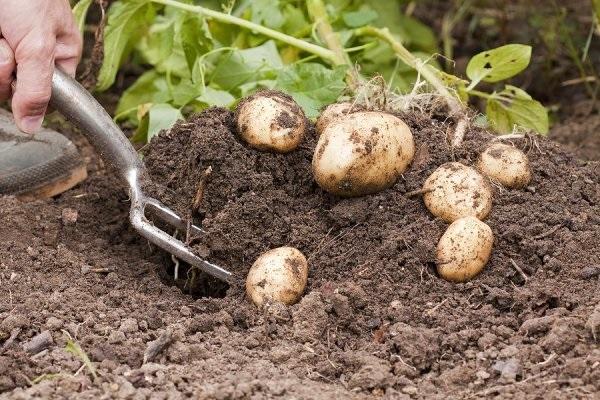
Late planting or unfavorable weather conditions significantly extend the growing season. In such cases, it's worth using methods to accelerate ripening to quickly obtain root vegetables with good marketable quality:
- Mowing the tops. A simple and effective method, performed a week before harvesting. The plant will interpret this as a signal for the end of the growing season and will begin to rapidly form tubers.
- Spraying with copper sulfate. To accelerate ripening, use a copper sulfate solution at a ratio of 5 grams per liter of water. Apply this solution to the plant two weeks before harvest. This solution draws all the moisture from the green mass of the plant, causing drying, and triggering accelerated root formation.
- Chlorate treatment. This method is effective after the rainy season. To prepare the solution, dissolve 20 g of magnesium chlorate in 1 liter of water. This will speed up the drying of the tops and the formation of tubers.
- Applying superphosphate. To prepare a solution, combine 2 kg of superphosphate and 10 liters of water.
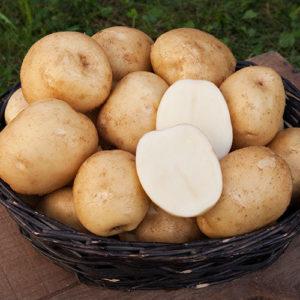
It is worth considering that spraying with chemicals should be carried out during the day or evening hours after flowering, using 5-10 liters of solution per hundred square meters.
Weather conditions during potato harvesting
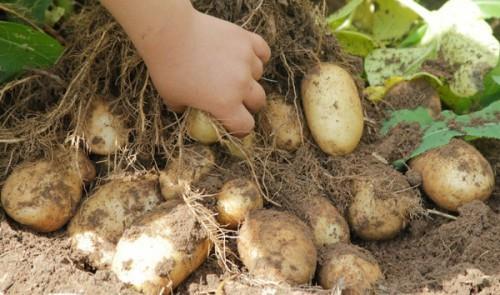
It's common knowledge that when the green tops begin to dry out after flowering, it's time to dig up the root vegetables and harvest the beds. This is considered the main indicator for gardeners. It's best to harvest potatoes during a warm, sunny period, preferably in the late afternoon, before it gets dark. In this case, the air temperature during harvesting should range from 12 to 17 degrees Celsius.
If precipitation is forecast, it's important to begin harvesting dried tops and crops as soon as possible. Excessive moisture at the end of the growing season can negatively impact root crops and promote the development of fungal diseases.
It's recommended to dry the harvested tubers in the open air, avoiding direct sunlight. Then, store them in a dark, dry place with good ventilation and high humidity. If the potatoes are intended for planting next year, keep them in the light for a while before they begin to green up.
Every gardener has their own methods and techniques for accelerating potato ripening. To ensure healthy and attractive tubers, it's important to pay special attention to planting, care, and storage, and then enjoy the delicious taste of potatoes all year round.
Related posts:
 Description of the best potato varieties of domestic and foreign selection
 Why potatoes aren't growing well in the garden, and what to do to ensure a bountiful harvest
 Description and treatment of potato diseases, methods of control using folk and chemical means
 How to propagate and grow peas, cultivation technology, and care in open ground
 Description of varieties of sowing peas and cultivation, to which family they belong
 Description and treatment of potato pests, control measures
 80 Best Eggplant Varieties for Different Regions with Descriptions and Characteristics
 The best grape varieties for growing in the Urals, planting and care rules in summer