
- The main pests of potatoes
- Colorado beetle
- Wireworms
- Naked slugs
- May beetle
- Potato moth
- Large potato aphid
- Mouse-like rodents
- Nematodes
- Mole crickets
- Cutworm caterpillars
- Potato flea beetle
- Leafhoppers
- Potato shpanka
- Bedbugs
- Pest control methods
- Mechanical methods of control
- Chemicals
- Traditional methods
- Preventive measures
Potatoes can be attacked by any number of insects, known as pests. Their number is truly enormous. Everyone, without exception, loves to feast on the succulent tops and starchy tubers buried in the ground. Sometimes you might not even notice an insect in the ground, but during harvest, you might encounter one or end up with damaged potatoes. What potato pests exist, what damage they cause, and the most effective measures to combat them.
The main pests of potatoes
Besides humans, various insects also try to attack potato crops, devouring them from the top of the leaves to the last tuber. But to prevent damage to crops and eliminate those already present, it's important to know what they are and how they live.
Colorado beetle
The Colorado potato beetle is a lover of plants in the nightshade family. Today, there's hardly a gardener or horticulturist who hasn't encountered this pest. They can devour the foliage of eggplants, tomatoes, physalis, and potatoes so quickly that it's impossible to remove them manually. And in the fall, when the succulent foliage is gone, the beetle can cause significant crop losses.
Colorado potato beetles are unique in their own right. In just a couple of days, they can completely destroy a potato crop. This is due to their high reproductive rate. A single female lays eggs during the growing season, from which up to 700 hatch.
The main damage to potatoes comes from voracious larvae, which feed on succulent vegetation and then spread to neighboring plots. On average, three generations can emerge over the summer. Having eaten their fill, the larvae burrow 10 cm into the soil, where they pupate. A few days later, a new generation of beetles emerges, fully mature, to lay eggs on the potatoes again.
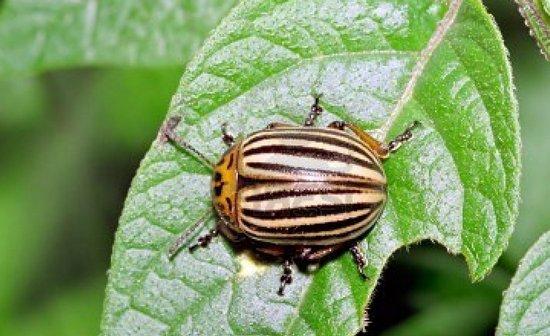
Description of beetles and larvae: The pest has a convex body, up to 10 mm in length. A distinctive characteristic is the rigid elytra, striped with alternating black and yellow colors.
If you bring your hand close to the bug, it falls down on its back, pretending to be dead.
The larvae are thick worms that crawl along the surface of potato leaves. Their bright red or orange bodies are segmented, with black dots visible on the sides. The head and legs are very hard and black. The creatures are active and begin to crawl away when picked up.
Wireworms
These pesky soil-dwelling worms consume potato stolons and succulent stems. They show no outward symptoms, so preventative measures are used rather than control. Their presence can be prevented early, as their presence can be detected while digging potatoes.
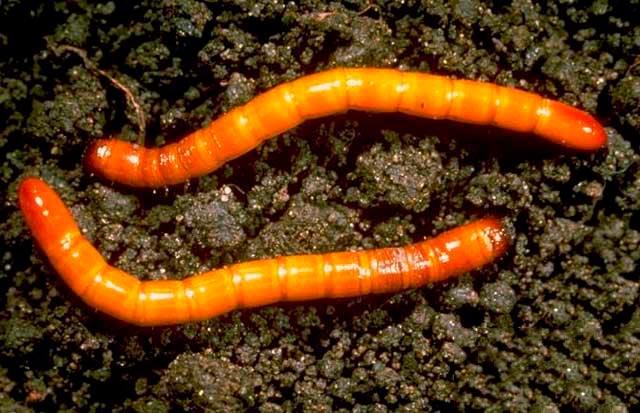
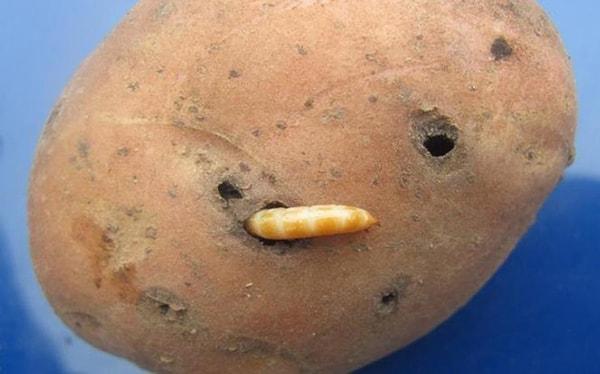
The wireworm is the larva of the click beetle, with an elongated body and thick skin that cannot be crushed with fingers. On one side of the body are antennae. The worm is yellow, white, or cream-colored, with a brown head. As a worm, the larva can live up to 5 years, burrowing into the soil to a depth of 60 cm.
Hardworms burrow into potato stems and tubers with their powerful mouthparts, leaving passages where mold grows, and the plant dies. If the potato survives, the tubers often have a gnarled appearance due to underdevelopment.
Naked slugs
It's quite rare to see naked slugs on potatoes, but they do happen. These "liquid substances" crawling on their bellies are shell-less mollusks. They are quite large pests, ranging from 3 to 6 cm in length. One can imagine the damage they cause.
They are active at night, when it's cool and dewy. They don't tolerate dry weather, as they move using a special mucus. The mollusks feed on young potato tops, leaving behind huge, irregularly shaped holes. They leave the stems, stolons, and central veins of mature potatoes alone.
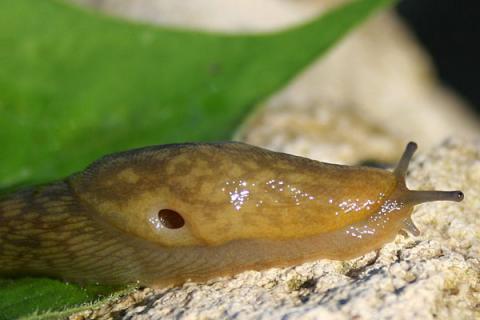 Important! Slugs are carriers of bacterial infections, namely late blight.
May beetle
Has anyone encountered the larvae of the May beetle, also known as the cockchafer? Why is the beetle so small, while the caterpillar is so plump and juicy? Indeed, at such a size, the May beetle larva can cause significant damage to the potato crop. It develops in the soil. If it develops in fertile soil, its size increases.
Take a look Also
The female pest emerges in mid-spring, immediately laying up to 70 eggs. A couple of weeks later, a thick, white, coiled caterpillar emerges. It has a segmented, milky-colored body. Black or brown dots are visible on its sides. The caterpillar's head is clearly visible, resembling a brown shell.
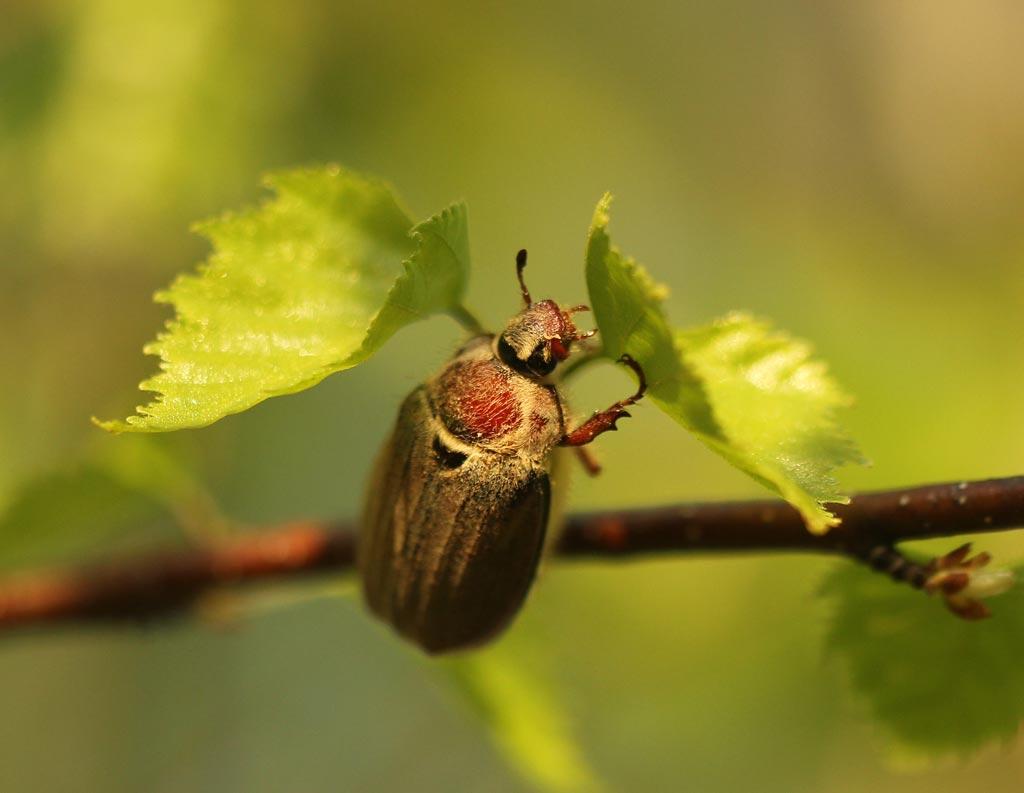
The pest larvae have a distinctive feature: in the first year of life, they feed on organic matter, enriching the soil with the products of their vital activity; in the second year, they begin to cause harm, eating the roots and tubers of potatoes.
While feeding on roots and tubers, potatoes begin to wilt, and these signs indicate the presence of caterpillars in the soil. While wireworms leave small tunnels, only a few millimeters in diameter, the pest's caterpillars create tunnels many times larger in diameter. The holes are large enough for the pest itself to fit inside.
Potato moth
Despite its tiny size, the potato moth can cause damage to 80% of the entire potato crop. The moth is quite small, up to 8 mm in length. The pest is unpretentious in weather conditions, laying its eggs on the underside of potato leaves. A single egg mass can contain up to 20 eggs.
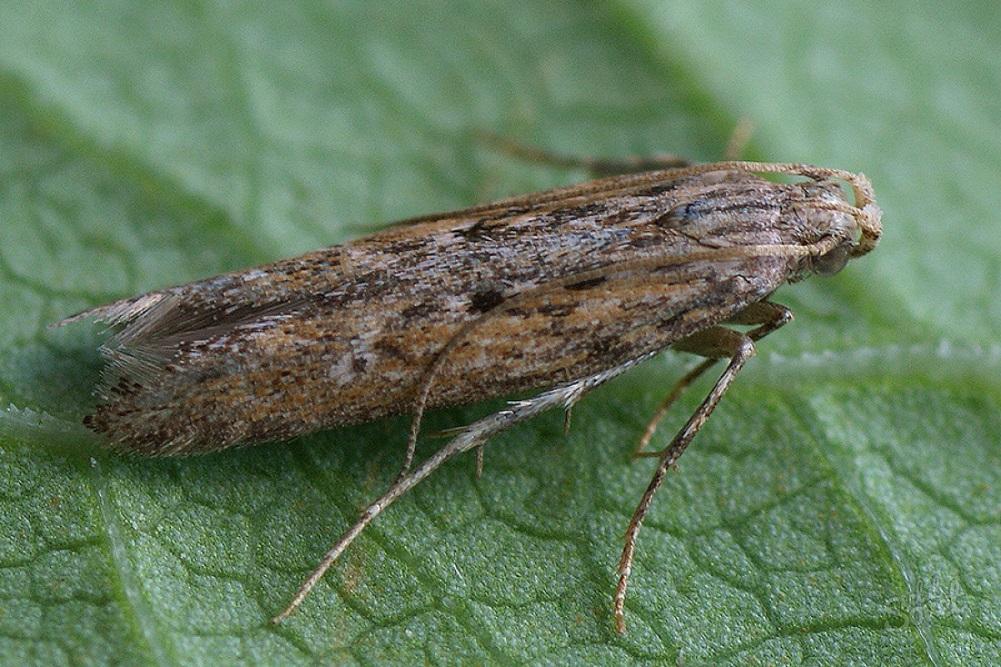
After a few weeks, tiny caterpillars emerge and begin devouring the cultivated plants. They typically live on the underside of leaves, which is why gardeners often don't notice the problem right away. After the potato tops dry out, the larvae move up the trunk to the tubers, penetrating through cracks and buds.
Important! Gardeners often mistake the potato moth for a fly, but it's not. It's a moth that causes damage to agriculture by reducing the quality of seed.
Large potato aphid
A small pest of the order Hemiptera that feeds on potato leaves. The insect's body length is 3-4 mm. Individuals can be winged or wingless. The aphid's color ranges from yellow to green. It can inhabit any plant, but prefers the succulent tops of potatoes.
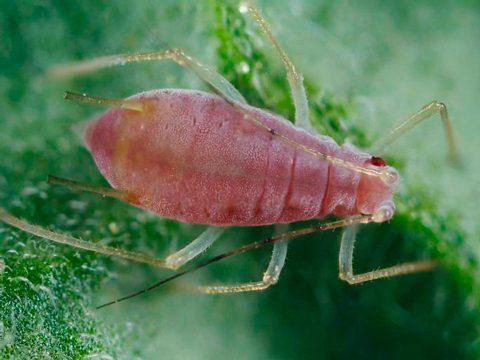
Potato aphids have powerful piercing-sucking mouthparts. By piercing the leaf surface, the proboscis penetrates the cells and sucks out the sap. Leaves may dry out completely or partially.
At the end of summer, the pest can move from one garden to a neighboring one, where it lays its eggs.
After an aphid infestation, the leaves become coated with honeydew, a sweetish liquid that attracts other insect pests. This symbiosis destroys the crop within days.
Mouse-like rodents
In some regions, vegetable gardens are frequently attacked by rodents. They ruin the entire plot's harvest by eating roots and tubers, and also disrupting potato growth by digging up and partially chewing them.
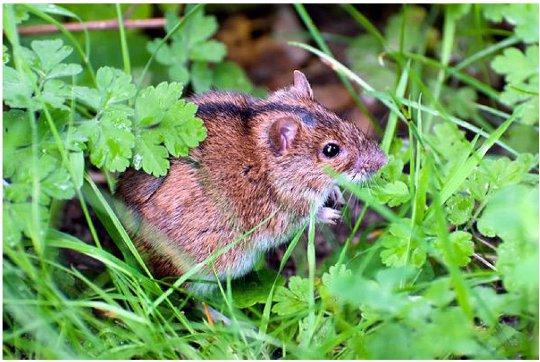
If you examine potato tubers where more than half is damaged, it means the insect won't cause much damage. The culprits are small, mischievous creatures: moles, mole rats, house and field mice, and rats. Even water rats, which live in water, are not averse to feasting on potato roots if there's a garden nearby.
Nematodes
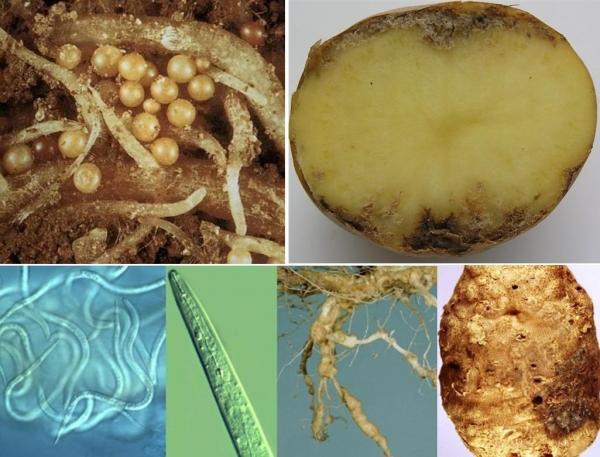
If there is goldenrod on the plant potato nematode, which eats roots and tubers, is difficult to spot. This microscopic worm destroys tubers, living in the soil for several years. Eggs or cysts are laid in the fall, and with the warm spring weather, the whitish worms begin to emerge and consume potato tubers en masse.
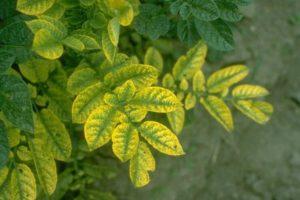
Important! Nematode infestation can be identified by yellowing of the lower leaves of the vegetable.
Nematodes penetrate the potato root system, live, feed, and reproduce there. In the fall, when the potatoes are dug up, the eggs fall to the ground, and the pest's life cycle continues.
Mole crickets
Mole crickets are large insects (up to 8 cm) that burrow in the ground and feed on potato tubers and root vegetables (carrots, beets, celery). These insects, members of the Orthoptera family, are capable of flight, but not at high altitudes, allowing them to migrate to other areas.
It lays up to 500 eggs in a single clutch. This occurs in warm soil, at a depth of up to 15 cm. The eggs are clearly visible to the naked eye. They are yellow in color and round in shape. It destroys all types of cultivated garden and vegetable crops, except garlic.
Cutworm caterpillars
The culprit is a caterpillar whose parent is a small cutworm moth. The moth is grayish or beige in color and up to 2 cm in size. Its wings have distinct dark spots, and its back and head are covered with dense hairs. They like to nest in the darkest corners of potatoes: under fences, near tall plants (sunflowers, corn).
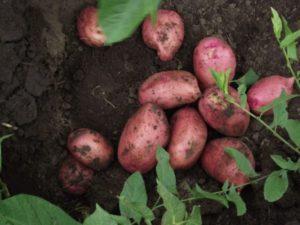
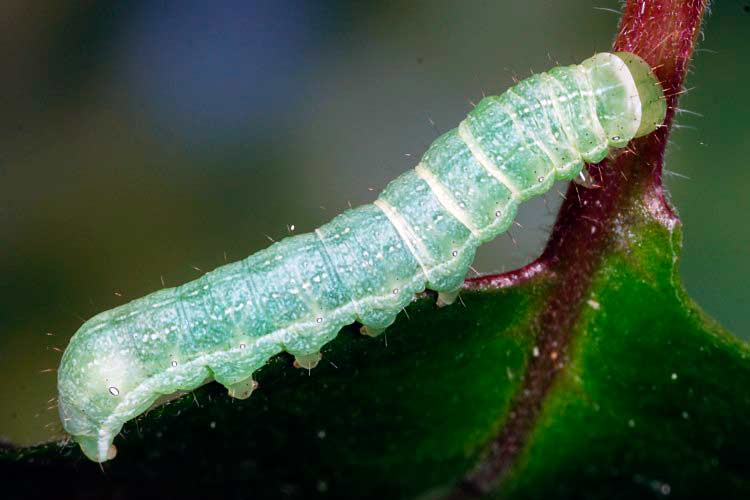
The caterpillars are large and feed not only on potatoes but also on certain fruit crops, such as raspberries, rhubarb, and strawberries. This is not the entire list of the insect's obvious preferences. The feeding process occurs at night. The caterpillars primarily gnaw on stems, leaves, and roots.
Potato flea beetle
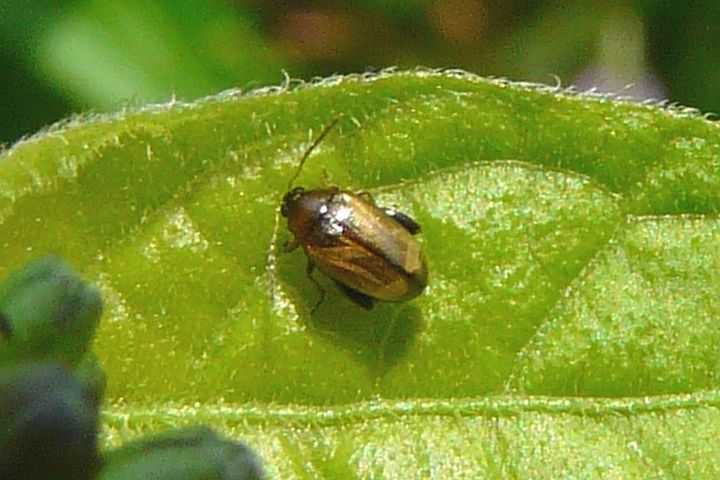
These tiny bugs feed on potato leaves, moving quickly through the bushes. The pest is just over 2 mm long, has three pairs of legs, and wings. The bugs are black, with brown legs. They naturally have a slight sheen.
Flea beetle larvae feed only on the surface layers of leaves, leaving behind depressions or complete holes.
Adults consume all the greenery, which can kill the potatoes. Larvae can descend along the stems into the soil, damaging the tubers of nightshades. These beetles don't inhabit a garden alone; up to 100 can be found on a single plant.
Leafhoppers
Leafhoppers are hemipteran insects that can leap long distances. They come in a variety of colors and sizes, typically ranging from 1 to 3 cm. These pests typically reside in anthills. During the day, they emerge to feed on plant sap. They pierce the flesh of leaves with their proboscis and extract the sap, infecting the potato plants with viruses. The parts of the plant where the cicada has settled usually die.
Potato shpanka
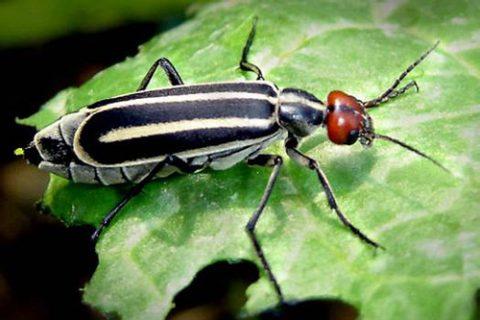
The Spanish beetle is a heat-loving beetle with a distinctive coloration. Its body and elytra are black, and its head is bright red. The elytra have white stripes. The body is elongated, about 1 cm.
The key to fighting potato weevil is to detect and eliminate it promptly; otherwise, a massive infestation can wipe out your entire crop within a couple of weeks. Potato weevil attacks the leaves and young shoots of potatoes.
Bedbugs
The potato bug is a small pest, up to 6-8 mm in length. It is pale green in color. Besides potatoes, it can also infest roses, chrysanthemums, and cabbage. The bug has long antennae. These pests have no distinguishing features.
The pests are caused by bug larvae. They suck the sap from flowers, shoots, and leaves. Infectious spots appear where the nymphs are present, causing the potato plants to stop growing, shoots to curl up, and flowers to fall off.
Pest control methods
The following methods will help you get rid of the listed pests on potatoes using various means: chemicals, manual methods, and folk remedies.
Mechanical methods of control
Mechanical control methods involve manually collecting pests from the surface of potatoes, similar to how gardeners collect Colorado potato beetles or potato slugs. This is, to a certain extent, an effective method, but it requires considerable effort and time. Collection is only possible with larger pests, which will not fly away in the presence of humans. The same cannot be done with burrowing insects.
The latter can be destroyed by deep digging in the fall and spring. Knowing the depth at which insect larvae and eggs are found, people use various methods of plowing their gardens. This forces the eggs and pupae to the surface, where they die in the freezing temperatures.
In addition, in the fall, it is essential to remove weeds from the area where pest eggs may be present.
Vegetable storage facilities, where eggs may be deposited along with the potato harvest, are treated for the same purpose. In warm regions where May beetles are common, they are trapped by turning on lights and catching them at night using various devices, such as nets made of fine fabric. May beetles are naturally attracted to light, making them easier to catch.

Homemade traps and snares are used to control rodent pests. Ultrasonic repellents are installed around potato plantings, which are effective. Smoke bombs and sulfur candles are dropped into burrows. Ultimately, they attract cats and dogs.
Chemicals
The use of chemical pest control is the most effective method, especially in cases of widespread infestation of potato crops. The most effective are:
- The same pesticide should not be used annually against the Colorado potato beetle, as this can lead to addiction. The following pesticides are used to control it: Colorado, Iskra, Marshal, Taboo, Sumicidin, Prestige, Decis, Temp, and Zarevo.
- To kill cutworm caterpillars, both on the surface and in the soil, use Zolon, Prestige, Inta Vir, Dursban and Danadim.
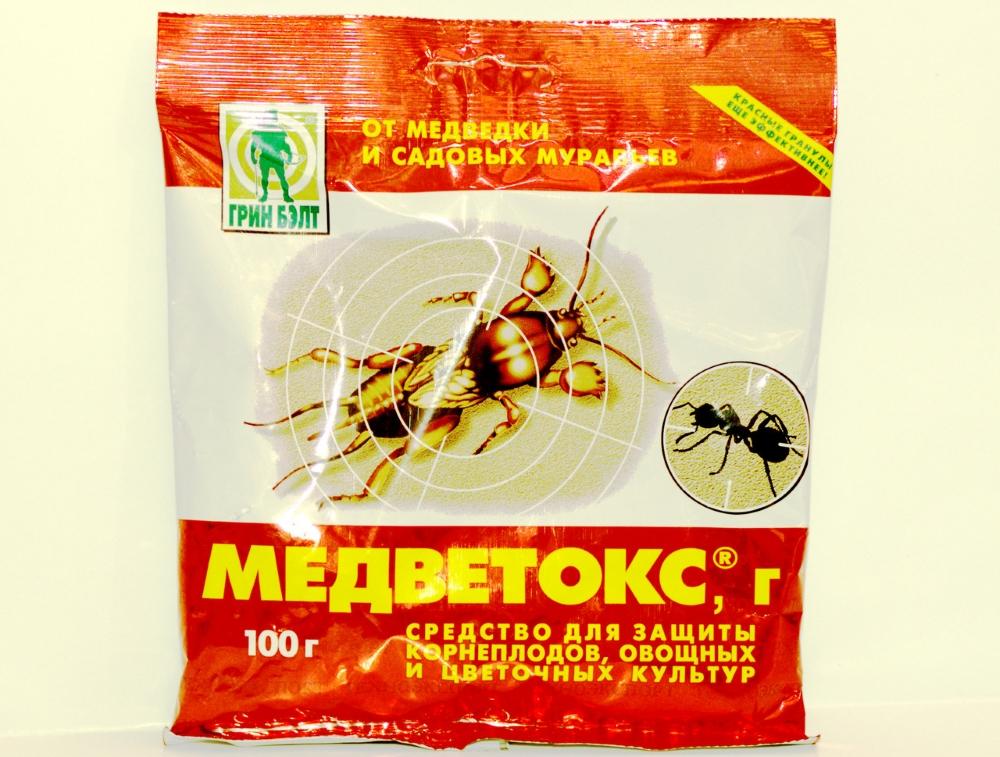
- To prevent mole crickets from laying eggs and to prevent them from laying eggs, treat the plantings with Medvetoks and Medvecid. Many gardeners also resort to Fenaskin+ and Regent.
- Such work is not carried out against wireworms due to its low effectiveness.
- The following chemicals can defeat nematodes: "Bi 58" and "Dimethoate".
- Rodents can be exterminated using pesticides sold at any veterinary pharmacy.
Typically, the insecticides listed have a broad spectrum of activity, meaning they kill a range of pests. If a product is listed for the Colorado potato beetle, it can be used to treat other potato pests. All actions must be carried out in accordance with the attached instructions: dosage, quantity for different crop types, insect species, preparation method, and hazard class.
Traditional methods
It's not always a good idea to use chemicals. Many healthy lifestyle advocates will use all available and well-researched remedies, which are no less effective:
- The Colorado potato beetle, like many other pests, dislikes the aroma of certain herbs: marigolds, calendula, parsley, and other aromatic herbs. It is recommended to plant flowerbeds of these flowers near potatoes. This is now likely a myth, as over the years, the beetle has even developed a taste for certain chemicals. A wormwood infusion is used as a treatment. The herb is chopped, steeped in boiling water, and then watered or sprayed over the potato leaves.
- To protect potatoes from flea beetles, use ash, tobacco dust as a pollinator, and a solution of table salt under the bush. A more effective solution is to combine these ingredients with chamomile tea.
- Some pests don't like onions and garlic, so by spraying the potato leaves with an infusion of the products, you can drive away the onion, bedbug, and flea beetle.
- Mole crickets don't tolerate rich, high-fertility soil, so an infusion of chicken manure will repel them from your garden. Add 2 kg of manure to a bucket of water and let it steep. The working solution consists of 1 part infusion to 5 parts water. Apply the infusion only to the infested areas under your potatoes.
- It is also recommended to treat potato tubers with potassium permanganate before planting, which will reduce the percentage of damage by nematodes and wireworms.
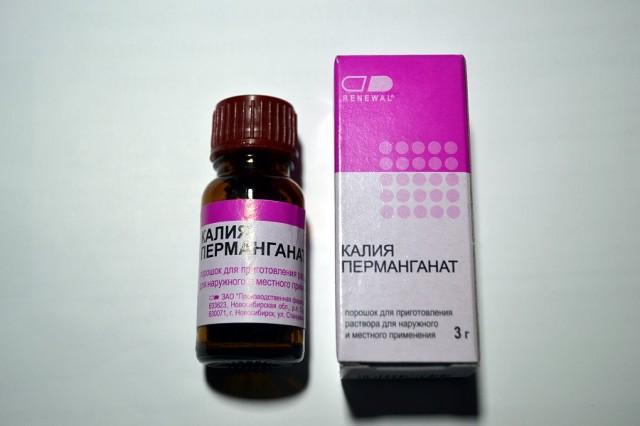
IN When fighting wireworms, it is important to select potato varieties, resistant to pests.
Preventive measures
Prevention is key to combating insect pests. Preventing their occurrence by treating planting material and soil in advance is crucial. This preventative work includes:
- It has already been noted that strongly scented companion plants, such as basil, beans, and cilantro, are planted around potatoes. Their phytoncides will mask the smell of nightshades, reducing pest activity. Coniferous spruce branches are placed between the rows, acting similarly to grass. These measures will repel the Colorado potato beetle.
- Apply spring fertilizers during digging, namely urea at a rate of 1 kg/m2, which will lead to the death of the nematode and its eggs.
- Deep autumn and spring digging, planting legumes around the perimeter, and removing weeds from the garden in the fall will help drive wireworms away from potatoes.
- If you add an iodine solution (a teaspoon per bucket of water) to the potato planting hole, you'll be free of mole crickets for the entire season. They also dislike the smell of coriander and marigold.
- To prevent rodents from gnawing out potato tubers, you need to identify their holes and fill them with crushed stone, and place a sound repeller nearby; it’s best to get a cat.
All recommended measures must be implemented promptly and efficiently. If left untreated, you'll have to resort to chemicals, which will significantly reduce the quality of your potatoes.
Related posts:
 Why potatoes aren't growing well in the garden, and what to do to ensure a bountiful harvest
 Description and treatment of potato diseases, methods of control using folk and chemical means
 Description of the best potato varieties of domestic and foreign selection
 Description and characteristics of the Jelly potato variety, planting rules and care
 How to properly prepare planting material and when to plant potatoes to get a rich harvest
 Description of the best potato varieties for 2025, selection for regions
 Description and characteristics of the Rodrigo potato variety, cultivation and care
 Description and characteristics of the Colette potato variety, planting and care instructions