
Withering potato tops This is a natural process that occurs during harvest. Foliage discoloration before harvest indicates a disruption to the seedlings' growth. If potato tops turn yellow prematurely, it's important to know what to do to preserve the harvest. It's important to understand the cause of the yellowing and take measures to protect the fruit.
Should I be alarmed if my potato tops turn yellow?
Not all cases of potato leaves turning yellow indicate a need to worry about the safety of the root crops.
First, you should find out the reason for the color change, which may be as follows:
- high ambient temperature;
- insufficient content of phosphorus, nitrogen and other fertilizers in the soil;
- the appearance of pests or plant diseases.
If you notice that the leaves on your seedlings are drying out, you will need to eliminate the cause of this process, after which the plants can acquire a normal color and continue to grow actively.
In order to take timely measures, it is recommended to periodically visually inspect the plantings.
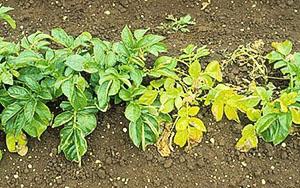
Temperature and humidity
Unfavorable temperature and humidity conditions are the most common cause of yellowing of the lower leaves on potatoes. During drought conditions, the condition often spreads to the entire plant. Even during periods of prolonged rainfall or with consistently moist soil, high temperatures lead to improper root development.
Optimal conditions for growing potatoes are a moderate climate, uniform watering and low temperatures up to 25 degrees. Humidity levels should be maintained at 70% throughout the growing season. In arid areas, additional irrigation is required, which is also beneficial for combating late blight.
Lack of fertilizers
Another reason why the lower leaves of potato plants turn yellow is insufficient nutrient supply to the soil. Plants may be deficient in the following essential micronutrients:
- Nitrogen. With low nitrogen levels, seedling leaves gradually wilt and fall off. To further mature the bushes, fertilizer must be added to the soil, after which the plants will begin to grow leaves and form new tubers.
- Phosphorus. This substance promotes root development and accelerates fruit formation. A phosphorus deficiency can cause seedlings to struggle in hot weather, preventing the bushes from reaching the desired height, and causing leaves to fall off.

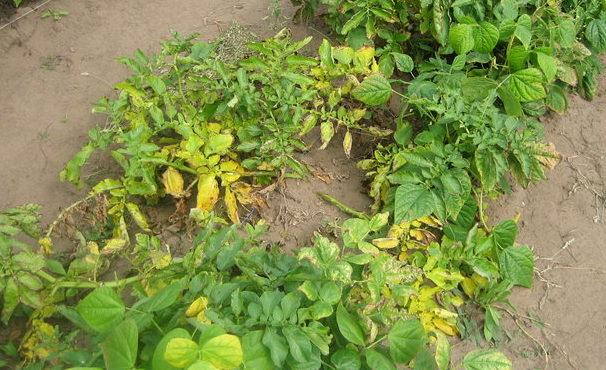
- Potassium. Insufficient levels of this micronutrient reduce plant immunity and negatively impact the taste of fruits.
- Iron. Iron deficiency causes leaves to not only turn yellow but also begin to dry out. You can stop the wilting process by fertilizing with a copper sulfate solution.
Development of the disease
Yellowing of potato plant foliage during the ripening period can be caused by disease. Diseases occur due to improper care, excess soil moisture, mechanical damage, and unsuitable climate conditions. If the yellowing of leaves is due to a plant disease, control measures must be taken based on the specific disease.
You can determine the disease affecting your plant through visual inspection. The presence of certain characteristic signs can help you pinpoint the exact disease or identify the pest.
Fungal and bacterial diseases of potatoes
The most common category of diseases are fungal and bacterial, which cause yellowing of the lower leaves. Initially, spots appear only on the leaf margins, but the disease eventually spreads to the entire above-ground portion of the plant.
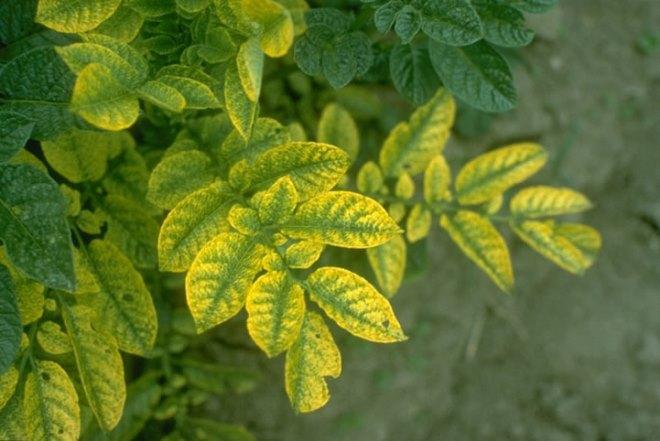
To prevent fungal diseases, it's recommended to plant early varieties. As a preventative measure, a week and a half after sowing, treat the soil with a solution of crushed garlic and water. During budding, fungicides are beneficial.
Excessive soil moisture is the cause of bacterial and fungal infections. Excessive moisture leads to root rot and the death of root crops.
Non-parasitic diseases of potatoes
Non-parasitic diseases arise from improper plant development due to unstable ambient temperatures, root damage, or increased soil acidity. When any of these factors are present, the tubers dry out and the leaves begin to turn yellow quickly.
There are several measures for preventing and controlling non-parasitic diseases. Crop rotation rules must be followed and new potato tubers should be planted in the same beds no sooner than 3-4 years after the previous harvest. It is also important to use high-quality planting material, regularly remove weeds, remove infected bushes, and apply insecticidal and fungicidal fertilizers.
For treating garden beds, it is recommended to use a copper sulfate solution at a ratio of 10 grams per 10 liters of clean water. The plants themselves should be sprayed with copper oxychloride, using no more than 2 grams per square meter.
Viral diseases
Potato diseases caused by viruses lead to reduced yields and discoloration of the potato tops. Potatoes infected with viruses risk losing more than half of the planned harvest. To prevent these diseases, it is recommended to use healthy planting material, apply fertilizer to the soil, and follow basic plant care guidelines.
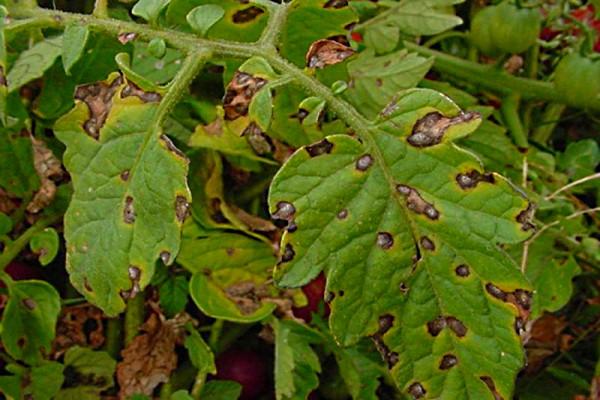
To combat yellowing, treat the soil in the beds with wood ash. To prevent further damage to the plants, identify the cause of the disease and eliminate the source of the virus.
Pest attack
The presence of harmful insects in the garden beds is another cause of yellowing tops. Potato plants are attacked by pests such as:
- A potato nematode that lives in the soil and feeds on the sap of the root system. The insect chews through the roots, causing the stems and foliage to turn yellow. If the nematode is present in the soil, yield losses can reach 80%.
- The Colorado potato beetle feeds on the foliage of bushes. Large beetles actively attack the above-ground portions of seedlings, causing the plants to wilt. To control this pest, antiparasitic agents should be used throughout the growing season.
- Wireworms are worm-like pests with three pairs of legs. When they appear in the soil, they gnaw through tubers, leaving tiny cracks through which pathogens can enter. These pests cause the fruit to rot, and the potato tops to wither and dry out.
- The mole cricket, which grows up to 5 centimeters in length and has powerful digging appendages, lives in the soil and damages early seedlings by gnawing through the underground parts of plants. Regular plowing and loosening of the soil is required to control the mole cricket.
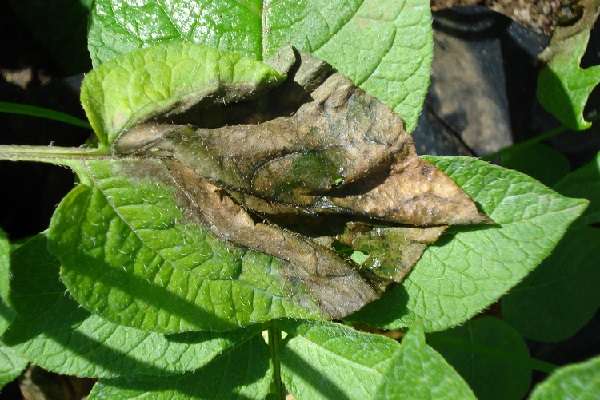
Potato parasites
Small parasites, difficult to detect by visual inspection of the crop, also cause potato tops to turn yellow during the growing season. To prevent parasites, it is recommended to plant rye, peas, oats, and marigolds in the beds near the potatoes.
Before planting the tubers, treat the soil with insecticides and apply fertilizer. Apply about 1 kilogram of urea per 100 square meters of soil to repel pests. A solution of crushed potato sprouts and water is also effective; simply water the soil before planting.
Harmful insects
The negative impact of any insects results in yellowing of the foliage and reduced yield. Therefore, timely pest control measures are crucial.
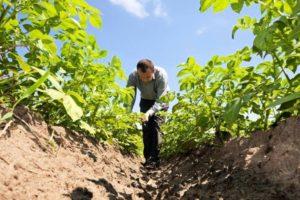
Large pests can be removed from the beds manually, after which the plants can be treated, but smaller parasites can only be destroyed using chemicals.
Plant protection
If you notice yellowing on the leaves of your potato tops, first analyze the growing conditions. If necessary, adjust the frequency of watering and soil fertilization. If pests or diseases are detected, treat the plants with chemical disinfectants.
If the seedlings are developing normally, then preventative measures will not be superfluous, as they will help reduce the likelihood of the tops wilting.
To maintain the green mass of your potato crop in good condition, it's recommended to regularly inspect the plants for defects. By detecting yellow spots on the leaves at an early stage, you can eliminate the problem without affecting the quality of the harvest. Particular attention should be paid to seedlings when the first shoots emerge and the root system begins to develop.
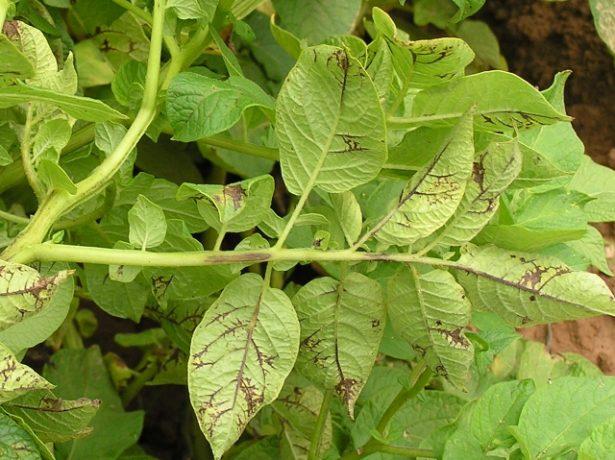
Advice from a seasoned gardener
Experienced gardeners who grow potatoes annually have practical recommendations for protecting plants in various situations. In addition to the standard rules, the following tips should be followed:
- If the tops turn yellow and dry out due to rotting of the lower part of the bushes, the affected plants should be removed from the garden bed and destroyed to prevent the infection from spreading to other seedlings;
- Treatment of plants with fertilizers and disinfectants should be carried out not only in the presence of diseases, but also for preventive purposes, to maintain intensive growth and formation of tubers;
- Fertilizers should be added to the soil even before planting, so that the soil is pre-saturated with mineral and vitamin components that promote accelerated ripening.
Related posts:
 Why potatoes aren't growing well in the garden, and what to do to ensure a bountiful harvest
 Description and treatment of potato diseases, methods of control using folk and chemical means
 Reasons why potato tops turn black and dry out, what to do, and how to combat it
 Description and treatment of potato pests, control measures
 Causes and treatment of eggplant pests and diseases, how to combat them at home
 Why do potato leaves curl and what can be done to treat it?
 The best eggplant varieties for growing in a polycarbonate greenhouse: planting and care
 Why carrots turn yellow and dry out in the garden and what to do about it
When I started feeding all my vegetables BioGrow, then my problem completely disappeared, it really helps a lot, and they grow faster and are less susceptible to diseases.