
It's hard to imagine a garden without potatoes. We're used to seeing them on the table almost every day. Holiday dishes are incomplete without them. Particular attention is paid to their cultivation. To ensure a bountiful harvest, potatoes are recommended to be fed throughout the growing season. The vegetable responds favorably to mineral and organic fertilizers. Gardeners also use infusions.
Why fertilize potatoes?
Planting potatoes Potatoes often remain in one place because there is no option to choose another field. The plant intensively consumes nutrients. Potatoes grow poorly in depleted soil.
If nutrients aren't replenished annually, tubers will become smaller, the crop's flavor will deteriorate, and the yield will decline. Fertilizers not only replenish the nutrients needed for tuber growth, but also protect against diseases and pests and boost immunity.
Types of fertilizers for potatoes
Fertilizers for potatoes are conventionally divided into 2 types: organic and mineral origin.
Minerals
To achieve a good harvest, vegetables require mineral fertilizers. Potatoes respond well to potassium chloride, rock phosphate, urea, superphosphate, and ammonium nitrate. Complex fertilizers, such as Kemira Potato, are a good solution.
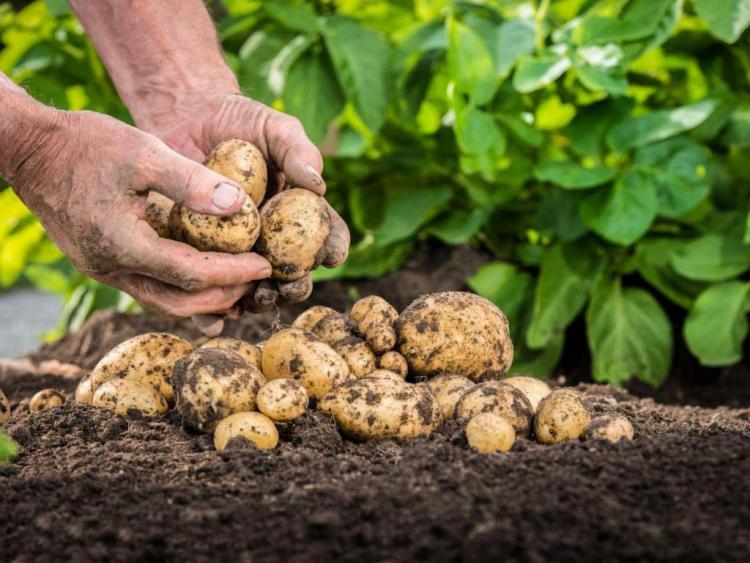
Gardeners determine which component a crop needs most after analyzing the soil.
Organic
Fans of natural ingredients choose organic fertilizers. These fertilizers are harmless to plants and human health, resulting in an environmentally friendly product. Organic fertilizers contain most of the elements in the periodic table: magnesium, boron, iron, phosphorus, molybdenum, and so on. These elements are of plant and animal origin.
Common fertilizers include: humus, manure, bird droppings, peat, and compost.
Manure
Waste from various types of animals is called manure. It's not used fresh. There are several reasons for this: the crop "burns," and it contains harmful bacteria and parasites. Manure is aged for several years to form humus. Alternatively, infusions are prepared for spraying on tops of crops or added to the soil during tilling.
Bird droppings
Chicken and pigeon manure are considered the most valuable. Goose and duck manure are a step below. When using this fertilizer, the proportions are strictly observed, as excess leads to nitrate accumulation. Raw manure is distributed as follows: 0.5 kilograms per square meter of soil, and dry manure is distributed as follows: 0.2 kilograms per square meter of soil. Infusions of manure are used for root feeding.
Peat
The physiological properties of the soil improve after adding peat: the soil becomes airy and breathable. Humus content also increases, and nitrate levels in fruits decrease.
Compost
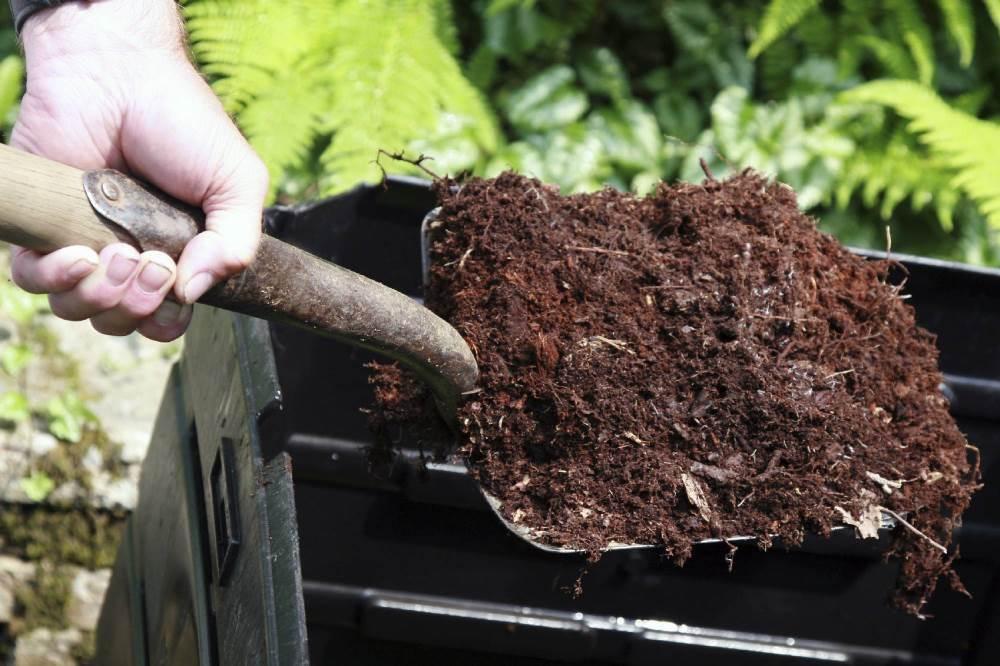
A hole is dug in the area and layers of plant waste, peat, and sawdust are added. Each layer is watered and stirred regularly. The result is compost after decomposition. The longer the materials are left to mature, the more nutritious the compost becomes. The pit's composition can be combined as desired: compost from plants, manure, or other organic matter.
Folk remedies
Gardeners use infusions of various herbs, even weeds. They pour water over the green mass and let it steep. After fermentation, the concentrated infusion is diluted to the consistency of a weak tea and applied to the roots or under the stake. The mixture should not come into contact with the tops of the plants.
Yeast feeding
Fresh yeast (500 grams) is added to water. Once the yeast has activated, add 3 liters of water and let it sit for 6 hours. Before use, add 10 parts water to 1 part working solution. Use the entire diluted fertilizer. Otherwise, the fertilizer will lose its properties. The soil must be warm for the yeast to activate.
After planting, valuable fertilizers include infusions of mullein, bird droppings, and nettles.
Infusion 1
A bucket of water is poured into a liter jar of cow manure and mixed thoroughly. A half-liter jar of the mixture is poured under each sprout.
Infusion 2
Mix one kilogram of chicken manure with a bucket of water. Let it sit for 24 hours. Stir before adding.
Infusion 3
The nettles are finely chopped, covered with warm water, and left to ferment. After three days, they are strained and watered to make a weak tea. The infusion is then watered between the rows.
Wood ash infusion
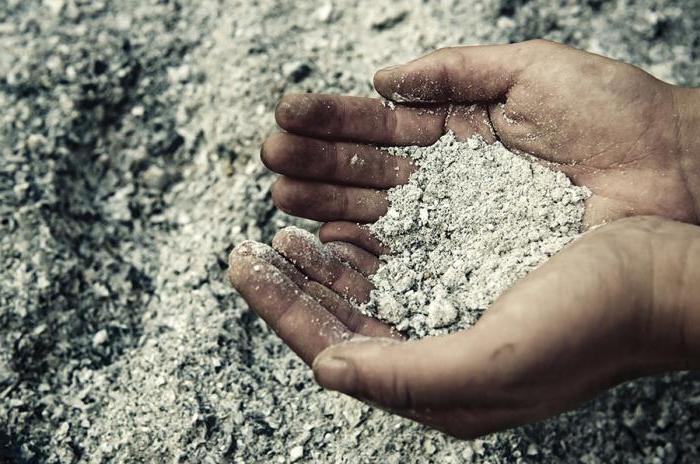
Dissolve three to four tablespoons of wood ash in a bucket of water. Moisten the soil before fertilizing. Infusions stimulate plant growth and replenish nutrients to ensure large, healthy tubers.
Timing of fertilizer application
Potatoes require fertilization at planting and throughout the growing season. Fertilization is typically applied in three stages:
- after germination;
- during budding;
- during the potato flowering period.
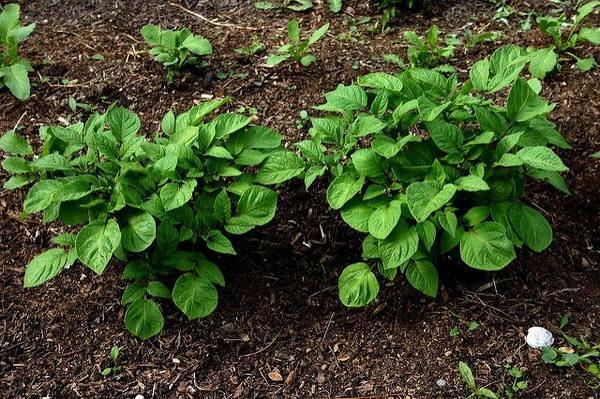
The first application of fertilizer is done during the initial hilling. The soil is watered and loosened beforehand.
How to feed the crop
Fertilizer can be applied in several ways: under the root, on the tops, under the stake, superficially:
- To apply fertilizer under a stake, holes are made near the bush and liquid fertilizer is poured into them.
- With the surface method, the bait is scattered over the ground.
- Foliar feeding is carried out by spraying the bush.
- Root feeding is carried out after watering, loosening, near the bush.
Gardeners most often use the last two methods.
Fertilizer when planting
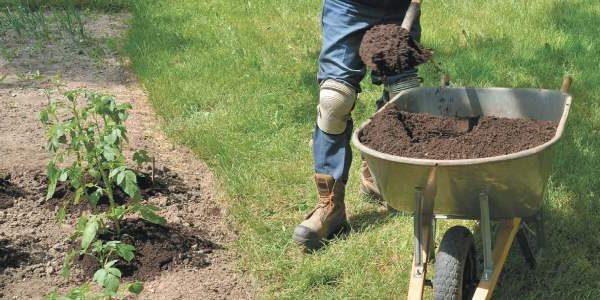
Various fertilizers are used during planting. Organic matter, such as humus and compost, is best applied in the fall. Spread it over the area at a rate of 15 kilograms per square meter. Then, plow or dig the soil by hand to the depth of a spade. If fertilizer wasn't applied in the winter, add it to each hole during planting. Dosage: a half-liter jar of organic matter per hole. Alternatively, use humus with 5 tablespoons of ash.
When using mineral fertilizers, add 1 tablespoon of nitrophoska to each hole. Alternatively, apply 15-20 grams of Kemira Potato Complex Fertilizer. In the central part of the country, potatoes are planted in late May. Therefore, it's advisable to plant green manure in early spring. Legumes such as vetch and peas are good predecessors. Before planting potatoes, plow the green manure into the soil.
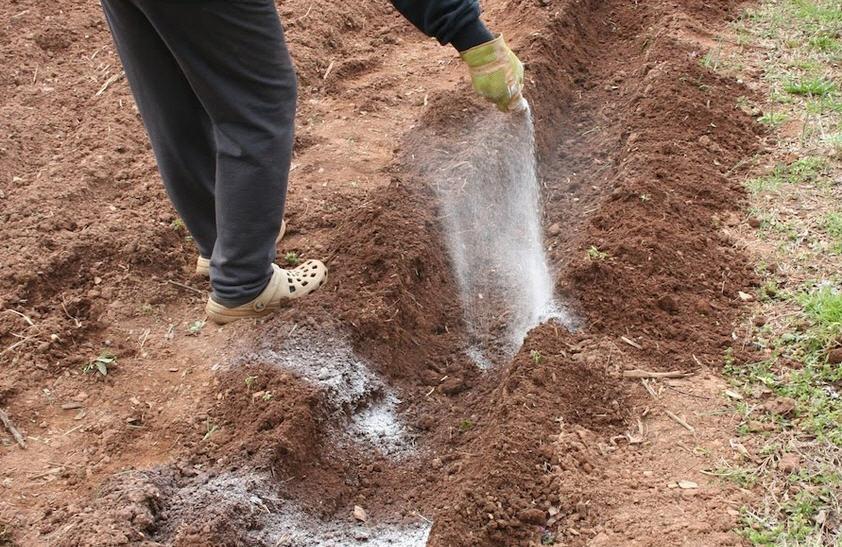
Root feeding
The first root dressing is applied 10 days after the sprouts emerge. This procedure is performed after rain. The soil is cleared of weeds. If there is no precipitation, water the crop thoroughly, loosen the soil, apply fertilizer, and hill up the vegetables.
Organic or mineral fertilizers are used as bait, for example:
- Prepare an infusion of nettles and weeds.
- Using urea. Dosage: Add 1 tablespoon of the product to 10 liters of water.
- 2 handfuls of humus are scattered around the tree trunk.
- Infusion of bird droppings.
During the budding period, the crop requires potassium fertilizers:
- Add 30 grams of calcium sulfate to a bucket of water. Dosage: ½ liter jar per plant.
- Ash and fertile soil are mixed in equal parts and distributed around the tree trunk circle.
- Combined fertilizer: ash – 30 tablespoons, 10 teaspoons of potassium sulfate.
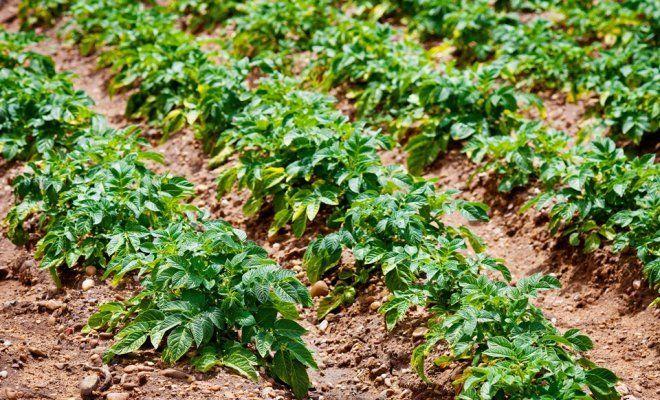
The third feeding is during flowering. Use a handful of mullein with 2 tablespoons of superphosphate. Add the mixture to a bucket of water and stir. Two cups of the working solution is sufficient for each vegetable.
Foliar feeding
Some gardeners prefer foliar application using a sprayer. This method quickly delivers nutrients to the plant through the leaves, which can also be used to detect any nutrient deficiencies.
Shortage:
- nitrogen - leaves turn yellow and fall off prematurely;
- boron - growth points fall off;
- manganese - brown spotting appears;
- phosphorus - acquire a purple color;
- potassium - the edges of the leaves dry out.
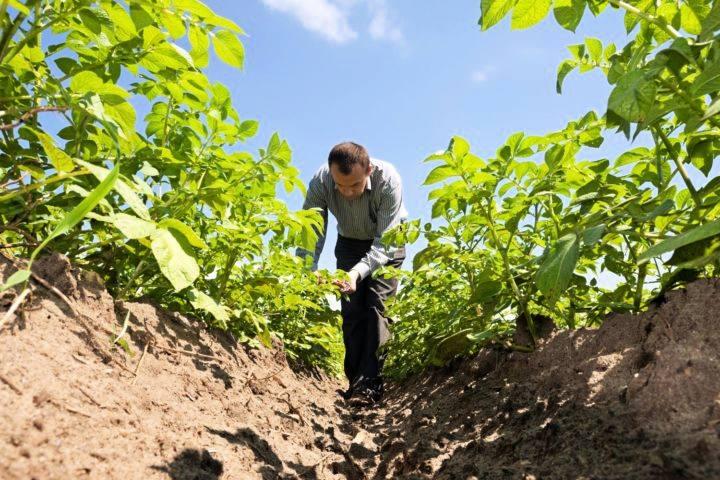
In case of shortage:
Nitrogen
Urea is used as a spray. The concentration used is half that used for root feeding.
Bora
Foliar feeding: 1 gram of boric acid per 10 liters of water.
Manganese
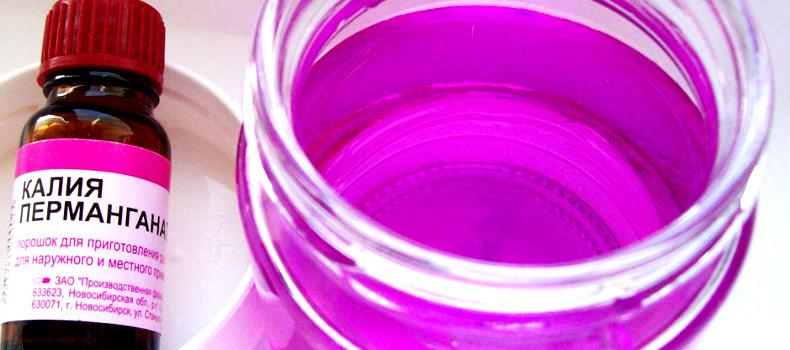
Root feeding: 25 grams of manganese fertilizer per hundred square meters.
Phosphorus
Spray with a solution: dissolve 300 grams of superphosphate in a bucket of water.
Potassium
Dissolve 300 grams of calcium sulfate in 10 liters of water. Potassium and phosphorus fertilizers are used together, increasing their effectiveness.
Foliar feeding requires meeting certain requirements:
- Strictly observe the concentration of the solution.
- If you're unsure about the specific element you're lacking, reduce the concentration to avoid harming the plant. After 10 days, changes will indicate whether to continue treatment or not.
- Spray in the evening, covering all the tops, including the lower part of the leaves.
- Remove damaged leaves, as they will not recover.
Recommended mineral fertilizers include azophoska, nitroammophoska, saltpeter, and urea. They are highly water-soluble. Organic fertilizers include ash and manure infusions. After rain, ash can be spread through a sieve onto the tops of the plants.
Related posts:
 The best eggplant varieties for growing in a polycarbonate greenhouse: planting and care
 What is the best way to feed tomato seedlings to make them plump?
 What is the best way to feed carrots? Fertilizers and preparations, using folk remedies.
 What fertilizers and when to use for feeding tomatoes in a greenhouse
 How to properly plant peas in a greenhouse and open ground
 How to propagate and grow peas, cultivation technology, and care in open ground
 How to use and prepare manure as a fertilizer, its types and composition
 How to feed and what fertilizers are best for blueberries, soil acidification