
- Nutrients needed by greenhouse tomatoes
- Nitrogen
- Potassium
- Phosphorus
- Micronutrients for good tomato growth
- Zinc
- Bor
- Magnesium
- Manganese
- How to tell if tomatoes need extra nutrition
- How to feed plants in greenhouses
- Folk remedies
- Watering with chicken manure
- Ash
- Iodine
- Yeast
- Compost
- Green fertilizer from nettles
- Mullein
- Succinic acid
- Onion peel
- Boric acid
- Milk whey
- Hydrogen peroxide
- Store-bought fertilizers
- GreenOK
- Rosasol
- Asvit
- The order and stages of the procedure
- After landing
- During the growing season
- During fruiting
- Seasonal feeding
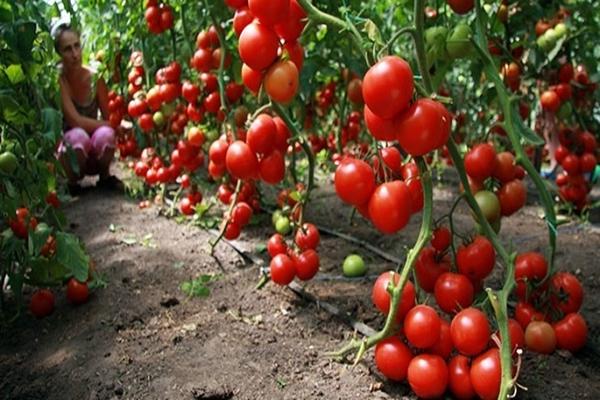
Heat-loving tomatoes thrive and produce fruit faster in greenhouses and hotbeds. Caring for them here has its own unique requirements. They require watering, good lighting, and as much air as possible. With proper fertilization, tomatoes grow better in a greenhouse, producing high yields.
Nutrients needed by greenhouse tomatoes
A complete and balanced diet plays a crucial role in improving the quality of tomato crops. Providing the right nutrients on time will help vegetable plants grow more vigorously and develop stronger immune systems. When growing tomato crops in polycarbonate greenhouses, proper care is essential, including timely watering and fertilization.
Nitrogen
Plant tissues require nitrogen compounds. These cannot be obtained from the air, so they are added to the soil in greenhouses as fertilizer. Root feeding with nitrogen fertilizers provides a powerful boost to the growth of tomato roots and stems. For weak and spindly seedlings, nitrogen will help promote foliage growth, the development of tomato plants, and fruit set.

The substance is fully absorbed when the soil in the greenhouse is neutral in pH. Sometimes, before applying the nitrogen compound, acidic soil needs to be neutralized with slaked lime or dolomite flour.
Potassium
Potassium fertilizers stimulate the development of tomato plants and accelerate fruit set. The quality and flavor of tomatoes depend on the amount of potassium in the soil. This substance helps plants grow stronger and protects them from fungal and bacterial infections. If there is sufficient potassium, seedlings adapt easily to greenhouse conditions.
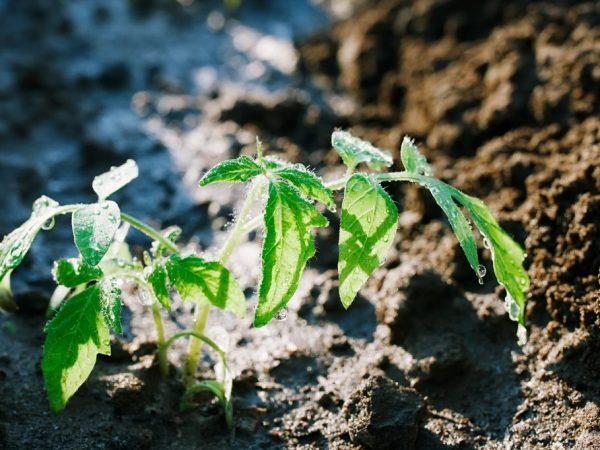
Phosphorus
Phosphorus fertilizers are added to greenhouse soil annually. Only sufficient amounts will ensure strong plants. Phosphorus is especially important for root development and growth. Tomatoes need this element during flowering and fruit set.
Phosphorus compounds are poorly soluble, and therefore absorption of the substance is slow. More often than not, the plant roots get the phosphorus reserves from the previous year.
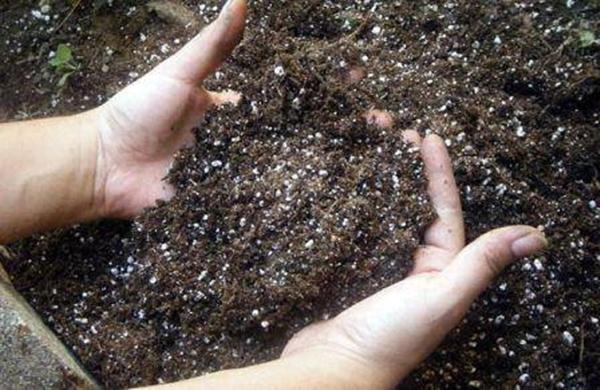
Micronutrients for good tomato growth
Essential nutrients for tomato development include substances required in minimal quantities. However, without them, a high-quality harvest is impossible. About two dozen elements are needed for healthy greenhouse tomatoes.
Zinc
Tomatoes need this element in order to:
- grow quickly;
- the fruits ripened earlier;
- tomatoes contained useful vitamins and substances;
- resist diseases;
- to withstand adverse weather conditions.
They produce a zinc-containing fertilizer called "Malham," which is used to spray tomato plants when the plant's zinc levels are low. Foliar and root feeding with "Sivid-Zn" can improve plant immunity.
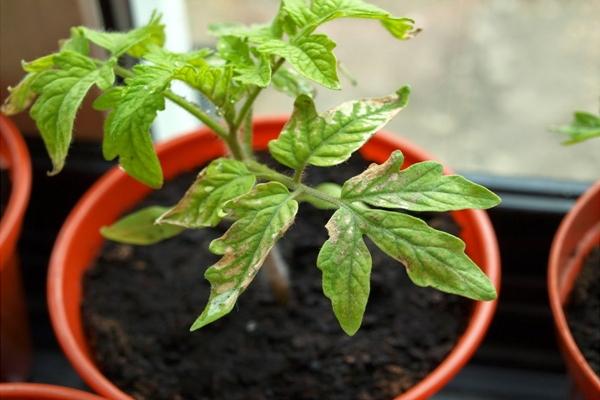
Bor
Tomatoes need boron to be sweet and tasty. Adequate amounts of this element will help the harvested crop last longer without spoiling.
Boric acid is added to the first feeding at a rate of 2 grams per 10 liters of water. You can also spray tomato leaves with an aqueous solution of boric acid.
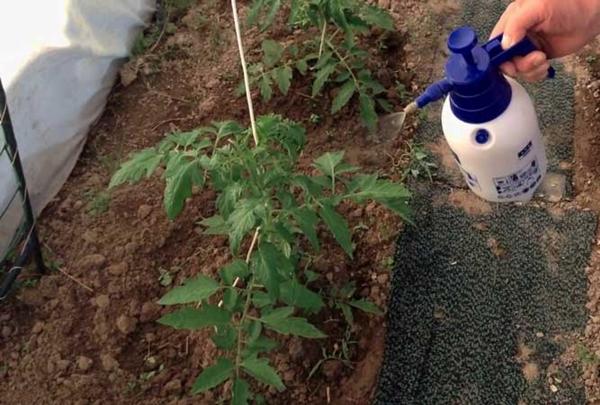
Magnesium
Vegetable crops require magnesium throughout the growing season. Without it, fruit set will be poor, and their quality will remain low. Deficiencies can be remedied by spraying. For this procedure, 10-15 grams of magnesium per bucket of water is sufficient.
Manganese
Tomatoes need manganese for proper nutrition. It increases their yield. A solution of the element serves as a disinfectant after pruning tomato plants. It is also used as a preventative measure against fungal infections. Manganese deficiency occurs in soils that are limed or when plants are watered with hard water.
Potassium permanganate or manganese chelate in solution are used to feed tomatoes.
How to tell if tomatoes need extra nutrition
To growing tomatoes in a greenhouse If the planting process is successful, you need to closely monitor its development. A deficiency or excess of micronutrients will be noticeable by the condition of the leaves and stems. By eliminating the problem, you'll get delicious tomatoes at the end of the growing season. However, it's important to know the signs that tomatoes need a particular nutrient:
- Weak, elongated shoots need nitrogen compounds.
- Curling of leaves and their color changing to bronze-yellow indicates a potassium deficiency.
- Phosphorus deficiency appears as red and purple spots on the underside of the leaf.
- When the bush stops growing, the buds begin to die off, and the leaves curl up, then it needs to be fed with a solution of boric acid.
- With a magnesium deficiency, leaf discoloration begins on the lower branches, with bright green veins visible on the pale leaves.
- Plants need manganese when they stop growing. This causes leaf tips to turn yellow, and light spots to appear on young shoots.
- Zinc deficiency can be determined by the lignification of stems and the pale color of foliage.
Take a look Also
The appearance of signs of nutrient deficiency requires urgent correction and the application of fertilizers.
How to feed plants in greenhouses
For plants grown in a greenhouse, care includes fertilizing with organic and mineral fertilizers. Without them, it's difficult to grow a good tomato crop.
If you feed greenhouse vegetables correctly, tomatoes will bear fruit earlier and their taste will be excellent.
Folk remedies
Tomato fertilizers include organic fertilizers, which can be prepared at home. Manure, bird droppings, and ash are all suitable. Solutions containing the nutrients needed for tomato growth at the given time can also be used.
Watering with chicken manure
Summer residents often keep chickens in the summer, whose droppings are a storehouse of minerals and organic elements. They contain equal amounts of nitrogen, calcium, and phosphorus. However, the droppings cannot be used in their pure form. They are infused and used to water tomatoes grown in greenhouses. To prepare a working solution, 1.5 kilograms of chicken droppings are added to 10 liters of water. To water one tomato plant, you need 1 liter of the organic infusion.
Prepare an infusion of 1 liter of water and the same amount of liquid or dry manure. Place the container with the fertilizer in a warm place. Let the infusion ferment for several days. Then dilute it with water at a ratio of 1:15 and water the plants.
Ash
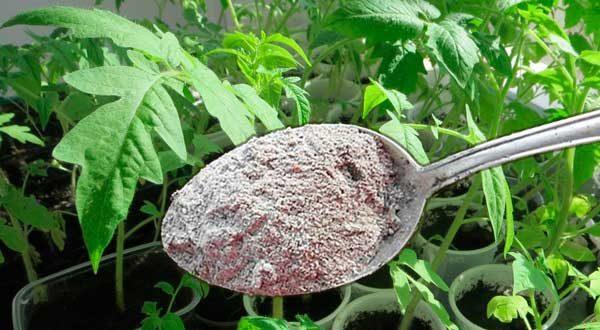
Wood ash improves the absorption of macronutrients, making it an essential fertilizer for tomatoes. Prepare an infusion for watering by mixing 2 cups of ash per bucket of water. Water the tomatoes after a week.
Foliar spraying is done with a solution prepared by diluting 300 grams of ash in a liter of warm water. The contents of the container are then poured into a bucket of water. Spray the leaves with a watering can or spray bottle.
Ash contains all the elements necessary for plants, which promote the development of a strong root system and accelerate the appearance of fruits.
Iodine
Iodine solutions help protect vegetable crops from late blight. This substance is essential for plants to better absorb nitrogen from the soil.
Tomato seedlings are watered at the roots with a solution of iodine tincture after the second leaf emerges. Add one drop of the solution to three liters of water. During the period of flower and fruit set, water with water containing iodine (3 drops of tincture per 10 liters).
For foliar application, pour 1 liter of water into 250 grams of low-fat milk and add 5 drops of iodine. Spray the liquid onto the bushes using a special device.

Yeast
For greenhouse plants, yeast feeding is necessary to accelerate their growth and help them adapt after being planted indoors. It's important to follow the correct proportions when applying the fertilizer. First, dilute the yeast with warm water at a ratio of 1:5. After it has sat for a while, add 10 liters of water and water the plants at the roots.
Prepare the following fertilizer in advance: add 10 grams of dry yeast to warm water (10 liters), adding a little sugar. After 3 hours, pour the contents into a 50-liter barrel of water. Use this fertilizer for watering the tomatoes during the growing season.
Compost
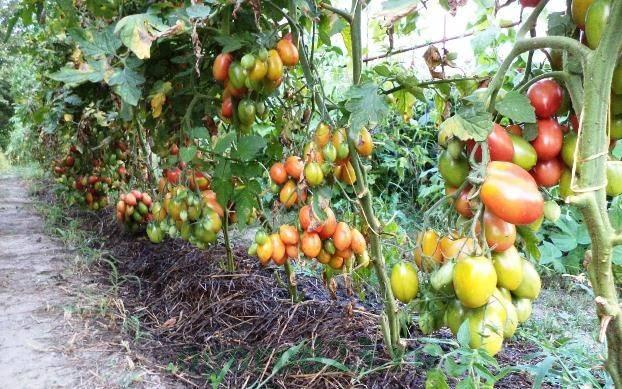
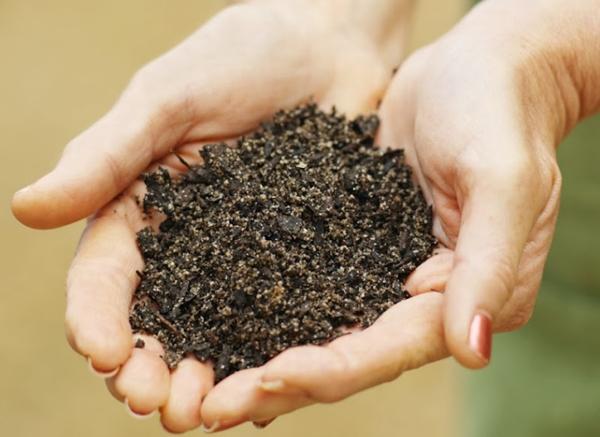
Preparing fertilizer for greenhouse tomatoes takes time. Manure, chicken manure, plant waste, and food scraps are placed in layers in a designated area. The compost pit contents are heated to 70 degrees Celsius. This kills pathogenic bacteria and fungi, while preserving the beneficial nutrients.
Before planting tomato seedlings in the greenhouse, add soil mixed with compost.
Green fertilizer from nettles
To grow vegetables without chemicals, use natural nettle fertilizer. The plant contains potassium, calcium, magnesium, vitamins, and tannins. This fertilizer can help replenish mineral deficiencies in plants.
Young, seedless nettle stems are used for cutting. The plant is crushed and the mixture is filled halfway into a container. The barrel should not be metal; wood or plastic is preferable. Then, fill it with water and leave it to ferment for two weeks, stirring the contents every three days.
A fertilizer option would be a mixture of nettle and dandelion leaves. This stinging plant works well with coltsfoot and wormwood. Avoid using cereals in the nutrient mixture.

Mullein
Adding slurry to the greenhouse soil promotes the growth of microorganisms in the soil. This nutritional supplement makes it easy for tomatoes to absorb all the necessary nutrients. Fresh mullein should not be added to the soil, as it will burn the roots of the vegetable plant.
Prepare a manure-based solution in a 1:5 ratio. Let the fertilizer steep, covered, for two weeks. Before watering, dilute the solution with water 1:1. Each plant requires 0.5 liters. If the soil in the greenhouse is fertile, manure fertilization is not necessary.
Succinic acid
Tomatoes in a greenhouse should be fertilized with succinic acid in order to:
- the seedlings were able to resist the pathogens;
- plants adapted more quickly to new conditions after transplantation;
- tomatoes ripened earlier and became saturated with sugar;
- There are more beneficial microorganisms in the soil.
To feed tomatoes, first dissolve 2 grams of the product in a small amount of water. Then pour it into a container holding 20 liters. It is beneficial to water the plants during budding and fruit set. Allow two weeks between applications.

Onion peel
Applying onion peel infusion to greenhouse plants is beneficial because it strengthens the roots. Treated tomato plants are less susceptible to fungal infections. You can spray with a solution made from 2 cups of onion peel and 1 cup of water. Then dilute the mixture with 400 milliliters of water. For better adhesion to the leaves, add some laundry soap.
An infusion of onion peels is applied to the roots, using 1 cup of onion peel per bucket of water.
Boric acid
Even a slight boron deficiency can cause plants to suffer. The more nitrogen in the soil, the faster the boron level decreases.
Tomato seedlings should be fed with boric acid immediately after transplanting into the greenhouse. One gram of powder per liter of liquid is enough to replenish the deficiency.
Tomatoes need the substance when they bloom and begin to bear fruit. Spraying the plants in a greenhouse increases self-pollination.
Milk whey
Potassium in dairy products is actively used when tomatoes are deficient. Whey contains amino acids, calcium, and phosphorus, which help vegetables produce better fruit. Whey can be purchased ready-made or made from milk. Whey can be combined with iodine and ash, which helps plants thrive in greenhouses.

Hydrogen peroxide
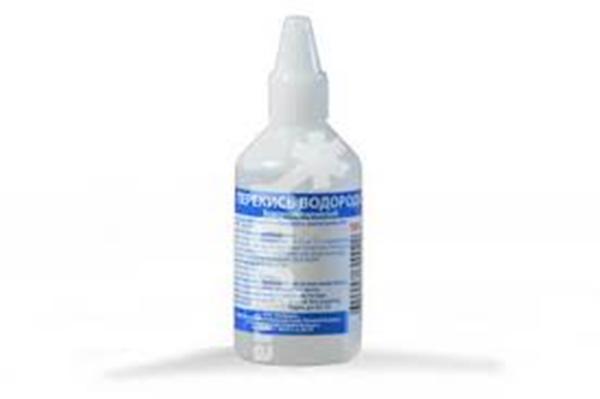
To improve nutrient absorption by tomato seedlings, a hydrogen peroxide solution is needed. For greenhouse plants, the nutrient solution is applied by spraying and watering. Dissolve 10 tablespoons of hydrogen peroxide in a bucket of water. Spray the plants once every two weeks. This not only ensures the plant's leaves are saturated with nutrients but also protects against garden pests and pathogenic fungi.
When watering at the roots, you need a solution prepared at the rate of 50 milliliters of peroxide per 10 liters of water.
Tomato plantings in a greenhouse should be treated in moderate weather without hot sun rays, preferably in the morning or evening.
Store-bought fertilizers
To obtain a bountiful tomato harvest in greenhouses, it's important to understand that tomatoes require a certain amount of nitrogen, phosphorus, and potassium. Gardeners also need to calculate the amount of fertilizer needed. Therefore, it's best to use ready-made fertilizers, purchased from specialized stores. Determining which fertilizers are needed is difficult. When choosing, consider the nutritional needs of the tomatoes and their stage of growth.

GreenOK
Natural humic substances are components of a nutrient mixture enriched with nitrogen, potassium, and phosphorus. The fertilizer is applied after planting tomatoes in the greenhouse. Repeat the procedure 3-4 more times after 14-16 days.

Rosasol
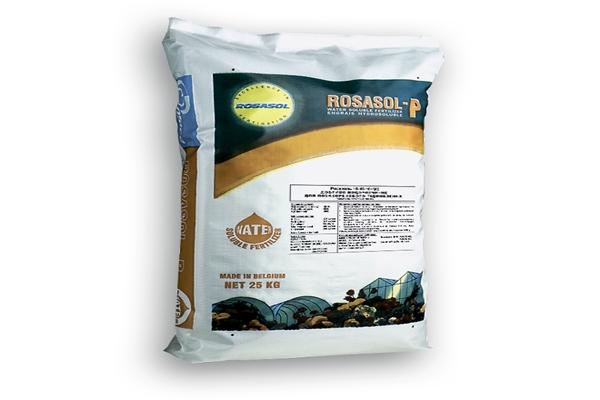
An organic mixture is needed to ensure plants receive complete nutrition in greenhouse soil. Apply the fertilizer by watering or spraying the plants. The product is readily absorbed due to its rapid solubility in water. The chelatin components of the product form stable nutrient complexes. They stimulate fruiting and accelerate vegetable development.
Asvit
This organic fertilizer meets the needs of greenhouse-grown vegetables 100%. The balanced micronutrient content and fermentation process ensures complete absorption by plants. The dry fertilizer is applied between rows to a depth of 5-10 centimeters and watered into the soil. One kilogram of fertilizer is sufficient for a 10-square-meter greenhouse. Do not apply the fertilizer directly to the roots of tomato plants.
The order and stages of the procedure
Timely fertilization is essential throughout the growing season of greenhouse tomatoes. A fertilization schedule is essential. A haphazard application schedule will negatively impact the development and fruiting of tomatoes. It's important to know when to use organic and when to use mineral fertilizers. These can be applied to the roots of the plants or sprayed on the leaves with nutrient solutions.
Foliar application allows beneficial elements to reach the plant tissues directly. When watering, the fertilizer is applied to the soil. However, if the soil is too wet, it is washed away. Therefore, proper fertilization is essential to ensure the nutrients reach the plants.
After landing
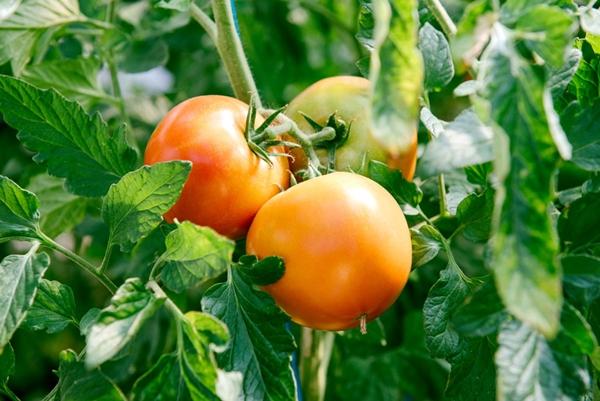
Plants need their first feeding to quickly establish themselves in their new location. This is when the bush's skeleton begins to form and green mass begins to grow. Organic mixtures with added minerals are best.
Add nitrophoska (30 grams per 500 grams of organic matter) to rotted cow manure or fermented chicken manure and water the bushes. If manganese or boron is deficient, you can add 5 grams of these substances to the mixture. Watering with nettle green manure is also helpful.
During the growing season
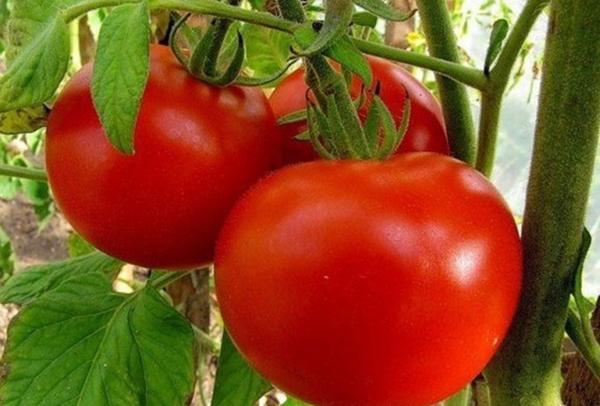
During the flowering period, tomatoes require more phosphorus and potassium, and less nitrogen. Solutions of ash and boric acid are suitable for feeding. Spray the leaves with whey with added iodine. Use 5-10 drops of the tincture per 2.5 liters.
Superphosphate solutions are used as root fertilizer.
During fruiting
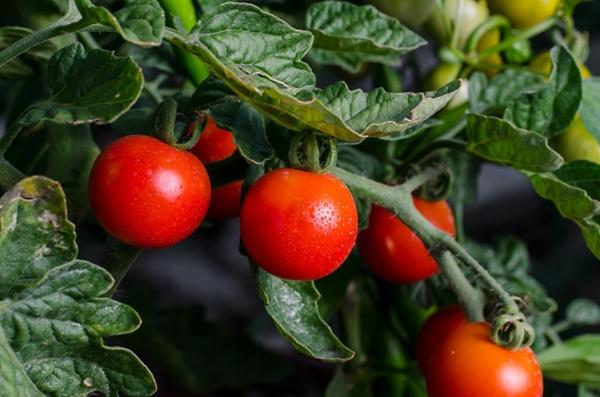
Tomatoes need potassium for faster ripening. This mineral is found in potassium humate. Use 15 milliliters of fertilizer and 30 grams of nitrophoska per 10 liters of water. For root watering, dissolve 30 milliliters of potassium humate and 60 grams of superphosphate. A folk remedy is a yeast infusion with sugar.
During the period when tomatoes appear on the bushes, nitrogen fertilizers should be excluded.
Seasonal feeding
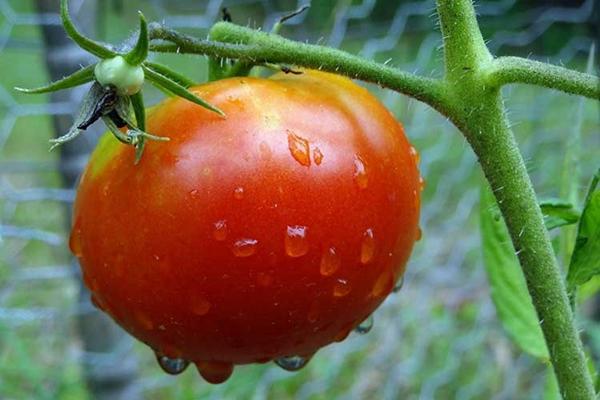
Throughout the growing season, monitor the development of tomato plants. If nutrients are deficient, replenish them by adding appropriate fertilizers to the soil or spraying the leaves.
Tomatoes ripen gradually, so fertilizing continues into August. Every 10 days, dissolve 15 grams of potassium fertilizer in 10 liters of water: monopotassium phosphate or potassium magnesium sulfate.
Proper organization of fertilizers in the greenhouse will allow for a large harvest and tasty tomatoes.
Related posts:
 What is the best way to feed tomato seedlings to make them plump?
 The best eggplant varieties for growing in a polycarbonate greenhouse: planting and care
 What varieties of tomatoes are best to plant in a polycarbonate greenhouse?
 How to prepare tomato seeds for planting seedlings
 Description of the best pepper varieties for greenhouses and open ground in 2025
 Rules for growing tomatoes in open ground, choosing a variety, planting and care
 Growing and caring for tomatoes in a greenhouse from planting to harvest
 How to plant, grow, and care for tomatoes in a polycarbonate greenhouse