
The mid-season Orange tomato appeared in the gardens and fields of small farms in 2000. At the same time, this tomato variety was added to the Russian State Register.
Citrus-like fruits were created by domestic breeders for private gardeners and are not grown commercially. The highest yields of oranges are achieved in the Russian Federation, Crimea, Moldova, and Ukraine. Initially intended for cultivation in southern regions, the variety has proven capable of growing in both central and northern climates.
Description of the variety
The Orange tomato variety grows up to one and a half meters in height. The branched bush is covered with medium-sized green leaves. Simple and intermediate inflorescences form at the height of the 8th leaflet, appearing every 2-3 leaves.
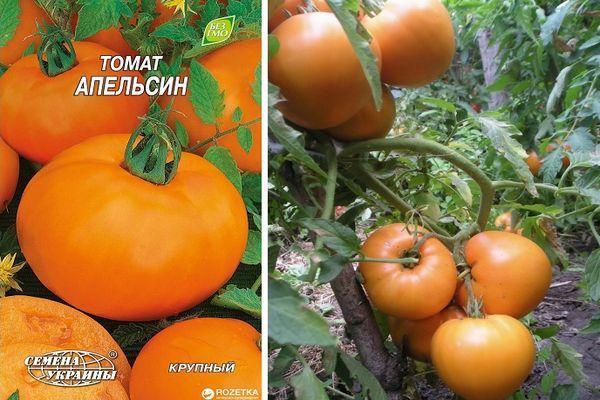
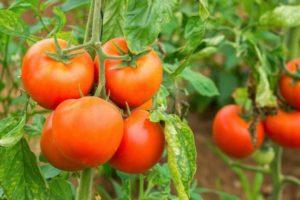
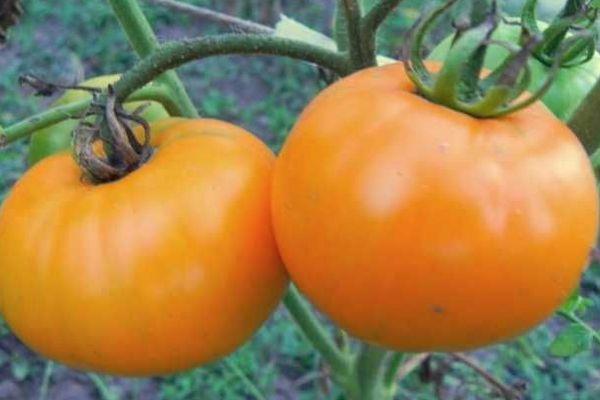
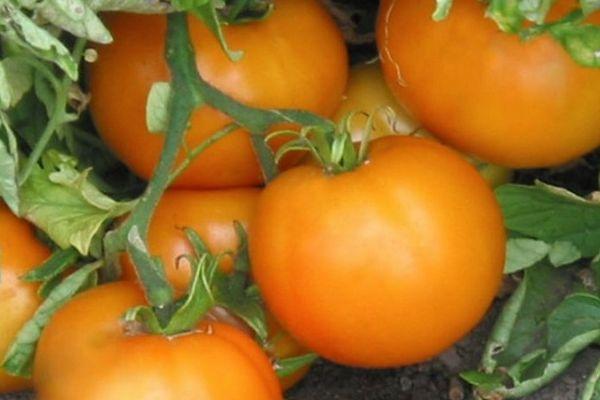
Deep yellow or yellow-orange fruits ripen 90–105 days after germination. Round, slightly ribbed tomatoes typically weigh 180–250 g, but can reach 400 g. Their sweet flavor stems from their high sugar content—3.2%.
Tomatoes' characteristics allow them to be planted both in greenhouses and open ground. When grown under plastic film and in warm climates, the yield of this heat- and light-loving plant reaches its peak. With proper cultivation practices, one square meter of planting can yield up to 20 kg of fruit.
Growing
You can grow Orange tomatoes from your own seeds, collected last season, or by purchasing them from a store. In either case, pay attention to the shelf life—3 years.
Sowing recommendations:
- Keep the seeds on the bottom shelf of the refrigerator. This will increase their resistance to stress.
- Germinate the seeds in a damp cloth. Plant good-quality sprouts as seedlings.
- Use prepared soil. When preparing your own, remember that fertile soil consists of sand, peat, and rotted humus.
- Disinfect the soil using a weak solution of potassium permanganate or by heating it in the oven.
- The seeds are planted at a shallow depth, lightly covering and compacting the soil.
- It's best to moisten the soil until strong seedlings emerge using settled water and a spray bottle. A growth stimulator can also be used.
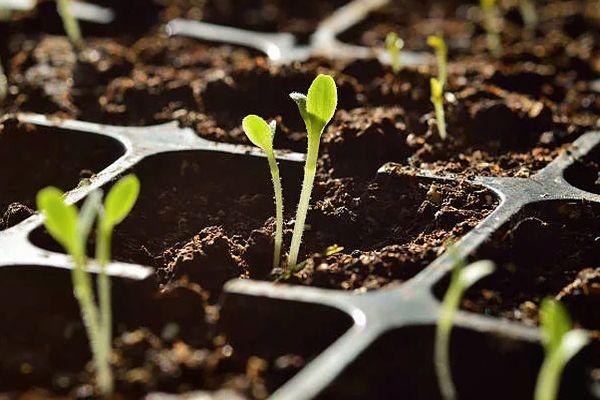
This variety of tomato is sown no earlier than mid-March to avoid the seedlings becoming stretched.

The timing of planting seedlings in open ground varies depending on the climate of the growing region. A good guideline is the steady warmth of the weather, which typically occurs in late May or early June.
- Prepare the beds in advance: dig, fertilize, and loosen.
- Maintain a distance between rows of 60x50 cm. Avoid planting too close together, as giant plants will hinder the growth of their neighbors.
- Add some wood ash and sawdust to the holes. The sulfur will prevent disease, and the sawdust will loosen the soil.
- Before transplanting, water the containers with seedlings.
- Plant seedlings in the afternoon, after the heat subsides.
Care Features
After 10 days, mineral fertilizers are applied to the replanted bushes to stimulate growth. It is recommended to prune off any side shoots, shaping the plant into one or two stems. Care instructions include pinching the tops of the stems a month before the end of the growing season and removing small inflorescences. This procedure is designed to stimulate prolonged fruiting.
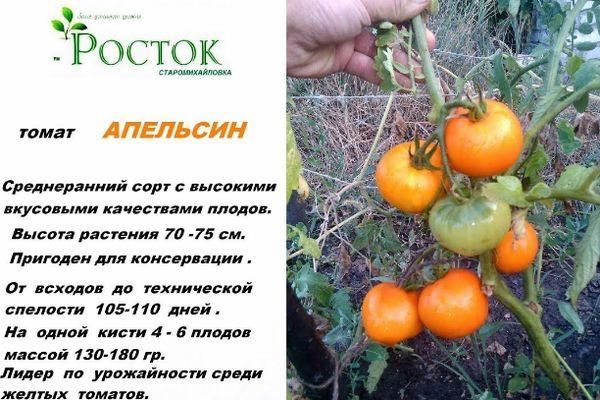
Reviews from those who have planted Orange tomatoes more than once warn of the necessity of staking the tall bushes, which sag under the weight of the fruit, which grows in clusters. A single cluster produces up to five tomatoes.
To obtain an early harvest, the seedlings are covered with plastic film. The ideal environment for Orange trees is good natural light, no drafts, and amended with organic matter.
Fertilizing tomatoes is carried out three times per season:
- 10 days after planting the seedlings;
- during the formation of brushes;
- after harvesting the first crop.
As a top dressing, preference is given to humus and mineral fertilizers.
Humus is prepared from ten parts water and one part manure.
Advantages and disadvantages
Advantages of the Orange tomato variety:
- stable high yields;
- citrus appearance and large fruits;
- aroma and sugar content of fruits;
- resistance to late blight;
- take up little space;
- Medicinal properties (tomatoes normalize the functioning of the gastrointestinal tract, replenish the lack of keratin, and are suitable for dietary nutrition).

Disadvantages of Orange:
- not suitable for storage;
- low level of transportability;
- care requirements: garter, pinching out side shoots.
Pests and diseases
The pear orange, as this tomato variety is sometimes called, is relatively disease-resistant. The key is to provide support and tie the plant to it to prevent the bush from touching the soil. This will help prevent rotting, slug infestation, and fungal diseases.
The Orange variety is resistant to late blight.
Harvesting and storage
Orange tomatoes are highly rated by consumers for their culinary qualities. Juicy, sweet, fleshy, and low-seed fruits are enjoyed fresh, sliced, or as a component or garnish in vegetable salads. Small tomatoes are pickled and preserved in their own juice for the winter, and used in various preserves. These vegetables look quite attractive in glass jars.
Even an inexperienced gardener can grow the exotic tomato known as Orange. With minimal care, you can produce large quantities of fruits with excellent flavor, worthy of the praise of discerning gourmets. Experienced gardeners are drawn to the bright, large tomatoes that brighten up their plots.
Gardeners' reviews
Beginner and experienced vegetable growers share their impressions of growing and consuming Orange tomatoes:
Valentina Semenovna:
"I prefer to grow orange tomatoes without seedlings—directly in the bed, which I then cover with plastic. The seedlings are strong and develop beautifully. As they grow, I transplant them, remove side shoots over time, and tie them up. Ripe tomatoes are aromatic and sweet; I enjoy them in juice, sauces, and preserves. They look beautiful in salads."
Mila:
"My little daughter noticed these tomatoes. She saw them at the neighbors' and, for some reason, said, 'Pear!' I had to ask for seeds and plant them myself the following year. I sowed them for seedlings at the end of February, planting them in boxes on the windowsill. I then planted them under plastic, but when the tomatoes started ripening, I took them down—it was a shame to hide such beauty. And the taste was great, too; the fruits didn't make it to canning; they were eaten straight from the bush."
Mikhail Petrovich:
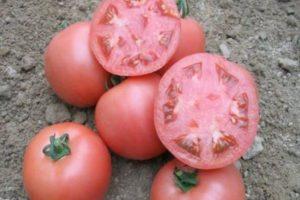
"I love gardening and growing vegetables. The much-hyped Orange wasn't exactly a hit with my family—it was large, the flesh was firm but firm. We didn't eat it fresh, so we used it for winter preserves."
Related posts:
 How to grow an orange tree at home, planting and care
 What are the benefits of oranges, their beneficial properties, and their harmful effects on the body?
 Description of the best varieties of black tomatoes for open ground and greenhouses
 7 Best Recipes for Making Fanta with Apricots and Oranges for the Winter
 TOP 17 recipes for pickled sweet tomatoes for the winter
 Recipes for amazing tomatoes in jelly for the winter, with and without sterilization, you'll lick your fingers
 11 Best Recipes for Preserving Tomato Slices for Winter
 What varieties of tomatoes are best to plant in a polycarbonate greenhouse?