
- What is vermicompost?
- Properties and composition of fertilizer
- Effect on plants
- How to apply fertilizer?
- Dry vermicompost
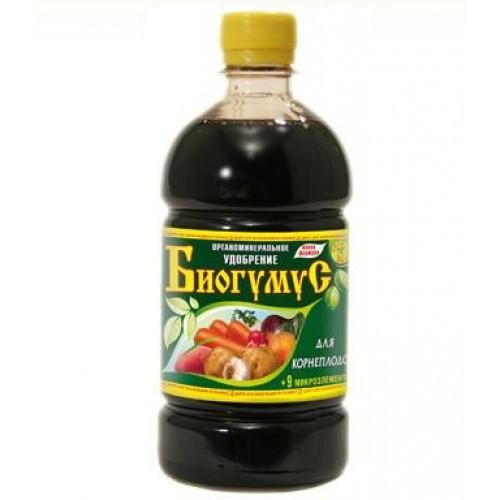
- Liquid vermicompost
- Precautionary measures
- Home production
- Purchase of livestock
- Production technology
- Equipment for production
- Caring for Californian worms
- Loosening
- Feeding
- Collection of vermicompost
- What comes first: vermicompost feeding or watering?
- Storage conditions
- Reviews of vermicompost from gardeners
Vermicompost is used for its effectiveness in treating indoor and garden plants. It's an effective, convenient, and richly nutrient-rich fertilizer that remains popular. This fertilizer boosts crop immunity, promotes rapid fruit growth, and improves the flavor of the harvest. Vermicompost can improve and alter the soil's properties and structure.
What is vermicompost?
This is an organic fertilizer, a product of the processing of earthworms and other microorganisms that “transform” fallen leaves, bird droppings and manure into a high-quality material – vermicompost.
Vermicompost is often compared to manure, but, unlike the latter, the fertilizer has a number of characteristics that help improve its quality.
Please note: Organic fertilizer does not have an unpleasant odor, but it can significantly impact and improve soil properties.
Properties and composition of fertilizer
Let's consider the main characteristics of vermicompost and its advantages:
- Does not contain fungal spores or helminth eggs.
- There are no pathogenic bacteria or weed seeds.
- The fertilizer does not require additional composting.
But the main advantage of vermicompost is its effectiveness, which allows the fertilizer to be used in lower dosages.
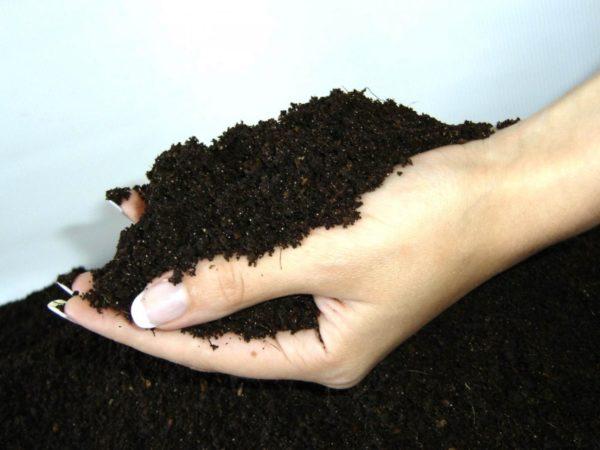
Other properties of vermicompost that make it so popular with gardeners:
- It can be successfully combined with other fertilizers, which allows it to be used in combination with other products;
- improves the taste characteristics of the harvest;
- helps to increase the crop's immunity, making it more resistant to diseases and pests.
Another advantage is the naturalness of the product, which allows it to be used to improve soil structure and crop yields. The fertilizer optimizes plant growth and improves the taste of the fruit.
In addition to all the above-described advantages, vermicompost also:
- Accelerates the process of seed germination.
- Stimulates root formation and growth of seedlings.
- Improves the absorption of nutrients from the soil.
- Reduces soil acidity.
- Promotes the restoration of various crops after diseases.
- Helps plantings better tolerate temperature fluctuations.
- Increases the vegetative mass of the plant.
- Stimulates vegetation processes.


The fertilizer also improves the quality and quantity of fruits and vegetables, allowing gardeners to harvest record crops in a short period of time. Vermicompost contains complex organic compounds, known as humic acids, and growth stimulants. It also contains a range of micro- and macronutrients that nourish the soil and help saturate plant roots with essential nutrients. The fertilizer also contains substances classified as natural antibiotics, which boost immunity.
Effect on plants
The use of organic and mineral fertilizers is aimed at improving crop yields. Vermicompost has specific effects on crops:
- Horse or cow manure processed by Californian worms turns into an enriched mixture that accelerates the growth of seedlings and the plant itself;
- At the same time, the culture actively blooms and bears fruit, is distinguished by high immunity; in case of the development of various diseases, it quickly recovers, easily tolerates them, without consequences.
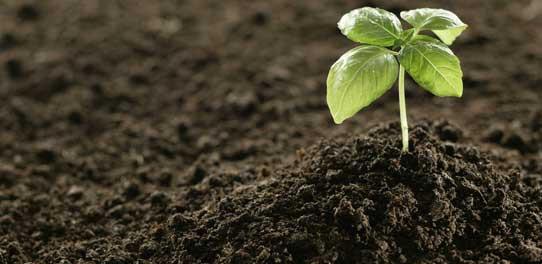
To put it simply, under the influence of fertilizer, the plant grows well, blooms actively and bears fruit abundantly.
How to apply fertilizer?
The instructions for use will help you understand both liquid and granular fertilizers. Problems with the latter are rare, as it's difficult to overdo it and cause serious damage to crops.
Dry vermicompost
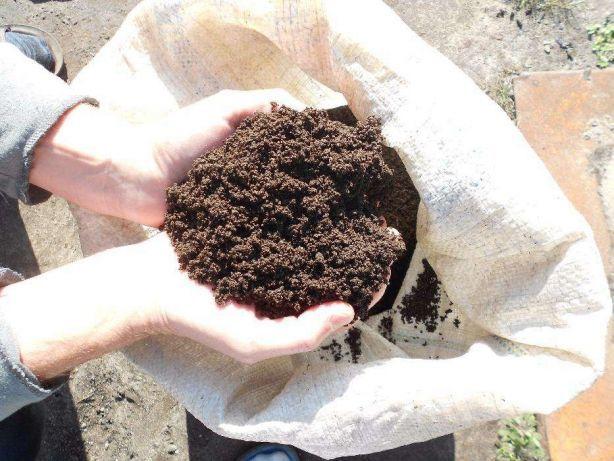
Granular humus can be used at any time of year, but it is preferable to add it to the soil when digging the garden or planting seedlings. These procedures are repeated when the plants begin to bloom.
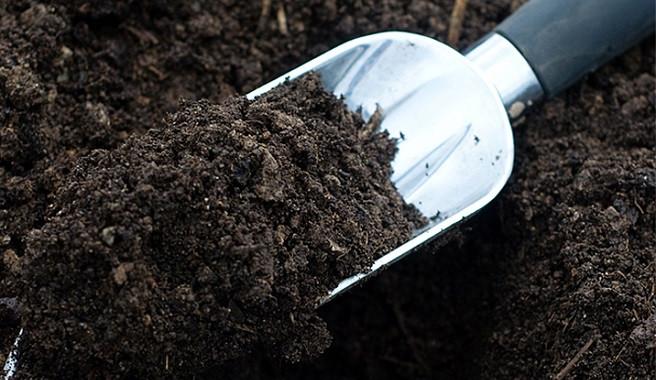
Liquid vermicompost
The extract is used to treat indoor and garden plants. It is usually diluted with warm water. The solution should sit for a while, and then it can be used according to the instructions, observing the application rates (indicated on the packaging).
Tip: If you are using foliar feeding in your garden, dilute 5 milliliters of vermicompost in 2 liters of water and use it to spray the plants.
Precautionary measures
Working with organic matter doesn't require any special protective measures. Simply wear gloves and be careful not to let the fertilizer come into contact with your eyes or skin (especially if using liquid vermicompost). If this happens, wash your hands thoroughly with soap and water and clean any mucous membranes. The fertilizer is technically non-toxic. However, please remember to exercise caution when handling it.
Home production
Making vermicompost at home doesn't require much effort. It's a simple process, requiring only proper care of the worms and providing them with the right conditions.
Purchase of livestock
You can buy worms at specialty stores. They're often sold "off the street." In this case, you'll need Californian worms, which are known for their increased efficiency.
Production technology
The gardener won't need to do anything – worms can be raised in boxes or given a specific area; they won't spread and will readily process the available material, turning it into high-quality fertilizer.
Equipment for production
You will need to purchase the following equipment:
- worm bins;
- scales, thermometers, pitchforks;
- wheelbarrow, sieve, shovel.
Thermometers and soil pH meters are especially important. Since California red worms are heat-loving, you'll need to monitor your thermometers closely. Avoid spending money on expensive equipment; it's better to acquire the necessary materials gradually.
Caring for Californian worms
This boils down to loosening the soil, watering (since they need moisture), feeding, and maintaining the necessary temperature conditions. This will be enough for the worms.
Loosening
This is done at least twice a week using a pitchfork. The soil is divided into three sections, and the pitchfork is used to scoop up the worms from the "depths," along with the substrate.
Feeding
Worms love many kitchen scraps, but before you feed them, ask the seller what they've been feeding them. Stick to this diet, and introduce your own food gradually, in small amounts.
Tip: It is not recommended to feed meat scraps as they may kill the worms.
Collection of vermicompost
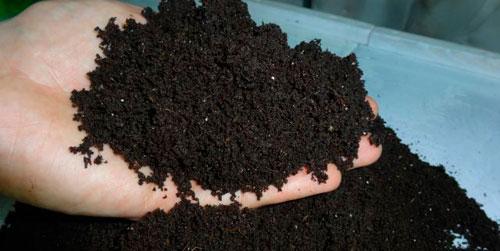
Once the worm bin is filled with the black, gloopy substance, you can begin collecting it. The vermicompost is collected by hand, sifted through a sieve, and dried. The resulting material can be used as fertilizer.
What comes first: vermicompost feeding or watering?
Generally, there's no difference if you use a liquid extract. You can water the plant with the extract, and you'll see results in as little as two weeks. When using granulated vermicompost, apply the fertilizer a few hours before watering.
Storage conditions
Store the product in a dark place. Only light rays can damage it. Therefore, avoid storing vermicompost near heat and light sources. It's best to "hide" it in a cool place. If the container freezes, don't worry—the fertilizer's properties will be restored once it returns to a liquid state. Sediment doesn't indicate the quality of the vermicompost. Simply shake the container, and the sediment will disappear.
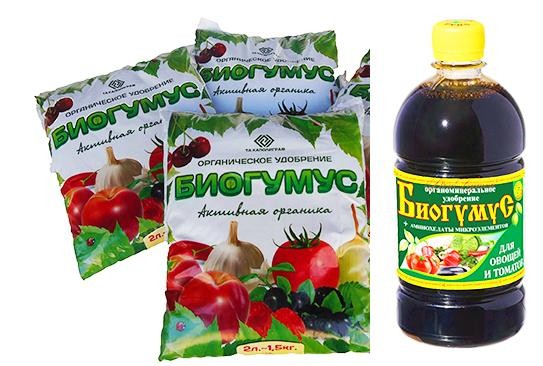 As for time restrictions, the fertilizer can be stored for one and a half years.
Reviews of vermicompost from gardeners
Gardeners' opinions are positive; they note that the fertilizer has a positive effect on the growth and development of various crops on the plot.
Let's take a look at some recommendations from summer residents:
- Yulia Ivanchuk, Rzhev: "At my dacha, I use vermicompost to feed tomatoes and cucumbers in the greenhouse, and I'm happy with the results. The fruits are large and tasty. I decided to use this fertilizer on my potatoes and carrots (since they weren't growing well), and it worked out well. I got a big harvest, and this year I'll start growing peppers."
- Alina Sergeeva, Solnechnogorsk: "My mom grows amazing strawberries and tomatoes at her dacha; she grows them in her greenhouse using vermicompost. I recommend this fertilizer to everyone, and I use it for my houseplants myself."
At home, you can not only cultivate various vegetables and fruits in your garden but also produce fertilizer for them. To obtain vermicompost from Californian worms, you'll need to put in minimal effort and spend a little time caring for your new "pets."
Related posts:
 Using Biohumus fertilizer for feeding cucumbers
 How and what to feed watermelons in open ground after planting, during flowering
 Types and instructions for use of superphosphate fertilizer, composition and processing rules
 Instructions for using urea in the garden: what it is and its composition
 How to make mullein fertilizer yourself and instructions for use
 What is the best way to feed cucumbers during flowering and fruiting?
 What fertilizers and when to use for feeding tomatoes in a greenhouse
 The use of peat as a fertilizer for potatoes and other crops and its differences from humus