
- Composition of superphosphate and features of its use
- Signs of phosphorus deficiency
- What soils to use on?
- Deadlines for contributions
- Types of superphosphates
- Monophosphate
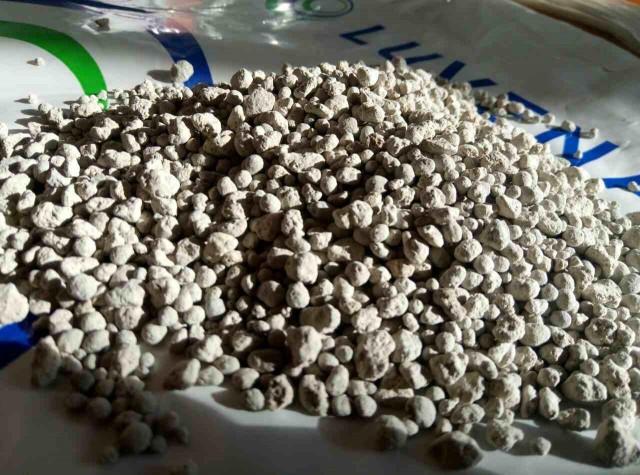
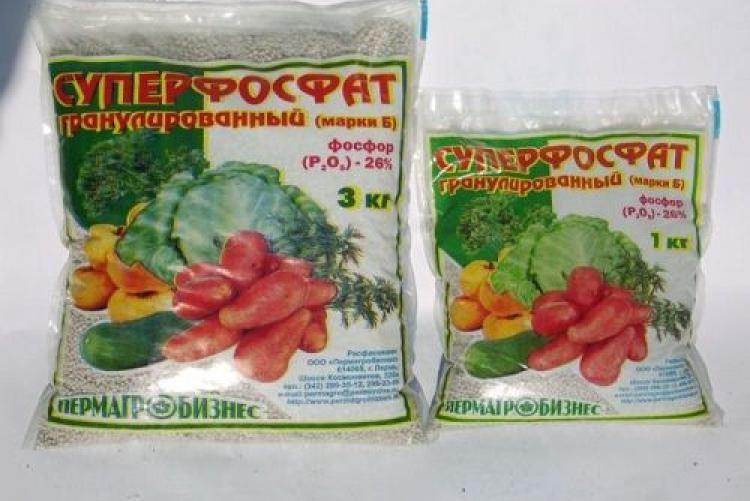
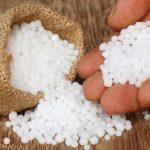
- Granulated
- Double
- Ammoniated
- How to prepare the solution?
- How to apply superphosphate?
- Fruit trees
- Seedling
- Vegetables and fruits
- Houseplants
- Safety precautions when working with the product
- Compatibility with other fertilizers
- Storage conditions and shelf life
- Feedback from an experienced gardener
Superphosphate fertilizers are used when flowers in the garden have begun to wilt, the leaves have darkened, and the color has changed. And the prospect of a good harvest has vanished. A phosphorus deficiency can ruin the plants. To prevent this, one of the most common mineral fertilizers is used. Fertilizing will help correct the situation and restore the garden to its thriving appearance.
Composition of superphosphate and features of its use
This is a phosphorus fertilizer that helps nourish plant roots and soil with this element. However, in addition to phosphorus, it also contains other substances beneficial for various crops.
Most often used for "feeding":
- Fruit and berry trees.
- All kinds of vegetables and fruits.
- To stimulate the growth of flowers and lawn grass.
Superphosphate comes in different forms: simple, double, and humated. The following components are included in its composition:
- fluorine compounds;
- nitrogen, sulfur;
- manganese, molybdenum;
- boron, calcium sulfate or gypsum.
Humated superphosphate contains humic salts, as well as nitrogen in high concentrations.
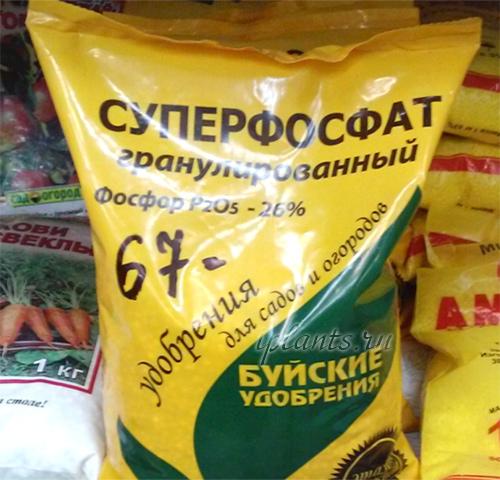
As for the correct use of the product, gardeners most often resort to its help after or before digging the plot.
Fertilizer accelerates the growth of the above-ground and root parts of the plant. When using it, it is recommended to adhere to the following proportions:
- The fertilizer is applied at a rate of 20-30 grams of the product.
- Per 1 square meter of planting.
Superphosphate's popularity is due not only to its effectiveness but also to its low cost. This allows you to achieve the desired result while saving money.
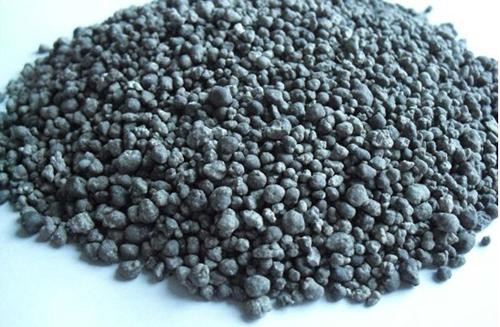
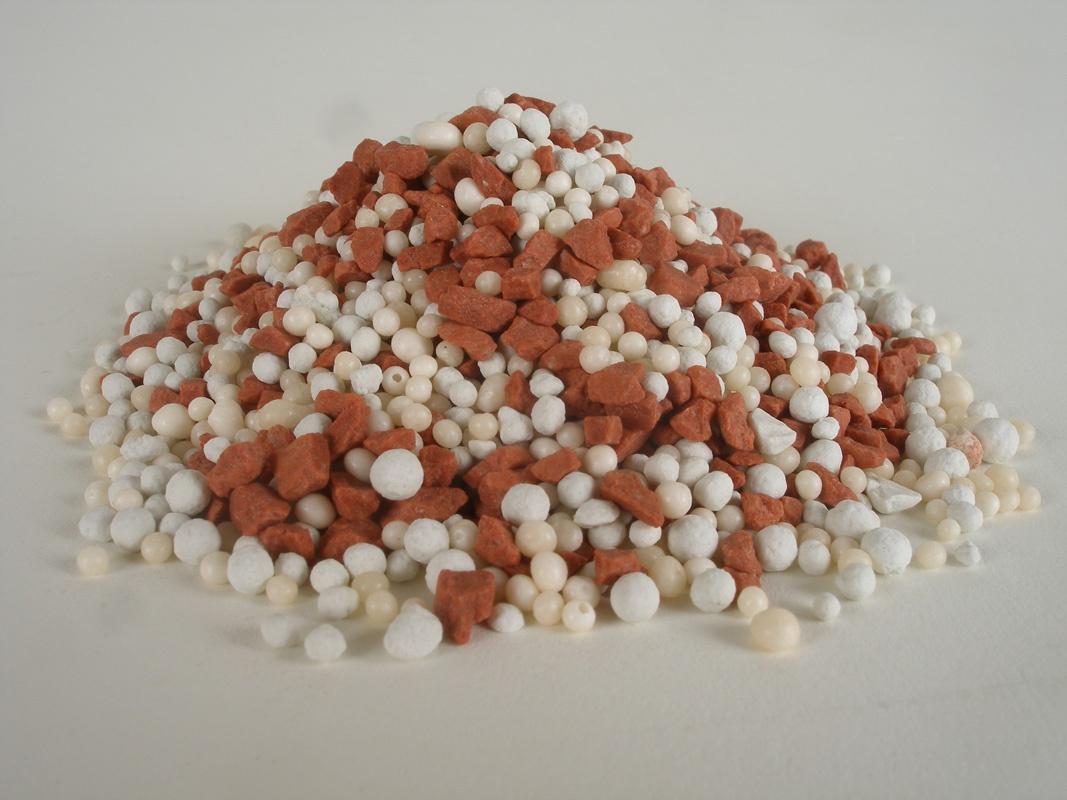
Attention! The fertilizer is available in powder and granule form.
Signs of phosphorus deficiency
As a rule, you can tell that the plants in your area are lacking phosphorus by several signs:
- the color of the leaves changes, they acquire a bluish tint;
- the color is not present everywhere, but only in certain areas of the leaf;
- over time, if no action is taken, the shade will change and become purple;
- and the edges of the leaves will dry out, and areas of necrosis will appear on the veins.
Leaves will turn blue if there's a phosphorus deficiency; if this is combined with a nitrogen deficiency, brown spots will appear. Over time, the foliage will turn yellow and fall off.
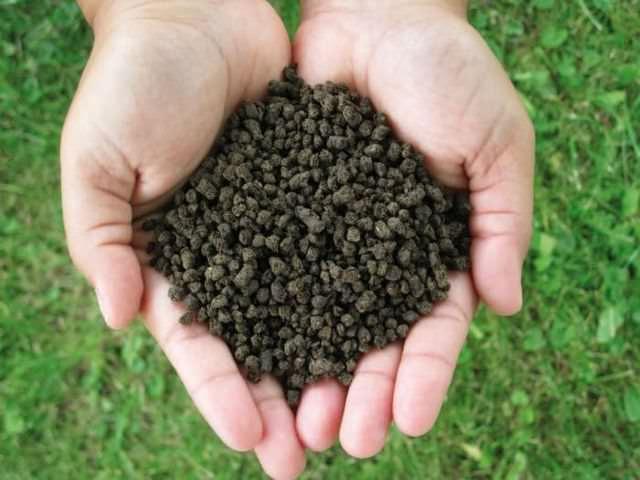
During the growth and flowering period, a plant may experience several instances of this element deficiency, with varying degrees of severity.
What soils to use on?
Using this product on acidic soils is questionable. Such soil conditions can negatively impact the results. To prevent this, treat the soil with special solutions or add lime to correct the conditions.
Deadlines for contributions
Typically, these types of fertilizers are applied in the fall and spring, either before or after wintering. Before digging the plot and removing plant roots, you can apply fertilizer a few weeks beforehand. You can prepare the soil for planting by applying the fertilizer after digging, which was postponed until spring. It's also possible to perform these procedures twice a season—in the fall and spring.
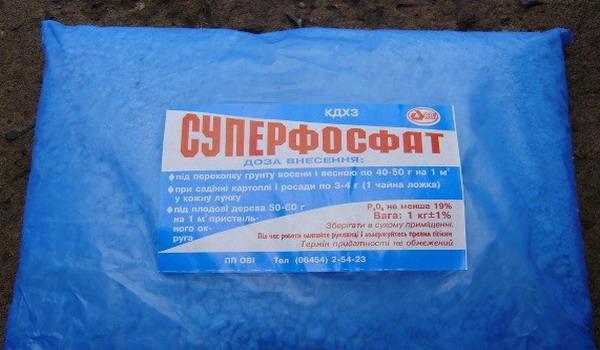
Less frequently, treatments are performed at other times, only when absolutely necessary. This type of feeding is done in emergencies or when repotting a plant.
Types of superphosphates
Potassium phosphate fertilizers come in several varieties. The classification determines the amount of the fertilizer and its properties, including its ability to influence crop growth and ripening. Let's look at the main characteristics of the fertilizers.
Monophosphate
Or simple superphosphate, which, despite advances, is still in demand among gardeners. However, its popularity is not due to its properties, as more effective products are available on the market, but rather due to cost.
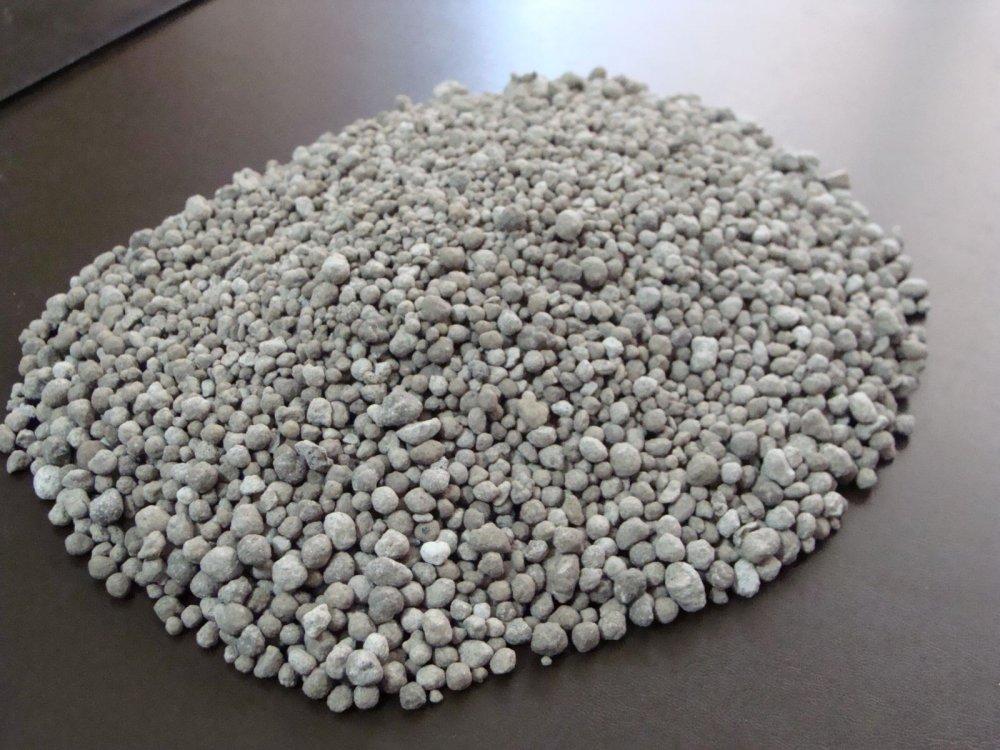
Specifications:
- Gray powder.
- With a phosphorus content of up to 20 percent.
- It also contains gypsum, nitrogen and sulfur.
The fertilizer does not tolerate high humidity, so it should be kept in a room with 50 percent air humidity.
Granulated
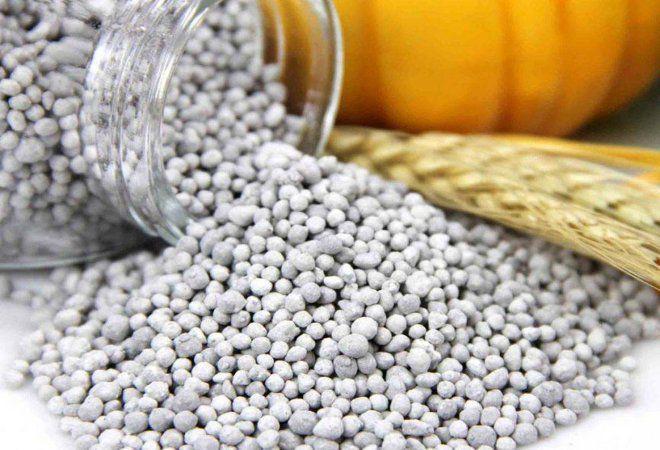
It's less stable in the soil due to its production method. However, it stores well and contains:
- up to 50 percent phosphorus;
- and up to 30 percent calcium sulfate.
It is most often used to treat cruciferous plants.
Double
The differences lie not only in the name but also in the fertilizer's composition. It is successfully used in spring and fall to significantly accelerate fruit growth and shorten the ripening period.
The product contains:
- 6 percent sulfur.
- 2 percent nitrogen.
- About 50 percent phosphorus.
When applying, weather conditions should be taken into account; it is not recommended to apply the fertilizer when there is a high probability of precipitation in the region. Double superphosphate must have time to be absorbed into the soil. Thanks to its properties, it improves the quality of the harvest.
Ammoniated
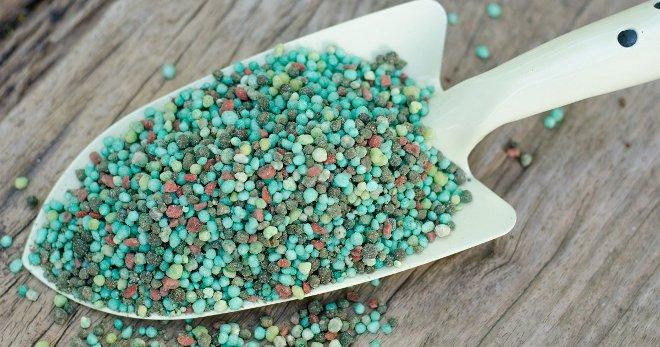
These products contain ammonia, meaning they don't acidify the soil. This is a combined fertilizer used for growing cruciferous and other crops.
The composition includes the following components:
- 32 percent phosphorus;
- nitrogen, calcium and potassium sulfate.
How to prepare the solution?
When using a granular product and it needs to be dissolved in water to create a fertilizer that is easily absorbed by the plant, certain problems may arise.
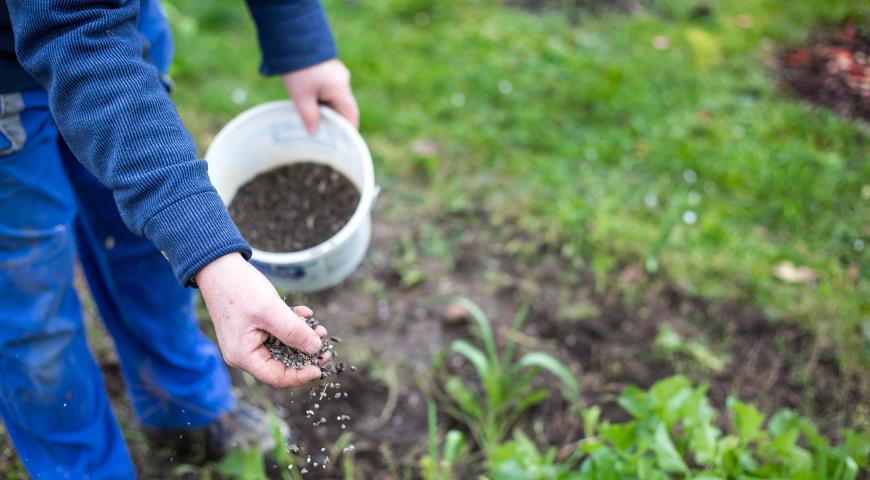
The following recommendations will help you create an extractor hood:
- To dilute the fertilizer, use boiling water. During the process, a chemical reaction will occur, and the water will cool.
- You can place the container with the liquid in a warm place; the solution will be ready within 24 hours, no sooner. During this time, the granules will completely dissolve.
- You can also use double superphosphate; you need half as much, and it dissolves better.
How to apply superphosphate?
Fertilizers come with instructions for use, which state the following:
- dig up the soil in the garden, then add the product;
- repeat the procedures in the spring, after winter, before planting seedlings;
- During the entire growth cycle, the crop should be watered with a superphosphate solution 2 more times.
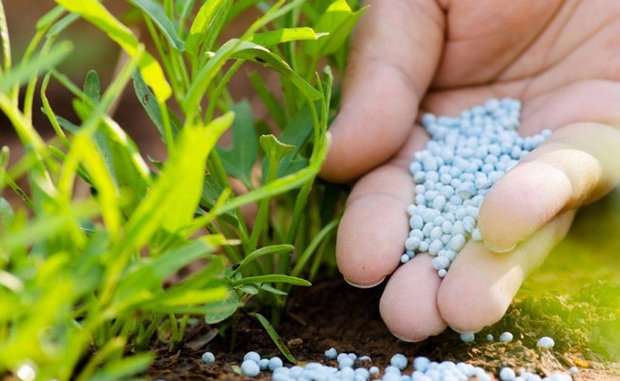
But each crop has its own growth and development characteristics, which affect the process of applying fertilizers.
Fruit trees
Trees are treated with an extractor; the product can be used dry. If you prefer a water-based solution, simply water the tree at the roots.
If you use granules or powder, follow the proportions:
- On average, 60 grams of superphosphate is used per tree (unit).
- You can add fertilizer to the tree's hole; if you're planting or replanting, increase the amount to 500 grams.
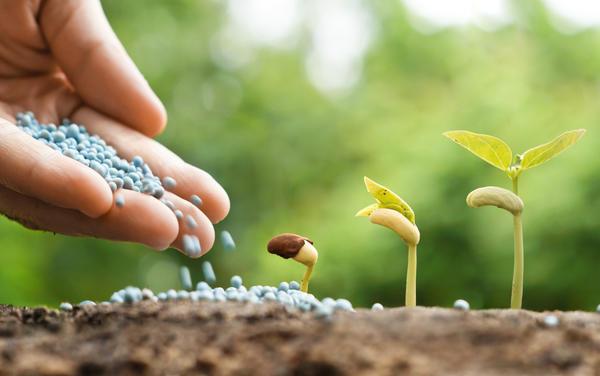
Note: If your garden has poor soil, you can increase the amount of superphosphate applied, using about 100 grams of superphosphate per unit.
Seedling
Dry fertilizer is suitable, but you can also use a solution or extract.
How to use granules:
- we make a hole for the seedlings;
- We immerse 3-5 grams of granulated product into it.
Vegetables and fruits
Emergency fertilization of crops is accomplished using a compost extractor; a certain amount of superphosphate can be added to a compost pit and the resulting material can then be used as fertilizer for various crops.
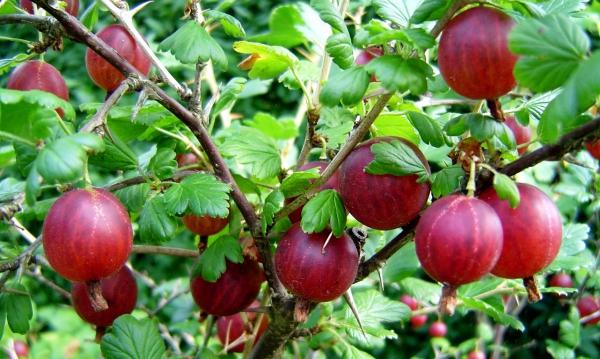
For potatoes, as well as other vegetables and fruits, it is recommended to maintain the following proportions:
- The dosage is calculated at 40-50 grams per square meter of planting.
- Add during spring or autumn soil digging.
There are also other recommendations specifically related to potatoes:
- It is worth adding 3-4 grams of granules to each planting hole;
- and during the growing season, feed the crop with the extract, observing the following proportions: 15 grams of granules per 1 square meter of planting.
Houseplants
It's best to spray with a homemade solution. The extract is prepared by dissolving 30-50 grams of superphosphate (per liter of liquid) in boiling water. This type of feeding is considered foliar.
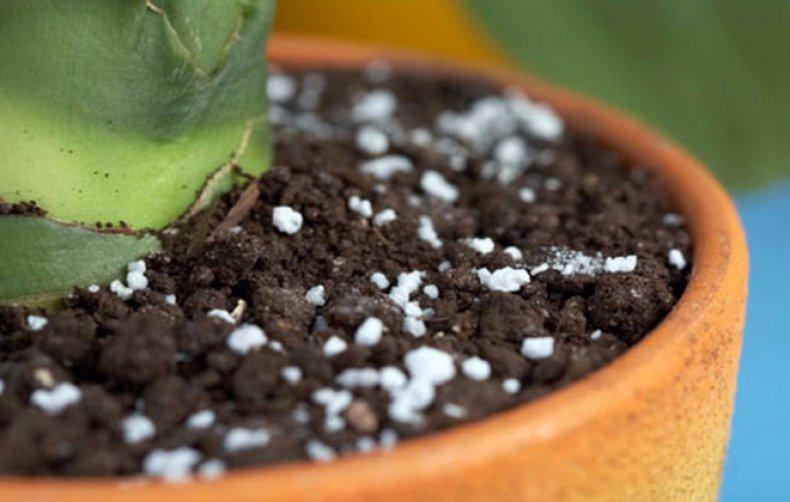
If you are replanting a houseplant, you can similarly add 2-3 grams of powder or granules to the hole.
Safety precautions when working with the product
If superphosphate comes into contact with mucous membranes (nose or eyes) or skin, rinse with running water. The container used to prepare the solution or extract should be thoroughly cleaned and washed with special detergents.
After the work is completed, it is worth washing your hands thoroughly several times under running water using soap.
In addition:
- It is worth giving up smoking when working with fertilizer.
- During the processing of the culture, you should not consume various food products or water.
Compatibility with other fertilizers
Gardeners often resort to various fertilizers to increase crop yields. Let's consider combining superphosphate with other fertilizers:
- If the soil is acidic, lime is added at the same time; this will not affect the quality of the fertilizer;
- If you decide to give preference to monophosphate, you can combine it with any substances containing nitrogen;
- Potassium-containing products combine well with double superphosphate.
Tip: You can combine mineral fertilizers with organic ones: combine with chicken manure, compost, and manure.
Storage conditions and shelf life
Phosphate fertilizers have no expiration date. They can be stored under the following conditions:
- In a well-ventilated area, at room temperature, with air humidity of 50 percent.
- Solutions are not stored, they are used immediately, and any leftovers are disposed of.
- Place the opened bag in a plastic container with an airtight lid. Do not store the bags open.
An indicator of quality is the appearance of the fertilizer; if it has turned into mush, it is better to get rid of such superphosphate.
Feedback from an experienced gardener
If you listen to the opinions of gardeners, you can learn a lot; it's always interesting to read gardeners' reviews:
- Viktor Rykov, 67, Moscow region. "I've been using superphosphate for a long time, growing greens, cucumbers, and tomatoes in my garden. It's a good fertilizer, inexpensive, and I've always been pleased with the results. Not long ago, I decided to fertilize my potatoes, followed all the instructions, and ended up with enough potatoes to last me through the winter. Even if we sent my son to the city, we'd have enough for the whole family."
- Raisa Kuzovova, 54, Nizhny Novgorod. "I grow flowers, berries, fruits, and vegetables at my dacha. Strawberries never grew well, so I decided to feed them with double superphosphate. I was amazed by the harvest. All summer long, I picked large, juicy berries and shared them with my grandchildren and neighbors' children."
When applying fertilizers, whether mineral or organic, follow the basic rules and recommendations for their use. Follow the instructions carefully; this will help you reap a record harvest and significantly improve its quality.
Related posts:
 The best eggplant varieties for growing in a polycarbonate greenhouse: planting and care
 Nitrophoska composition and instructions for use of fertilizer, errors
 What is the best way to feed cucumbers during flowering and fruiting?
 Instructions for using vermicompost at home and what this product is
 Carrot care guidelines for outdoor cultivation to ensure a good harvest
 Instructions for using urea in the garden: what it is and its composition
 How to use ash as a fertilizer and which one is better
 How to properly feed cabbage with ash, proportions for processing