
- Characteristics of the drug
- Fertilizer composition
- Release form
- Scope of application
- Benefits and harms of the drug for plants
- What kind of soil is this fertilizer intended for?
- How to use diammonium phosphate correctly?
- Preparation of working solution
- Scheme and rules for processing potato bushes
- Precautionary measures
- Nuances of combined use with drugs
- Cost and storage conditions
- Analogues
- Vegetable growers' reviews of the chemical's use
Fertilizing is crucial when growing all crops in the garden. Plants require a great deal of nutrition, especially during growth. There are many types of fertilizers, but complex and mineral fertilizers are the most popular. Diammophos is one of these. Diammophos contains elements that work well together.
Characteristics of the drug
This fertilizer is neither new nor in great demand. This is not due to its quality, but rather to the quantity of other, more popular and widely used agrochemicals. It has been unfairly overlooked. Diammophos has many beneficial properties.
Important! Don't confuse: diammonium phosphate and diammophoska are not the same product, but have a different ending. The "ka" ending in the name indicates the presence of potassium.
Fertilizer composition
The main components are nitrogen and phosphorus, while the auxiliary components are water and sulfur. The fertilizer is classified as a phosphorus fertilizer due to its predominant phosphorus content.
Nitrogen is an essential element for plants. It ensures proper development and growth of green mass.
Phosphorus is essential for proper metabolic processes in plants and increased crop yields. It helps crops develop and ripen fruit faster and improve their flavor.
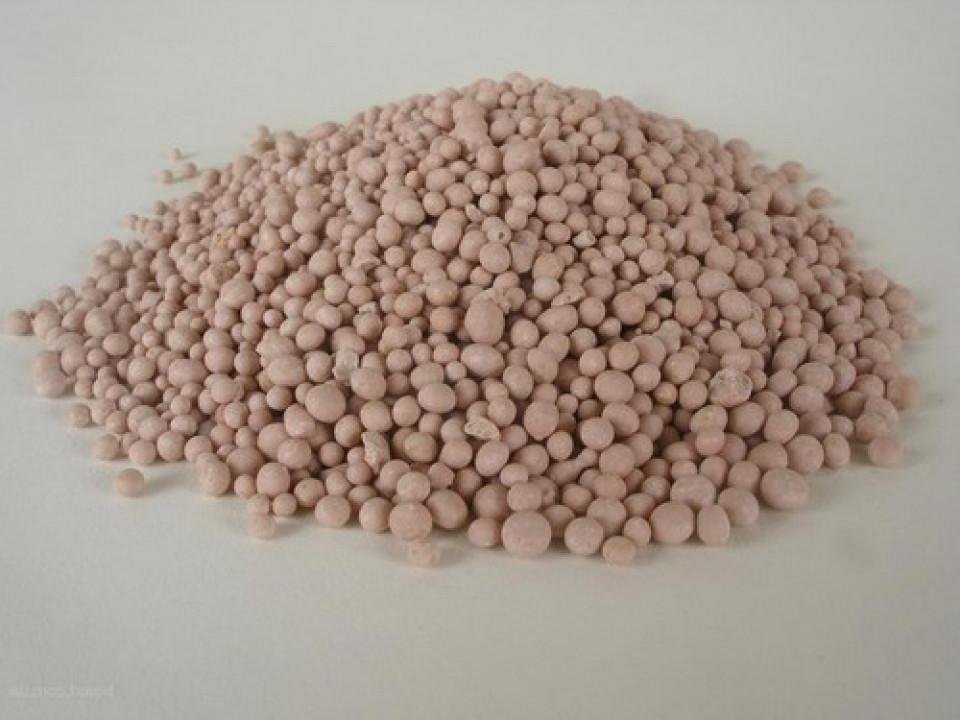
Release form
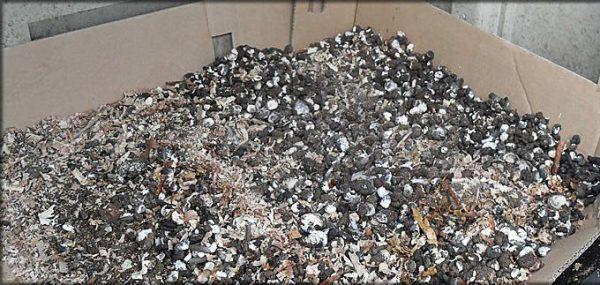
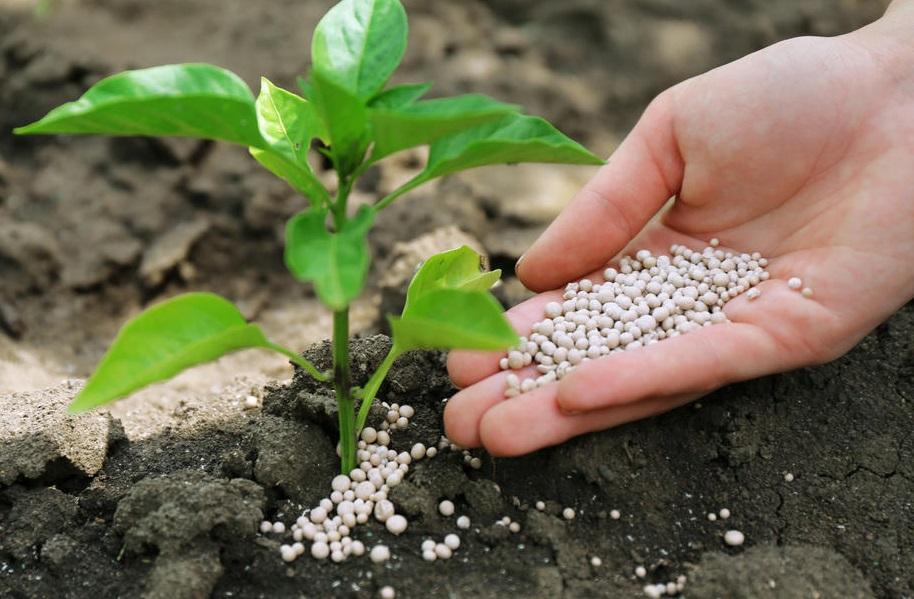
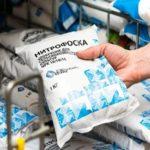
The fertilizer is produced in small granules no more than 0.5 centimeters in diameter. Colors include white, gray-white, and gray-yellow. The granules are dry and crumbly.
Scope of application
Due to its versatility, this fertilizer can be used for all crops:
- fruit and berry;
- vegetable;
- floral.
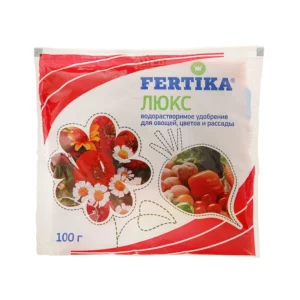
It is used as a fertilizer during digging (apply 30 grams per square meter of soil) and when planting seedlings. It is also used in greenhouses and open ground. Seven grams of fertilizer are used per plant.
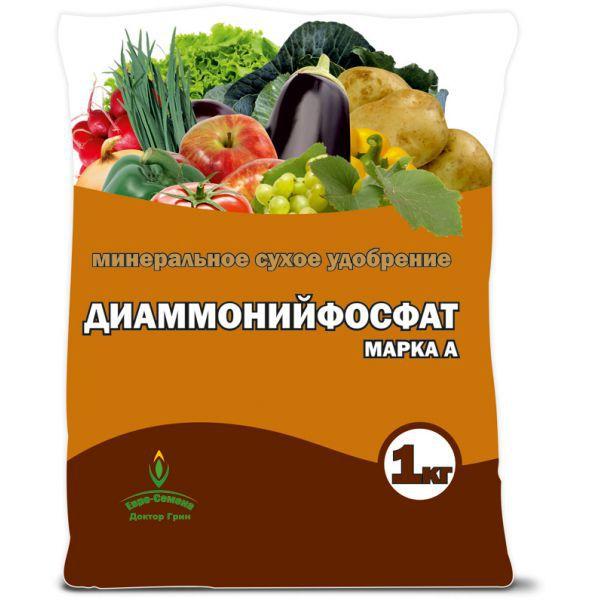
Because diammonium phosphate does not contain chlorine, it is indispensable when growing chlorophobic plants (those that cannot tolerate chlorine), namely:
- fruit trees;
- tomatoes;
- gooseberry;
- strawberries and wild strawberries;
- all types of currants;
- grape;
- potato.
All these plants respond very well to diammophos fertilization.
Benefits and harms of the drug for plants
The preparation benefits the plant without causing harm. However, it does have some minor drawbacks.
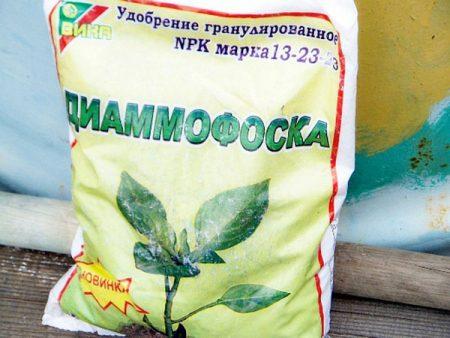
| Pros | Cons |
| The product is fast-acting. It begins working immediately after application. | Chemical composition of fertilizer. |
| Suitable for all crops. | Strict adherence to the manufacturer's recommended dosage. |
| Gives good results on all types of soil. | Compliance with storage rules. |
| Does not contain harmful components. | |
| Improves the quality and shelf life of the harvested crop. | |
| Easy to use. | |
| Compatible with organics in combination. |
The preparation works well not only on the underground part of the plant, but also on the aboveground part.
What kind of soil is this fertilizer intended for?
It exhibits good performance on a variety of soils. The best results are observed in highly acidic soils. This distinguishes it from other fertilizers, as few fertilizers perform well on this type of soil.
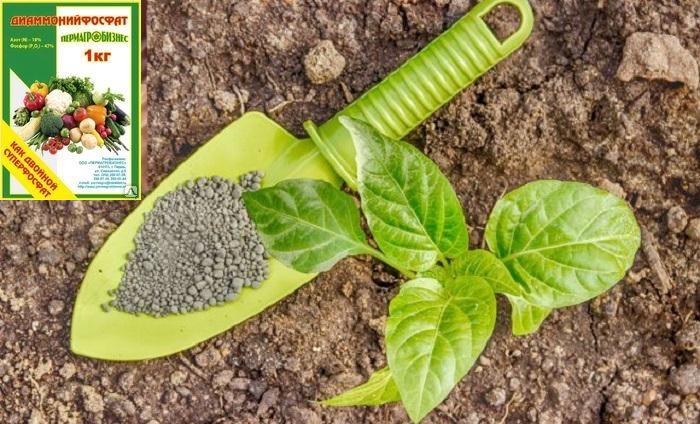
Diammophos is suitable for regions with frequent rainfall because, unlike other fertilizers, it doesn't wash out of the soil, but rather remains firmly anchored. Plants don't suffer from nutrient deficiencies and thrive.
How to use diammonium phosphate correctly?
Using this fertilizer isn't particularly difficult. The main thing is to carefully read and follow the instructions.
Manufacturers recommend moistening the soil before applying fertilizer for a faster effect.
Preparation of working solution
The product is not only applied to the soil in dry form. It can also be used to make a liquid fertilizer. Preparation: dissolve 40 grams of fertilizer granules in a bucket of water.
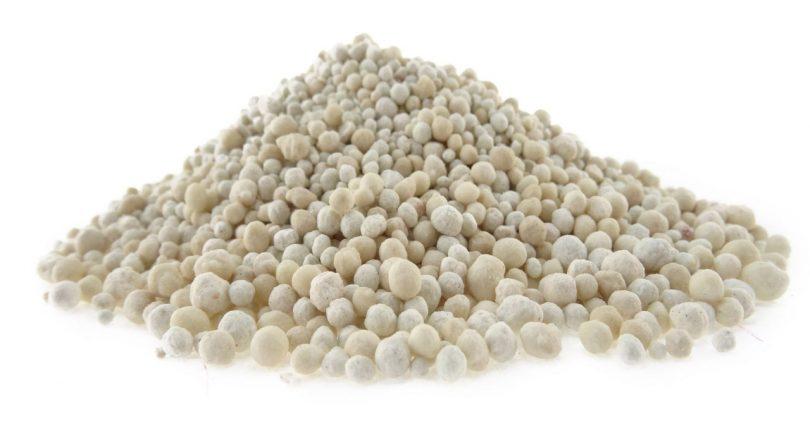
This solution is used to feed plants in the spring. One liter of this solution should be used per plant.
Scheme and rules for processing potato bushes
Fertilizing potatoes significantly improves growth and increases yield due to the plant's complete absorption of the fertilizer. It even extends the shelf life of root vegetables.
There are several application methods for potatoes:
- Before spring plowing, fertilizer is scattered on the surface of the soil at a rate of 25 kilograms per 100 square meters.
- Immediately before planting, the area intended for potatoes is sprinkled with the preparation at a rate of 20 grams per 1 square meter, followed by incorporation into the soil by harrowing.
- When planting seedlings, add 6 grams of granules into each hole.
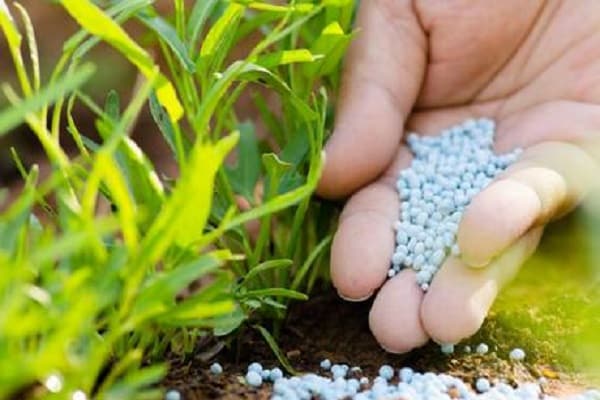
All three options give good results.
Precautionary measures
Personal safety is crucial when working with fertilizer. Before you begin:
- Wear protective gloves and closed clothing to avoid contact with skin.
- After finishing work, wash your hands with soap.
- If it gets into your eyes, rinse them thoroughly with soapy water and rinse with running water.
- Follow the dosage indicated by the manufacturer.
Carry out all work with fertilizer in calm, windless weather.
Nuances of combined use with drugs
Excellent results are achieved by combining diammophos with organic fertilizers such as cow manure and poultry manure. It also combines well with saltpeter in a 1:1 ratio.
Cost and storage conditions
The cost of fertilizer varies from 50 to 70 rubles per kilogram in different regions. When purchased in bulk, the price ranges from 20,000 to 30,000 rubles per ton.
It is very important to comply with the storage conditions of the drug.
- Store in a dry, ventilated area, avoiding exposure to sunlight.
- Temperature – from 0 °C to +30 °C. Relative humidity of the room – not less than 50%.
- Store in a closed and undamaged container.
- It is prohibited to keep near food and medicines.
- Shelf life: no more than 5 years.
Caution! It is very important to keep children and animals away from the storage area.
Analogues
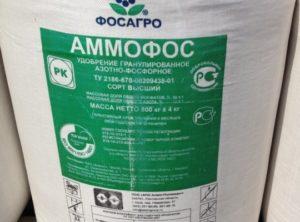
There is no product with identical composition. There are fertilizers that contain other components in addition to nitrogen and phosphorus: diammophoska, nitroammophos, ammophos, and ammophoska. They all have the same composition: nitrogen, potassium, and phosphorus. They differ in the ratio of their components.
Vegetable growers' reviews of the chemical's use
Evgeniya, 42 years old, Armavir.
"I'm only using it on potatoes for now. I'm very pleased with the quality of the harvest, especially its long shelf life without damaging the roots. I plan to use it on other crops."
Alexander Ivanovich, 64 years old, pensioner, Kostroma.
"I accidentally mixed it up with another strawberry fertilizer. After reading the instructions, I decided to give it a try, and I didn't regret it. Now I use it all the time."
Diammophos is a multi-component fertilizer suitable for all crops and all soil types. When used correctly, it is harmless to humans and animals. Soil enriched with this fertilizer, which penetrates the crop's root system, provides the necessary nutrition for development and healthy growth.
Related posts:
 The best eggplant varieties for growing in a polycarbonate greenhouse: planting and care
 Methods for planting and propagating cherries at home
 How to control carrot flies with medications and folk remedies
 Is it possible to plant carrots in July or at the end of June? What are the best days and care instructions?
 The health benefits and harms of cherries, rules of consumption, and their effects on the body
 The best grape varieties for growing in the Urals, planting and care rules in summer
 Nitrophoska composition and instructions for use of fertilizer, errors
 The health benefits and contraindications of black currants