
- Description of the substance
- What does it consist of and what is its chemical formula?
- Types of fertilizers
- Pros and cons
- What is the difference between nitrophoska and nitroammophoska?
- Signs of nutrient deficiency in plants
- When to apply
- In the fall
- In the spring
- How to use against pests
- Rules for using the substance
- For seedlings
- Fertilizing flowers in open ground
- Use for cabbage
- For indoor flowers and plants
- For strawberries
- Fertilizing raspberries
- For garlic
- For trees and shrubs
- Fertilizing potatoes
- For cucumbers
- Safety precautions
- Possible errors
Growing healthy plants and obtaining a bountiful harvest requires the use of organic and mineral fertilizers. Gardeners often use complex fertilizers that contain the necessary substances for their crops. Nitrophoska is available in several varieties. Therefore, before purchasing a fertilizer, it's important to determine its intended use. Following the instructions for use is crucial.
Description of the substance
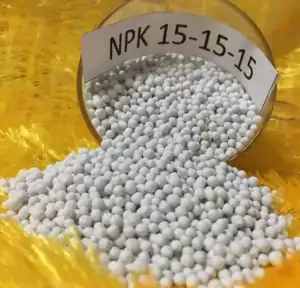
Nitrophoska is a well-known fertilizer that gardeners have been using for many years. It is a complex compound that includes three essential nutrients: nitrogen, phosphorus, and potassium. It is most often produced in the form of easily soluble granules. When applied to the soil, they quickly disintegrate into ions and are absorbed by seedlings.
What does it consist of and what is its chemical formula?
The basis of a combined mineral fertilizer is an NPK complex, which includes nitrogen, potassium, and phosphorus. The percentage of the main ingredients in the composition does not exceed 60%. However, the amounts of each ingredient vary slightly.
In most cases, you'll find commercially available fertilizers containing equal amounts of nitrogen, potassium, and phosphorus. However, some types contain higher levels of certain components. Additionally, the product may contain ammonium nitrate, ammonium chloride, calcium chloride, and potassium nitrate. Nitrophoska also contains a small amount of gypsum powder.
The chemical formula of the product is NH4NO3CaHPO4(NH4)2HPO4Ca+CaSO42H2OKCl. It contains nitrates, which can be harmful to human health. However, when used according to the instructions and dosage, the substance is considered completely safe.
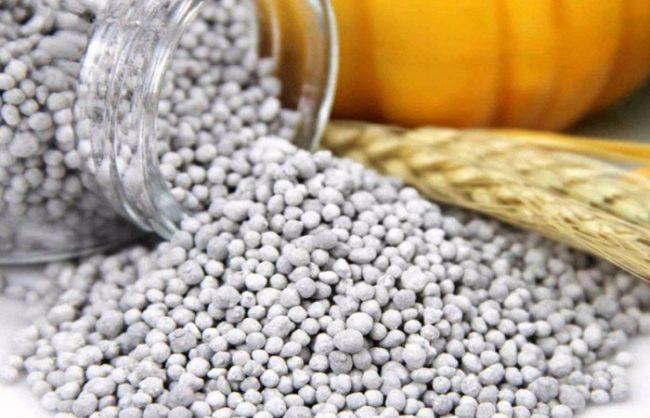
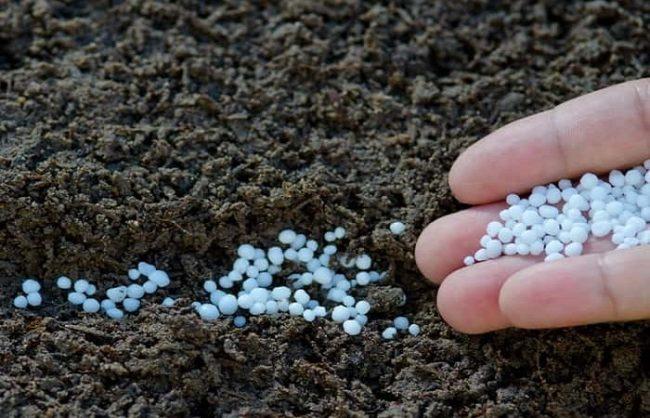
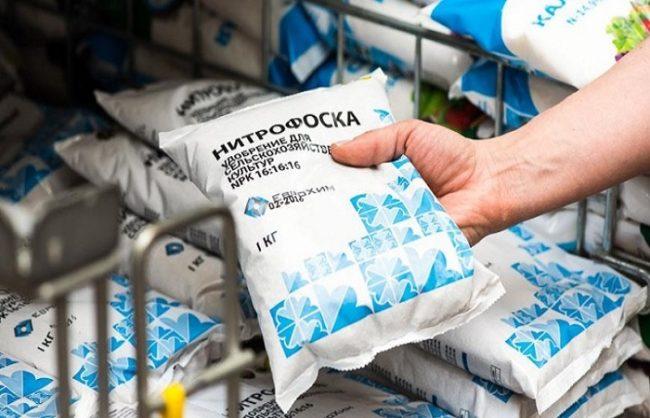
Nitrophoska can be used on all cultivated and ornamental plants, regardless of region. Its affordable price makes it very popular among farmers and gardeners.
Types of fertilizers
Today, there are several types of nitrophoska, which differ in the methods of their production:
- Sulfate is best suited for cucumbers. However, it can also be used on tomatoes, beans, and cabbage. The sulfur in the product helps form plant proteins and has fungicidal properties. It also helps repel a number of pests, primarily mites.
- Sulfate – contains a large amount of calcium. This product helps improve bud formation and has a positive effect on the vibrancy of flower and leaf colors. Therefore, it is often used to fertilize houseplants.
- Tomatoes especially like phosphorite fertilizer. When applied, they produce larger fruits.
Pros and cons
The main advantages of the fertilizer include the following:
- Versatility – the composition is suitable for all plants. It is suitable for ornamental and fruit crops.
- No harm to the crop – however, it is important to adhere to the dosage and rules for using the substance.
- Affordable price – thanks to this, any gardener can buy the composition.
- Excellent solubility in water allows the composition to be used in dry form and as a working solution.
- Can be used by farmers and gardeners who do not have significant experience working with chemicals.
- Getting fast results.
- Complete absorption of all fertilizer components by the root system of plants.
- The ability to use mineral compositions for different types of soil without the risk of negatively affecting the composition.
Take a look Also
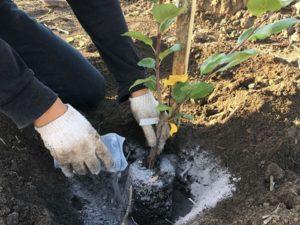
The disadvantages of the substance include the need to use personal protective equipment and precise dosage of the product.
What is the difference between nitrophoska and nitroammophoska?
Both mineral fertilizers belong to the same class, but they have significant differences. Nitrophoska and nitroammophoska contain nitrogen, phosphorus, and potassium, although the amounts may vary.
The main differences between the fertilizers include the following:
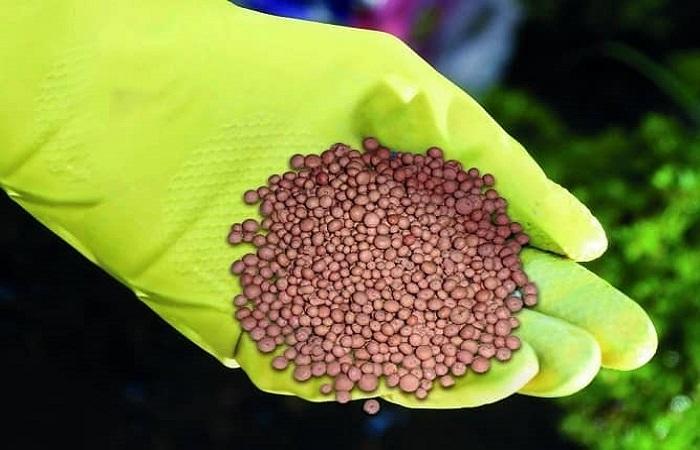
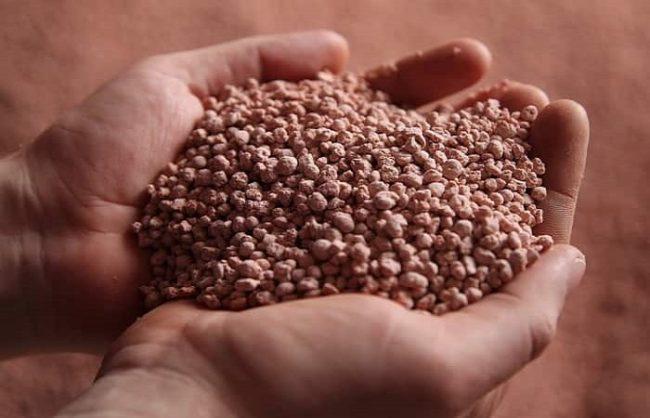
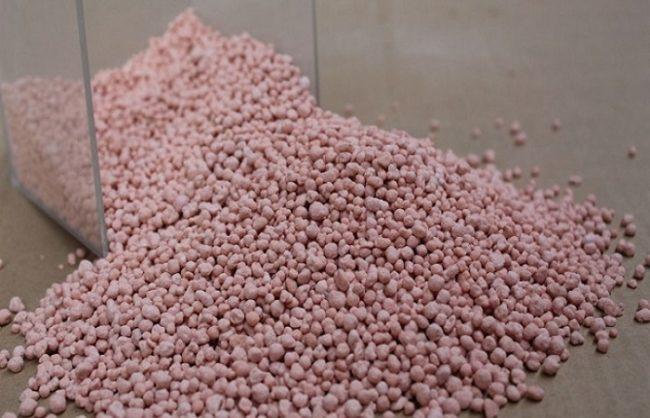
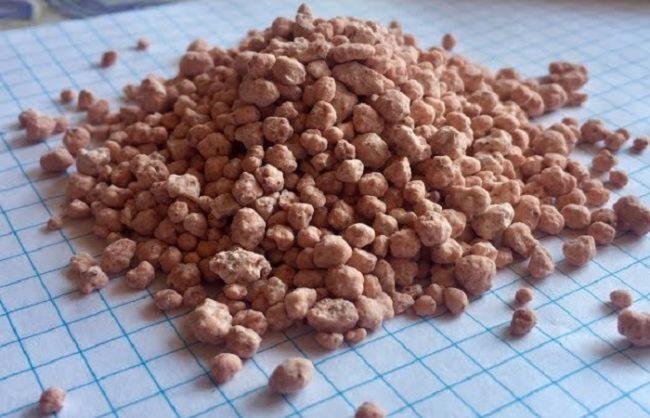
- nitrophoska has a white or bluish tint, and nitroammophoska has a pink tint;
- the difference lies in the methods of preparation of the drugs;
- There is no magnesium in nitroammophoska.
The dosage of the products also varies. When using nitroammophoska, it's important to remember that its dosage should be half as much.
Signs of nutrient deficiency in plants
To determine nutrient deficiencies, it is worth paying attention to the appearance of plants:
- A nitrogen deficiency impairs crop growth, including lateral shoots. Plants lag behind in development, and the leaves lose their luster and turn pale green. If prompt action is not taken, the foliage turns yellow, then dries up and falls off.
- If phosphorus is deficient, the crop's development abruptly stops. The lower leaves also change color. They first turn greenish-gray, then purple. After some time, the foliage curls, wilts, and falls off. The danger of phosphorus deficiency for young crops is that untimely fertilization will not correct the delayed development.
- A potassium deficiency causes the lower leaves to take on a rusty color. Small spots may also appear on them. Uneven cell and tissue development gives the foliage a corrugated surface. A slowdown in photosynthesis delays flowering.
When to apply
The combined mineral fertilizer can be applied in spring or fall. The exact timing depends on the intended use.
In the fall
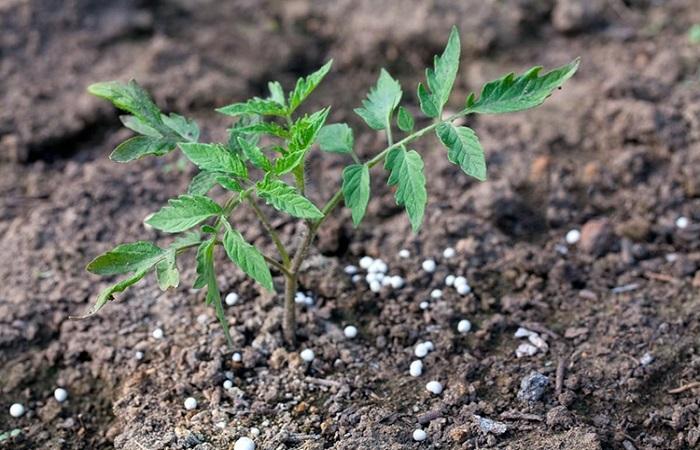
Nitrophoska should be applied during autumn tillage if the soil has a peaty or clayey structure. In such heavy soil, the ingredients need time to dissolve and reach the desired plant form. In this case, fertilizing in the spring should be avoided, as this will lead to overdosing.
In the spring
In the spring, nitrophoska should be applied to sandy soil. This is done before planting. This is necessary because nitrogen quickly leaches from this type of soil. It is also recommended to fertilize perennial fruit trees and shrubs in the spring. This should not be done in the fall, as the nitrogen will stimulate vigorous shoot growth. These shoots will not have time to harden before the frost and may die in the winter.
How to use against pests
To get rid of parasites, it is recommended to use nitrophoska sulfate. In addition to its main components, it contains sulfur. Its smell is intolerable to some pests. This solution is considered the most effective against ticks.


Rules for using the substance
To ensure effective use of nitrophoska, it is recommended to strictly follow the instructions and take into account the type of plants for which it is being used.
For seedlings
Nitrophoska is recommended for fertilizing weak and diseased seedlings. The first application should be made one week after transplanting. Mix 15 grams of the product with 1 liter of water. This amount is enough for 50 young plants. It is also acceptable to apply the fertilizer when planting seedlings in the soil. Place 15 grams of dry granules per hole.
Fertilizing flowers in open ground
Sulfate nitrophoska, which contains calcium, is suitable for ornamental plants. This substance makes plants more attractive, promotes the number of buds and flowers, imparts vibrancy, and extends the lifespan of leaf blades.
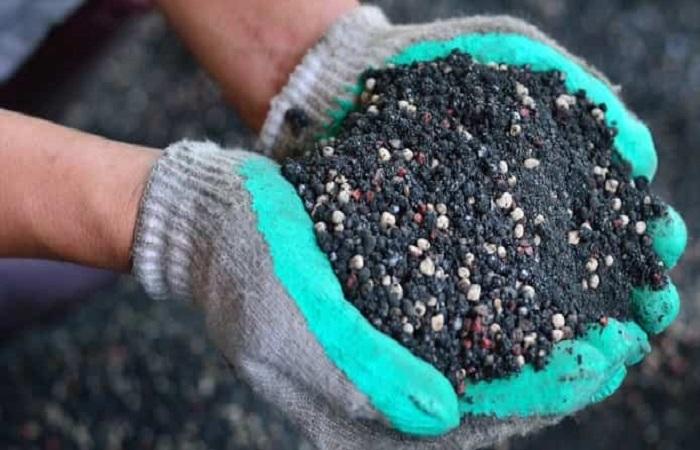
Nitrophoska can be used on perennial flowers and summer crops. The fertilizer should be applied to the holes when planting bulbs and seedlings in the spring. Dry nitrophoska is not recommended. To make a useful solution, mix 25 grams of the product with 10 liters of water. For bulbs, 100 grams of the solution is required per hole. For seedlings, 150 grams is recommended.
Use for cabbage
For cabbage, it's recommended to use the sulfate form of the fertilizer, which promotes protein formation. The first application is during the seedling growth stage. To prepare the solution, use 10 grams of the fertilizer per 1 liter of water. It's recommended to feed young plants one week after transplanting.
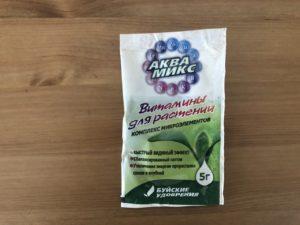
Nitrophoska is applied a second time when planting seedlings in open ground. Add one small spoonful of fertilizer to each hole and mix thoroughly with moist soil.
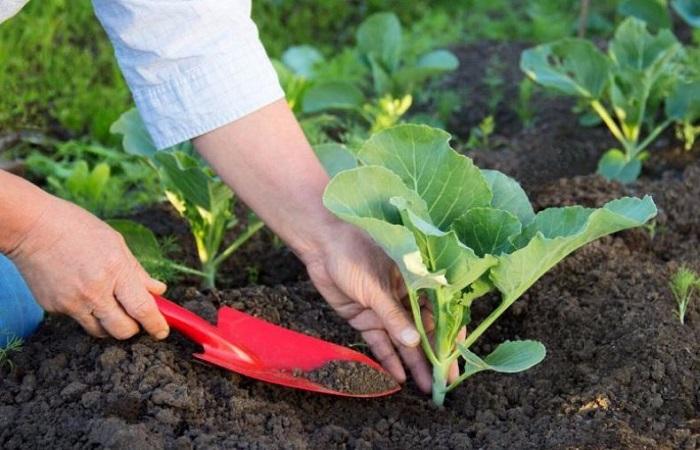
Sometimes gardeners use a special mixture that includes plant compost, wood ash, and nitrophoska. Typically, one small spoon of ash and one small spoon of nitrophoska is used per kilogram of compost.
The bushes can be fertilized again after two weeks. It is recommended to use 25 grams of the solution per 10 liters of water. This amount of solution is enough for 2-3 square meters of planting.
For indoor flowers and plants
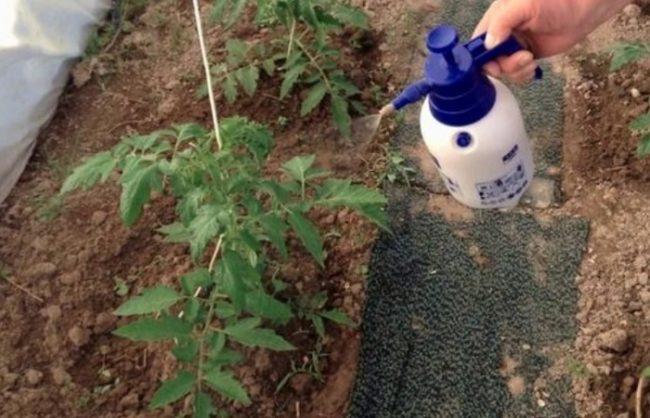
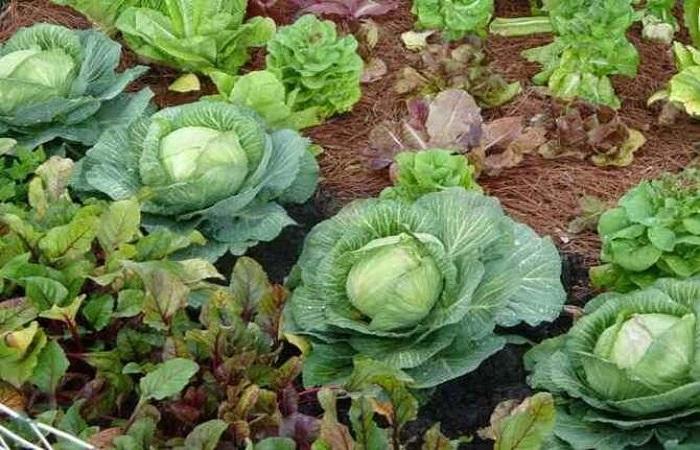
Houseplants require fertilizing in early spring and during the budding stage. When applying the solution, be careful not to let it come into contact with foliage or stems, as this can cause burns.
To achieve the desired results, it is recommended to use 25 grams of granules per 10 liters of water and mix thoroughly until the product is completely dissolved. Fertilizing should be done in the evening, after watering the plant. This will help prevent root burn.
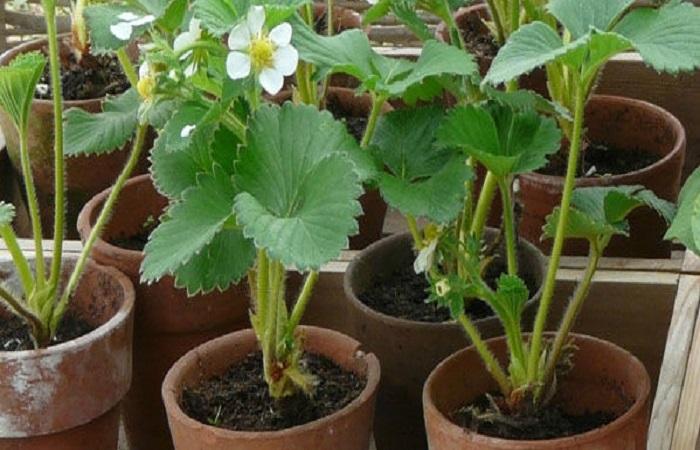
For strawberries
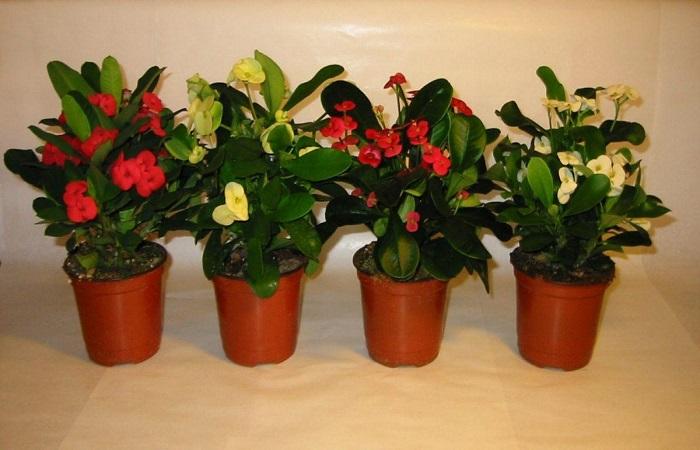
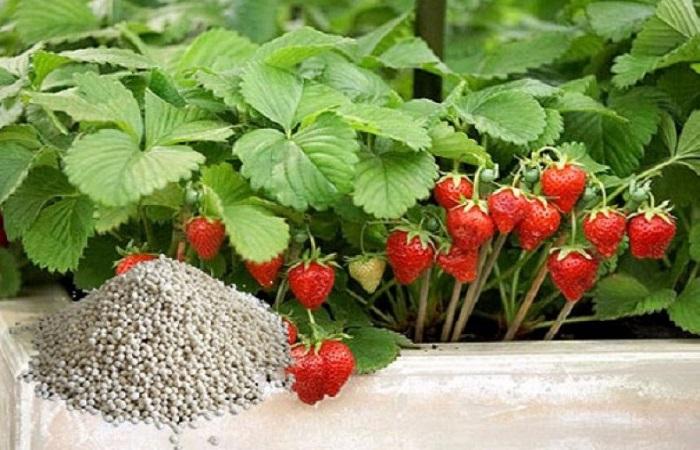
Nitrophoska can be used for strawberries in spring and summer. It can be added to the planting holes in August. It's important to thoroughly mix the product with moist soil. When planting strawberries, only 5-6 granules of the product are needed in each hole. It's important to ensure that the roots of the plants don't come into contact with the product. Other fertilizers should be combined with ample watering.
The next time, strawberries should be fertilized, it should be during flowering. This should be done before fruit set. The third time, the substance should be applied after harvest. The amount of nitrophoska should not exceed 30 grams. The mixture must be mixed with a bucket of water. This amount is enough for approximately 20 plants.
Fertilizing raspberries
Raspberries are considered very demanding when it comes to soil composition. They respond well to the application of combined fertilizers. Therefore, fertilizing the bushes with nitrophoska is necessary every year. This is recommended in the spring. The fertilizer application rate should be 40-45 grams per square meter of planting.
Raspberry fertilizing is acceptable not only in the spring but also after harvest. Nitrophoska is recommended for application by burying granules into the soil. This procedure should be combined with loosening the soil around the tree trunk. Application in the fall is not recommended.
For garlic
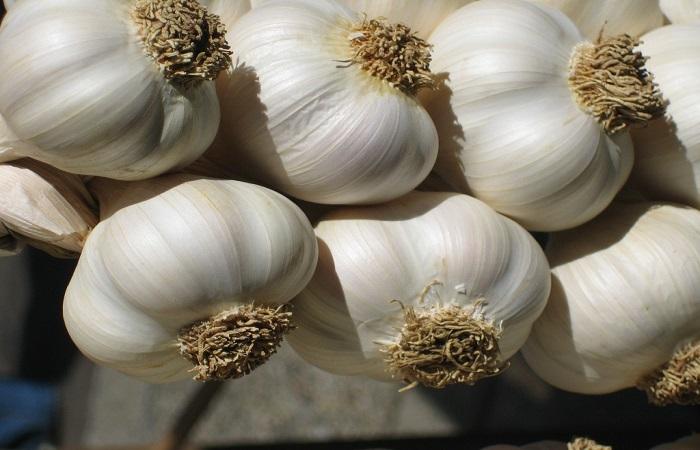
It is recommended to fertilize winter and spring garlic with nitrophoska in the spring. Apply urea first, then nitrophoska 14-15 days later. At this time, use 25 grams of the solution per 10 liters of water. For one square meter of garden beds, 3.5 liters of this solution is required.
For trees and shrubs
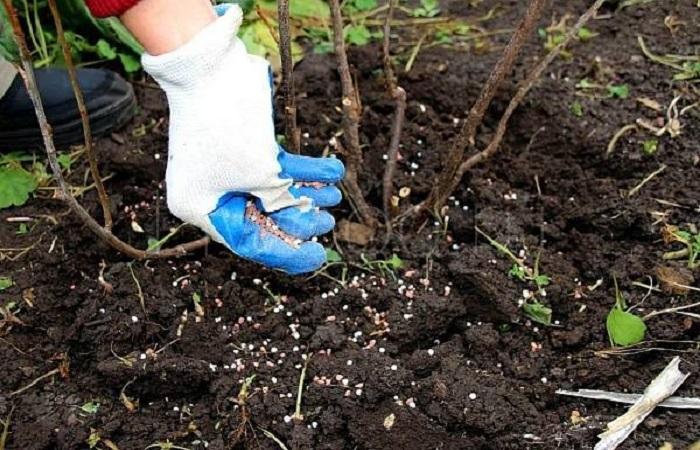
These crops can only be fed with nitrophoska in the spring and early summer. This is due to its nitrogen content. For faster results, it is recommended to use a liquid solution of the product. For this purpose, use 45 grams of granules per 10 liters of water.
One mature plant will require 3 buckets of the working solution. For trees over 5 years old, the dosage is increased to 4 buckets. The first application should be made after flowering, and the second application should be made during the fruit set stage.
Fertilizing potatoes
When growing potatoes, it is recommended to apply nitrophoska directly to the planting holes during planting. It is acceptable to sprinkle 1 tablespoon of the substance into each hole and then thoroughly mix the mixture into the soil.
When planting large numbers of tubers, the product can be applied in the fall or early spring while tilling the soil. Use 75 grams of the product per square meter.

For cucumbers
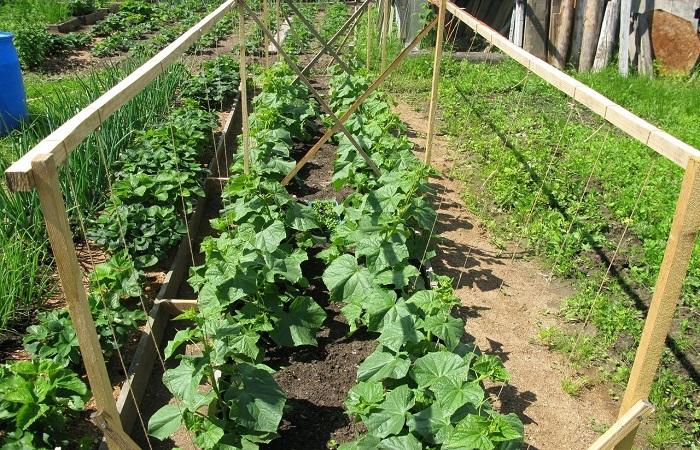
Nitrophoska can increase cucumber yields by 18-22%. Using this substance in the garden helps cucumbers develop fully. Potassium helps improve the fruit's flavor, and phosphorus stimulates fiber synthesis, making the fruit juicier and firmer.
Nitrophoska is usually recommended to be applied in advance. This means applying the fertilizer in the fall when tilling the soil. Apply 25 grams of the fertilizer per square meter. After planting the seedlings, you can fertilize them with a nitrophoska solution 2-3 days later. To prepare it, mix 35 grams of the fertilizer with 1 bucket of water and apply 500 milliliters of the solution per plant.
Safety precautions
When working with any substances, it's important to follow safety precautions. Although nitrophoska is virtually harmless to plants and people, it's important to follow basic recommendations:
- Do not handle this product near open flames. The ingredients are considered explosive. The minimum distance is 2 meters. However, it is best to handle this product in a separate room.
- Use personal protective equipment. It is recommended to protect your hands with gloves and your face with a mask.
- Keep the medicine out of reach of children and pets.
- If the substance gets into your mouth, nose or eyes, rinse the mucous membranes with plenty of clean water.
- After finishing work, wash exposed body parts with soap and water. This will remove granule dust and rinse away the chemical solution.
- Use separate clothing for gardening. It must be washed regularly.

Possible errors
Beginner gardeners make various mistakes when using nitrophoska, which negatively impacts crop development and can even lead to their death:
- the preparation is applied under fruit trees and shrubs in the fall;
- do not follow the manufacturer's recommended dosages;
- do not adhere to breaks between fertilizing applications;
- Do not mix dry granules with moist soil - this will cause burns to the root system.