
- Types and composition
- Methods of obtaining
- From peat
- Woody
- From coal
- From fallen leaves, tops and straw
- Instructions for use as a fertilizer
- How to use for protection against pests and diseases
- What benefits does it provide to plants and soil?
- Common mistakes and how to avoid them
- Plants that should not be used
Most gardeners and vegetable growers try to use only natural fertilizers to nourish their plants. Burning organic waste leaves behind a large amount of ash, which is added to the soil to improve its fertility. Ash also helps protect fruit, berry, and vegetable crops from diseases and pests. How and when to use ash in your garden is discussed in more detail below.
Types and composition
The benefits and composition of ash directly depend on the organic substances that were burned to obtain it.
- The largest amount of mineral compounds remains after burning wood and dry grass. This ash contains numerous macro- and microelements necessary for the healthy growth and development of crops.
- Phosphorus fertilizer is obtained by burning coniferous trees, birch, and straw left over from cereal crops. Conifers and birch also provide calcium.
- Ash obtained from corn or sunflower stalks contains a large amount of potassium compounds.
- After burning peat, a powder enriched with potassium and phosphorus compounds remains.
Burning coal also leaves behind a large amount of combustion products. This organic matter is difficult for plants to digest, so it is rarely used in agricultural operations.
Important! If plastic or other inorganic substances are added to the fire during combustion, such material is prohibited from being used as fertilizer or top dressing.
Methods of obtaining
Ash from processing various organic materials can be accumulated throughout the year and used as fertilizer in spring and fall to improve soil fertility, nourish, and protect plants. Let's look at how to properly extract this valuable substance.
From peat
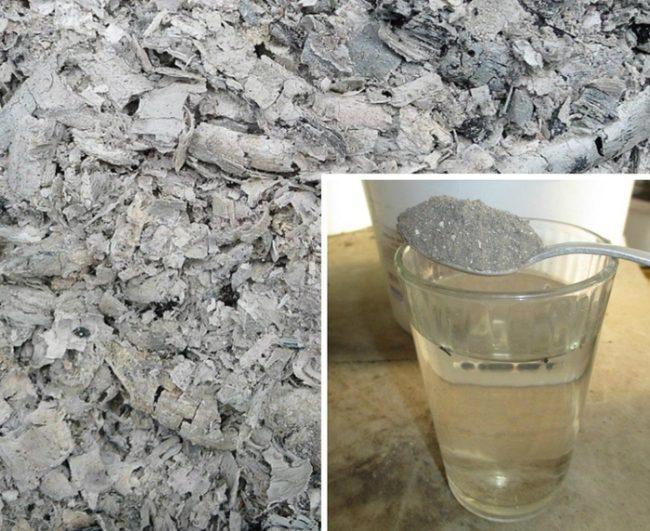
To obtain nutrition for the soil and plants, people purchase bags of peat from garden centers or flower shops. The substance is then burned using any convenient method, and the residue is used as fertilizer.

Woody
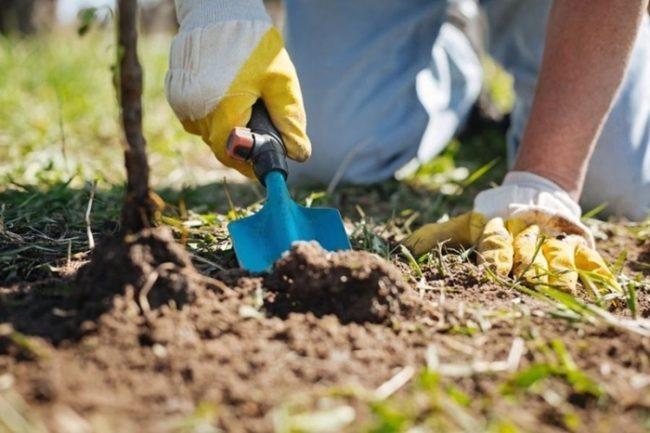
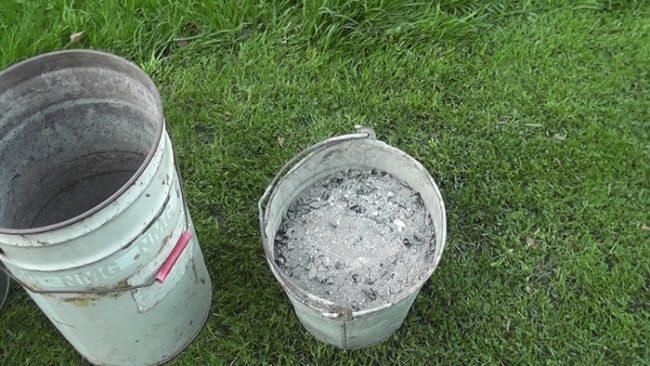
To make wood ash, you need birch, pine, and spruce firewood. You can burn it in a stove, fireplace, or campfire. Ash from deciduous trees is rich in potassium and is used as a primary fertilizer for garden and vegetable crops. Coniferous trees enrich the ash with calcium, which is also essential for the proper growth, development, and fruiting of plants. In addition to these essential elements, wood ash contains large amounts of iron, boron, and manganese.
Important! Use completely cooled ash no earlier than 2 days after burning the wood.
From coal
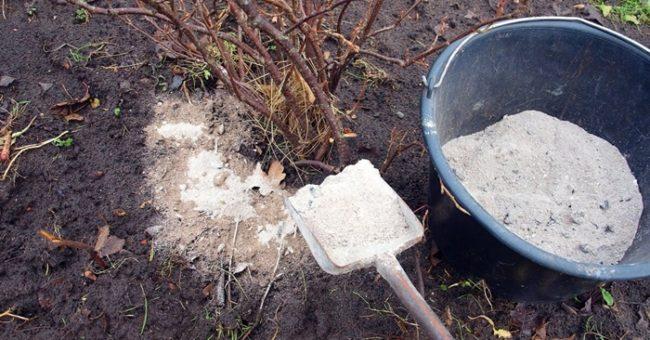
Coal is a hard material, and even after burning, it leaves large remains. The coal is ground to a powder consistency and, if necessary, added to the soil.
To get the most benefit from this fertilizer, apply it 3-4 months before planting. During this time, the coal ash will release essential nutrients into the soil, making them available to plants.
From fallen leaves, tops and straw
Sunflower and corn tops, as well as the stems of cereal crops, contain high levels of macro- and microelements. After burning, such ash is rich in phosphorus and potassium. The ash residue from dried leaves contains virtually no nutrients, so it is mixed with more concentrated ash.
The work is carried out in the fall, after the harvest, plant pruning, and leaf fall from trees and shrubs. Organic waste is collected, briefly dried in the sun, and only then completely burned.
Important! When lighting a fire from dead wood, it is necessary to observe fire safety precautions.
Instructions for use as a fertilizer
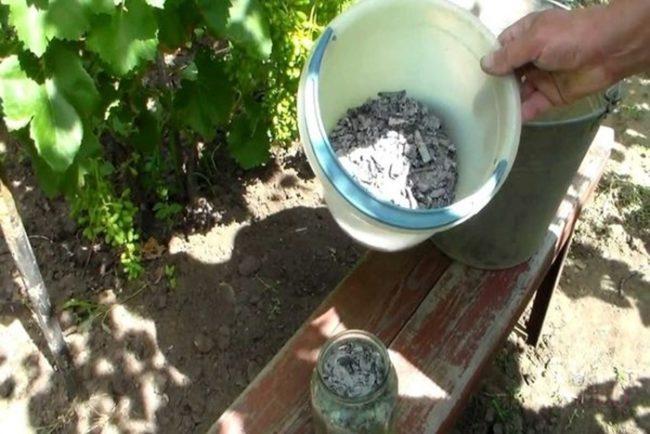
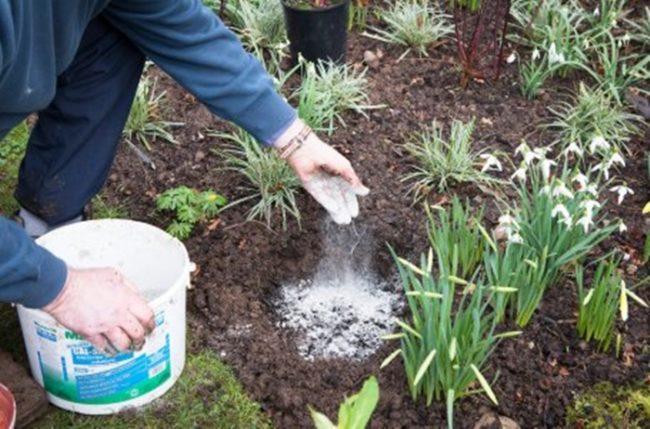
The byproduct of burning organic matter is used as a dry fertilizer to improve soil composition. In the fall or spring, the ash is added to dug and loosened soil. For maximum results, apply the ash 3-4 months before planting. If planting is planned for spring, apply the organic fertilizer in the fall.
Take a look Also
It is recommended to use an aqueous solution of ash for plant feeding, as dry matter can cause serious burns to rhizomes.
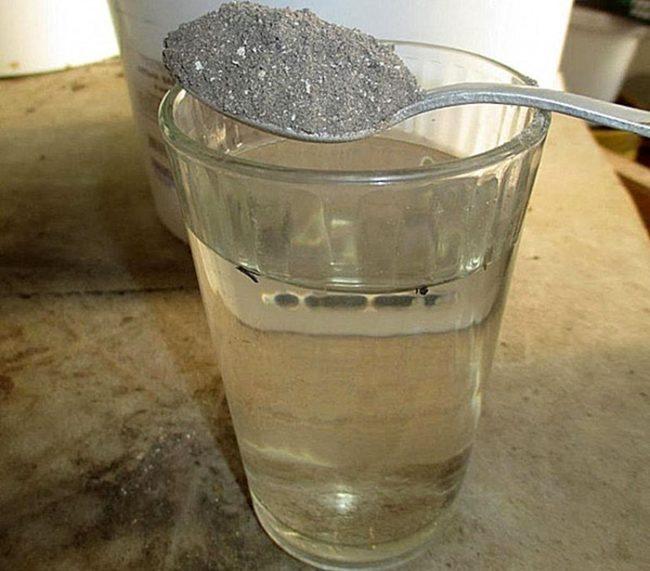
To prepare the working solution you will need:
- a bucket of clean, settled water;
- a full glass of combustion product of organic materials.
Pour the ash into a container with liquid, mix thoroughly, seal tightly, and let sit for 24 hours. The finished fertilizer is used for watering garden and vegetable crops.
How to use for protection against pests and diseases
This universal fertilizer helps combat fungal, viral, and bacterial infections, and also protects plants from harmful insects.
For preventative treatment and treatment of plantings from various diseases and pests, a solution is prepared:
- a bucket of water is heated, but not brought to a boil;
- ash, in the amount of 3 kg, is sifted through a fine sieve and added to hot water;
- the solution is thoroughly mixed until the ash is partially dissolved, and covered with a lid;
- The container with liquid is placed in a warm place and left to infuse for 2 days, stirring occasionally.
The resulting solution is sprayed on plants as needed. To prevent fruit and berry crop losses due to various pests, dry ash can be added to the soil during fall gardening.
To protect vegetable crops from slugs and snails during the growing season, mix the ash with crushed tobacco leaves and scatter it over the beds. Apply 300 grams of dry matter per square meter of crop.
Tip! To increase the effectiveness of the ash-based solution, add a pre-crushed bar of laundry soap or tar soap.
What benefits does it provide to plants and soil?
In order to properly use the final combustion product, it is necessary to understand what beneficial properties it has.
- Ash is primarily used to improve the composition and structure of soil. Ash contains a large number of mineral compounds essential for the proper growth and development of garden and vegetable crops.
- A natural solution is used to reduce soil acidity. This work is carried out in the fall, spreading up to 300 grams of ash per square meter of soil.
- Ash is an excellent growth stimulant for cultivated plants. To do this, use an aqueous solution made from one glass of water and three tablespoons of the powder.
- Fertilizing ornamental plants with ash increases their growing and flowering period.
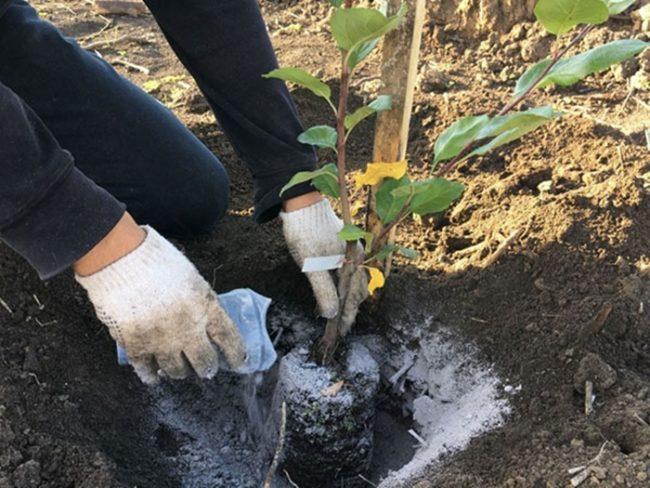
- For vegetable crops, this dry fertilizer is used during planting in open ground. The fine powder is sprinkled on the bottom of the planting holes and mixed with the soil.
- Root crops are also fed with ash. The substance is added to the soil during digging or hilling of the beds.
Tip! Adding ash to your compost bin will give your organic fertilizer additional minerals and help it mature much faster.
Common mistakes and how to avoid them
Using ash as a fertilizer and top dressing can significantly improve soil fertility and crop yields. However, positive results can only be achieved if you avoid the following mistakes:
- It is prohibited to use ashes that contain inorganic substances such as plastic, polyethylene and other chemical compounds that do not decompose naturally;
- do not use combustion products on land plots with alkaline soil;
- do not use the product together with nitrogen-containing, phosphorus-containing and potassium-containing fertilizers;
- Harmful substances and dyes are used in printing newspapers, so the remaining ashes after burning them are not used in garden plots.
Important! Store the powder in a dry place in a closed container. This will ensure the ash retains the maximum amount of nutrients.
Plants that should not be used
Do not use organic matter on plots containing plants that prefer acidic soil. Potatoes, sorrel, herbs, radishes, carrots, and some garden flowers should not be planted in soil treated with ash.