
Chelated fertilizers are considered highly effective. Despite their high cost, they are widely used, outperforming standard mineral fertilizers. However, not every gardener is familiar with the benefits of these products. Chelation significantly enhances the properties and quantity of micronutrients absorbed by plants, which has a positive impact on crop development.
What does chelated form mean?
Chelated compounds are produced in a water-soluble form. This ensures that 90% of the active ingredients are absorbed by plants. Furthermore, the effectiveness of the substances is not affected by soil acidity.
Modern chelated fertilizers are an innovative complex containing a special agent. This substance captures and retains trace element ions such as iron, copper, sulfur, and manganese.
Chelated fertilizers combine micronutrients with organic matter. When it penetrates the soil, the organic matter breaks down, and the nutrients are absorbed by plants. This eliminates the need to create salt-based compounds.
Plants absorb chelated substances through their leaves and roots. The active ingredients can be absorbed by seeds, increasing their germination and resistance to diseases. These products have a long shelf life and are free of impurities. Furthermore, they retain their properties during transportation.
Types of chelated fertilizers
The chemical formula of chelated fertilizers can vary significantly. It depends on the micronutrients present in a given formulation. They are made with added iron, boron, and molybdenum. Magnesium, cobalt, and manganese may also be included. Zinc- and copper-based fertilizers are considered equally effective.
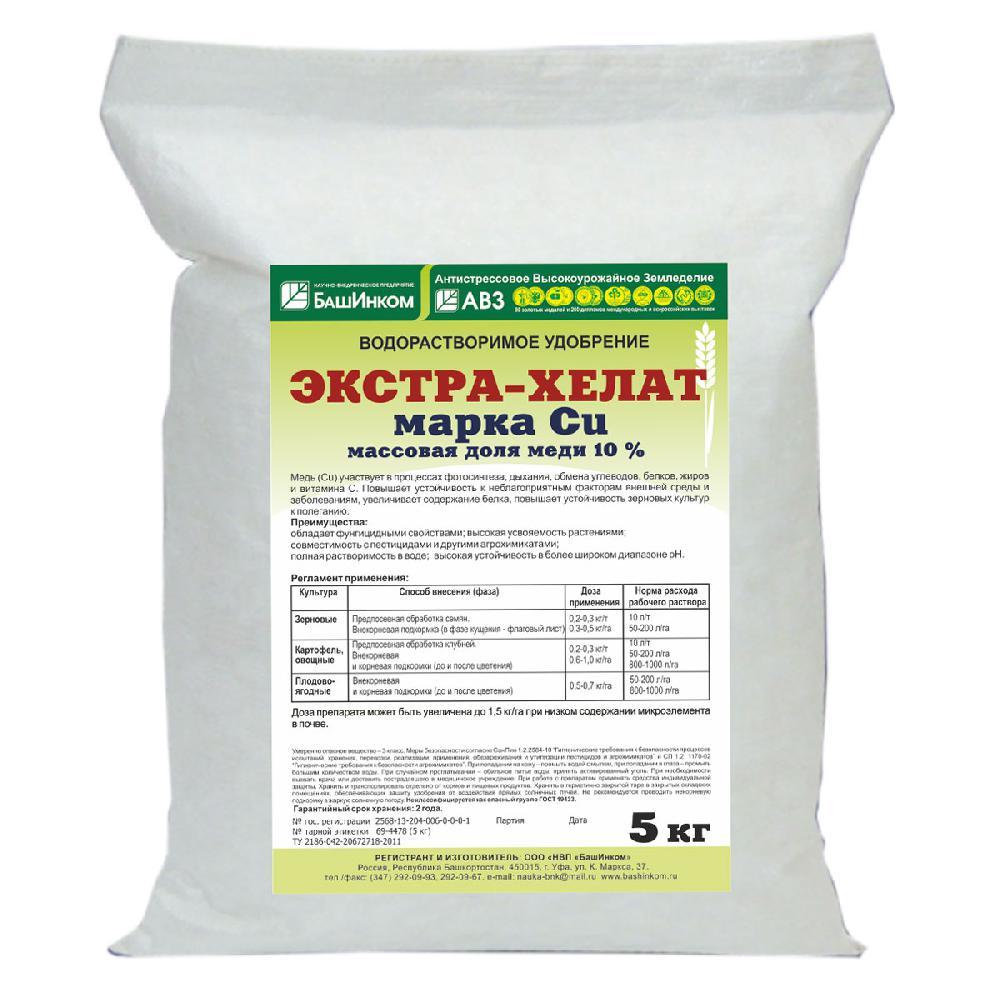
The main types of such funds include the following:
- EDTA – suitable for soil with pH parameters at the level of 1.5-6;
- DTRA – used for soils with acidity of 1.5-7;
- EDDNA – used for substrates with pH at the level of 3-10;
- EDF – used for soils with acidity of 4.5-11.
Take a look Also

Typically, the type of chelating component is indicated on the packaging. A product may contain one or several micronutrients. The former are called monochelates, while the latter are called complex fertilizers. These products also differ in their release form, being sold as a powder or liquid.
When applied
Chelate solutions are suitable for use on various plant species. They are recommended for watering and spraying berry bushes, vegetables, and fruit trees. These products are suitable for garden and indoor flowers. There are no restrictions on the use of these substances, as all crops require micronutrients for normal growth.
Instructions for using minerals
Micronutrients in chelated form are used at various stages of crop life, from seed treatment to fertilizing mature plants. The following application options are possible:
- Preparation of planting material – preparations saturate the seeds with nutrients.
- During flowering and budding, the products stimulate flower formation and ovary development.
- During pesticide treatment, the substances help to minimize stress.
- During the fruiting period, the products improve taste and increase yield.
- Throughout the growing season, chelates protect plants from diseases and parasites.
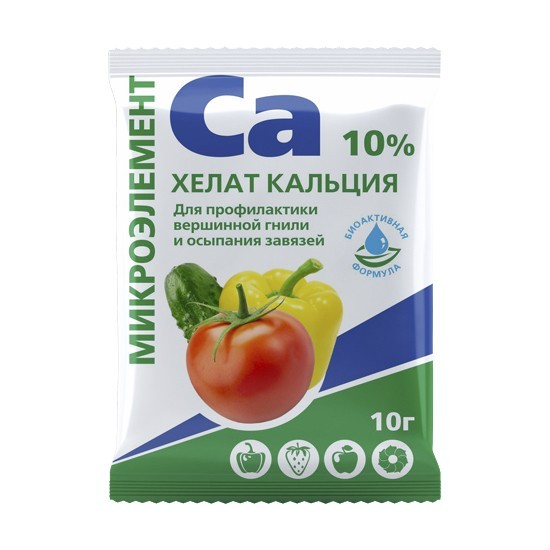
Essentially, chelated fertilizers can be used at various stages of growth and development. Overdosing is virtually impossible, as only the required amount of elements is absorbed. However, exceeding the recommended dose is not advisable, as these products are expensive.
Chelates can be introduced using different methods:
- In the form of solutions for soaking seeds, the root system of seedlings and saplings.
- Root dressings – this option is considered less beneficial, as not all components will be accessible to the roots. Most of the substances will end up in the deeper soil layers.
- Foliar feeding is considered the most common method, but it's not the most effective. Not all elements that land on the leaves are absorbed by the plants.
- In a drip irrigation system, this option is considered the most convenient and economical. It ensures that nutrients are fully delivered to the root system.
The use of chelates does not preclude the use of organic products and conventional mineral complexes. Their primary purpose is to address specific micronutrient deficiencies. However, such substances do not provide complete nutrition.
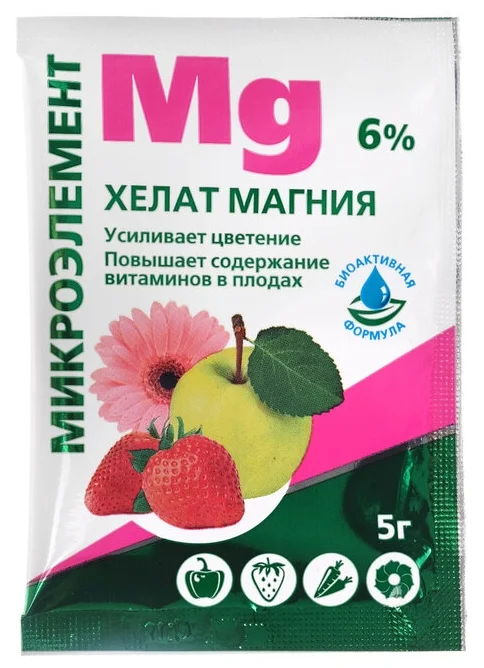
Chelated medications are sold in liquid and powder form. The former is considered more convenient to use. However, it's important to strictly follow the instructions, as these medications are highly biologically active.
Safety precautions
When working with chelated fertilizers, standard safety precautions must be observed. First and foremost, wear personal protective equipment (PPE) such as gloves, goggles, and a respirator. After finishing work, it is recommended to thoroughly wash your face and hands with soap.
What to replace it with
There are no exact equivalents to chelates. Complex mineral or organic products can be used instead.
Chelated fertilizers are highly effective. They are easily absorbed by plants and provide them with essential micronutrients. To ensure the desired results, it's important to use them correctly, following the instructions carefully.