
- How is ash useful for cabbage plantings?
- Advantages and disadvantages
- Ash Fertilizer Recipes
- Preparation of the solution
- Preparing the infusion
- Application
- Deadlines
- Fertilizer application technology
- Applying fertilizer when sowing seeds
- Using ash when planting seedlings
- Fertilizing mature bushes
- How to use ash to treat cabbage against pests
- Dry ash
- Solution
- Infusion with the addition of laundry soap
- Decoction
- Reviews of the product from experienced gardeners
The question of how to fertilize cabbage with wood ash regularly arises among gardeners looking to increase their yield. This "old-fashioned method" is preferred by gardeners who distrust store-bought solutions and prefer organic ones. Obtaining wood ash isn't all that difficult; all that's left is to properly "prepare" it into fertilizer, and you can begin.
How is ash useful for cabbage plantings?
Wood ash, also known as wood dust, is a unique substance containing numerous beneficial substances. Furthermore, most plants growing in the garden tolerate this fertilizer well. The only exception is carrots, which are not particularly receptive to this type of fertilizer.
For most crops, the fertilizer is useful because it contains:
- Lots of useful substances.
- Allows you to saturate the soil with manganese, phosphorus, potassium and other microelements.
- Provides the plant with additional nutrition.
Fertilizers are used to support seedlings, accelerate their growth, and reduce the risk of various viral and fungal diseases. Using fertilizers, along with following all the proper care guidelines, will ensure cabbage has a strong immune system. This means fewer problems for gardeners.
Advantages and disadvantages
Since ash is a natural material, a naturally occurring fertilizer, it has no drawbacks. The only downside is that some crops don't tolerate this type of fertilizer well or don't respond to it at all. This can be confusing for a novice gardener.
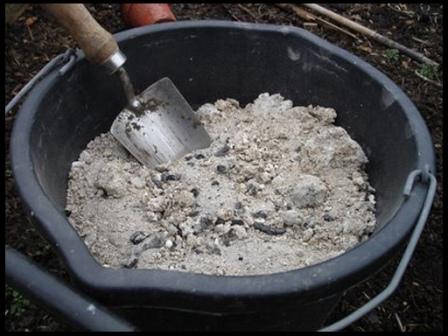
The advantages of this type of feeding include:
- Safe to use. When organic matter is added to the soil, it does not cause any reactions upon contact with the human body or skin. Ash does not irritate the skin and cannot cause chemical burns.
- Cost-effectiveness. Given the unstable financial situation in the country, not everyone can afford expensive fertilizers. To optimize costs, people resort to wood ash.
Fertilizing the plant this way can significantly boost its immunity and prevent the development of fungal and viral diseases. However, this is only true if the gardener sprays the plant directly.
Note: Ash is also used for protection – it repels certain pests.
It's worth noting that fertilizer can be harmful to cabbage or any other crop if synthetic substances are added to the soil along with the ash. Therefore, ensure that the ash is organic and do not burn plastics or polyethylene along with wood.

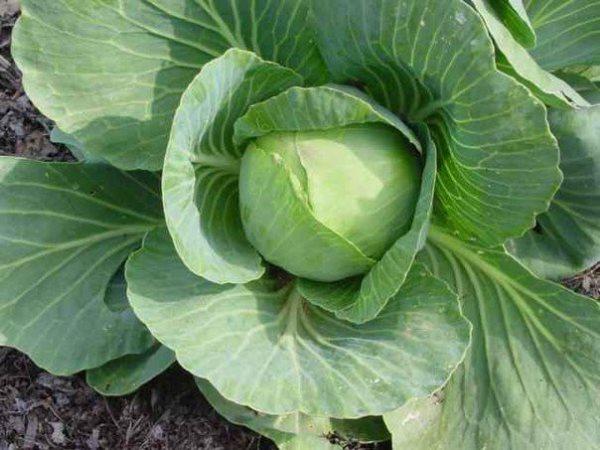
It is advisable to "prepare" fertilizer from birch, this will allow you to obtain a material that can be used to feed plants, seedlings, and even shrubs.
Ash Fertilizer Recipes
This type of fertilizer should only be used if the soil is acidic. If it's alkaline, the treatments will have no effect, so keep this in mind. You can treat not only the soil but also the plant leaves by sprinkling them with ash. There are several proven recipes for making your own fertilizer at home.
Preparation of the solution
If you plan to feed cabbage, follow these rules:
- Take a bucket of water with a capacity of 10 liters.
- Add a glass of ash to the water and mix everything thoroughly.
- Then water the plant at the roots.

Fertilizer prepared in this way will help optimize the crop's growth process, but if you don't follow the rules described above, you can cause serious damage to the immature heads of cabbage.
Preparing the infusion
The recipe isn't particularly complicated; to get a good cabbage fertilizer, in all respects, just follow these steps:
- take a bucket (empty), you can use another container;
- fill it one third with ash;
- pour hot water over everything and let the infusion sit for about a day;
- After the specified time, the “fertilizer” is filtered using a sieve or gauze.
The resulting infusion is poured over the cabbage, it will help speed up its growth.
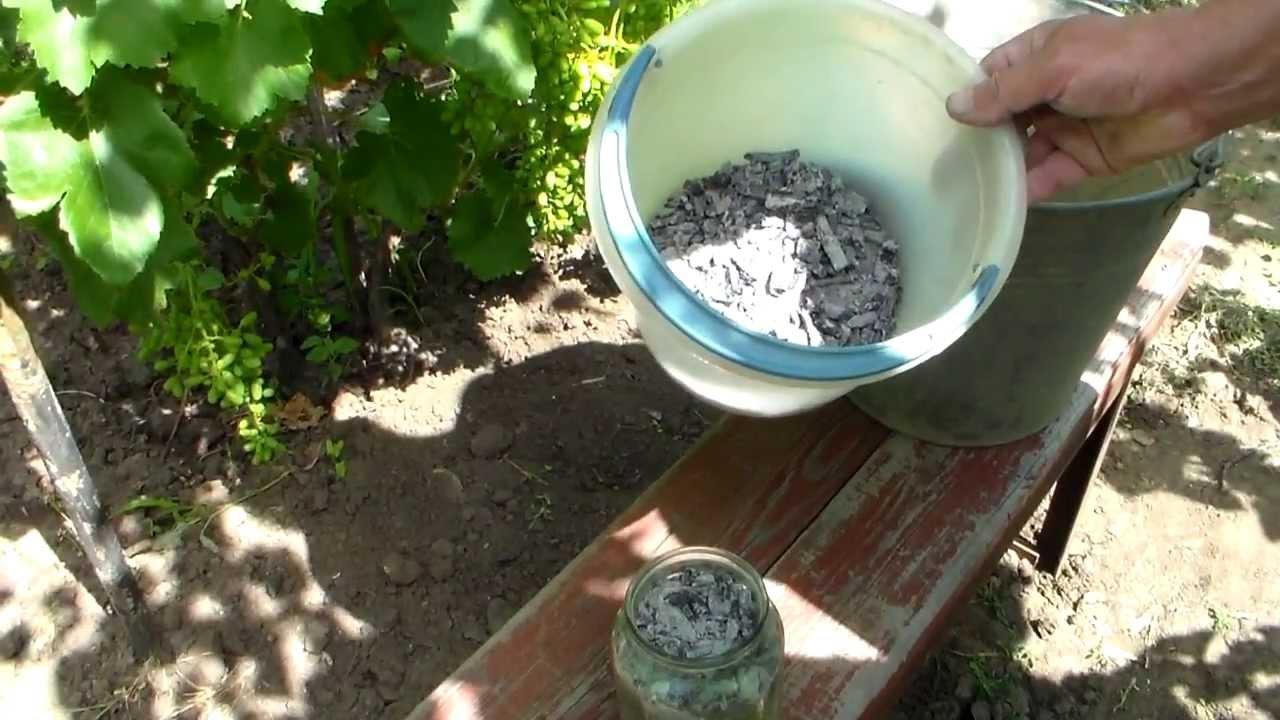
Application
Typically, wood waste from burnt trees is used in seedling cultivation. When growth needs to be optimized, fertilizing is done in several stages, preferably regularly. Otherwise, results will take a long time to appear.
Deadlines
When growing cabbage, it's important to apply fertilizer at specific times. Most often, the following procedures are carried out:
- After planting the seedlings in open ground or a greenhouse, this will help the plant cope with stress more easily.
- It is worth applying ash again 10 days after the first feeding.
- Throughout the growing season, the crop is fertilized with mineral fertilizers. Wood ash can also be used.
- During growth and flowering, fertilizer is applied 4 times, with the procedures carried out monthly.

Tip: When 3-4 leaves appear on the cabbage, spray it with a mixture containing tobacco dust. This mixture will protect the plant from pests.
Much depends on the cabbage variety and the climate in which it grows. In addition to fertilizing, it's important to water the vegetable and loosen the soil. This will help increase yield.
Take a look Also

Fertilizer application technology
Burnt wood residue can be used in either dry or liquid form. The choice largely depends on the gardener's preference.
Applying fertilizer when sowing seeds
If you plan to plant sprouted seeds in the ground, follow these steps:
- mix natural fertilizer with humus;
- Place at least 8 grams of the mixture into the hole;
- Mix everything thoroughly with your hand;
- start planting cabbage.
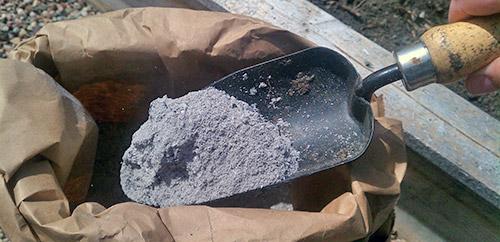
Using ash when planting seedlings
Immediately after the seedlings are planted in the soil, they should be fed with ash. Some gardeners simply sprinkle the soil with ashes from burnt wood, but this method is more likely to help protect the seedlings from pests.
In open ground, it's best to water the crop with ash-based fertilizer, decoctions, or infusions. Watering should be done at the roots.
Fertilizing mature bushes
During the growing season, the plant needs support; it can be fed with wood ash. To do this, water the cabbage with a decoction or infusion, repeating the process after 10 days, if necessary. To increase the effectiveness of the treatment, it's best to mix the remains of burnt wood with peat or humus.
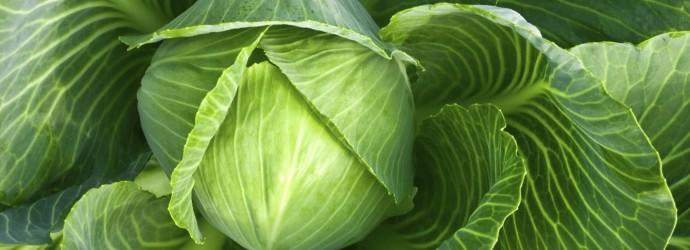
How to use ash to treat cabbage against pests
There are many pests that enjoy eating cabbage leaves. Ash can be used to protect your plants from insect attacks.
Dry ash
It's traditional to sprinkle it on the plant's leaves. Typically, burnt wood remains are placed in a container, mixed with tobacco dust, and the mixture is sprinkled on the cabbage leaves. Pay attention to the leaves closest to the soil. You can also sprinkle the soil around the rhizome.
Solution
A solution prepared from wood ash will help get rid of pests on your property:
- A glass of ash is stirred into water.
- The following proportions are adhered to: for 5 liters of water you will need at least 150 grams of ash.
- The solution is thoroughly mixed, the container is shaken before carrying out the procedures and they begin to treat the outer shoots of the cabbage.
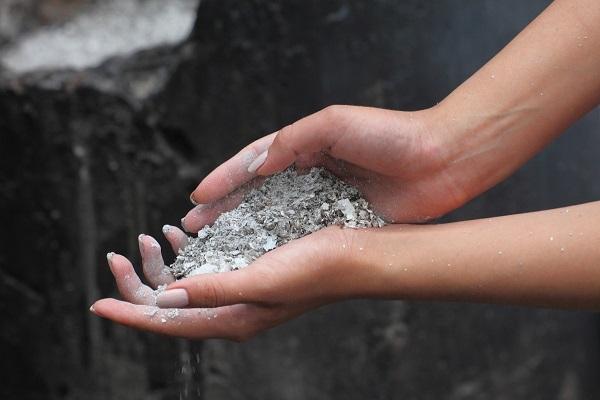
Infusion with the addition of laundry soap
You can make it by mixing several ingredients. How to prepare an infusion with the addition of soap:
- Mix 10 liters of water with 300 grams of wood ash;
- leave the mixture for several days, preferably for 2 days;
- add a pre-prepared soap solution to the infusion;
- Mix everything thoroughly again, strain.
It's not recommended to water cabbage with this solution, but it's perfectly suitable for spraying. You can follow the above proportions, but prepare a smaller amount of the pest infusion.
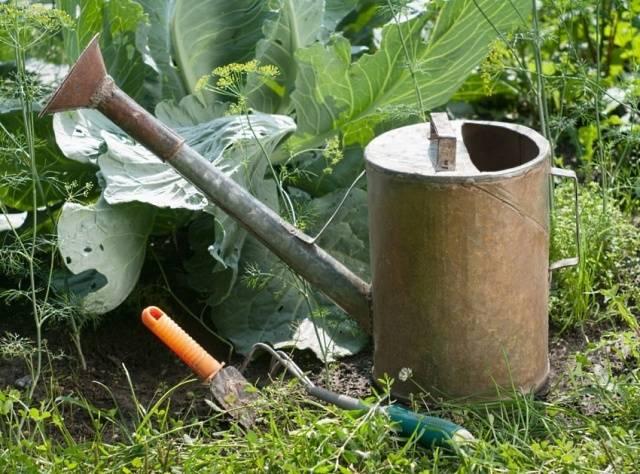
Decoction
There is no need to "boil" the insect repellent; it is enough to mix water and ash, boil the mixture for 25 minutes, strain it with a sieve or cheesecloth, and use as directed.
You can enhance the effect of the decoction or infusion by soaking it in water first and using the resulting liquid to control pests. However, don't use it to water your cabbage plants, as this will kill them.
Reviews of the product from experienced gardeners
When evaluating the opinions of gardeners, remember that to form your own opinion, you will have to test wood ash, check its quality and ability to influence the growth and development of crops.
Let's take a look at the reviews from summer residents:
- Irina Ivanovskaya: "I've been using ash as a pest control for several years. I mix it with soap and water. It protects the plant's leaves from aphids, cabbage flies, and other nasty insects."
- Alina Vlasova: "I mix birch wood burned in the stove with tobacco and sprinkle the mixture on the bottom leaves of my cabbage—that's how I fight the slugs that regularly appear in my garden."
- Yuri Nikiforov: "I mix ash with water, let it sit for two days, then water the cabbage—it's better than any expensive fertilizer. The seedlings grow like crazy, and this kind of feeding is also helpful during flowering."
Ash won't cause serious harm to your garden plants. Gardeners often use it for various purposes. Considering all its benefits, don't neglect this natural fertilizer.
Related posts:
 Methods for planting and propagating cherries at home
 The best grape varieties for growing in the Urals, planting and care rules in summer
 Rules for planting and caring for pears in open ground, how to grow them correctly
 Conditions for growing mandarin at home and rules for caring for the tree
 Description and cultivation of the 15 best cherry plum varieties for the Moscow region, planting and care rules
 The best methods for growing grapes from seeds at home
 Growing and caring for hazelnuts in open ground, rules for planting hazelnuts
 Peach tree care and agricultural secrets, pest control