
- What you need to know before boarding
- One tree or a pear orchard?
- How to choose a place
- Soil composition and groundwater
- Favorable and unfavorable neighbors
- When should I plant a pear tree?
- Depending on the variety
- Depending on the growing region
- Planting methods
- Seeds
- How to sow seeds correctly
- Growing and care
- Transplantation to the site
- Cuttings and layering
- Preparation of planting material
- Depth and dimensions of the planting hole
- Technology and planting schemes on the site
- Caring for crops in open ground
- Watering
- Top dressing
- Loosening and mulching
- Caring for the tree trunk circle
- Formative pruning of pears
- young tree
- Fruit-bearing and old pear tree
- Protecting pears from pests and diseases
- Preparing for the winter period
- In what year after planting does it bear fruit?
- What difficulties do beginning gardeners face?
Strictly following pear care guidelines allows you to achieve excellent results in growing this crop. To ensure a bountiful harvest each year, it's recommended to choose the right location for the pear tree and adhere to planting guidelines. Completing the necessary agronomic practices and protecting the plant from diseases and pests are also crucial.
What you need to know before boarding
To grow a strong plant, it's essential to strictly follow the advice of experienced gardeners. This requires choosing the right variety and planting location.
One tree or a pear orchard?
It's difficult to plant a large number of plants in a small space. However, gardeners recommend planting no fewer than two pear trees. If you choose varieties that are not self-pollinating, a single pear will not produce a harvest. Such a crop requires pollinators.
There are also parthenocarpic varieties. These include Chizhovskaya, Pamyati Yakovleva, and Bere Zimnyaya. When choosing these varieties, a single tree will be sufficient to produce a good harvest.
How to choose a place
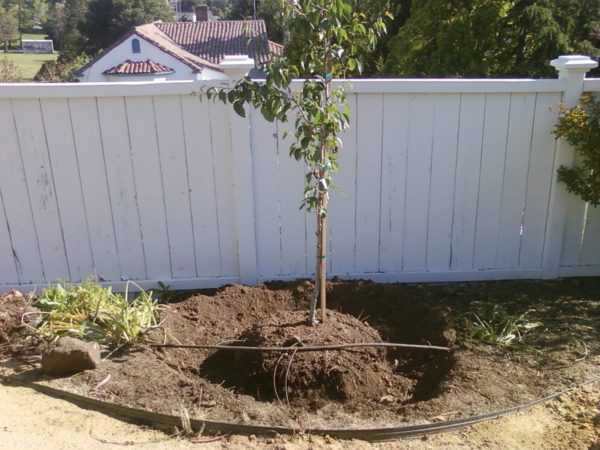
Pear trees are considered sun-loving. They tolerate moisture accumulation around the roots, but they don't tolerate prolonged damp fog. This promotes the growth of fungi and bacteria. Therefore, in the garden, they should be planted in sunny, well-ventilated areas. The western or southern side of the garden is best.
Soil composition and groundwater
Pear trees thrive in fertile soil that is well-drained and breathable. Clay doesn't affect the tree's growth, as it requires a certain amount of moisture to accumulate at the root base.
If the soil is dense but contains few nutrients, it's worth making a soil mixture from the topsoil. For this, it's recommended to add humus or compost. Mineral fertilizers are also used.
Experienced gardeners advise against planting pear trees in low-lying areas or areas with high groundwater levels. This will slow the tree's growth and may even lead to its death.
Favorable and unfavorable neighbors
Pear trees should not be planted near cherries, walnut trees, or peaches. Elderberries and chestnuts are also considered undesirable. Such combinations negatively impact the pear's development, causing it to become stunted. As a result, the tree begins to suffer from disease, and its yield decreases.
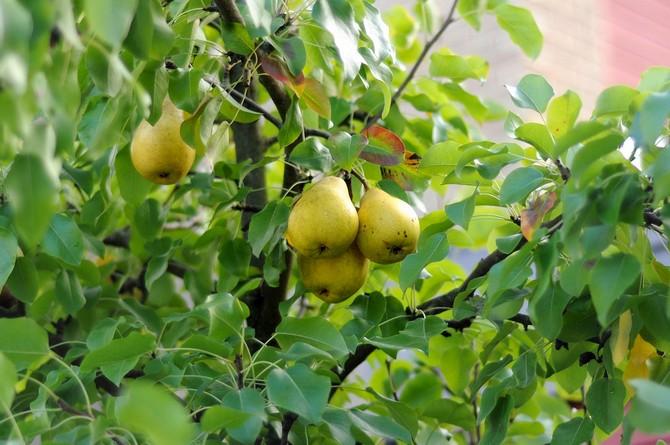
Also, avoid placing them close to raspberries, currants, and other shrubs. They require adequate sun. Plants in the shade of their canopy will not develop normally. Furthermore, raspberries and currants share the same pests, which can have adverse effects on pear growth.
There are reports that the tree does not thrive in close proximity to other stone fruit crops. These trees share common pests and similar infectious diseases.
As for favorable neighbors, consider apple trees, spruce, pine, and rowan. These combinations favor the development of fruit crops and ensure a bountiful harvest. It's important to adhere to the recommended spacing when planting. The distance between trees is adjusted based on the size of the crown.
When should I plant a pear tree?
To ensure a tree's normal development, it's important to choose the right planting timing. There are many factors to consider when doing this.
Depending on the variety
Pear trees can be planted at any time of year—spring or fall. The variety isn't particularly important. When choosing a seedling, consider the region's climate, frost resistance, and care requirements. Disease and pest resistance are also important.
Depending on the growing region
Depending on the region's climate, pear trees can be planted in spring or fall. In northern and central Russia, spring is best, as these regions typically experience harsh winters. Planting should begin in April, when warm weather sets in and there's no risk of recurrent frost.
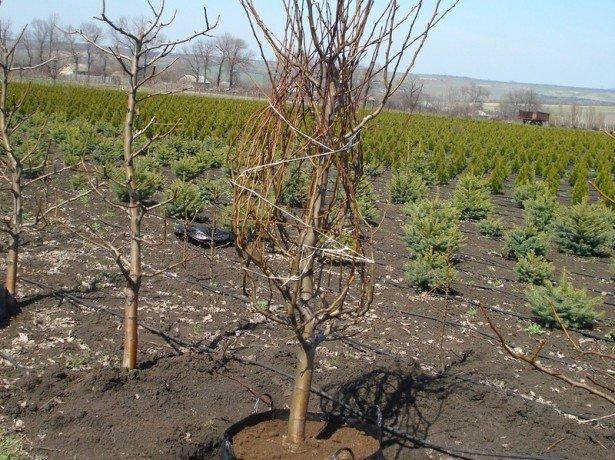
In the south and other regions characterized by snowy winters and relatively warm autumns, planting is recommended in the fall. Warmer regions often experience a hot spring, which can cause young plants to become stunted, their above-ground parts to dry out, and even die.
In the south, pear trees should be planted in late September or early October. The extended warm period will allow the seedlings to adapt to the new conditions. The plant does not tolerate transplanting well. Therefore, it is recommended to plant the trees immediately in their permanent location. This is especially true for 3-4 year-old seedlings.
Planting methods
There are quite a few ways to plant a pear tree, each with its own specific characteristics.
Seeds
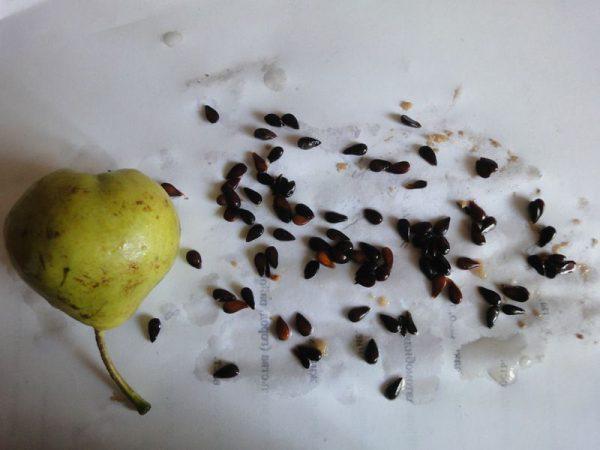
To grow a pear from seeds, it's important to strictly follow the step-by-step instructions. In late fall or winter, it's recommended to cut a ripe pear with a sharp knife. Remove the seeds and place them in a small container. Add clean, warm water and rinse the seeds thoroughly. To determine the germination rate of the seedlings, germinate them in sand.
How to sow seeds correctly
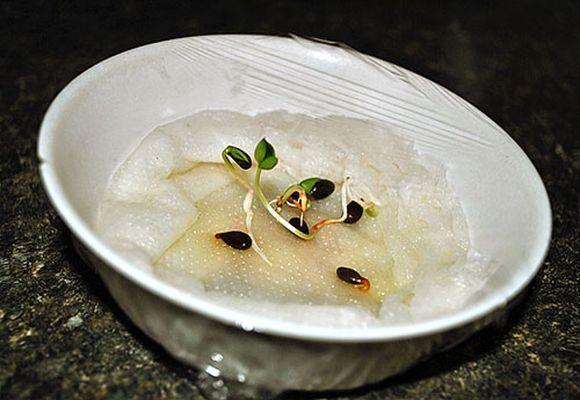
Once the seeds sprout, they can be transplanted into a pot. It's recommended to fill the container with soil, add a drainage layer, and add nutrients. The seeds should be planted 4-5 centimeters deep in the soil.
Growing and care
When the first shoots appear, they should be given proper care. Pear trees do not tolerate cold air or extremely dry soil. This leads to infection by scab or sooty mold.
To ensure the sprouts develop fully, they should be placed on the balcony in a sunny spot. It's important to ensure the air is warm and humid. Spray the seedlings with room-temperature water.
In summer, they should be watered twice a week. In winter, it's recommended to moisten the soil three times a month. Watering should be generous, but not excessive.
In closed spaces, foliar irrigation is mandatory.
Transplantation to the site
When growing a pear tree in a pot, it needs to be repotted promptly. The seedlings should be planted in the ground until the stems reach 1 centimeter in thickness. They can then be used for grafting.
Cuttings and layering
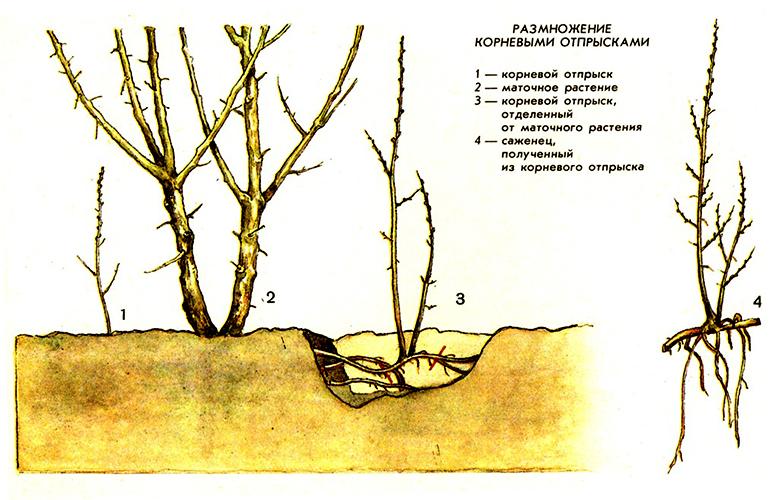
To propagate pear trees using these methods, it's worth familiarizing yourself with the guidance of experienced gardeners. Strictly following all the rules will help you achieve good results.
Preparation of planting material
The timing of cuttings varies by region. In the central part of the country, this procedure is carried out in late July. In the southern regions, planting material can be collected in late July or early August, while in the north, it should be done in late June.
To obtain a young tree, it's best to select mature cuttings with woody vines. It's important to ensure the shoots are healthy and produce a good harvest. The leaves on the branches should be open, with the exception of the topmost leaf.
Branches should be pruned early in the morning. This is when they contain the most moisture. The lower cut should be made at an angle, in the direction of the bud. The upper cut should be horizontal, above the bud.
It's important to ensure that each cutting includes two internodes and one or two pairs of leaves. Place the cuttings in a bucket of water and cover with transparent film. To stimulate root growth, use Kornevin.
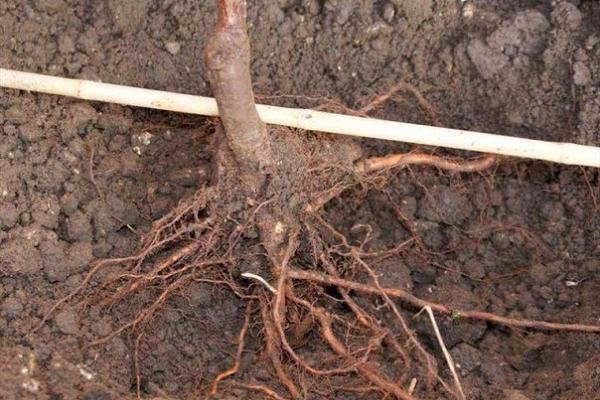
Depth and dimensions of the planting hole
It's best to prepare the holes in advance. This is recommended to be done 2-3 weeks in advance. For spring planting, prepare the holes in the fall. To do this, set the top fertile soil aside, and the bottom soil aside. It's recommended to scatter this soil between the rows; this soil isn't used for planting.
It's recommended to loosen the bottom of the hole, then determine the location for the planting stake. When choosing the hole size, consider that 50-70 centimeters deep and 75-100 centimeters wide are ideal.
Technology and planting schemes on the site
It is recommended to plant seedlings in a greenhouse in the fall. This procedure is carried out in the second half of September. The trees should be removed from the box with a lump of soil. They should be planted in prepared holes, taking care to avoid damaging the roots. It is important to maintain the required distance. Plants can be planted in the summer, provided they have a closed root system.
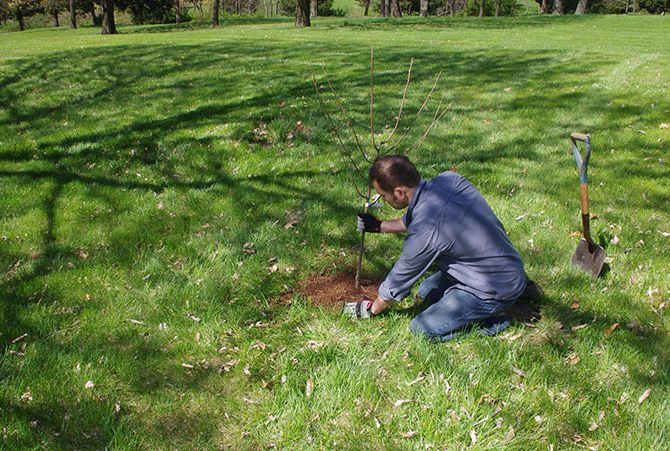
Then the soil should be watered and mulched. Use sawdust, peat, or humus for this. It's recommended to cover young trees with spruce branches for the winter. Plants should be kept in a greenhouse for 2-3 years. Then they are transplanted to their permanent location in the garden.
Caring for crops in open ground
In order for a plant to develop well and produce a full harvest, it needs to be properly cared for.
Watering
Pear trees are considered moisture-loving crops, but they don't tolerate excessive soil moisture. Therefore, it's recommended to water the plant frequently, but with a moderate amount. The frequency of watering should be adjusted based on the soil type and regional climate.
In central Russia, it's sufficient to moisten the soil once a month. It's also important to monitor the soil around the tree trunks. When preparing the plantings for winter, it's essential to water thoroughly to ensure adequate moisture and nutrients.
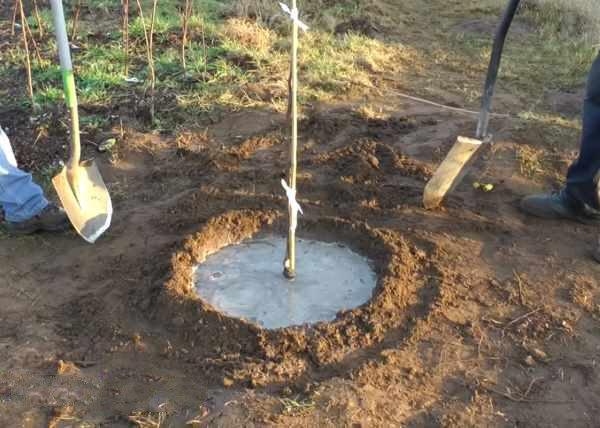
In July, seedlings can be watered twice a month. The recommended amount is a maximum of two buckets of water per tree. Excessive water is harmful to pear trees, especially young plants. Excessive soil moisture can lead to root rot and even death.
Top dressing
A pear tree produces a bountiful harvest only with timely and proper fertilization. The choice of specific fertilizers depends on the tree's age and condition.
The growth rate and leaf condition of a pear tree help determine its fertilizer needs. Pre-made mineral fertilizers are best. A wide variety of fertilizers designed for pear and apple trees are available commercially.
The use of such products significantly facilitates the application of fertilizers.
It's recommended to begin fertilizing pear trees starting in the second year after planting. It's recommended to use both mineral and organic fertilizers simultaneously. These treatments should be carried out in the spring and fall. Mineral fertilizers are applied annually. Organic fertilizers are recommended to be applied once every three years.
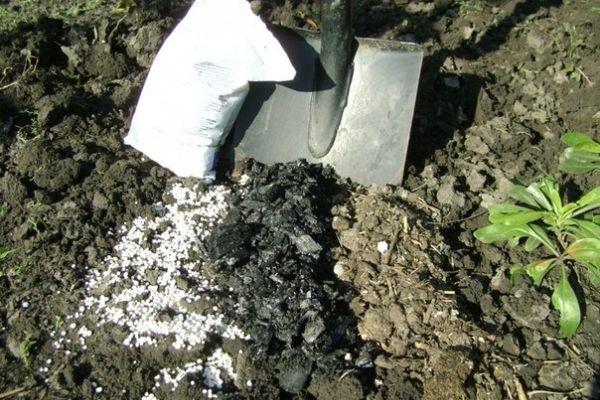
To make fertilizer application more effective, dig long trenches around the tree trunk. Fertilizer should be added to these trenches and carefully covered with soil.
In spring, one mature tree requires 10 kilograms of humus, 15 grams of urea, and 25 grams of potassium. Subsequently, during the summer, during the growing season, several additional feedings are carried out using potassium and urea.
In the fall, potassium and phosphorus-based fertilizers are used. They provide the plant with essential nutrients and improve frost resistance.
Loosening and mulching
Loosening the soil is essential for the tree. This is usually done after watering. This ensures the roots receive maximum oxygen. Mulching the soil is also essential. This will protect the topsoil from drying out and prevent weed growth.
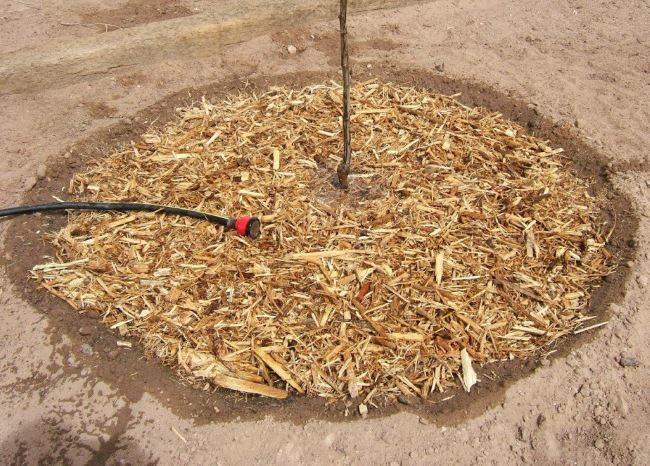
Caring for the tree trunk circle
Maintaining the tree's trunk area is fairly easy. It's recommended to dig the soil halfway with a spade. It's also important to carefully remove weeds and root suckers.
Formative pruning of pears
To ensure proper crown formation, pruning should be carried out in a timely manner. However, the procedure has certain specifics depending on the tree's age.
young tree
Proper and timely pruning can significantly improve yields. The first time pruning is performed at two years of age. Pear trees can be trained in a variety of ways. Open-tiered and open-growing crowns are suitable for them. These are particularly suitable for trees with fragile branches.
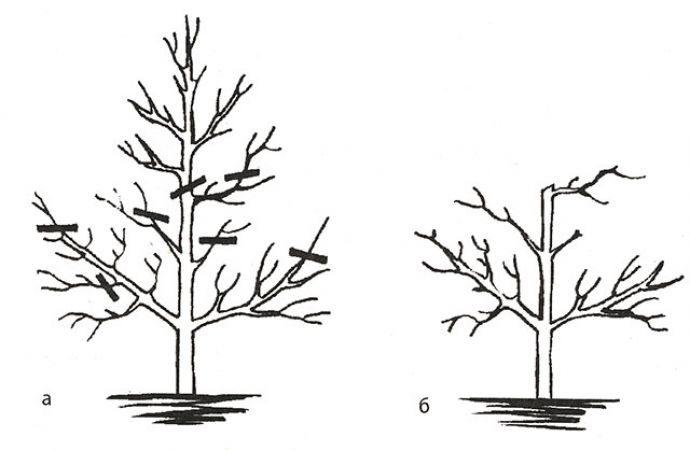
To prune a young tree, you should follow these steps:
- Find the strongest shoot. It should be designated as the primary shoot and any "competitors" removed. This will ensure the branch receives the maximum amount of sap. Keep in mind that this method is only suitable for young trees.
- When cutting a branch, you need to find another shoot that can replace it.
- It's important to strictly adhere to pruning schedules. Failure to do so promptly can weaken the plant.
- Pears can have forked trunks, from which two equally strong branches grow. However, it is recommended to leave only one.
- Shoots growing at a sharp angle should be pruned or weighted to regulate their growth. This will ensure a more abundant harvest.
Fruit-bearing and old pear tree
Trees older than three years should be pruned to extend their fruiting period and life cycle. First, prepare the tools and treat them with disinfectants.
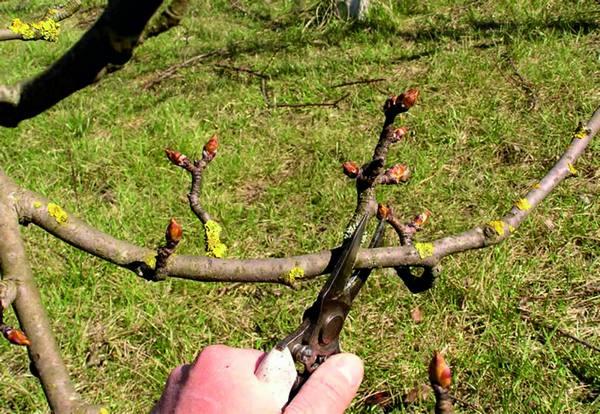
When performing this procedure, the top section should be shortened by approximately a third. Downward-facing shoots should be trimmed back to the ring. If two strong shoots emerge from the rosette, only one should be left.
It is important that the lower first and second tiers include 7 skeletal branches.
A distance of 80 centimeters should be maintained. The crown should be cleared of downward-facing branches. Dry and damaged fragments should also be removed.
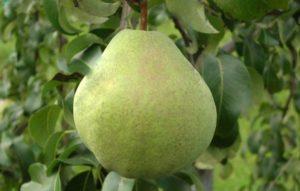
A maximum of three branches with a diameter of 10 centimeters may be removed at a time. Therefore, it is recommended to carry out rejuvenation treatments gradually. This process takes several years.
Protecting pears from pests and diseases
The plant often suffers from attacks by the pear leafhopper, which causes a bloom on the leaves. The trees are also susceptible to attacks by the apple blossom beetle, the pear fruit moth, aphids, and other insects.
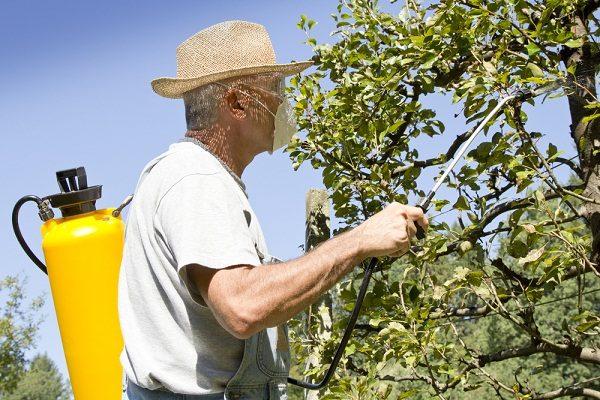
To combat the problem, the first treatment is carried out before the sap begins to flow. To do this, mix 700 grams of urea with 10 liters of water. Treat the trees and the soil beneath them to control overwintered pests.
Akarin, Fitoverm, and Agravertin will help protect against migrating insects.
It is recommended to apply these products once a month. Ecoberin or Zircon can be used for preventative purposes. These products help increase tree resistance to diseases and pests. Furthermore, pear trees are often susceptible to various diseases. The most common pathologies include:
- Scab develops in early spring. The disease is accompanied by the appearance of a greenish-brown coating on the leaves, which then fall off.
- Fruit rot – in this case, fruits become covered with gray-brown spots. The spores spread through the air and cause damage to other fruit crops.
- Sooty mold causes a specific coating to appear on leaves and fruits.
- Rust is a fungal infection that causes brown spots to appear on leaves.
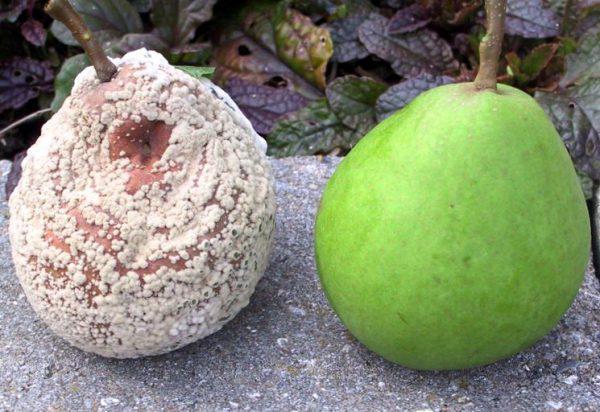
To prevent scab and rust, it is recommended to treat the plants with Bordeaux mixture or copper oxychloride. This should be done before the leaves emerge or after the flowering period.
Bordeaux mixture at a concentration of 1% helps prevent the development of fruit rot. It is used during the budding stage and after flowering.
It's important to remember that bacterial infections pose the greatest threat to pear trees. These include bark necrosis, fire blight, and root cancer. There are no effective treatments for these diseases, which ultimately lead to the complete death of the plant.
Preparing for the winter period
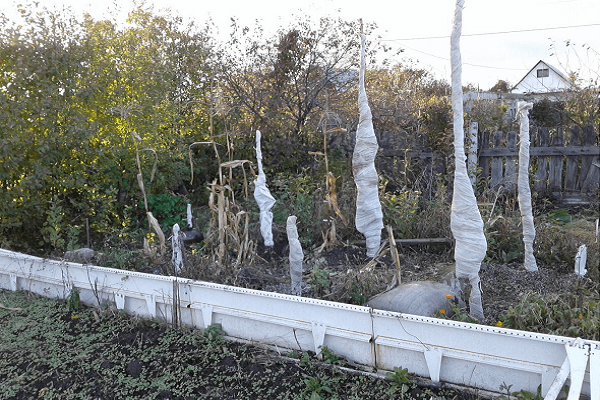
Preparing the pear tree for winter is an important step in caring for it. In regions with harsh climates, it's recommended to tie the tree with pine branches and wrap them in burlap. Young trees typically require this type of care. Mature plants don't need additional protection.
In what year after planting does it bear fruit?
On average, fruiting begins 5-7 years after planting. However, the exact ripening time depends on the variety. Pears such as Bere Moskovskaya or Severyanka bear fruit in 3-4 years, while Tonkovetka only begins bearing fruit after 8-10 years.
What difficulties do beginning gardeners face?
The lack of full development of the tree and a poor harvest are usually caused by improper care of the plant.
Common mistakes made by novice gardeners include the following:
- Young shoots are constantly frozen in the spring. The trigger is the untimely application of nitrogen fertilizers, which prevents the branches from maturing before winter.
- Flowers or leaves suddenly fall off. This is caused by a lack of moisture during the active growing season.
- The bark around the base of the tree is rotting. This is caused by mulch being placed near the plant's bark. As a result, the bark's integrity is compromised.
- The seedling freezes completely. This is due to the pear variety being unsuited to the region's climate.
- Too few pears ripen. To avoid this problem, plant several pear trees in the same area. This ensures cross-pollination.
The pear is a popular garden crop with excellent flavor. Today, numerous varieties are known, allowing it to be grown in various regions. To achieve good results, it requires proper care.
Related posts:
 Description and full characteristics of the Yakovlev Memory pear variety, planting and care
 Methods for planting and propagating cherries at home
 Growing and caring for hazelnuts in open ground, rules for planting hazelnuts
 What to do and what is the best treatment if the leaves on a pear tree turn black?
 Description and rules for growing Solaris grapes
 Description and full characteristics of the August Dew pear variety, planting and care
 Description of the Talgar Beauty pear variety, planting and care instructions
 Conditions for growing mandarin at home and rules for caring for the tree