
- History of Solaris grape selection
- Botanical information
- Bushes and shoots
- Clusters and berries
- Pollinators and flowering
- Ripening period
- Productivity
- Transportability and use of berries
- Characteristics of the variety
- Required conditions for growing
- Frost and drought resistance
- Susceptibility to diseases and pests
- Planting technology
- Selecting a seedling
- Planting layout schemes
- Preparing the planting hole
- Timing and rules for planting vines
- Care instructions
- Watering
- Fertilizing
- Support and garter of shoots
- Soil care: loosening and mulching
- Pruning and shaping fruit-bearing vines
- Shelter from the cold
- Reproduction of culture
- Reviews from winegrowers
The Solaris grape variety is the result of the work of German breeders. This plant is characterized by early ripening. The primary purpose of this grape is wine production. This produces a high-quality beverage with a pleasant bouquet of fruity and nutty notes. The variety is well-adapted to Russian climate conditions, making it very popular.
History of Solaris grape selection
Solaris is a hybrid variety classified as a commercial grape. It is characterized by an early growing season and is the result of crossing Muscat Ottonel and Saperavi Severni.
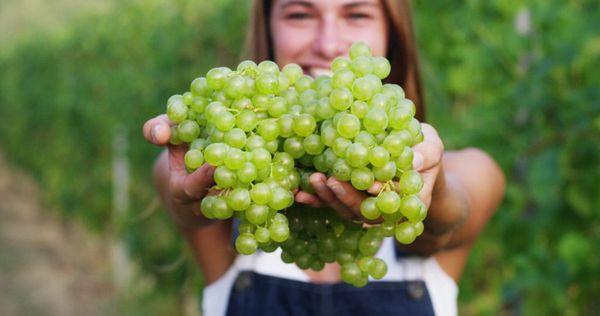
This hybrid is highly resistant to frost and disease. It also boasts excellent flavor. The fruits are large and a beautiful amber color.
The variety was developed by German scientists working at the Freiburg Research Institute. They succeeded in crossing two grape varieties and producing a hybrid with excellent agronomic properties.
The resulting variety is especially popular in the temperate and northern regions of Russia and European countries. It is actively grown in Lithuania, Poland, and Germany. It is also cultivated in Slovakia.
The benefits of the plant include the following:
- high yield parameters;
- early ripening period;
- excellent resistance to diseases and harmful insects;
- high frost resistance;
- undemanding to soil composition - the only exceptions are swampy soil types and salt marshes;
- possibility of use for treatment;
- application for the production of quality wine.
However, the variety does have certain disadvantages. These include the following:
- dense foliage - it prevents proper ventilation of the bushes and disrupts air access to the fruits;
- risk of damage to sweet berries by wasps and birds;
- the need for systematic pruning of the plant;
- the need for sufficient magnesium in the soil.
Botanical information
Solaris is an early-ripening grape variety, characterized by a growing season of 105-115 days. The first harvest is usually in late July or early August.
Bushes and shoots
This hybrid variety is characterized by vigorous growth rates. It can reach a height of 5 meters in two years.
The plant is considered vigorous and spreading. It quickly produces shoots that gain green mass.
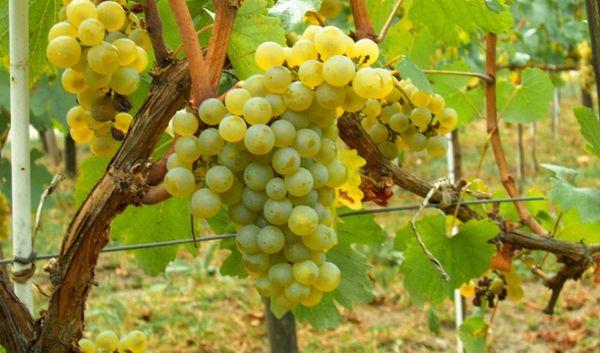
The foliage has a traditional shape and a standard green color. The branches are medium-sized and slightly loose in texture. They are easy to trim and shape.
The bush is characterized by rapid growth and therefore requires systematic shaping. This procedure is recommended starting at age 3.
Clusters and berries
The plant's main advantage is the early ripening of its berries. Ripeness is indicated by the complete cessation of shoot development and their amber color. At the same time, the sugar content of ripe berries increases significantly, while acidity decreases.
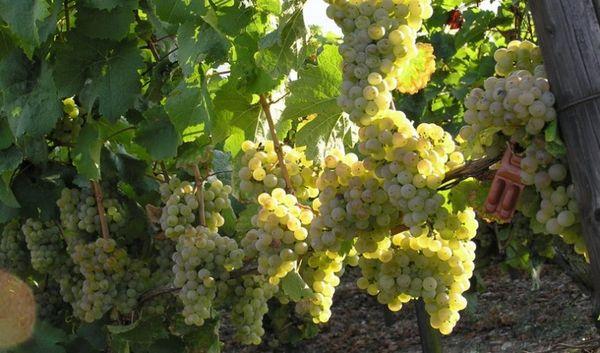
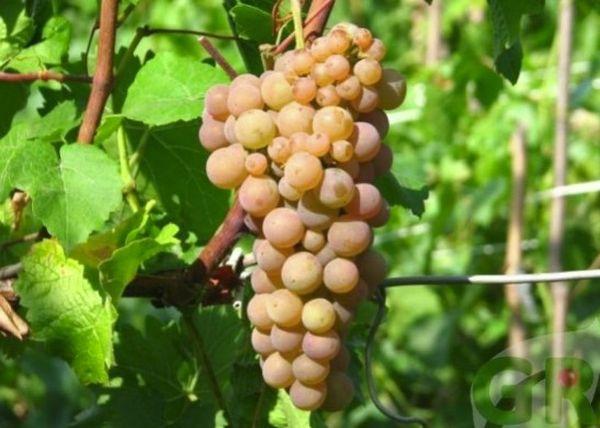
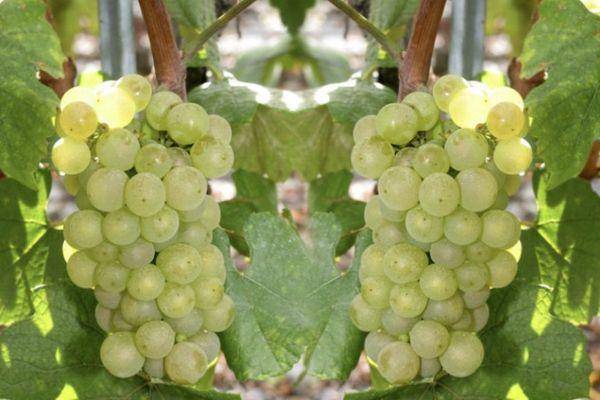
The fruits of this grape variety weigh 4-6 grams and are typically white or amber in color. The fruits form cylindrical clusters weighing 300-400 grams. The bunches are characterized by a rather loose structure.
The fruit's flavor is quite pleasant. It has a soft, refreshing taste, with subtle hints of pineapple and pear. The sugar content is 22-24%. The acidity is at 8 grams per liter.
By the end of October, sugar levels reach 30%. The pulp has a dense structure and contains a lot of clear juice.
The fruits of this plant have a number of beneficial properties. Freshly squeezed juice helps prevent blood clots and lower blood cholesterol. The plant's medicinal properties help with hypertension and nervous disorders. The berries are excellent blood purifiers.
In addition, the plant's fruits contain many valuable acids, including oxalic, tartaric, and malic. These components improve digestion, normalize appetite, cleanse the body of toxins, and have a beneficial effect on the microflora.
Pollinators and flowering
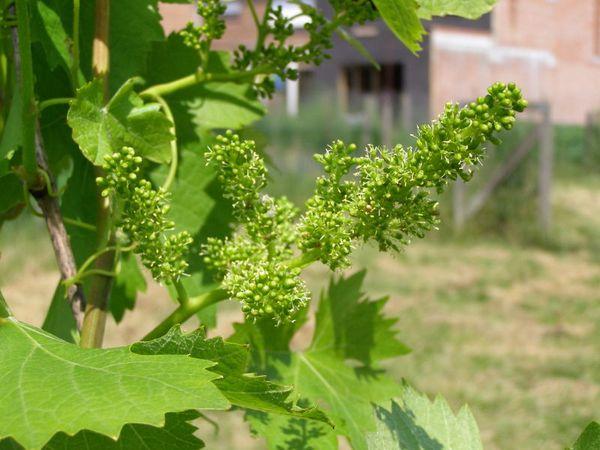
The flowers of this grapevine are bisexual. Therefore, the plant pollinates well and produces a good harvest even in unfavorable weather conditions. The plant is not prone to pea-shaped fruit. Its buds and ovaries do not fall off.
Ripening period
This variety is distinguished by its early ripening period. At normal temperatures of 20-30°C, the crop ripens within 105-115 days. The early growing season begins in the second half of July or early August. At lower temperatures, this can occur as late as late August.
To determine the ripening of grapes, it is worth paying attention to the following features:
- shoots stop developing;
- the berries turn amber.
Productivity
The hybrid is characterized by high yields, ranging from 3-5 kilograms per square meter. Under favorable weather conditions and strict adherence to agricultural recommendations, the yield increases significantly. On average, 80-105 centners of fruit can be obtained from one hectare of planting.
Transportability and use of berries
Berries of this variety are characterized by a high juice content. Therefore, they should be transported carefully. Undamaged bunches are recommended to be placed in plastic or wooden crates. They are arranged in a single layer and covered with straw.
At home, it's recommended to store grapes for 3 months in a dry, well-ventilated area. The temperature should be kept at 4 degrees Celsius.
Grapes can be consumed fresh or processed. They are used to make juice and other preserves. Solaris is also widely used to produce high-quality white wine. It has a fruity bouquet and notes of pineapple and hazelnut.
Characteristics of the variety
This fruit crop has a number of unique characteristics, which should be considered before planting.
Required conditions for growing
Solaris requires a warm climate. The optimal temperature for growing the crop is 20-30 degrees Celsius. If there are temperature fluctuations or a cold summer, the ripening of the berries is delayed. Ripening does not occur until late August.
The plant thrives in sunny locations. It requires 15-16 hours of light, but there should be no drafts or strong gusts of wind. In the south, experts recommend planting the vine at elevated sites. This allows the roots to warm up in the sun.
When planting in northern climates, the hybrid should be planted in deep pits. This protects the rootstocks from freezing temperatures.
The plant thrives in any type of soil. The only exceptions are wet, damp, or marshy soil. Planting in salty soil is also not recommended. Grapes do not respond well to low magnesium levels in the soil. Therefore, if magnesium is deficient, it is recommended to use specialized fertilizers. Kalimag is an excellent option.
Frost and drought resistance
This variety is characterized by excellent frost resistance. The plant tolerates temperatures down to -30 degrees Celsius. Therefore, it can be planted even in relatively harsh climates. The crop can withstand temperatures down to -21 degrees Celsius under standard air-dry cover.
The plant tolerates dry weather well. However, regular watering is essential for a good harvest. It's important to remember that it shouldn't be too abundant. It's also important to remember that the plant doesn't respond well to excessive soil moisture, as this can lead to root rot.
Susceptibility to diseases and pests
The plant is resistant to a variety of diseases. It is particularly susceptible to powdery mildew and downy mildew. During heavy rainfall during the growing season, all parts of the plant can be affected by these diseases. As a result, yellow spots appear on the leaves. Without adequate treatment, there is a risk of complete crop loss.
If the bushes are provided with regular ventilation, they will not be affected by gray mold. If overripe, the berries can be affected by noble rot.
The main threat to Solaris is attacks by mites—vine mites and spider mites. If measures are not taken promptly, there is a risk of infesting all plantings.
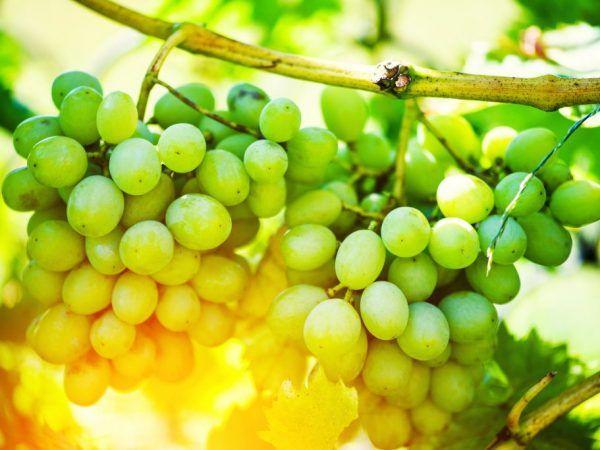
In addition, sweet berries can be damaged by wasps and birds, which can lead to crop losses. To protect the fruit, it's recommended to use fine-mesh nets and other protective measures.
It's important to remember that systematic pruning of shoots will help protect the plant from fungal infections and harmful insects. Regular treatment with fungicides and insecticides is also recommended.
To prevent fungal infections, you should follow these rules:
- ventilate the plant regularly;
- provide the bush with sufficient light;
- Plant the crop in high-quality soil - it should not be salty or damp.
Planting technology
To ensure the plant's normal and full development, it is important to carry out planting work correctly.
Selecting a seedling
This plant is a hybrid variety. Therefore, you can only purchase a high-quality seedling from a nursery, a collector, or a specialty store. Only then can you be sure of the original variety and the high quality of the seedling.
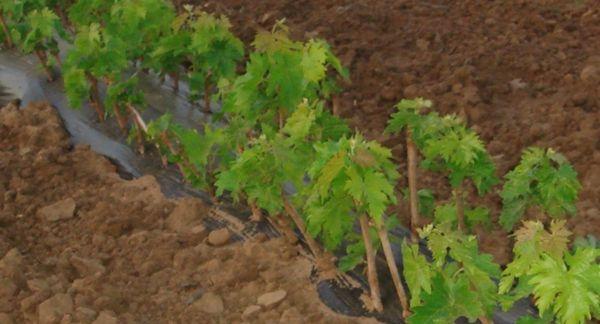
When choosing a plant, you should consider the following features:
- Root condition. Roots should be free of dry or damaged fragments. There should be no rotten areas on the root surface. Otherwise, the plant will not root well and will not produce the desired harvest. To assess the condition of the roots, it is recommended to carefully cut off a small section with a sharp knife. If the cut area is white and moist, this indicates that the cutting is ready to be planted. A dark cut indicates tissue death.
- Trunk and leaves. A plant with a woody trunk and numerous leaves quickly loses moisture and nutrients. Such crops do not thrive and produce a meager harvest.
- Vine. To purchase a quality seedling, cut 3-5 millimeters from the top of the plant and examine the cut area. A quality vine should have a rich green hue in this area. A dull cut indicates a poor-quality plant.
- Age. Experts recommend using grapes no older than 2 years for planting outdoors.
To ensure successful plant growth, it's recommended to properly prepare the seedling for planting. To do this, soak it in baking soda or a growth stimulant.
Planting layout schemes
The plant is very sensitive to light. Therefore, it is recommended to choose a site that is not shaded for long periods by a fence or building. The bush also requires protection from cold north winds.
In regions with harsh climates or areas with little snow and cold winters, the vine should be planted in a hole. This will help prevent the root system from freezing. In warmer areas, it is recommended to plant the grapes on a mound. This will help warm the roots with the sun's rays.

Place drainage material at the bottom of the planting hole. A layer of nutrient-rich soil is recommended afterward. When planting, maintain a consistent spacing of at least 1.5-2 meters.
Preparing the planting hole
Before planting, it's important to properly prepare a hole 60-80 centimeters deep. It's recommended to add sand, humus, and mineral fertilizers to the hole. Grapes require potassium and superphosphate.
The planting depth should be 35-45 centimeters. To speed up the plant's development, add an Initiator tablet under the seedling.
Timing and rules for planting vines
Planting is recommended in spring or fall. In the former case, it's recommended to plant grapes in April or May. For fall planting, it's best to plant in October or November.
To achieve good results when planting a plant, it is recommended to follow these steps:
- dig a hole measuring 70x70 centimeters;
- make a high-quality drainage layer;
- add organic fertilizers – humus or manure;
- sprinkle them with soil and water them generously - it is recommended to use at least 5 buckets of water;
- After the moisture has been absorbed, make a small mound and plant the crop;
- sprinkle the plant with soil - the first buds should remain on the surface;
- make a depression around the hole and pour water into it;
- When the moisture has been absorbed, cover the ditch with soil.
Care instructions
Solaris requires standard care. This includes timely fertilization, soil moisture, and pruning.
Watering
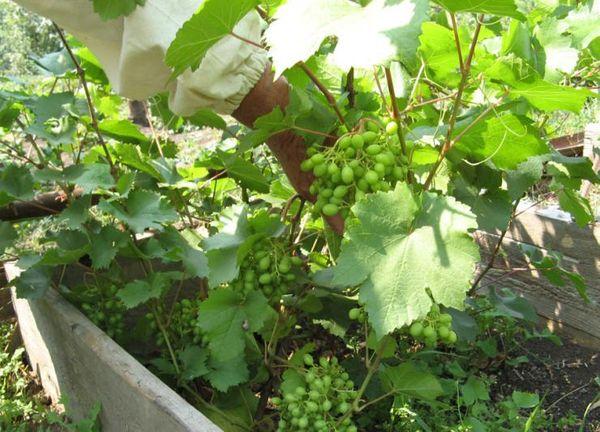
To ensure good fruiting, the hybrid variety is recommended to be watered regularly. However, it's important to remember moderation. The plant does not tolerate excessive soil moisture, which can lead to root damage.
For the first time grapes should be watered immediately after plantingTo do this, it's recommended to make a small depression around the plant and fill it with water. Subsequently, moisten the soil as it dries out. Typically, this should be done no more than once a week. A total of 15 liters of water should be poured under each plant.
During the growing season, the plant requires adequate soil moisture. However, during flowering and a couple of weeks before the fruit ripens, it is not recommended to overwater the soil. This will prevent the flowers from falling off and the berries from cracking.
Fertilizing
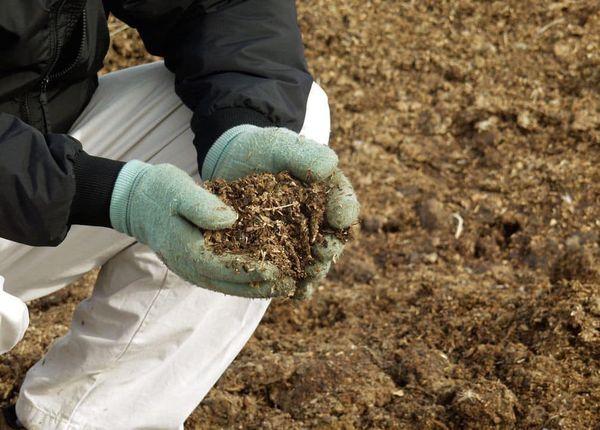
It's recommended to fertilize the plant twice during the season. The first time, apply fertilizer in the spring—before the buds swell. During this period, it's best to use organic fertilizers such as compost or manure.
In midsummer, it's worth applying potassium-rich fertilizers to the plant, which enrich the soil with beneficial elements. These nutrients ensure proper development and fruit formation.
Support and garter of shoots
Solaris is a tall plant that requires support and staking. Arches or trellises can serve this purpose. When growing the crop on a commercial scale, an arch is best.
Trellis are structures made from vertical metal poles with wire stretched between them in several rows.
This helps prevent the hybrid from being attacked by diseases and harmful insects. It also increases crop yields by improving fruit preservation. The metal support should be installed in the spring, after planting.
Soil care: loosening and mulching
Before watering the plant, it's recommended to loosen the soil. This improves oxygen access and enriches the soil with nutrients. Loosening the top layer of soil stimulates root development and supplies them with essential nutrients.
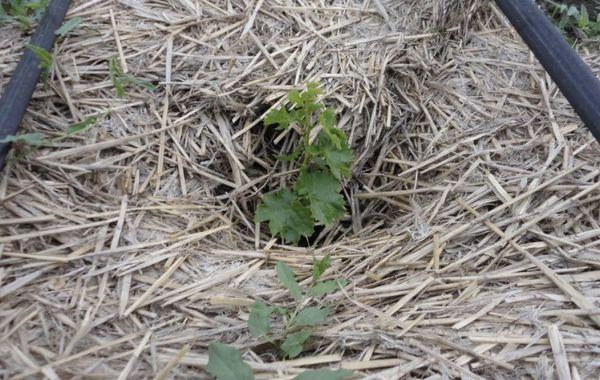
Mulching the soil is also important. This helps prevent weed growth, enriches the soil with valuable nutrients and oxygen, retains moisture, and creates favorable conditions for vine growth. The mulch layer can consist of sawdust, hay, straw, or grass.
Pruning and shaping fruit-bearing vines
A mature plant over three years old requires regular pruning. This procedure should be performed in the spring, after wintering, or in the fall, after the leaves have fallen. This significantly improves the quality of the fruit and increases its size.
When pruning, remove old, dry, and diseased branches. Dry tendrils are also removed. In the first year, only dry and diseased shoots should be pruned. From the age of three, the bush should be thoroughly pruned, depending on the load on the branches.
In summer, remove the bottom 2-4 rows of leaves. They prevent proper ventilation of the bush and lead to the development of gray mold. This procedure should be performed at the end of June.
Shelter from the cold
This grape variety is considered frost-hardy. It easily tolerates severe temperature drops, down to -30 degrees Celsius. However, young plants require careful preparation for winter. To do this, they should be pruned after harvest and treated with copper sulfate. This substance will provide reliable protection against diseases and pests.
Then, place the vine in a dug trench on a layer of mulch and cover with special materials. Mature plants over three years old with woody trunks do not require covering.
Reproduction of culture
Grapes can be propagated in various ways—by seedlings, cuttings, or layering. Layering is considered the oldest method. To do this, gardeners root the vines without separating them from the bush. This method produces a small number of rooted shoots.
Only breeders can grow grapes from seeds. They use this method to develop new varieties with different characteristics. This ensures the crop's resilience to harsh climates.
This cultivation method results in the plant not replicating its parent's characteristics. This means the resulting grapes will differ significantly in flavor from the parent plant. Furthermore, it's important to note that fruiting begins much later in this type of crop.
When propagating grapes vegetatively using cuttings, it's possible to obtain plants with 1-3 buds. However, you should prepare the planting material yourself.
Reviews from winegrowers
Numerous reviews of this plant confirm its popularity:
- Anna: "Solaris is an interesting wine grape variety. Its fruit can be eaten fresh. It also makes an excellent wine with an interesting fruity bouquet."
- Victoria: "I've had Solaris grapes growing at my dacha for a long time. They survive the winter well and don't need to be uncovered. I can say I love their flavor, with pleasant pear notes. With proper care, the plant is disease- and pest-free."
Solaris grapes are popular among gardeners. This crop has excellent flavor and is easy to care for. To ensure successful cultivation, it is recommended to establish a watering regimen, apply fertilizer, and regularly perform formative and sanitary pruning.
Related posts:
 The best grape varieties for growing in the Urals, planting and care rules in summer
 Description of 30 varieties and types of Muscat grapes, planting, cultivation and care
 Description of 30 grape varieties for Siberia, planting and care for beginners
 The best methods for growing grapes from seeds at home
 Methods for planting and propagating cherries at home
 Growing and caring for hazelnuts in open ground, rules for planting hazelnuts
 Beginner's Guide to Growing Grapes in Open Ground in Central Russia
 The ripening time of grape vines by variety, how to speed up the process, and what to treat the plant with