
- Characteristics of Muscat grapes
- Main varieties
- Early pink
- Pleven Muscat
- Summer
- Donskoy
- Super early red
- Livadia
- Novoshakhtinsky
- Russian amber
- Hamburg
- Amber
- Far Eastern
- Noble
- Moscow
- Dievsky
- Paradise
- Crunchy
- Shatilova
- Black
- Blau
- Golodrigi
- Odessa
- Dniester
- Darling
- Codru
- Alexandrian
- Gold
- Pridonsky
- Crimean
- Comparative characteristics
- Diseases and pests
- Downy mildew
- Oidium
- Anthracnose
- Gray, white or black rot
- Bacterial cancer
- Bacteriosis
- Sour rot
- Bacterial necrosis
- Marbling of leaves
- Chlorosis
- Mosaic
- Dwarfism
- Advantages and disadvantages
- Growing tips
- Shelter for the winter
- Drip irrigation and spraying system
- Spring and autumn processing
Muscat grapes are considered table grapes. They can be eaten and used to produce high-quality wine. All alcoholic beverages made from Muscat grapes have a unique aroma and a bright, powerful flavor. Many varieties have been developed within this grape, each with its own unique characteristics and benefits.
Characteristics of Muscat grapes
Among the main characteristics of this variety are the vibrant flavor and high quality of its berries. They are sweet in taste and have phytoncidal properties that help improve the microflora of the gastrointestinal tract. A distinctive nutmeg note is a distinctive feature of this variety. It is provided by the ternoid compounds found in the pulp and skin. These substances appear when the berries are fully ripe.
Main varieties
Breeders have developed numerous hybrids and new varieties. Each has a specific purpose for consumption and industrial production. Muscat grapes are considered the best raw material for winemaking. They are used in wine production, both for home and commercial wine and juice production.
Early pink
It has a distinct musky flavor and a pleasant aroma. The leaves are rich green, and the branches are tinged red. The clusters are cylindrical, weighing up to 200 g. The round, burgundy berries are sweet and have firm skin. This early pink bush boasts high shoot productivity (up to 90%) and a moderate but consistent yield (ripening occurs after 4 months).
Pleven Muscat
Pleven Muscat was developed in Bulgaria. It is an early-ripening grape with large clusters (up to 600 g). The oval grapes have an amber hue, are large, and have a sweet taste. The shoots ripen well (almost 85%). This variety can tolerate temperatures down to -25 degrees Celsius.
Summer
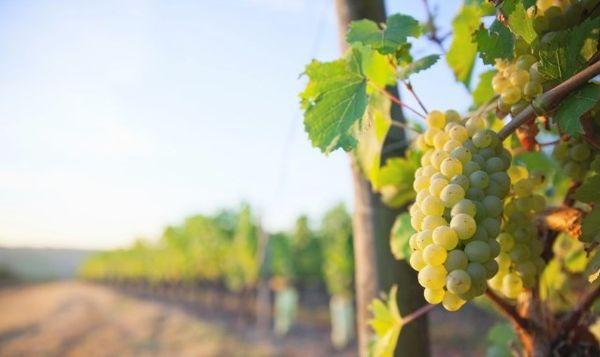
Summer is an early variety of muscat grapes; ripe bunches can be harvested as early as 4 months after the ovary appears.
Features of the variety:
- lush bushes;
- large clusters in the shape of a cylinder or cone (weight - up to 600 g);
- The berries are amber in color and taste sweet and juicy.
Summer Muscat grapes are easily transported over long distances and are resistant to diseases and pests.
Donskoy
Donskoy is an early ripening variety. Therefore, this grapes are suitable for growing in the Moscow region, in the Urals and the North. Small clusters weigh approximately 200 g.
The downside of this variety is its small berries. However, Donskoy produces a consistently high yield.
It is resistant to low temperatures and to diseases that affect Muscat grapes.
Super early red
This variety is the earliest Muscat grape. The first harvest begins just three months after fruit set. The plant grows tall, with clusters weighing up to 500 g. The spherical grapes turn red as they ripen, and when ripe, the berries turn dark purple. This ultra-early red grape is used in table wine production.
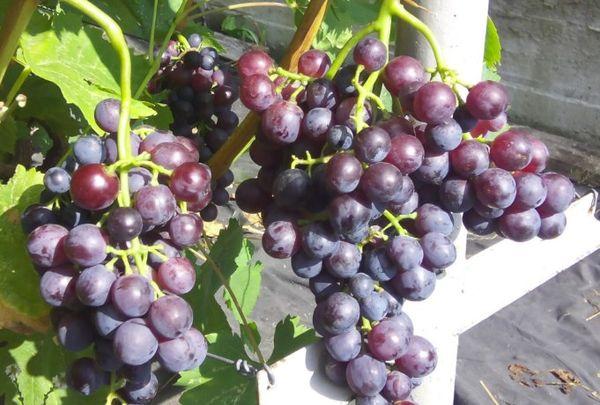
The plant can withstand severe frosts and is immune to various types of rot. This grape variety has one drawback: it is susceptible to powdery mildew.
Livadia
Livadia is an early variety with a short growing season. The bushes are medium-sized and the shoots ripen quickly. Since this variety produces bisexual flowers, a single bush is sufficient for fruiting. It produces large, branched clusters that are slightly loose.
Novoshakhtinsky
Novoshakhtinsky is a cross between the Talisman variety and a very early red Muscat grape. The fruit ripens within three months of flowering. It is self-pollinating and has excellent fertility. This hybrid is large, with each berry weighing approximately 10 g. The fruits are dark blue and covered with a thin skin. The clusters are large, weighing approximately 600 g.
This variety stands out among other Muscat varieties for its high frost resistance (tolerance down to -23 degrees Celsius). The Novoshakhtinsky hybrid produces a good harvest and can be transported without damage. Its drawback is its vulnerability to pests and diseases.
Russian amber
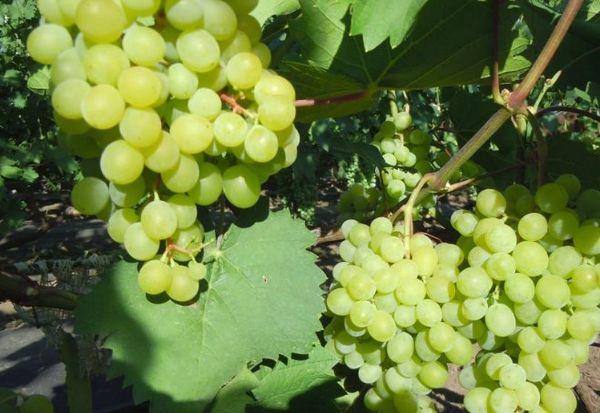
The Russian Yantar grape is an extremely early variety, ripening in about 3-4 months. The clusters bear numerous juicy, small berries of a light amber hue. Over time, the grapes become larger, lighter in color, and oval in shape. A single shoot can produce more than three clusters. Therefore, this variety is one of the most productive. It produces an excellent sweet table wine.
Hamburg
The Muscat Hamburg grape variety is self-pollinating. The cylindrical or conical bunches weigh approximately 400-500 g. Ripening takes 4.5-5 months. The berries are oval, black, with juicy, fleshy pulp and thick skin.
Among the disadvantages of this variety are its poor tolerance to low temperatures and susceptibility to fungal and viral infections. Hamburg grapes are often attacked by phylloxera.
Amber
Amber Muscat is a table grape variety used to make desserts, liqueurs, and wines. This grape has a distinct Muscat flavor and produces a good harvest. The Amber variety does not tolerate frost well (down to -18-19 degrees Celsius).
Therefore, it should be well covered with special materials already in late autumn.
Prefers warm soil and a southern climate. Because the grapes have thick skins, they can be transported without worrying about cracking.
Far Eastern
Far Eastern is a versatile early variety. It has good winter hardiness (down to -30°C). The grapes are resistant to insects and diseases. The yield is above average. The bunches are conical (sometimes branched), small in size, weighing under 100g.
A drawback of the Far Eastern variety is its strong odor, which becomes even stronger as the berries gain sugar and the nutmeg flavor intensifies. This attracts various insects.
Noble
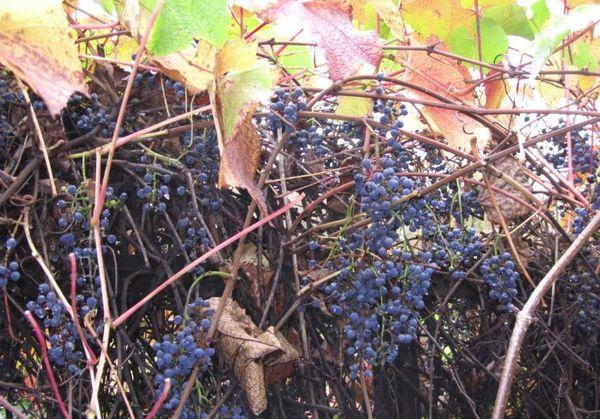
The Noble Muscat variety is an early-ripening variety. Its large berries are yellow-green. The flesh has a muscat flavor, is plump and juicy. The berries have a firm skin. The plant tolerates low temperatures well, produces a bountiful harvest, is resistant to various pests and diseases, and is easily transported without compromising the integrity of the berries.
Moscow
Moskovsky grapes are an early-ripening table grape variety. A single vine can yield up to 5 kg of fruit. The bunches are large, medium-sized, weighing approximately 400 g. The fruits are medium-sized, oval, and light green. They have a harmonious flavor with hints of Muscat.
This variety requires crop management. It can be susceptible to various diseases and spider mite infestations of up to 60% without preventative spraying. The Moscow Muscat variety is winter-hardy to -25°C.
Dievsky
This white Muscat grape is a table grape with a musky aftertaste. When ripe, the berries turn yellow. Each grape weighs approximately 20 g. The berries are fleshy and juicy, oval in shape.
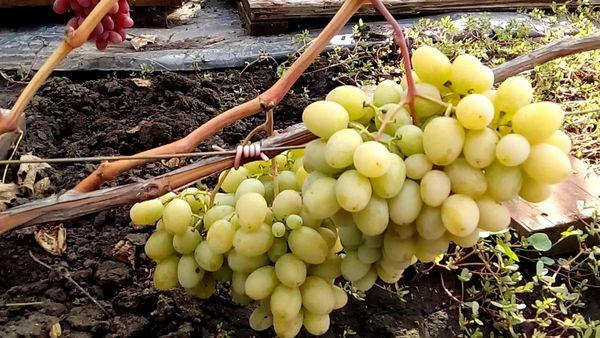
Dievsky has a nearly 100% maturity rate. Seedlings easily establish themselves in new locations and grow quickly.
Paradise
This grape is one of the best varieties. It is resistant to pests and various diseases. The large, light-yellow oval berries weigh up to 10 g. The flesh is sweet, crisp, and juicy. The berries are resistant to wasps. Paradise produces a consistently high yield. It is suitable for growing in southern regions.
Crunchy
Khrustinka is a table grape that can be eaten fresh or stored, and easily transported over long distances. The grapes retain their flavor for over three months. The vines are medium-sized. The clusters are medium-dense, not very large—up to 600 g. The grapes grow to 11-15 g in weight and are resistant to cracking and rot. The berries are crisp, juicy, and a rich red color.
Shatilova
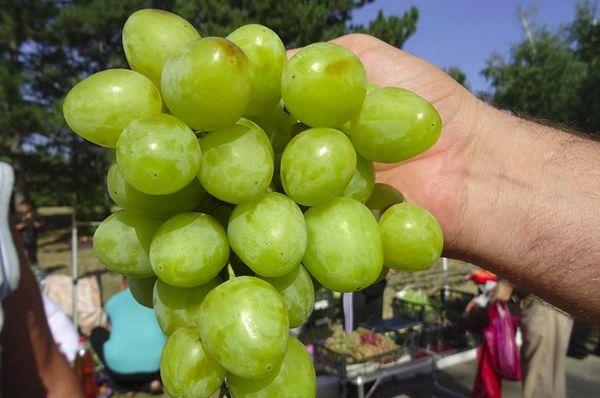
The Shatilova variety is white, produces large berries, requires little care, is resistant to pests and diseases, and is highly frost-hardy. The Urals and Siberia are ideal regions for growing Shatilova. It produces delicious juices, sparkling Muscat wines, and dessert wines.
Black
This variety is also called Callaba or Cayaba. Optimal growing conditions include a warm climate. The grapes are resistant to leaf blight and gray mold, but are not resistant to damage caused by leaf rollers.
Black rhododendron doesn't tolerate frost well, is picky about soil composition, and requires timely watering. It's also important to ensure the lime content in the soil doesn't exceed the recommended limit.
Blau
Blau grapes can tolerate low temperatures (down to -39°C). They are early ripening and have a strong immunity, but yields are low. This variety should be harvested in mid-September, when the berries are sweeter. The small bunches weigh 300g. The berries are black and large (6g).
Golodrigi
This variety is intended for table and technical use. The ripening period is four months. A single berry weighs 4-5 g, and a bunch weighs 300 g. Golodrigi grapes are characterized by low frost resistance (down to -23 degrees Celsius). This variety is blessed with excellent flavor, disease resistance, and abundant yields.
Odessa
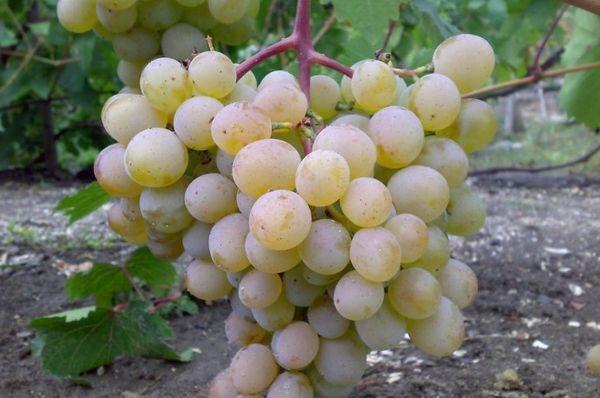
The Muscat Odessky grape variety is used to make premium juices and dessert wine. Its ripening period is 4-4.5 months. The bunches ripen evenly. The yield per bush can reach 5-6 kg. The plant tolerates winter well and can withstand temperatures down to -25 degrees Celsius. Suitable soil is sandy loam, loam, or black soil. Waterlogged soil is not suitable for growing it.
Dniester
This variety was bred in Moldova. The bush is medium-sized. The clusters are large, cone-shaped, weighing 400-500 g. The berries are black, oval or round, with crisp, juicy flesh. Dnestrovsky is a frost-hardy variety, withstanding temperatures down to -25 degrees Celsius. The grapes are used to produce semi-sweet and sweet wines.
Darling
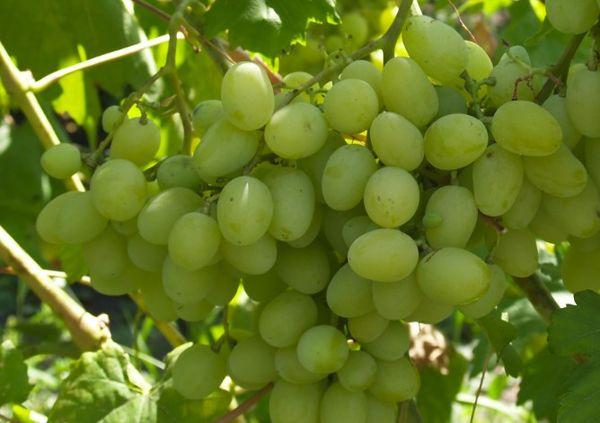
Lyubimiy grapes produce consistently high yields—up to 6 kg per plant. The clusters can hang on the vines for a long time, without losing their flavor. The plant can withstand temperatures as low as -23°C (73°F). Lyubimiy Muscat grapes are virtually immune to wasp attacks.
Codru
The ripening period for this variety is approximately four months. The bushes are small, and the bunches are large (600-700 g). The purple fruits are round and have a distinct musky aroma. This grape is one of the best Muscat grapes used in the production of dessert wines. Codru is a frost-hardy variety, tolerating temperatures down to -25 degrees Celsius. Its only drawback is its susceptibility to gray mold, mildew, and phylloxera.
Alexandrian
The Alexandria Muscat grape produces a high but inconsistent yield. A hot climate is the most optimal condition for a good harvest. The plant is susceptible to leaf rollers, powdery mildew, and mildew. The Alexandria variety has low frost resistance. Therefore, it is best grown in warmer locations.
Gold
This mid-season variety was developed by American breeders; the harvest begins after four months. The clusters are large, weighing up to 500 g. The oval berries have an amber hue when ripe. Golden is considered a versatile variety, suitable for both fresh and dessert wine production. The plant produces high and consistent yields.

Pridonsky
The Pridonsky variety is characterized by a mid-late ripening period. The clusters are small, weighing approximately 250-300 g. The grapes are large, round and round-oval in shape.
This variety produces good yields and is highly frost-resistant (down to -27°C). Winter cover is not necessary. The Pridonsky variety is also resistant to common vineyard diseases.
Take a look Also

Crimean
This Crimean Muscat variety produces fruit by mid-September. The clusters are medium-sized and cylindrical. The grapes are small, whitish-yellow, and oval. The pulp is juicy and fleshy, with a harmonious Muscat aroma. The skin is firm and dense. The bushes grow large and lush. The yield is average. The plant is susceptible to fungal diseases. The shoots ripen well. This variety is eaten fresh.
Comparative characteristics
To choose a Muscat grape variety, you'll need to determine which one has the best flavor and is suitable for your plot. Only by thoroughly familiarizing yourself with each variety can you make the right choice. For example, if you need grapes for wine production, Yantarny, Odesskiy, and Sverranniy Krasny (Super Early Red) are suitable.
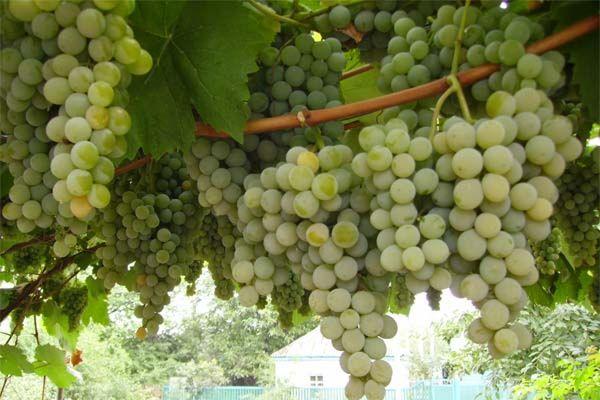
Each Muscat grape variety has its own advantages. Pridonsky, Golodrigi, and Blagorodny are resistant to various diseases and pests. Aleksandriysky, Cherny, and Yantarny varieties do not tolerate low temperatures well and should be grown in warmer regions. Pridonsky, Novoshakhtinsky, and Dalnevostochny, on the other hand, tolerate subzero temperatures well.
Diseases and pests
Muscat grapes, like other plants, are susceptible to various viral, bacterial, and fungal diseases. Non-infectious diseases arise due to nutritional deficiencies. To ensure the plant survives disease and pests and produces a good harvest, regular preventative maintenance and prompt treatment of already affected areas are essential.
Downy mildew
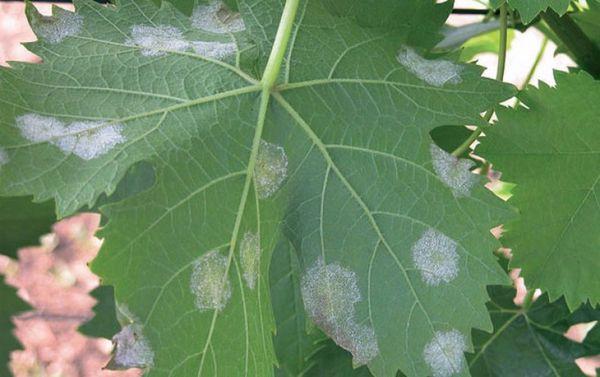
If oily-yellow spots appear on the upper side of the leaves, which later turn brown, and a white coating appears on the underside, this indicates that downy mildew has appeared on the grapes.
The disease affects ovaries, flowers, and leaves, causing them to dry out. It is thought to be caused by overfertilization with nitrogen, heat, and dampness. Prevention is achieved by spraying with fungicides (Strobi, Horus). This is done before and after flowering.
Treatment of downy mildew:
- Abiga Peak;
- "Oxychom";
- "HOM".
The plant should be treated at least 4-6 times per week. Treatment should be completed one month before berry harvest.
Oidium
Symptoms of this disease include a grayish-white coating on the leaves that can be rubbed off with a finger. The berries begin to dry out, crack, or rot, emitting a rotten odor. Powdery mildew can be triggered by sudden changes in humidity or hot, dry weather.
Preventive measures include treating the plant with fungicides:
- "Quadris" or "Strobi" (during the period when the ovaries close in the clusters);
- "Topaz" (after the plant has stopped flowering);
- Thiovit Jet (May-June).
Muscat grapes should be treated with Thiovit Jet, applied every 10 days. Treatment ends three days before harvest.
Anthracnose
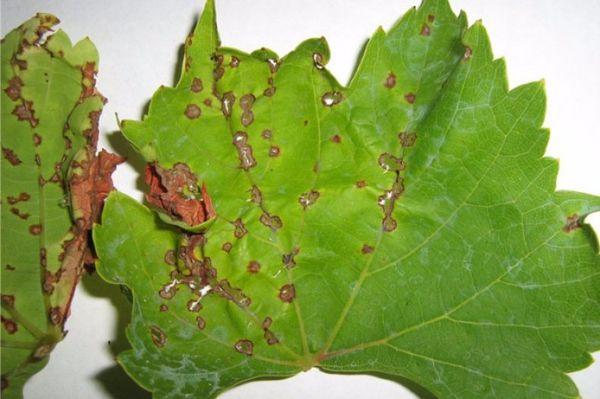
Anthracnose appears as brown or silvery spots on vines and leaves. Fruit spoils, taking on a silvery sheen and wrinkles. The main pathogen is hot, humid weather.
For preventive measures and treatment the following are used:
- Trichoderma Veride (biological product);
- Bordeaux mixture (up to 2%) or Ridomil Gold.
Gray, white or black rot
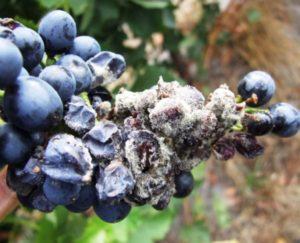
Gray, white, and black mold are the most common diseases. Gray and white mold affect shoots, leaves, bunches, and fruits. A fluffy gray coating and brown spots appear on them. They are caused by dampness.
For prevention and treatment, biological drugs are used:
- Fitosporin;
- "Trichoderma Veride";
- "Alirin".
Fruits in clusters are susceptible to black rot, which causes them to lose their flavor, wrinkle, darken, rot, or dry out.
To get rid of the disease, use:
- fungicides that contain copper;
- biological fungicides;
- Ridomil Gold;
- "Topaz".
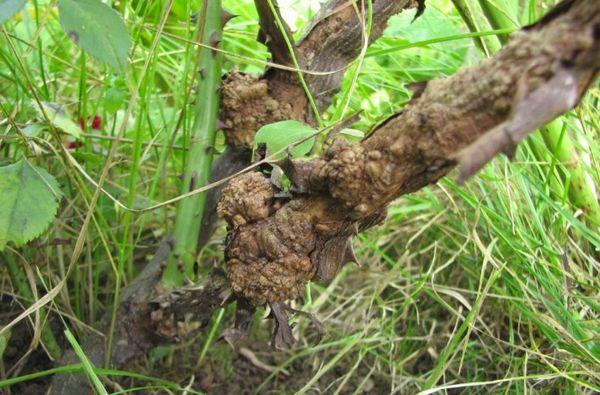
Bacterial cancer
This disease causes brown or yellow, blister-like growths and light-colored tumors to appear on branches. Grapevines can become infected through wounds from contaminated soil, tools, and unhealthy seedlings.
Preventive measures:
- rejuvenate the bushes regularly;
- cover the plant for the winter without twisting the vines in a circle;
- prevent mechanical damage (especially near the soil);
- disinfect instruments using alcohol or potassium permanganate.
Bacterial canker cannot be cured. Affected grapevines are dug up and burned. In rare cases, removing the tumors (cauterizing the wounds with iodine, copper sulfate, or iron sulfate (5% concentration) and the affected branches) can help. The disease causes minimal harm to the crop.
Bacteriosis
Bacteriosis is an infectious disease caused by pathogenic bacteria. It affects both individual parts and the entire grapevine. The causative agents are insects that feed on the plant's sap.
To prevent bacterial blight, protect the plant from direct sunlight, eliminate pests, and prevent mechanical damage to the fruit. Phytosanitary and phytoquarantine measures are used to treat this disease. Chemical treatments are not yet available.
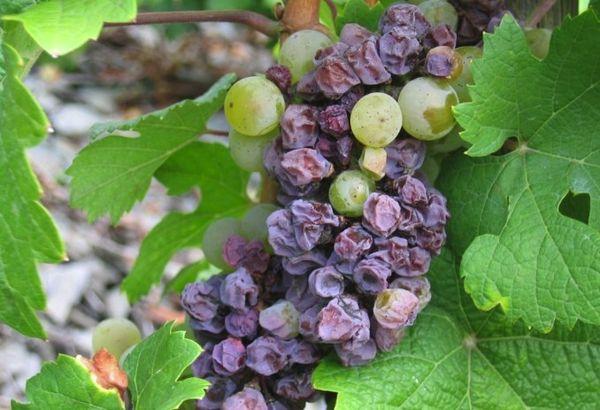
Sour rot
Sour rot most often affects grapes, which have juicy flesh and thin skins. The disease manifests itself as rotted reddish-brown or brown fruit. Fruit flies swarm around the affected areas. These clusters emit a sour or vinegar-like odor, indicating that the disease is spreading.
Preventive measures include:
- prevention of gray mold;
- thinning out bunches of grape varieties that are susceptible to this disease;
- control the appearance of thrips and cicadas.
If sour rot has affected a small area of the plant, remove all the damaged fruits and treat the bunch with a biological insecticide (such as Fitoverm) and a 1% Bordeaux mixture. Healthy bunches are also sprayed with horticultural sulfur.
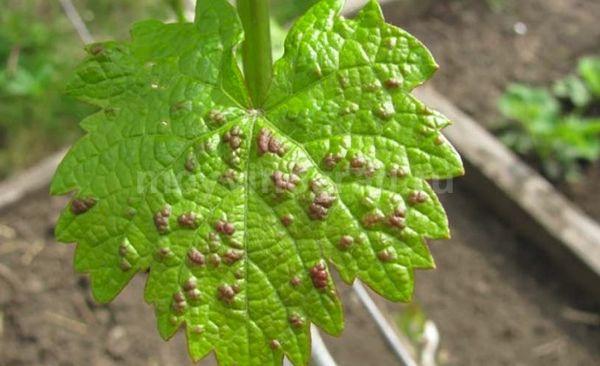
Bacterial necrosis
This disease can be recognized by the appearance of brittleness and dryness at the nodes, and black ulcers on the branches. The buds in the clusters begin to blacken, and the branches wilt. The main cause of this phenomenon is cold and dampness.
Preventive methods and treatment:
- before the buds open, treat with Bordeaux mixture (5%);
- When the 3rd leaf growth phase begins, use a 2% Bordeaux mixture.
Marbling of leaves
When affected by this disease, the leaves become pale, giving them a marbled appearance. Even the slightest touch causes the leaves to fall off immediately, as they become brittle. If grapevines are infected, the affected leaves must be removed immediately. If this doesn't help, the plant must be completely destroyed.
Chlorosis
Chlorosis is a grapevine disease that occurs primarily in alkaline soil. Leaves take on a yellow tint, and in extreme cases, older leaves become discolored. However, the veins retain their green color. The disease is caused by iron deficiency.
For prevention and treatment you can:
- treat the leaves with a mixture of iron salts;
- in autumn, lubricate the cuts of one-year-old wood;
- fertilize the soil with iron sulfate.
Mosaic
This disease is identified by white and green spots that appear on berries and leaves. These spots vary in shape and size, altering their contours and damaging the leaves. Seedlings affected by mosaic disease experience stunted growth and development, while mature grapevines begin to wither and die. Mosaic disease is unpredictable; it can infect an entire field before spots begin to appear.
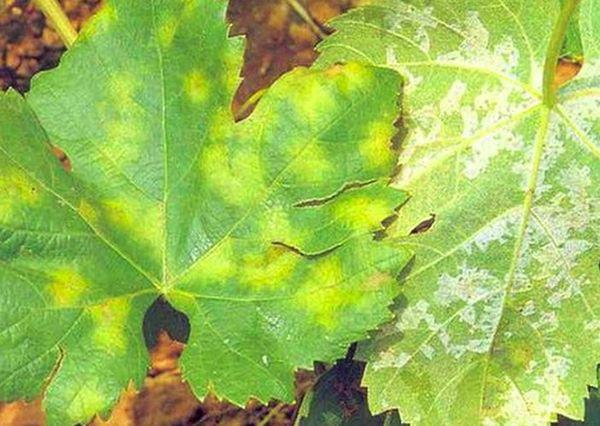
There are no treatments for grape mosaic. There are several options for eliminating the disease, including pest control, weed removal, and removal of infected vines.
Dwarfism
The main symptoms of dwarfism are a lack of fruit, flowers wither and wilt, leaves change shape, and the plant becomes stunted. Depending on the plant's sensitivity, symptoms can range from latent to severe.
Dwarfism is treated with heat treatment. For example, grape shoots are heated in water at 45 degrees Celsius for 2-3 hours.
Advantages and disadvantages
Wines made from Muscat grapes are distinguished by their excellent, rich, and distinct flavor. Muscat berries have a beneficial effect on the human body. The fruits contain phytoncides, which have a beneficial effect on the intestines. The Muscat grape variety also has other advantages: the vines consistently produce abundant harvests and have a beautiful appearance.

The plant also has some disadvantages that are associated with its cultivation.
There are Muscat varieties that prefer only warm climates and cannot tolerate very low temperatures. These grapes must be protected with special products before winter sets in.
Some varieties are also susceptible to various infectious and fungal diseases. Failure to promptly treat these can impact yield.
Growing tips
To achieve a healthy, stable, and abundant harvest, proper, regular, and timely plant care is essential. Muscat grapes aren't particularly fussy, but some agronomic practices should be considered.
Shelter for the winter
It's essential to cover fragile varieties, hybrids, young vines, and those with multiple tolerances, as it's impossible to predict how temperature conditions will change. Muscat grape varieties, which tolerate large temperature fluctuations, can be covered for the winter with slate, roofing felt, or a tent-like plastic covering.
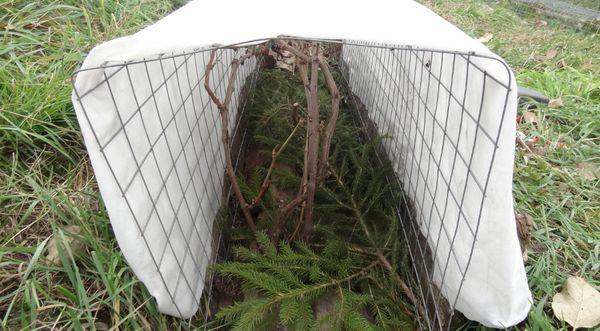
The most effective method of protecting grapes from frost is complete covering with soil or mulch. This will protect the mother plant. The timing of covering Muscat grapes varies by region, depending on climate conditions. Experienced gardeners recommend doing this after the leaves have fallen.
Drip irrigation and spraying system
Muscat grapes, like other plants, require regular watering. Water consumption depends on the growing season and stage of development. Maximum water consumption occurs during the period when the greatest biomass growth is expected. Water consumption decreases once the growing season is complete. Climate conditions, soil, and grape variety also play a role.
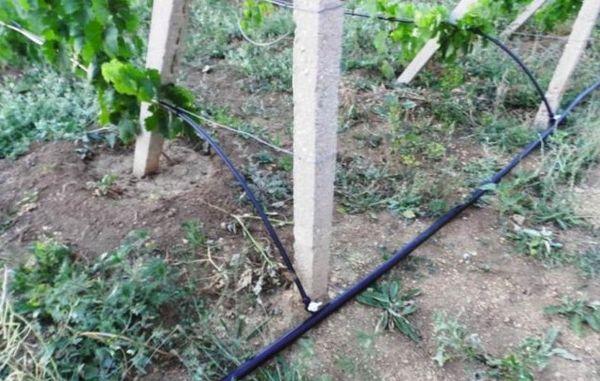
For a small vineyard, a drip irrigation system is easy to build yourself. You'll need a tank or other storage container. Fit fittings to the top and bottom of the tank. The top fitting is for liquid delivery, while the bottom fitting is for connecting to the pipework containing the drippers.
Drip tubes are made from medical IV lines. Insert the needle into a rubber hose, and place the free end under the plant. To ensure water flows from the container to the drip tubes by gravity, the tube should be placed on a stand slightly above the drip tubes. A height of 100 cm is sufficient.
Spring and autumn processing
Many effective preparations have been developed for spring treatment.
The instructions for the drugs include information on when to carry out the treatment.
For spring care use:
- insecticides (control pests);
- fungicides (fight diseases);
- Insecto-fungicides (complex agents that combat both diseases and pests).
Chemicals are used to treat Muscat grapes in the fall. These include colloidal sulfur and urea. Copper-containing solutions are most often preferred for fall treatment. The grapes are sprayed with this solution. Each pruned vine should be treated.
Preparations used for autumn spraying of muscat grape bushes:
- copper sulfate;
- iron sulfate;
- Bordeaux mixture;
- slaked lime.
Spring and autumn processing of grapes Nutmeg is a mandatory measure that rids the plant of most pests and diseases, and also has a preventative effect.
Related posts:
 Description of 30 grape varieties for Siberia, planting and care for beginners
 Beginner's Guide to Growing Grapes in Open Ground in Central Russia
 How to grow grapes in the Moscow region in open ground without a greenhouse
 The best grape varieties for growing in the Urals, planting and care rules in summer
 The ripening time of grape vines by variety, how to speed up the process, and what to treat the plant with
 Description of the Julian grape variety, planting and care instructions
 Description of the Krasotka grape variety, planting and care technology
 Description and characteristics of the Syrah grape variety, where it grows