
- The reason and purpose of spraying
- Calendar of treatments against diseases and pests
- Spring
- Summer
- Autumn
- Types and classification of protective equipment
- Fungicides
- Insecticides
- Effect of the drug
- Contact
- Systemic
- Systemic contact
- Stages of implementation
- Kidney opening phase
- Appearance of 3-5 leaves
- Bloom
- Small pea stage
- Coloring
- Ripening period
- Harvesting
- Folk recipes
- Conclusion
Grape growers will have to care for their newly planted vines. Experts recommend treating grapes in July to prevent diseases that could kill the seedlings.
The reason and purpose of spraying
Before treating grape seedlings, it's important to understand the main goals and reasons for the procedure. Experienced gardeners recommend treating plants to protect them from the following problems:
- Fungal diseases. These are considered the most dangerous, as they can completely destroy the harvest. Therefore, to eliminate them or protect seedlings from fungal diseases, regular treatments are carried out.
- Mold. Sometimes mold appears on grape vines. To prevent it, the seedlings are sprayed periodically.
- Pests. Grapes, like many other plants, are susceptible to attack by dangerous pests. Treating the plants with special pesticides will reduce the number of insects.
Calendar of treatments against diseases and pests
It's no secret that spraying is carried out at different times of the year. Therefore, it's important to familiarize yourself with the timing of the work in detail.
Spring
The spraying schedule begins in early spring, when the bushes are uncovered to protect them from frost. To ensure spring treatments are completed on time, it's important to plan your gardening activities in advance.
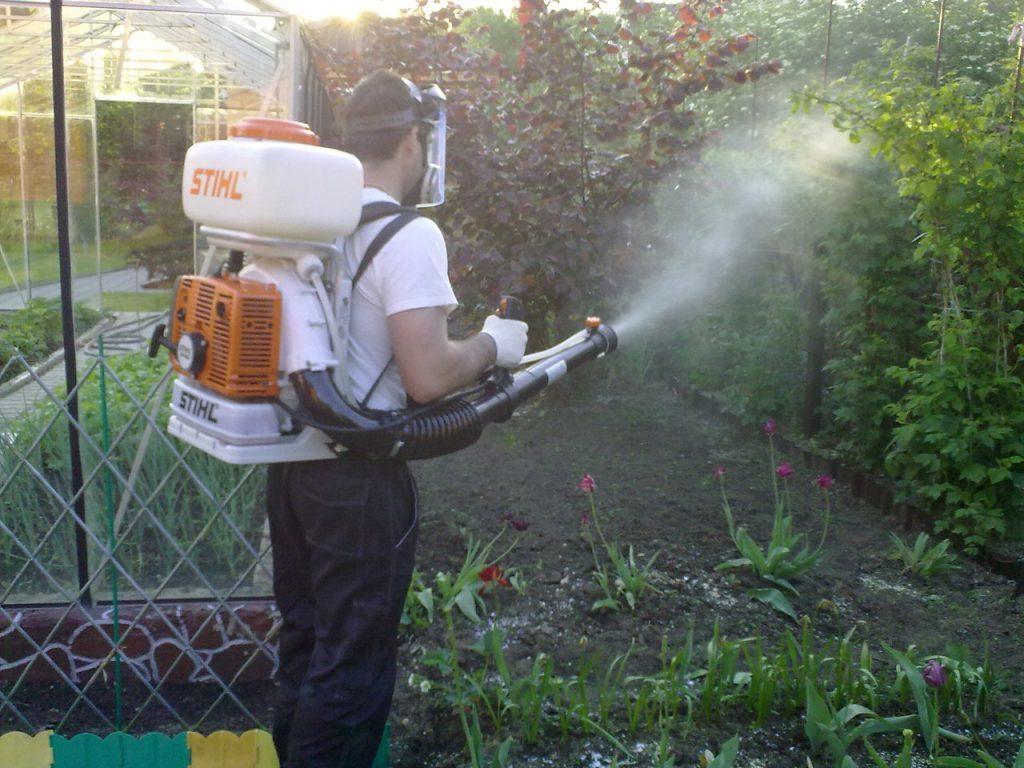
Those who have been growing grape vines for many years recommend spraying the seedlings prophylactically in mid-April, when the air temperature rises. Doing this too early is contraindicated due to the drop in nighttime temperatures. In spring, seedlings are treated with fungicides and insecticides.
Summer
Seedlings are treated not only in the spring but also in the summer. June is considered the starting month for spraying, as this is when grapevines begin to be affected by downy mildew.
If this disease is not treated in time, the planted plants will stop bearing fruit.
Summer treatments are also carried out after this, in the second half of summer. August is also considered a dangerous month, as the grapes weaken due to the ripening of the fruit clusters. The best remedy for summer use is considered to be Bordeaux mixture, sprayed on both the trunk and foliage.

Autumn
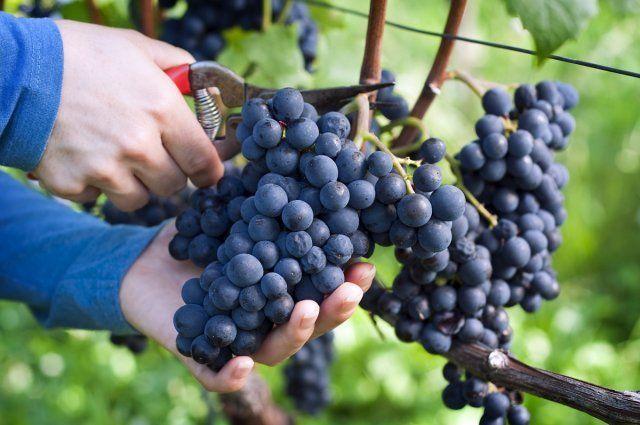
Some believe that vineyard care is unnecessary after the summer season ends, but this is not true. Experienced gardeners recommend preparing plants for the coming winter and any severe frosts ahead. A month before the onset of frost, all vines are sprayed with folk remedies and special fungicides. This ensures that the seedlings remain strong and free from fungal diseases after winter.
Types and classification of protective equipment
There are various means that help protect planted fruits from diseases and dangerous insects.
Fungicides
Fungicides are chemicals used to prevent the development of fungal diseases. The use of fungicides is essential when growing many fruits and vegetables. Before spraying your plants, it's important to familiarize yourself with the different types of fungicides.
This table will help you understand the composition of each type of drug in more detail:
| A type of fungicide | Compound |
| Inorganic | Manganese, potassium, nickel, copper, iron, sulfur |
| Organic | Aldehyde, hydrocarbon, naphthenic acids, phenol |
Insecticides
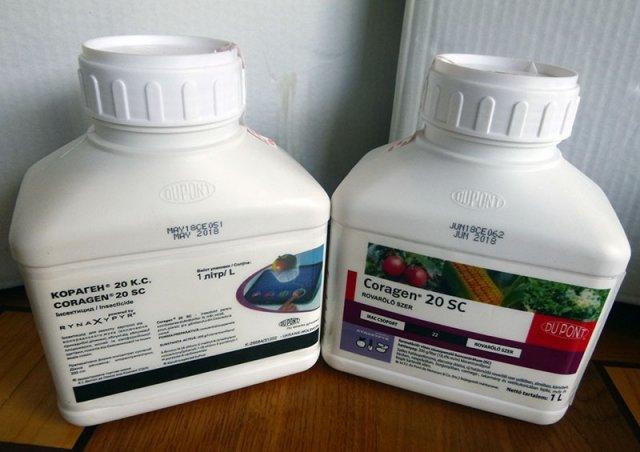
Insecticides are products sprayed onto plants to protect them from pests. Before using insecticides, it's important to review the grapevine treatment schedule. Using such products too frequently is contraindicated, as it can impair the development and subsequent fruiting of the vines. Experts recommend treating vineyards with insecticides no more than once every 2-3 months.
Effect of the drug
Each type of product has certain features that you should familiarize yourself with in advance.
Contact
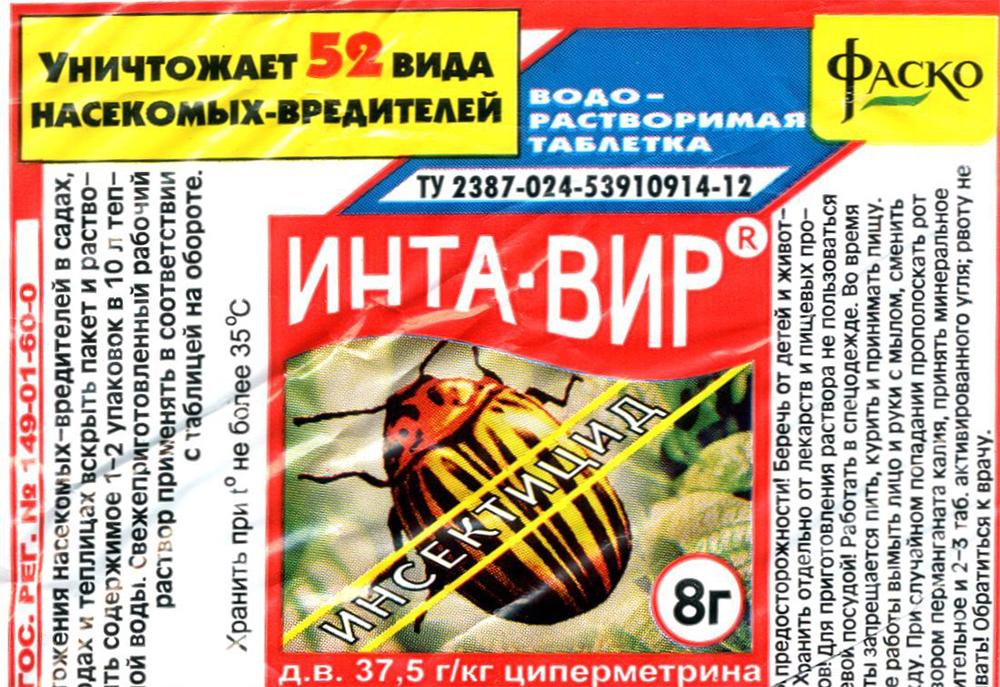
Contact insecticides are considered the most effective pest control products. Their distinctive feature and main advantage over other formulations is that contact mixtures kill insects immediately upon contact with the treated surface. Another advantage is their long-lasting protective action, lasting approximately 1-2 months. Popular contact insecticides include:
- "Citcor";
- "Nurel";
- "Arrivo";
- "Micron";
- Inta-Vir.
Systemic
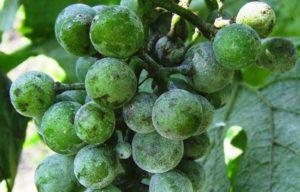
Systemic insecticides are less effective. However, despite this, they are still popular among gardeners. Systemic insecticides penetrate directly into the foliage and stems of plants, poisoning them.
Insects that feed on treated seedlings will die immediately.
Most of these insecticides are made from imidacloprid, which is considered toxic and effective against most insects.
Systemic contact
There are universal remedies that act as both contact and systemic medications. Popular systemic and contact medications include:
- Alirin. This tablet formulation is diluted in warm water before use. Vineyards are sprayed with Alirin 2-3 times per season.
- Vectra. Used to prevent the occurrence and development of fungal diseases.
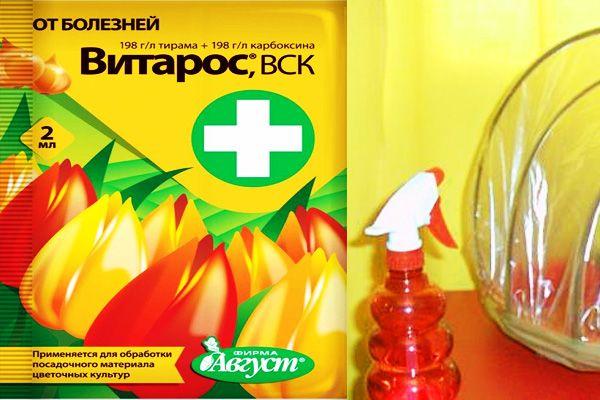
- Vitaros. This fungicide is sold in 50-100 milliliter ampoules. One ampoule is sufficient for 2-3 treatments.
Stages of implementation
There are five main stages of spraying planted grape bushes.
Kidney opening phase
The first treatment should be done when the first buds begin to appear on the grapevine branches. During this period, the seedlings are weakened and often attacked by mites, gnats, and other dangerous insects that overwinter in the upper soil layers. Before the buds open, the seedlings should be treated once with a systemic or contact fungicide. This treatment is most often performed in late March or early April.
Appearance of 3-5 leaves
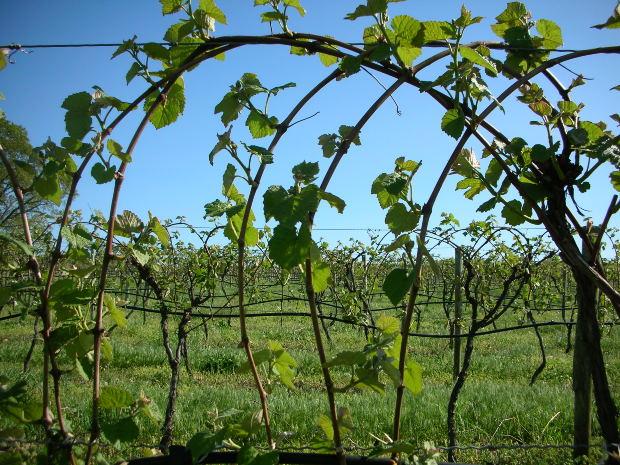
When the first 3-5 leaves appear on the grapevine, the plant is susceptible to fungal diseases. If spraying is not done promptly, the seedlings will become infected and fruit production will decrease significantly. Therefore, as soon as the leaves begin to emerge, the vineyard is sprayed with Bordeaux mixture and fungicides to kill the pathogens. Treatments are carried out 1-2 times a week.
Bloom
Preventative treatments are essential a few days before flowering and 3-5 days after. Experienced gardeners say these treatments are the most important, as they eliminate most of the infections that appear in the spring. Before spraying shrubs, choose a day with suitable weather. It is recommended that there be no rain for 4-6 days after spraying.
Small pea stage
It is also necessary to spray the vineyard during the formation of fruit clusters.
Take a look Also
Coloring
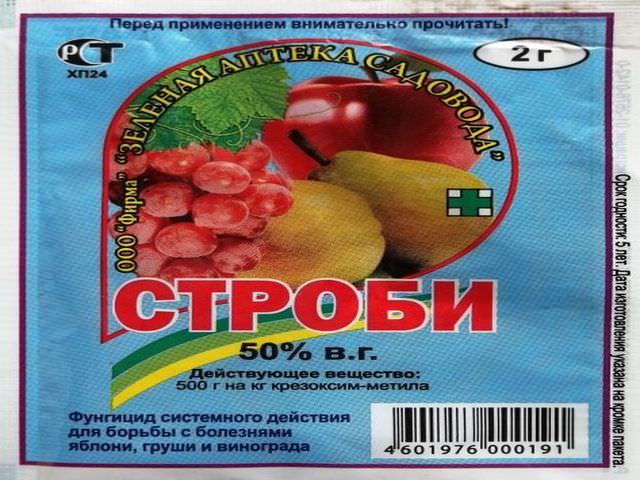
Gardeners growing vineyards in southern regions should spray them during the berry coloring period. However, experienced gardeners do not recommend using systemic products, as they can cause fruit damage. Contact fungicides or insecticides are better. Seedlings should be treated in the evening, when there is no strong wind.
Ripening period
Some people believe that it's okay to spray ripening fruits during the fruiting period, but this is not true. Treating bushes and clusters 1-2 weeks before full ripening is contraindicated, as the use of fungicides and insecticides can poison the fruits.
If you need to spray a plant urgently, you can only use microbiological agents that do not contain chemical components.
Harvesting
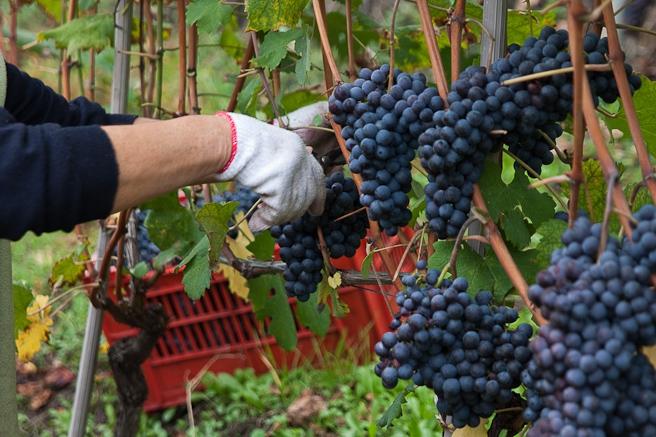
The final preventative treatment of the grapevines is carried out immediately after harvesting the ripe berries. This spraying is done to strengthen the seedlings before the onset of winter frosts. If the grapevines are not sprayed in the spring, they may die after the winter due to emerging diseases.
Folk recipes
There are several folk remedies for treating vineyards:
- Herbal infusion. Freshly cut grass is soaked in a bucket of water for 5-6 hours. The infusion is then sprayed on the bushes.
- Potato tops. One and a half kilograms of potato tops are poured into boiled potato tops, soaked, and left for six hours. Then, the seedlings are sprayed with it.
- Iodine. Mix 400 milliliters of iodine with a liter of water, then apply the mixture to the branches.
Conclusion
Gardeners who grow grape seedlings should periodically spray them with special products. Before doing so, it's important to familiarize yourself with the basic steps involved in the treatment.
Related posts:
 How to treat grapes for mildew, the best control measures and treatment rules
 Description and types of diseases and pests of grapes, treatment and control
 How to plant grapes step by step, with a description of the process and care
 Description of blight-resistant tomato varieties for open ground and greenhouses
 Timing and recommendations for the best way to graft grapes at home
 Description and characteristics of the best seeds of pea varieties and types
 How to prune grapes step by step for beginners
 When and how to prune gooseberries to ensure a good harvest