
- Classification of major lesions
- Shoots and leaves
- Fruit
- Fungal diseases
- Downy mildew
- Powdery mildew (true powdery mildew)
- Alternaria
- Black spot (phomopsis, escoriosis)
- Cercospora leaf spot
- Esca (apoplexy)
- Dry sleeve (spotted necrosis)
- Eutyposis
- Verticillium wilt
- Root rot
- Botrytis (gray rot)
- Anthracnose
- Bacteriosis of grapes (Pierce's disease)
- Rubella
- Bacteria
- Bacterial cancer
- Oleyron's disease (bacterial necrosis, bacterial wilt)
- Bacterial spots
- Viruses
- Yellow mosaic
- Viral infectious chlorosis
- Vein bordering
- Leaf curl
- Short-knotted
- Grooving of wood
- Non-communicable diseases
- Elementoses
- Paralysis of the ridges (drying out, atrophy)
- Types of stains
- Yellow
- Brown
- Whites
- Black
- Reds
- Rusty
- Brown
- Gray
- Pests
- Wasps
- Birds
- Phylloxera
- Grape itch mite (felt mite)
- Leaf rollers
- Scale insects and false scale insects
- Mealybug
- Pillow case
- Grape flea beetle
- Caterpillars
- Leaf miner
- Leafhoppers
- Skosar
- Woodworms
- Benchworm larvae
- Whitefly
- Thrips
- Resistant varieties
- Preventive measures
- Ripening period
- Fruiting
- Treatment methods
- Folk
- Medicines
- Conclusion
People with garden plots often plant grape vines there. During cultivation, these plants can become susceptible to various diseases, which must be addressed immediately. Therefore, it's recommended to familiarize yourself with the main grape diseases and the most effective treatments for them.
Classification of major lesions
If a seedling is infected with a particular disease, various parts of the plant may be affected.
Shoots and leaves
The diagnosis of the disease depends on where the first symptoms appear. Most often, affected seedlings show damage to young shoots and leaves located at the base of the vine. Their surface becomes covered with dark spots that gradually spread throughout the vine. Sometimes, the leaf blades turn completely yellow, curl, and fall off.
Fruit
Sometimes, not only the foliage and shoots but also the mature fruit clusters are affected. The vines are affected first, after which symptoms appear on the berries. They may ripen slowly and become smaller in size. Often, the skin of the affected berries becomes covered with dark spots and begins to rot. If rot has begun, the affected fruit cluster will need to be removed.
Fungal diseases
Many vineyards suffer from fungal diseases that can lead to the death of seedlings.
Downy mildew
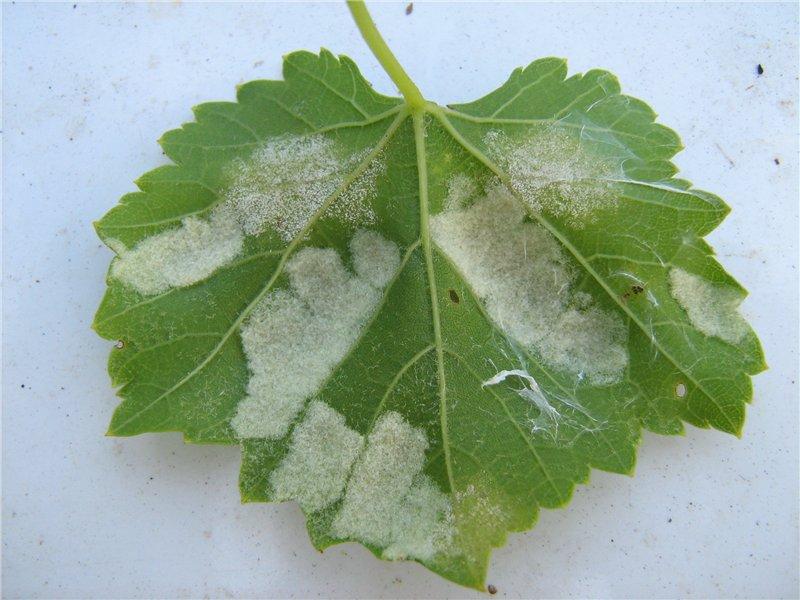
This is a common disease encountered by many farmers and gardeners. It most often appears in vegetable crops, but it sometimes affects vineyards as well. Symptoms characteristic of downy mildew, including the following, can help identify the affected plant:
- gray coating on stems;
- yellow spot on foliage;
- withering of branches.
If the disease is not treated in time, the affected seedling will die.
Powdery mildew (true powdery mildew)
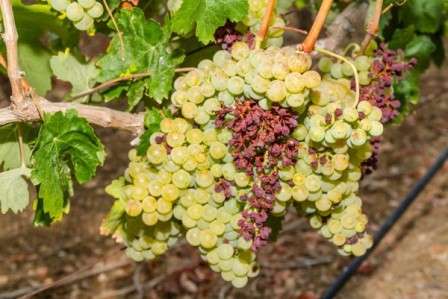
This is also a common disease, but it's much less common in vineyards than downy mildew. Powdery mildew manifests itself during prolonged hot weather, which is why plants only get it in the summer. As powdery mildew appears and develops, a grayish coating forms on the foliage. If left untreated, it will eventually spread to the berries.
Alternaria
If vineyards are grown in high-humidity conditions, they are susceptible to Alternaria wilt. Olive-colored spots with a grayish bloom appear on the foliage of affected vines. These spots develop on the surface of the leaves, with small yellowish spots visible on the underside. If the fungal disease is left untreated for a long time, the leaves will curl and gradually dry out. Therefore, Alternaria wilt should be treated as soon as the first symptoms appear.
Black spot (phomopsis, escoriosis)
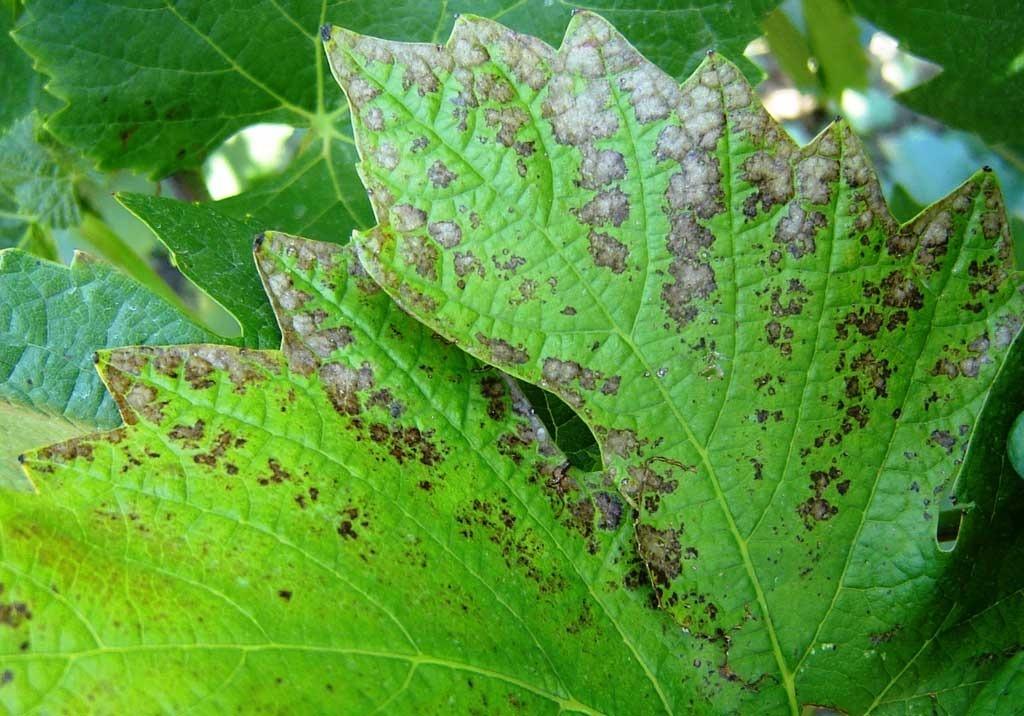
Escoriosis is considered one of the most common and dangerous fungal diseases that can destroy vineyards. The main symptom of the disease is black spots that cover the surface of shoots and foliage. High humidity and cool weather favor the development of black spot.
Bushes affected by escoriosis tolerate frost worse and may die in winter because of this.
Cercospora leaf spot
This is a dangerous disease that affects grape fruits, stems, young shoots, and foliage. Signs of cercospora leaf spot first appear on the lower leaves that are in contact with the soil. When air temperatures rise to 30°C (96°F), the disease rapidly progresses and spreads to the rest of the plant. Vineyards affected by cercospora leaf spot grow more slowly and produce significantly fewer fruits.
Esca (apoplexy)
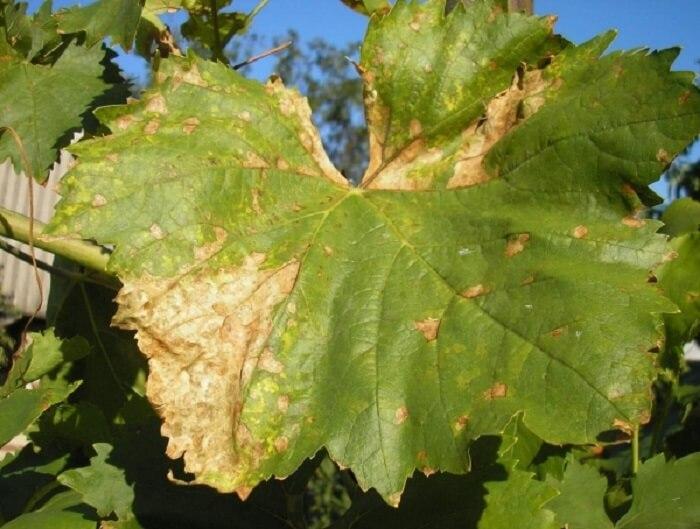
The main cause of apoplexy is fungi, which begin to release numerous toxic microelements when vines are infected. Exa develops in midsummer, when temperatures reach 25-35 degrees Celsius. The main characteristic of apoplexy is its rapid development. The affected seedling dies within 3-4 days of the disease's onset.
Dry sleeve (spotted necrosis)
If vineyards are grown in high humidity, they can become infected with dead-arm necrosis. The main danger of dead-arm necrosis is that it attacks all parts of the vine. Over time, black spots will appear on the surface of all leaves and shoots. Plants affected by dead-arm necrosis die.
Eutyposis
A fungal disease that affects all grape varieties, Eutypoz first attacks the woody parts of the vine from within. Signs of the disease's development can be seen at the cut ends of twigs. Small necrotic spots form on these areas, gradually affecting the entire branch. Eutypoz leads to stunted vine growth and reduced fruiting.
Verticillium wilt
The disease is caused by a fungus that infects plants through the soil. Young seedlings are most susceptible to verticillium wilt. Infected plants experience reduced water supply and damage to the vascular system. This leads to stunted growth and poor fruiting. Signs of verticillium wilt include yellowing of shoots and leaf drop.
Root rot
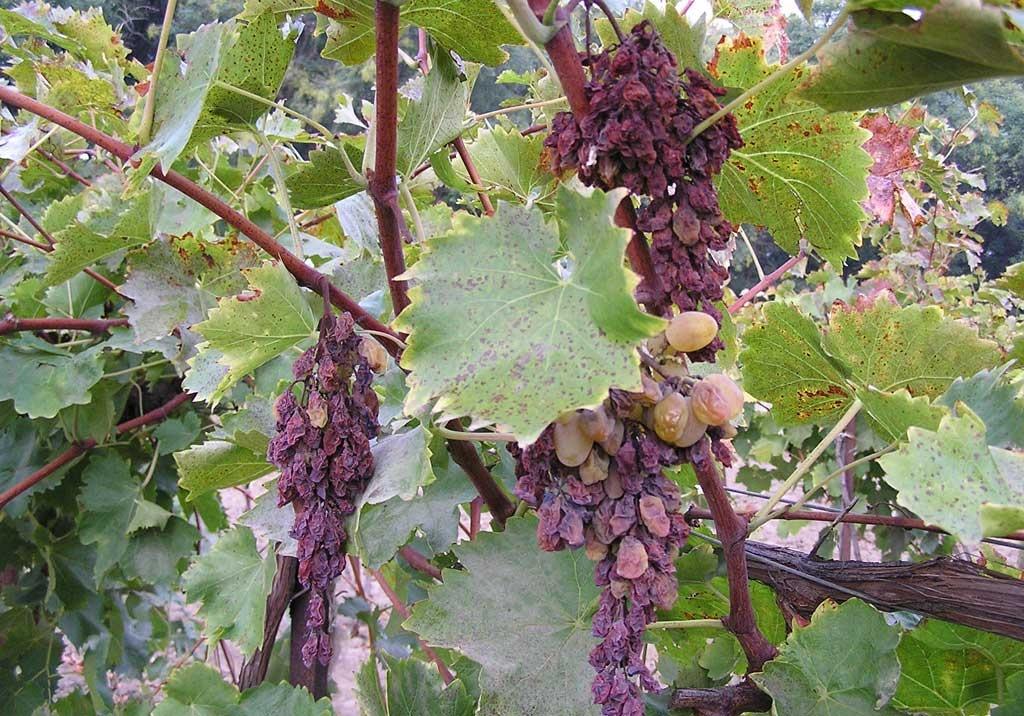
Root rot is a fungal disease that affects the root system. Damage to the roots causes a grayish coating to appear on their surface. This coating gradually spreads and reaches the main stem. Root rot begins to destroy the woody portion of the stems, leading to the wilting of the bushes. Death occurs 3-4 years after infection.
Botrytis (gray rot)
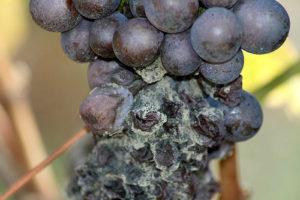
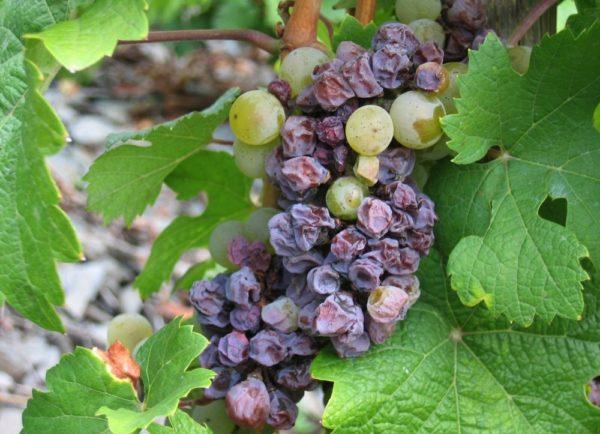
When botrytis develops, it attacks young stems and the green part of the vineyard. The fungus settles on young shoots and then spreads throughout the vine. The main symptom of botrytis is a grayish coating on the surface of branches and foliage. It can also be seen on unripe berries. Cloudy weather, which increases humidity, favors the development of botrytis.
Anthracnose
This is a fungal disease that affects berries, inflorescences, shoots, and foliage. Anthracnose is most common in the Americas and Asian countries. However, gardeners in the CIS countries also encounter this fungal disease. As anthracnose progresses, brownish spots appear on the leaves and shoots. The affected foliage dies and begins to fall from the branches.
Bacteriosis of grapes (Pierce's disease)
Bacterial wilt often affects vineyards growing in shaded, humid areas. Symptoms of Pierce's disease include the following:
- the appearance of yellowish spots on the surface of leaf blades, which are surrounded by a brown border;
- darkening of some flowers in inflorescences;
- dying off of buds located in the lower part of the bush;
- fragility and rapid drying of young stems.
Rubella
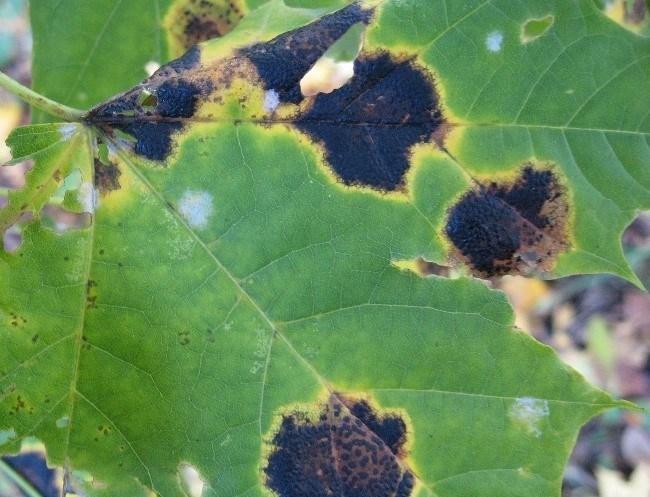
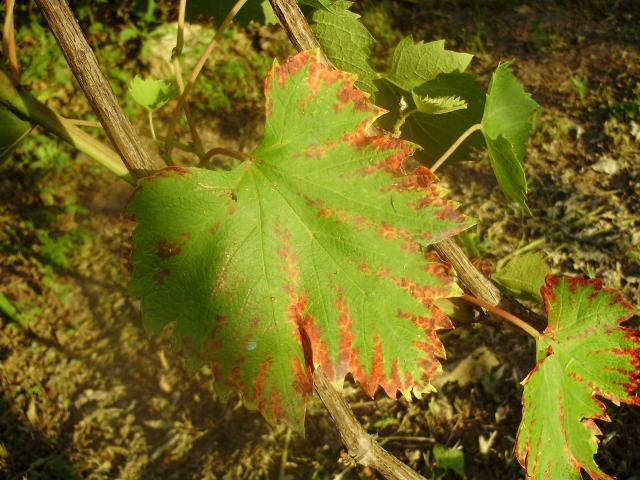
Rubella attacks garden crops in the first half of summer and in mid-May. Signs of the disease can be seen on leaf blades, which turn sharply red. However, there are other signs that indicate the presence of rubella:
- the appearance of spots that have the shape of maple leaves;
- leaf fall before flowering;
- Some leaves are covered with yellow spots.
Bacteria
In addition to fungal diseases, there are also bacterial diseases that are also dangerous for vineyards.
Bacterial cancer
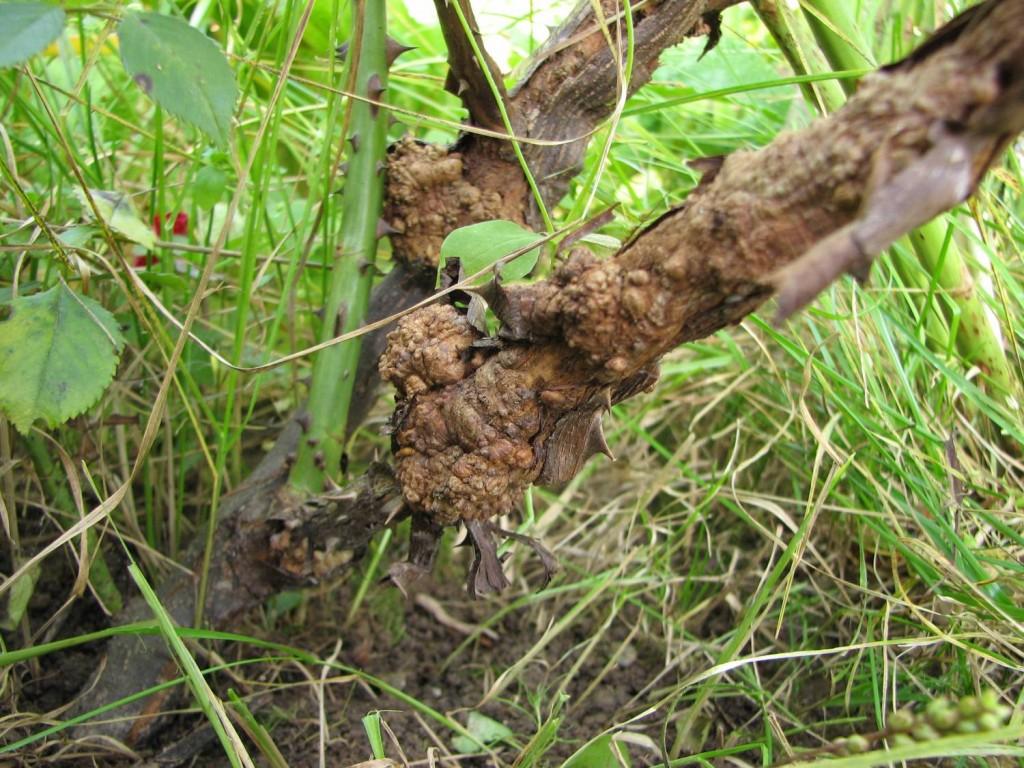
Bacterial canker is a common cause of vineyard failure. The disease's progression is indicated by new growths growing on the vine's surface. The main causes of bacterial canker include weakened immunity, mechanical damage, frequent insect attacks, and thermal injuries.
Oleyron's disease (bacterial necrosis, bacterial wilt)
A dangerous disease that damages the above-ground portion of vineyards, Oleyron disease can develop latently for many years before suddenly appearing. Bacterial necrosis most often appears after a spring frost. Signs of bacterial wilt include:
- black spots on leaves;
- kidney damage;
- slow growth;
- leaf fall.
Bacterial spots
Bacterial infection is specific to grapevines. Initially, the pathogens invade the wood vessels, which negatively impacts the growth of the seedlings. Signs of bacterial spot include:
- shortening of internodes located on shoots;
- growth retardation;
- drying out of the comb brush;
- shedding and wilting of flowers.

Viruses
There are several viral diseases that grape bushes often suffer from.
Yellow mosaic
Sometimes, due to a lack of nutrients in the soil or the development of an infection, chlorophyll production is inhibited. This leads to the development of yellow mosaic. The foliage of affected seedlings turns pale and loses its original bright green color. The leaf blades turn yellow and become covered with lemon-colored spots. Fruit production decreases, and ripening is delayed.
Viral infectious chlorosis
Chlorosis develops when an infection is introduced into the vineyard along with infected seedlings. It progresses gradually, leading to yellowing of the leaf veins. The disease is incurable, so all infected plants must be dug up and burned. This will prevent further spread of chlorosis to neighboring seedlings.
Vein bordering
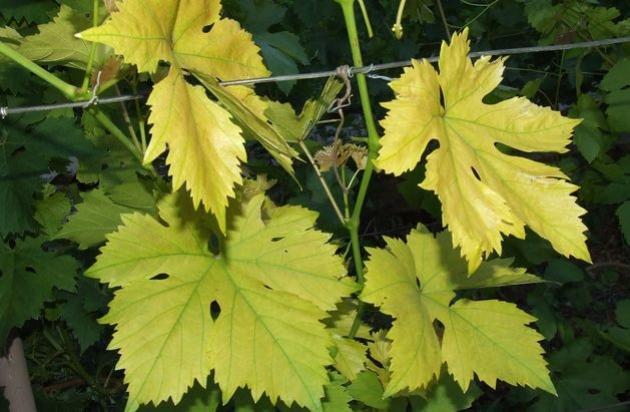
People who have been growing grapes in their gardens for a long time often encounter vein banding. This disease causes the narrowest part of the leaf blade to turn yellow. Initially, the yellow spots are small, but then they increase in size, completely covering the blade.
Leaf curl
Leaf curl is a common viral disease encountered by many gardeners. This disease is very dangerous, as it affects almost all foliage. In the first few days after infection, the foliage turns yellow. Then, it curls into a tube and falls off. If treatment is not carried out promptly, the vineyard's yield will decrease by 2-3 times.

Short-knotted
Sometimes, symptoms of short-node disease appear in established vineyards. This disease causes the internodes to shorten, resulting in thickened shoots. Nodes can also double, fuse, and form side shoots. Short-node disease weakens vines, so treatment is necessary to prevent further progression of the disease.
Grooving of wood
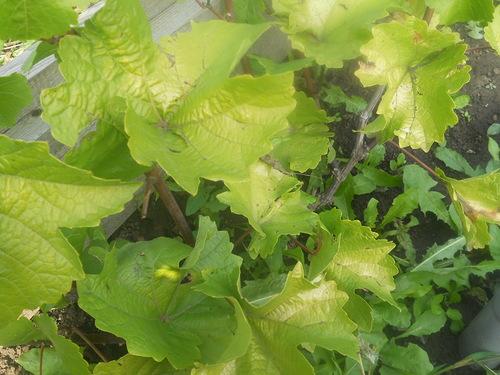
Common viral diseases include wood striation, which causes elongated grooves to form on the surface of the stems. This causes the bark covering the branches to thicken two to three times. Sometimes, the striation spreads to the root system, which impairs fruiting and slows further growth of the seedlings.
Non-communicable diseases
There are two non-infectious pathologies that can infect grapes planted in the garden.
Elementoses
Elementoses are diseases that can delay or slow grape ripening. The main cause of this disease is considered to be insufficient nutrients in the soil. Due to a lack of nutrients, the foliage begins to turn yellow, develop brown spots, and even dry out.
To prevent the appearance of elementosis, you need to regularly feed the bushes.
Paralysis of the ridges (drying out, atrophy)
Atrophy, or drying out, occurs suddenly. Most often, the affected areas are the branching areas of seedlings and foliage. A distinctive feature of atrophy is that it does not spread to neighboring plants or even other parts of the affected bush. Therefore, the branch where the disease has begun to develop can be completely cut off with pruning shears.
Types of stains
Most diseases are accompanied by spotting on the surface of stems and foliage. There are several types of spots that can appear in vineyards.
Yellow
The most common yellow spotting on shrubs is a yellowish rash. If yellowish spots appear on the leaf blades, the seedling is infected with mildew. In this case, the spots are located on the upper side of the blade. If the berries are covered with yellowish spots, the plant is infected with powdery mildew. Bordeaux mixture or "Arcerid" will help get rid of the yellowing.
Brown
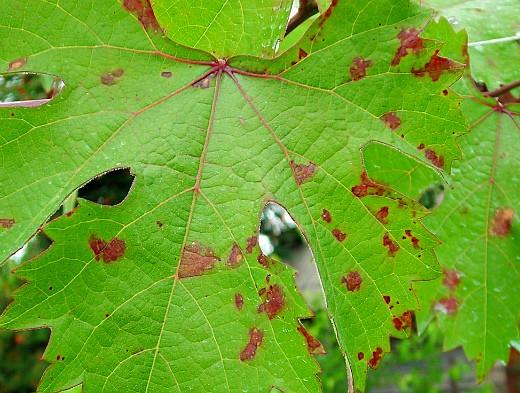
In addition to yellow spots, brownish spots may be seen on seedlings. These most often form on the surface of the foliage due to anthracnose. These spots are dark brown in color and have a black border. Brown spots can also be seen on the main stems and side shoots. "Polyhom" can help prevent further spread of the spot.
Whites
Sometimes, ash-colored or white spots appear on grape leaves. These spots cover not only the outer but also the inner surface of the leaf blade. Light spots can also cover the fruit, forming a whitish coating on the surface. These small spots are caused by powdery mildew.
Black
Dark spots appearing on the surface of the foliage indicate the development of Alternaria wilt. The foliage darkens gradually, not immediately. Initially, small spots are visible on the surface, which darken and enlarge over time. The spots then spread from the foliage to the shoots and stems. Sometimes, dark spots can be seen on grape berries.
Reds
If grapevines aren't grown properly, burgundy spots may appear. The appearance of red spots indicates that the sapling is infected with rubella. Low temperatures, prolonged drought, and a lack of potassium-containing fertilizers in the soil contribute to the development of red spots. Regular fertilizing will help eliminate the red spots.
Rusty
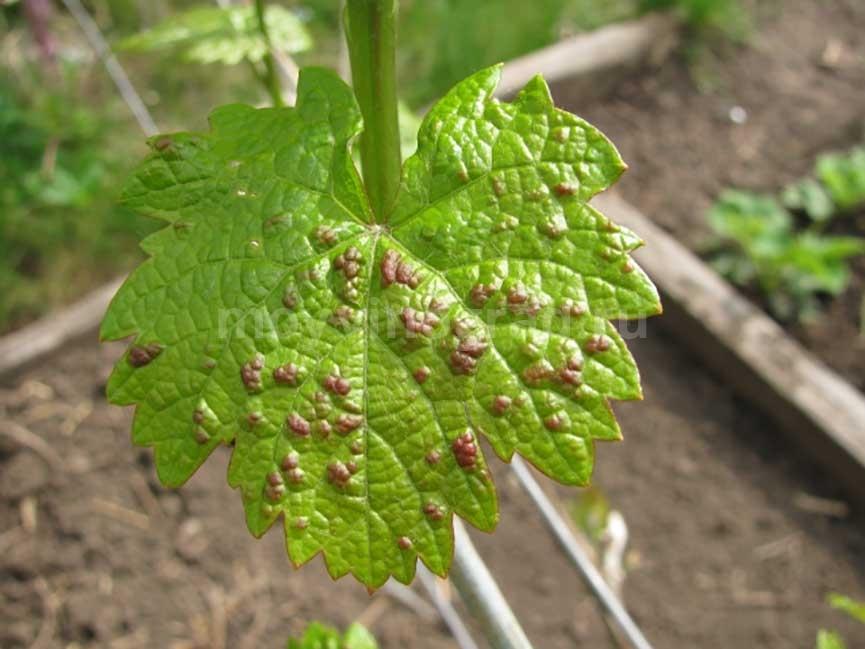
If grapevines are infected with rust, their foliage will be covered in orange spots. At the center of each spot are small fungal spores, which look like a small cushion. Experts recommend removing the rusty spots immediately to prevent the fungus from spreading to neighboring plants. To do this, treat the plants with fungicides.
Brown
There are several reasons why raised brown spots may appear on the crown and foliage:
- Potassium deficiency. If the plant doesn't receive enough potassium-containing fertilizer, the edges of the leaves become covered with yellow spots. The leaves then become brittle and fall off.
- Calcium deficiency. When seedlings lack calcium, the upper leaves become lighter in color and covered with brown spots.
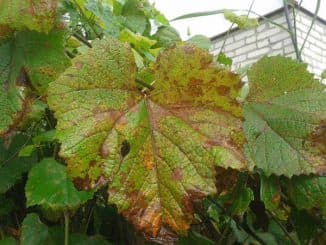
- Disease development. Diseases that cause brown spots include cercospora leaf spot, white rot, and anthracnose.
Gray
Sometimes, grape leaves become covered with gray spots, which indicate disease. Gray spots have various causes, but they most often appear as a result of powdery mildew or anthracnose.
Regular use of fungicidal solutions for spraying garden crops will help prevent the occurrence and development of these diseases.
Pests
In addition to diseases, vineyards suffer from dangerous pests that attack the bushes.
Wasps
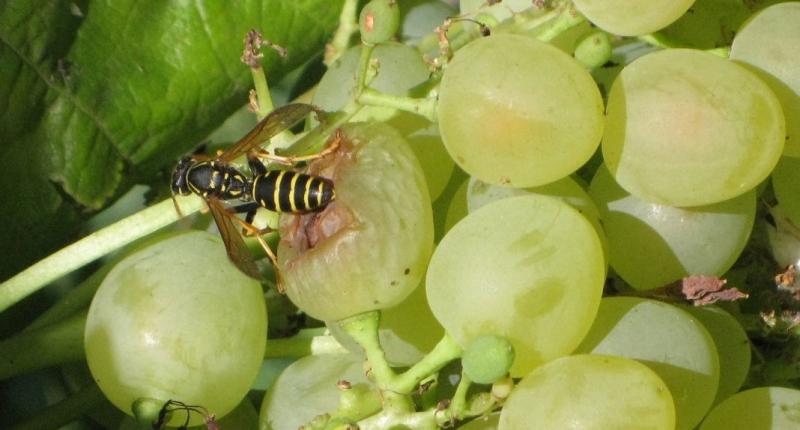
Wasps are a common pest that attacks vineyards. Control is recommended, as they can attack grape clusters and ruin the harvest. Regular insecticide spraying is not enough to get rid of wasps. Any wasp nests that may be located in the garden should also be destroyed.
Birds
Birds are another pest that can damage berry clusters. They regularly attack the bunches and peck at the grapes, sucking out all the juice. If the birds aren't eliminated promptly, they will ruin most of the harvest. Experts recommend installing a special polymer mesh near each bush. This will prevent birds from accessing the berries.
Phylloxera
It's considered the most dangerous grapevine pest, attacking plants in summer. The insect resembles a small, yellowish aphid, making it difficult to spot. It's also difficult to detect because it spends almost all its time in the root system. Insecticides such as Fufanon and Karbofos can help eliminate phylloxera.
Grape itch mite (felt mite)
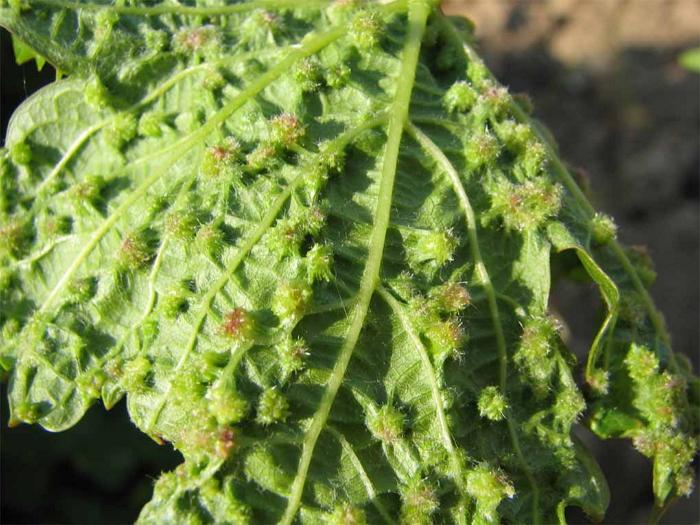
If green bumps appear on the foliage, it means the plant is being attacked by grape mites. They are impossible to spot, as an adult is no more than 0.3 millimeters long. The mite lives on the underside of the leaf blade and feeds on its sap. This causes characteristic swellings to appear on the surface. Spraying with insecticides will help get rid of the mites.
Leaf rollers
The leaf roller is a small butterfly with a wingspan of just three centimeters. Its dark color makes it easy to spot against bright foliage. Like many other pests, the leaf roller feeds on grape juice. Fufanon and Fastak can help get rid of the leaf roller.
Scale insects and false scale insects
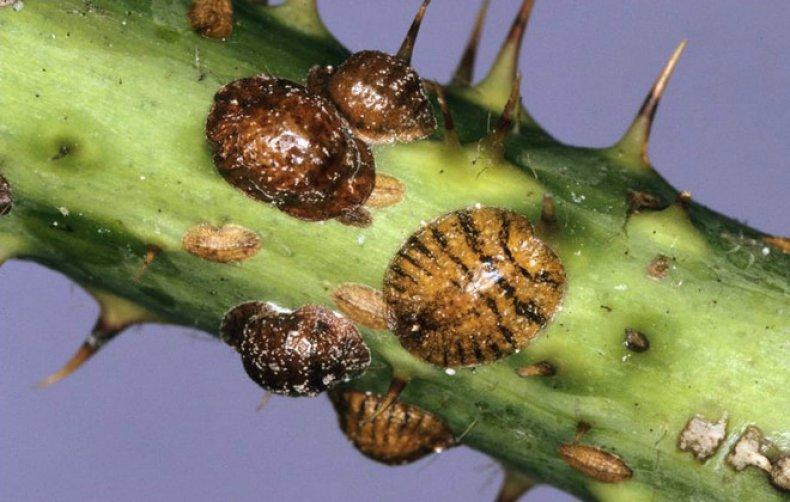
During the growing season, seedlings are attacked by scale insects, which settle on the surface of the vine and feed on its fresh sap. This leads to weakening of the plant and drying out of the damaged stem. Scale insects also cause seedlings to become susceptible to fungal and viral diseases. Bushes attacked by scale insects are sprayed with insecticides.
Mealybug
Another common pest that often infests vineyards is the mealybug. Its larvae overwinter in the bark, then infest the stems and leaf blades in the spring. To get rid of the mealybug, all above-ground parts of the vines are treated with insecticidal solutions.
Pillow case
This sedentary pest infests grape stems and sucks their sap. It's difficult to get rid of the pincushion, as it's protected by a white fluff. The only way to eliminate this pest is by mechanical means, manually removing it from the plant.
Take a look Also
Grape flea beetle
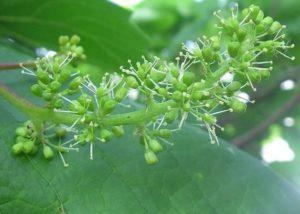
This is a small midge that feeds on the foliage of grapes and other garden plants. Grape flea beetles are no larger than five millimeters in size, making them sometimes difficult to spot. They become active in late spring, when the vineyard begins to develop new foliage. To eliminate these pests, use "Karbofos."
Caterpillars
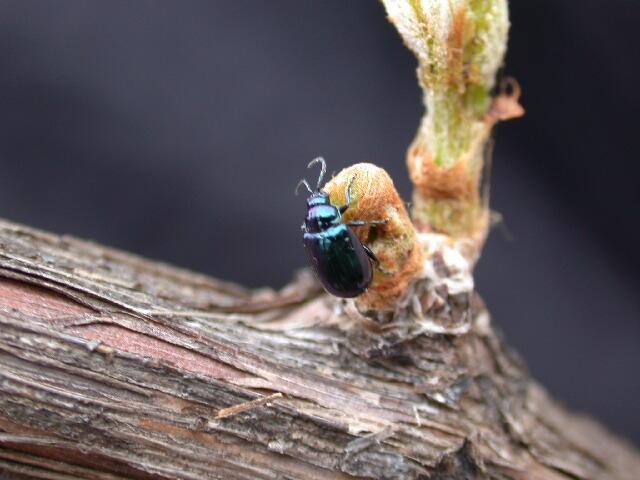
The caterpillars that attack vineyards are difficult to spot because they are green. They spend the winter in the bark and emerge in spring to feed on green foliage. Control should begin before the berries ripen, using insecticidal solutions.
Leaf miner
This small butterfly is bright reddish in color. It feeds on green leaves and sometimes attacks berries. It is recommended to get rid of leaf miners early, before they have time to lay eggs on the leaves. Pest control should begin in the first half of spring, before the first large leaves emerge.
Leafhoppers
Vineyard owners regularly struggle with leafhoppers. This pest eats through leaf blades, leaving small holes in the surface. Products such as Fufanon, Inta-Vir, and Arrivo can help get rid of leafhoppers. Seedlings should be sprayed twice a season.
Skosar
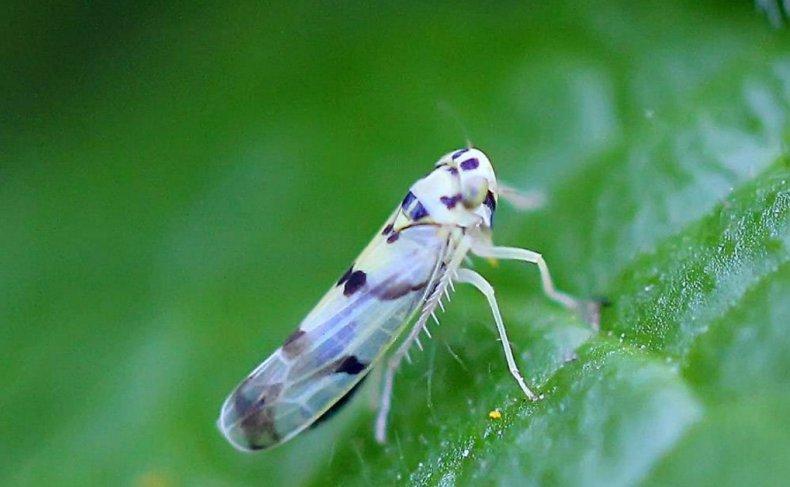
This dangerous pest attacks young buds and foliage and feeds on them. A single weevil can destroy at least ten buds. A single bush can harbor over a hundred insects. Chlorophos can help kill these beetles. Sticky traps can also be hung on the branches.
Woodworms
These caterpillars are very dangerous, as they can feed on any wood. They attack not only vineyards, but also apple, plum, and pear trees. To prevent the caterpillars from eating into the core of the shoots, they must be removed. To do this, all shoots are sprayed with insecticides.
Benchworm larvae
This green beetle lays eggs before winter, which by spring begin to spread throughout the vineyard and feed on the foliage. They also gnaw at the surface of the stems, which slows their further development. To get rid of the larvae, trim the affected stems and spray the seedlings with insecticides.
Whitefly
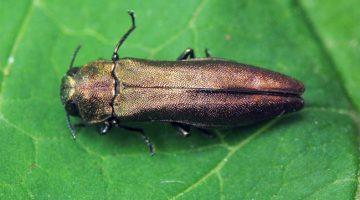
When whiteflies attack a vineyard, the surface of the leaves becomes covered with white spots. Over time, the foliage will turn yellow and begin to fall. To stop whiteflies from damaging the vineyard, the stems are treated with Bordeaux mixture and insecticides.
Thrips
Grape thrips feed on the sap found in leaf blades. After an attack, dark spots are visible on the foliage. Mixtures of insecticides and fungicides can help eliminate thrips.
Resistant varieties
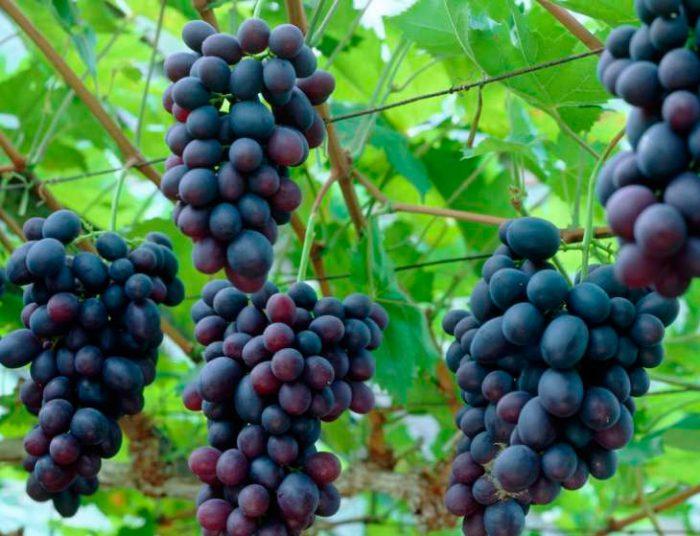
Those who don't want to deal with future vineyard disease treatments are advised to plant the most resistant berry varieties. These include the following:
- Agat. A high-yielding variety that is virtually never susceptible to disease. A special Gusfeld scale, on which Agat scores two points, can be used to determine the variety's resistance level.
- Delight. A hybrid variety bred in Russia. A distinctive feature of Delight is its resistance to most pests and fungal diseases.
- Rochefort. An early-ripening variety known for its frost resistance and immunity to many diseases.
Preventive measures
There are several tips that will help protect your vineyard from diseases.
Ripening period
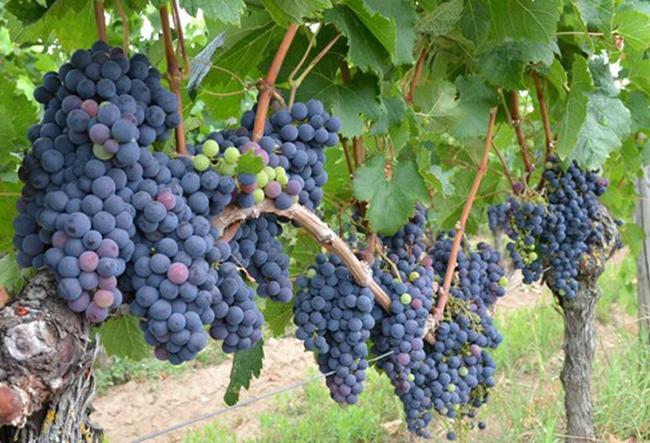
To prevent the shrub from becoming diseased, it should be sprayed with contact fungicides during the summer as a preventative measure. These include products such as Kaptan, Dithianon, and Mancozeb.
Pest control and prevention of fungal diseases are also carried out using products containing copper.
Fruiting
During the fruiting season in late summer and fall, chemical treatments should be avoided. Therefore, you'll need to spray the bushes with special folk remedies. Experts recommend preparing folk remedies from manganese, wood ash, and iodine.
Treatment methods
There are several remedies that are often used to treat diseased vineyards.
Folk
Some gardeners use the following folk remedies:
- Rotted hay. To treat grape seedlings, rotted hay is used. It is soaked in water and left to steep for a week in a dark place. The infusion is then sprayed on the plants.
- Baking soda solution. Mix 100 grams of baking soda and 25 drops of iodine in 10 liters of water. The resulting solution can be used to treat bushes against pests.
- Wood ash. Add a kilogram of ash to a bucket of water, stir, and let sit for two days. Then, spray the infusion on the affected bush.
Medicines
Sometimes folk remedies don't help and you have to use more effective medications:
- "Strobie";
- "Delan";
- "Hom";
- "Kurzat";
- "Ordan".
Conclusion
When growing grapes, gardeners often encounter diseases and dangerous pests. To get rid of them, it's important to familiarize yourself with effective treatments for vineyards.
Related posts:
 How to treat grapes for mildew, the best control measures and treatment rules
 Causes and treatment of eggplant pests and diseases, how to combat them at home
 Description of currant diseases and pests, control methods and treatment
 The best eggplant varieties for growing in a polycarbonate greenhouse: planting and care
 Pests and diseases of gooseberries and their control using chemical and folk remedies
 Medicinal properties and contraindications of viburnum, useful recipes
 Causes of cucumber diseases in open ground and how to combat them
 How to prune grapes step by step for beginners