
- Causes of diseases
- Lack of light
- Water shortage
- Cold water
- Lack of nutrients in the soil
- Types of diseases: treatment and prevention
- Leaf curl
- Blackleg
- Black spot
- Powdery mildew
- Phomopsis
- Late blight
- Tobacco mosaic
- Alternaria
- Sclerotinia
- Cercospora leaf spot
- Phytoplasmosis (stolbur)
- Verticillium wilt
- Internal necrosis
- Blossom end rot
- Common pests and their control
- Aphid
- Colorado beetle
- Confidor-Maxi
- Prestige
- Killer
- Calypso
- Fitoverm
- Boverin
- Agravertin
- Corado
- Spider mite
- Fitoverm
- Bitoxybacillin
- Actellic
- Neoron
- Sunmite
- Colloidal sulfur
- Traditional methods
- Whitefly
- Cruciferous flea beetle
- Mole cricket
- Treatment with chemical and biological compounds
- Why do leaves turn yellow?
Numerous pests and various eggplant diseases can reduce the yield of this crop and even lead to its death. Proper care, timely fertilization, and preventative treatments will help gardeners overcome these problems and grow a sufficient quantity of purple fruits in their gardens. Plants that receive sufficient nutrients and moisture are less susceptible to diseases and better able to resist insect attacks.
Causes of diseases
Eggplant is a plant that requires warmth and light. It's difficult to grow in temperate continental climates. It takes more than three months to mature. Seedlings are grown first, and then transplanted into the garden in late spring. Failure to properly care for the plants will result in a poor harvest.
Lack of light
Seedlings growing on a windowsill and eggplants developing in a garden bed require sufficient sunlight. Lighting should be controlled. It's not advisable to expose young seedlings to daylight all day long. Too much light will cause plants to stretch out. Growing seedlings should receive no more than 10 hours of daylight per day.
Eggplants grown in a greenhouse need adequate light, especially when buds appear and during flowering. The flowers must be exposed to direct sunlight, otherwise they will fall off. It's a good idea to remove any leaves that shade the buds.
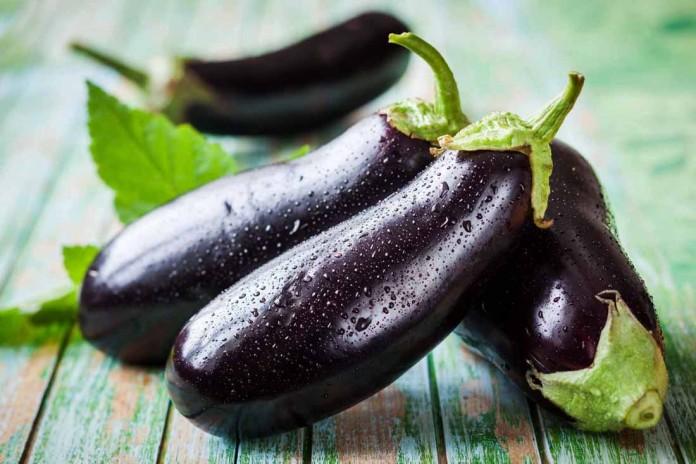
Eggplants require plenty of sunlight during the ripening period. In the shade of other crops, the vegetables will grow poorly and become small. Eggplant leaves need to be illuminated from below. To achieve this, the soil is mulched with white film or foil to reflect light. Mature plants require 12 hours of daylight.
Water shortage
Eggplants are moisture-loving crops. The soil beneath the plants should always be slightly moist. Avoid waterlogging. If the soil is too wet, the eggplants will become diseased and rot. In hot weather, water the plants every other day. Apply 3-5 liters of warm water under the roots. When watering, be careful not to let the leaves get wet. Watering generously is recommended when transplanting seedlings into the garden bed and during fruit set. During fruit ripening, water the eggplants 1-2 times a week.
Cold water
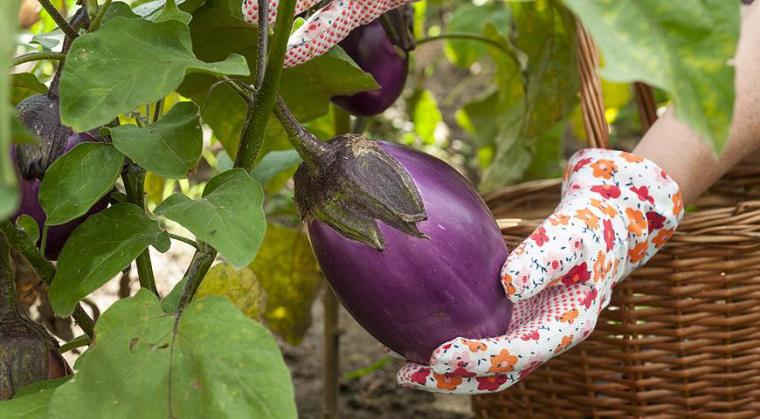
Eggplants are very demanding when it comes to heat. This crop requires its roots to be kept in warm soil. Seedlings are transplanted into open ground when the soil warms up to 20 degrees Celsius. For abundant fruiting, eggplants require warm weather. The optimal temperature for development is 25-28 degrees Celsius.
Eggplants tolerate heat well. However, at temperatures as low as 15 degrees Celsius, they may shed their flowers and fail to produce fruit. To ensure a good harvest, water the plants exclusively with warm, settled water. During cool, rainy periods, eggplants rarely produce fruit. Cold water and low temperatures are dangerous for the plant. Eggplants can become infected with a fungal infection, shed their fruit, and even die.
Lack of nutrients in the soil
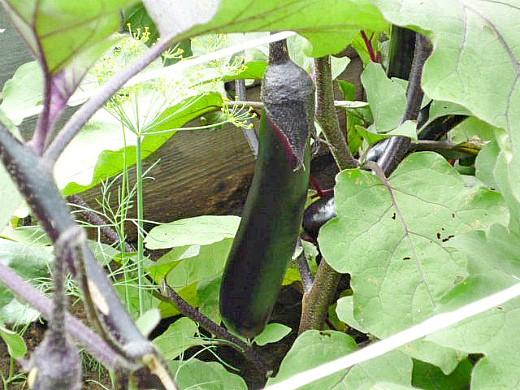
Eggplants prefer fertile, sandy loam or loamy, neutral soil. In acidic and poorly fertilized soil, leaves turn yellow for no apparent reason. Adding fresh sawdust to the soil is not recommended, as it acidifies the soil. To reduce acidity, add wood ash or dolomite flour.
Eggplants are sensitive to nitrogen, phosphorus, and potassium deficiencies. If the soil lacks nitrogen, the plant's leaves become smaller, turn yellow, and wilt. A purple tint to the leaves indicates a phosphorus deficiency. Yellow mosaic spots on the leaves indicate a manganese deficiency. Scorched leaf edges indicate a potassium deficiency. If the soil lacks boron, eggplant flowers drop. A calcium deficiency causes terminal buds to die, and white streaks appear on the leaf margins.

Fertilizing the soil before planting can help prevent unwanted consequences. Add a bucket of rotted manure per square meter of soil. During growth, feed the eggplants with potassium and phosphorus. To prepare a solution, use 40 grams of superphosphate and potassium nitrate per 10 liters of water. For better growth, feed the plants with organic matter (1 liter of mullein per 10 liters of water).
Pour 0.5 liters of any nutrient mixture under each plant. If acidic soil has been limed, enrich it with potassium magnesium sulfate (30 grams per square meter). Humus-rich neutral soil is fertilized with manganese sulfate. Acidic soils are enriched with calcium nitrate.
Types of diseases: treatment and prevention
Eggplant diseases can be triggered by adverse weather conditions (rain, cold temperatures), improper care, or nutrient deficiencies in the soil. Plants become infected with fungal, bacterial, and viral infections found in the soil, on the remains of previous year's crops, or on weeds. Eggplant seeds are often the source of infection.
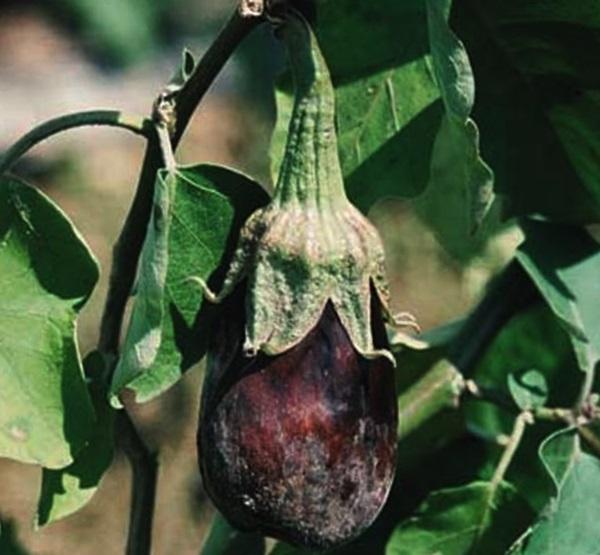
To prevent diseases, soak the seeds in a potassium permanganate solution for 30 minutes before planting. Eggplants can become infected by insects carrying various viruses or by windy weather. The primary method of disease control is preventative treatment with fungicides, chemical or biological agents, and folk remedies.
Leaf curl
Eggplant leaves can curl due to factors such as too little or too much water, poor lighting, mineral deficiencies, and soil salinity. This plant has large leaves and moisture evaporates very quickly. If watering is delayed, the leaves curl and dry out, and the soil accumulates salts.
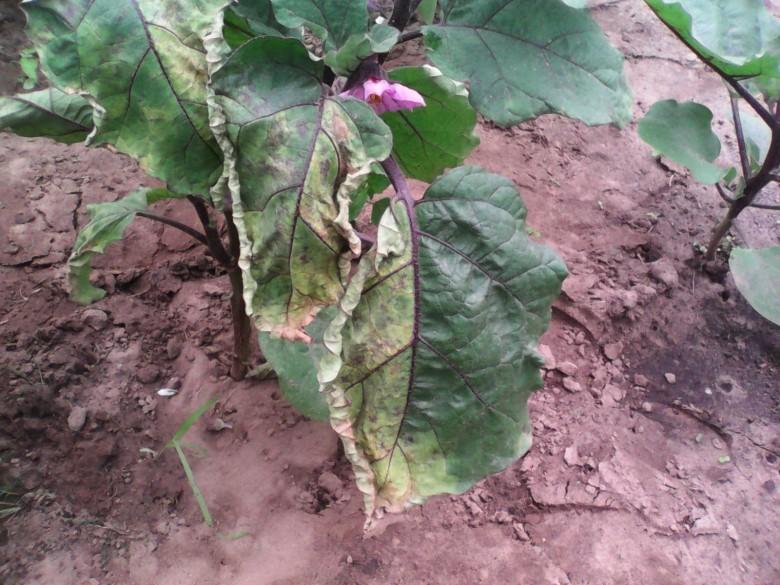
Plants are very sensitive to water stress immediately after fertilization. Leaves will not curl if eggplants are watered regularly. Frequent watering will dissolve salts and reduce their concentration. However, leaves can also curl if there are mineral deficiencies in the soil. In this case, they lose their natural green color, turn yellow, pale, and become spotted. To remedy this, add mineral supplements to the soil to address the missing minerals.
Blackleg
This is a fungal disease that primarily affects eggplant seedlings. The root collar of the plants darkens, and a black constriction appears at the base of the stem. The seedlings wilt and fall over as if mown down. The fungal infection is present in the soil and causes the stem to soften and turn black. At the first signs of the disease, the seedlings are watered with a weak solution of potassium permanganate or treated with Trichodermin.
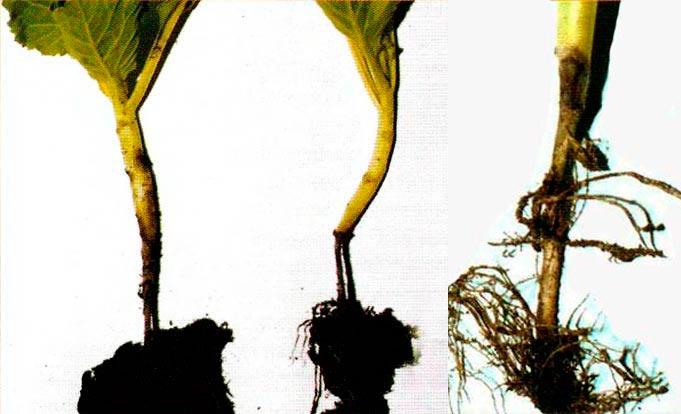
The disease develops when the soil is very wet. The soil around the plant should be loosened and sprinkled with ash and river sand. This will prevent moisture from lingering around the root collar for long.
Black spot
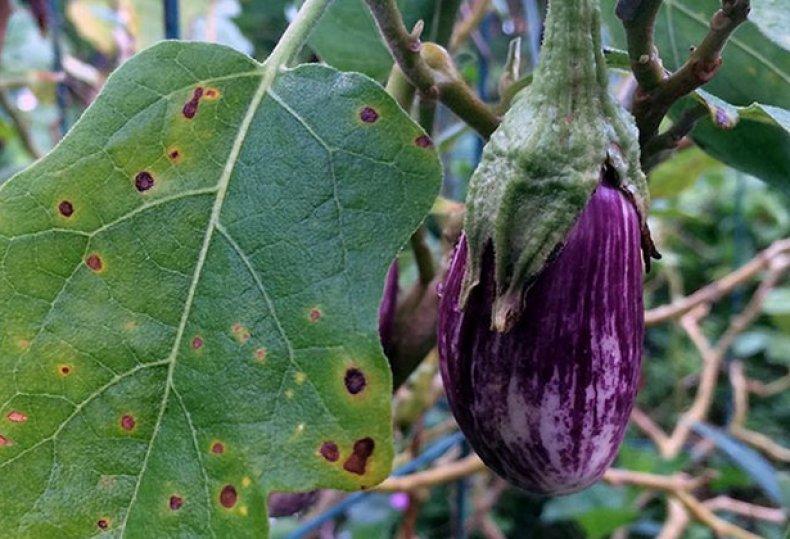
Signs of the disease: dark spots with a yellow border appear on eggplant leaves, which subsequently turn yellow and fall off, leaving the plants weak and poorly developed. The infection even affects the fruit. The disease is triggered by prolonged rains, low temperatures, and potassium deficiency in the soil. This bacterial infection is controlled in various ways. Before planting, seeds are soaked in a solution of potassium permanganate or the biofungicide Planriz. Seedlings are treated with a solution of Fitosporin, Baktofit, or Fitolavin before planting.
Powdery mildew
This is a fungal disease. A white mycelial coating appears on eggplant leaves. After the spores mature, liquid droplets form on it. The mycelium appears in patches. The infection first affects the leaves growing near the ground and later spreads to the entire plant. The disease progresses in hot, humid weather and with excessive nitrogen fertilizer application.
Adding phosphorus and potassium to the soil increases resistance to the pathogen. Fungicides such as Topaz, Skor, and Fundazol are effective against powdery mildew. Biofungicides such as Planriz, Fitosporin, and Pseudobacterin are considered safer.
Phomopsis
The disease appears on fruit as dry, light-brown spots. These spots subsequently enlarge and soften. The disease consumes the entire fruit, causing the fruit to rot. Brown spots appearing on leaves expand, leading to leaf shrinkage. This fungal disease develops during hot, rainy periods and with excessive nitrogen fertilization. Bordeaux mixture is used as a preventative measure. The disease is treated with fungicides based on carbendazim and prochloraz.
Late blight
The disease initially affects eggplant leaves, developing brown spots with a light border. In damp weather, signs of sporulation—a soft white coating—appear on the underside of the leaf. Later, the infection spreads to the fruit. Dark, fuzzy spots appear on the eggplants, steadily increasing in size. As a preventative measure, plants are sprayed with garlic infusion and diluted whey.
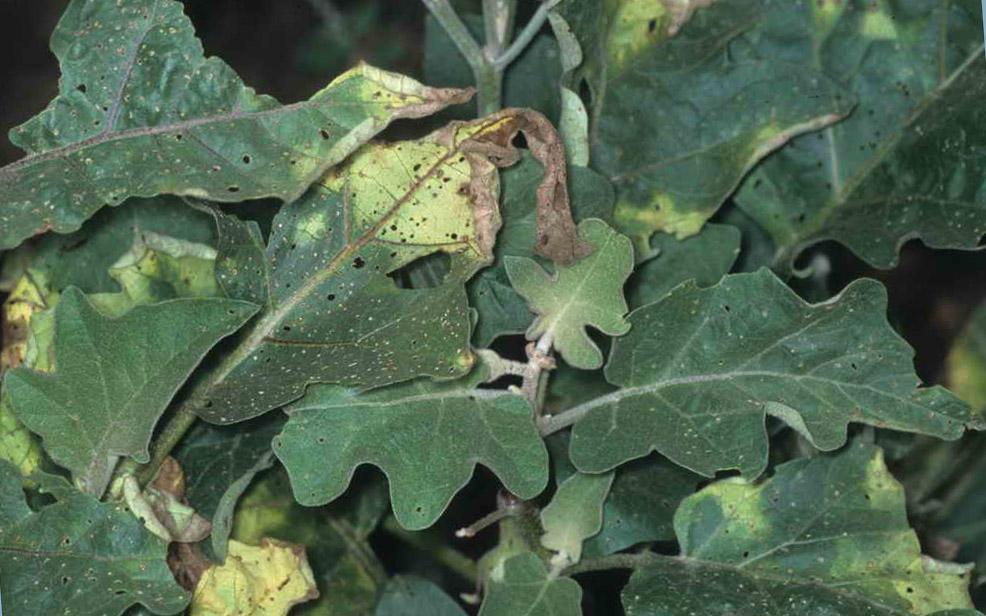
Ash dusting slows the growth of spots. Bordeaux mixture, copper sulfate, and Quadris, Antracol, and HOM are used to treat the infection. Biopreparations such as Fitosporin and Baktofit can be used to protect against late blight.
Tobacco mosaic
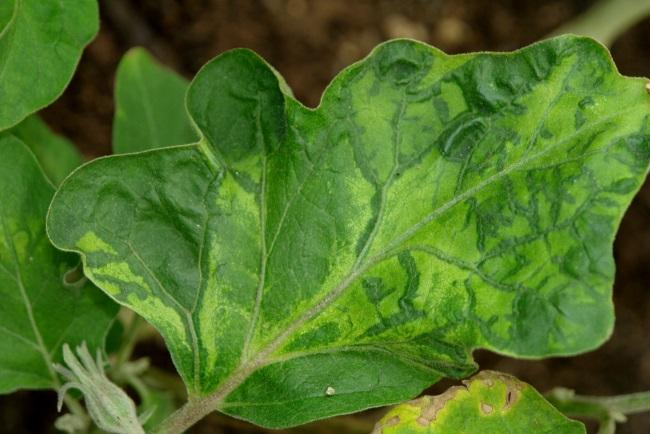
This is a viral disease. The infection is found in plant debris and spreads to healthy plants through insects, soil, and implements. Affected leaves become covered with yellow and dark green mosaic spots. Fruit on infected plants grow small and crooked.
As a preventative measure, eggplants are sprayed with milk mixed with laundry soap. For treatment, use Fitosporin and Uniflor-Micro. However, virus-infected eggplants cannot be treated. The plants are removed from the garden and burned. Insecticides such as Confidor and Aktara are used against insects that spread the virus.
Alternaria
This disease is also known as gray mold. Numerous brown, dark, and gray spots appear on the leaves. The infection also affects the fruit itself. Dark spots appear on eggplants, which subsequently become covered with a gray coating, merge, and soften. The fungal infection is more active in hot and humid weather. Late-ripening varieties are most often affected, with eggplants planted close to the ground rotting.
To combat infection, Bordeaux mixture, Kartotsid, Kuproksat, Yunomil MC, Immunotocyte, and Trichodermin are used.
Sclerotinia
This fungal disease is also known as white rot. The infection initially attacks the root system. It then spreads to the stem, where it thickens and becomes covered with a white coating. Nutrient flow to other parts of the plant is slowed. Dark spots appear on the leaves and fruit, which subsequently soften and become covered with a white coating. The fruit becomes deformed, and black sclerotia form on it. The infection is most active in cold and rainy weather.
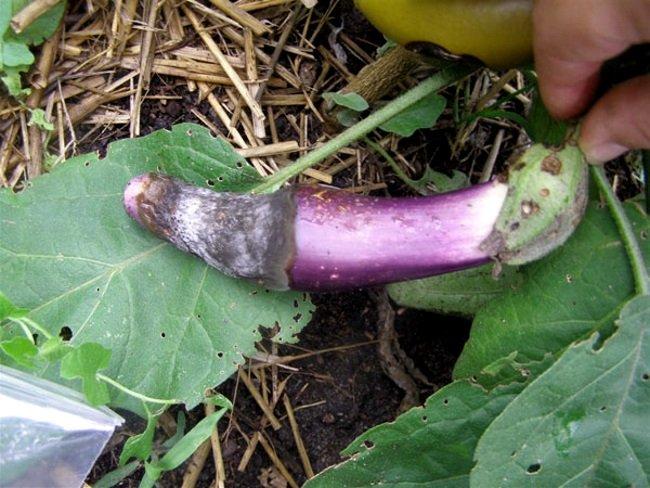 Eggplants harvested from the garden are often affected by sclerotinia. To prevent the disease, spray the crop with Bordeaux mixture or copper sulfate. Affected eggplants are removed from the garden.
Cercospora leaf spot
The fungal infection initially affects the leaves, causing numerous small yellow spots to appear. In damp weather, olive-colored spores form on the affected tissue. Over time, the yellow spots expand, leading to yellowing and drying of the entire leaf. Fruits of affected plants are small and distorted. Bordeaux mixture and fungicides are used to prevent the disease. Fertilizing with complex mineral supplements can increase resistance.
Phytoplasmosis (stolbur)
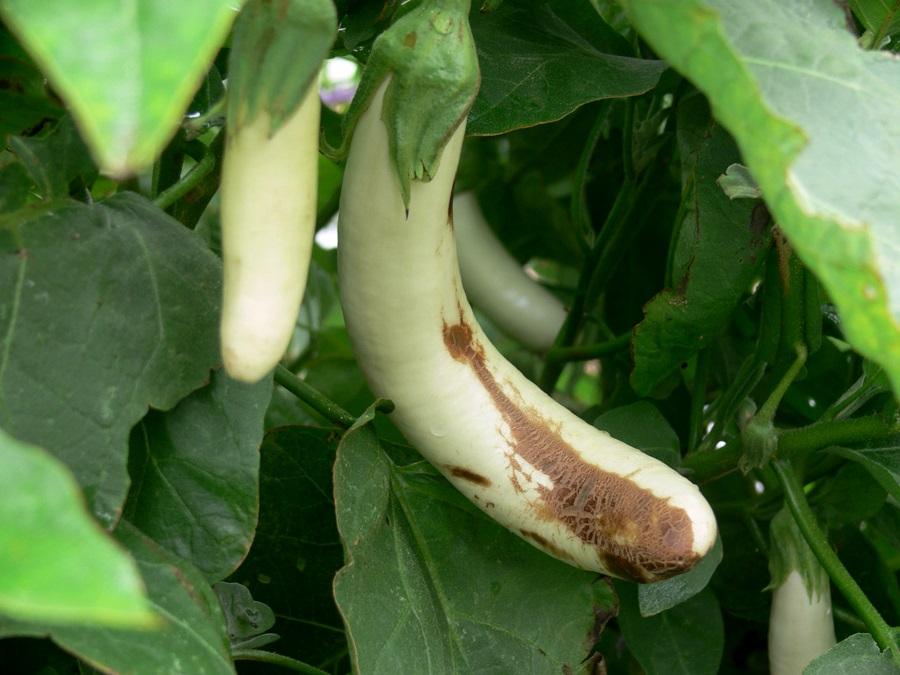
The pathogen spreads to eggplants via leafhoppers. The infection becomes more active in hot weather. Affected leaves turn yellow, their edges dry out and curl. The fruits grow small, woody, and dry. There is also a green form of stolbur. The leaves barely change color. The disease affects the flowers—they stop developing, dry out, and die. Affected plants are removed from the garden.
To control insect vectors, insecticides (Aktara, Actellic) are used.
Verticillium wilt
The pathogen penetrates the plant and causes vascular death. Water exchange within the plant is disrupted, causing the leaves to turn yellow and the plants to wilt. The stem's center turns black, secreting a dirty-white, viscous mucus. The pathogen is transmitted by sucking insects or enters the plant from the soil or plant debris. Wilting occurs with sudden weather changes, when rainy days quickly give way to hot ones.

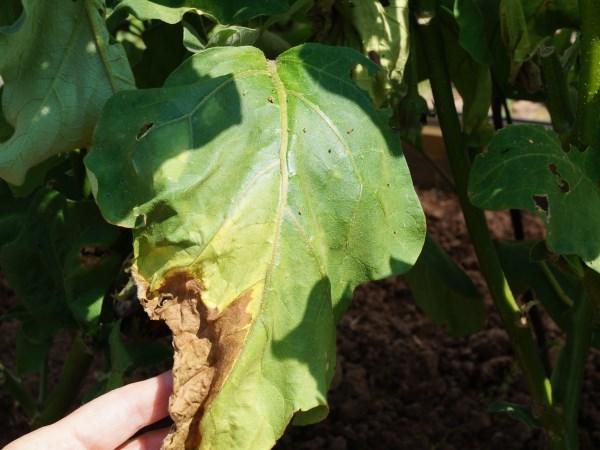
As a preventative measure, use a solution of potassium permanganate and Fitosporin. To boost immunity, eggplants are fertilized with phosphorus and potassium. Plants are treated with insecticides against sucking insects. Weeds and diseased crops are removed from the field.
Internal necrosis
The disease is caused by a viral infection. Infected eggplants develop patches of dead tissue. These are identified by brown spots when cut. The disease begins at the stem and spreads throughout the fruit. Infection is promoted by insufficient light, excess moisture, and nitrogen fertilizers. Potassium supplements can inhibit the development of internal necrosis. As a preventative measure, seeds are treated with potassium permanganate before sowing. Seedlings are sprayed with a boric acid solution. Diseased leaves and fruit are removed from the plants.
Blossom end rot
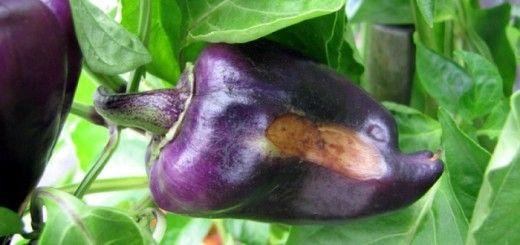
Symptoms of bacterial disease: a light, water-soaked spot appears on the top of the eggplants; it grows, and the fruit subsequently rots. The disease may be non-infectious in origin (insufficient moisture, excess nitrogen fertilizer). As a preventative measure, spray the plant with a calcium or potassium nitrate solution. Proper watering is essential.
Common pests and their control
Eggplants are susceptible to pest attacks. Insects and their larvae feed on the plant's sap or leaves. Insecticides, chemicals, and folk remedies are used to control various pests.
Aphid
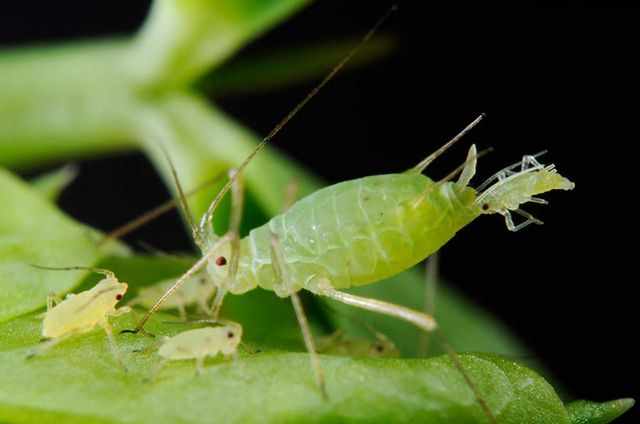
This small, light-green, soft-bodied insect forms numerous colonies that typically settle on eggplant leaves and feed on their sap. The plant subsequently dries up and dies. Insecticides (Malathion, Kelthane) are used to control aphids. It is recommended to treat plants before or after flowering. Eggplants should not be sprayed during fruiting.
You can prepare an ash-soap solution and gently wash the leaves with it using a sponge, being careful not to touch the fruit itself. To combat aphids, use an onion decoction or tobacco dust infusion.
Colorado beetle
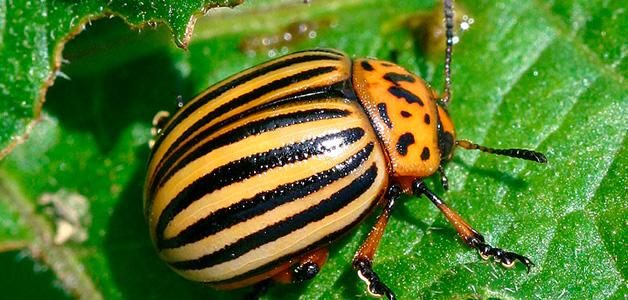
This insect is considered the most dangerous enemy of eggplants. It's not easy to get rid of. Adults overwinter deep in the soil, emerging in the spring to settle on eggplants, feeding on the soft stems and leaves of the plant and actively reproducing. The larvae of these beetles are very voracious, while the adults eat less. By feeding on leaves, the beetles become highly toxic to most birds. Only turkeys and guinea fowl can feed on them. The beetles locate eggplants using their sense of smell.
If you plant strongly scented plants (marigolds, calendula, wormwood) near eggplants, the number of insects can decrease by 10 times.
Beetles can be controlled with insecticides. However, spraying plants with chemicals during fruiting and ovary formation is not recommended. However, during this period of crop development, folk remedies can be used. Beetles can be collected by hand in jars, sprinkled with wood ash or cornmeal, pine sawdust between rows, or sprayed with a decoction of garlic, walnut leaves, and celandine.
Confidor-Maxi
This is a systemic, contact and stomach insecticide. The product is diluted with water and applied to the crop in dry, windless weather. The active ingredient, imidacloprid, penetrates the plant and poisons the insects that feed on it. The effect of the treatment is noticeable within a few hours and lasts for two weeks.
Prestige
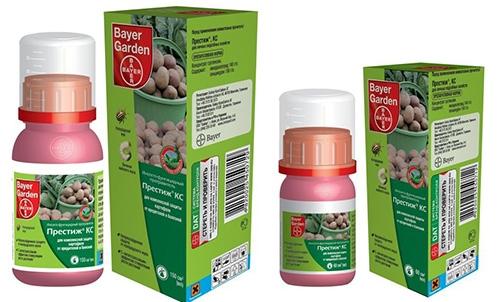
An imidacloprid-based insecticide. The active ingredient spreads throughout the plant's cells, protecting it from beetles. The product also neutralizes fungal and bacterial attacks, increasing crop resistance. To protect against insects, seedling roots are soaked in a Prestige solution for eight hours before planting.
Killer
An insecticide that can be used against Colorado potato beetles, aphids, and whiteflies. This poison enters the insects' bodies through the intestines and respiratory system. It kills both adult beetles and their larvae. Its effectiveness lasts for about one month. The poison acts by paralyzing the insects' nervous system, causing their death. Eggplants are treated with the product six weeks before ripening.
Calypso
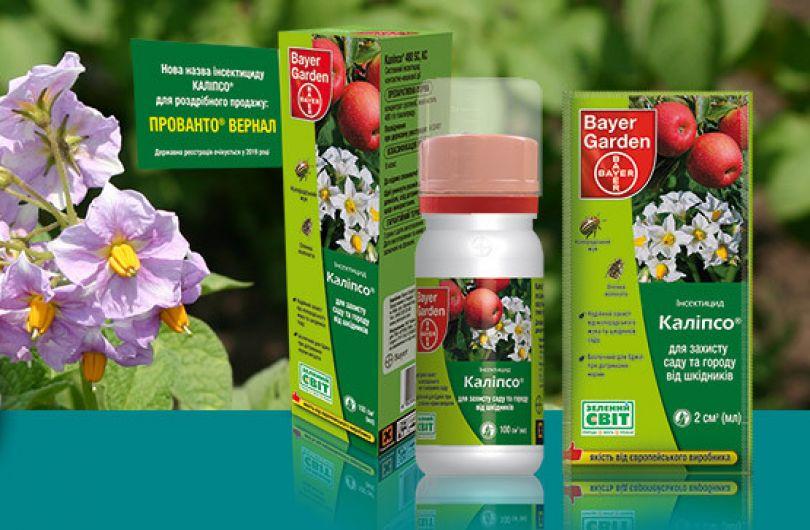
An insecticide based on thiacloprid. The poison enters the beetle's body through food, causing its death. The product begins to work several hours after spraying the crop and remains effective for a month. It is applied at the first sign of beetle presence.
Fitoverm
A biological insecticide based on aversectin C (a microbial byproduct). It enters the beetles' bodies through the intestines, killing them. This natural product does not contain any toxic substances. It is recommended to add a small amount of soap to the spray solution. The product is effective against both adult insects and their larvae.
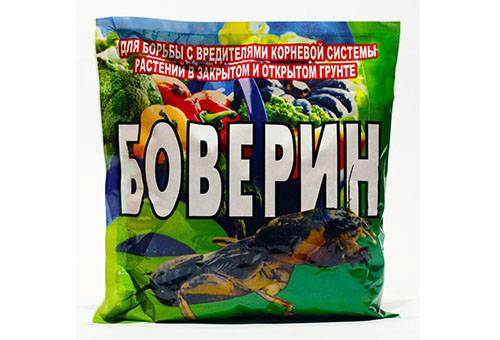
Boverin
A biological product based on a fungus. It is used to control whiteflies, Colorado potato beetles, and their larvae. Fungal spores land on the insect's body, germinate, and cause its death. The solution is applied to eggplants and the surrounding soil during the growing season.
Agravertin
The product paralyzes insects and their larvae. After treatment with the solution, beetles die within 5 days. The product is washed off plants during rain. For complete insect control, it is recommended to repeat the treatments several times, spaced 7 days apart.
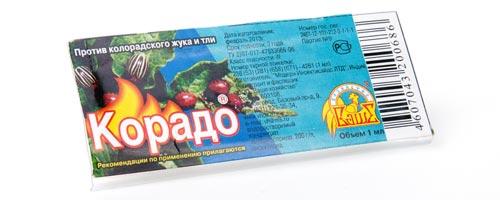
Corado
An imidacloprid-based insecticide. It penetrates beetles through the intestines, paralyzing their nervous system and causing death. The effect lasts for several weeks. It is recommended to use it a month before harvest to allow the toxins to leave the plant.
Spider mite
A dangerous, tiny pest that sucks the juices from eggplant leaves. Signs of activity include light spots appearing on the leaves, with webbing on the underside. The leaves subsequently dry out. This insect reduces the crop's yield. It can be controlled with insecticides and folk remedies.

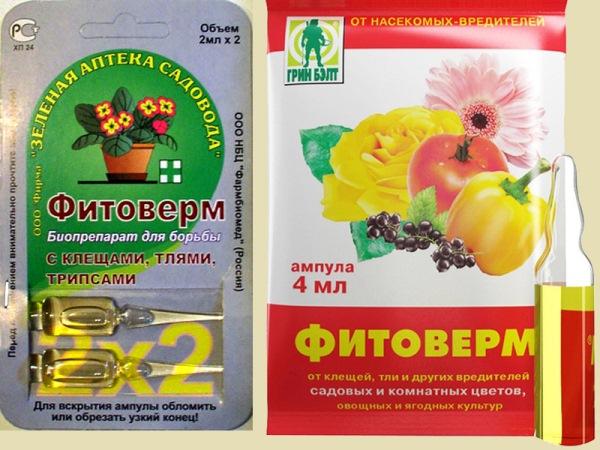
Fitoverm
An insecticide and acaricide. It enters the insect's body upon spraying or through plant sap. It acts on the nervous system, causing paralysis and death of the tick. The effect is observed within a few hours of treating eggplants and lasts for two weeks.
Bitoxybacillin
A time-tested, safe insecticidal acaricide. Made from spores of bacteria pathogenic to insects, the poison penetrates the pests' bodies and kills them. The product is non-toxic. Eggplants can be harvested 7 days after treatment.
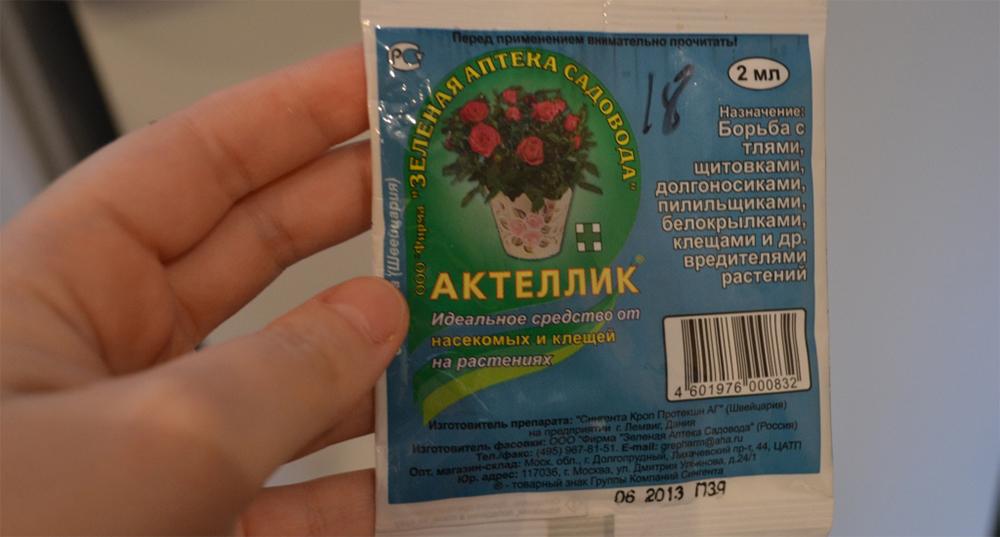
Actellic
An insecticide based on pirimiphos-methyl. It exhibits contact and stomach action. It kills sap-feeding insects. It is recommended to treat eggplants one month before harvest.
Neoron
An acaricide with low toxicity to bees. Can be used during the flowering period. The product does not penetrate plant tissue. It affects mites during spraying. The effect of the poison is not affected by temperature fluctuations. The product remains effective for several weeks.
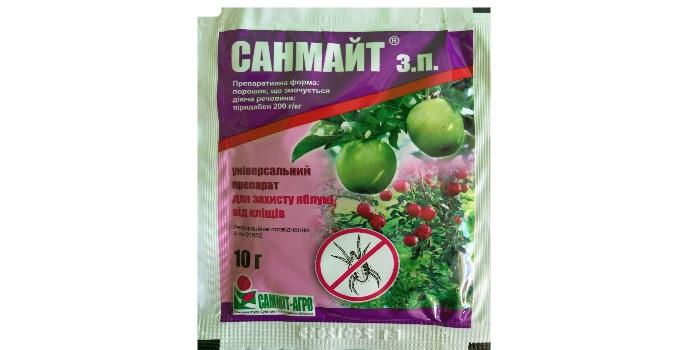
Sunmite
A contact acaricide. It works by contact with insects. The effect can be seen within half an hour after applying it to eggplant leaves. This product controls both adult insects and their larvae.
Colloidal sulfur
This chemical is used as a fungicide and to control spider mites. Sulfur is also a plant nutrient, stimulating their growth and development. Eggplants are sprayed with a sulfur-based solution on warm days (preferably in the morning, after dew). Plants are treated before or after flowering.
Traditional methods
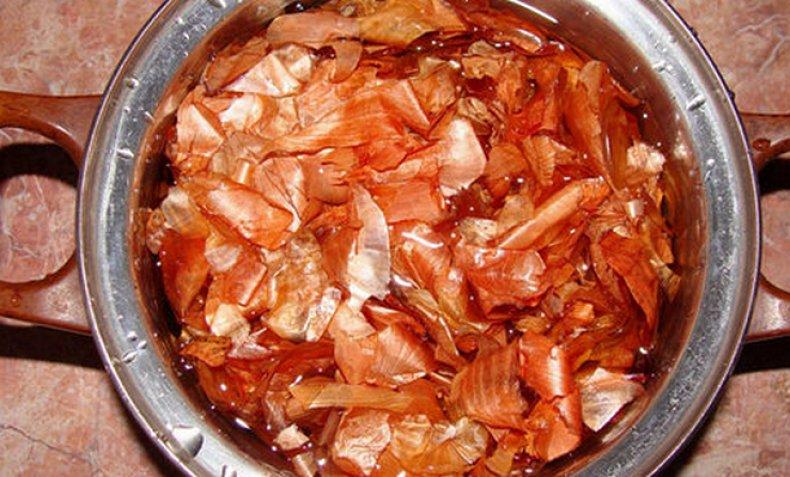
For small insect infestations, homemade remedies can help. For example, prepare a soap solution. Add 100 grams of soap shavings to 5 liters of warm water. About 300 milliliters of solution is needed per plant. Apply the mixture to eggplant leaves. You can also make a tincture of tobacco, hot pepper, garlic or onion broth, or a solution with ammonia.
Whitefly
This small, white-winged flying insect feeds on plant sap, causing it to wilt. Sticky traps and insecticides (Fitoverm, Aktar) are used to control whiteflies. A soapy solution with dandelion infusion or a garlic tincture are effective against the insects.
Cruciferous flea beetle
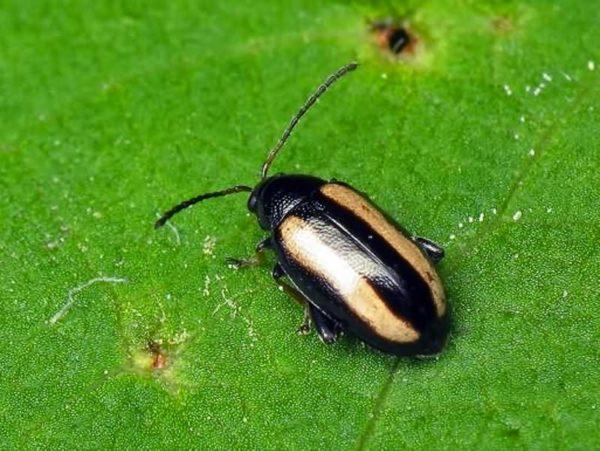
Small black bugs that feed on young leaves can quickly destroy seedlings. A dusting of wood ash and ground pepper can help repel the insects. Plants can be treated with a solution of vinegar, lime, or garlic or wormwood infusion. Insecticides are used for control. (Actellic).
Mole cricket
This large brown insect with long antennae burrows in the soil. It feeds on plant roots and can gnaw at stems. The mole cricket is repelled by the scent of marigolds, parsley, and garlic. To control this insect, treat the soil with a solution of ground pepper, onion or garlic broth, or Grom and Medvetoks.
Treatment with chemical and biological compounds
Eggplants can be protected from diseases by treating the plants with chemicals or biological agents. Biochemical agents are harmless to plants and bees. They are made from fungal or bacterial microflora.
If eggplant leaves are wilting for seemingly no reason, it's advisable to use biological soil disinfectants. Fungi can be present in the roots. The following biological products are used for soil purification: Trichodermin, Coniotirin, Fitosporin, and Baktofit.
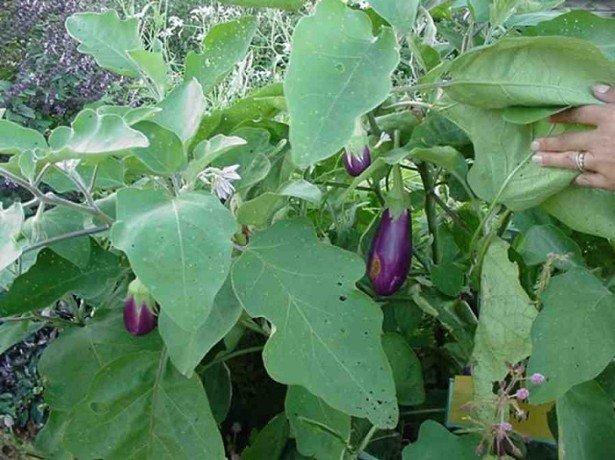
Chemicals quickly eliminate diseases, but they tend to accumulate in plant tissue. These products are applied to plants a month before harvest. The following are used against a wide range of eggplant diseases: Bordeaux mixture, copper sulfate, HOM, Kuproksat, and Abiga-Peak.
When treating eggplants for insect pests, biological and chemical pesticides are also used. Bioinsecticides are based on fungi and bacteria and are effective at killing insect larvae. Suitable pesticides include Fitoverm, Bitoxibacillin, and Basamil. Chemical pesticides are recommended before eggplant bloom. Confidor, Aktara, and Actellic are used against insects.
Why do leaves turn yellow?
The main cause of yellowing eggplant leaves is a lack of nutrients in the soil and irregular watering. A nitrogen deficiency causes the lower leaves to turn yellow first. In this case, the soil should be fertilized with ammonium nitrate or urea. The soil around the plants should be regularly moistened and loosened, and the soil should not be allowed to dry out.
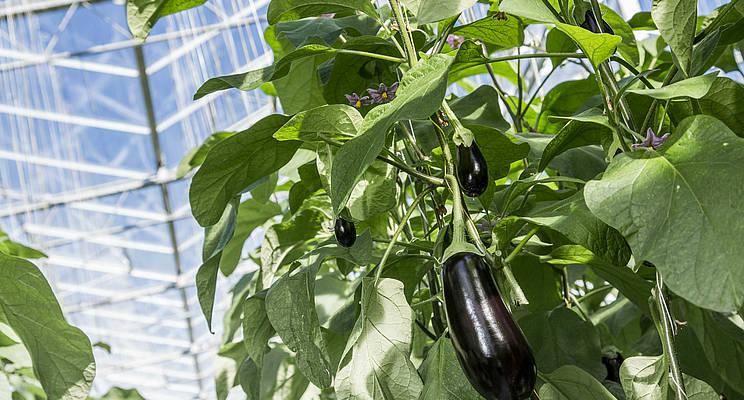
Sometimes young seedlings become ill immediately after transplanting, with their leaves turning yellow. In this case, the plants need to be watered daily and then given a little time. Once the eggplants have adjusted to their new location, they will return to normal.
Eggplant leaves may turn yellow due to a fungal infection (Fusarium wilt). The fungus enters the plant's roots from the soil, enters the stem, and spreads through the vascular system into the tissues. Trichodermin and Fitosporin are used to combat the disease.
Eggplant leaves may turn yellow due to overcrowding. Plants should be spaced 40-50 centimeters apart. It's best to stagger the plantings. With proper care, timely fertilization, and regular watering, the leaves will not turn yellow.
Related posts:
 The best eggplant varieties for growing in a polycarbonate greenhouse: planting and care
 80 Best Eggplant Varieties for Different Regions with Descriptions and Characteristics
 How to quickly prepare pickled eggplant in jars for the winter, the most delicious recipes and storage conditions for the preparations
 How to properly plant and care for eggplants in open ground
 Planting, growing, and caring for eggplant seedlings at home
 Making finger-licking good eggplant caviar with peppers and tomatoes
 How to freeze fresh, fried, and baked eggplants for the winter at home in the freezer
 27 of the most delicious eggplant appetizer recipes for the winter