
- Beneficial properties
- Soda
- Drinking
- Calcified
- Potassium permanganate
- How to use substances for treatment
- Powdery mildew
- Gray rot
- Oidium
- Mildew
- Application against pests
- Use as a fertilizer
- Other recipes
- Soda solution
- Combinations with iodine
- Adding ammonia
- Recommendations for choosing processing times
- Advantages and disadvantages of application
Treating grapes with baking soda or washing soda is done to protect the plant from pathogens and insect pests, and to boost immunity and yield. Typically, a few drops of iodine, ammonia, or a couple of crystals of potassium permanganate are added to the soda solution. If used correctly, the solution will not harm the grapes or burn their foliage or roots.
Beneficial properties
Familiar chemicals like baking soda and potassium permanganate can be used not only for household and medicinal purposes but also for treating grapes. The fungicidal and insecticidal properties of these compounds help combat garden diseases and insect pests.
Soda
It's an alkali that reduces soil acidity and is detrimental to microorganisms and insects. In high concentrations, soda corrodes plant roots. It's best to make solutions rather than use this substance in its pure form.
Drinking
Baking soda (sodium bicarbonate) is a finely crystalline, white powder used in cooking. This substance can be used to treat grapes against diseases and insect pests. In some cases, sodium bicarbonate can replace chemical fungicides and insecticides. Furthermore, this product is completely harmless to humans.
 You can’t add too hot water (above 50 degrees) to the soda, otherwise it will lose its beneficial properties. When preparing the solution, it's important to follow the dosage instructions. Typically, use 1 tablespoon of sodium bicarbonate per 2 liters of clean water.
Avoid using metal or plastic containers to prepare the solution. A glass jar or enamel bowl is better. The freshly prepared mixture should be used immediately, as it will lose its beneficial properties after three hours.
Baking soda is a harmless substance that can combat fungi and parasites. A soda solution can be used to alter soil acidity, making it more alkaline. Spraying grapes with water containing sodium bicarbonate helps improve the berries' sugar content.
Calcified
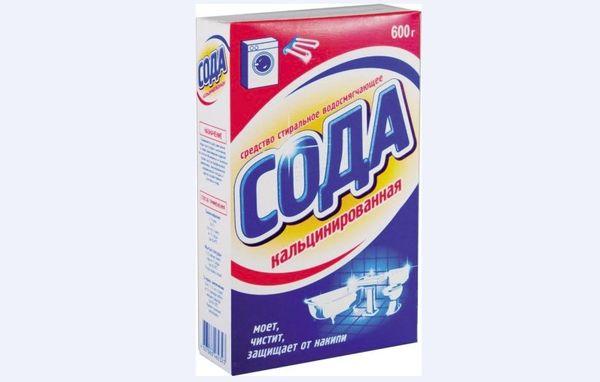
Washing soda is used for laundry, stain removal, and disinfecting dishes and rooms. This substance should not be consumed. Contact with mucous membranes can cause a burn.
Washing soda differs from baking soda. Its crystals are colorless and can be white. Washing soda-based solutions have a stronger alkaline reaction. Like baking soda, washing soda is used to combat fungal diseases of grapes and insect pests. However, the dosage should be lower. Dissolve one tablespoon of the substance in at least 3 liters of warm water.
Potassium permanganate
Potassium permanganate is used to protect plants from fungal and bacterial infections. Potassium permanganate helps control pests and is also used as a fertilizer to replenish manganese and potassium reserves. This substance can be used as a soil amendment and to disinfect garden tools.
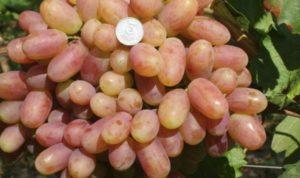
Before use, potassium permanganate is diluted with warm water. The dosage depends on the intended use of the solution. When disinfecting equipment, the solution should be a rich purple color, while when treating foliage, it should be a pale pink.
Typically, a 0.5% solution of potassium permanganate is used for gardening soil irrigation: 0.5 grams dissolved in 100 milliliters of water. When treating leaves against powdery mildew, a weaker concentration is needed. Only 1.5 grams of potassium permanganate is used for 10 liters of water.
Potassium permanganate is best dissolved in a glass container. Take individual crystals of potassium permanganate. To obtain a light pink solution, dissolve 3-5 crystals in 100 milliliters of water. This will yield a 0.1% solution for treating grape leaves. When using potassium permanganate, follow the recommended dosage. A solution that is too deep blue or The purple solution can burn the grapes.Usually pale pink water is used.

How to use substances for treatment
Sodium bicarbonate creates an alkaline environment that is harmful to many microorganisms. This substance is used to prevent and treat various grape diseases. Potassium permanganate, on the other hand, increases soil acidity. Potassium permanganate, on the other hand, protects grapes from rot and powdery mildew. Both of these treatments can be used alternately, at intervals of 10-15 days, or simultaneously.
Powdery mildew
Powdery mildew, or true powdery mildew, is a fungal disease. The characteristic symptom of the disease is a powdery grayish-white coating on the top of grape leavesThe plant appears to have been dusted with flour. The green berries, covered in white mold, crack and then begin to rot or dry out.
The fungus becomes active in hot weather, after a damp, cool night.
Mold-infected leaves and bunches should be removed and buried outside the vineyard. To protect grapes from powdery mildew, preventative spraying is carried out in early spring, before the leaves emerge. Sulfur-containing products are typically used to prevent this disease. Baking soda and potassium permanganate are used to combat powdery mildew during the ripening stage of the berries, when other products cannot be used due to their high toxicity.
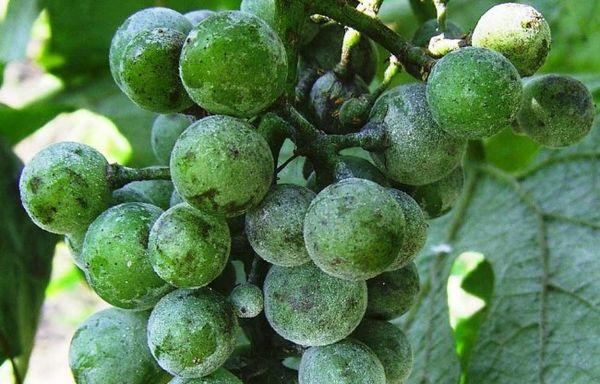
To prepare a soda solution, use 5 tablespoons of sodium bicarbonate per 10 liters of warm water. After a week, you can prepare a solution for powdery mildew using potassium permanganate. Use 1.5 grams of potassium permanganate per 10 liters of water. The solution should be pale pink.
You can dissolve 4 tablespoons of baking soda and 1.5 grams of potassium permanganate in a bucket of water, add 20 drops of iodine, and a little liquid soap for adhesion. Apply the resulting mixture to the leaves and bunches of flowers. This remedy protects against powdery mildew, although it is completely safe for both plants and humans.
Gray rot
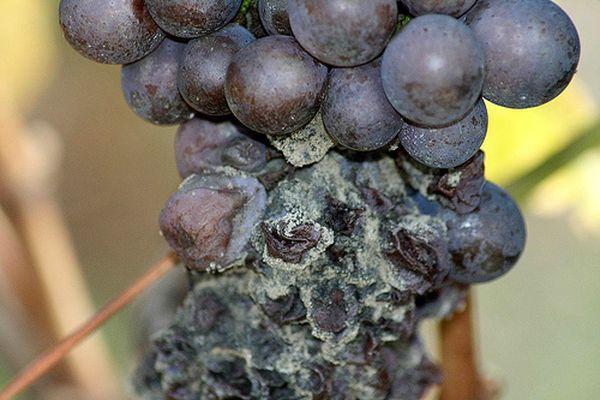
A fungal infection that affects all green parts of the plant and the berries. The fungus is active in damp weather. Brown spots covered with grayish mold appear on the leaves and grape clusters. To prevent rot, treat grapes with Rovral or Ronilan fungicides. It is true that any chemical preparations affect the taste of grapes and the wine made from them.
The safest way to combat gray mold is a solution of baking soda and potassium permanganate. Mix six tablespoons of sodium bicarbonate and 1.5 grams of potassium permanganate per bucket of water. Add a little soap and sunflower oil. Spray weekly to combat the mold.

Oidium
This is another name for true powdery mildew. Fungal infections of leaves and grape clusters are treated with baking soda and potassium permanganate. Add 4-5 tablespoons of sodium bicarbonate and 1.5 grams of potassium permanganate to a bucket of warm water. This solution also enriches the soil with manganese and potassium and boosts the plant's immunity.
Mildew
A fungal infection, also known as downy mildew, the undersides of grape leaves become covered with a whitish-gray coating. The fungus is most active in warm, humid weather.
Copper-containing preparations are usually used to treat the disease. However, during the ripening period, it's better to treat the vineyard with sodium bicarbonate and iodine. For 12 liters of warm water, mix 5 tablespoons of baking soda and 20 drops of iodine. A small amount of liquid soap can be added for adhesion. Treat the vineyard once a week in dry weather, early morning or late evening.
Application against pests
In early spring, to protect against pests, grapes can be sprayed with insecticide solutions (Fitoverm, Lepidocide, IskraBio). It's best to avoid using chemicals while the berries are ripening. During this period, a solution of baking soda and potassium permanganate can be used to protect against insects (aphids, slugs, ants, caterpillars, and wireworms).
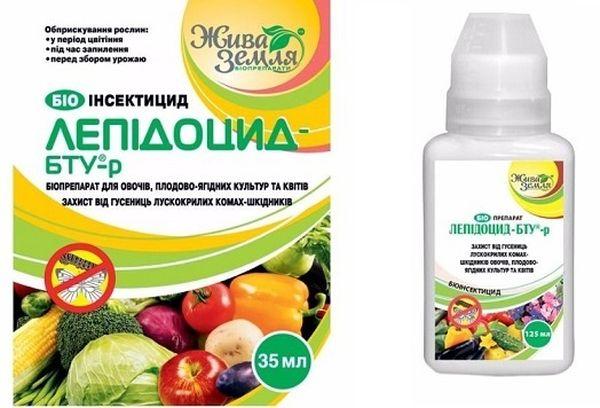
For a bucket of water, add 3 tablespoons of washing soda and 1.5 grams of potassium permanganate. Spray the foliage with this solution and liquid soap every week. You can also make a baking soda bait and sprinkle it on a plate near the bush.
Once inside the insect, this alkali activates chemical reactions that lead to the death of the insect.
However, pests do not eat sodium bicarbonate, so you need to add granulated sugar or flour to it.
Use as a fertilizer
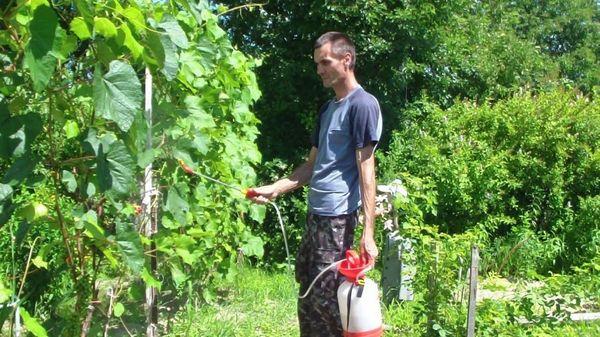
Grapevine growth can be stimulated by spraying with soda. Diluted in water, the soda is applied to the roots. Fertilize with a soda solution three times per season. This fertilizer is especially useful if grapevine leaves suddenly begin to turn yellow. To prepare the working solution, use 2 tablespoons of soda per 5 liters of water. This substance is beneficial because it deacidifies the soil, helping the plant absorb nutrients from the soil.
To speed up the ripening of berries and make them sweeter, spray the foliage and bunches with a soda solution. Use 4 tablespoons of soda per 10 liters of liquid.
Grapes can be fed with a solution of potassium permanganate. It contains nutrients essential for plant development, such as potassium and manganese. grape leaves are turning yellow at the edges If yellowish spots appear on the grapes, it means the soil is deficient in nutrients. To saturate the grapes with potassium and manganese, apply a light pink solution of potassium permanganate to the roots and foliar feeding.
Other recipes
Baking soda and potassium permanganate aren't the only things used to disinfect soil, increase yields, and treat various grape diseases. Boric acid, ammonia, and iodine are common ingredients in every home medicine cabinet. Solutions made from these substances with the addition of baking soda or potassium permanganate can help combat grape problems.
Take a look Also
Soda solution
Baking soda and boric acid are used to protect grapes from rot and pathogens, and to increase the sugar content of the berries. When preparing the spray solution, follow these proportions: 1 liter of warm water, 5 grams of baking soda, 0.2 grams of boric acid.
Combinations with iodine
Iodine is an essential micronutrient for grapes. An iodine solution with added baking soda helps protect the plant from fungal diseases, repels pests, and boosts the grape's immunity. To prepare the solution, take a bucket of water, 20 drops of iodine, and 2 tablespoons of washing soda.
Adding ammonia
A 10% ammonia solution is completely absorbed by plants. It's an excellent fertilizer, but before use, the ammonia solution must be diluted with water (35 drops of ammonia per 12 liters of water).
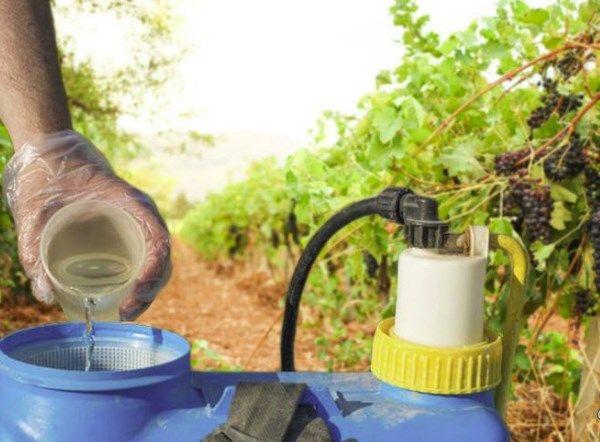
Ammonia is used to fertilize vineyards and protect against pathogens and insects (aphids, mites). To treat foliage, mix 25 drops of ammonia, 10 drops of iodine, and 3 tablespoons of baking soda per bucket of water.
Recommendations for choosing processing times
Grapes are treated with a solution of baking soda with other substances (potassium permanganate, iodine, ammonia) in dry weather in the evening or in the morning before sunrise. All these substances must be diluted with water in specific proportions. The solution is sprayed using a spray bottle or poured under the roots. Before spraying, the grapes need to be watered generously with ordinary water.
The minimum number of treatments per season is three (3). The first time, spray the grapes in early spring, when the leaves emerge. The second time is in the summer after flowering. The third treatment is carried out in July-August, when the berries are ripening. The soda solution can be sprayed on the grapes at least weekly.
Advantages and disadvantages of application
Treating grapes with a soda solution is an effective way to protect the plant from diseases and insect pests. This environmentally friendly solution poses no harm to humans or the vineyard.
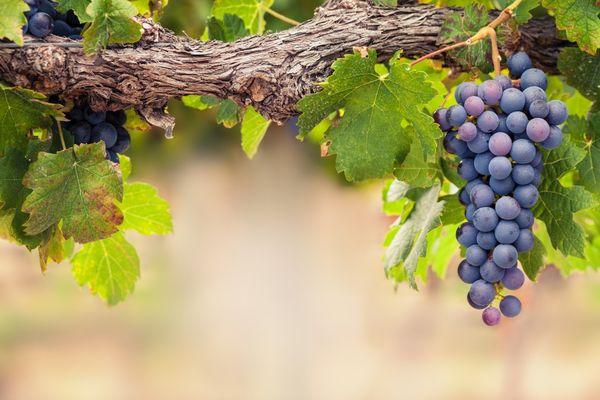
Benefits of using baking soda:
- increases crop yield;
- accelerates the ripening of grapes;
- improves the taste of berries;
- protects against fungal infections and insect attacks.
Disadvantages of use:
- dry matter can cause burns to leaves and roots;
- Frequent use of soda solution leads to alkalization of the soil;
- washed off the leaves by rain.
A soda solution is used at the first sign of trouble. Combining soda with other treatments helps protect the plant and increase its yield.
Related posts:
 How to grow grapes in the Moscow region in open ground without a greenhouse
 Description of the Julian grape variety, planting and care instructions
 Description of the Krasotka grape variety, planting and care technology
 The ripening time of grape vines by variety, how to speed up the process, and what to treat the plant with
 Description and characteristics of the Preobrazhenie grape variety, planting and care
 Description and characteristics of the Laura grape variety, planting and care
 Beginner's Guide to Growing Grapes in Open Ground in Central Russia
 Description of 30 grape varieties for Siberia, planting and care for beginners