
- Main reasons
- Lack of lime
- Micronutrient deficiencies
- Cold and frost
- Wet heavy soil
- Planting density
- Nitrogen deficiency
- Possible diseases
- Chloroform
- Infectious chlorosis
- Non-infectious chlorosis
- Mildew
- Fusarium
- Verticillium wilt
- Pests
- Rodents
- Mole crickets
- Aphids, mites
- Methods for solving the problem
- Bordeaux mixture
- California solution
- Industrial drugs for treatment
- Mancozeb
- Acrobat MC
- Ditan
- Alirin-B
- Planriz
- Fundazol
- Topaz
- Ridomil Gold
- Thanos
- Fertilizing or treating with ash
- Preventive measures
- Tips and advice from experienced gardeners
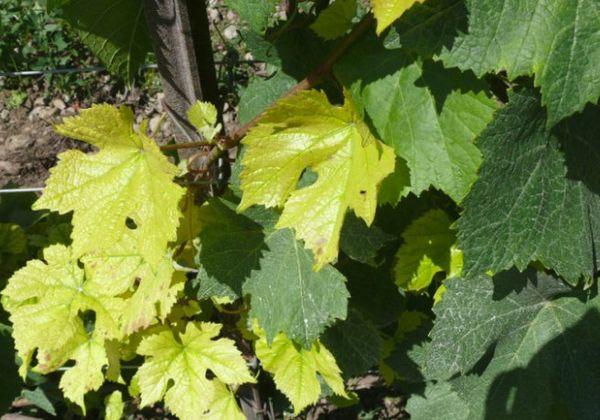
Many gardeners wonder what to do if grape leaves turn yellow. First, it's important to determine the underlying cause. There are many possible causes of this problem, including improper care, pest infestations, and fungal infections. Prompt intervention can help resolve the problem.
Main reasons
Today, many factors are known that cause yellowing and leaf fall from a bush.
Lack of lime
A common cause of problems is a lime deficiency in the soil. Excess lime also causes yellowing of the foliage.
Micronutrient deficiencies
Grapevines may turn yellow due to a deficiency of nitrogen, potassium, or iron. Deficiencies of these elements are often caused by insufficient fertilization or improper root system function.
A potassium deficiency causes leaves to turn yellow at the edges. To combat this problem, treat the bushes with potassium sulfate. To prepare a solution, use 10 grams of potassium sulfate per 10 liters of water.

Cold and frost
Leaf damage often occurs during prolonged cold spells. Frosts also contribute to this problem. Frequent rainfall increases the risk of problems.
Wet heavy soil
Such soil reduces air permeability. As a result, the root system cannot breathe properly.
Planting density
Yellowing leaves are also often observed with dense plantings. This problem is caused by insufficient sunlight reaching the plant.
Nitrogen deficiency
Yellowing may be caused by a nitrogen deficiency in the soil. This causes the green leaves to lighten in color, eventually leading to yellowing. Applying nitrogen-rich fertilizers can help combat this problem. Organic remedies can also help replenish the deficiency.
Possible diseases
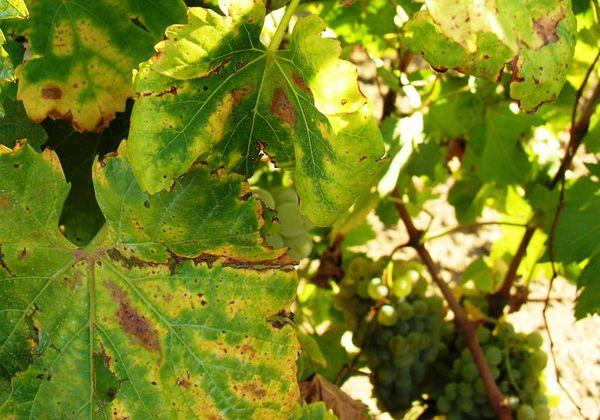
Various diseases are often the cause of problems. To combat yellowing foliage, it's important to identify the underlying issue early.
Chloroform
In most cases, this disease develops due to nitrogen deficiency. The shoots become elongated, and the vines become excessively thin. The leaves become smaller and turn yellow. After a while, they fall off. Nitrogen fertilizers can help combat this problem. For maximum absorption, they should be applied in liquid form.
Infectious chlorosis
This form of the disease is caused by infection of the nutrient distribution system. Leaf veins are primarily affected. The upper parts of the plant are often affected. This type of disease is incurable. Propagation of this type of plant is prohibited.
Non-infectious chlorosis
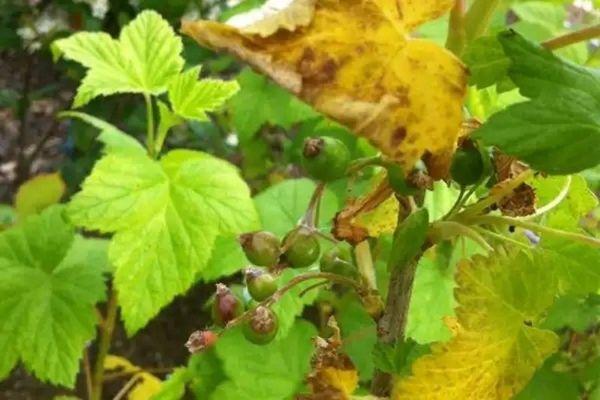
In the non-infectious form of the disease, yellowing of the main part of the leaf, rather than the veins, is observed. This condition is caused by improper care, problems with the soil composition, or external factors.
To combat this disease, it is recommended to fertilize the soil with ferrous sulfate. Iron salts are used to treat the foliage. Improving soil ventilation is also important. To achieve this, it is recommended to dig up the soil around the bush.
Before planting grape vines, it's a good idea to add fertilizer containing manganese, potassium, phosphorus, and zinc to the soil. The planting holes should be treated with ferrous sulfate.
Mildew
This disease causes yellow spots to appear on the leaves. The fungal infection damages the foliage and grape berries. To combat this problem, use Bordeaux mixture. A 1% solution is used in this case.
It is recommended to spray plants before flowering. The final application should be done one month before harvest.
Fusarium
This is a dangerous fungal disease that can cause plant death. The first symptoms appear before the bush blooms, manifesting as yellowing between the leaf veins.

In June, the disease will completely change the color of the leaves. It's crucial to treat the plants promptly. Otherwise, there's a risk of complete crop loss and tissue death.
Verticillium wilt
In its initial stages, this fungal infection is asymptomatic. One of the key symptoms is a change in the color of the foliage. Leaf edges may initially turn yellow. If action is not taken promptly, there is a risk of shoot dieback and the complete loss of the plant.
Pests
There are many pests that can damage grapevines. One symptom of problems is yellowing leaves.
Rodents
Plant roots often suffer from rodent attacks. To prevent leaf yellowing and plant death, it's important to begin pest control promptly.
Smoke bombs are used to force rodents out of their burrows. You can also scare the pests with a stick placed on a tin can. It's also recommended to tap the stick with a hammer to cause the ground to shake.
Animals that have left their burrows may return after a while. Poisoned traps are often used when attacking pest colonies.
Mole crickets
The lower leaves and roots of the plant are often damaged by mole crickets. The damaged root system disrupts the leaves' nutrition. To control these pests, use special poison-containing baits. These should be placed near open passages in the soil.

A mole cricket that consumes the bait dies within two hours. The toxic elements do not reach the plant and do not harm the environment.
Aphids, mites
Quite often, grape vines suffer from various insects that suck the sap from the leaves. As a result, these leaves turn yellow and dry out. Identifying aphids and mites in a timely manner can be quite challenging. To do this, it's important to carefully inspect the plantings.

To combat the problem, use specialized insecticidal products. These help quickly kill aphids. If spider mites are found on grapevines, acaricides should be used. These products help control these pests. Neoron is considered the most effective.
Methods for solving the problem
There are many ways to solve this problem. However, it's first recommended to determine the cause of the yellowing foliage.
Bordeaux mixture
Affected bushes should be treated with Bordeaux mixture. For this, it is recommended to mix 100 grams of copper sulfate powder with 5 liters of water.
To make the mixture more effective, it is recommended to use 75 grams of quicklime for every 100 grams of the solution. This quicklime should be slaked in 5 liters of water. Then, it is recommended to thoroughly mix the lime and filter it. Before treatment, mix the solution with sulfur.
California solution
If your grape leaves have turned yellow, it's worth making a California solution. It's recommended to use quicklime, sulfur, and water in a ratio of 1:2:17. First, mix the sulfur with a small amount of water to create a dough-like consistency. Then, dissolve the lime in the remaining water. Combine all ingredients and simmer on the stove for 1 hour.

It is recommended to handle grapes with this mixture very carefully. Special protective equipment should be used when handling grapes. The mixture's vapors should not be inhaled.
Industrial drugs for treatment
There are many ready-made preparations that can achieve excellent results in the fight against diseases and pests that cause yellowing of leaves.
Mancozeb
This is a highly effective fungicide. It helps protect crops from diseases caused by fungal infections.
Acrobat MC
This is a fairly reliable fungicide that helps combat most fungi. Its active ingredients are mancozeb and dimethomorph. It is recommended to water and spray the bushes with the prepared solution.
Ditan
This contact fungicide, based on mancozeb, can easily eliminate the dangerous fungal disease downy mildew.
Alirin-B
This is a biological product. It can suppress the activity of fungal microorganisms in the soil and on the surface of plants.

Planriz
This is an effective biological product that is considered relatively safe. It can be sprayed on grapes even the day before harvest.
Fundazol
This product is recommended for use in the early stages of fungal infections. Fundazol is considered an effective fungicide.
Topaz
This product helps prevent the development of powdery mildew. It contains penconazole, a systemic fungicide with high effectiveness.
Ridomil Gold
This is one of the most effective treatments. It is a contact and systemic fungicide that helps eliminate major fungal infections. The active ingredients are mefenoxam and mancozeb.
Thanos
This product is washable and resistant to rinsing. Its active ingredients are cymoxanil and famoxadone. It effectively eliminates fungi.
Take a look Also
Fertilizing or treating with ash
This substance is added to the soil or used for foliar feeding. Ash contains high levels of phosphorus and potassium. It also has a pronounced antifungal effect.

For foliar feeding, you'll need 1 liter of ash. It's recommended to mix it with 2 liters of water. Let it steep for 3 days, strain, and use it to spray the bushes. Add 4 liters of liquid before applying the mixture.
To make the ash solution effective, dig it into the furrows near the grape bushes. In autumn, the bushes can be sprayed with an ash-based solution. To obtain an effective solution, you will need 200 grams of ash and 10 liters of water. For best results, it is recommended to water each bush thoroughly. Each plant will require 3 liters of water.
Preventive measures
Preventing grape leaves from turning yellow is entirely possible. First and foremost, it's recommended to provide the plant with proper care. The bushes require proper drainage and mulching. The soil should be well-drained and aerated.
When fertilizing, it's recommended to use physiologically acidic fertilizers. To reduce the risk of chlorosis in young plants, it's recommended to purchase varieties that are highly resistant to this disease.
To prevent the development of the disease, preventative treatments are necessary. These are carried out in the spring and summer, beginning in June. It is recommended to take action at the first sign of illness.
Tips and advice from experienced gardeners
If the grape leaves turn yellow and dry out, it is recommended to take the necessary measures in a timely manner:
- Determine the causes of problems. They may be due to improper plant care, fungal infections, or insect attacks.
- Provide the plant with proper care. This should be comprehensive. Experienced gardeners recommend watering the plant regularly, fertilizing it, and pruning the bushes.
- Treat fungal diseases promptly.
- Conduct preventive treatments against pests.
Yellowing grape leaves is a fairly common problem. It's caused by improper plant care, the development of dangerous diseases, or pest attacks. A deficiency of essential nutrients in the soil is often the cause.
To combat the problem and prevent leaf fall and reduced yields, it's important to take appropriate measures in a timely manner.
Related posts:
 Methods for planting and propagating cherries at home
 What to do and what is the best treatment if the leaves on a pear tree turn black?
 Growing and caring for hazelnuts in open ground, rules for planting hazelnuts
 Why plum tree leaves turn yellow and fall off, and the best control measures
 The best grape varieties for growing in the Urals, planting and care rules in summer
 Conditions for growing mandarin at home and rules for caring for the tree
 Rules for planting and caring for pears in open ground, how to grow them correctly
 The best methods for growing grapes from seeds at home