
- What causes a tree to dry out?
- The influence of temperature
- Sunburn
- Freezing of wood
- Improper care
- Water imbalance
- Damping off
- Diseases
- Sharka
- Mosaic spotting
- Gum flow
- Rust
- Clusterosporiasis
- Cytosporosis
- Moniliosis
- Verticillium wilt
- Late blight
- Bacterial spot
- Witch's broom
- Pests
- Scale insect
- Spider mite
- Plum aphid
- Damage to roots by May beetle
- How to save a plum tree
- Let's determine the root cause
- We carry out therapeutic measures
- We organize proper care
- We destroy insects and parasites
- Treating tree diseases
- Prevention
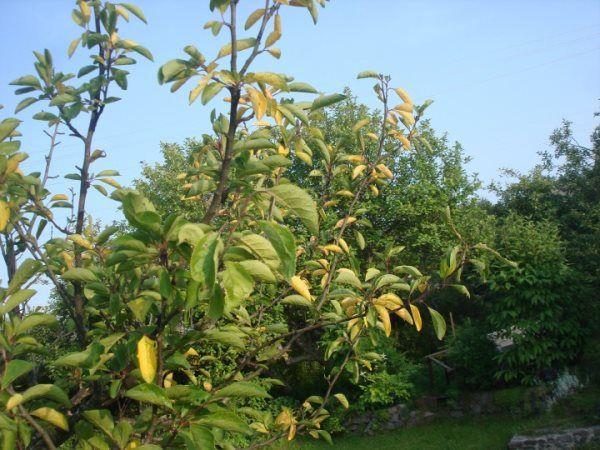
Plum is considered a relatively easy-to-grow crop. It can grow and thrive throughout Russia. Peak fruit ripening occurs in late or early autumn. Therefore, yellowing and leaf drop earlier than this should alert gardeners. If such symptoms appear, it's important to immediately determine the cause. So, why do plum leaves turn yellow and fall?
What causes a tree to dry out?
The appearance of dry leaves on a plum tree and their subsequent fall can be caused by a number of factors. Quite often, problems are caused by improper plant care. Dangerous diseases and pests can also be triggers. To address the problem, it's first recommended to determine the exact cause.
The influence of temperature
Quite often, leaf discoloration and leaf drop are caused by weather conditions. Problems can be caused by high or low temperatures.
Sunburn
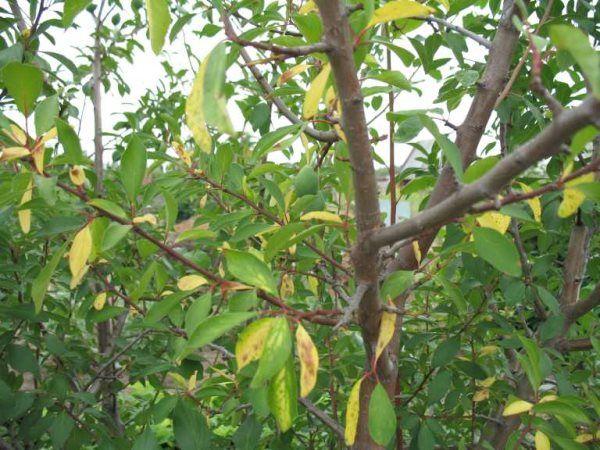
If yellow leaves appear on a tree in June or July, you may suspect sunburn. This problem is associated with elevated temperatures, especially when the tree is exposed to direct sunlight.
Freezing of wood
After a harsh winter, tree branches can freeze. This can also be caused by recurring spring frosts. It's crucial to identify this problem promptly.
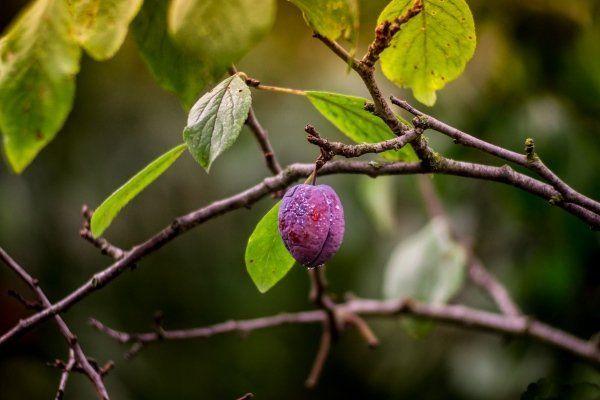
If the symptom is confirmed, a root system restoration cycle is necessary. This includes cultivating the tree, applying nutrients, and systematically loosening the soil around the trunk. Choosing frost-resistant crops and regionally approved plum varieties will help avoid such problems.
Improper care
Often, the appearance of yellow leaves on a tree is caused by a violation of agricultural practices. This problem can be related to improper watering, untimely application of fertilizers, incorrect nutrient dosages, and other factors.
Water imbalance
Plum trees are highly sensitive to watering. They don't tolerate extreme dryness or overwatering. Too much water deprives the root system of sufficient oxygen and dries it out. This prevents nutrients from reaching the branches, foliage, and fruit.
In case of moisture deficiency during the flowering and ovary formation period the plum tree sheds them along with the fruitsTo avoid such problems, it's important to establish a watering regimen. During dry weather, it's recommended to increase the amount of water.
For 1 square meter you should take 10 liters of water.
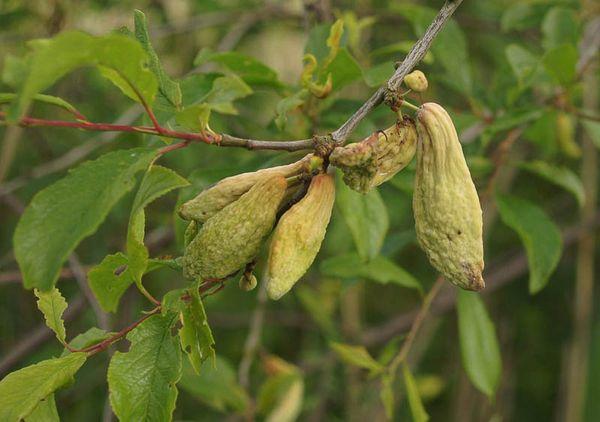 It's not recommended to plant this crop in areas prone to stagnant water. It's recommended to create special grooves to drain the water.
Damping off
If the soil surface temperature remains below 0°C for a long time under snow, the plant expends a significant amount of its energy reserves on respiration. As a result, its bark becomes depleted and tissue disintegrates. After winter, such trees wither and dry out.
Compacting the snow around the trunk will help prevent damping off. It's also a good idea to rake the snowdrift away from the plum tree to allow the soil to freeze slightly. Afterward, it can be returned to the plant.
Diseases
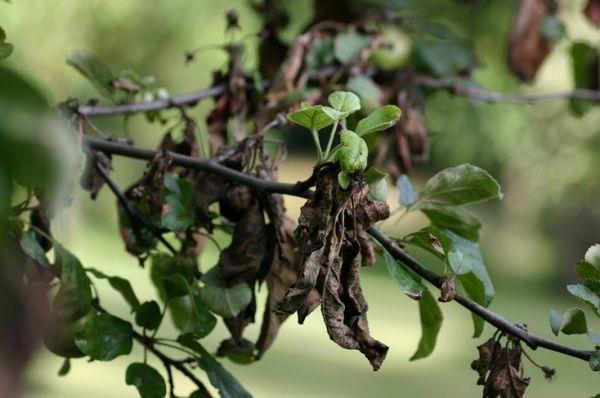
Dangerous diseases are a common cause of problems. Most often, leaf discoloration is associated with a fungal infection. However, there is also a risk of other pathologies. To address these, a timely and accurate diagnosis is essential.
Sharka
This disease, commonly known as pox, is caused by a viral infection of the tree. Young leaves are affected. The disease is accompanied by symptoms of chlorosis, spots, and streaks. After some time, the leaves become covered with a characteristic marbled pattern with white patches.
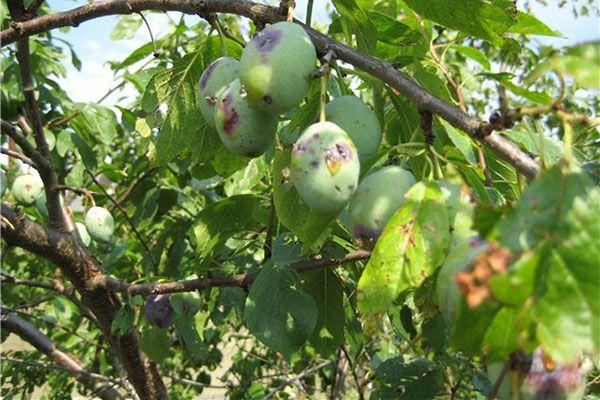
If measures are not taken promptly, there is a risk of fruit damage. They become spotted. The flesh becomes coarser and loses its flavor. Furthermore, the spots penetrate deeper into the fruit's structure. Infected plums ripen prematurely, falling off or drying out on the tree.
This disease cannot be cured. All affected plants must be destroyed. Control methods are preventative. They involve promptly treating the garden for harmful insects that cause the spread of the viral infection.
Mosaic spotting
As the disease progresses, leaves become covered with chlorotic spots. A hole forms in the center of the damaged areas. The dead tissue subsequently falls off. The foliage becomes smaller, narrower, and wrinkled.
Gum flow
This condition is characterized by the release of a clear fluid from the tree bark. This fluid subsequently hardens. This is the plant's response to damage caused by frost or sunburn. Gum flow has a therapeutic effect in this case.
The causes of the disease include unfavorable environmental conditions. Its spread is also observed in the presence of nearby abandoned sites.
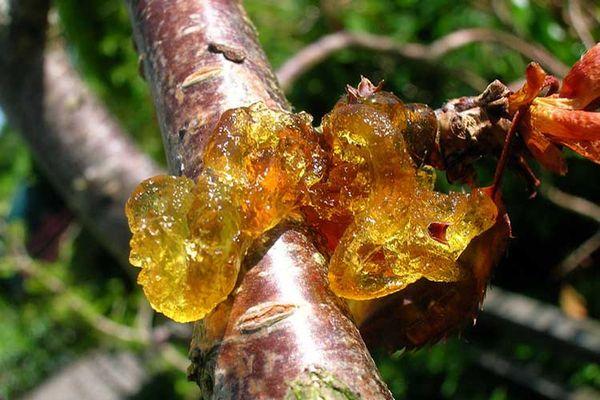
If action is not taken promptly, this can weaken the tree's immune system. As a result, its branches begin to dry out, increasing the plant's vulnerability to other serious diseases.
To address the damage, it is recommended to trim the growths back to healthy tissue using a sharp knife. The affected areas are then treated with garden pitch or copper sulfate. Severe damage requires branch removal.
Rust
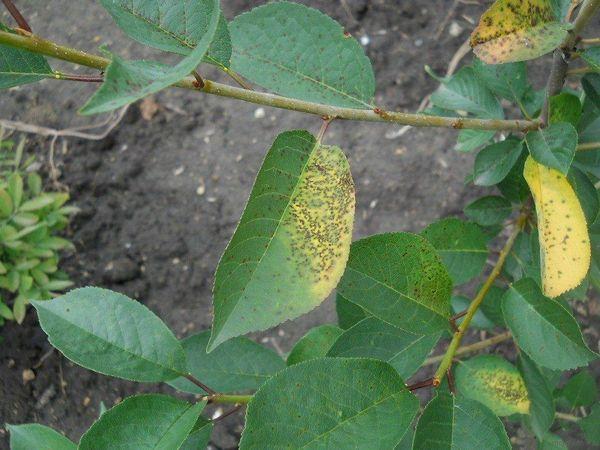
Initially, the disease causes rusty spots to appear on the leaves. Over time, these spots increase in size. As a result, the tree weakens, and leaf drop occurs. The plant becomes more vulnerable to frost damage, which can lead to its death.
To deal with rust, it is recommended to carry out several treatments:
- The first treatment is carried out before flowering. Copper sulfate is used for this. To make a solution, it is recommended to use 40 grams of the solution per 5 liters of water. One tree will require 3 liters of the solution.
- The second treatment should be carried out after harvesting. Bordeaux mixture is used for this purpose. Fallen leaves should be collected and destroyed.
Clusterosporiasis
This disease is also known as holey spot. As it progresses, leaves become covered with brown spots with a dark border. Holes appear in the center of the damaged areas. Flowers, bark, and fruit are affected. The infection penetrates very deeply, right down to the seeds.
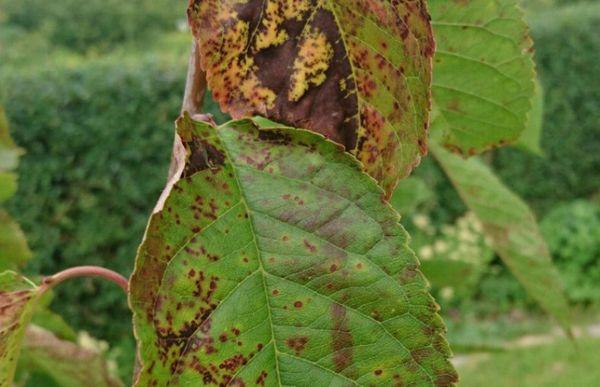
To treat clasterosporium leaf spot, it is recommended to remove and destroy affected parts. Damaged areas should be treated with garden pitch. A couple of weeks after flowering, the plant should be sprayed with a 1% Bordeaux mixture or copper sulfate. For this, use 30 grams of the product per bucket of water.
Cytosporosis
As the disease progresses, the bark becomes covered in spots that resemble goosebumps. Over time, these spots turn brown. Branches in the affected areas dry out. Once the fungal infection penetrates the tissue, the plant dies.
To combat cytosporosis, Bordeaux mixture at a concentration of 3% is used. Fungicidal preparations can also be used.
Moniliosis
As the anomaly develops, fruit rot begins directly on the branches. Affected shoots quickly dry out. Leaves and fruits do not fall off.
To combat the disease, treatment should be carried out during the flowering period. Therefore, it is crucial to consider the toxicity of the products. This will help prevent damage to the bees. The safest products include Topsin-M, Horus, and Fitolavin.
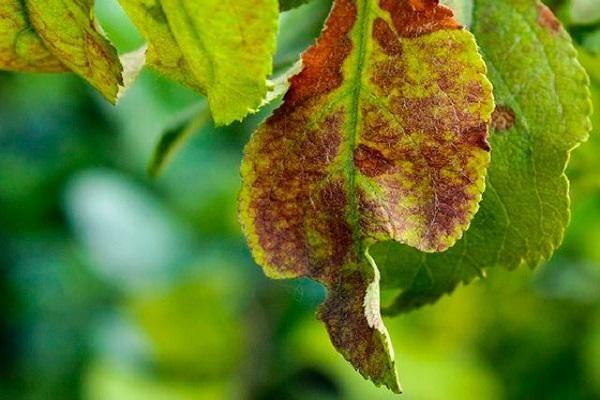
It is recommended to treat the plant for moniliosis several times. This procedure is performed during bud swelling, before and after flowering.
Verticillium wilt
The disease affects young plants. In July and August, the foliage curls and dies. The disease begins to develop from the bottom of the branches. Gradually, it ascends, affecting the young shoots.
By the end of summer, the tree may lose all its leaves. Often, only a certain portion of the crown sheds. Vessels in the branches begin to die. This can be seen on a cut. To combat this problem, we recommend using Hom. To do this, add 40 grams of the product to 10 liters of water.
Late blight
The disease primarily affects the tree's root system, causing the tree's blood vessels to become clogged. It develops rapidly, leading to the tree's complete death. The plum tree dies within 2-3 years. To combat the problem, treat the plant with fungicides. Fitosporin has proven highly effective.
Bacterial spot
As the anomaly progresses, the leaves become covered with small spots that resemble stripes or circles. Their edges turn yellow and dry out. The plant's fruits are also affected. They become covered with dark spots and begin to peel. After some time, the plant dries out completely.
Witch's broom
The disease causes thin branches to grow. The undersides of the leaves become coated with a film. These shoots do not produce fruit, but they drain the plant of its vital sap.
To combat bacterial infections, you can use a 1% copper sulfate solution. To do this, add 100 grams of the solution per 10 liters of water. Azofoska at a 5% concentration is also highly effective. Antibiotics are also excellent for treating this condition. It is recommended to treat the plant three times during the season, with intervals of 4-6 days.
Pests
Problems can be caused by pests. Plum trees suffer from attacks from various parasites that absorb the plant's sap. As a result, the foliage turns yellow and dies.
Scale insect
During an attack Scale insects on plum Raised spots and growths appear on the surface of the leaves. They are almost impossible to remove. A sticky liquid accumulates on top. As a result, the foliage loses its luster. Damaged areas become covered with bald spots and black spots.
To deal with scale insects, you can use insecticidal preparations. Aktara and Biotlin are highly effective. Bankol can also be used. The bark should be scraped off the affected areas with a wire brush. If possible, the damaged parts should be cut off and burned.
Spider mite
This pest causes foliage damage. As a result, foliage loses its color. The main and lateral veins are particularly affected. The leaves turn brown and curl. In hot weather, there is a risk of leaf drop.
To combat the problem, weed control is necessary. It is recommended to treat trees with organophosphorus compounds and biological insecticides.
Plum aphid
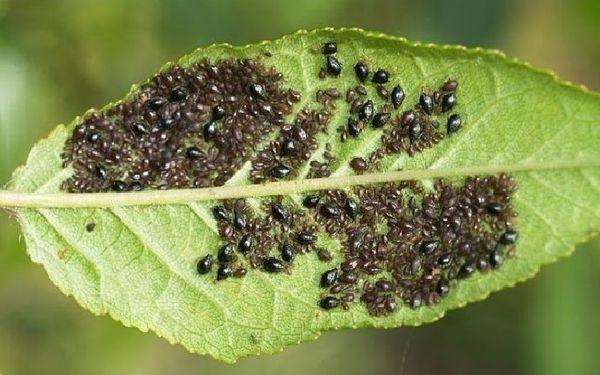
These insects form colonies that attack the undersides of leaves and young branches. The parasites absorb plant sap. It's important to note that aphid excrement creates favorable conditions for attracting flies, wasps, and ants. To eliminate the problem, it's recommended to rinse the tree with water from a hose.
After this, it's worth treating the insect with an effective product such as Karbofos or Sharpei. Inta-Vir is also considered equally effective.
To minimize the risk of aphid attack, it is recommended to plant crops with a strong odor near the plum tree.
Onions or garlic are excellent for this purpose. They will help repel parasites.
Damage to roots by May beetle
A common cause of plum leaf damage is the cockchafer. This beetle damages the plant's root system. In severe cases, the entire tree begins to wilt and shed its leaves.
To combat pests, it's important to till the soil in the spring. This will bring the cockchafer larvae to the surface, killing them.
How to save a plum tree
Yellowing and falling leaves indicate serious problems with the tree's development. To address these issues and prevent the tree's death, it's necessary to identify the root cause, improve plant care, and take measures to control diseases and pests.
Let's determine the root cause
If leaves are turning yellow and falling off, a number of measures must be taken to restore the plant to normal condition. The cause of the problem will help determine the appropriate agricultural measures.
Most often, this is caused by unfavorable climatic conditions, improper care, and the development of dangerous diseases. Insect attacks can also cause problems.
We carry out therapeutic measures
Many gardeners wonder what to do if problems arise. If plum tree foliage changes color and begins to fall, comprehensive tree care is recommended. This includes following proper agricultural practices and treating the plant for diseases and pests.
We organize proper care
Every tree requires adequate and comprehensive care. To prevent your plum tree from drying out, we recommend the following:
- Establish a watering regime. The plant dislikes over-watered soil. However, during periods of drought, watering is essential.
- Apply nutrients. When using fertilizers, it's important to consider seasonal factors. Strict adherence to dosage is essential.
- Pruning should be done regularly. It is recommended to perform a sanitary cleaning of the garden during this process. Be sure to remove overgrown branches and fallen leaves. Timely soil tillage is also essential.
- Spray the tree against diseases and pests. This procedure is essential in spring and fall. It's important to pay attention not only to the tree itself but also to the soil beneath it.
 It's important to perform all plum tree care routinely. If a neighboring garden has been affected by dangerous diseases, it's recommended to immediately begin preventative treatment.
We destroy insects and parasites
When diseases and pests are detected, it's important to choose the right treatment. Chemical and folk remedies are used.
The most effective treatment option is considered to be the use of insecticides. The specific agent is selected based on the pest species and the severity of the problem.
Treating tree diseases
If a tree is affected by a disease, it's important to take prompt action. Treatment methods can vary:
- If the root system is damaged, the plant can be relocated. However, this only applies to young plants.
- If symptoms of chlorosis appear, products such as Chelate and Antichlorisin can be used. It's important to prepare the solution correctly to avoid further damage to the crop.
- If a plant is affected by fungi, it is treated with fungicides. Topsin-M, Vitaros, and Previkur are highly effective. For more effective treatment, use a formula specifically designed for the specific disease. General-purpose compounds are not as effective.
Prevention
To prevent the development of dangerous diseases, it's important to treat them promptly with special products. For prevention, follow these recommendations:
- cut off branches in a timely manner and treat the affected areas with garden pitch;
- avoid damaging the bark;
- do not leave damaged fruits;
- avoid thickening with new crops;
- buy plants only from trusted sources;
- treat garden tools with disinfectant solutions in a timely manner;
- use insecticidal preparations in a timely manner;
- systematically inspect trees for infestation;
- If damaged fragments are detected, they must be destroyed immediately;
- avoid damaging the fruit;
- make irrigation grooves around the tree to avoid over-watering the soil;
- Plant green manure around the crop - mustard is especially useful.
Before using chemicals, it's important to check their safety for the tree. To do this, apply a small amount of the chemical to individual branches. The area containing the plum trees should be well-ventilated and receive sunlight. This will warm and dry the tree.
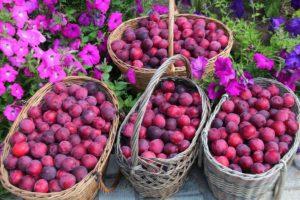
Plum is a popular fruit crop that's relatively easy to grow. To achieve success in growing it, it's essential to provide the plant with quality care and timely treatment for diseases and pests.
Related posts:
 What to do and what is the best treatment if the leaves on a pear tree turn black?
 Description and characteristics of the 27 best plum varieties for the Urals, planting and care
 Peach tree care and agricultural secrets, pest control
 Description and cultivation of the 15 best cherry plum varieties for the Moscow region, planting and care rules
 Methods for planting and propagating cherries at home
 Descriptions of the 20 best cherry varieties for the Moscow region, their planting and care
 Growing and caring for hazelnuts in open ground, rules for planting hazelnuts
 Why do grape leaves turn yellow and what to do about it?