
- Why do plums fall off?
- Spring frosts
- Deficiency or excess of nutrients
- Irregular watering
- Insufficient pollination
- Pests and diseases
- Plum sawfly
- Thick-legged
- Plum codling moth
- Fungal diseases
- Bacterial tree diseases
- Viral infections
- Non-communicable diseases
- Let's take a closer look at the causes and ways to eliminate them.
- The plum tree has shed its flowers
- The plum ovary is falling off
- Drops green fruits
- Plums turn yellow and fall off
- The fruits turn blue and fall off
- Preventive measures
Fruit trees require a lot of moisture; if they don't get enough, the fruit will fall off. Damp and rainy weather promotes the growth of fungi, which can cause diseases that dry out the leaves, rot the fruit, and damage the flesh. To preserve the harvest and prevent it from perishing, it's important to understand why plums fall off before they're ripe. But even a healthy tree won't pollinate if the weather is inclement during flowering, and the insects hide instead of flying.
Why do plums fall off?
Green fruits and ovaries fall off for various reasons. This phenomenon can occur in May, June, and shortly before the fruit ripens.
Spring frosts
Often, even in southern regions, during tree flowering, the air temperature drops below 0°C, which results in the death of the pistil. It turns black from the frost, but when this becomes noticeable, the flowers fall off without forming an ovary.
Deficiency or excess of nutrients
Plums shed unripe fruit when the tree lacks micronutrients. Nitrogen deficiency causes poor growth; nitrogen-containing fertilizers are applied to the trunk circle in early spring and when fruit sets.
A potassium deficiency during plum blossom ripening significantly degrades the fruit's flavor, preventing it from ripening and causing it to fall off. Fruits fall off, and ovary set is poor if the tree lacks:
- zinc;
- selenium;
- phosphorus.
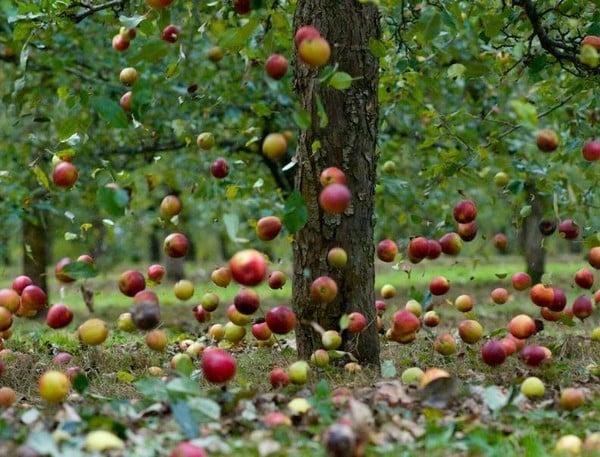
Although plum trees require nutrients, they should not be overfed with organic matter. Adding large amounts of manure or chicken manure, which are rich in nitrogen, will help the tree develop roots, leaves, and shoots.
An excess of this substance combined with a deficiency of phosphorus leads to an imbalance, which can result in a lack of fruit.
Irregular watering
Stone fruit roots are located close to the surface, growing outward rather than downward. If the trees aren't adequately watered during a dry summer, the immature fruits will begin to fall off two weeks after the ovary sets. During this same period, flower buds are formed, which will produce fruit the following year. If the trees lack moisture, they won't produce juicy fruit.
To prevent plums from falling off before they ripen, the garden is irrigated:
- in spring before the sap begins to flow;
- when flowers appear;
- 2 weeks after the end of this period;
- before pouring the fruit.

The soil should be moist to a depth of at least half a meter. A mature plant requires about 20 buckets of water, while a seedling requires 10 liters. The last watering should be done a month before the onset of frost.
Insufficient pollination
Plum trees often bloom during cool weather or rainfall. During these periods, heat-loving bees do not fly, collect nectar, or pollinate the trees. Blossom shedding without fruit set occurs when only a single plum variety grows in the garden, with both the growing and fruiting seasons occurring at the same time.
Pests and diseases
Without proper garden treatment, trees become infected with viruses, attract bacteria, suffer from fungal infections, and become a magnet for parasites, all of which negatively impacts fruiting.
Plum sawfly
Yellow or black flies cause significant damage to crops. The insect's larvae overwinter in the soil, burrowing to a depth of up to 20 cm. In the spring, they transform into pupae and fly to blossoming plum trees, where they lay 5-7 eggs on the buds. Sawfly larvae consume the ovaries.
Thick-legged
The insect, with membranous wings covered in black veins, emerges in the spring to hatch its young. A single female lays several dozen eggs. The larvae of the spider mite consume the soft seed, and the ovary falls to the ground.
Plum codling moth
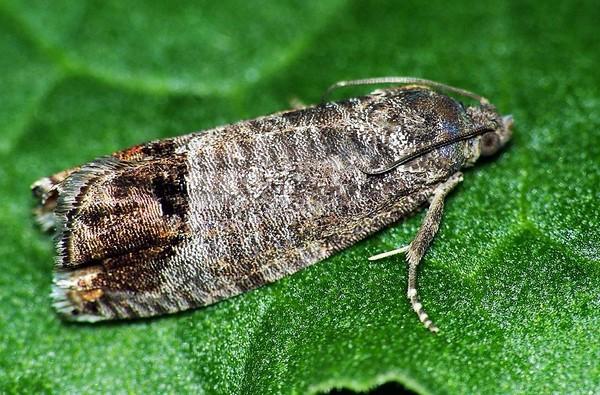
The caterpillars of this inconspicuous moth, which reproduces in late summer, hide in bark crevices for the winter. The offspring, hatching from the eggs the codling moth lays in plums, devour the flesh, causing the fruit to fall prematurely.
Fungal diseases
Sometimes, brownish, oval-shaped spots with a bright border can be seen on tree leaves. These gradually dry out, turning into holes. Clasterosporium affects the fruit. Plum trees develop growths that secrete gum. The disease is treated by spraying the trees with copper-based preparations.
In the middle of summer, brown spots sometimes form near the veins of the leaves, which grow and occupy the entire leaf blade.
Rust infection causes plums to weaken.In the first ten days of June, fungi that cause coccomycosis become active. Pathogenic microorganisms lay spores on the underside of leaves, destroying shoots.
If fruits are affected:
- The plums become spotted.
- They stop growing.
- They dry out and fall off.
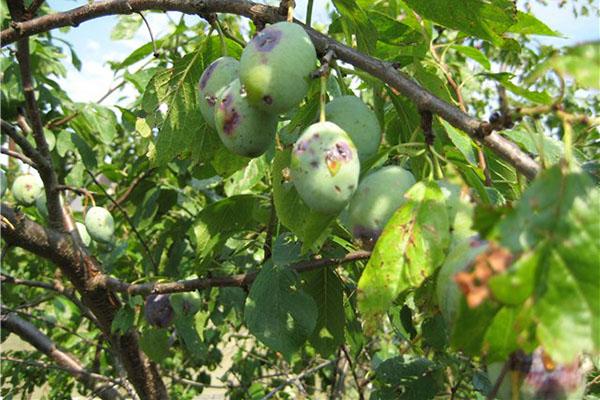
During flowering, trees are affected by gray mold. Fungal spores spread throughout the plant, causing branches to crack, shoots to turn brown, and fruits to rot right on the tree.

Bacterial tree diseases
In spring, numerous spots sometimes appear on the leaves of stone fruits, which eventually dry out from the inside. On plums, black spots surrounded by a whitish border appear, indicating bacterial spot.During necrosis, branches become covered with ulcers, the sap inside them hardens, and gum comes to the surface. The wood turns brown, and the plum tree dies.
Viral infections
Trees are infected with mosaic spot, which manifests itself as bright stripes on the leaves. Plum trees affected by the disease include:
- They lose immunity.
- They do not tolerate drought well.
- They freeze in the cold winter.
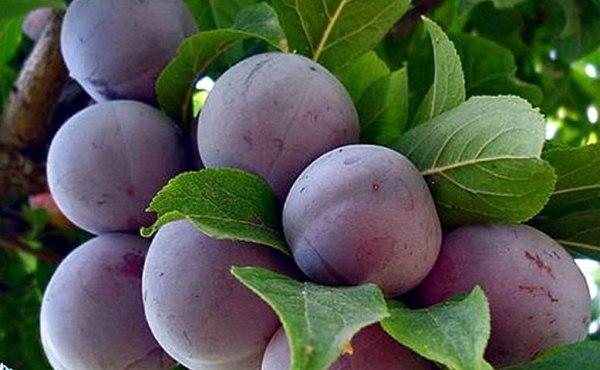
Viruses provoke the development of dwarfism, when shoot growth slows down and trees die.
Premature fruit drop occurs when the plum tree is infected with smallpox, and the leaves become covered with transparent spots.
Non-communicable diseases
If trees are neglected, pruned improperly, or underwatered, gum drops will appear on the trunks. Fungi and bacteria can enter these wounds, so these diseases must be treated. If plums are grown in acidic soils or saline soils, the leaves will dry out, and the fruit will fall off before ripening.
Let's take a closer look at the causes and ways to eliminate them.
Diseases, pests, and failure to comply with agricultural practices lead to disruption of the development of fruit trees and to a reduction or loss of yield.
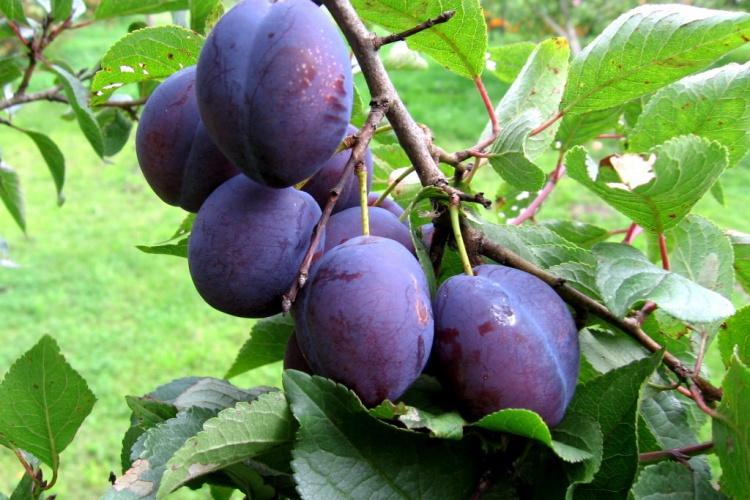
The plum tree has shed its flowers
In mid-latitudes, spring weather is unstable, with warm spells followed by sharp cold snaps. Even light frosts cause flowers to turn black, and since the stamens and pistils freeze, the problem is noticed when the plum tree falls off, but nothing can be done; there's no harvest to be expected in the summer.
The plum ovary is falling off
Most stone fruit varieties require a self-fertile tree nearby. If such a tree isn't nearby, the fruit will develop weak ovaries after pollination, which will quickly fall off. To prevent fruit drop before ripening in July, when the fruit is filling out, feed the plants with potassium-rich fertilizers, and apply nitrogen to the tree's trunk in the spring.
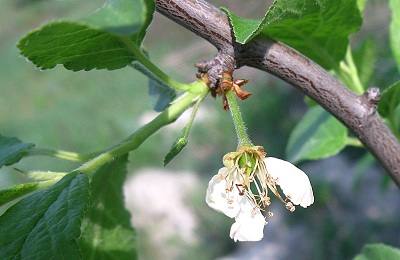
Drops green fruits
Sometimes flowering is successful, with a strong fruit set, but the plums fall to the ground before they're fully ripe. If the plant's roots lack moisture, which occurs during dry weather and a lack of timely irrigation, the tree lacks the strength to support the fruit. After a generous watering, the plums stop falling.
If groundwater levels are close to the surface, prolonged rainfall can cause root rot and unripe plums to fall. Fruit trees should be planted in a location away from a low-lying area.
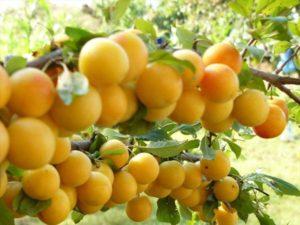
Pests, such as plum beetles and sawflies, lay eggs. The hatched larvae feed on the pulp and pits of green fruits, causing unripe plums to dry out and fall to the ground. To prevent pests, trim dead and damaged branches in early spring, burn dried fruit and leaves in the fall, and spray the trees with Actellic, Fitoverm, and Inta-Vir after flowering. A second treatment is carried out in August.
Plums turn yellow and fall off
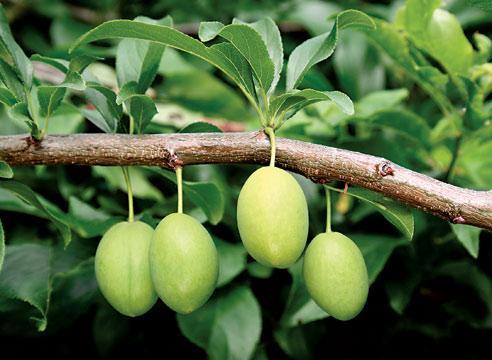
In July, the fruits begin to fill with juice, change color, and soon it's time to harvest. Without irrigation during hot and dry weather, the tree lacks moisture, and the unripe plums turn yellow and fall off. Sometimes, just fertilizing the plant is enough; the fruits dry out and fall off due to a deficiency of phosphorus, zinc, and other micronutrients.
A tree affected by: drops yellow plums.
- coccomycosis;
- rust;
- holey spot;
- fruit rot.
Fruit drop due to damage from insect larvae. The decision on how to treat the plant should be made after determining the cause.
The fruits turn blue and fall off
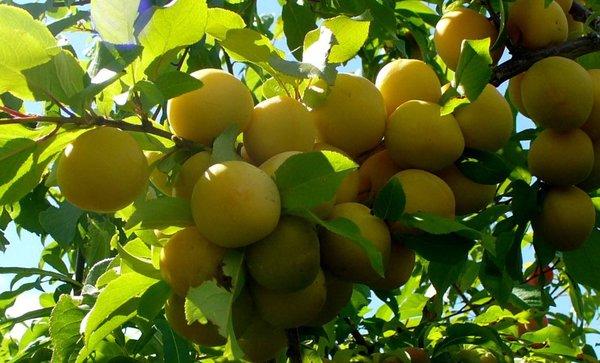
After stone fruit trees bloom and petals fall, the insects begin to fly. When the air warms to 16°C, the female plum-footed moths lay eggs. The pests hatch a second time in early July. Plum trees with damaged pits turn blue, and the fruits appear to be ripening soon, but they fall to the ground. Pests can be controlled by spraying the trees after flowering and two weeks later with Confidor, Calypso, and Bi-58.
Preventive measures
To ensure a bountiful harvest of plums, you need to follow proper agricultural practices, prune shoots correctly, apply fertilizer promptly, and water generously in dry weather.To prevent diseases and pests, it is necessary to remove dried and damaged branches, rake and burn leaves in the fall, and remove rotting fruit.
Before bud break, preventative measures against coccomycosis, rust, and other diseases are necessary. After flowering, trees should be treated with insecticides to prevent insect reproduction.
Related posts:
 Description and characteristics of the Yakhontovaya plum variety, pollinators
 Description and characteristics of the 30 best yellow plum varieties, planting and care
 Description of the Renklod plum varieties and cultivation technology
 Description and varieties of plum variety Ternovka, planting and care technology
 Description and distinctive features of the best varieties of Ussuri plum
 Causes and symptoms of 30 plum diseases, treatment and pest control
 Description of the beneficial and harmful properties of plums for human health, contraindications
 Description and characteristics of the 27 best plum varieties for the Urals, planting and care