
- Climate characteristics of the region
- Peculiarities of Proper Plum Cultivation in Siberian Conditions
- Landing
- Choosing a location
- Preparing the planting hole
- Timing and technology of planting seedlings
- Caring for fruit trees
- Watering
- Fertilization
- Tree pruning and removal of shoots
- Pest and disease control
- Preventing soil freezing
- What varieties are recommended for planting?
- Winter-hardy
- Self-fertile
- The best sweet varieties
- Bush variety
- Early cultures
- Ussuriysk
- Karzinskaya
- Russian plum
- Plum-cherry hybrids
- Varieties of Chinese plum
Proper planting and care of plum trees in Siberia are key to their full development. Strict adherence to agricultural practices ensures successful cultivation and a bountiful harvest. To ensure a strong and vigorous plant, it's essential to water, fertilize, and prune regularly. Protecting plum trees from diseases and pests is essential.
Climate characteristics of the region
Growing plums in Siberia can pose numerous challenges. These challenges are all related to the region's harsh climate. Growing plums is particularly challenging in the Kemerovo, Tomsk, and Novosibirsk regions. The best locations for planting plums are the Omsk region or the Altai Mountains, where summers are relatively warm.
The key danger for the plant is the sharp temperature fluctuations typical of this region. Every year, Siberia experiences a sudden cold snap after a short thaw. This most often occurs in late winter.
Another common problem in this region is damping-off. This affects the bark near the base of the trunk or strong skeletal branches. This problem is caused by prolonged temperatures below freezing combined with heavy snowfall.
Peculiarities of Proper Plum Cultivation in Siberian Conditions
To ensure the plum tree develops fully and avoid problems when growing it, it is important to choose the right care.
Landing
A bountiful harvest can only be achieved with the right planting site and proper care. Planting is fairly easy. However, there are a few things to consider.
Choosing a location
Plum is considered a heat-loving crop that doesn't require much moisture. Therefore, it's recommended to plant it in a location protected from the wind. It's best to plant it in full sun and insulate the soil. When planting plums in your garden, consider the following:
- The plant thrives on the upper part of a slope. It's best planted in a south, southwest, or west facing location.
- In steppe regions, it is worth choosing areas where less snow accumulates.
- In winters with little snow, it is permissible to plant plums on a plain.
- Problem areas include forested areas and places with early and deep snow.
- Groundwater should not be located closer than 1.5 meters to the ground surface.
Preparing the planting hole
It's recommended to plant plum trees in soil with neutral pH. If the garden has acidic soil, it will struggle to absorb nutrients. Consequently, the tree will grow poorly and produce virtually no fruit.
Before planting, it's best to reduce the soil's acidity by adding lime. This procedure should be repeated every 2-3 years.
Light loam soils are ideal for growing this crop. Leaf mold can be used to improve the soil structure. However, it's important to maintain a sense of proportion. Otherwise, the seedlings will become overweight and produce too many shoots. This increases the risk of pest infestation and problems with overwintering.
If your garden has poor soil, add a bucket of compost to a 0.6-meter hole. Also, add a small amount of wood ash, potassium sulfate, lime, and superphosphate. If the soil is too heavy, add a bucket of sand to the planting hole. Mix all ingredients thoroughly and then cover with light, clean soil.
Timing and technology of planting seedlings
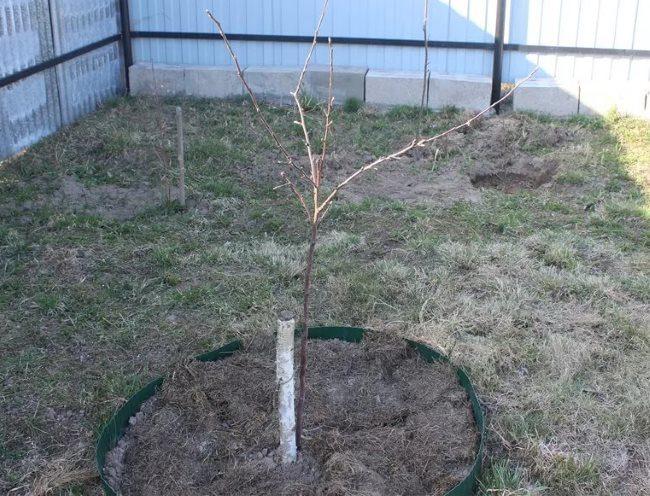
In Siberia, it's best to plant plums in the spring. To do this, it's recommended to add soil to the prepared hole and place the seedling on the resulting raised area.
The roots should be spread downwards. The root collar should be level with the ground or 7 centimeters deep. After this, the plant should be covered with light, fertilizer-free soil.
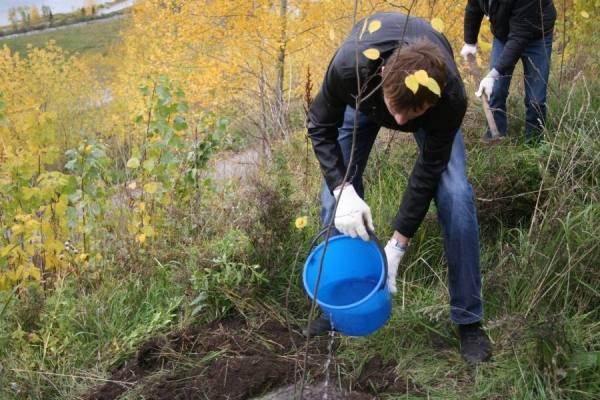
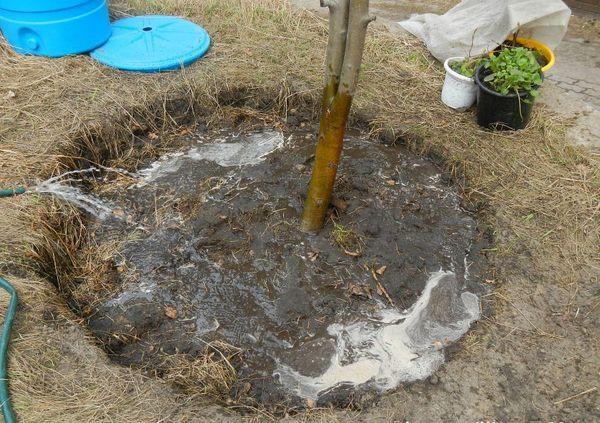
To avoid waterlogging around the trunk, it's not recommended to create a deep circle around the tree. The seedling should be tied to a nearby stake and watered thoroughly. Each tree will require 2-3 buckets of water. After the moisture has been absorbed, the soil is covered with a layer of mulch. Dry grass, compost, or humus can be used for this purpose.
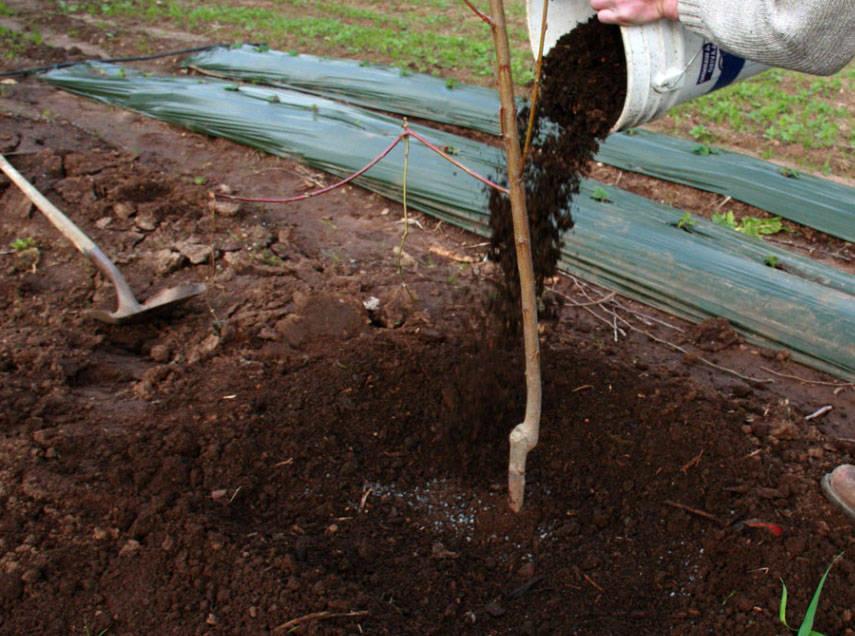
Planting crops in Siberia in the fall is not recommended. Frosts arrive early in this region, which can kill the plant. If absolutely necessary, the crop should be well covered and planted as early as possible.
Caring for fruit trees
Plum tree care is recommended depending on the climate. In regions with harsh winters, it's best to minimize the use of organic fertilizers, soil moisture, and pruning.
Watering
After planting, it is recommended to water the plant weekly. Seedlings older than two years should be watered no more than three times per season. When choosing the amount of water, it is important to ensure that it reaches the soil to a depth of 30 centimeters. On average, one tree should require four buckets of water.
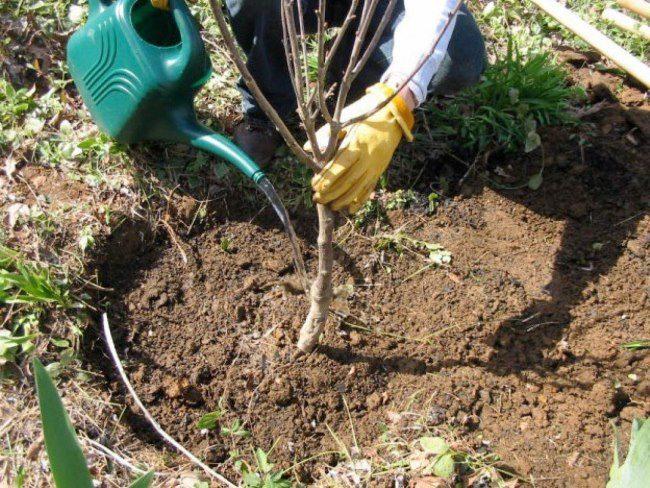
Overwatering encourages the proliferation of harmful insects. The first watering should be done in mid-May, the second after flowering has finished, and the third when the fruit ripens. In dry weather, plums should be watered again. This will help them survive the cold winter.
Fertilization
With proper planting and sufficient fertilizer, the tree should be fertilized twice a year. In the fall, it's recommended to use fertilizers high in potassium and phosphorus. With the arrival of spring, the plant requires nitrogen and magnesium.

Organic fertilizers can also be used to fertilize plums. Humus, turf, and wood ash are all excellent choices. Manure is also widely used.
Tree pruning and removal of shoots
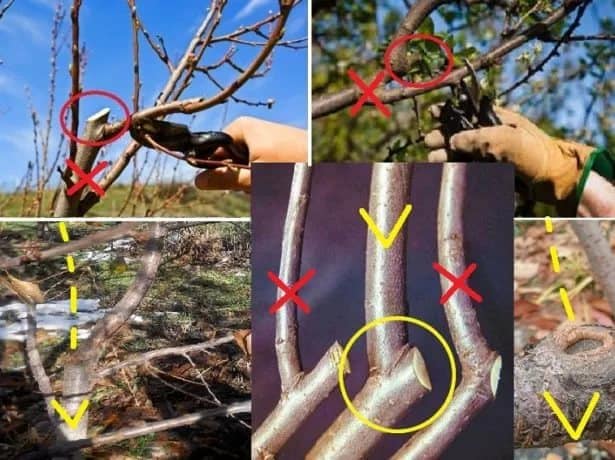
In Siberia, it's recommended to prune plum trees once every three years. Dead branches should be removed. Sanitary pruning is performed every spring. This involves removing branches that have frozen over the winter.
However, experts do not recommend removing more than 30% of the shoots.
To maintain a neat appearance, it's recommended to prune the side shoots. Only the most attractive one should be left. In the spring, remove any root suckers that interfere with the tree's normal development.
Pest and disease control
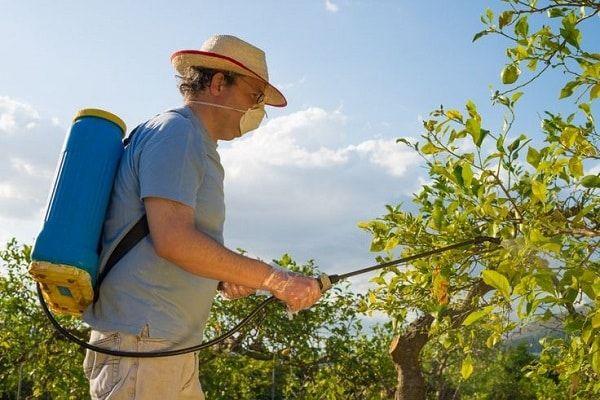
In this region, plum trees are susceptible to attacks from sawflies, aphids, and codling moths. To avoid crop damage, it's important to carry out preventative treatments using specialized pesticides.
It's recommended to whitewash the plant's trunk with slaked lime. Chamomile tea is a highly effective folk remedy and should be used for spraying the plant.
If brown spots appear on the leaves, this may indicate a blight infection. Fungicides can help combat the disease. Birds can also help control the pests. A birdhouse can be placed on the plum tree. However, it's essential to feed the birds to prevent them from damaging the fruit.
Preventing soil freezing
It's recommended to prepare for winter two weeks before the cold weather sets in. At this point, it's a good idea to add organic fertilizer to the tree's trunk. To do this, mix wood ash, potassium sulfate, and compost. First, lightly dig and loosen the soil with a shovel. Then, add the nutrient solution and water the plum tree with three buckets of water.
After completing the above procedures, the tree should be inspected. It is recommended to trim off any dead shoots, and remove any loose bark with a scraper or wire brush. It is important to avoid damaging healthy parts of the plum.
To prevent damage to crops by harmful insects, treat them with a prepared solution. This solution is available in specialty stores. To make your own, we recommend mixing lime, clay, and mullein. If necessary, add copper sulfate. Use 25 grams of the solution per liter of solution.
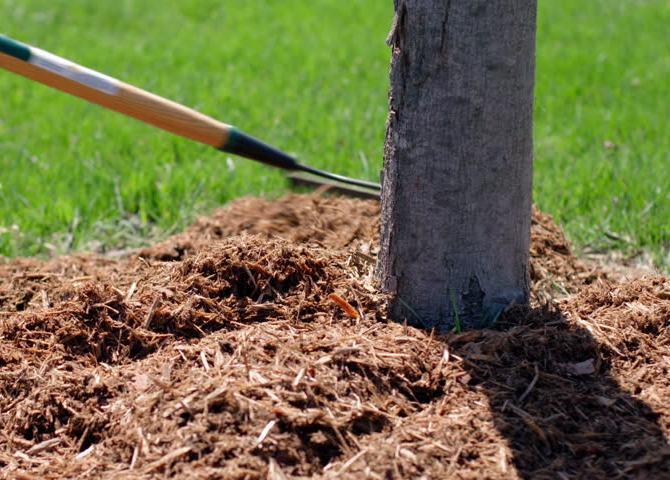
Before frost sets in, insulate the tree's trunk. Straw or burlap can be used for this purpose. If a cold and harsh winter is expected, slate or roofing felt should be laid on the ground. It's recommended to shelter a small sapling in a shelter, which can be made from readily available materials.
What varieties are recommended for planting?
To achieve success in growing a crop, it's essential to choose the right variety. Today, there are many crops suitable for planting in Siberia.
Winter-hardy
The most hardy varieties include Medovaya and Skoroplodnaya. Also able to withstand the harsh Siberian frosts are Maynor, Uvelskaya, and Admiral Shley. Plum Yellow Hopty tolerates temperatures down to -50 degrees.
Self-fertile
To ensure a bountiful harvest, it's best to plant self-fertile varieties that don't require additional pollination. The most popular varieties include:
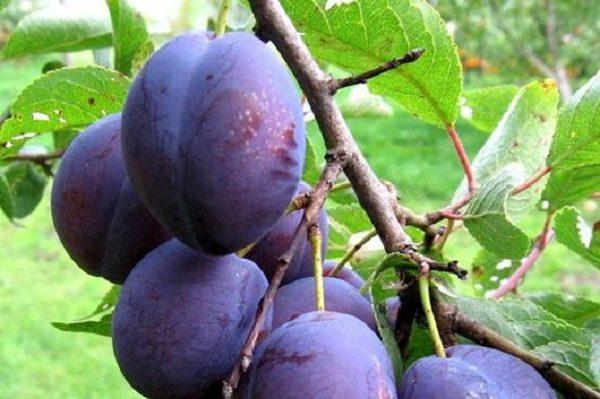
- Hungarian. It is characterized by 6-centimeter-long fruits covered in purple skin. The tree reaches 6 meters in height and has a spreading crown.
- Red-cheeked. The plums are 5 centimeters in diameter. When ripe, the fruits turn yellow-orange.
- Greengage. Plums reach 5 centimeters. When ripe, they turn blueberry or yellow-green. The plant is resistant to fungi. The tree reaches 6 meters.
- Honey. It is characterized by large yellow-green fruits.
The best sweet varieties
In Siberia, it's quite possible to grow sweet plum varieties with excellent flavor. Popular varieties include the following:
- Manchurian Beauty. The fruits have a fuchsia hue and a sweet and sour taste.
- Morning. The plant is characterized by round yellow fruits. The variety has moderate frost resistance.
- Altai Yubileinaya plums are pink in color and have a pleasant flavor.
- Baikal amber. This tree produces sweet, orange-amber-colored fruits.
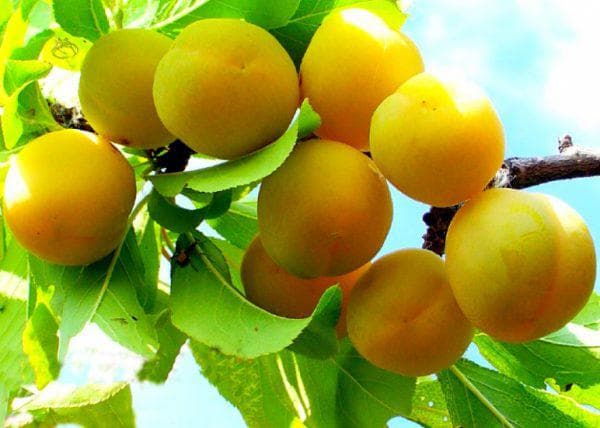
Bush variety
Popular bush varieties include Chulyma, Maynor, and Pchelka. Many gardeners choose Admiral Shley or Lyubitelsky.
Early cultures
This category includes varieties whose fruits ripen in the first half of August. Popular plum varieties include Zarya Altaya, Admiral Shley, and Peresvet.
Ussuriysk
This tree is considered a moisture-loving tree. A lack of water leads to reduced yields. However, the plant must be watered properly. If water accumulates, there is a risk of root rot and leaf drop. A key feature of the plum is its excellent frost resistance.
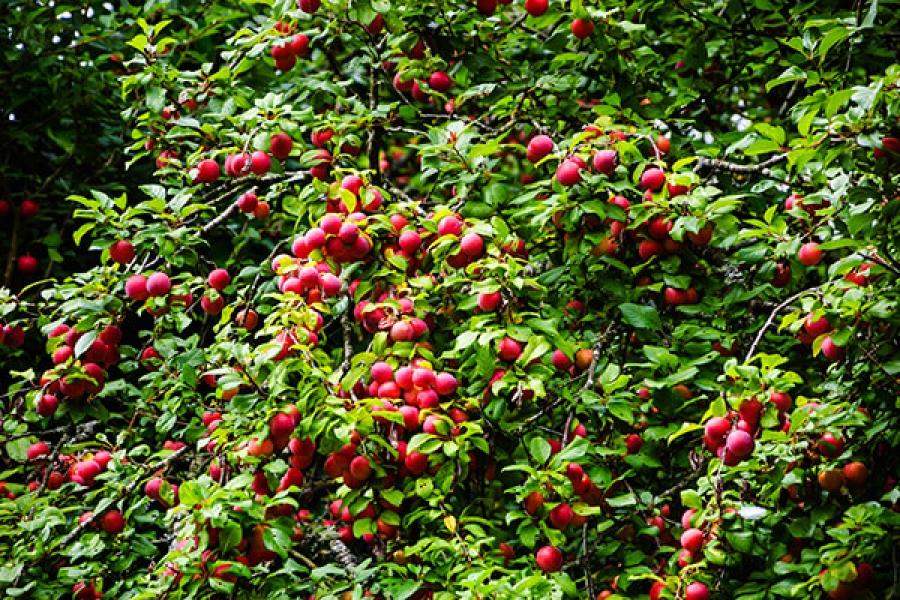
Karzinskaya
This variety is a hybrid of American and Canadian plums. However, it is rarely planted in Siberia.
Russian plum
This variety is a hybrid of cherry plum and Ussuri plum. The bushes can withstand low temperatures and are drought-resistant in summer.
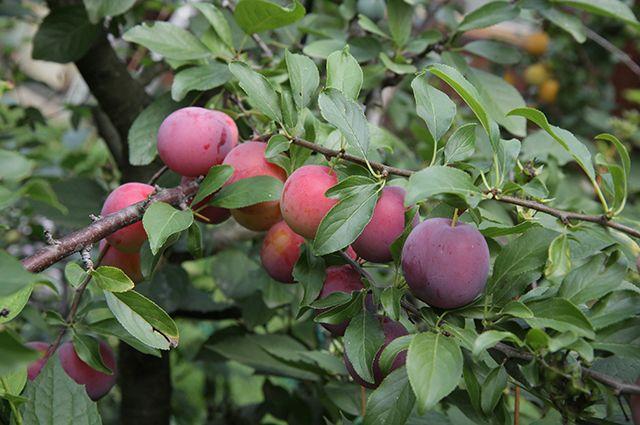
Plum-cherry hybrids
These plants are a cross between a plum and a cherry. The tree grows to a height of 3.5-4 meters. Fruiting begins 2-3 years after planting. The tree tolerates low temperatures well during flowering.
Varieties of Chinese plum
This variety includes the varieties Yellow Hopty, Krasnoshchyokaya, and Podarok Chemala. Almost all varieties in this category have a slightly sour taste, with the exception of the first.
Plum is a popular fruit tree that can be grown in Siberian conditions. To achieve good results, it requires high-quality and comprehensive care.
Related posts:
 Description and characteristics of the Yakhontovaya plum variety, pollinators
 Description and characteristics of the 27 best plum varieties for the Urals, planting and care
 Description and characteristics of the 30 best yellow plum varieties, planting and care
 Description of the Renklod plum varieties and cultivation technology
 Description and distinctive features of the best varieties of Ussuri plum
 Methods for planting and propagating cherries at home
 Description of the Volga Beauty plum variety, planting and care
 Description and varieties of plum variety Ternovka, planting and care technology