
- Characteristics of the crop - Chinese plum
- Suitable region and climate
- Tree dimensions
- Fruiting and tasting evaluation of fruits
- Immunity to diseases and pests
- Resistance to low temperatures and drought
- Features of growing Chinese plum
- Landing
- Deadlines
- Schemes for placing seedlings
- Step-by-step landing instructions
- Caring for the crop
- Watering and fertilizing
- Caring for the tree trunk circle
- Seasonal treatments
- Pruning and crown shaping
- Shelters for the winter
- Popular varieties of Chinese plum
- Oryol souvenir
- Golden Ball
- Oryol Dream
- Sissy
- Manchurian Beauty
- Red ball
- Alyonushka
- Superior
- Early-bearing
- Souvenir of the East
- Santa Rosa
- Lychee
The beautifully flowering Chinese plum has recently begun to gain popularity among Russian gardeners. Chinese plum varieties are distinguished by their winter hardiness and early fruiting, and are adapted to growing conditions in most regions of our country. The Chinese plum forms a medium-sized tree with a neat crown, no more than two meters tall. The Chinese plum is not self-pollinating; pollinators must be planted nearby.
Characteristics of the crop - Chinese plum
The main distinguishing features of the Chinese woman are:
- early flowering;
- beautiful spherical crown;
- the shape of the leaves is elongated;
- the plant blooms first, only then the leaves appear;
- tree height - 2 meters;
- self-sterile species.
Note: To obtain a decent harvest, it is necessary to choose the right regionalized variety, adhere to agricultural practices, and ensure proper care of the orchard.
Suitable region and climate
Each variety of Chinese plum is adapted to a specific growing region. For example, the following varieties are suitable for the Central District:
- Red ball;
- Golden ball;
- Superior.
These plums have reliable frost resistance, do not have any special soil requirements, and are resistant to fungal diseases.
Suitable for the Leningrad region:
- Antonina;
- Amur Rose;
- Khabarovsky prunes.
Its winter hardiness, ability to grow in relatively bright conditions, and immunity to infections make the plum an indispensable tree in the orchards of the Leningrad Region.
For the Far East, gardeners choose:
- Manchurian beauty;
- Oryol Dream;
- Early fruiting.
The conditions of this region are optimal for the growth and abundant harvest of plums of the above varieties.
For the Moscow region - Red Ball, Oryol Dream.
Tree dimensions
The Chinese plum is a medium-sized tree with a spherical crown no more than two meters tall. It is suitable for growing in small private gardens. The tree's branches are spreading and bend under the weight of the fruit during the ripening period. Support is necessary to prevent damage to the branches.
Fruiting and tasting evaluation of fruits
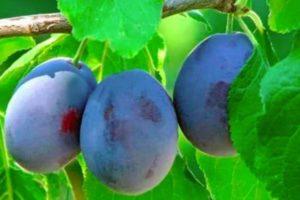
All Chinese plum varieties are distinguished by their early fruiting. The plums ripen as early as mid-July. The fruit has a tasting score of 4.6; they are juicy and aromatic, suitable for fresh consumption, as well as for canning, jam, and winter preserves. Yellow-fruited Chinese plum varieties are particularly popular for their dessert qualities.
Immunity to diseases and pests
Thanks to the efforts of breeders, most varieties are resistant to the main types of fungal diseases. The main problem affecting Chinese plums is root collar rot. The disease progresses in conditions of high humidity and excessive soil moisture. When growing plums, stagnant water around the roots is unacceptable.
Note: Chinese plums have been found to be less susceptible to insect attacks.
Resistance to low temperatures and drought
Winters with frosts of -50 Chinese plums are not a problem, but for regions with little snow in winter, it is recommended to additionally cover the area around the trunk, as the root system of Chinese plums is located superficially.
Plums tolerate drought well. High humidity is detrimental to Chinese plums. To solve this problem, dig trenches near the tree's trunk.
Features of growing Chinese plum
To obtain a bountiful harvest of aromatic fruit, it's essential to ensure 100% pollination. Plum trees bloom early, and spring frosts and strong winds can interfere with pollination. It's important to plant pollinator trees near Chinese plums. Chinese plums pair well with self-fertile cherry plum varieties.
Landing
The key to successfully growing a fruit tree is following proper agricultural practices and planting it correctly. Choosing the right location is essential. A sunny, low-water-table site is ideal.
Deadlines
Chinese plums can be planted at any time of year. Seedlings are typically planted in early spring or fall. If trees are planted late in the season, allow about a month before the first frost to allow the plant time to establish roots. It is recommended to protect young seedlings for the winter during the first year.
Schemes for placing seedlings
Chinese plums are planted in rows or staggered patterns. The distance between trees should be at least 3 meters. It's important to plan the placement of pollinators in advance.
Step-by-step landing instructions
Plums thrive in slightly alkaline soils. Planting begins with preparing and shaping the planting hole. Step-by-step instructions:
- Dig a deep hole in the chosen location, about a meter wide.
- Place drainage made of expanded clay and coarse sand at the bottom of the hole.
- The root collar and grafting site should remain above the soil surface.
- Wood ash and fertilizer are added to the hole, and the seedling is placed in the center, carefully spreading out the roots.
- The hole is filled, compacted and watered.
The successful growth of a future fruit tree depends on adherence to planting technology.
Caring for the crop
The care system for Chinese roses includes watering during periods of drought, preventative spraying of plants against infections and pests, fertilization, sanitary pruning, and covering some varieties for the winter.
Watering and fertilizing
Stagnant moisture at the roots and excessive watering of trees will not bring plums benefitDuring the fruiting period, excessive moisture can cause the fruit to crack. Plums require additional irrigation during periods of prolonged drought.
Mineral and organic fertilizers are applied in early spring before flowering, then after. Autumn feeding consists of mulching the tree's trunk area with a mixture of wood ash and humus.
Caring for the tree trunk circle
The area under the plum tree must be regularly loosened, and weeds and root suckers must be promptly removed. If the soil becomes too wet, drainage channels should be created in the trunk circle. A mixture of wood ash, sand, and humus can be used as mulch.
Take a look Also
Seasonal treatments
Comprehensive care for plums is carried out during three important growing seasons for the plant:
- during the period of bud formation;
- immediately after flowering;
- after harvesting.
At these stages, the plum tree is fertilized and treated with insect and fungal pesticides. It is recommended to whitewash the plum tree trunks with slaked lime.
Pruning and crown shaping
To maintain the tree's crown's shape and ensure adequate light for the leaves and stems, pruning is essential. Root suckers, dead, broken, and diseased branches must be completely removed. Cuts made near the trunk are sealed with clay or garden pitch.
Shelters for the winter
For Chinese plum varieties, it is important to cover the area around the trunk for the winter, this is explained by the peculiarities of the location of the root system. For this purpose, spruce branches, last year's leaves, straw, or special covering material are used. Young seedlings can be covered completely, while for mature trees, the base of the trunk is covered.
Popular varieties of Chinese plum
Every gardener can choose the right Chinese plum variety for their needs, depending on how they plan to use their fruit trees. Here are the most popular and best Chinese plum varieties for growing in Russian gardens.
Oryol souvenir
Zoned for the Central Black Earth Region, it was created by cross-pollinating the Kitayka, Gigant, and Sestra Zari plums. The tree is medium-sized, fairly tall for a Chinese subspecies, reaching a height of 3 meters. The fruits are medium-sized, weighing up to 40 grams. It is frost-resistant and produces a stable yield. A drawback of this variety is its somewhat dry flesh.
Golden Ball
A yellow-fruited plum tree growing up to 2.5 meters tall, the fruits are large and thick-skinned, have a long shelf life, are easy to transport, and taste like peaches. It does not tolerate prolonged dry periods well. Frost-resistant, it can withstand temperatures as low as -35°C. S. Blooms early and belongs to the early maturing varieties.
Oryol Dream
A small tree with a spreading crown. The fruits are round, red, and slightly waxy, resistant to cracking. It is adapted to the climate of the Central region. It is winter-hardy and moderately drought-tolerant. In hot summers, the fruits become smaller. The best pollinators are Alyonushka and Nezhenka.
Sissy
A cross between two Chinese plum varieties—Skoroplodnaya and Kitayskaya. The tree is low-growing with a spherical crown. The fruits are red, medium-sized, and have a dense, crack-resistant skin. A drawback of this variety is that the fruits quickly fall off after ripening.
The advantages of Nezhenka are partial self-pollination, productivity, winter hardiness, and resistance to fungal diseases.
Manchurian Beauty
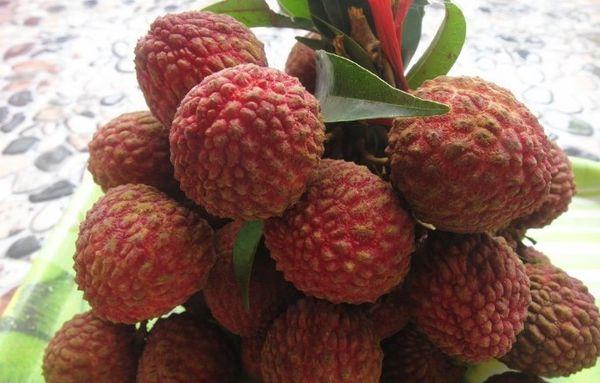
Zoned for the Far East, Siberia, and the Urals. This fast-growing plum tree produces abundant fruit, beginning to bear fruit in the third year after planting. It has a dense crown with increased branching. The ripe fruit has a sweet and sour flavor and a deep burgundy color. Frost resistance down to -50°C. C. Ripe fruits fall quickly after ripening. Strong immunity to infections. Drought-resistant. The variety seems to have no drawbacks. The main disadvantages: the need for regular crown care, the presence of pollinating neighbors.
Red ball
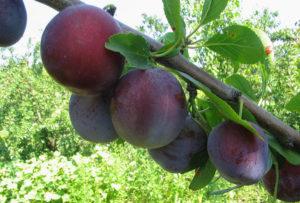
Developed by crossing the Russian plum Ussuriyskaya Krasnaya and the American Burbank variety, it forms a compact tree no more than 2 meters tall. The fruits are perfectly round, large, and a distinctive, vibrant red color. It has average immunity and is susceptible to fungal diseases.
Ripe fruits have a distinct aroma and delicious pulp that separates easily from the pit. They can withstand winter temperatures down to -40°C. WITH.
Alyonushka
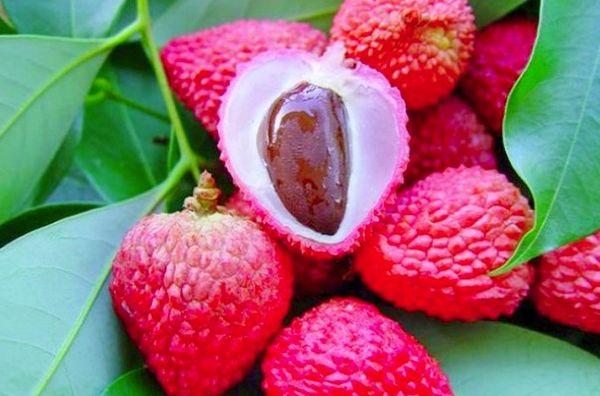
This variety is adapted to growing conditions in the Central Black Earth region. This large-fruited Chinese plum weighs up to 70 grams. The fruits are bright red, very sweet and aromatic, with a tasting score of 4.6. The plums have a long shelf life when fresh.
Winter hardiness is average; the tree's buds often freeze in the spring. Pollinator: Skoroplodnaya plum. It begins bearing fruit in the third year.
Superior
Another name for this variety is Japanese plum; when blooming, it resembles a sakura. It is highly productive, bearing fruit every year. It forms a compact, ornamental tree. The fruits are large, yellow-red, and resistant to shark disease. The fruit has a tasting score of 4.7. Frost and drought resistance are advantages of this variety. The tree is characterized by a slow growth rate.
Early-bearing
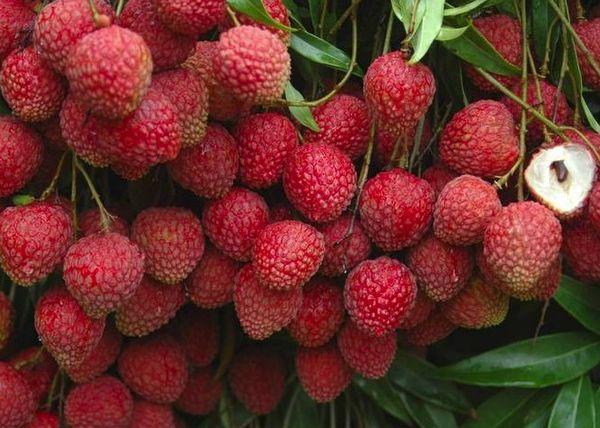
Often used as a pollinator, it was created by crossing the American Climax plum with the Chinese and Russian Ussuri plums. It is adapted to growing conditions in the Leningrad Region and the Urals. The tree is medium-sized and bears small fruits. The fruit is yellow-red in color and has a sweet and sour flavor. It is characterized by early maturity and frost resistance. It easily tolerates temperature fluctuations.
Souvenir of the East
Suitable for growing in temperate climates. Fruits weigh up to 40 grams, yellow-purple with a waxy coating. The flesh is juicy and crisp. Pollinated by the Giant plum. Average yield. Often susceptible to fungal diseases. Increased winter hardiness.
Santa Rosa
A dessert variety popular in the United States. Among Chinese plums, the tree is vigorous with a dense, spreading crown. It is partially self-fertile and highly productive. It is susceptible to fire blight and requires regular pruning to maintain proper crown formation. The fruits are purple-red, fragrant, and delicious. Winter hardiness and drought tolerance are average.
Lychee
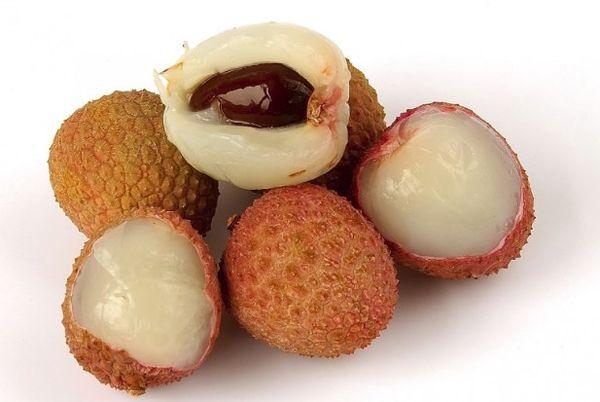
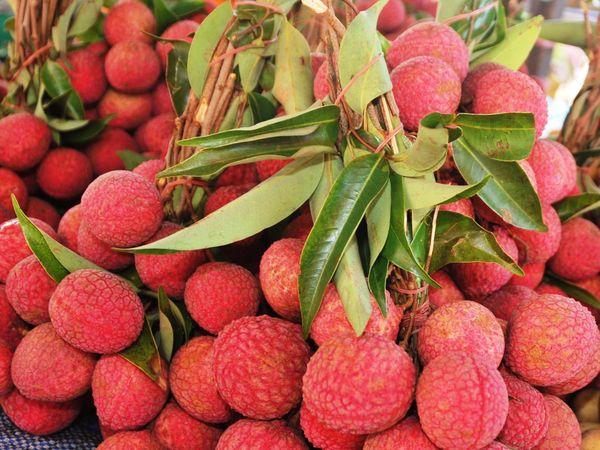
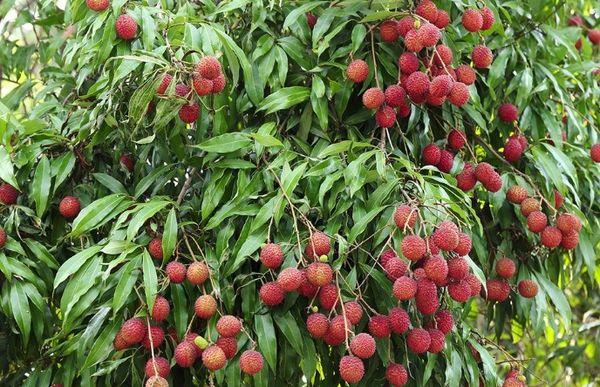
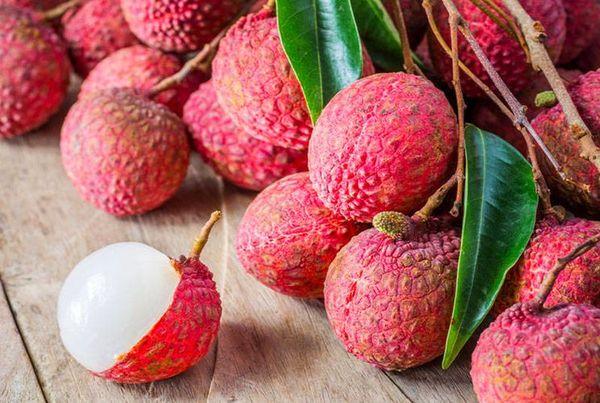
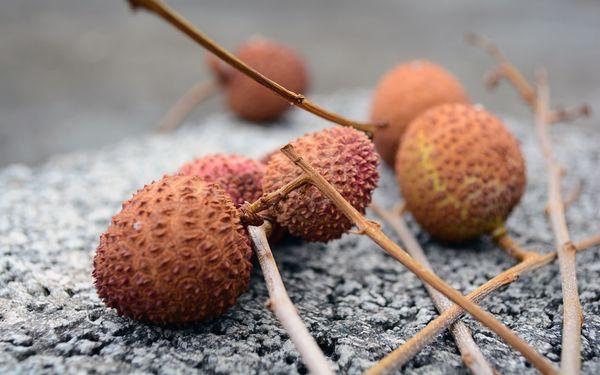
An evergreen tree. An exotic plant. Suitable for growing in tropical zones. It can reach a height of 30 meters. The fruits are tender, white, covered with a dense, "armored" skin with bumps. It does not tolerate frost or prolonged cold periods.
Related posts:
 Description of the 30 best plum varieties for the Moscow region, planting and care
 Description and characteristics of the Yakhontovaya plum variety, pollinators
 Description and characteristics of the 30 best yellow plum varieties, planting and care
 Description of the Renklod plum varieties and cultivation technology
 Description and distinctive features of the best varieties of Ussuri plum
 Description and varieties of plum variety Ternovka, planting and care technology
 Description and characteristics of the 27 best plum varieties for the Urals, planting and care
 Description of the beneficial and harmful properties of plums for human health, contraindications