
- History of Kabardinka breeding
- What is characteristic of culture?
- External parameters
- Productivity and annual growth
- Resistance to low temperatures and drought
- Immunity to diseases
- Pros and cons of plums
- When does the crop begin to bear fruit?
- Flowering and pollinating varieties
- Ripening time and harvest
- Tasting evaluation and scope of application of berries
- Planting Kabardinka in open ground
- Deadlines
- Preparing the hole and seedlings
- What to plant next to it
- Plum planting technology
- How to care for the variety
- Regularity of watering
- What and when to feed
- Caring for the tree trunk circle
- Crown shaping and pruning
- Preventive treatments
- Preparing the tree for winter
- Reproduction methods
- Gardeners' reviews of plums
The Kabardinka plum variety is known for its high yield. It is grown primarily in the south, as the tree is sensitive to drought and frost. The berries have excellent flavor and are suitable for processing and fresh consumption. This variety has been cultivated in Russia for over 50 years and can be found in commercial orchards and private plots.
History of Kabardinka breeding
The variety was developed at the North Caucasus Institute. It was obtained by accidental pollination of Anna Shpet's plum. Kabardinskaya Rannyaya was included in the state register in 1959, five years after its development. The tree is intended for cultivation in the North Caucasus and has an early ripening period.
What is characteristic of culture?
The character of a crop describes its resistance to frost and drought, the plant's appearance, yield and growth, and immunity to diseases and pests.
External parameters
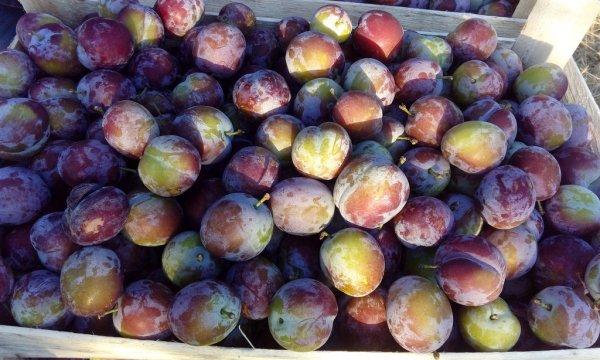
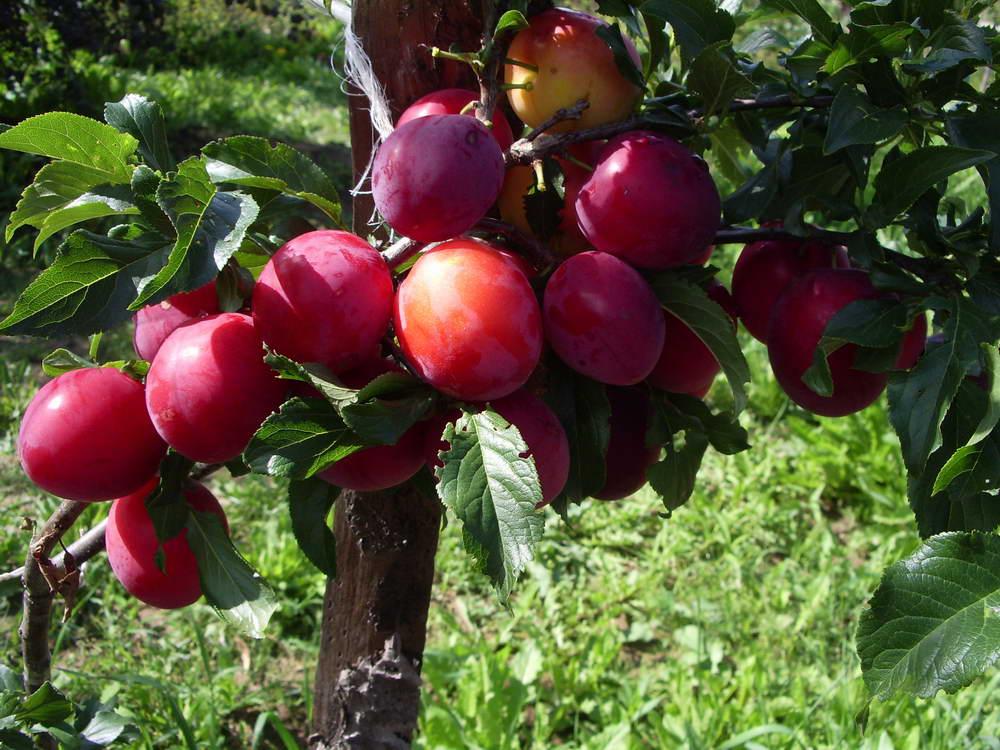
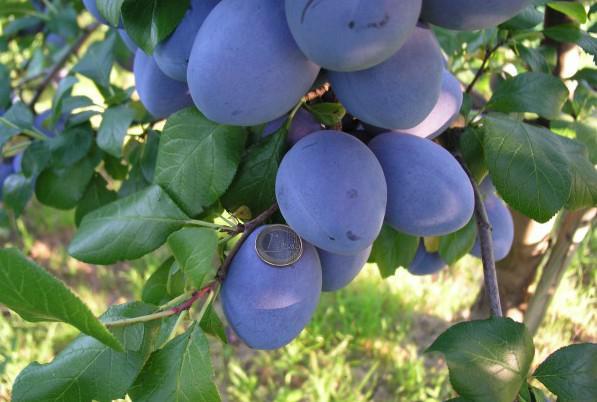
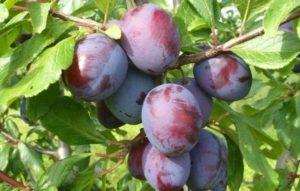
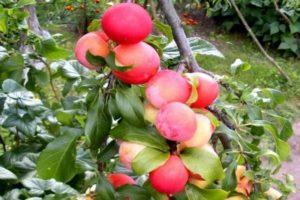
The Kabardinka plum reaches a height of up to 6 m, forming a dense, pyramidal crown. The branches are dense, and the trunk is covered with brown bark. The leaves are large, green, and elongated. The branching diameter is 3 m. The berries are purple, with a thin waxy coating, and the flesh is yellow. The average plum weight is 50 g.
Productivity and annual growth
From the beginning of fruiting, the plum tree produces an average of 100 kg of berries. This figure seems high. Biologists consider this yield to be average, given the tree's massive size.
Plum trees grow quickly, gaining 70 to 100 cm in height in one year. By the fourth or fifth year, they have formed a tall, massive tree that begins to bear fruit.
Resistance to low temperatures and drought
Kabardinka does not tolerate drought well. Due to a lack of moisture, the fruits lose their flavor and become smaller. To prevent this, it's important to carefully monitor watering and prevent the soil from drying out.
Plum trees have average frost resistance. They can tolerate temperatures no lower than -10°C. Lower temperatures have a detrimental effect on fruiting and plant development.
Important! This variety is suitable for cultivation in southern regions. In the north and central regions, Kabardinka will die because it cannot survive the winter.
Immunity to diseases
The tree has fairly strong disease resistance. It is not susceptible to the following diseases and pests:
- moniliosis;
- red spot;
- fruit stalk.
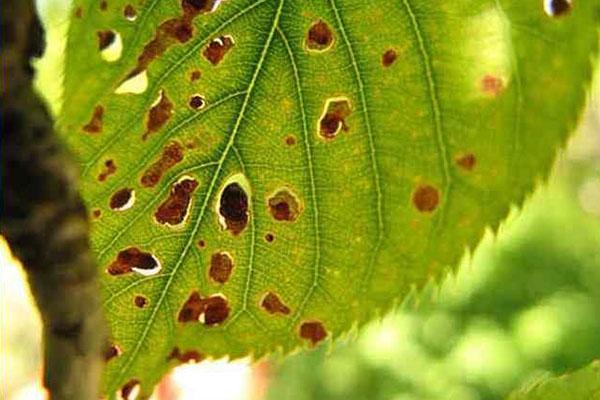
The plant may be susceptible to other diseases, which also impair plum development. These diseases are caused by improper care, high humidity, and failure to follow cultivation guidelines. Among the diseases that can occur are:
- powdery mildew;
- fruit rot;
- rust.
The most common plum pests are:
- aphid;
- piper;
- caterpillars.
Take a look Also
Important! To avoid damage, it is necessary to carry out timely preventative maintenance and treatment of the tree.
Pros and cons of plums
The Kabardinka variety has its own advantages and disadvantages. Among its positive qualities are:
- self-pollination;
- high yield;
- transportability;
- early ripening of plums;
- universal use of the harvest.
This variety is characterized by a number of disadvantages:
- low winter hardiness;
- drought intolerance;
- changes in the taste of plums during unfavorable weather conditions;
- spontaneous falling of ripe fruits;
- annual pruning.
When does the crop begin to bear fruit?
Fruiting begins in the third year after planting at 4-5 years of age. Not all flowers develop into ovaries. The first plum ovaries appear on the tree in early summer.
Flowering and pollinating varieties
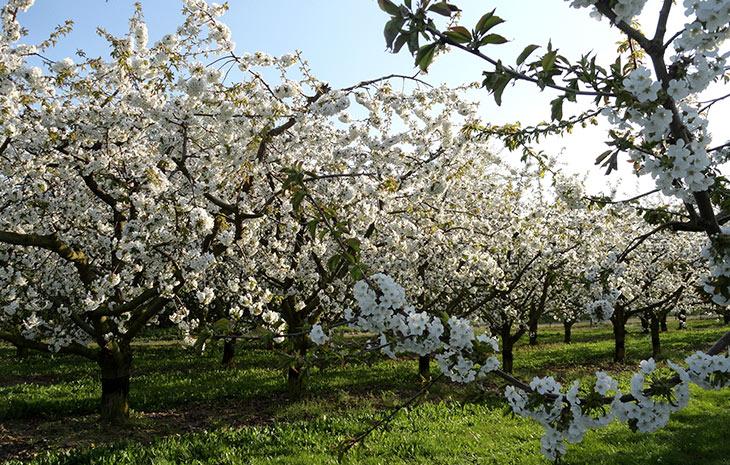
The early Kabardinka variety begins blooming in mid-April. This plum is completely self-fertile, a rarity among garden stone fruits. It does not require nearby pollinators. Not all flowers produce fruit.
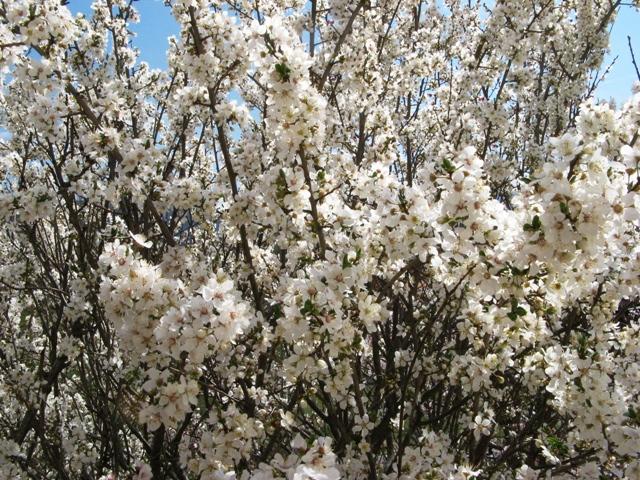
The tree produces large, white flowers, round in diameter. The corolla contains 5-7 petals, and the center, containing the stamens, is yellow. The flowering period is short, as this is an early variety. Ovaries begin to form within 7-10 days.
Important! Having trees with similar flowering periods nearby increases yield.
Ripening time and harvest
Kabardinka plums are most often grown in the south. There, they ripen by mid-July. After ripening, the plum begins to shed its fruit. This significantly reduces its shelf life. Therefore, gardeners have come up with various devices to protect them from impacts. The following designs are used:
- A net is draped over the tree's crown and tied to the trunk. The net should have large, breathable holes; this also serves as protection from birds.
- A thick layer of soft material is placed under the tree. This method softens the impact of a fall.
- A net is installed under the plum tree's crown, 50 cm above the ground. If the plant is awkwardly positioned, there will be no way to tie the net to it.
Tasting evaluation and scope of application of berries
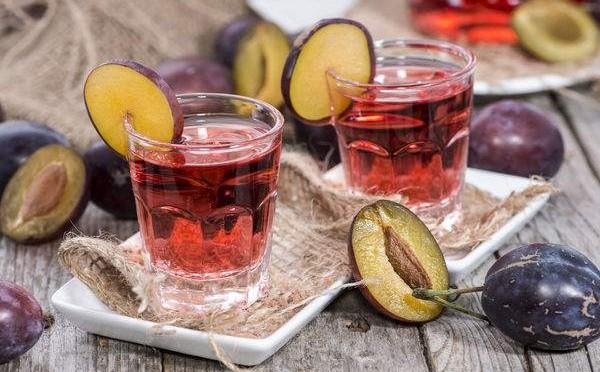
The highest taste rating from tasters is 5. The Kabardinka plum has a rating of 4.8, which is high for this variety. The flesh is juicy, sweet, and yellow. It has a sweet, tart flavor. This variety is versatile. It is grown in the south for commercial purposes and in private gardens. The berries are used to prepare:
- compotes;
- prunes;
- canning;
- jam;
- jam;
- juices;
- homemade wine.
Planting Kabardinka in open ground
For good development and growth of plum, it is necessary to plant a young seedling, observing the technical rules.
Deadlines
For early plum varieties, it's recommended to plant them in early spring. They will strengthen over the summer and easily survive the winter. If planted in the fall, there's a risk of frost damage. However, this isn't impossible. If properly protected for the winter, the seedling will survive the frosts and be strong for the new season.
Important! If you purchase a seedling in the fall, planting can be postponed until spring. To do this, cover the young tree with soil and leave it in a greenhouse.
Preparing the hole and seedlings
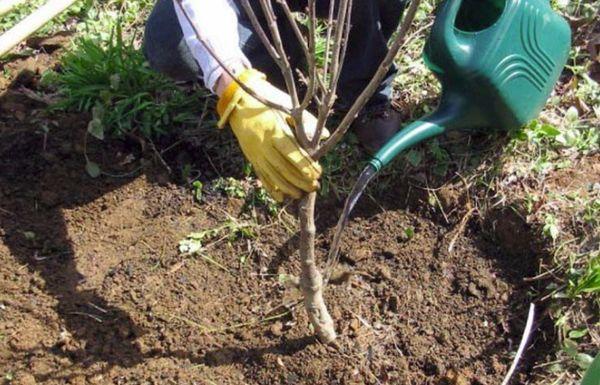
Before planting, prepare the planting hole and seedling. If planting in spring, prepare the site in autumn. If planting in autumn, prepare the site two weeks before transplanting. To do this, perform the following steps:
- Choose a well-lit place, without drafts and shade from neighboring trees.
- Dig a hole about 1 m deep and in diameter.
- The excavated soil is mixed with humus, phosphorite, potassium salt and nitrogen fertilizer.
- Half of the mixture is used to fill the hole back in.
- Leave until spring or for 2 weeks.
The seedling is soaked in water for 24 hours before planting. Its roots should not be left without moisture, as this could cause the young tree to die.
What to plant next to it
It's best not to plant anything within a 3-meter diameter near the Kabardinka tree. This will make it easier to collect fallen fruit and avoid shading the branches. The following should be planted nearby:
- other varieties of plum;
- cherries;
- apple trees;
- pear;
- cherries;
- shrubs.
Plum planting technology
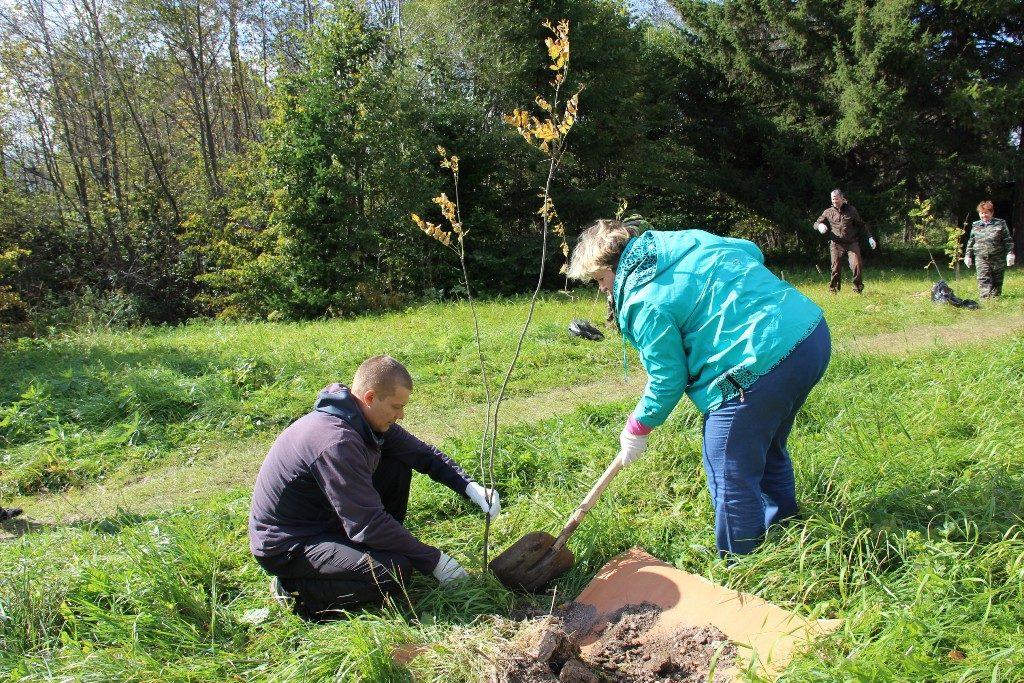
The seedling is transferred to open ground following a specific technology:
- They drive a wooden stake into a hole 1.5 m high.
- Pour 3 buckets of water and wait until it is completely absorbed.
- Place the seedling in the hole.
- Straighten the roots.
- Sprinkle with earth, compacting each layer.
- Form a tree trunk circle 8–10 cm deep.
- Mulch the trunk area with straw, cut grass or sawdust.
- The plum tree is tied to a stake to prevent branches from breaking in strong winds.

How to care for the variety
To achieve a bountiful and abundant harvest, it's important to follow proper care. This includes watering, fertilizing, maintaining the trunk area, shaping the crown, and performing sanitary pruning.
Regularity of watering
This variety doesn't tolerate drought well. A lack of moisture adversely affects the ripening and quality of the plums. The soil around the trunk should be moistened to a depth of 40 cm. Water as the soil dries out. There are also three mandatory waterings per season:
- before the buds begin to form;
- during the period of fruit setting and flowering;
- after harvesting for the winter.
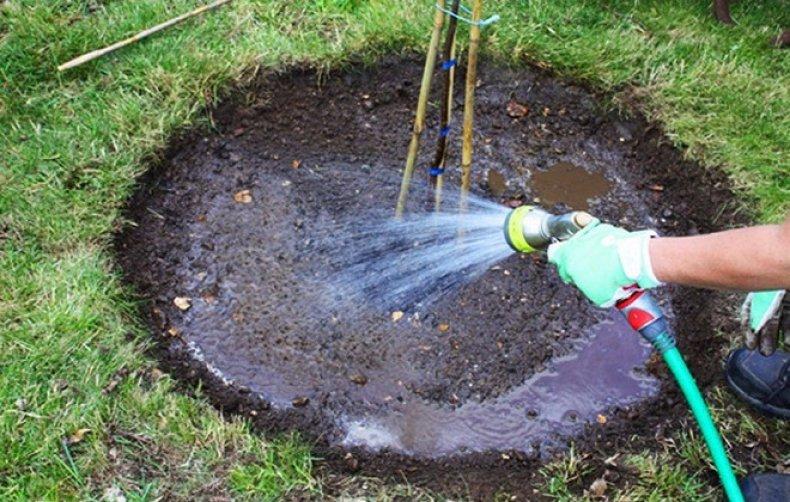
Between mandatory waterings, monitor the soil for dryness. Apply 6-8 buckets of water per tree after fruiting begins. If the plum tree is young, use 4-6 buckets of water.
Important! Increase watering during dry weather, and reduce it during frequent rainfall.
What and when to feed
For the first 2-3 years, plum trees benefit from fertilizers applied at planting. Then, in the spring, mineral fertilizers containing nitrogen, phosphorus, and potassium are used. Urea and copper sulfate are also added. Every 2 years, organic matter is added to the area around the trunk:
- overripe manure;
- compost;
- chicken manure;
- wood ash.

Chlorine-free fertilizers are used for plums, as chlorine slows the plant's development and growth.
Caring for the tree trunk circle
Proper care of the trunk area guarantees a bountiful plum harvest. Mulching with straw, sawdust, cut grass, and moss is recommended. This helps retain moisture and nutrients at the tree's roots.
Weeds and root shoots are also removed as they grow. At the same time, the soil is loosened to increase air circulation.
Crown shaping and pruning
Crown formation begins in the first year after planting. Layered branching is a popular type for Kabardinka. Several factors should be considered when pruning:
- In the first year, 3 skeletal branches and one central branch are selected and shortened by 1/3.
- The following year, select five skeletal shoots and prune them by 1/4. The central shoot remains 15–20 cm longer. This forms the first tier.
- In the 3rd and 4th years, 2 more tiers are formed.
- The lower the tier, the wider it is.
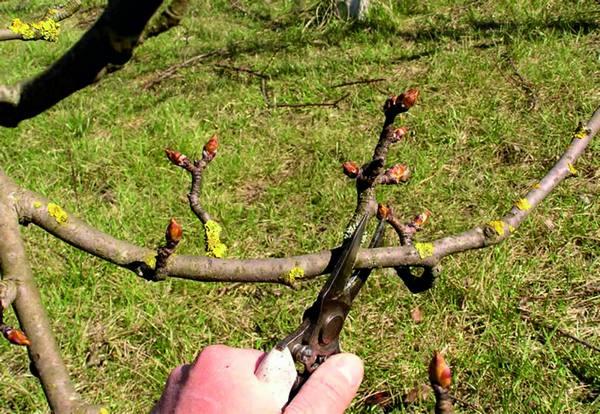
After the crown has formed, its shape is monitored annually, and broken, damaged, and diseased branches are removed.
Preventive treatments
To prevent diseases and pests, spray with antifungal agents and insecticides. In the spring, sprinkle the trunk with copper sulfate. Treat the leaves with Bordeaux mixture. Any insecticide designed for garden trees can also be used. This procedure is repeated 2-3 times per season.
Important! The first treatment should be done before bud break, and the last 20 days before harvest.
Preparing the tree for winter
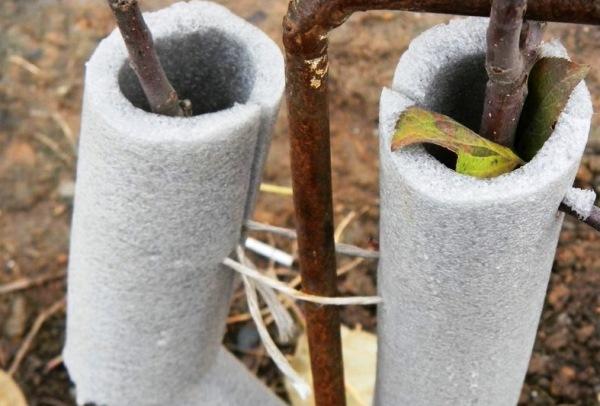
Young seedlings tolerate frost less well than mature trees. To prevent winter damage, use:
- winter watering;
- mulching the tree trunk circle;
- painting the trunk with whitewash, up to the first branch;
- covering a young tree with breathable material.
Reproduction methods
There are several methods for propagating plum trees. These include:
- Stone. The drupe is separated from the fruit. It is soaked in water for two days, dried, the seed is extracted, and planted.
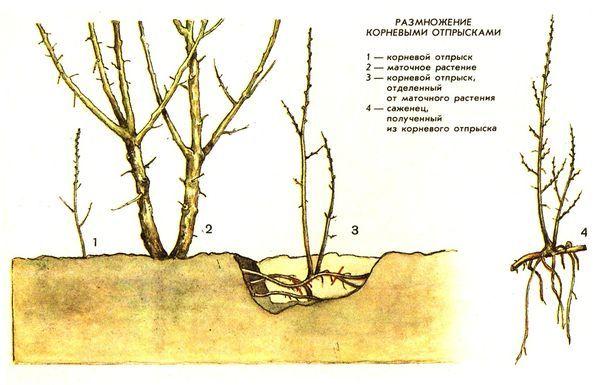
- Root suckers. Young seedlings are carefully removed from the mother tree and transplanted to a new location.
- Grafting. A scion is formed on the mother tree using the budding method.
- Cuttings. Branches 0.5 mm in diameter and 15-20 cm long are soaked in water for 24 hours. They are then transplanted into soil and covered with a transparent, thick material, creating a greenhouse effect. After rooting, they are transplanted to a permanent location.
Gardeners' reviews of plums
Dmitry 56 years old, Krasnodar
We've been growing the Kabardinka plum variety for eight years now. We have three trees on our plot. It has thrived in our region. Fruiting begins early, in early June. We harvest in July. The plums are large and delicious. We process some of the harvest into prunes and compotes.
Egor 35 years old, Astrakhan
There's one Kabardinka plum tree on the property. I don't know its exact age, as I bought the property with an existing orchard. I don't really like the variety. It's a very large tree, takes up a lot of space, and the fruit falls off easily and doesn't keep well. I'm going to get rid of it.
Inna, 43 years old, Sochi
The Kabardinka plum variety has been growing on our plot for 10 years now. I wouldn't say it's my favorite variety. The tree produces a lot of fruit. It's best to process them right away, as they fall to the ground and don't keep for long. There's enough for eating and sharing with the neighbors. We process most of the berries into compotes. prunes and jam.
Related posts:
 Description and characteristics of the Yakhontovaya plum variety, pollinators
 Description and characteristics of the 30 best yellow plum varieties, planting and care
 Description of the Renklod plum varieties and cultivation technology
 Description and characteristics of the 27 best plum varieties for the Urals, planting and care
 Description of the Volga Beauty plum variety, planting and care
 Description and varieties of plum variety Ternovka, planting and care technology
 Description and distinctive features of the best varieties of Ussuri plum
 Description of the 30 best plum varieties for the Moscow region, planting and care