
- A little about the history of the General's plum breeding
- Pros and cons of fruit crops
- What is characteristic of culture?
- Size and annual growth
- Fruiting
- Flowering and pollinators
- Ripening time and harvest
- Yield per tree
- Tasting evaluation and scope of application of fruits
- Susceptibility to diseases and parasites
- Frost and drought resistance
- How to plant a tree on a plot
- Required soil composition
- Selecting and preparing a site
- Dimensions and depth of the planting hole
- Timing and rules for planting fruit crops
- Organization of care
- Watering
- Feeding scheme
- Crown pruning
- Loosening and mulching the tree trunk circle
- Seasonal treatments
- Preparing for winter
- Methods of reproduction
- Gardeners' reviews of the Generalskaya variety
The Generalskaya plum variety was bred specifically for growth in cool and frosty climates. It easily tolerates the climatic conditions of the Ural and Siberian regions. It is characterized by strong immunity to most diseases and pests that affect other crops. Generalskaya plum has the ability to store moisture in its root system, helping it survive dry seasons.
A little about the history of the General's plum breeding
This variety was developed in 1950 by breeders from Siberia and the Far East. The main criterion for this cultivar was its ability to tolerate low temperatures. After extensive testing, it was added to the state register and recommended for cultivation in the Ural and Siberian regions. As a result, other varieties began to be developed from the Generalskaya plum, and today there are over 50 hybrid cultivars.
Pros and cons of fruit crops
General's plum has the following positive properties:
- high level of resistance to cold climate conditions;
- early onset of fruiting;
- a large amount of harvest from one tree;
- ease of care;
- taste and appearance of fruits;
- immunity to some diseases and pests that affect other crops.
This plum variety also has some disadvantages, among which the following should be highlighted:
- reduction of fruits and their uneven growth with too dense a crown;
- the possibility of root rot due to excessive moisture in the soil.
What is characteristic of culture?
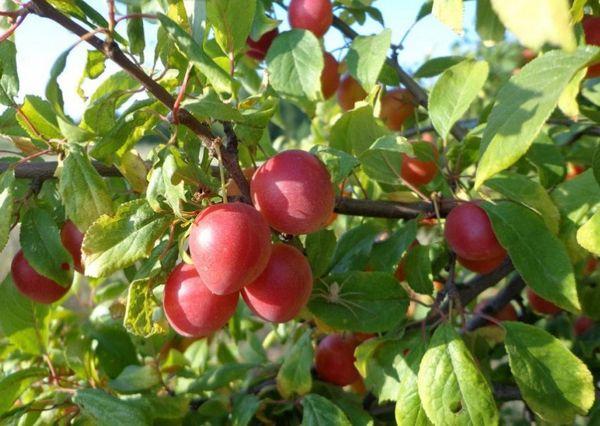
A characteristic feature of the Generalskaya pear variety is its tolerance of frost and moderate resistance to dry periods. The plant has enhanced immunity and is resistant to most diseases and pests that affect other crops. To ensure fruit set, additional pollinators are needed, which coincide with the flowering period of the Generalskaya plum.
Size and annual growth
The tree is considered low-growing. The maximum height the Generalskaya plum can reach is 2 meters. Most gardeners consider it more of a shrub than a tree.
In one season, the plant grows by 20-40 centimeters – this figure can vary depending on weather conditions, the quality of care for the crop, and the frequency of fertilizing.
Fruiting
The variety bears fruit relatively early: the first fruits begin to appear 4-5 years after the tree is planted.
The yield for this type of plant is high and can reach 30-40 kilograms in one season.
Flowering and pollinators
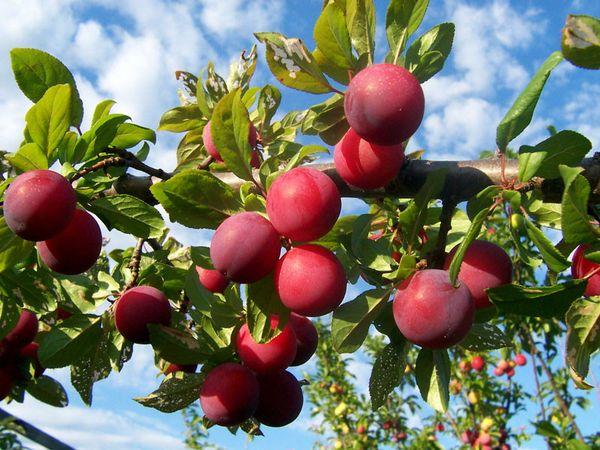
The variety begins to bloom in mid-spring. Additional plants are needed for pollination. For this purpose, it's best to select plum trees with a similar blooming period. Otherwise, pollination will not occur. For this purpose, planting the Red Ural plum next to the Generalskaya plum is sufficient.
Ripening time and harvest
The fruit ripens slowly, finishing in the first half of September or late August. The harvest should be collected quickly, as the fruit begins to fall off over time.
Yield per tree
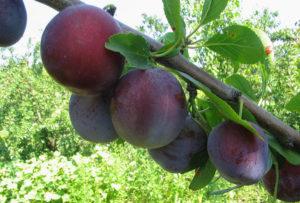
This variety has a high yield: 30 to 50 kilograms of fruit can be harvested from a tree in a single season. This yield can vary depending on the weather and how carefully the plant is cared for. The plum is medium-sized and weighs up to 40 grams.
Tasting evaluation and scope of application of fruits
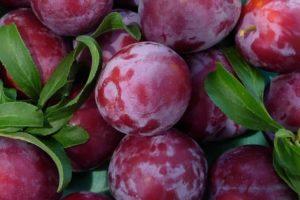
Taste testers rate the General's plum's flavor at 4.6 out of 5. The fruits have a moderate sweetness and a characteristic tart aftertaste. The plum's flesh is juicy and fairly firm. This makes it suitable for long-distance transportation and storage for several weeks without spoiling.
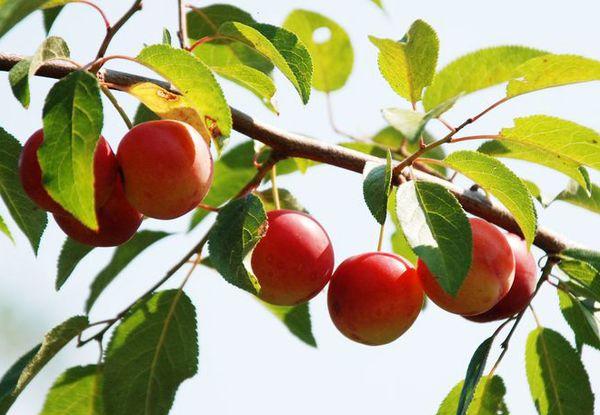
Plums of this variety are used to make confectionery, compotes, jams, prunes, eaten raw, and put up for sale.
Susceptibility to diseases and parasites
The General'sky plum variety rarely gets sick and has increased immunity to most diseases and pests that affect other crops. For preventative measures, periodic fungicide treatments should be applied to the plant. These sprays will protect the tree from the following diseases:
- gray rot;
- spotting;
- rust;
- cytosporosis.
Frost and drought resistance
This variety is suitable for growing in severe frosts. It easily tolerates temperatures down to -40°C without any prior preparation. Some experts believe the tree can even withstand temperatures as low as -50°C. This characteristic allows the plant to easily cope with drought. The root system absorbs excess moisture, which can be used when water is scarce.
How to plant a tree on a plot
To plant, you should first select a suitable site, a healthy cutting, and prepare the land for planting.
Required soil composition
The General's plum is undemanding regarding soil composition, but excessive acidity should be avoided. For best growth, groundwater should be present at a depth of 1.5-2 meters.
Selecting and preparing a site
When choosing a seedling, pay attention to its overall condition. It should be free of damage, signs of rot, dried branches, and weak or underdeveloped roots.
Before planting, the land should be cleared of other crops and weeds that may interfere with the growth of the plum tree.
Dimensions and depth of the planting hole
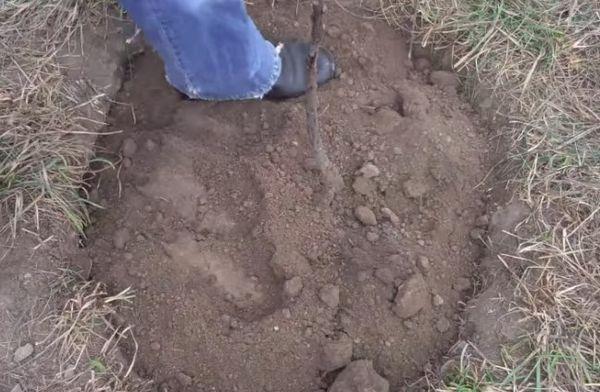
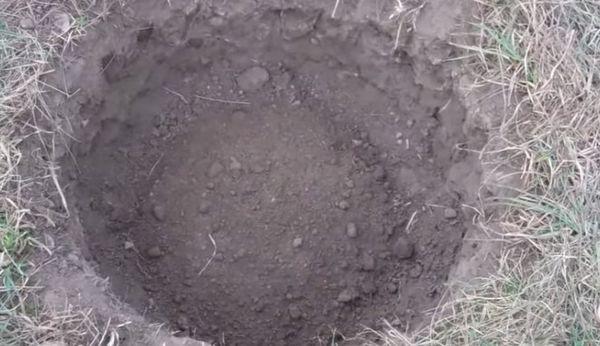
To plant the crop, dig a hole 80 centimeters deep and wide. Remove any fertile soil from the surface, and fertilize the hole with mineral fertilizer.
Timing and rules for planting fruit crops
It's best to plant in the fall, a month before winter sets in, to allow the cuttings time to adapt to the new conditions. When planting, follow these steps:
- Place a support pole in the hole so that it is 50-60 centimeters above the ground surface.
- Add some fertile soil and humus to the hole.
- Place the cutting in the hole and straighten the roots.
- Fill the hole with the remaining soil.
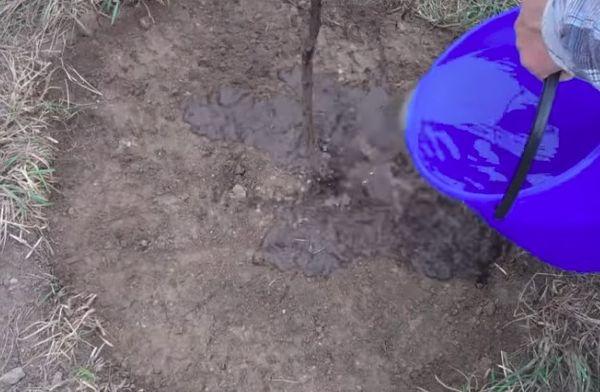
- Compact it and water the plant with warm water.
- Tie the sprout to a stick.
Organization of care
The plant requires proper and timely care, only then will it grow healthy and produce a large harvest.
Watering
This variety thrives on adequate moisture, so it should be watered 2-3 times a week with 10-20 liters of water. In dry climates, it can be watered daily.
Feeding scheme
Fertilizing begins only after the crop has been growing for three years. Fertilizing is best done in the first half of spring and late fall.
In the early stages, organic matter, such as a solution of bird or cow manure, can be added to the soil. Later, it's best to replace the fertilizer with nitrogen-rich ones.
Crown pruning
Periodic crown pruning is necessary to remove dried, damaged, and diseased branches. Root suckers should also be removed, as they slow and reduce fruiting.
Loosening and mulching the tree trunk circle
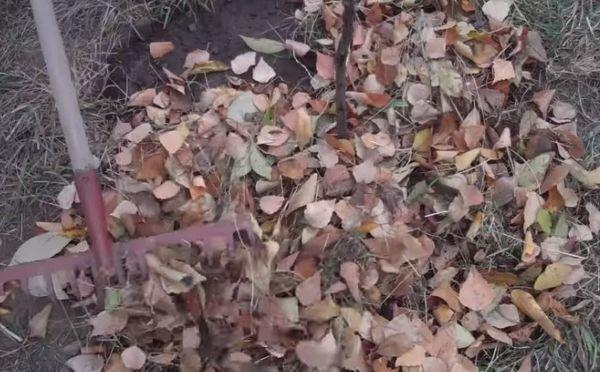
Mulching is used when various plants and weeds appear in the area where the plum tree grows, which will interfere with its growth. Loosening the soil should be done every time after watering the plant.
Seasonal treatments
To prevent various diseases and pests, treatment should be carried out three times a year. Fungicides or a solution of copper sulfate and urea can be used for this purpose. Treatment periods:
- beginning of March;
- April;
- end of May.
Preparing for winter
Before the onset of winter, the following procedures should be carried out:
- covering branches (for young trees) or wrapping the trunk;
- treatment of the root trunk with moss;
- preventative pollination against diseases and pests;
- crown formation;
- top dressing.
Methods of reproduction
Some gardeners prefer to propagate General's plum by grafting, but most people propagate by cuttings. This involves cutting a healthy shoot, growing it in a prepared container, and, once the root system is fully formed, transplanting it into open ground.
Gardeners' reviews of the Generalskaya variety
Alexander, 38 years old, Moscow.
"I grow the Generalskaya plum at my dacha. It's perfect for those who don't spend all their time in the garden and can cope with frost, drought, and even ripening on their own."
Angela, 31 years old, Ural.
"I love this variety, and it's simply irreplaceable in the Ural climate. It withstands severe frosts and produces a large harvest for such a compact tree."
Related posts:
 Description and characteristics of the Yakhontovaya plum variety, pollinators
 Description of the Renklod plum varieties and cultivation technology
 Description and characteristics of the 30 best yellow plum varieties, planting and care
 Description and varieties of plum variety Ternovka, planting and care technology
 Description and distinctive features of the best varieties of Ussuri plum
 Description and characteristics of the 27 best plum varieties for the Urals, planting and care
 Description of the beneficial and harmful properties of plums for human health, contraindications
 Description of the Volga Beauty plum variety, planting and care