
- Features of the Renklod culture
- Natural habitat
- Tree and root system dimensions
- Pollinating varieties and flowering
- Fruiting and application of fruits
- Frost and drought resistance
- Susceptibility to diseases and pests
- Methods of reproduction
- Seminal
- By vaccination
- Root shoots and cuttings
- Pros and cons of the variety
- Varieties and description
- Shcherbinsky
- Tenkovsky (Tatar)
- Tambovsky
- Soviet or blue
- Pink
- Reform
- Early
- Presidential
- Opal
- Michurinsky
- Leah
- Kursakova
- Kuibyshevsky
- Red
- collective farm
- Karbysheva
- Green
- Yellow
- Yenikeeva
- Beauvais
- White
- Altana
- Ulena
- Kharitonova
- Planting seedlings on the site
- Care nuances
- Watering
- Plum pruning
- Top dressing
- Crown formation
- Preparing for winter
Plums are found in almost every garden. They are a healthy and tasty fruit, rich in vitamins. The Renclode plum comes in many varieties and is part of the common plum family. This variety is grown for home use and market sales due to its beautiful, round fruits.
Features of the Renklod culture
The Renclode variety originates in France. The first mentions of this variety date back to the 16th century. It was created by crossing cherry plum and wild blackthorn.
Natural habitat
This variety grows in various regions. There are hybrids that grow only in southern regions. There are also frost-hardy varieties that tolerate the Siberian climate well. The climate of the southern and central regions is considered the most favorable for Renclode.
Tree and root system dimensions
The tree is tall, reaching up to 7 meters in height. The crown is rounded and moderately dense. The bark on young branches is initially reddish-brown, gradually turning gray. The root system is robust, with a trunk circle of approximately 1.5 meters.
Pollinating varieties and flowering
The Renklod variety is self-sterile; other plum varieties must be planted nearby for pollination. Pollinators can be any variety that blooms at the same time as the Renklod. The blooming period occurs in the last ten days of May.

Fruiting and application of fruits
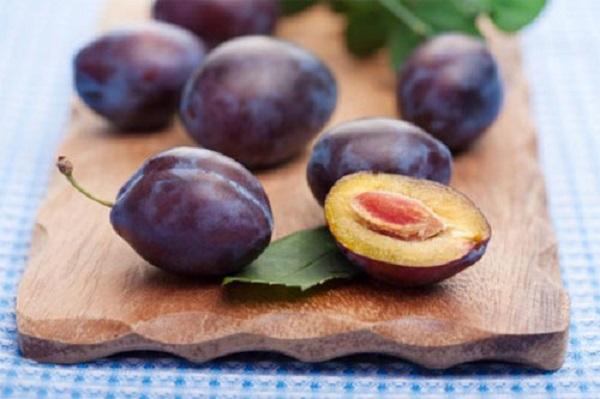
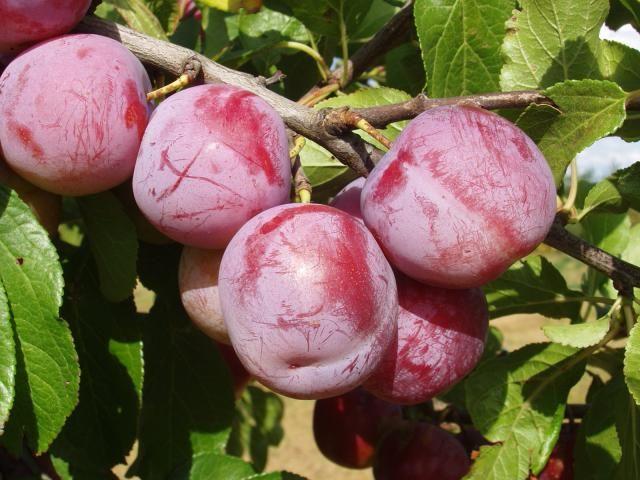
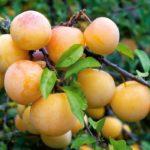
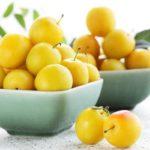
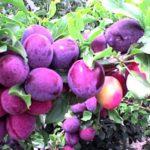
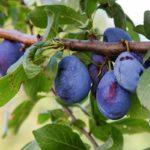
The benefits and harms of ripe plums The plums' richness is determined by the vitamins and microelements found in their flesh. They are rounded and pointed at the tip. The skin is thin, and the ripe flesh is sweet, literally melting in the mouth. The skin is completely covered with a thin waxy coating that is easily rubbed off. Depending on the variety, plums can range in size from 15 to 35 g. The skin color also varies: green, burgundy, blue, and yellow.
Ripe plums are used to make compotes, jams, and baked goods. But plums are best eaten fresh; they are very sweet, unlike many varieties.
Frost and drought resistance
Frost resistance is average. It's best to prepare the tree's trunk area for winter. Drought tolerance is average; the tree tolerates short periods of heat without watering well, but it's best to avoid allowing the soil to dry out too much. Prolonged drought can cause small fruit.
Susceptibility to diseases and pests
The variety is resistant to fungal diseases of fruit crops. The trees also have good insect resistance. However, with improper care or lack of care, immunity to diseases and insects decreases.
Methods of reproduction
The easiest way to propagate is by seedlings. Renclode can also be grown from seeds, cuttings, and root suckers.
Seminal
This method of plum propagation is the most time-consuming and labor-intensive. Seeds are collected from the largest fruits, then washed and stored in a refrigerator or basement. They must undergo stratification. In the spring, the seeds are planted in the ground. Once the seedlings have grown a little, they can be planted outdoors. For winter, the seedlings are covered to protect them from freezing. Plum trees can be grown this way for several years before the tree begins to bloom.
By vaccination
Another method of propagation is grafting. Grafting is done in the spring. Cuttings for the procedure are prepared in the fall. They are stored in the basement until spring.
In the spring, make a cut in the rootstock with a sharp knife. The lower part of the scion is cut off at an angle. All lower branches of the rootstock are trimmed. The scion is inserted into the cut in the rootstock and secured with elastic tape. If any open areas remain, they are coated with garden pitch to prevent infection.
Root shoots and cuttings
Root suckers are pruned from the most productive varieties. It's important to avoid the suckers growing close to the tree, as they will produce little fruit. The suckers are dug up and cut back to a distance of 15 cm from the tree. The cut areas are coated with garden pitch. Root suckers are planted in the same way as a seedling.
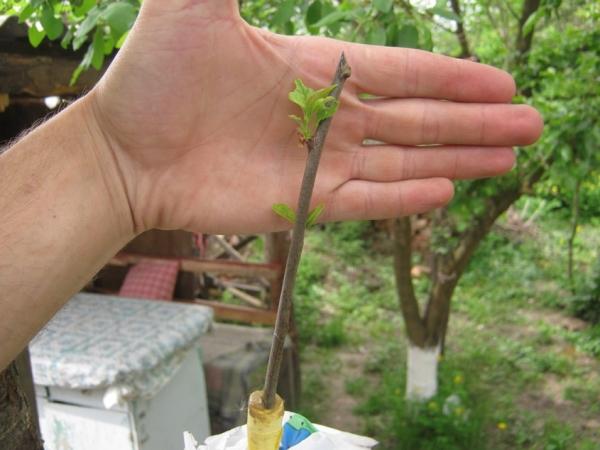
Another method is cuttings. Green cuttings are best. They are taken on a cloudy day. The best time to harvest is July, when the lower part of the cutting begins to turn red. The cuttings are cut to lengths of 20-30 cm. The lower part of the cutting is cut at an acute angle, leaving a straight cut at the top. The cutting should have 3-4 leaves. The prepared cutting is dipped in a growth activator for 16 hours.
The cuttings are planted in the soil, not too deeply, and covered with plastic film. The film is removed regularly to water the soil and wipe away condensation. In the fall, the bed containing the cuttings is mulched.
Pros and cons of the variety
Advantages of growing the Renklod plum variety:
- Taste qualities of ripe plums.
- Immunity to most diseases and pests.
- Rapid fruiting after planting - in the 4th year.
- The tree is undemanding to soil composition.
- Good yield and abundant fruiting.
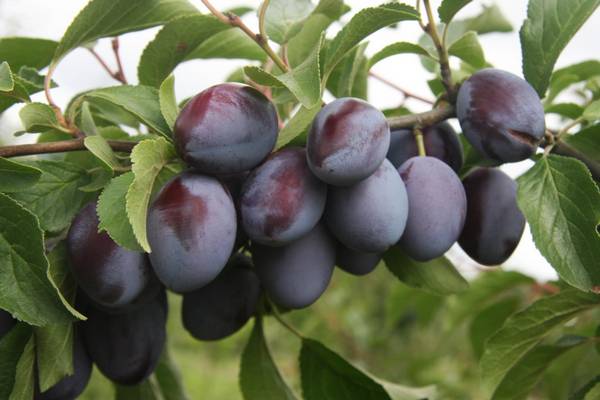
The variety's drawbacks include average frost and drought tolerance. Overripe plums immediately fall from the tree and rot. The tree's branches are very fragile and can break under the weight of the fruit, strong winds, and heavy snowfall.
Varieties and description
The Renklod plum variety has a large number of varieties. The main differences between the hybrids relate to the fruit's characteristics and taste.
Shcherbinsky
This variety of plum, Renclode, is self-fertile, so planting nearby pollinators is not necessary. The fruits are a rich purple hue, and the yield is high, with a tree yielding up to 18 kg.
Tenkovsky (Tatar)
This variety is characterized by moderate frost and disease resistance. The tree is medium-sized, reaching a height of no more than 3 meters. It begins bearing fruit in the third year after planting.

Tambovsky
One of the Renclode varieties, it tolerates frost well, so it is grown in the central part of the country. Ripe plums are small, weighing up to 25 g. The skin is purple, and the fruit is oval-shaped. It is self-sterile. A single tree can yield up to 15 kg of fruit.
Soviet or blue
After planting, it begins bearing fruit in the third year. The yield is high, with a young tree yielding 15-20 kg, and a mature tree up to 45 kg. This variety's advantage is its resistance to severe frosts. The tree reaches 3 m in height, with a moderately dense crown that requires no thinning.
Pink
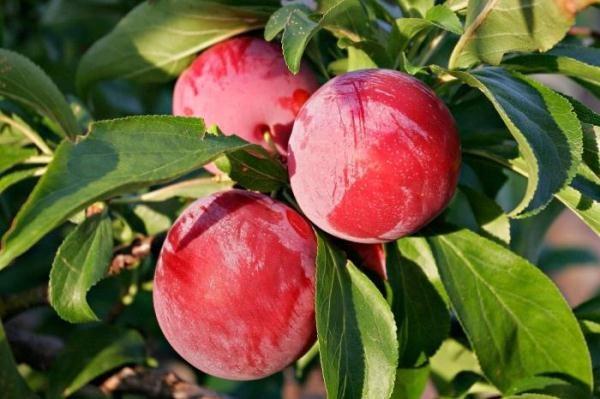
This hybrid has an unusual orange-crimson skin tone. The plums are medium-sized, weighing up to 30 g. The shape is round, with a barely visible lateral seam. The harvest ripens around August, and begins bearing fruit in the third year after planting.
Reform
This hybrid is heat-loving and does not tolerate severe frosts well. The skin is light yellow, and the plums weigh 20-30 g. The yield is low, with no more than 7 kg of plums per tree. The tree is tall, about 6 m.
Early
This hybrid was developed in Ukraine. It bears fruit early, with ripe plums harvested in July. It has good frost and drought resistance. The tree has a spreading crown, branches grow quickly, and requires frequent pruning. The plums are large, weighing up to 55 g. The skin is light yellow.
Presidential
A medium-sized tree, about 4 meters tall. The harvest ripens late, closer to autumn. The plums are large, averaging 40-55 grams in weight. Ripe fruits are a rich purple hue. The yield increases each year. The flesh of ripe plums is sweet and juicy. The only drawback of this variety is its weak resistance to disease.
Opal
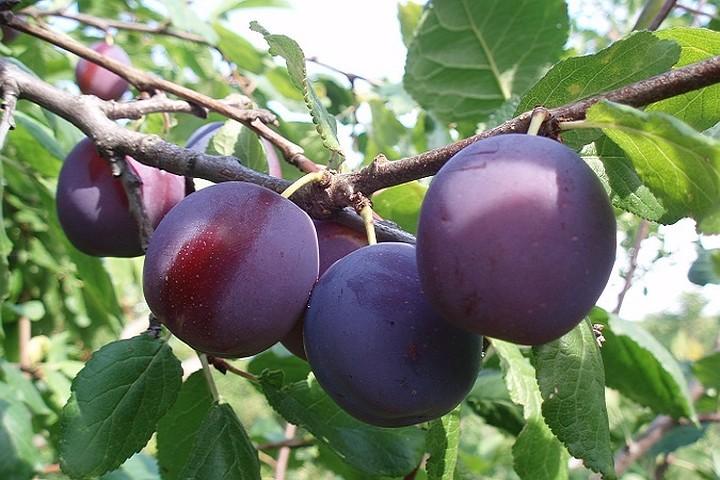
The tree is medium-sized, reaching a height of up to 3 m. The crown is rounded. Harvesting begins 3-4 years after planting. Flowering occurs in May, and the variety is partially self-fertile. Ripe plums are oval-shaped and purple. The flesh is sweet.
Michurinsky
One of the youngest varieties of Renklod, it was bred at the beginning of this century. The plums ripen in September, weighing 20 to 35 g. They have a round shape and are resistant to frost and drought.
Leah
Suitable for growing in the south. The plums are small, weighing up to 20 g, and are yellow in color. The harvest ripens towards the end of August. The harvested fruit has a long shelf life, remaining fresh for up to one month.

Kursakova
This plum variety has a purple-violet tint to its skin. It is sterile and requires the presence of pollinating trees for successful fruiting. Ripe fruits are sweet and juicy.
Kuibyshevsky
This variety was bred specifically for cultivation in northern latitudes. The tree is tall, reaching up to 6 m in height. The crown is robust and branched. The plums are greenish-yellow, weighing 20-25 g. Ripe plums fall quickly from the plant, so they should be picked as quickly as possible.
Red
Early flowering, with inflorescences opening in May. This plum tree has a wide, spreading crown. The fruits are a rich wine color and ripen by mid-August. The plums are elongated, small, weighing 15-20 g. It is partially self-fertile.
collective farm
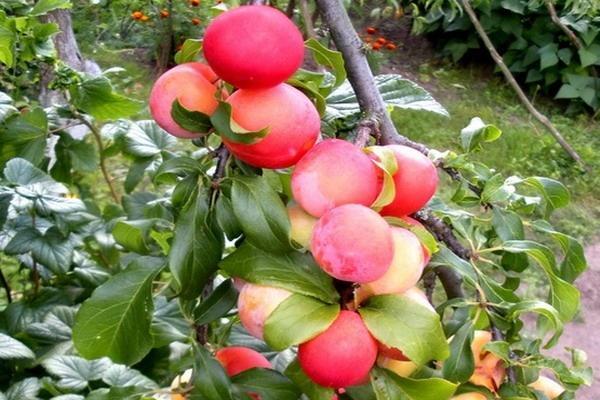
Its frost resistance makes it suitable for growing in northern and central latitudes. The plant reaches 3 meters in height. The harvest ripens in the second ten days of August. The fruits are yellow-green in color and medium-sized. Their shape is oval. A drawback of this hybrid is its lack of immunity to diseases. The tree is often susceptible to disease if preventative treatments are not taken.
Karbysheva
The hybrid originates from Ukraine and was developed in the mid-20th century. Its characteristic feature is rapid growth after planting. Frequent pruning is required for normal growth. The variety prefers warm climates, so it is grown primarily in the south. The first harvest produces large fruits, weighing up to 50 g. Gradually, the fruit weight decreases to 35 g. The skin is purple, and the flesh is orange. The plums taste sweet and juicy.
Green
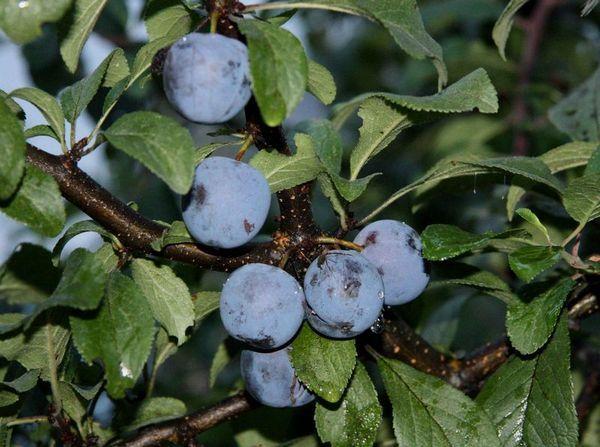
This variety is considered the very first, and thanks to it, other varieties of the Renklod plum were developed. It can be grown in any climate and is undemanding regarding soil composition. It does not tolerate excessive moisture. The plant is tall, reaching a height of 7 m. The crown is branched and spreading. For normal growth, the plant requires space. It begins bearing fruit late, five years after planting. The harvest ripens by August. As the tree grows, the plum weight increases from 25 to 50 g. The fruit is light yellow.
Yellow
The harvest begins to ripen closer to autumn. The plums are small and round. The skin is thick, making the fruit suitable for long-distance transport for sale. The flesh is a rich orange hue and sweet.
Yenikeeva
The tree is compact, suitable for small spaces. The fruits are purple in color and weigh up to 30 g. It is self-fertile and resistant to disease and drought.
Beauvais
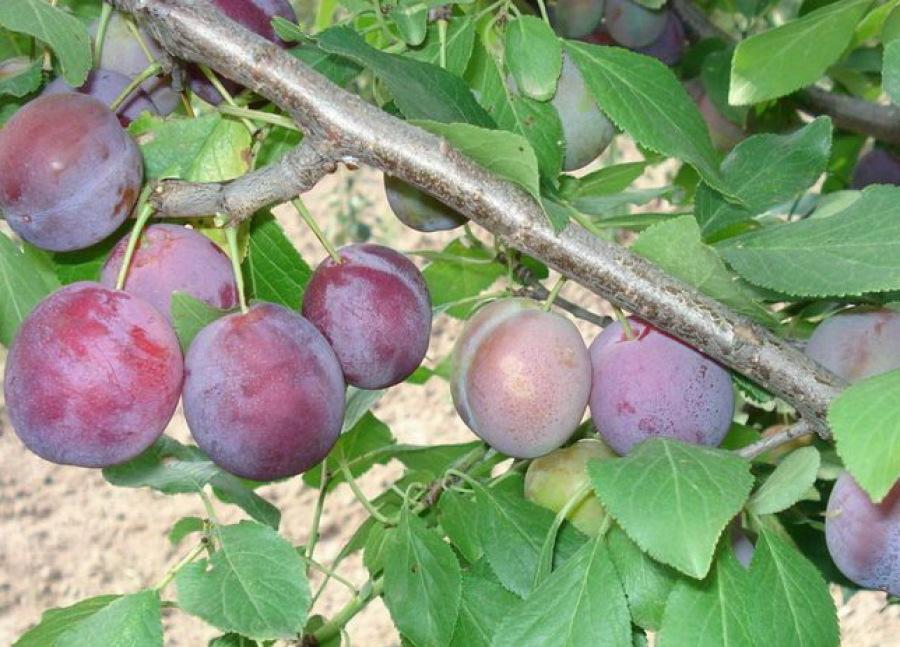
The plum skin of this variety is yellow with a scarlet blush. It prefers to grow in the south. It is highly productive, with a single plant yielding up to 100 kg. The tree is medium-sized, with a sparse crown. It does not require frequent pruning.
White
A distinctive feature of this hybrid is the milky skin of the plums. The fruits weigh between 40 and 55 g and are juicy and sweet. The tree is short, reaching up to 4.5 m. It tolerates dry summers well. The fruits are better suited for fresh eating than for canning.
Altana
This variety is a mutation of the Green Renclode. The plant grows 6.5 m tall and produces large fruits, weighing up to 55 g. The plums are light green. It is undemanding regarding soil composition and climate.
Ulena
In Russia, this variety is only found in collectors' collections. Fruiting begins in August, and the fruits are round. The peel is lemon-colored, and may have a pinkish blush on the sides.
Kharitonova
Ripe fruits are oval-shaped, plum-like ink. They may appear completely black. They weigh 30-45 g. The flesh is orange and honey-flavored. The trees are tall, reaching up to 5 m in height. The crown is moderately dense.
Planting seedlings on the site
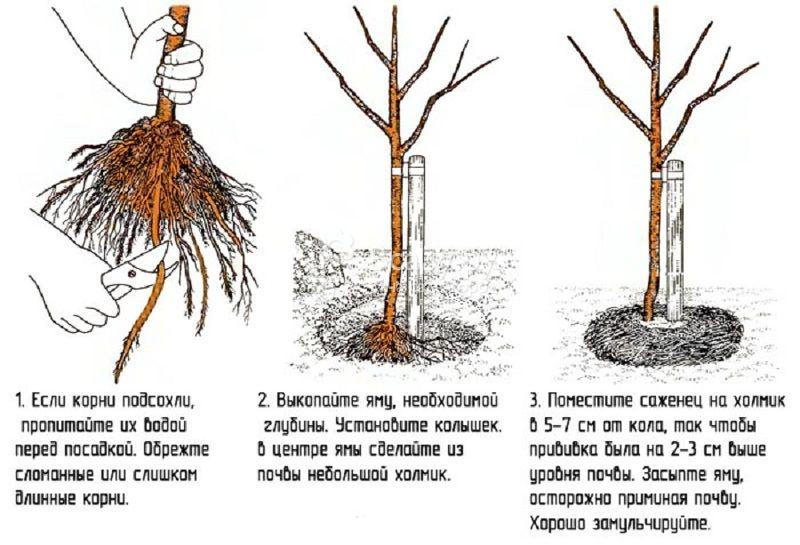
Planting Renklod plum seedlings is the same as planting any other fruit tree. The soil is prepared in the fall. The soil is dug to a depth of 15 cm, all weeds are removed, and the soil is mixed with well-rotted manure and wood ash. In the spring, the soil is dug again.
Plum planting process:
- Dig a hole 80 cm deep and 70 cm wide.
- Add fine drainage material to the bottom of the hole.
- Place the plum seedling in the hole and cover with soil.
- Do not bury the root collar.
- Lightly compact the soil around the trunk.
Dig a trench near the trunk to prevent water from spreading during watering. Water the seedling generously with warm water.
Care nuances
Caring for the Renklod plum is easy. This variety is undemanding and unpretentious in terms of growing conditions.
Watering
In spring, when the sap begins to flow, the tree requires a large amount of water for growth. Plum trees are watered 3-4 times a week. Each tree requires about 6 liters of water. Once fruit buds begin to form, watering is reduced to 1-2 times a week (depending on the weather). Sun-warmed water is suitable for irrigation. Watering with ice-cold water can lead to disease.
Plum pruning
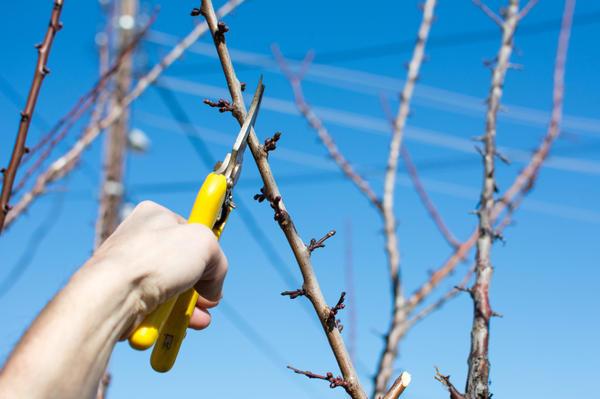
Formative pruning is performed in the spring. In the fall, sanitary pruning is necessary. All dry, broken, and damaged branches are removed from the tree. The cut areas are sealed with garden pitch. If necessary, thinning pruning is performed in the summer, once the fruit buds have formed. This is necessary if the crown is very dense and the fruit does not receive enough sunlight. In this case, thin and young shoots are pruned.
Top dressing
In early spring, plums are fed with nitrogen-containing fertilizers to promote rapid growth. For example, sodium nitrate, urea, and ammonium sulfate. In the second half of the season, plums require phosphorus and potassium. These fertilizers help increase yield. In addition, wood ash, compost, and a solution of bird droppings are added to the soil.
Crown formation
The plum tree's crown is formed immediately after planting the seedling in open ground. The top of the seedling is trimmed. Then all the thin branches are cut off, leaving only 3-4 strong skeletal branches. The cuts are coated with garden pitch to prevent infection.
Preparing for winter
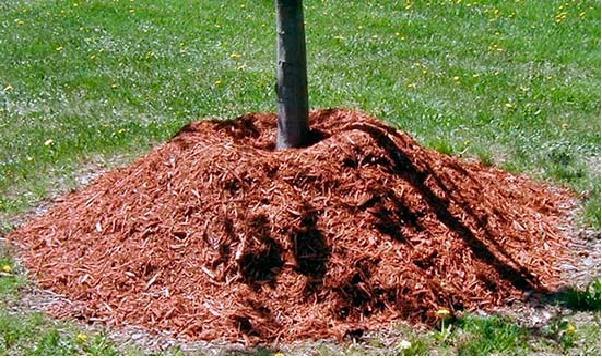
Before winter, it's time to think about protecting your plum tree from frost. To protect the root system, mulch the soil around the tree's trunk. Cover the trunk with several layers of burlap. This will not only prevent the bark from freezing but also protect it from rodents.
Related posts:
 Description of the 30 best plum varieties for the Moscow region, planting and care
 Description and characteristics of the 30 best yellow plum varieties, planting and care
 Description and characteristics of the Yakhontovaya plum variety, pollinators
 Description and characteristics of the 27 best plum varieties for the Urals, planting and care
 Description and distinctive features of the best varieties of Ussuri plum
 How to plant walnuts, care for them, and grow them at home
 Description and varieties of plum variety Ternovka, planting and care technology
 Description and characteristics of the Kabardinka plum variety, planting and care