
- What is characteristic of culture?
- Plum growing area
- The benefits and harms of the Ternovka plum
- The best varieties of plums Ternovka
- Sweet-fruited TSA
- Bilasuvar
- Pride of Siberia
- Hybrid Blackthorn-1
- Blackthorn-2
- The most delicious variety of Shropshire damson
- Planting a plum tree on a plot
- Does Ternovka need special soil?
- Preparing a plum seedling and planting hole
- Favorable and unfavorable neighbors for plum
- The algorithm for planting plum seedlings Ternovka
- Care and cultivation of the Ternovka plum
- Watering the Ternovka plum tree
- Loosening the soil
- Fertilizing plums
- Pruning the Ternovka plum tree
- Wintering of the Ternovka plum
- Plum diseases and pests
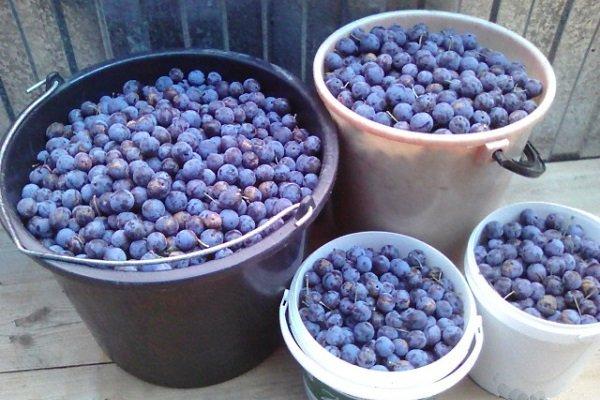
- Harvesting and storing blackthorn fruits
- Reviews of the Ternovka plum
The Ternovka plum variety boasts numerous beneficial properties and contains a wealth of vitamins. Its fruits are marketable and incredibly tasty. This fruit is in demand in the CIS countries and is widely grown by experienced gardeners and even novices. It even thrives in Siberia due to its high frost resistance. To successfully grow this tree, it's important to familiarize yourself with all the necessary agricultural practices.
What is characteristic of culture?
The blackthorn plum is a variety "invented" by nature itself. Breeders have appreciated its advantages and created various hybrids.
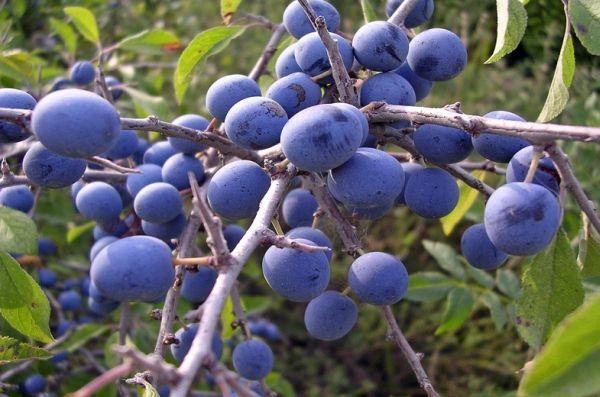
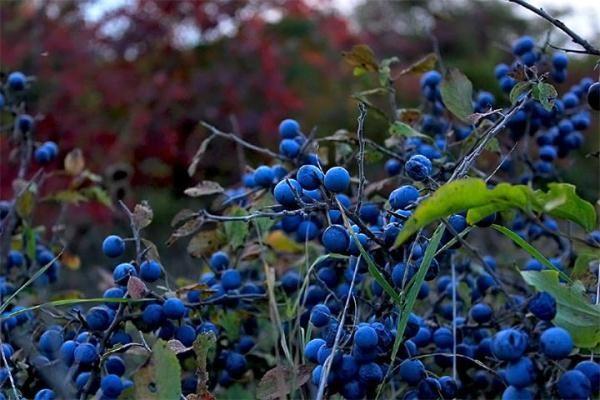
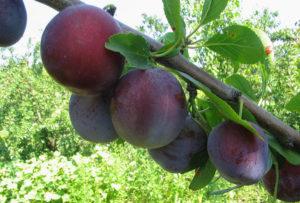
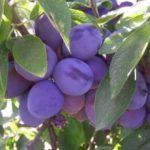
This variety belongs to the Rosaceae family, the plum genus. It was previously considered a cultivar of blackthorn. They share many similarities. Blackthorn bushes with thorny shoots grow up to 4 meters tall, with small, oblong leaves up to 5 cm in diameter. They bloom profusely, producing whitish inflorescences up to 3 cm in diameter. They have a waxy coating. Blackthorn flesh is sweet with a slightly tart taste, and each fruit weighs 15 grams.
The yield is stable, with the berries ripening by late August or early September, two years after planting. They cling tightly to the branches thanks to a strong stem. The longer the Ternovka berries remain unharvested, the more intense their flavor. This plum variety is highly resistant to diseases and pests. It withstands dry periods well, and its rhizome can withstand temperatures as low as -45°C.
Plum growing area
The Ternovka plum is native to Southwest Asia, but was first noticed by gardeners in Syria. It became known as the "Damascus Plum." The plant was later transported to the UK, from where it spread throughout Europe. In the CIS, the Ternovka plum gained popularity in the mid-20th century. Today, the hybrid can grow in any climate.
The benefits and harms of the Ternovka plum
The blackthorn plum contains numerous amino acids, pectin, fiber, and tannins. It is widely consumed for its health benefits.
When consuming blackthorn plum, the following effects occur on the body:
- cleansing from slags and toxins;
- lowering cholesterol levels thanks to vitamin PP;
- cleansing of capillaries due to the presence of pectin in the plum, it even removes radioactive metals;
- acceleration of metabolism.
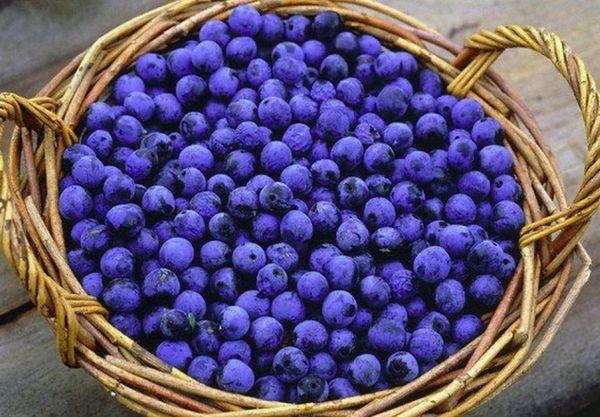
Thanks to this last property, blackthorn helps you lose excess weight safely. Plum is renowned for its antibacterial, anti-inflammatory, mild diuretic, and laxative properties.
The fruit is beneficial for cholecystitis, liver, and kidney diseases. Eating blackthorn plums increases appetite and speeds up digestion. They also reduce the intensity of stomach pain.
Blackthorn can also cause harm to the body, namely:
- cause allergic reactions;
- People with high stomach acidity should not overindulge in this fruit;
- If you have an exacerbation of chronic gastritis or ulcers, do not consume blackthorn.
Ternovka plums can be used to make jams, preserves, garnish desserts, and frozen. The leaves are often added to tea. You can eat up to 200 grams of plums per week, divided into 2-3 servings every other day. Avoid eating the fruit on an empty stomach, as it may cause digestive upset.
The best varieties of plums Ternovka
There are different varieties of sloe plum, each with its own advantages. The planting and care process are the same.
Sweet-fruited TSA
This is a mid-late variety of the Ternovka plum, with a sweet and sour flavor. The fruits are medium-sized, and the bushes are self-sterile. They reach 3.5 meters in height.
Bilasuvar
This variety, native to Azerbaijan, is highly winter-hardy, easily adapts to new conditions, and is resistant to diseases and insects. The bushes grow up to 3 meters tall, producing fruits weighing up to 30 grams and with a sweet, astringent flavor. After the first frosts in autumn, they become slightly tart, more dessert-like.
Pride of Siberia
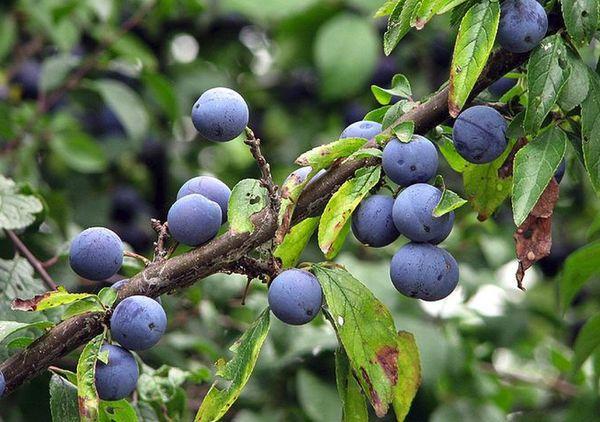
This variety is virtually indistinguishable from a true plum, but its fruits are fleshier and more tart. The "Pride of Siberia" variety is highly productive, with branches sagging under the weight of large fruits weighing up to 25 grams. They are coral-red in color and have a dessert-like, sweet flavor.
Hybrid Blackthorn-1
Ternovka bushes grow up to 4 meters tall, producing flat-round, purple fruits weighing 8-10 grams. The flesh is yellowish, sweet and sour, but not tart. The plum emits a subtle aroma of apricot and wild strawberry. The pits are small and difficult to remove.
Blackthorn-2
This variety is classified identically to the one mentioned above. These are hybrids of the Chinese-American Toka plum with blackthorn.
The most delicious variety of Shropshire damson
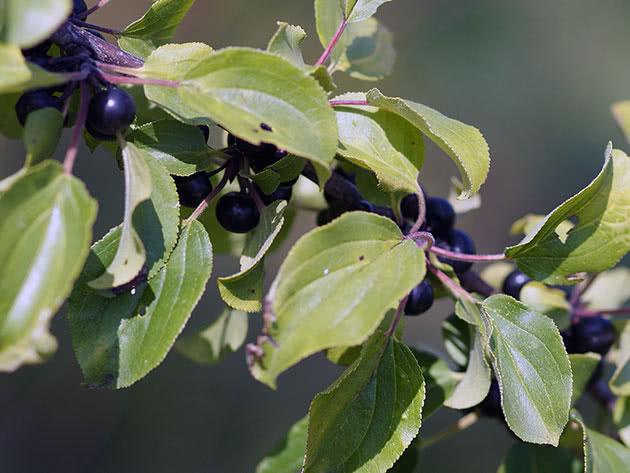
This variety, native to the UK, is distinguished by its honey-sweet fruits without any tartness. The bushes grow to about 3 meters tall, with the fruits clinging firmly to the vines.
Planting a plum tree on a plot
Damsons are usually planted from seedlings; this is the fastest and most convenient method. You can buy seeds, but the bush will begin bearing fruit in about 4-5 years. It's important to choose the right sunny location and prepare the soil and holes.
Does Ternovka need special soil?
Damson seedlings prefer full sun but can also tolerate partial shade. Planting the shrub in the shade will reduce flowering and yield. Damsons do not tolerate stagnant water; the site should be well-drained. Acidic soil should be neutral, not acidic. Damsons prefer clay soils. Fertilize them with manure, superphosphate, and potassium two months before planting. The fertilizer is added to pre-plowed soil.
Preparing a plum seedling and planting hole
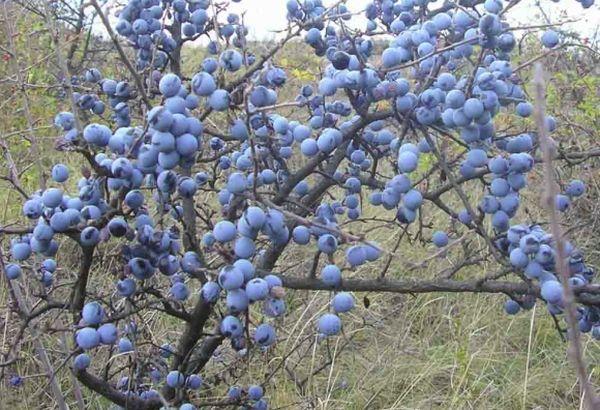
Select healthy seedlings, free of damage and beetle attacks. They should have well-developed rhizomes. The optimal age for seedlings is 2-3 years. It's best to purchase them from reputable sellers at the market or from specialized nurseries. Before planting, soak the seedlings in Epin or Matador growth stimulant for 2 hours and disinfect them with a potassium permanganate solution.
Favorable and unfavorable neighbors for plum
Damsons should not be planted near fruit trees, with the exception of apple trees. They can be planted near primroses, bulbous plants, celandine, and black currants. Thyme, if planted nearby, will inhibit weed growth. Cherries, sweet cherries, and pears are considered unsuitable neighbors.
The algorithm for planting plum seedlings Ternovka
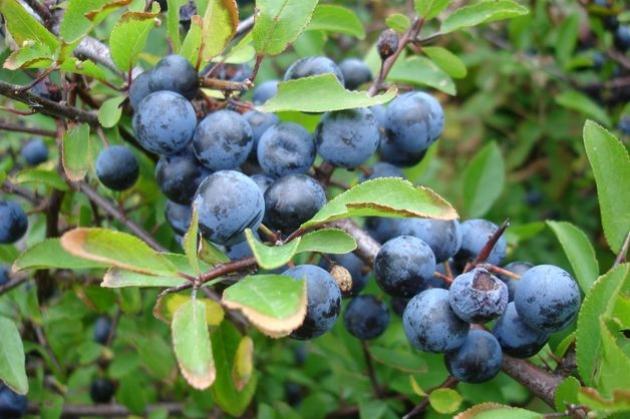
It's best to plant blackthorn seedlings in the spring, in late April or early May. Temperatures should be no lower than 10 degrees Celsius, and there should be no risk of frost.
- In the prepared area, dig holes 50 cm deep and 70 cm wide. Keep a distance of 4.5 meters between them.
- Add 5 kg of humus, a cup of ash, a handful of lime, 100 g of superphosphate, and 40 g of potassium sulfate. Mix all ingredients beforehand. Top the nutrient mixture with soil until the hole is half full.
- Place the seedlings into the hole, straightening out the root system.
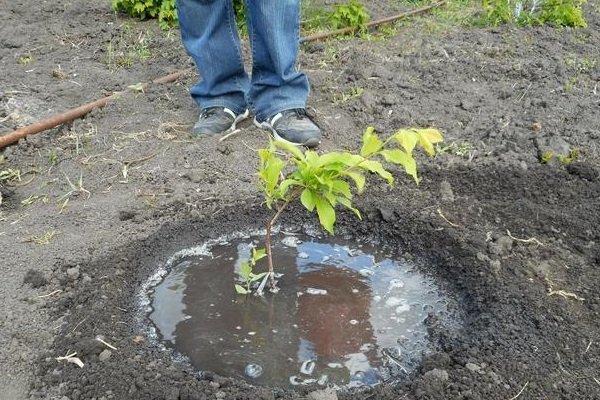
- Cover the bushes with fertile soil and compact it so that the root collar remains 3 cm above the ground surface.
- Water the tree trunk circle generously and mulch with sawdust and mown grass.
- Trim the bush so that the height of the blackthorn from the soil surface exceeds 80 cm.
 To prevent the bush from spreading across the plot, create an artificial barrier for the root cavity - bury sheet iron or slate 1 meter deep.
Care and cultivation of the Ternovka plum
The blackthorn plum doesn't require meticulous care; it can grow without fertilizing or frequent watering. Gardeners often plant it near a fence, creating a bushy hedge. If you want a bountiful harvest, the blackthorn plum requires proper care, including:
- regular feeding, watering;
- tying up young seedlings to prevent them from being damaged by strong winds;
- formation of a bush;
- winter shelter;
- treatment of shrubs against diseases and harmful beetles.
You should also weed the surrounding area of the Ternovka plum bush as the soil compacts, so that it is saturated with oxygen.
Watering the Ternovka plum tree
Blackthorn is a moisture-loving crop; it's best to water it once a week. During hot weather, increase the frequency to twice every 7 days. Use settled water; 50 liters per tree is required. If using cold water, The Ternovka plum will shed its fruits, the quality of the harvest will deteriorate.
Loosening the soil
The soil should be loosened as it compacts, using a spade-width approach to improve aeration, and weeds should be removed. Careful handling is essential, as there is a risk of damaging the rhizomes.
Fertilizing plums
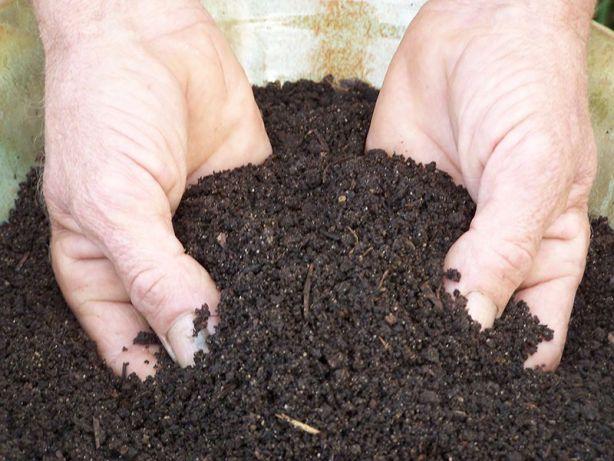
Blackthorn should be fed with humus or other organic matter in the spring, at the end of March. To increase productivity, several nitrogen applications can be applied. Apply 1 part mullein per 10 liters of water, 1 kg per bush, or 70-80% nitrogen solutions. Experienced gardeners do not recommend using fresh manure, as it damages the rhizomes and encourages weed growth. Do not exceed the recommended dosage, as this can cause gummosis in blackthorn.
Pruning the Ternovka plum tree
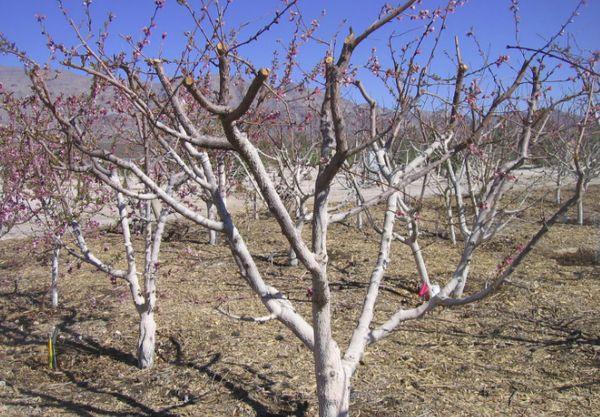
Blackthorn requires regular shaping. Experienced gardeners cultivate a sparse, tiered form to create a bushy appearance. Pruning is considered the most challenging aspect of blackthorn care. Three steps are performed during the plum's growing season:
- in the last days of March;
- at the end of June;
- after July 25.
There are several methods for pruning blackthorn plums.
- To maintain the Ternovka plum's shape and fruitfulness, sanitary pruning is performed. Damaged, dry, and diseased shoots are removed.
- Rejuvenation pruning. This is done to prolong the life of the Ternovka plum. Three to four fruiting branches are removed, and after a year, the remaining skeletal shoots are shortened by one-third.
- Thinning pruning. This procedure is necessary to prevent overcrowding, which prevents light from reaching the fruit. If the damson is a bush-type tree, up to five fruiting branches are left.
- Formative pruning. This is done if the tree is used as a hedge. It makes the shrub more attractive. As the tree ages and freezes, strong branches stimulate rejuvenation and restoration.
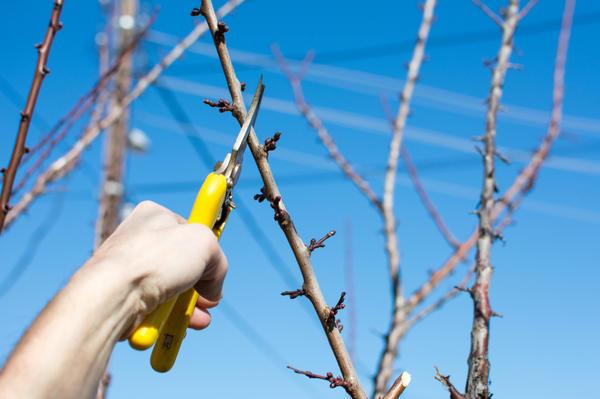 Prune the Ternovka plum tree with sharp, disinfected pruning shears. Any cracks or abrasions should be sealed with garden pitch.
Wintering of the Ternovka plum
A mature plum tree doesn't need frost protection. Young saplings are best protected from the cold by covering them with a non-woven material like burlap, using a wire frame to create a frame. The Ternovka plum tree is protected from rodents by trampling snow around the trunk. The trunk is covered with roofing felt. If the Ternovka plum tree freezes, it is restored using root shoots and basal suckers.
Plum diseases and pests
The Ternovka plum is renowned for its high resistance to diseases and harmful bugs, but the tree is sometimes susceptible to moniliosis, also known as gray mold. This disease is caused by the monilia fungus, which penetrates the pistil of the flower and infects most of the shoots. As the disease progresses, the leaves and branches turn dark brown. The disease progresses downward through the tree, despite new shoots growing on the trees. By August, the new shoots turn yellow and fall off. The yield of the Ternovka plum decreases, and the surviving fruits crack and rot right on the branches.
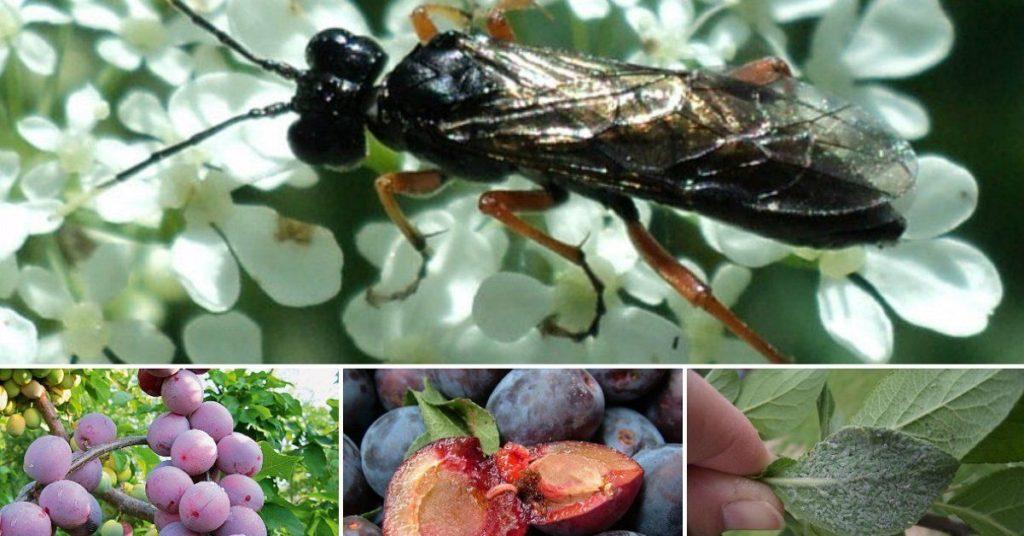
To combat gray mold, fungicides must be used. In March, plum bushes are treated with Horus solution—it's the only solution effective even at low temperatures. When the weather warms up, blackthorn plums are treated against gray mold with Abiga-Peak, Rovral, Gamair, Bordeaux mixture, and copper sulfate. Prepare the solutions according to the instructions.
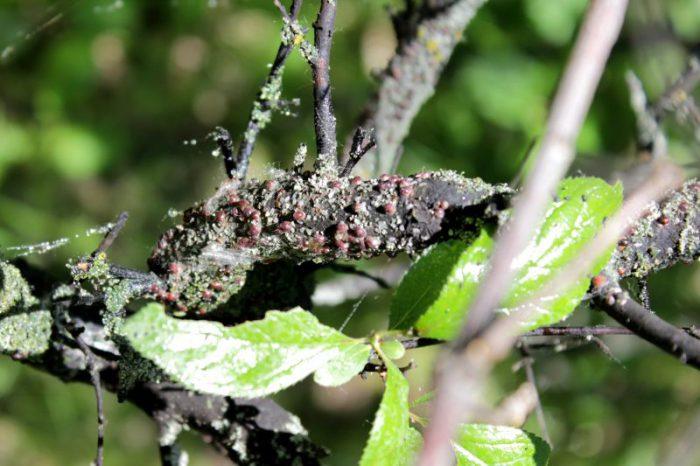
Among harmful insects, the Ternovka plum is often attacked by aphids - sucking parasites that feed on the cell sap of leaves and shoots, causing them to turn yellow and become deformed.
Aphids carry incurable viral diseases. To kill them, treat the Ternovka plum with an acaricide solution such as Actellic, Antitlin, or Aktara. One spray is required.
Harvesting and storing blackthorn fruits
Ternovka plums should be harvested after the fruit's appearance changes; their skin darkens, turning purple-brown. Harvesting timing depends on the plum's intended use:
- plums for fresh consumption or processing are picked at the stage of technical ripeness;
- To transport plums over long distances, the harvest is collected as soon as the fruits become soft and begin to turn purple.
Blackthorn berries are stored in wooden crates, lined with paper or oilcloth. They should be stored in a cellar or basement where the temperature does not exceed 5°C (41°F). Fresh blackthorn berries will keep for up to one month in a cool place, or three months in a refrigerator.
Reviews of the Ternovka plum
The responses below will help you learn more about the blackthorn plum and become familiar with the care features.
Pavel Romanenko, 76 years old, Kyiv
Hello! I've been growing Ternovka plums in my garden for over 15 years, using the bushes as hedges. The fruits are sweet and sour, and I use them to make jam and add them to baked goods. The fruits are incredibly tasty fresh, too; I treat my colleagues to them. The Ternovka plum has been attacked by aphids several times, but I managed to kill them with insecticides.
Valentina Tolmacheva, 65 years old, Dnipro
Hello everyone! The Ternovka plum is one of my favorite varieties; I adore its sweet and sour flavor. The bush doesn't require any special care, other than pruning. I water it once a week with settled water. There haven't been any diseases so far, but the Ternovka plum has been attacked by harmful beetles. I used Actellic to control them.
Rostislav Lebedev, 54 years old, Vinnytsia
Hello! I learned about the Ternovka plum from a neighbor who treated me to some ripe fruit. I decided to plant it in my garden using root suckers. The plum took root and began bearing fruit two years after planting. I use the fruit to make preserves and jellies, and I also eat it fresh. I highly recommend the Ternovka plum variety; during the flowering period, it creates a romantic atmosphere in the garden.
Related posts:
 Description and characteristics of the Yakhontovaya plum variety, pollinators
 Description of the 30 best plum varieties for the Moscow region, planting and care
 Description of the beneficial and harmful properties of plums for human health, contraindications
 Description and distinctive features of the best varieties of Ussuri plum
 Description and characteristics of the 30 best yellow plum varieties, planting and care
 Description of the Renklod plum varieties and cultivation technology
 Description of the Volga Beauty plum variety, planting and care
 Characteristics and description of the Startovaya plum variety, planting and care