
- The healthiest varieties of plums
- Black chokeberries
- Red-fruited
- Yellow-fruited
- Chemical composition and caloric content
- Calorie content of plums
- Daily intake of plums
- Medicinal and beneficial properties for human health
- For men
- For women
- For children
- Can you eat this fruit during pregnancy and lactation?
- Nuances of use for athletes
- Effect on the body
- For gout
- For gastritis
- For pancreatitis
- For diabetes mellitus
- Weight normalization
- Cleansing the body
- What are the benefits of plum pits?
- Contraindications and side effects
Who doesn't love the aromatic, tart flavor of plums? Among fruits, they hold a place of honor. Juicy, fragrant, and delicately tart, the fruits of this stone fruit are sure to delight. Plums are also delicious when processed, making delicious compotes, preserves, jellies, jams, and marmalades. In this article, we'll explore whether plums offer any health benefits or are only harmful to humans.
The healthiest varieties of plums
Plum is a common stone fruit crop grown in various climates. More than 67 plum varieties are registered in the state register. The fruits differ in skin color. The most beneficial varieties are those that ripen early and produce a delicious, abundant harvest.
Black chokeberries
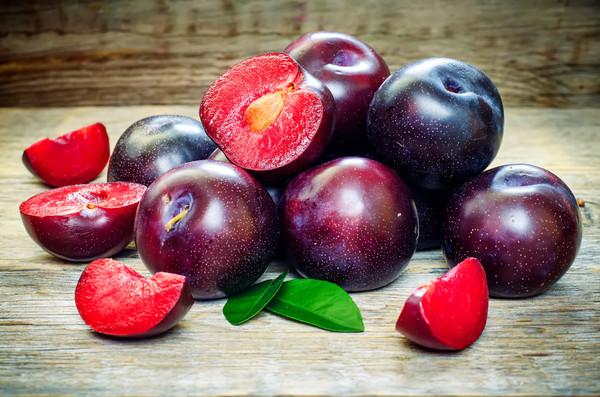
Black plums are more nutritious and rich in potassium, which normalizes the acid-base balance and nervous system function, and strengthens the heart muscle. Dark-skinned plums are high in anthocyanins, which protect the body from oxidative damage.
Hungarian plum is an ancient variety with dark-colored fruits with firm flesh and a dessert taste, they contain more nutrients, and prunes are made from it.
Red-fruited
The skin of red plums ranges from light to dark red. The flesh is also a rich, aromatic shade, with a delicate, sweet-tart flavor. Fruits with a more intense color are more beneficial due to the presence of anthocyanins, plant pigments with high antioxidant activity. This red-fruited variety helps normalize blood pressure and strengthen blood vessels, is effective for the cardiovascular system, helps normalize metabolism, and improves liver function.
Yellow-fruited
Yellow-fruited varieties have a higher content of vitamin A, which is important for maintaining normal skin and vision. The "Vetraz" and "Alenushka" varieties are distinguished by sweet dessert fruits with juicy flesh, a honeyed flavor, and a strong, lingering aroma. Mirabelle has a sweet and sour taste.
Chemical composition and caloric content
Plums are renowned for their delicate, sweet, slightly tart flavor. This beloved, juicy fruit has a rich chemical composition.
It contains a whole storehouse of vitamins necessary for the body:
- B1 (thiamine) and B2, B3;
- B6, B9, B12;
- A (carotene), E (tocopherol), PP, B, as well as D and C (ascorbic acid).
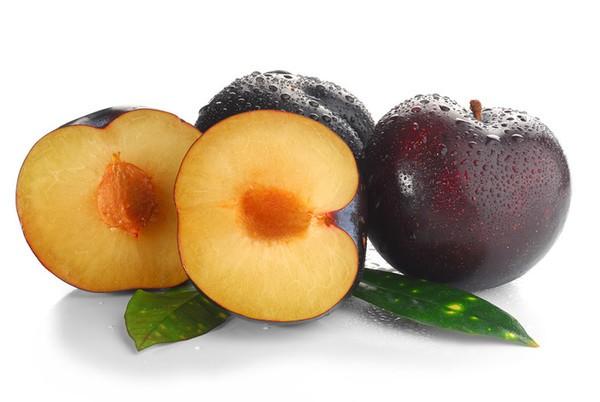 The fruits contain a huge amount of useful substances in the form of proteins, replaceable and essential amino acids, unsaturated fatty acids Omega-3 and Omega-6, monosaccharides, dietary fiber, starch and organic acids.
Plums are rich in macronutrients:
- potassium and magnesium;
- calcium and sodium;
- iron and phosphorus;
- sulfur and chlorine.

Microelements:
- iodine and manganese;
- selenium and fluorine;
- chromium and zinc;
- aluminum and boron.
- copper and cobalt;
- nickel and chromium;
- molybdenum and zinc, as well as fluorine.
Plums are rich in silicon. The seeds contain 40% oil and the glycoside amygdalin.

Calorie content of plums
Despite its sweetness and sugar content, plums are not high in calories. 100 grams of the fruit averages 48 kcal. Dried plums (prunes) are much higher in calories, at around 230 kcal, while plum puree has between 39-40 kcal. Slivovitz (slivovitz) contains 301 kcal. Plum jam is also high in calories, at 287 kcal.
Daily intake of plums
Before eating plums, be aware of their laxative and diuretic properties. Daily consumption is determined individually. A healthy, allergy-free person can consume approximately 250 grams of plums per day. Pregnant women have their own recommended intake: doctors recommend no more than 4 plums per day.
Medicinal and beneficial properties for human health
Plums, rich in beneficial micro- and macronutrients, fiber, dietary fiber, and vitamins, have a therapeutic effect on the human body. Dietary fiber promotes regular bowel movements, normalizing digestive function, and prevents food debris from rotting in the colon.
Systematic consumption of plums provides:
- vasodilation, prevention of atherosclerosis development;
- normalization of water-salt balance;
- strengthening the nervous system, increasing stress resistance;
- stimulation of red blood cell synthesis, elimination of iron deficiency;
- restoration of athletes' strength after intensive training;
- thanks to pectins, purification from salts of heavy metals and radioactive substances;
- activation of gastric juice secretion;
- regeneration of liver cells.

In addition, it reduces the likelihood of healthy cells turning into diseased ones, prevents breast cancer, helps women during pregnancy with toxicosis, and alleviates the condition during heavy periods.
Plums are widely used in cosmetology. Various masks made from their pulp and additives can be used for exfoliating the skin, removing dead skin cells, and lightening pigment spots. Vitamin PP promotes collagen synthesis and skin rejuvenation, improving the condition of hair and nails.
For men
The male body is very different from the female, and men are more susceptible to cardiovascular disease than women. Plums help prevent heart attacks and strokes and boost metabolism. The calcium in the fruit strengthens the skeletal system of men who perform heavy physical labor, and zinc increases potency in men.
For women
Plums are beneficial for women, especially after menstruation ends, when the ovaries stop producing estrogen. They have a therapeutic effect on metabolic disorders and iron deficiency. The fruit's antioxidant properties help prevent breast cancer. Women also use plums for weight loss and cosmetic purposes, using compresses and masks to treat dark spots.
For children
Containing vitamins B, A, and C, this fruit boosts children's immunity and calms the nervous system. Dietary fiber normalizes bowel function. Calcium strengthens bones and teeth in children.
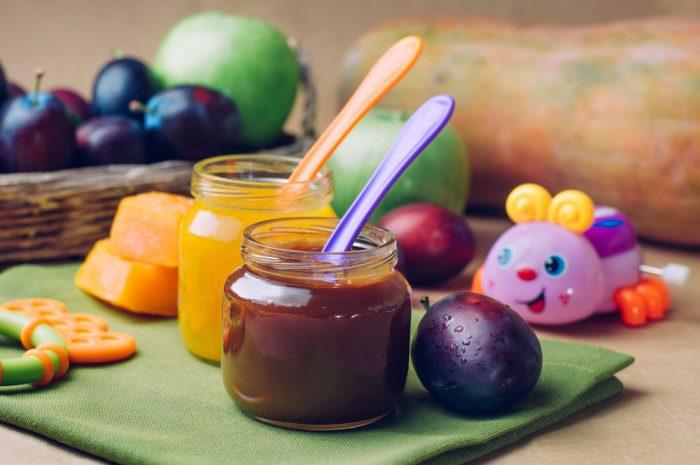
However, there are restrictions for children under 3 years old; fresh fruits are prohibited. Until age 3, plum puree can be added to cereals and cottage cheese.
Important: Puree from fruits with blue-violet skin can be given to babies after one year of age.
Can you eat this fruit during pregnancy and lactation?
Plums are known as natural antioxidants and help cleanse the body of pregnant women of free radicals. Many pregnant women suffer from constipation, and the fiber in the fruit promotes normal intestinal motility.
In addition, this fruit is beneficial for pregnant women due to the presence of vitamins B9 and E, which have a positive effect on the proper development of the fetus.
Some women use plums to relieve bleeding gums. During pregnancy, women suffering from morning sickness are advised to drink plum juice from sweet and sour varieties as an antiemetic.
Important: Breastfeeding women should refrain from eating plums.

Nuances of use for athletes
Athletes who exercise should include plums in their diet to replenish vitamin and mineral deficiencies. Potassium strengthens the heart, calcium strengthens bones, and minerals help normalize muscle and tissue tone after intense exercise.
Effect on the body
For gout
This condition requires a strict diet, excluding plums from the diet, as they can cause excessive fluid loss and lead to salt deposits in painful joints. For joint inflammation, 3-4 plums per day are allowed after consulting a doctor. Take after meals.
For gastritis
For gastrointestinal disorders, limit your intake to no more than 3-5 ripe, sweet (not sour) plums per day, as plums can increase the acidity of gastric juice. Drinking plum juice diluted with water at a ratio of 1 to 2 is permitted.
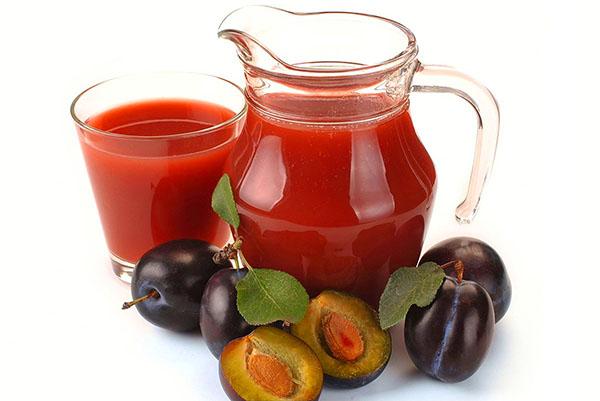
Important: During an exacerbation of gastritis, both plums and plum juice are prohibited.
For pancreatitis
Doctors prohibit plums for those with pancreatic dysfunction. For chronic cases, 3-4 peeled plums per day are allowed. They should be taken after meals.
For diabetes mellitus
Diabetics of both types should avoid excessive fruit consumption; about 150 g of fresh fruit per day is allowed. Dried prunes are allowed, about 40 g. Choose plums that are not too sweet.
Tip: If the plums aren't ripe enough when you buy them, they'll ripen in a few days at room temperature.
Weight normalization
Plums help with weight loss. There are developed plum diets that involve two fasting days.
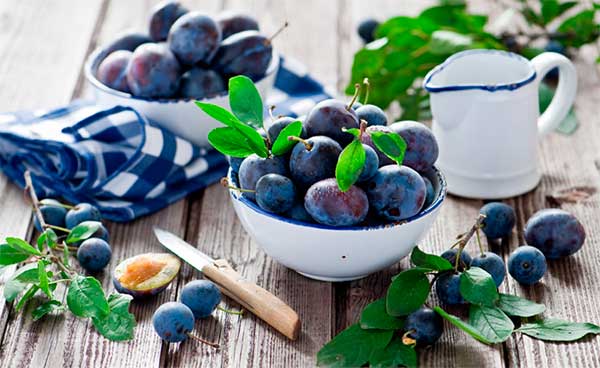
A plum-only fast can help you lose 3-4 kg per month. To lose weight, you'll need 1 kg of ripe plums, divided into 6 equal portions to be consumed throughout the day. You're not allowed to eat anything other than plums; you can drink mineral water or green tea. Plum juice can be consumed 2-3 times a day instead of plums.
For weight loss, plum varieties should be neither too sweet nor too sour. Drink water within half an hour after eating the fruit.
Cleansing the body
The body needs to be cleansed of toxic toxins and heavy metal salts, which weaken the immune system and lead to various illnesses. Fresh and dried plums can be used for this cleansing procedure.
Traditional healers recommend cleansing with plum juice, which removes accumulated waste and draws out poisons and toxins.
During the winter and spring, prunes are used for cleansing, while in the summer and fall, cleansing with fresh plums will be beneficial. After cleansing, bowel movements improve and bowel function normalizes.

Important: Drinking large amounts of prune juice can cause gas, bloating, and constipation.
What are the benefits of plum pits?
Traditional Eastern healers use remedies infused with plum seeds and kernels. The fatty oils in the kernels have therapeutic properties and possess antioxidant properties. Plum seed oil is an ingredient in homemade cosmetics popular among women for skin and hair care.
Plum tincture is used for bronchitis, lingering cough, and also in the prevention of malignant neoplasms.
Caution! Plum pits contain amygdalin, which, when exposed to stomach enzymes, produces hydrocyanic acid, which poses a health hazard. Therefore, it is not recommended to store plum compote with pits for longer than 12 months.

Contraindications and side effects
Despite the benefits of plums for the body, they can be harmful to health.
The fruits are contraindicated for people with individual intolerance and allergies, as well as for some patients who suffer from:
- urolithiasis and renal failure;
- gout and rheumatism;
- gastritis and pancreatitis;
- prostatitis, diabetes mellitus of both types.
Important: Eating too much plums can cause the enamel layer of your teeth to erode.
Plums have many beneficial properties, so they can be safely included in your diet.
Related posts:
 Description and characteristics of the Yakhontovaya plum variety, pollinators
 Description of the 30 best plum varieties for the Moscow region, planting and care
 Description and varieties of plum variety Ternovka, planting and care technology
 Description and distinctive features of the best varieties of Ussuri plum
 Description and characteristics of the 30 best yellow plum varieties, planting and care
 Description of the Renklod plum varieties and cultivation technology
 Description and characteristics of the 27 best plum varieties for the Urals, planting and care
 Description of the Volga Beauty plum variety, planting and care